
Most of us treat the fridge like a universal safety net. Anything that seems remotely perishable goes in there, no questions asked. It feels responsible, even smart. The truth, though, is that refrigerating certain foods actively ruins them – changing their texture, killing their flavor, and in some cases, even reducing their nutritional value. Honestly, some of these might surprise you quite a bit.
From the humble tomato to your beloved jar of honey, the list of foods we’ve been chilling by mistake is longer than most people think. Let’s dive in.
1. Tomatoes
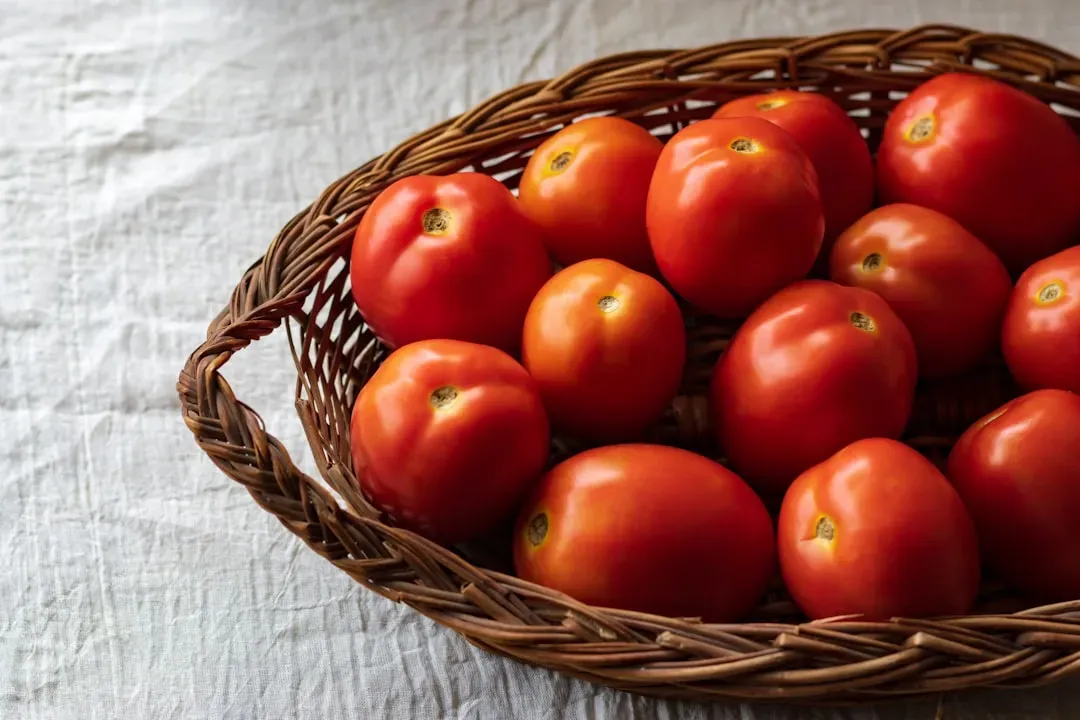
Cool air alters chemical pathways in tomatoes, slowing those that contribute to fresh flavor and accelerating others that dull flavor. The result is that sad, mealy, flavorless tomato you pull out and wonder why you even bought it in the first place.
Store tomatoes at room temperature away from direct sunlight and allow them to come to peak ripeness for optimal flavor. If you have leftover tomato slices, place them in an airtight container and refrigerate for no more than two to three days before consuming them. The counter is always their first home.
2. Potatoes
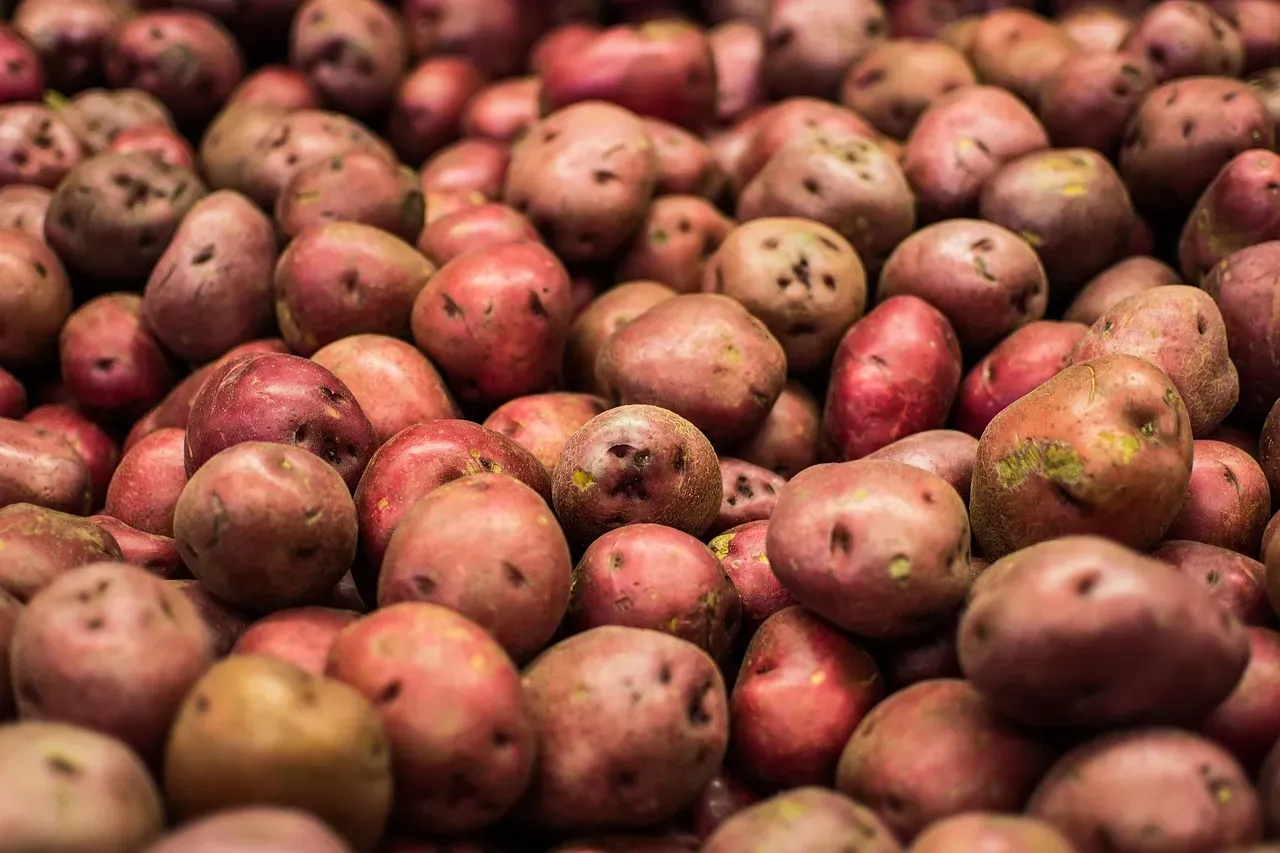
Cold temperatures convert potato starch into sugar, which results in a gritty texture and a slightly sweet flavor. Potatoes do best at 45°F, but most refrigerators are set between 35°F and 38°F. That gap matters more than you’d think.
Refrigeration turns potato starch into sugar more quickly, and when baked or fried, these sugars may produce the cancer-causing chemical acrylamide, according to Public Health England. Store them in a paper bag in the cool pantry and keep them out of sunlight, which can turn the skins green and bitter.
3. Onions
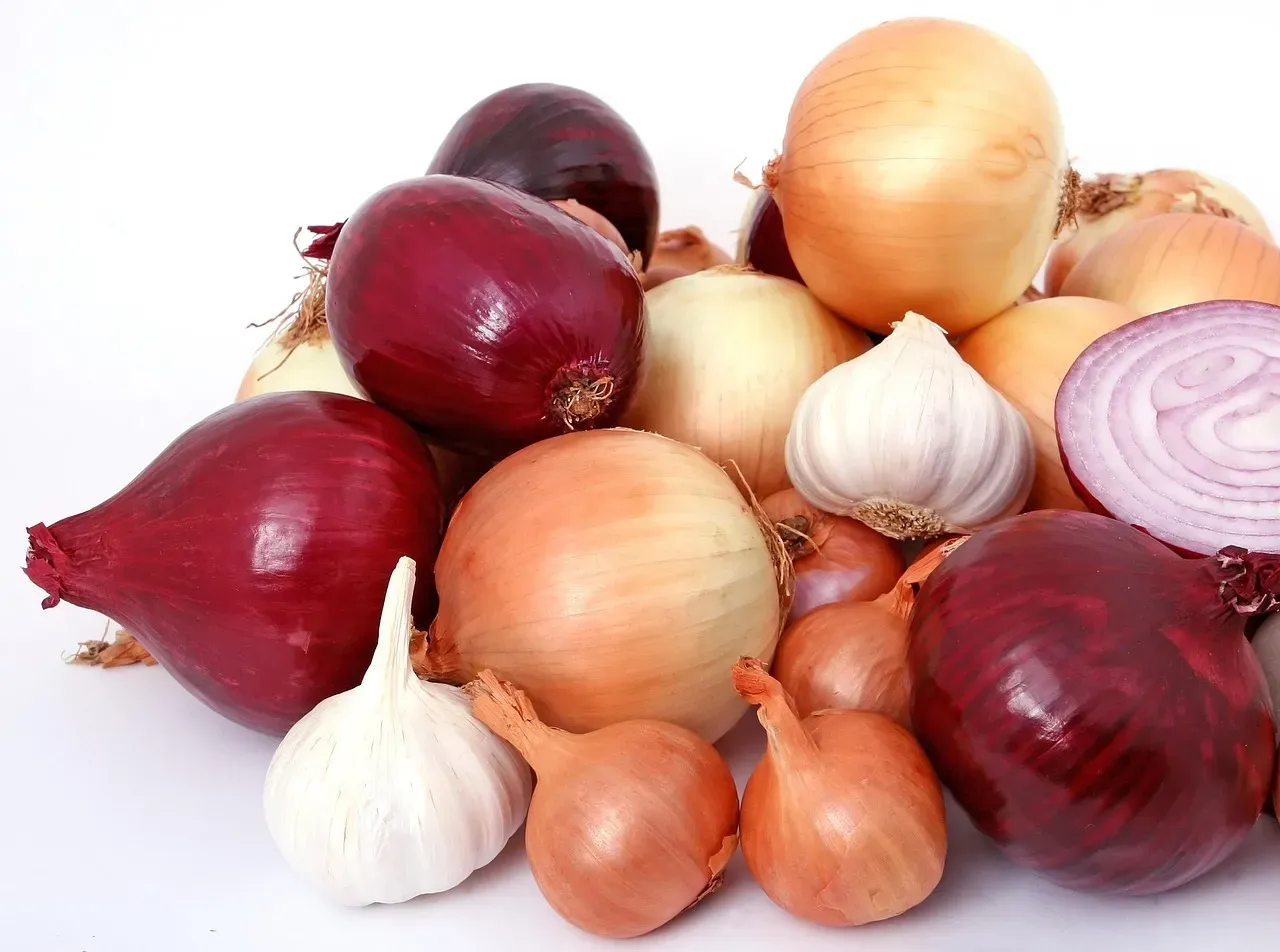
Both susceptible to moisture and humidity, garlic and onions can go mushy and start growing mold when stored in the refrigerator. It’s a quick way to waste something that could otherwise last for weeks sitting out.
These vegetables need air circulation to stay fresh. Store whole onions in a hole-punched paper bag in the pantry. Don’t keep them near potatoes; onions emit gas and moisture that can cause potatoes to spoil quickly. Keep them separate, keep them dry, and they’ll last far longer.
4. Garlic
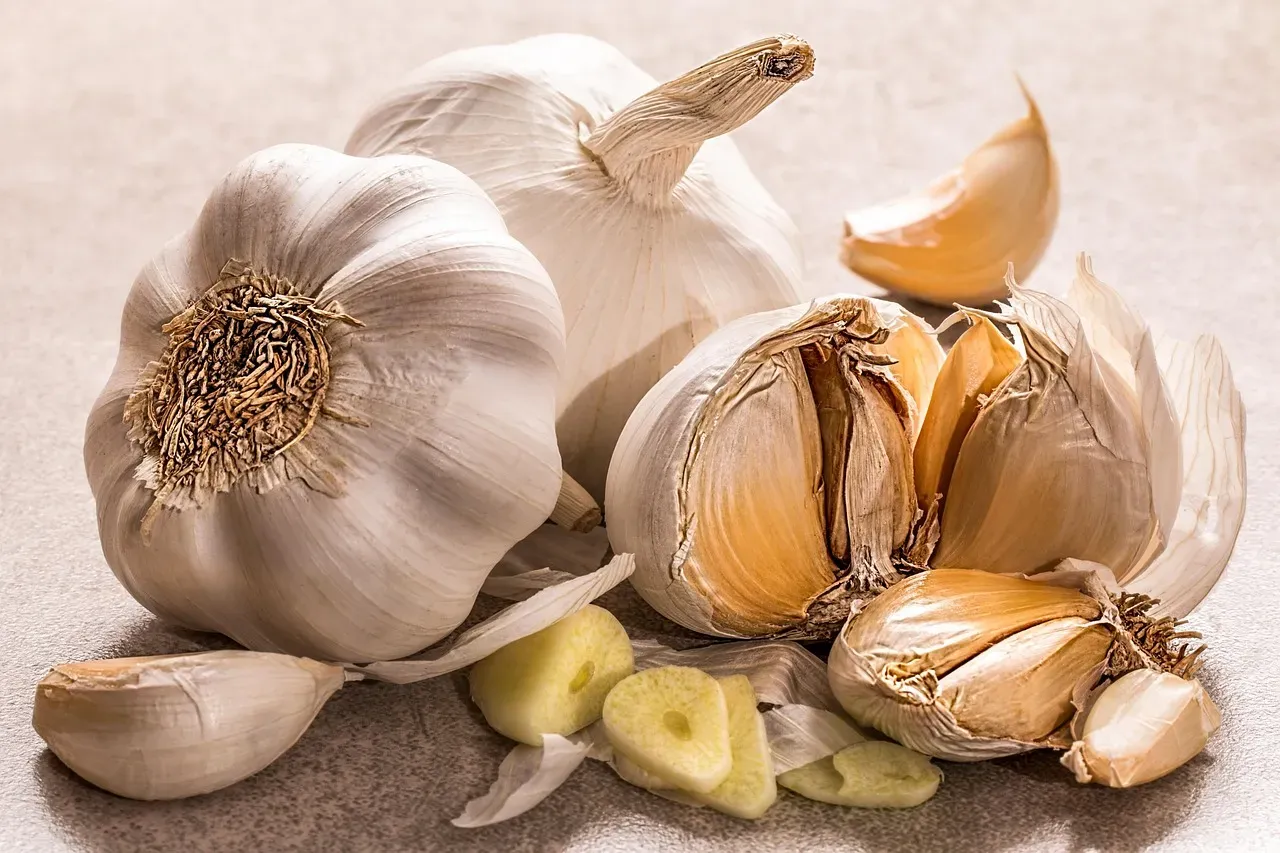
Garlic should be stored in a cool, dry place at room temperature. Storing garlic in the refrigerator can cause it to sprout and become rubbery. Additionally, the cold environment can alter its flavor and texture.
Garlic is happiest in a dry, room-temperature setting. The fridge can lead to sprouting, not to mention a rubbery texture. And, let’s be honest, nobody wants their entire fridge smelling like garlic either. A small ventilated basket on the counter works perfectly.
5. Bread

Contrary to popular belief, bread stales faster in the fridge due to a process called retrogradation. When bread is stored in the fridge, the starch molecules recrystallize quickly, causing it to stale much faster. It’s counterintuitive, but keeping it cold is actually worse.
To keep loaves and baguettes in tip-top shape, store them covered on the counter or in a bread box. For long-term storage of more than a few days, it’s smart to store bread in the freezer – wrap it in at least two layers, like a bag inside a bag or paper-wrapped inside a bag. Skip the fridge entirely; it’s the worst of both worlds.
6. Coffee
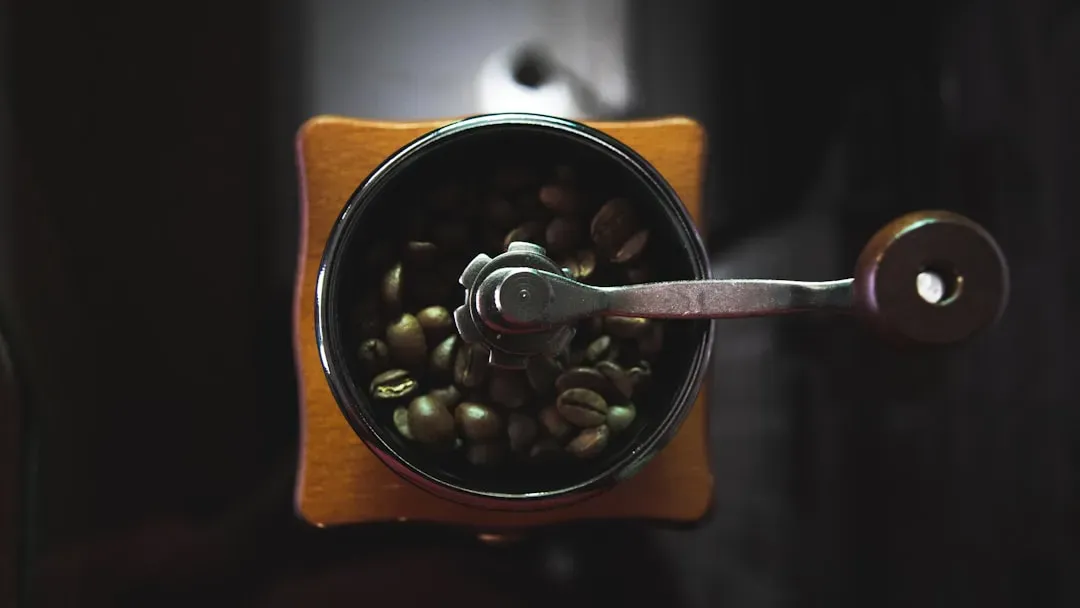
In the refrigerator, there is a lot of moisture, and both whole bean and especially ground coffee will readily absorb that moisture. The process of making a cup of coffee is essentially started at that point, meaning when you use those beans or grounds, you are using stale and partially brewed coffee.
Storing coffee in the fridge can lead to a significant loss of flavor. Coffee beans and grounds are highly absorbent and can take on the odors and moisture from other items in the refrigerator. Keep it away from the three things that accelerate the staling process: exposure to oxygen, moisture, and light. A sealed container in a cool pantry is all it ever needs.
7. Bananas
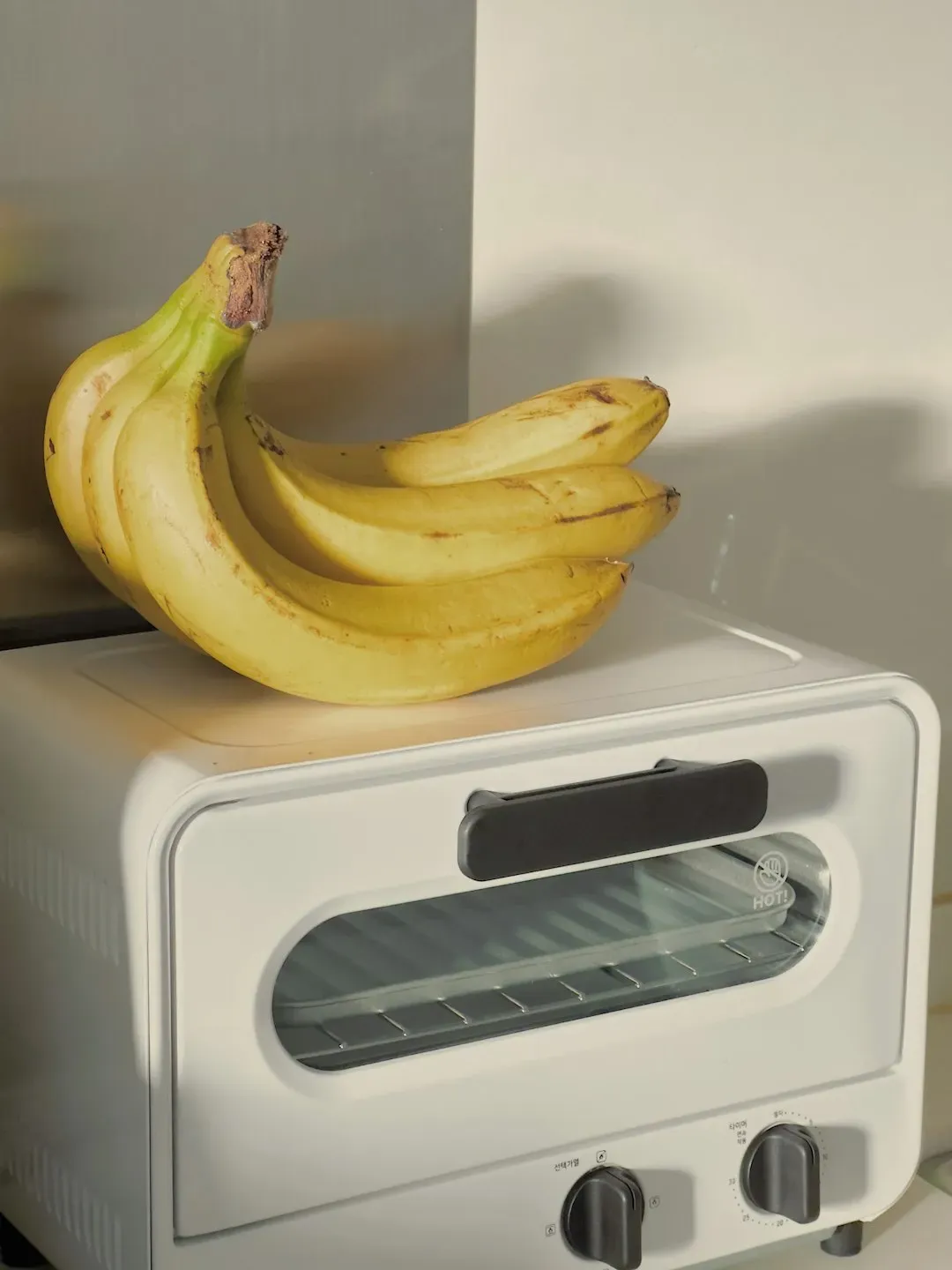
If you’ve ever put a banana in the refrigerator, you know it turns dark brown, which should tell you that they are not meant to be refrigerated. Bananas, which are usually bought before they’re ripe, will ripen at room temperature. Refrigeration slows down this process.
Cold temperatures mess with the enzymes that allow bananas to ripen properly. If you think brown spots on a banana at room temperature are bad, just wait until you see one that’s been in the fridge. Bananas also release a gas that ripens other fruit, so keep them away from other produce.
8. Honey

If you keep your honey in the fridge, it can turn hard and lumpy. To keep it smooth and gooey, leave it at room temperature. Think about it like this: honey has been found in ancient Egyptian tombs, still perfectly edible after thousands of years. It does not need your refrigerator.
Honey is naturally preserved, so it doesn’t need any extra help from the fridge. In fact, chilling it can make it crystallize and harder to use. Just keep it in a cupboard, and you’ll be golden. Although honey can be safely stored at room temperature, it’ll form sugar crystals if refrigerated.
9. Chocolate
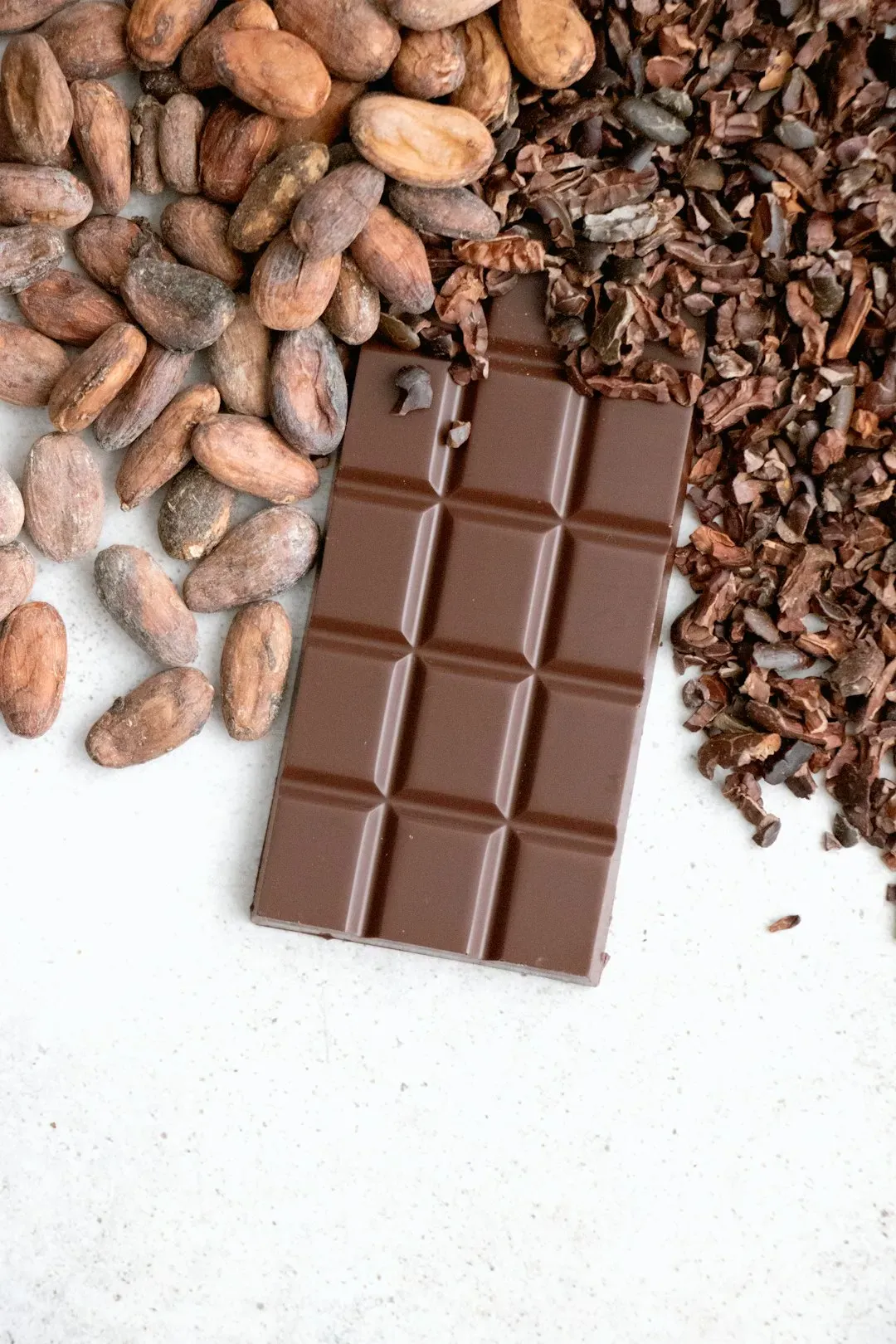
When left in the fridge, chocolate may become grainy and have a dull flavor. Instead, opt to store it in a dark, dry place. The cold strips it of that smooth, glossy snap that makes a good piece of chocolate so satisfying.
The fridge can cause chocolate to bloom, creating a white film on the surface. This doesn’t hurt the taste, but it does affect the appearance. Store it in a cool, dry place away from direct sunlight to maintain its rich, decadent taste. A pantry shelf is genuinely all it needs.
10. Olive Oil

All olive oil solidifies if the temperature gets cold enough. Around 45 to 50 degrees Fahrenheit, the natural wax particles in the olive oil begin to precipitate out, making it look cloudy or crystallized. Around 35 to 40 degrees Fahrenheit, it begins to form a consistency similar to soft butter.
Olive oil can harden in the fridge. Avoid this by storing it in a cool, dark area in your kitchen. It’s worth noting, though, that solidification does not damage the oil’s quality. Still, for everyday use, a cool dark cupboard keeps it perfectly fresh and always pourable.
11. Avocados
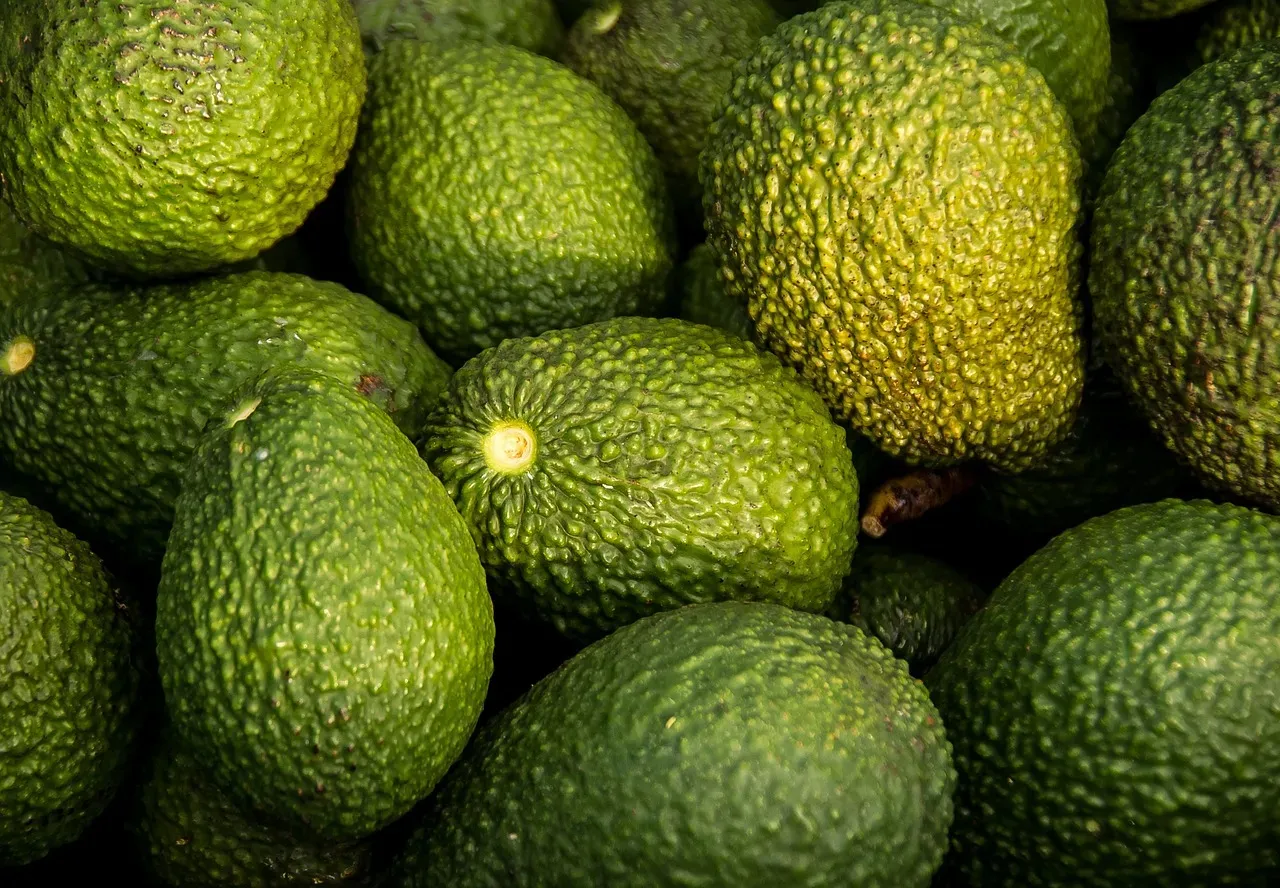
Unless you’re a fan of pale, unripe avocado, it’s best to leave the fruit on the counter until it’s ready to eat. Cooler temperatures can keep avocados from fully ripening. The ideal storage temperature for avocados is about 68°F, and a freshly picked avocado will take about 3 to 5 days to ripen at this temperature.
Here’s the thing though – once an avocado is perfectly ripe, the fridge actually becomes your friend. Once your avocado is a day or two away from perfect ripeness, transfer it to your fridge if you’re not going to eat it right away. Keeping avocados cold before they’re ripe can lengthen the ripening process to the point where they can actually go bad before they ever ripen.
12. Whole Melons

U.S. Department of Agriculture researchers found watermelons stored at room temperature have significantly more antioxidants and other nutrients than watermelons kept in the refrigerator. The amount of lycopene in watermelons went up about an average of 20 percent when left out uncut at room temperature, while beta carotene actually doubled.
Watermelon is classified as a chilling-sensitive fruit, meaning it suffers physiological damage when exposed to temperatures below 50°F. Unlike apples or grapes, which thrive under refrigeration, watermelon evolved in warm, arid climates and lacks the biochemical machinery to stabilize membranes in cold conditions. However, once cut, you want to leave sliced melon in the fridge for food safety reasons.
13. Peanut Butter

Peanut butter can be kept creamy and spreadable at room temperature for up to three months – then you can place it in the fridge. Most people reach for the fridge out of pure habit, but unopened or freshly opened peanut butter genuinely does not need it.
Natural peanut butter can separate in the fridge and become hard to spread. For smooth spreading, keep it in a cool pantry. Once you open it, refrigeration will keep it fresh longer than if you keep it in the pantry – so it’s really a judgment call based on how quickly you go through a jar. If it’s gone in weeks, the pantry wins every time.