
Walk into almost any home and you’ll find them everywhere: stacked in the kitchen, lined up in the bathroom cabinet, crammed into closets and garage shelves. Plastic containers have become the default storage solution for practically everything we own. They’re cheap, stackable, and see-through. What’s not to love?
Quite a bit, it turns out. These containers are not totally inert and leach varying levels of metals and chemicals into the foods they store, especially if subjected to elevated temperatures. One large review study published in the Journal of Exposure Science & Environmental Epidemiology determined that more than 3,500 chemicals found in food packaging and processing materials have made their way into human bodies. That’s not a small statistic. That’s a wake-up call.
Beyond food safety, there’s also the matter of your belongings degrading, fading, cracking, or going completely moldy inside those airtight bins. Some of the things most of us casually toss into plastic storage are actually being silently ruined. Let’s dive in.
1. Hot Food and Freshly Cooked Meals
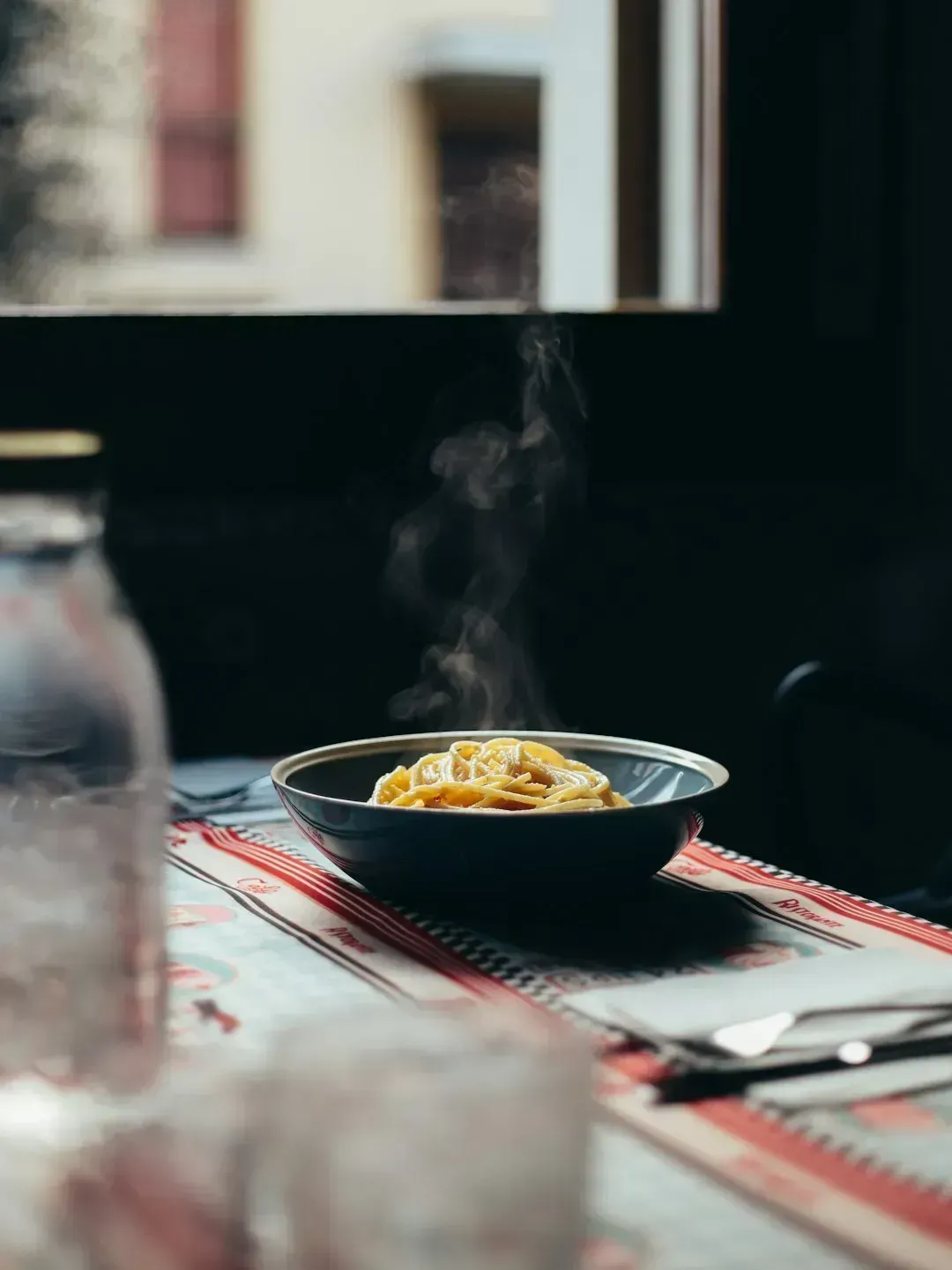
When hot food comes into contact with plastic, the heat causes the polymer chains in the plastic to expand and become more porous, creating pathways for chemicals to migrate from the container into your food. Think of it like pressing a hot iron onto a wax candle. The surface gives way.
Research shows that heat can cause plastic to release chemicals up to 55 times faster than at room temperature. Even containers labeled “microwave-safe” aren’t immune to this dangerous process. That label simply means the container won’t melt, not that it’s chemically stable.
Toxic chemicals used in the manufacturing process may be released when hot curry, soup, or other hot foods are poured into a plastic container. BPA and phthalates, two chemicals included in plastics, are known endocrine disruptors and may disrupt hormone processes and raise the risk of a number of illnesses, such as cancer and reproductive disorders.
The fix is simple: use glass or stainless steel for anything freshly cooked.
2. Tomato-Based Sauces and Acidic Foods
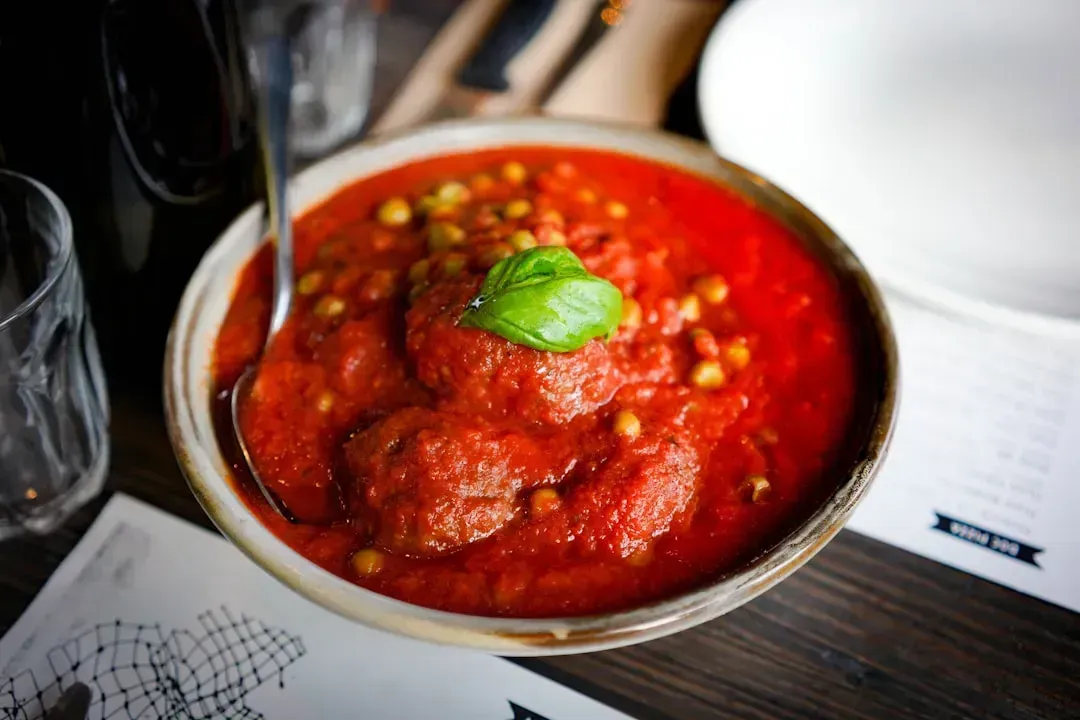
Here’s something that surprises a lot of people. Your beloved marinara isn’t just staining that Tupperware red – it’s actually attacking the container at a chemical level.
Acidic foods such as tomatoes, citrus fruits, vinegar-based dressings, and pickled vegetables can react with the chemicals in some plastic containers. PET containers are commonly used for storing beverages like soda and juices, but they may not be ideal for storing highly acidic foods over a long period due to potential chemical leaching. PP containers, though more resistant to heat and chemicals, may still allow some interaction with highly acidic foods.
Acidic foods such as tomatoes, citrus fruits, and vinegar-based dressings can accelerate the leaching of chemicals from plastic. Fatty foods can also promote leaching, as many plastic additives are fat-soluble. Combine tomato sauce’s acidity with its fatty richness and you’ve created a near-perfect leaching scenario.
Tomato sauces, such as marinara or chili, are acidic and can easily stain plastic containers. The acidity of tomatoes also reacts with plastic, potentially causing chemicals to seep into the sauce. The problem goes beyond just chemical leaching – the rich red color of tomatoes will often leave stains that are nearly impossible to remove after washing. Glass jars are the obvious and much safer alternative here.
3. Cooking Oils and Fatty Foods
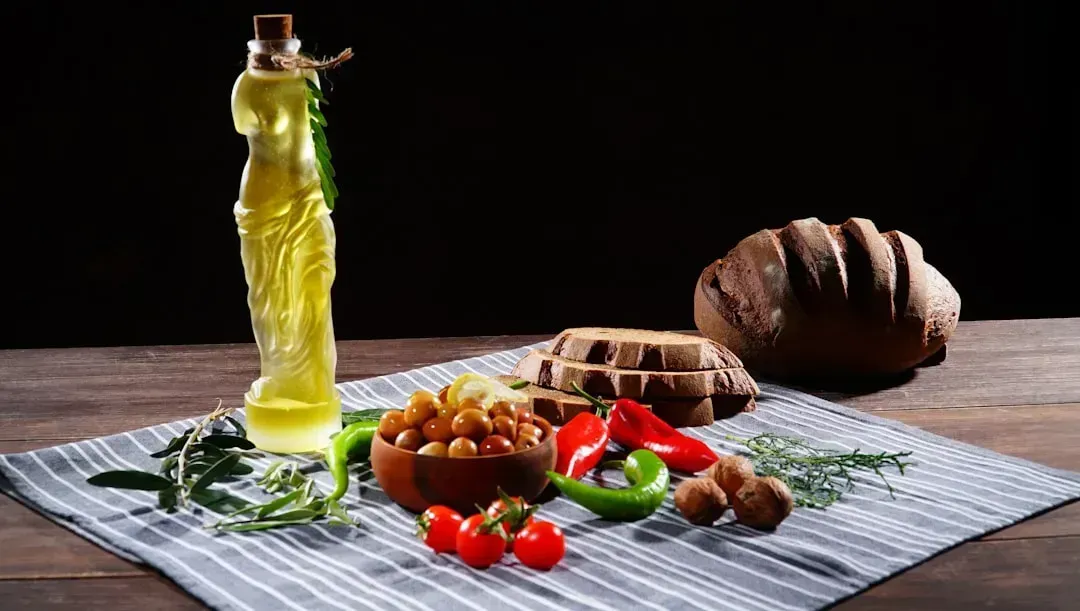
Oily and fatty foods like butter, cheese, and meat can absorb chemicals from plastic containers, especially when stored for long periods or at high temperatures. The reason? Fats act as solvents. They’re exceptionally good at drawing lipophilic (fat-loving) chemical compounds right out of the plastic walls.
Oily or fatty foods should not be stored in plastic containers, especially plastic bags. The fats or oils in specific foods have a higher ability to absorb the chemicals that these bags are made of. This means you’re more likely to unknowingly ingest harmful chemicals like phthalates and DEHA.
High fat and high acid foods can pull more chemicals out of a storage container. Oils, vinegars, cheeses, tomato sauce, and sodas are more reactive and “can be a driver for migration.” Store your olive oil in a glass bottle, your cheese in wax paper, and your butter in ceramic. Your body will genuinely thank you.
4. Alcoholic Beverages and Fermented Foods
That leftover wine or beer shouldn’t go anywhere near your plastic containers. Acidic foods and alcoholic beverages are among the worst for plastic – they can cause leaching and alter both the flavor and safety of the contents. Alcohol is an organic solvent and can draw chemical compounds out of plastic quite effectively.
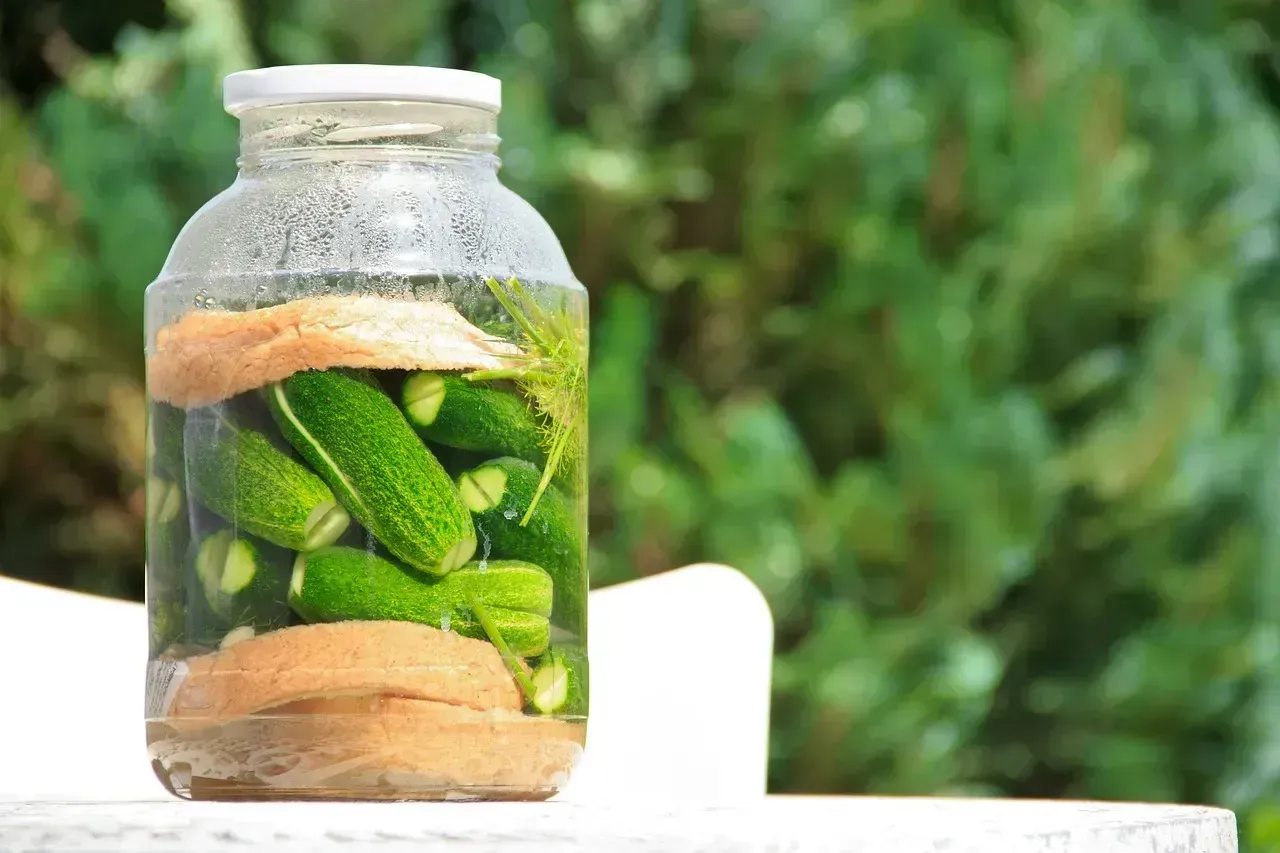
Pickles, sauerkraut, and other fermented foods are acidic powerhouses that can wreak havoc on plastic containers. Many foods are considered acidic – think tomato sauce or anything pickled or citrusy – and these can react with the chemicals in plastic. The fermentation process creates additional acids that make these foods even more corrosive to plastic.
Honestly, this is one most people never think about. Glass mason jars – the old-fashioned ones your grandmother used – are still the gold standard for fermented or alcoholic liquids. Some storage wisdom truly does stand the test of time.
5. Fresh Herbs and Leafy Greens
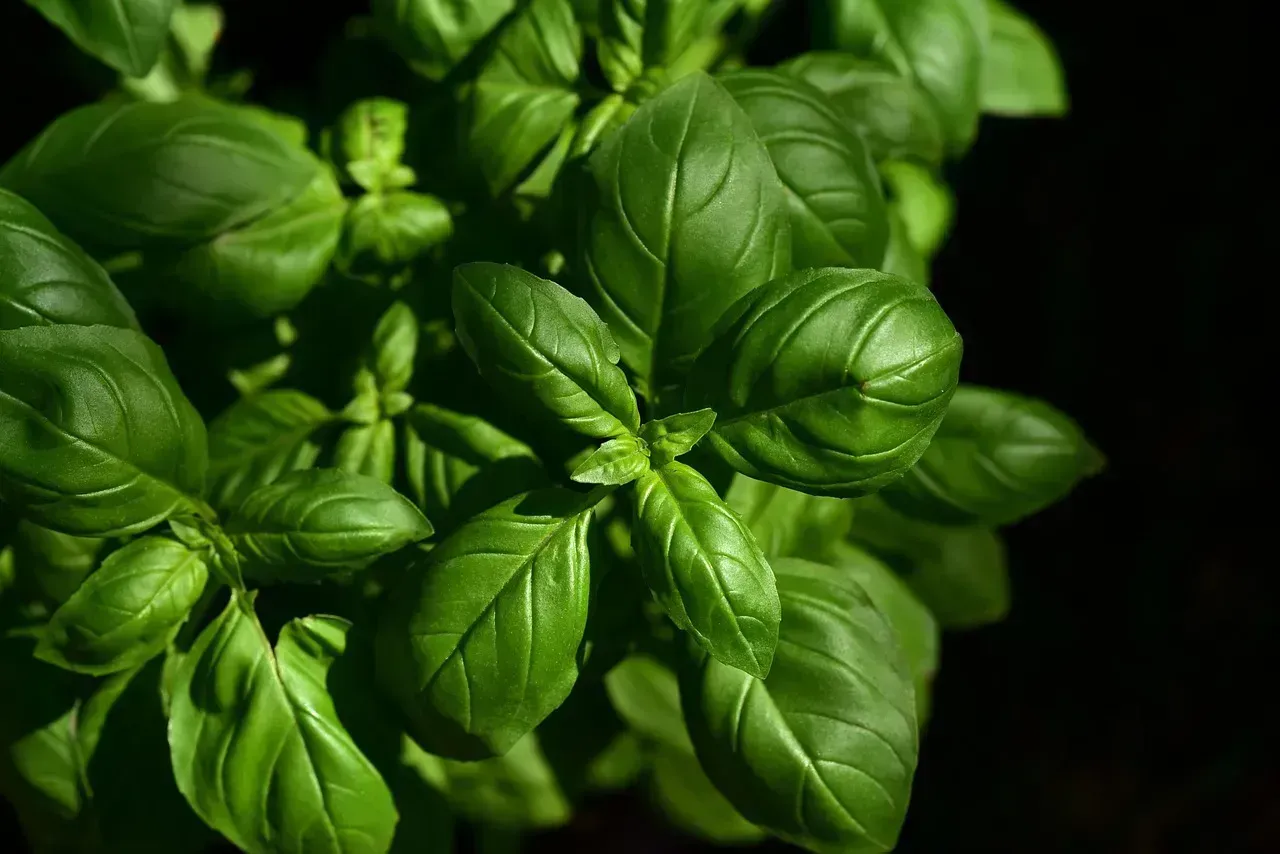
Fresh herbs tend to wilt quickly in plastic due to insufficient ventilation. It’s a ventilation problem more than a chemical one, but the result is the same: herbs that should last days go limp in hours when sealed in plastic.
Greens and herbs need air circulation to stay fresh, and plastic bags simply aren’t good for that. Moisture can build up in a storage bag full of herbs or lettuce, and then your produce rots before you can use it. Think of it this way – wrapping fresh herbs in plastic is like covering someone’s mouth and expecting them to breathe just fine.
When storing peeled garlic, onions, or fresh herbs, experts suggest avoiding plastic containers. Foods with strong odors, like garlic, onions, and some cheeses, can seep into plastic and leave lingering smells that potentially affect other foods stored later. Plastic containers can also cause herbs to wilt faster due to inadequate ventilation. Wrap herbs in a slightly damp paper towel and store them in a glass jar instead.
6. Medications and Supplements
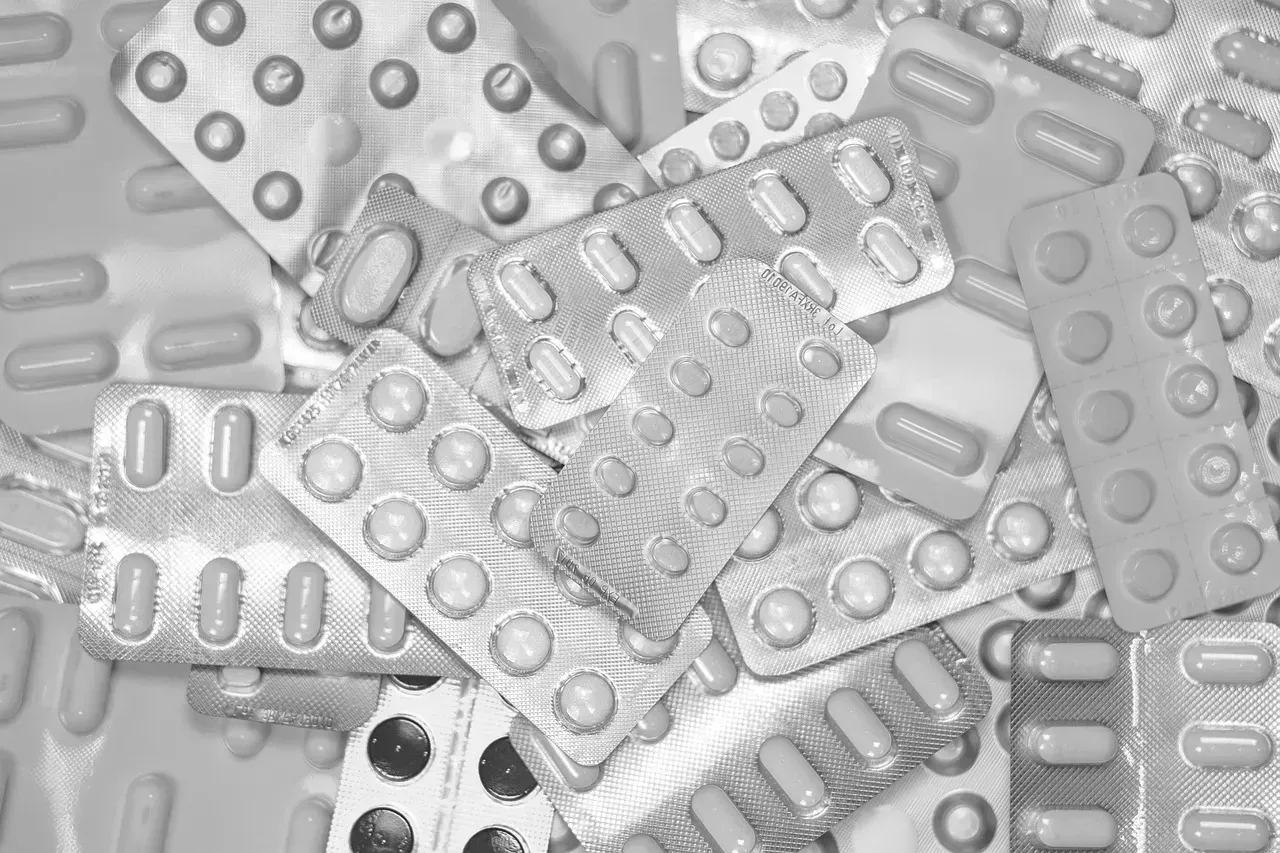
This one’s easy to overlook since many of us casually dump spare pills into whatever container is nearby. But it’s a real problem.
The efficacy and safety of vitamins and pharmaceuticals can be negatively impacted by inadequate resistance to light, moisture, and temperature changes in plastic containers. To maintain their effectiveness, it is essential to store these products in their original packaging or specially designed medicine storage containers. This can prevent health or safety issues and ensure that the medicines are preserved for their intended use and longevity.
There are a couple of reasons why you would not want to store medications or supplements in clear plastic bags or containers. The biggest is plastic leaching into the medicine, which can cause health issues as well as reduce the effectiveness of your medication. If you are storing your pills loosely in bags, you may get your medication mixed up, which can have dangerous results. It’s best to keep medication or supplements in their original packaging or a proper pill container.
7. Leather Goods
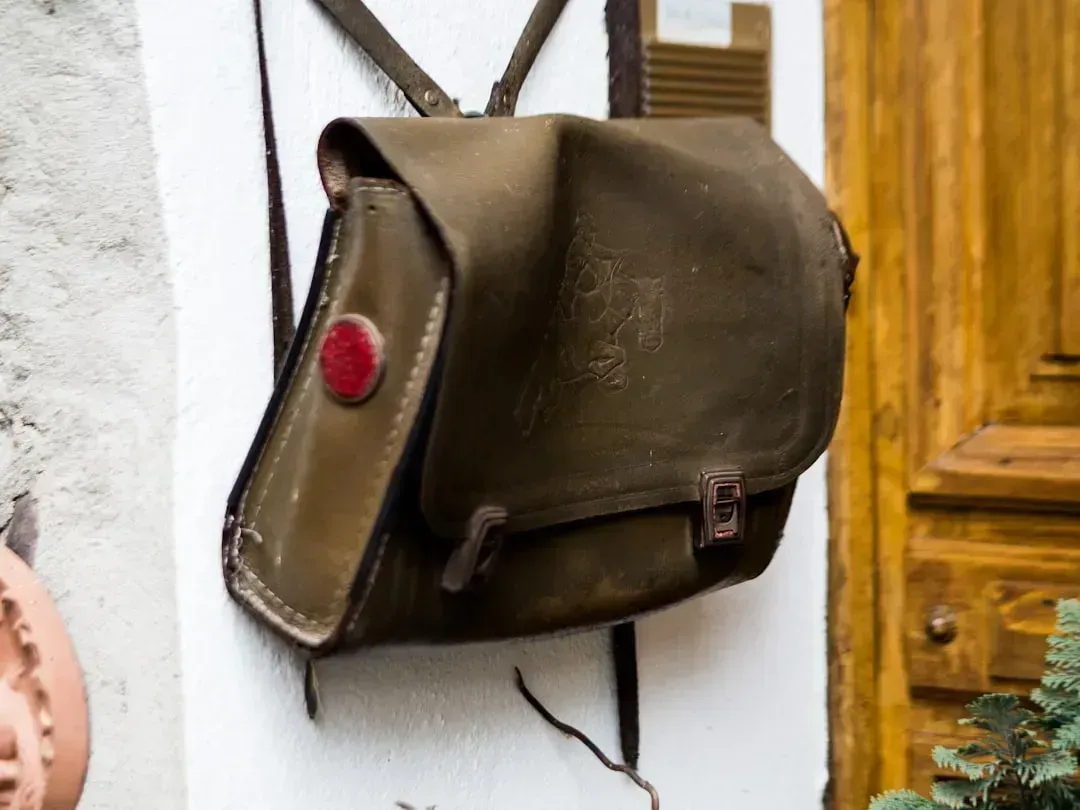
Leather is a premium material that needs careful handling. It is sensitive to heat and moisture, so it’s important to avoid materials that trap these in, like cling film or plastic bins. When leather belts, wallets, or jackets are exposed to heat or humidity, they can crack, dry out, or develop mold.
Leather handbags, boots, and jackets should be avoided from plastic storage containers. The excess moisture that gets trapped in the plastic can damage the leather over time, either causing cracks or mold and mildew. Instead, leather items should be kept in breathable storage solutions to ensure they stay dry, fresh and in good condition.
Leather coats, shoes, and other items absorb moisture and can develop mold and become cracked when stored in plastic storage bins. Better alternatives are breathable cotton bags and fabric storage totes with silica packets for moisture control. It’s a painful lesson to learn after finding a beloved leather jacket riddled with mildew spots.
8. Delicate Fabrics Like Wool, Cashmere, and Silk

The “seal it away” approach many of us use for seasonal clothing is actually doing real damage over time, especially to natural fabrics.
Although plastic bins may seem like a good storage option for clothing and other fabrics, they trap moisture and lack proper ventilation, doing more harm than good. Due to a lack of ventilation, moisture gets trapped inside these bins, leading to mold or mildew growth and resulting in musty odors and damage to your belongings. Fabrics such as silk, wool, cashmere, and leather are particularly sensitive and can be easily damaged by humidity.
Avoid keeping delicate and natural fabrics in plastic storage containers. Fabrics such as cashmere, wool, and even lace are prone to capturing excess moisture, musty odors, and damage if not properly stored.
Cedar chests, garment bags, or canvas storage bins with breathable lids are far better choices for anything with natural fiber content. Think of your cashmere sweater like a living thing – it needs to breathe.
9. Photographs and Important Documents

Since small plastic storage bins trap heat and humidity, photos and documents can fade, curl, warp, discolor, or stick together. Most people find this out the hard way – opening a bin after a summer to discover a pile of warped, partially fused family photos.
Photographs are at risk of damage if stored in plastic containers, especially if heat or moisture gets trapped. This can cause photos to stick together or fade over time.
Important documents, valuables, and delicate items such as photos and artwork are all at risk of being damaged when stored in plastic containers. If any moisture gets into a plastic storage container before sealing it, it will be trapped and can even lead to mold development if not allowed to dry out. Plastic bins may also not provide adequate protection against light exposure, temperature fluctuations, and humidity levels, which are critical factors in preserving important artwork and valuables. Acid-free archival boxes are the proper choice for anything irreplaceable.
10. Electronics and Batteries
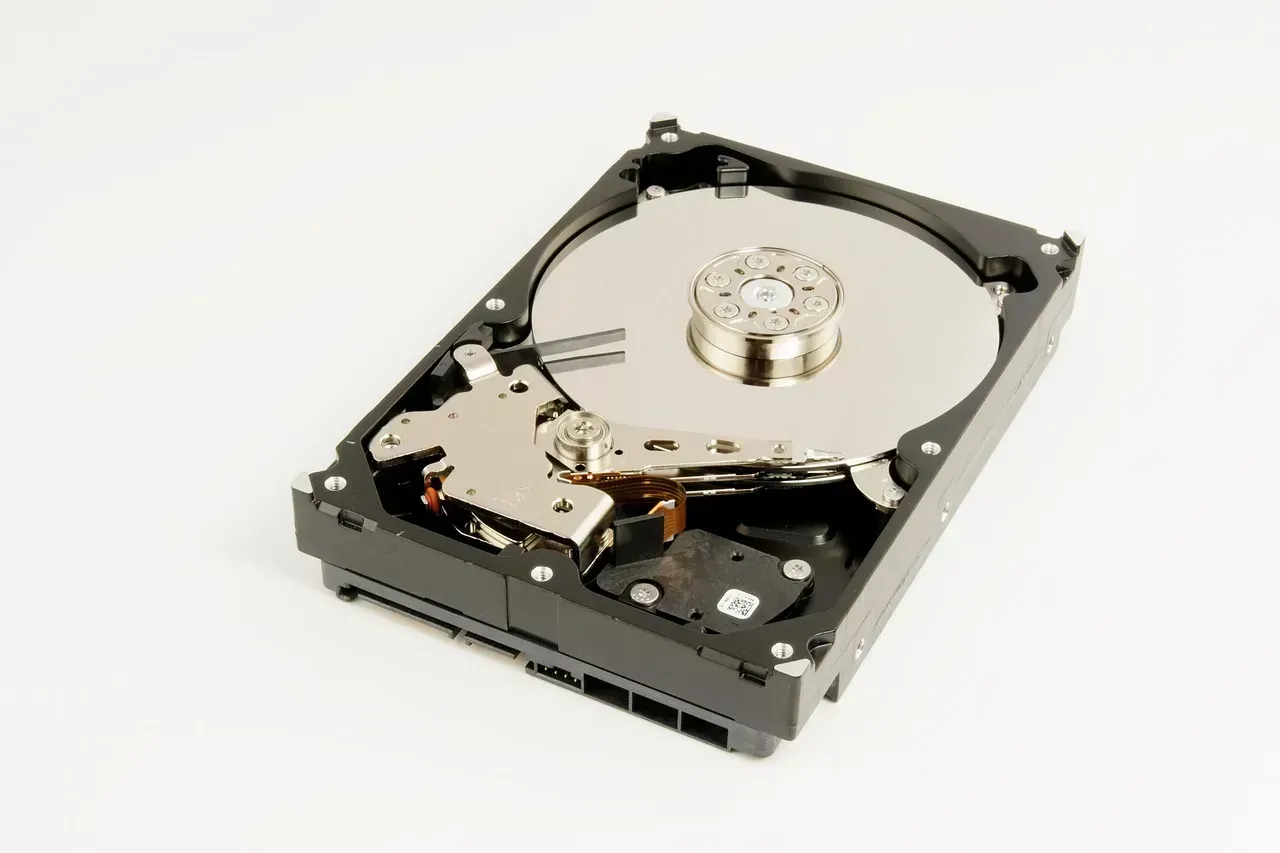
Electronics are vulnerable to moisture and heat, which worsens when sealed in plastic storage bins. Meanwhile, batteries in storage bins can corrode and leak over time. Store these items in anti-static bags with silica packs and ensure they’re protected in a temperature-controlled room.
Static buildup is another real concern with electronics in plastic. Unlike cardboard or fabric, plastic generates and holds static electricity, which can quietly fry sensitive electronic components even without a visible spark. It’s a slow, invisible kind of damage.
Plastic storage bins can trap moisture inside and lack good ventilation. The plastic can react to temperature changes, warping or melting in the heat. It’s also possible for plastics to leach out chemicals over time and weaken due to sunlight exposure. Anti-static bags with silica gel packets are a much better match for stored electronics.
11. Household Chemicals and Cleaning Products
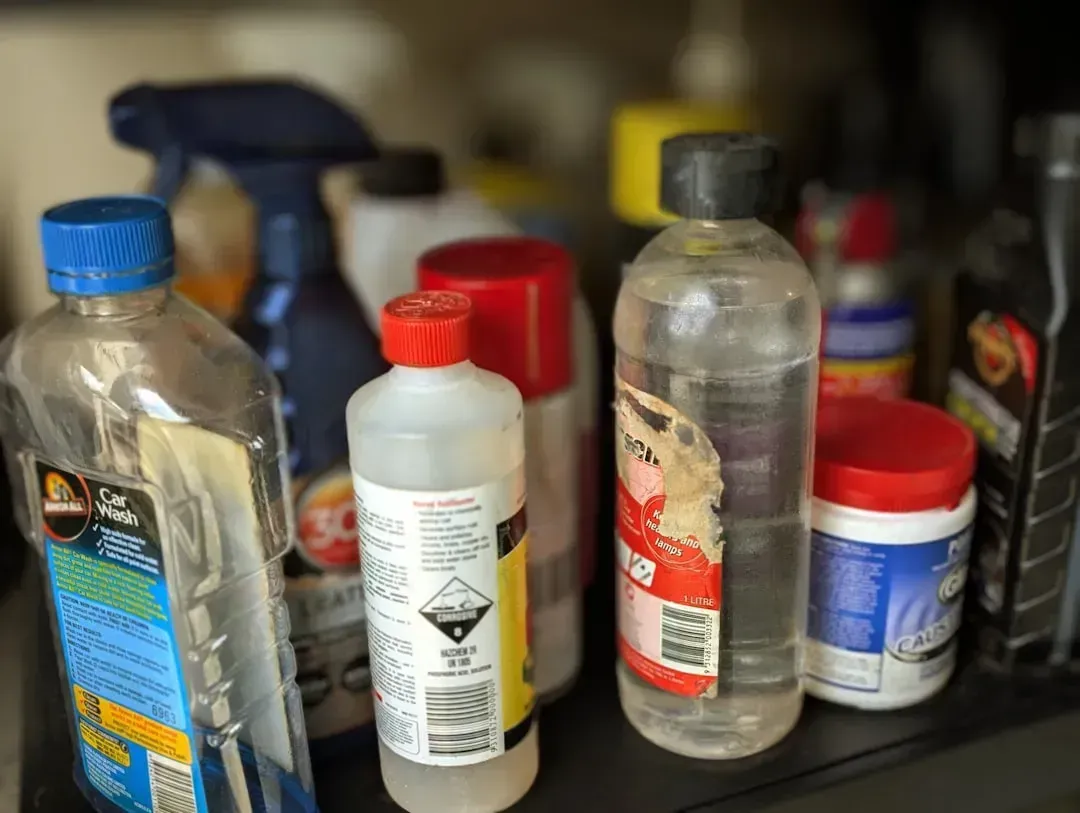
Any products you have at home that contain chemicals shouldn’t be stored in plastic containers due to the airtight atmosphere and the risk of spilling. These could be pesticides, herbicides, fertilizer, chlorine for your pool, or personal care products like nail polish remover. They are hazardous materials and should be kept in well-ventilated spots where they can stand on their own and avoid mixing with others.
The risk here isn’t just about leaching – it’s also about chemical reactions. Certain cleaning agents can actually degrade certain plastics from the inside, making the containers brittle, leaky, or prone to cracking. Imagine discovering a slow leak of pool chlorine in your basement because a weakened plastic container gave way. Not ideal.
Plastic organization containers have hidden drawbacks, especially for valuable, delicate, and moisture-sensitive belongings. Plastic storage bins can trap moisture inside and lack good ventilation, and the plastic can react to temperature changes, warping or melting in the heat. Proper chemical storage containers, specifically rated for hazardous materials, are essential for safety.
12. Wax Candles
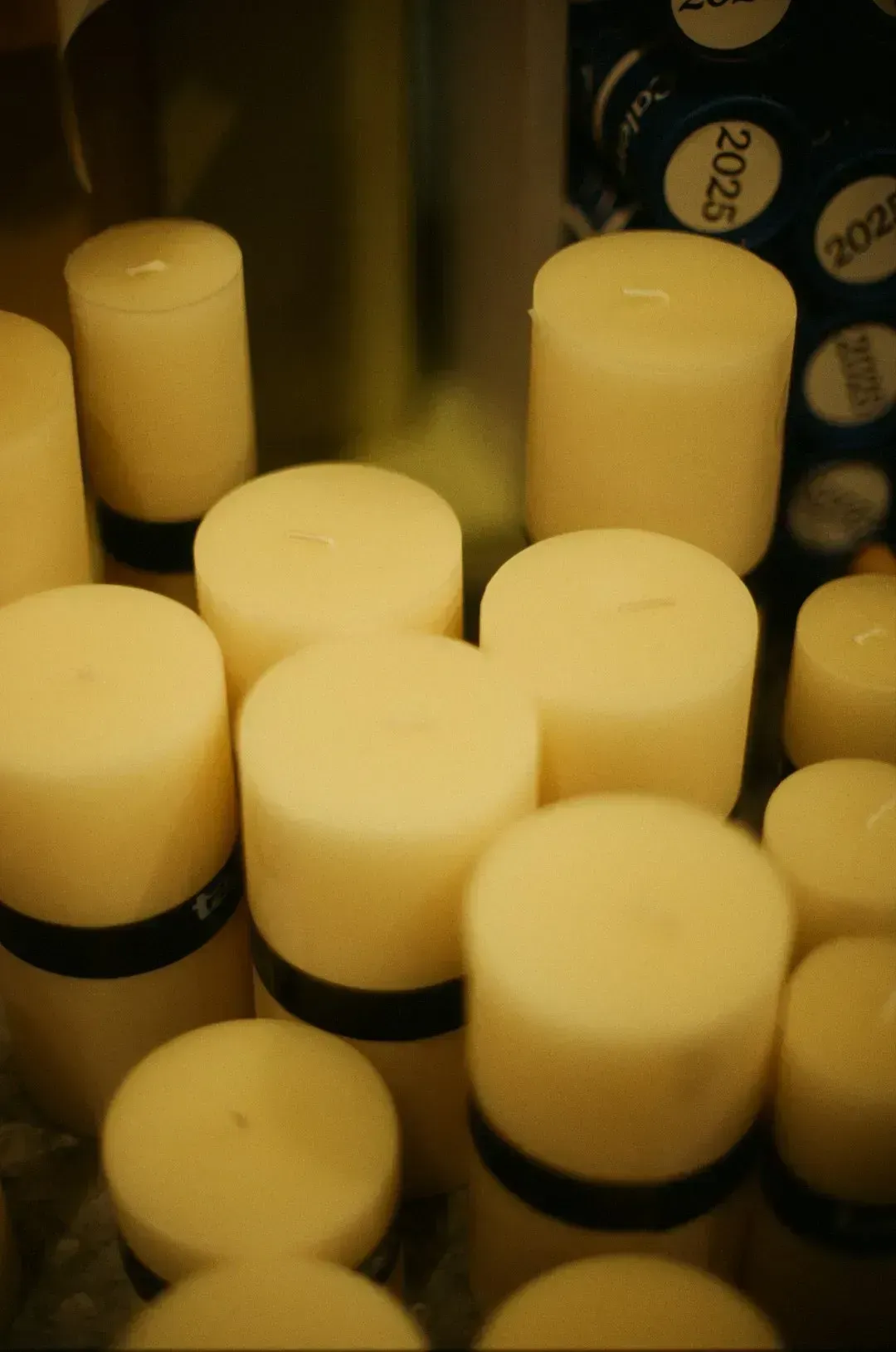
This one sounds almost too mundane to mention, but it genuinely ruins candles in warm climates or during summer storage.
Storing candles in plastic containers can be risky if the container is exposed to heat or sunlight, as this can cause the wax to soften or melt, leading to a loss of shape.
If you place candles or anything else containing wax in storage bins, they could soften, melt, and lose their shape. Alternatively, store wax candles in a cool, dark place, such as metal or cardboard containers. Beyond losing their shape, candles stored in sealed plastic also tend to absorb the mild chemical off-gassing that all plastics produce over time. So when you light that candle later, you may unknowingly be burning a cocktail of absorbed plastic compounds along with the scented wax. Metal tins or cardboard boxes in a cool, dark spot are all you need.
13. Black Plastic Takeout Containers (Reused)
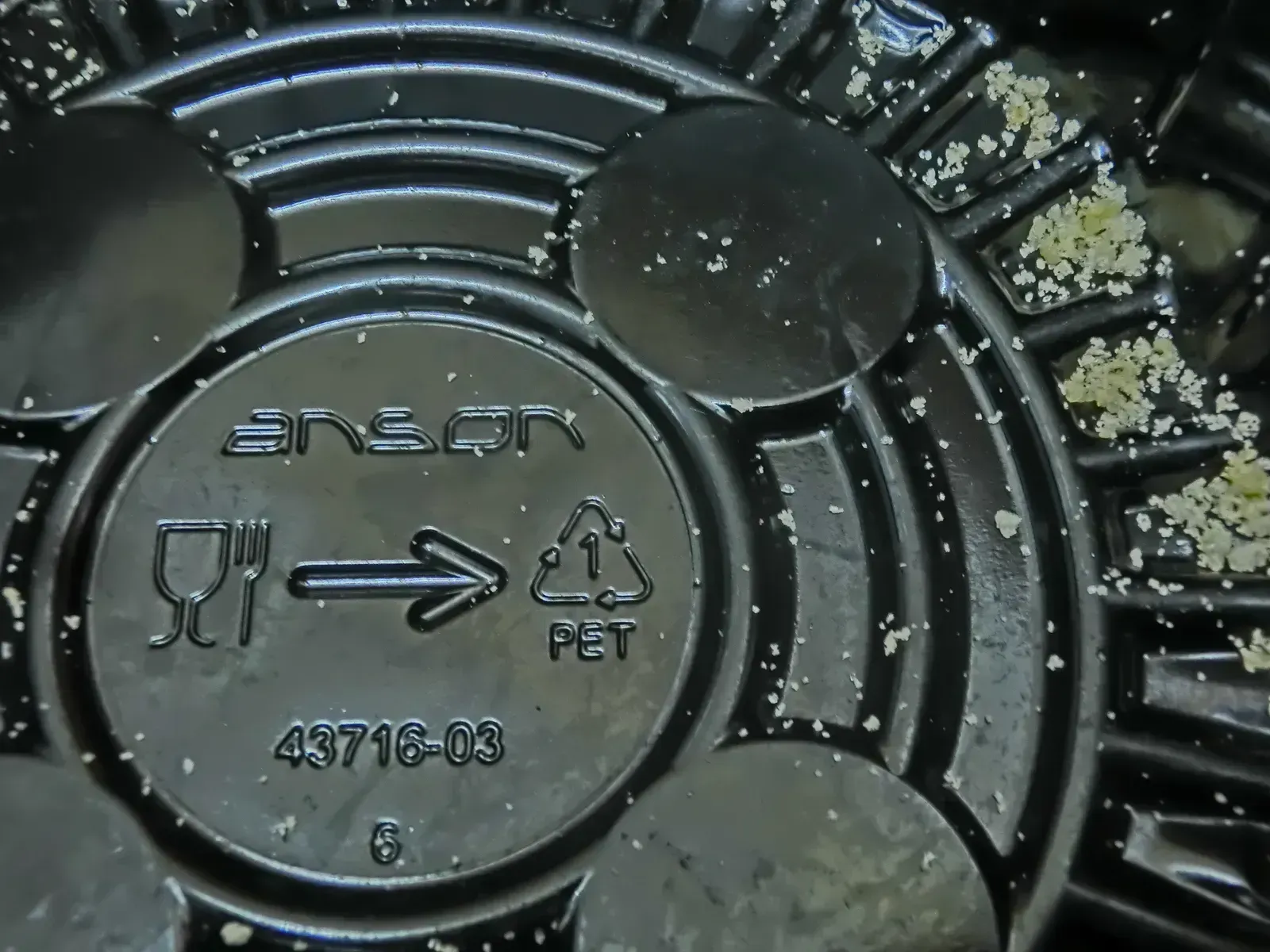
Let’s be real: nearly everyone has done this. You get takeout in one of those flat black plastic containers and think, “this seems solid, I’ll keep it.” Here’s why that’s a particularly bad idea.
Anyone who buys frozen meals or takeout food should know about warnings about the danger of black plastic food containers. Improper recycling of TVs, computers, and other electronics has exposed consumers to toxins in black plastic products. Research published in the scientific journal Chemosphere in 2024 reported hazardous flame retardants in a significant portion of these products, noting that flame retardants interfere with hormones, potentially harming sexual function and fertility, damaging the brain, and increasing the chances of developing cancer.
Black plastics, fast food packaging, takeout containers, and “microwave-safe” plastics also contain special chemical coatings and additives that weren’t designed with long-term human health impacts in mind.
Old or scratched plastic containers can leach bisphenol A, phthalates, PFAS, and microplastics directly into your food. These chemicals leach more when there’s heat involved, like when you use plastic containers in microwaves or when the food stored in them is fatty or acidic. Black takeout containers are often single-use by design and reusing them repeatedly significantly increases that risk. The smart move is to recycle them after one use and transition to glass or stainless steel for any real food storage.