
Picture yourself standing at your kitchen counter, renovation brochures spread out before you, checkbook ready. You’re eager to transform your home, boost its value, and maybe make some solid money when you eventually sell. Thing is, not every upgrade is created equal. Some renovations can nearly double your investment, while others barely scrape back half of what you spent.
Let’s be real: the home improvement world is filled with conflicting advice. One neighbor swears by their new pool. Another insists their luxury kitchen remodel was the smartest move they ever made. Yet the data tells a completely different story. In 2026, understanding which projects actually pay off has never been more critical. The housing market remains unpredictable, inflation hovers around interesting territory, and homeowners need to make smart, strategic decisions about where to put their hard-earned dollars.
Here’s the thing that surprises most people. The biggest, flashiest renovations often deliver the weakest returns. Meanwhile, some of the simplest exterior upgrades can recoup far more than you originally spent. It sounds counterintuitive, doesn’t it? That’s exactly why we’re diving deep into the renovations that genuinely boost resale value and the ones that, honestly, just drain your wallet. So let’s get started and discover which projects deserve your investment.
Garage Door Replacement: The Unsung Hero of Curb Appeal
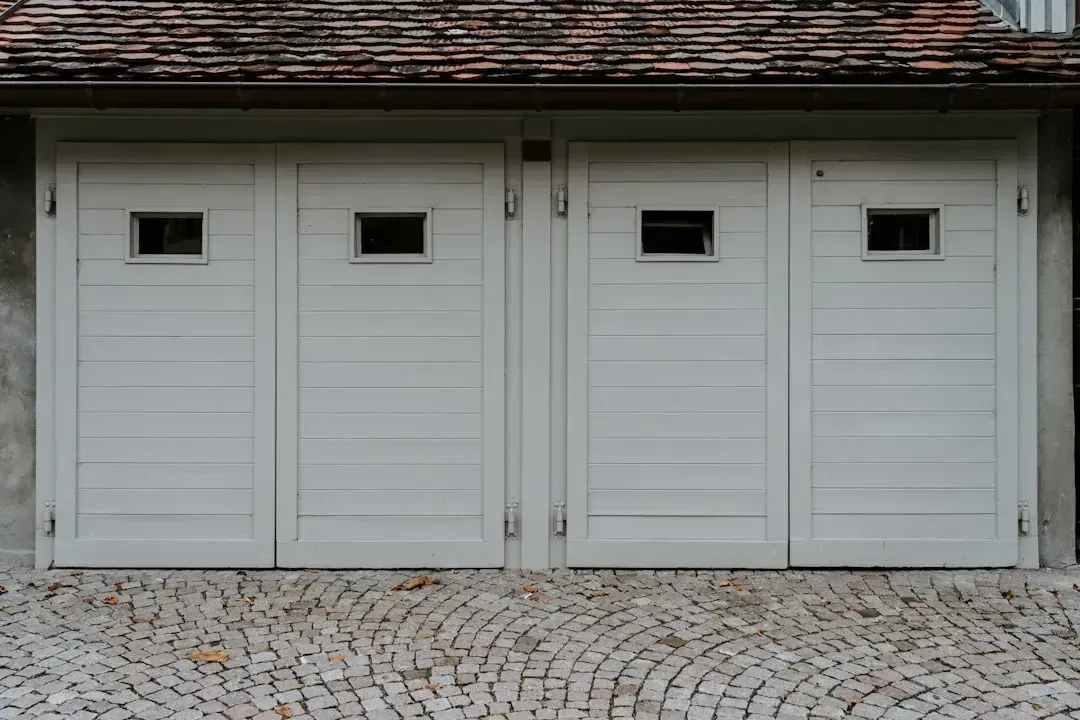
Garage door replacement has emerged as the highest-ROI home improvement project in 2024 and 2025, with returns reaching an unprecedented 194 percent nationally. Think about that for a moment. You invest around four thousand dollars, and when you sell, that upgrade translates to over eight thousand dollars in added resale value.
Your garage door can cover nearly one third of your home’s front view, making it one of the most visible features of your property. In certain regions like New England, homeowners are seeing an astonishing 315 percent ROI. The reason? Modern insulated doors provide dramatic curb appeal, improved energy efficiency, and signal to buyers that the home is well-maintained.
What makes this project so valuable is its combination of affordability and visual impact. Unlike a full kitchen remodel that might take months and cost tens of thousands, replacing a garage door is fast and relatively inexpensive. Buyers form their first impression within seconds of seeing a property, and an outdated, damaged garage door immediately diminishes perceived value.
Steel Entry Door Installation: First Impressions Matter
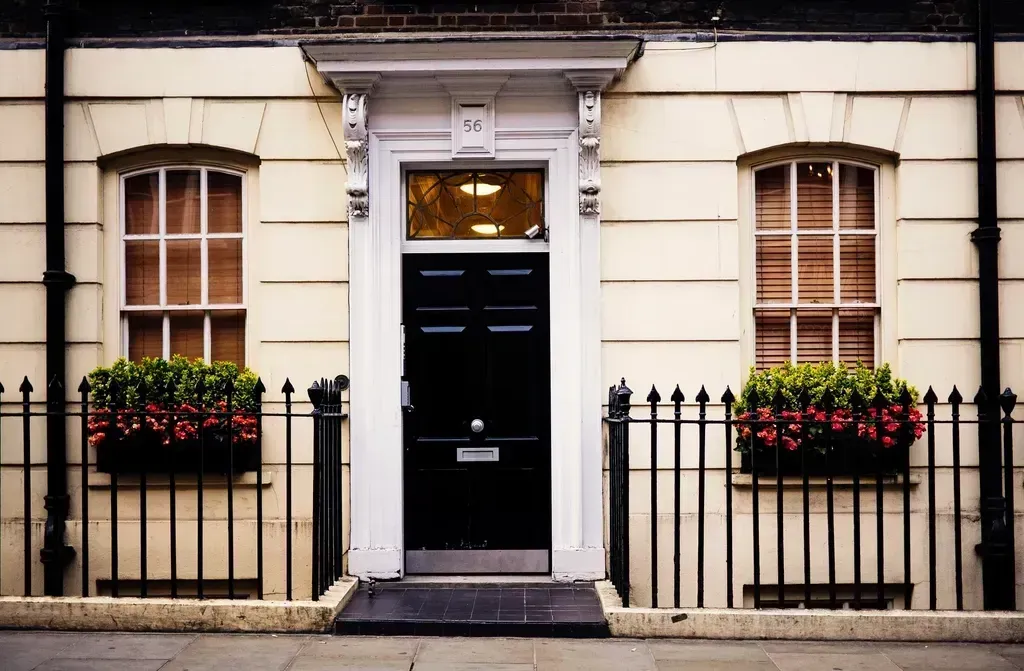
Right behind garage doors comes another exterior winner: steel entry door replacement. Steel entry door replacement offers a 188 percent ROI according to the latest Cost vs. Value Report data. Your front door creates the very first impression for potential buyers.
A stylish and secure front door can recover 216 percent of its cost, making it one of the highest-impact, lowest-effort improvements you can tackle. Modern steel doors come with advanced locking systems, better insulation, and contemporary designs that elevate your home’s entire aesthetic. The project typically costs between two thousand and four thousand dollars but adds significant perceived value.
Here’s what buyers notice: security, style, and energy efficiency all rolled into one upgrade. A worn, dated entry door suggests neglect. A beautiful new steel door signals pride of ownership and careful maintenance. It’s a small investment that makes an enormous psychological impact during showings.
Minor Kitchen Remodels: Smart Updates Over Total Overhauls
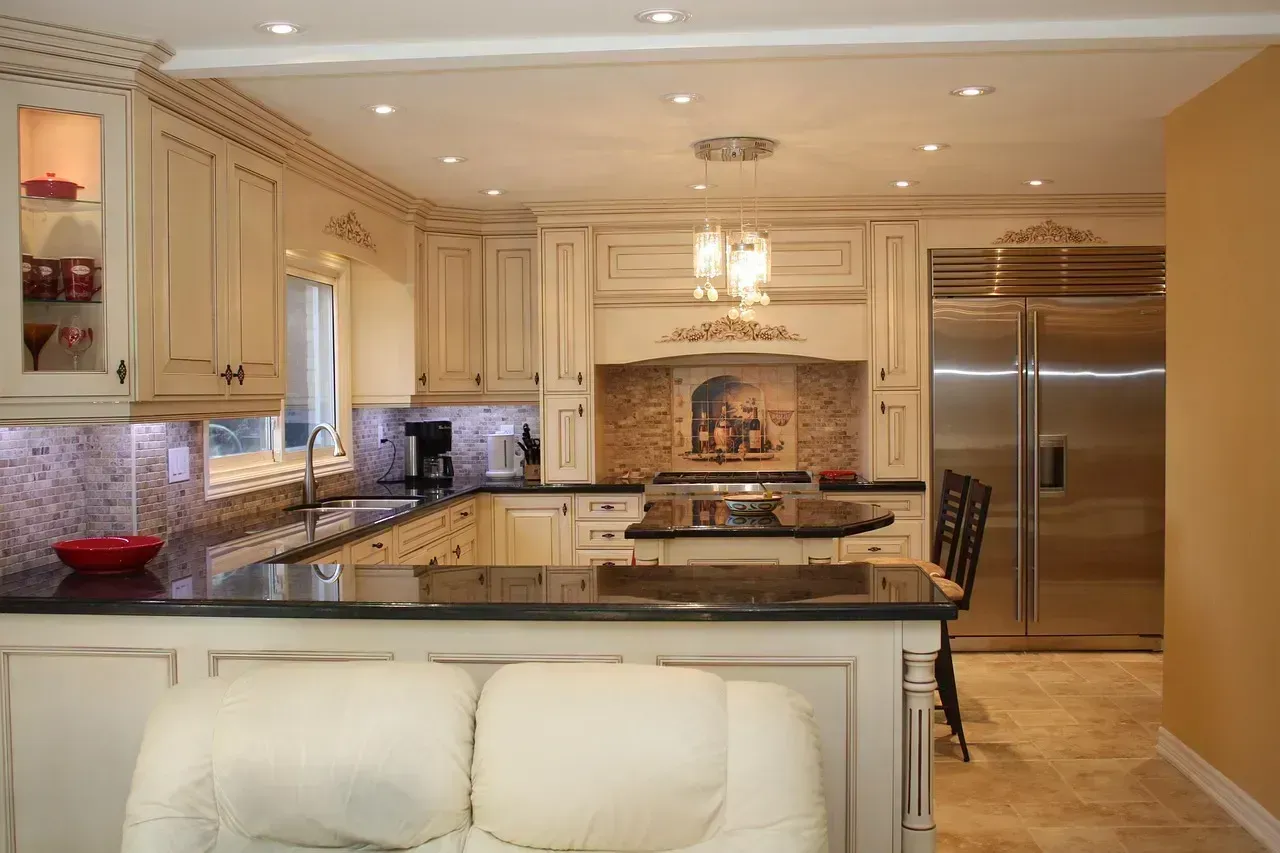
Kitchens remain critical selling points, but here’s where strategy matters. Minor kitchen updates provide the highest ROI for boosting both a home’s sale potential and its final price, with returns averaging 72 to 77 percent. Notice the word minor.
A major to mid-range kitchen remodel in 2024 costs around seventy-seven thousand dollars with a return of thirty-two thousand dollars, bringing ROI to about 41.8 percent. That’s a significant loss. Instead, focus on cabinet refacing, new countertops, updated appliances, and fresh paint. Avoid layout changes and structural modifications that balloon costs without proportional returns.
Buyers want kitchens that feel modern and functional. They don’t necessarily need commercial-grade appliances or imported marble counters. A clean, neutral color scheme with energy-efficient appliances creates an upscale look without alienating potential buyers. Keep it simple, keep it smart.
Bathroom Remodels: Spa Vibes on a Budget
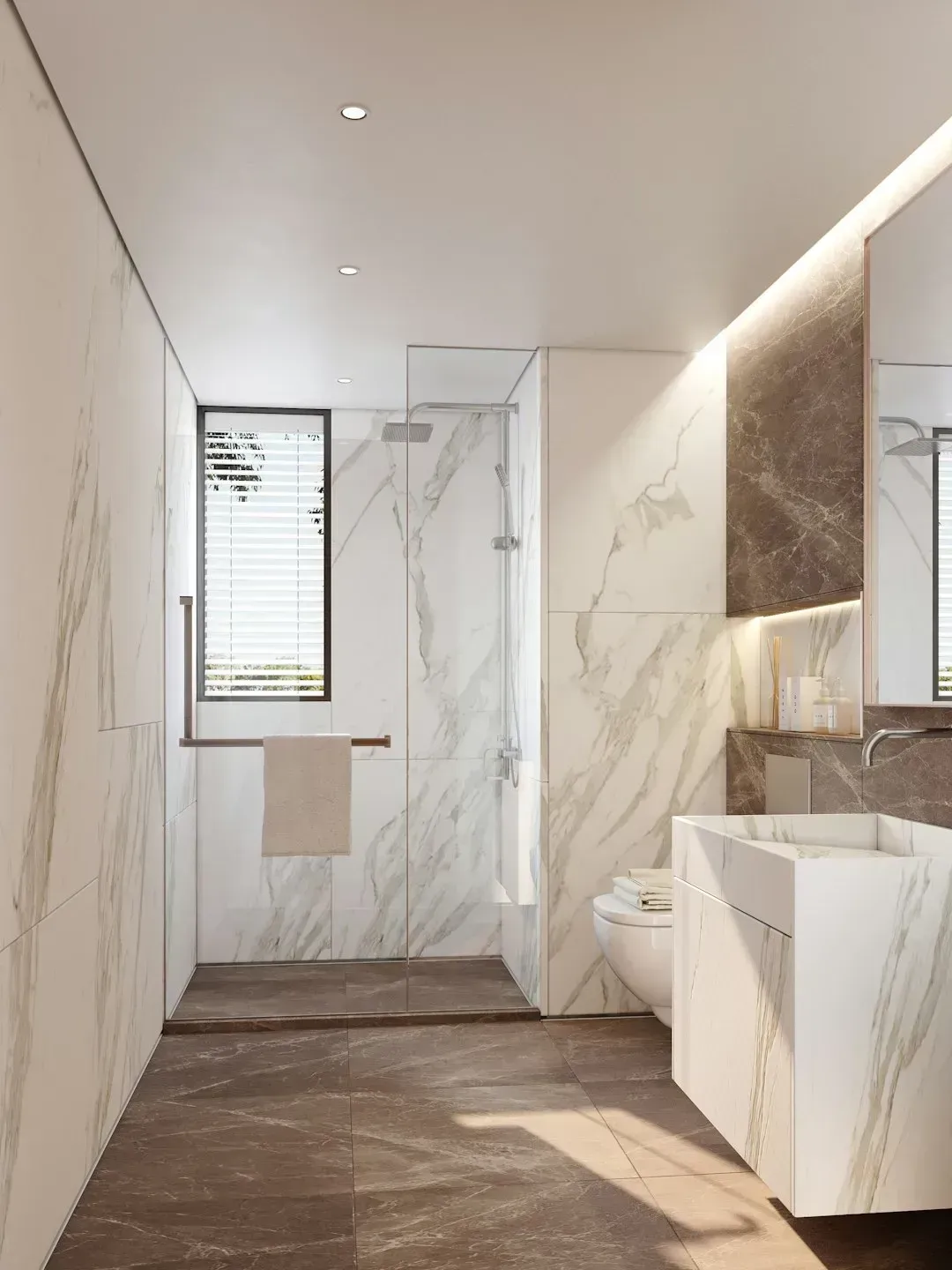
A midrange bathroom remodel recoups approximately 73.7 percent of its cost upon resale, making it one of the best-value home improvements. Bathrooms rank as the second most sought-after feature for buyers, right after kitchens. About 18 percent of agents said that modernized bathrooms and kitchens are the most sought-after features for buyers.
The key is balancing modern upgrades with reasonable budgets. Think double-sink vanities, walk-in showers with attractive tile work, updated fixtures, and improved lighting. Recent data shows a typical bathroom remodel can recoup roughly 60 to 70 percent of its cost in increased home value, with bathroom remodels in 2025 typically returning about that range at resale.
Here’s the catch: luxury bathroom renovations with high-end features appeal to a niche market and deliver much lower returns. A luxury bathroom remodel has a lower ROI around 45 percent, mainly because high-end features appeal to a niche market. Stick with timeless finishes and functional improvements that make the bathroom more comfortable and convenient to use.
Energy-Efficient Window Replacements: Long-Term Value

Energy efficiency isn’t just a buzzword anymore. It directly impacts buyer decisions in 2026. An investment in energy-efficient windows alone has an ROI of about 72.3 percent on resale, with energy-efficient upgrades like windows and HVAC systems yielding up to 85 percent ROI.
Modern double- or triple-pane windows reduce energy bills, control temperature better, and appeal to environmentally conscious buyers. Potential buyers notice windows, and so do appraisers. The upfront cost might seem steep, but the combination of monthly savings and increased resale value makes this a solid investment.
What’s interesting is how much buyers prioritize lower utility bills in today’s market. More and more, buyers want homes with a smaller carbon footprint. Making your home more energy-efficient can greatly increase its resale value while making your daily life more comfortable until you sell.
Fresh Interior Paint: The Simplest Game-Changer

Sometimes the best investments are the simplest ones. A deep clean offers an astonishing 3,650 percent ROI, followed by minor kitchen updates at 96 percent ROI. Fresh interior paint in neutral colors transforms a space instantly and costs relatively little.
The average price tag of a gallon of quality paint is surprisingly affordable. Yet a fresh coat updates and transforms the entire interior of your home. Buyers want to picture themselves living in your space, and neutral, clean walls make that infinitely easier. Bold paint colors, unique wallpaper, or custom murals might reflect your personality, but they turn off buyers who see extra work and cost to change it.
This project delivers massive visual impact for minimal investment. You can tackle it yourself over a weekend or hire professionals for a few hundred dollars per room. Either way, the return far exceeds the cost. Clean, neutral spaces photograph better, show better, and sell faster.
Deck or Patio Additions: Expanding Livable Space
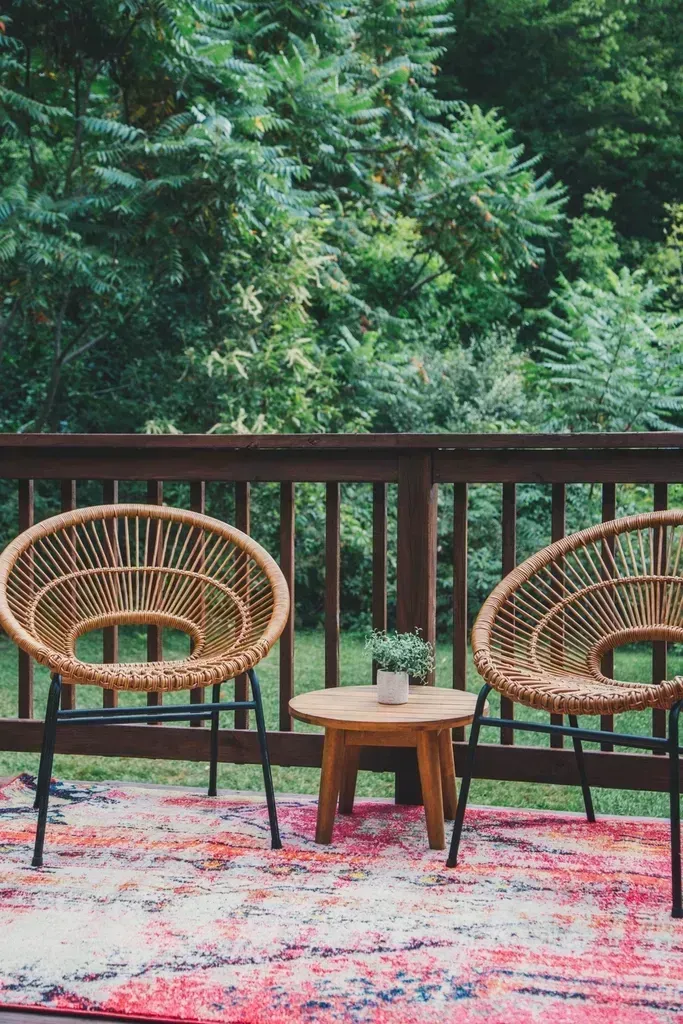
You could recoup between 89 to 95 percent of your costs if you decide to build a deck. Outdoor living spaces gained tremendous popularity during the 2020 pandemic and continue to be highly valued by buyers. The average cost to add a wood deck in 2025 is eighteen thousand two hundred dollars.
Decks and patios extend your home’s functional square footage without the expense of a full room addition. Builders are adding porches to 68 percent and patios to 64 percent of new builds to increase the overall living space in homes. Buyers see these spaces as perfect for dining, entertaining, or working outdoors.
The beauty of deck or patio projects is their versatility. You can start with a basic structure and add features like fire pits or outdoor lighting later. Keep landscaping simple and low-maintenance. Buyers prefer functional outdoor areas over elaborate designs that require constant upkeep.
Finished Hardwood Floors: Timeless Appeal
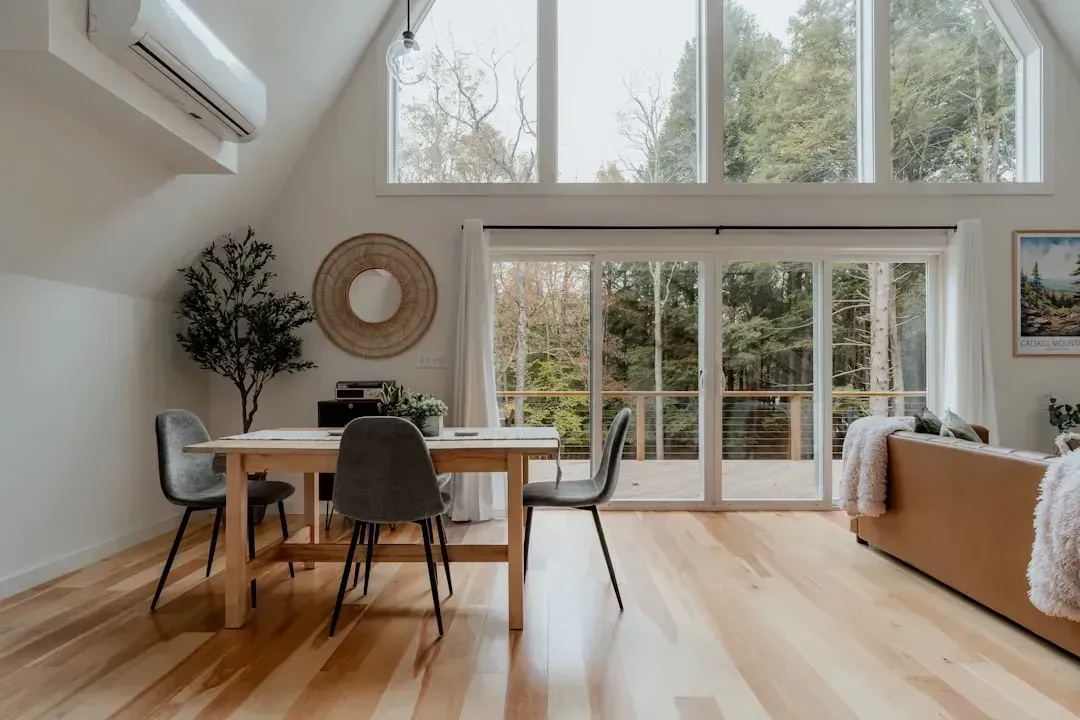
Refinishing wood floors allows you to recoup 147 percent of the cost for this simple project. Hardwood floors are a top feature for many buyers. They’re easier to maintain than carpet, don’t harbor dust or allergens, and look more modern.
If your home already has hardwood hiding beneath old carpet, removing that carpet and refinishing the floors can be transformative. Even installing new hardwood flooring offers strong returns. Hardwood flooring offers the best resale value with an ROI of seventy to eighty percent.
Home buyers prefer hardwood overwhelmingly. Covering existing hardwood with carpet can actually lower your property value, especially if the carpet is low quality or hard to clean. If you’re deciding between flooring options before selling, hardwood is almost always the smarter choice.
Manufactured Stone Veneer: Affordable Elegance

Exterior improvements consistently outperform interior renovations for ROI. Manufactured stone veneer is no exception. It adds architectural interest and a premium appearance to home exteriors without the massive expense of real stone.
This project ranks among the highest-return exterior upgrades because it transforms curb appeal dramatically. The material itself is relatively affordable, installation is straightforward, and the visual impact is substantial. Buyers perceive stone veneer as luxurious and well-maintained.
Manufactured stone veneer is an example of a high-return project that’s gained popularity in recent years. It works particularly well on front facades, around entryways, or as accent features. The key is choosing styles that complement your home’s existing architecture rather than clashing with it.
Refinished Wood Floors: Maximum Return, Minimal Investment
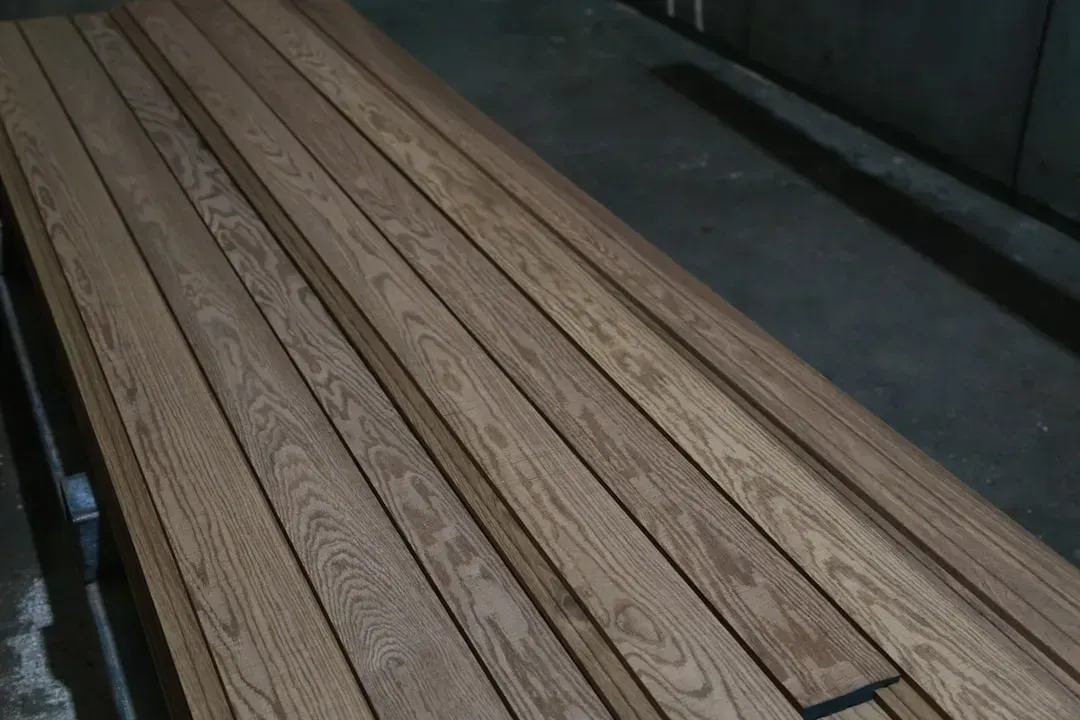
We touched on hardwood earlier, but refinishing deserves its own spotlight. This project offers one of the highest returns because the cost is so low compared to the value it adds. If your floors have visible scratches, stains, or wear, buffing out or refinishing them makes an enormous difference.
The process involves sanding down the existing wood, applying new stain if desired, and sealing with a protective finish. You’re left with floors that look brand new for a fraction of the cost of replacement. Deep cleaning existing flooring ranks as the second-most common project for sellers, with roughly one-third doing so prior to listing.
Buyers immediately notice floor condition during showings. Worn, damaged floors suggest neglect and can be deal-breakers for some buyers. Fresh, gleaming hardwood signals quality and care. It’s a small investment that pays back in multiples.
Smart Home Features: Modern Convenience

In 2025, about 36 percent of buyers rated smart home features as highly important, with smart home features appealing to younger buyers and potentially accelerating sales. Today’s buyers, especially younger generations, expect modern technology integration.
Smart thermostats, garage door openers, security systems, and lighting controls offer convenience and energy savings. These features don’t cost a fortune to install but make your home feel current and tech-forward. Buyers value the ability to control their home remotely and monitor security from anywhere.
The ROI here isn’t always about direct dollar returns. It’s about differentiation and faster sales. In competitive markets where buyers know a lot about tech, the presence of smart features can help you get better offers. Your home stands out from older, less connected properties.
Landscaping and Curb Appeal: The Power of First Impressions
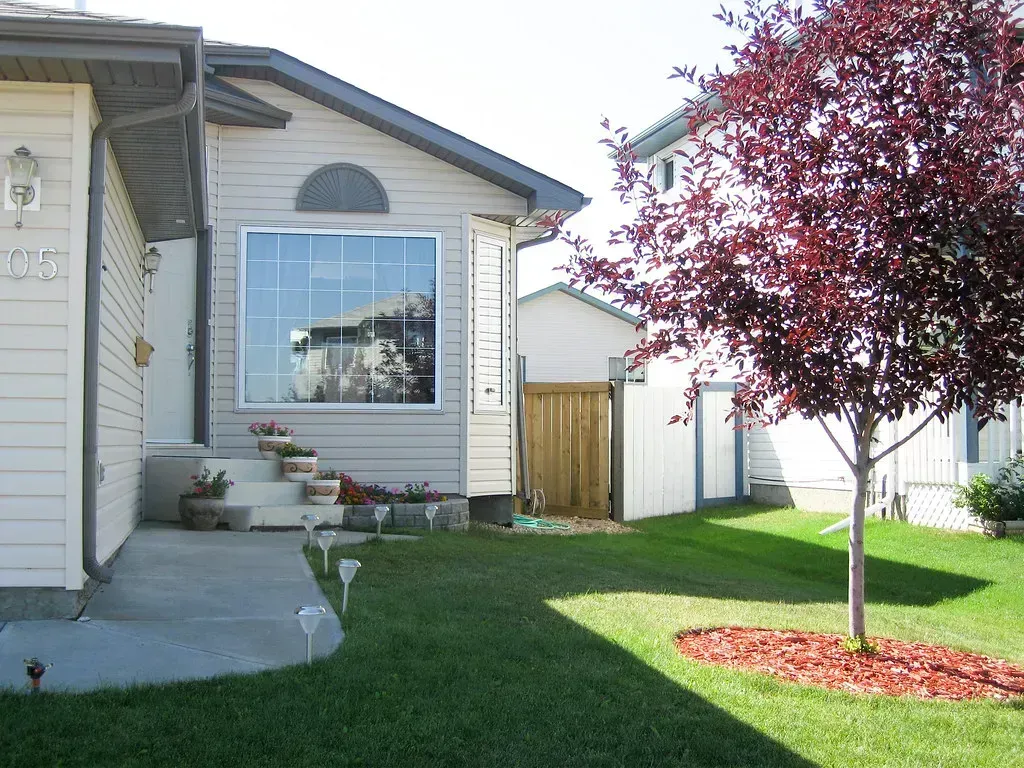
According to JLC’s 2025 Cost vs. Value Report, eight of the ten top-return projects are exterior upgrades, emphasizing the lasting impact of curb appeal. Simple landscaping improvements like fresh mulch, trimmed hedges, colorful flowers, and a mowed lawn create an inviting appearance.
Curb appeal improvements like doors and landscaping significantly impact buyer perception and home value. The first thirty seconds buyers spend approaching your home shape their entire perception. If the exterior looks neglected, they’ll assume the interior is too.
Keep it simple and low-maintenance. Drought-resistant landscaping and native plants appeal to buyers who care about water use and environmental impact. Solar-powered pathway lights, uplighting for trees, and motion-sensitive porch lights look good and work well. Avoid elaborate gardens or water features that require constant maintenance.
Now the 7 That Fall Flat: Swimming Pools
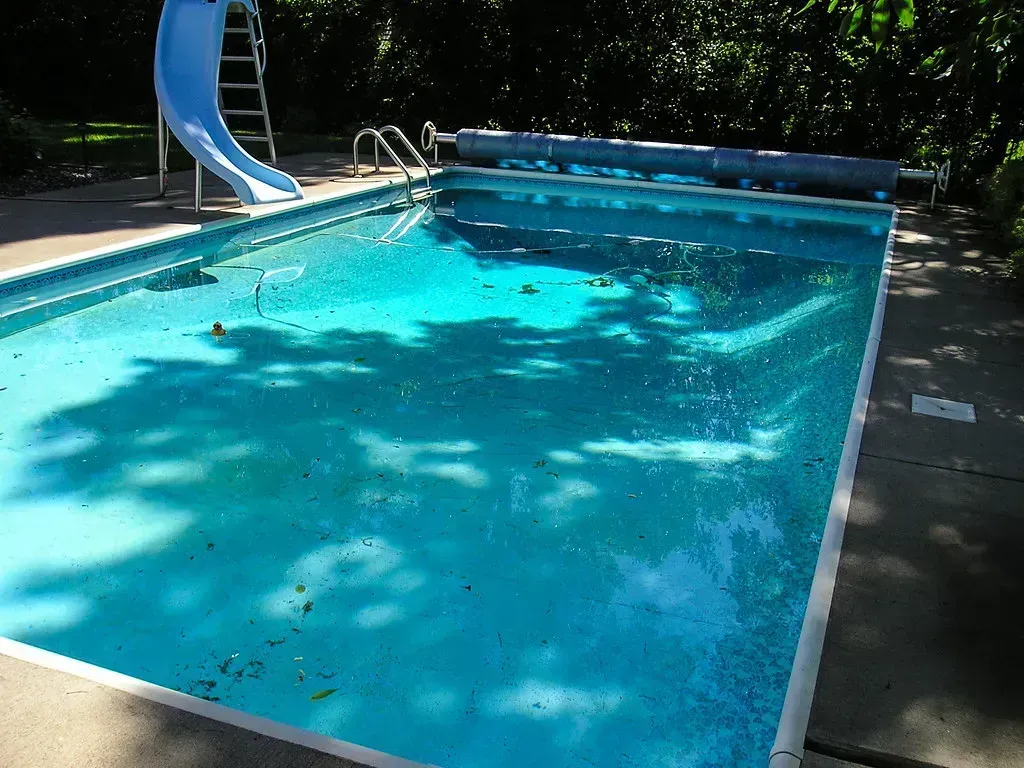
Here’s where things get uncomfortable. Pools are a polarizing topic for buyers – some buyers love a home with a pool, but many others see it as a safety issue or a huge maintenance burden. Homeowners in certain parts of the country can increase their home’s value by up to 7 percent if they add a pool, but building a pool can make financial sense only if you live in a warmer climate area like Florida or California.
Pools can be among the worst ROI home improvements; while they’re seen as a luxury in certain climates, they can be viewed as burdensome in others due to their upkeep. The added expense and maintenance upkeep might outweigh any potential ROI. Many buyers, especially those with young children or pets, view pools as safety hazards. Others simply don’t want the weekly cleaning, chemical balancing, and seasonal maintenance.
If you’re considering a pool purely for resale value, consult a real estate agent first. In most markets, it’s a losing proposition. If you want one for personal enjoyment and plan to stay for years, that’s different. Just don’t expect to recoup the cost when you sell.
High-End Luxury Kitchen Remodels: Overspending Trap
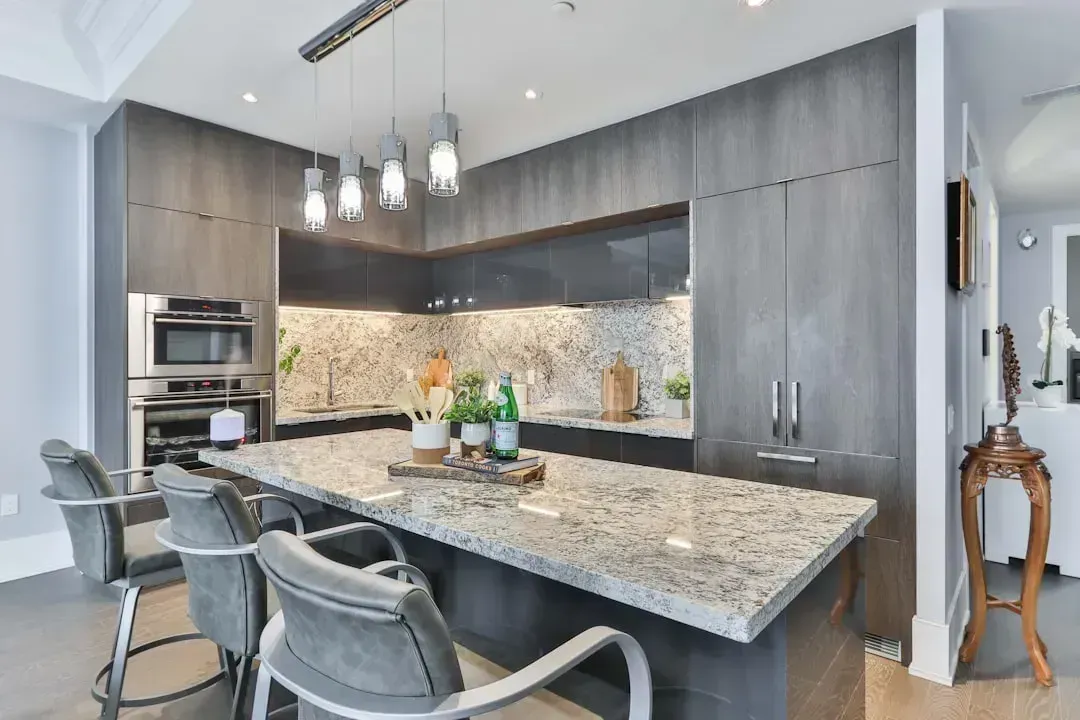
A major kitchen remodel typically returns about 59 percent of your investment. That means nearly half your money vanishes. A top-of-the-line commercial stove and imported marble counters may look impressive, but they could push your kitchen renovation costs far beyond what potential buyers in your area are willing to pay.
The problem with luxury kitchen remodels is over-improvement. If every home in your neighborhood sells for three hundred fifty thousand dollars, spending eighty thousand on a gourmet kitchen won’t push yours to four hundred thousand. You’ll just lose money. This is called the neighborhood ceiling.
Buyers want upgraded kitchens, absolutely. They don’t want to pay premium prices for features they won’t use. Professional-grade appliances and super high-end touches may not be something buyers are willing to pay extra for. Focus on stylish yet moderately priced finishes that create an upscale look without alienating potential buyers.
Sunrooms: Pretty but Impractical
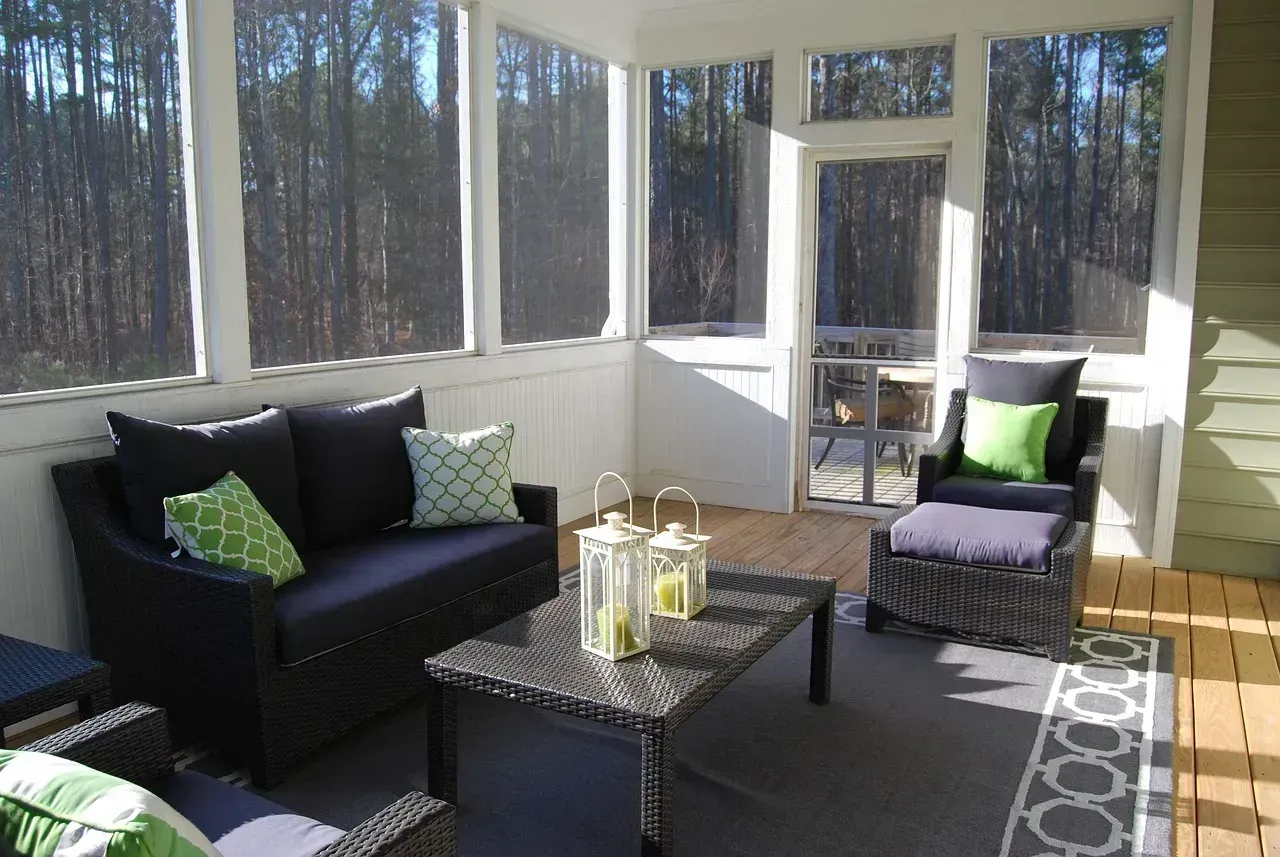
A full sunroom requires careful design, proper insulation, and extensive maintenance, and potential buyers may ask why not something else like a gazebo or screened porch instead. Sunrooms sound appealing in theory but often disappoint in practice.
The costs are substantial. You’re essentially building a room with extensive glass, which means insulation challenges, heating and cooling difficulties, and potential glare issues. Many buyers see sunrooms as wasted space that’s too hot in summer and too cold in winter. They’d prefer a standard room addition or enhanced outdoor living space.
If you want a sunroom for personal enjoyment and you’re staying in your home long-term, go for it. But as a pre-sale renovation strategy? It’s a money pit. Consider a screened porch or covered patio instead. You’ll spend less and appeal to more buyers.
Home Office Additions: Limited Appeal

This one surprises people. Remote work exploded during the 2020 pandemic, so surely home offices add value, right? Not as much as you’d think. Home offices can yield an average ROI of 53 to 75 percent, especially if the space qualifies as a bedroom.
For most office conversions, you can expect an ROI of 10 to 20 percent, with home office additions being worth up to 50 percent, though the costs of an addition far exceed those of a conversion. Converting existing space is smarter than building an addition. Even then, the returns are modest.
Home offices are great if you regularly use them, but don’t expect everyone to feel the same way, and these renovations don’t contribute much to market resale value. Many buyers prefer flexible spaces they can adapt to their own needs. A dedicated office might work for your lifestyle but limit appeal to buyers with different priorities.
Bedroom and Bathroom Additions: Expensive Gambles
According to Remodeling’s 2023 Cost vs. Value Report, a mid-range primary suite addition and bathroom addition both offer a mere 30 percent ROI, with upscale additions bringing in even less at 22 to 26 percent of the cost recouped. These numbers are brutal.
Adding entire rooms sounds like a surefire way to boost value. After all, more bedrooms and bathrooms should mean higher prices, right? The reality is harsh. You can expect to pay up to three hundred fifty dollars per square foot to add a room, with the average cost of a single bedroom addition just shy of fifty thousand dollars, and home offices costing around thirty thousand dollars.
Sometimes additions end up not fitting the neighborhood’s look or price point, and even worse, a poorly executed addition can mess with the floor plan of the home. Instead of adding rooms, focus on improving the space you already have with fresh paint and simple updates.
Bold Paint Colors and Over-Personalization

Quirky tiling, bold paint colors, and lavish light fixtures can make a home stand out, but they can also be major drawbacks when it comes to resale value, and doing so could lead to decreased interest from potential buyers and longer wait times on the market.
Painting the interior of your home with a nonneutral color will likely add zero value because there’s a good chance the next owner will repaint it with a different color, and for larger homes, painting the entire interior can cost over one thousand dollars. That’s money wasted on something buyers will immediately change.
Most people want a home they can picture themselves living in. If your style is too specific, buyers see extra work and cost to change it. Stick to neutral colors and simple designs if you plan to sell soon. Save your bold design choices for furniture and decor you can take with you.
Garage Expansions: Limited Utility
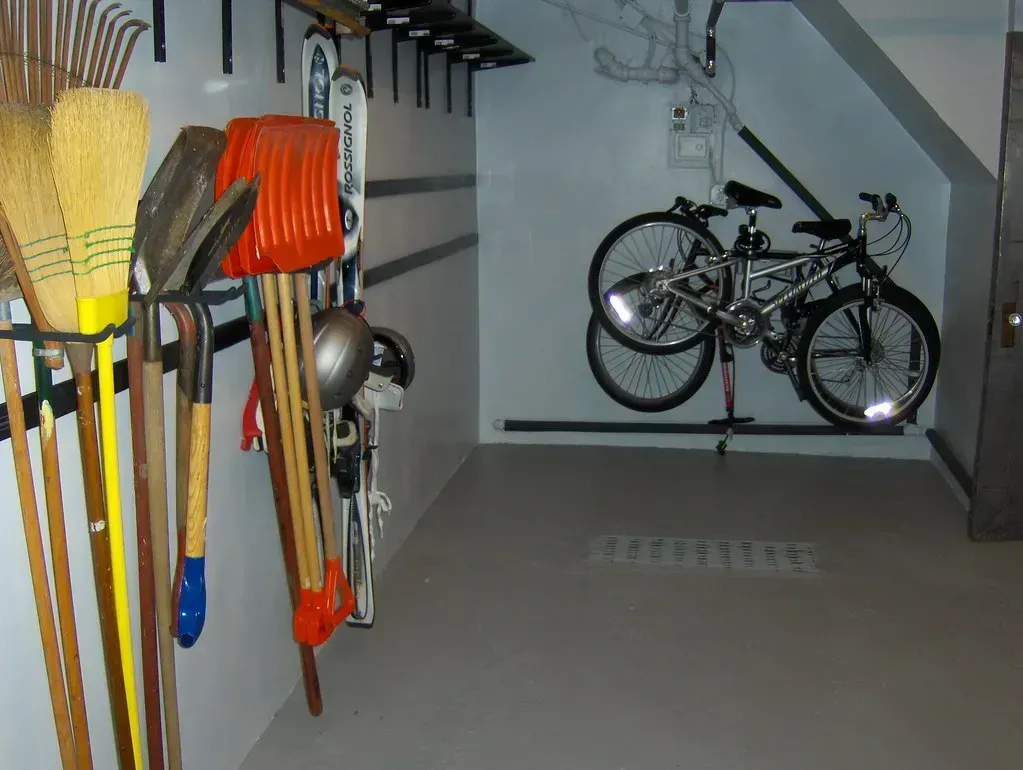
While a garage door has a big impact on home appearance, a bigger or more elaborate garage is harder to notice and has limited uses compared to other indoor renovations which add resale value. Expanding your garage from two cars to three, or adding workshop space, benefits you specifically but rarely translates to higher resale prices.
The costs are significant. You’re adding square footage, which means foundation work, framing, roofing, electrical, and finishing. Yet buyers don’t value extra garage space nearly as much as extra living space. A garage is a garage, whether it holds two cars or three.
If you need the space for your vehicle collection or hobbies, that’s fine. Just understand it’s an investment in your lifestyle, not your home’s value. When you sell, don’t expect to recoup much of that expense.