
Selling a home has never felt more competitive. Sales of previously occupied U.S. homes totaled roughly 4 million last year, essentially flat versus 2024, which itself saw sales sink to the lowest level since 1995, according to the National Association of Realtors. That kind of market pressure means buyers have more options and less patience for homes that don’t immediately feel right.
The living room is often the room that seals the deal or kills it. It’s where the family relaxes, where you unwind after a long day, and the spot you entertain guests. You want it to feel welcoming, up-to-date, and stylish. If it doesn’t meet those standards, it could be a big reason why you aren’t fielding as many offers as you’d like. These are the nine mistakes most likely to slow down your sale.
1. Overcrowding the Space With Too Much Furniture
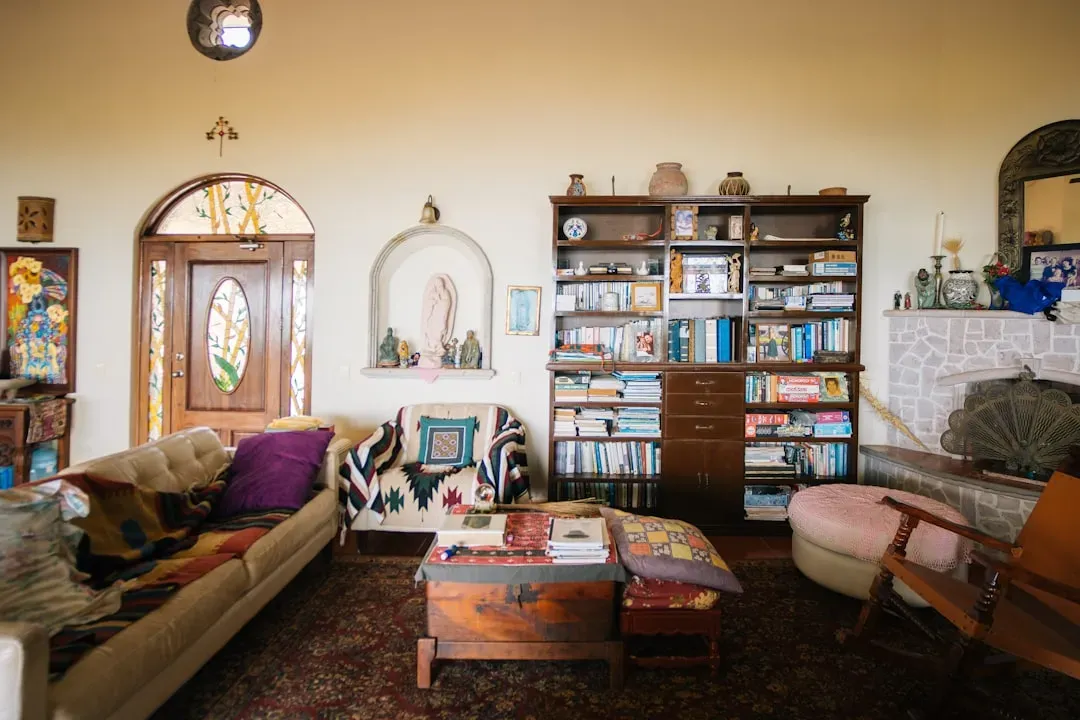
A common mistake in many living room setups is overcrowding furniture and items, making the space look cluttered and cramped. This can be a major turn-off for potential buyers, as it gives the impression that the room is small and lacks functionality. Buyers aren’t just looking at your stuff – they’re trying to imagine their own.
Space is a key consideration for buyers, and failing to maximize it can be a costly mistake. Cluttered rooms, cramped layouts, and oversized furniture can make your home appear smaller and less functional. Buyers need to see the potential for their own belongings in the space, and clutter can obscure that vision. When in doubt, remove a piece rather than keep it.
2. Leaving Too Many Personal Items on Display
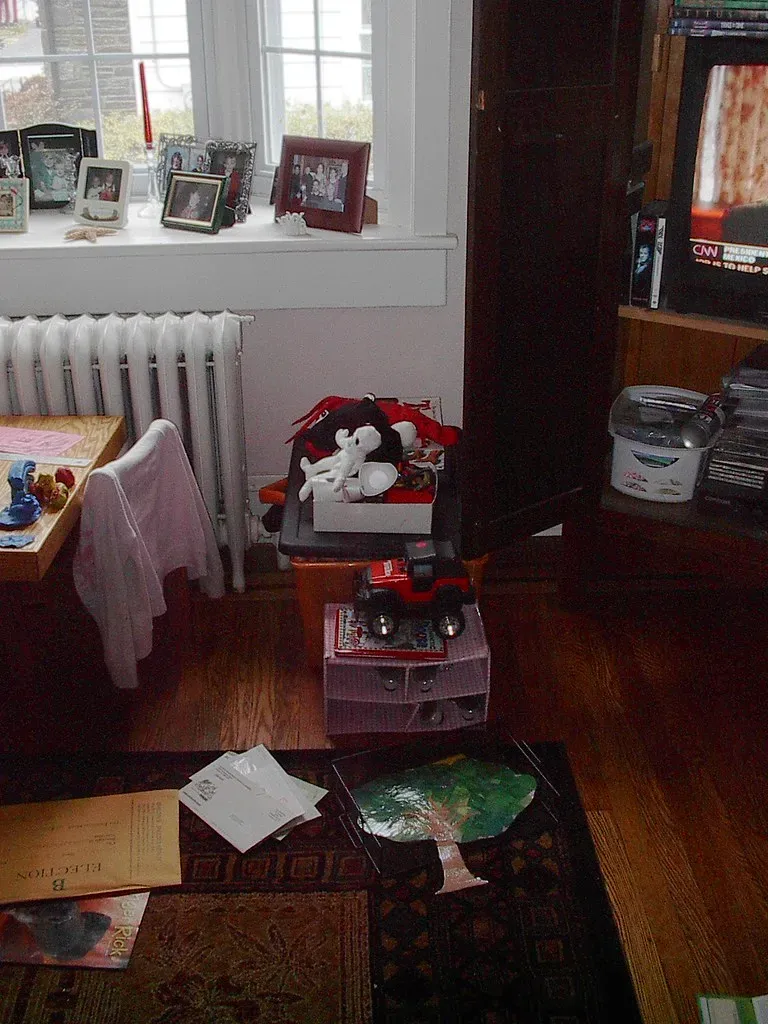
The house you’ve lived in for years is full of personal touches, especially in the living room. Photos adorn the walls, mementos litter the shelves, and inherited furniture fills dull corners. While that’s perfectly fine when you’re living there, if you’re trying to sell and organizing open houses, it’s time to consider packing some of those personal touches away.
Buyers want to imagine themselves living in the home, not you. Family photos, quirky artwork, sports memorabilia, or bold wall colors can be distracting. Keeping décor neutral and minimal allows potential buyers to focus on the features of the home, not the items in it. Depersonalizing doesn’t mean stripping the room bare – it means making space for someone else’s vision.
3. Ignoring Poor or Inadequate Lighting
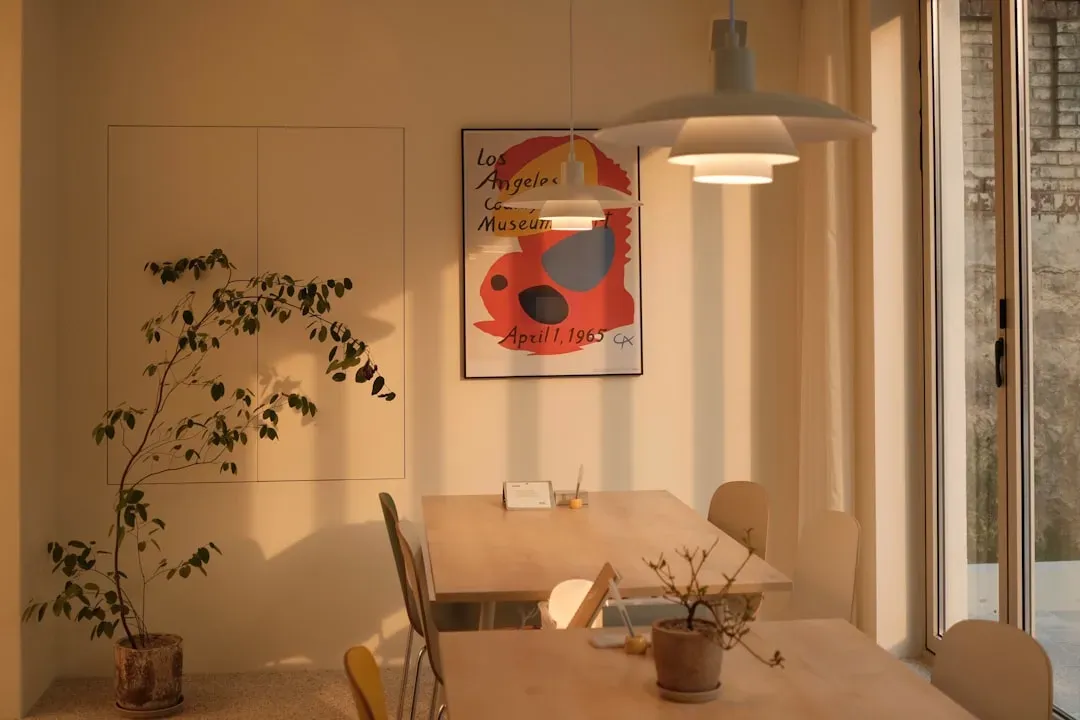
Homeowners often overlook the impact of lighting on a home’s appeal. Harsh overhead fixtures, dim corners, or dated lighting can make even the most well-staged room feel uninviting. Natural light is a major selling point for most buyers, and when staging doesn’t account for lighting, it can literally leave a home in the shadows.
Even if you have all the right furniture in all the right places, poor lighting in your house can make the most beautiful decor seem drab and uninviting. A dark house turns off potential buyers. Having a bright, well-lit house proves you’re confident about its cleanliness and have nothing to hide. Simple fixes like swapping in warmer bulbs or adding a floor lamp to a dark corner make a real difference.
4. Using Bold or Polarizing Paint Colors
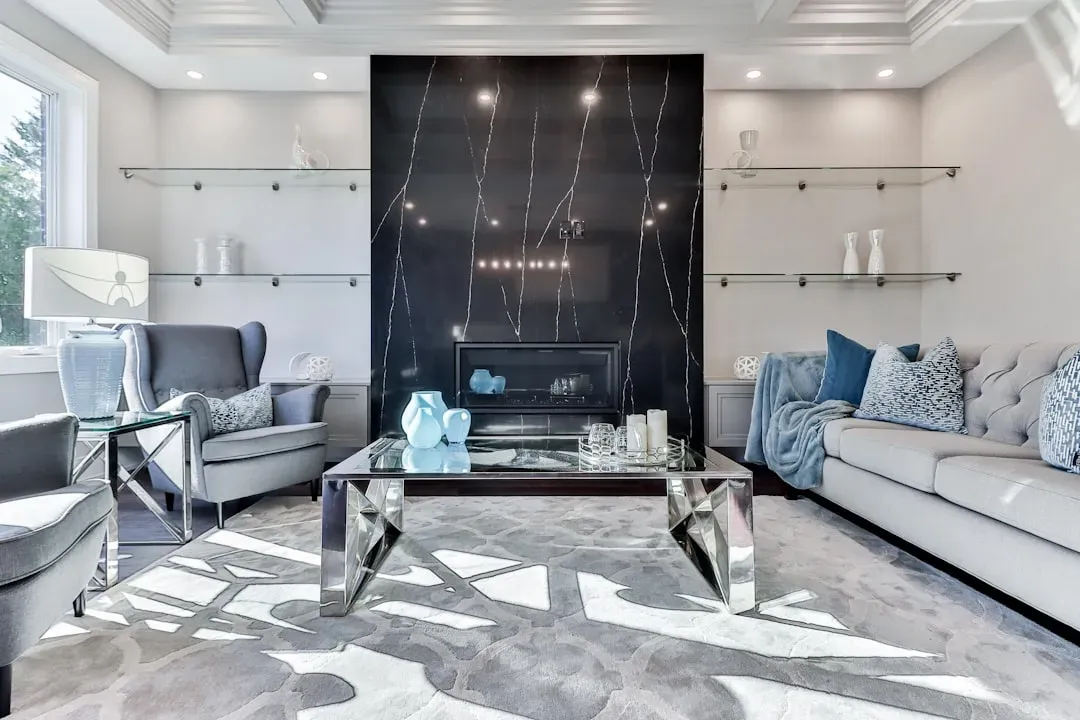
When buyers walk through the door, they’re trying to imagine living there. Paint colors that are too bold, dark, or unique can become a barrier to that imagination. A statement wall in neon green or firetruck red may express your personality, but for a buyer it’s just another item on the mental renovation checklist. The more mental work your buyer has to do, the less likely they are to fall in love with your home.
Homes painted in neutral tones tend to sell faster and at higher prices. Neutral colors create a blank slate – they make rooms feel larger, more inviting, and easier to personalize, which is especially important for younger buyers entering the market. Imagine a buyer walking into a living room staged with light grays, warm whites, or subtle taupes. The room feels open, bright, and versatile, allowing them to picture their own furniture and decor fitting in seamlessly.
5. Choosing Oversized or Poorly Scaled Furniture

One of the most common staging pitfalls is filling a room with furniture that doesn’t suit the space. Oversized couches in a modest living room can make the area feel cramped, while tiny side tables in a large family room can leave the space feeling sparse and underwhelming. Scale matters more than most sellers realize.
One of the most common mistakes is purchasing furniture that is way too big for a living room: sofas so deep they leave no space to walk around them, giant chairs eating up whole corners, and table lamps filling the entire surface of end tables. The arrangement of furniture has the power to make or break a client’s experience. In addition to making rooms appear smaller, incorrect layouts can confuse how to use the space.
6. Skipping Staging Altogether
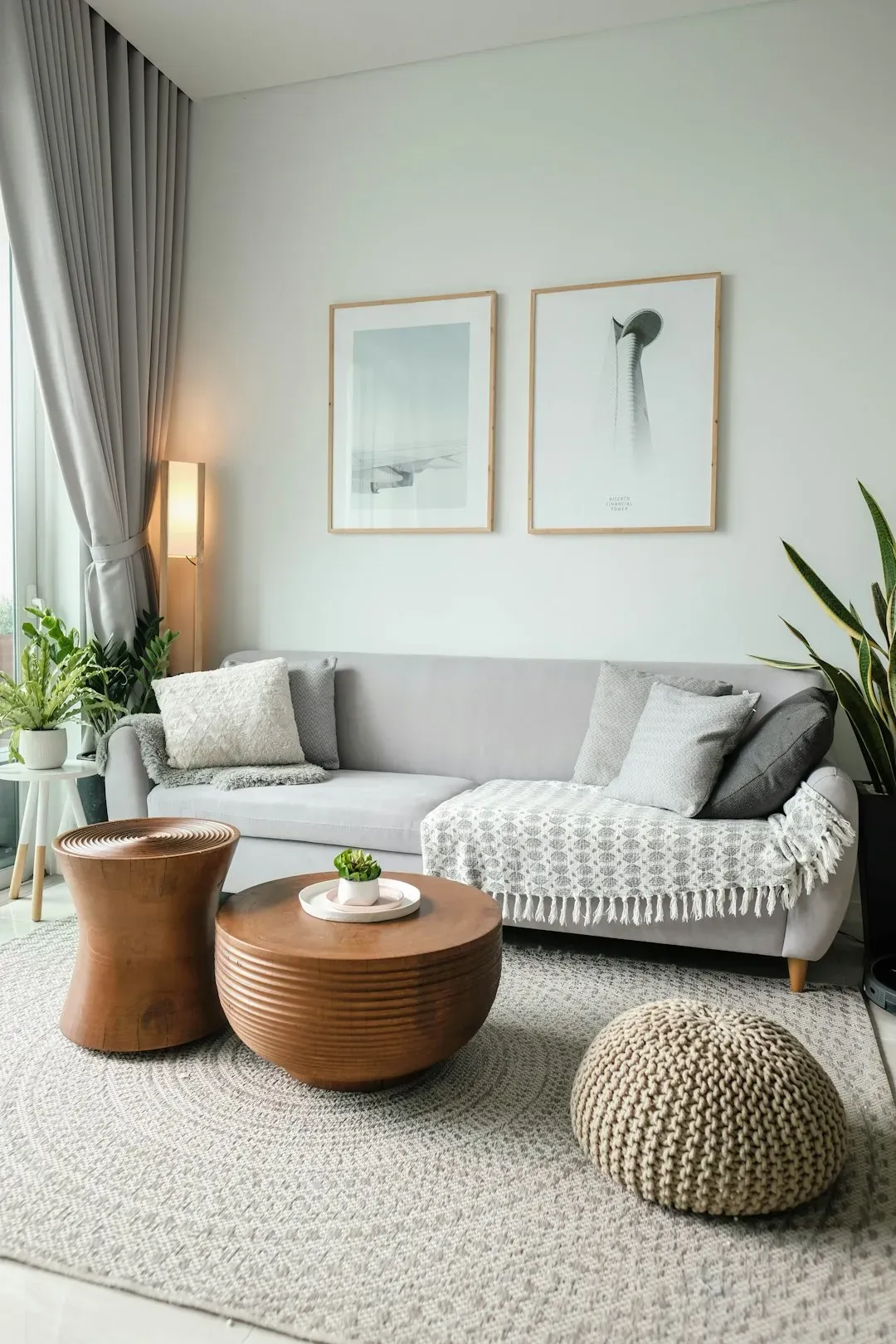
The biggest mistake many sellers make is deciding they don’t need to stage their home at all. Unless you’re in a very strong seller’s market where it really doesn’t matter what your home looks like – and those are rare – you should probably consider at least some light staging before listing. The current market offers buyers more choice, not less.
Research indicates that staged homes sell faster and more quickly than their unstaged counterparts. You want the home to feel like home, but not especially like your home. It shouldn’t feel quite as generic as a hotel room, but it should be depersonalized and decluttered enough that buyers feel both comfortable and inspired – ideally, inspired enough to make a good offer.
7. Worn, Stained, or Wall-to-Wall Carpet in the Living Room

Tired carpeting and peeling linoleum aren’t a good look in any home. Carpets have been making a bit of a comeback in recent years, but for many buyers they aren’t the desired flooring. Future buyers could see carpet, no matter how on-trend, as a costly renovation to pull up. So if you know you’ll likely sell your home in the near future, perhaps don’t commit to the carpet revival trend.
If the carpet is already there and showing signs of wear, it compounds the problem. Buyers are keenly aware of details, and small issues like scuffed floors can signal neglect and deter potential offers. Remember, buyers are looking for a move-in-ready home, and any signs of needed repairs might suggest additional hidden costs or hassles. Fresh hardwood or clean neutral flooring consistently reads better to a broad pool of buyers.
8. Neglecting Minor Repairs and Visible Wear

Buyers notice the little things, like chipped paint, squeaky doors, or cracked tiles. These small issues may not be deal-breakers on their own, but they can give the impression that the home hasn’t been well-maintained. Taking care of the details before listing matters. In the living room, this includes scuffed baseboards, broken light switch covers, and ceiling stains.
Data from Clever’s 2024 American Home Buyer Report found that the vast majority of recent buyers had regrets about their purchase, with the most common being that the home requires too much maintenance. Buyers don’t want projects – they want to move in and be done. A living room that looks cared-for signals that the rest of the house probably is too.
9. Poor Furniture Arrangement That Blocks Flow
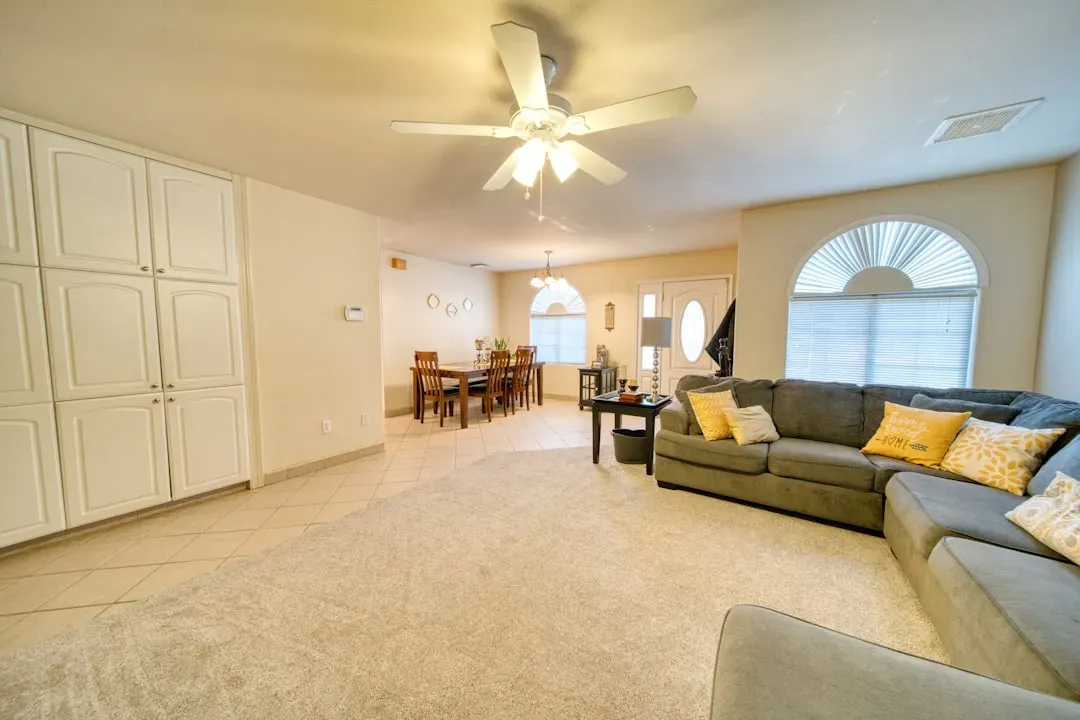
It’s essential to put more effort into how your furniture is arranged. This could be helpful if you want your home to flow well. The arrangement of furniture has the power to make or break a client’s experience. A living room where movement feels blocked or awkward immediately reads as smaller and less usable than it actually is.
When arranging furniture, create clear pathways, maximize natural light, and specify the function of each space to accentuate a room’s best features. Thoughtfully designed setups are aesthetically pleasing and key to transforming a house into the home of one’s dreams. Consider rearranging furniture to create clear pathways and showcase the room’s dimensions. If you have large or bulky furniture, consider replacing it with more appropriately sized pieces that enhance the sense of space.
The living room doesn’t need a complete transformation to win over buyers. Most of these mistakes are fixable with a few focused hours and a willingness to see the space through someone else’s eyes. When it comes to selling your home, first impressions are everything. The art of home staging plays a crucial role in how potential buyers perceive your space and can significantly influence their decision to make an offer. Getting the living room right often sets the tone for every room that follows.