
You know that feeling when your home’s working perfectly, plumbing included? Water flows, drains empty, toilets flush. Life’s good, right? Then one day you notice a tiny drip under the sink or hear a strange gurgle from the pipes. It’s easy to brush these things off.
Here’s the thing though: those seemingly harmless issues can spiral into financial disasters faster than you’d imagine. We’re talking about repair bills that climb into the thousands. Experienced plumbers have seen it all, from burst pipes flooding entire basements to corroded connections that destroy walls. Let’s be real, many of these nightmares start with mistakes that could’ve been avoided.
So let’s dive in and discover what plumbing pros say you should never, ever do.
1. Ignoring Small Leaks Until They Become Big Problems
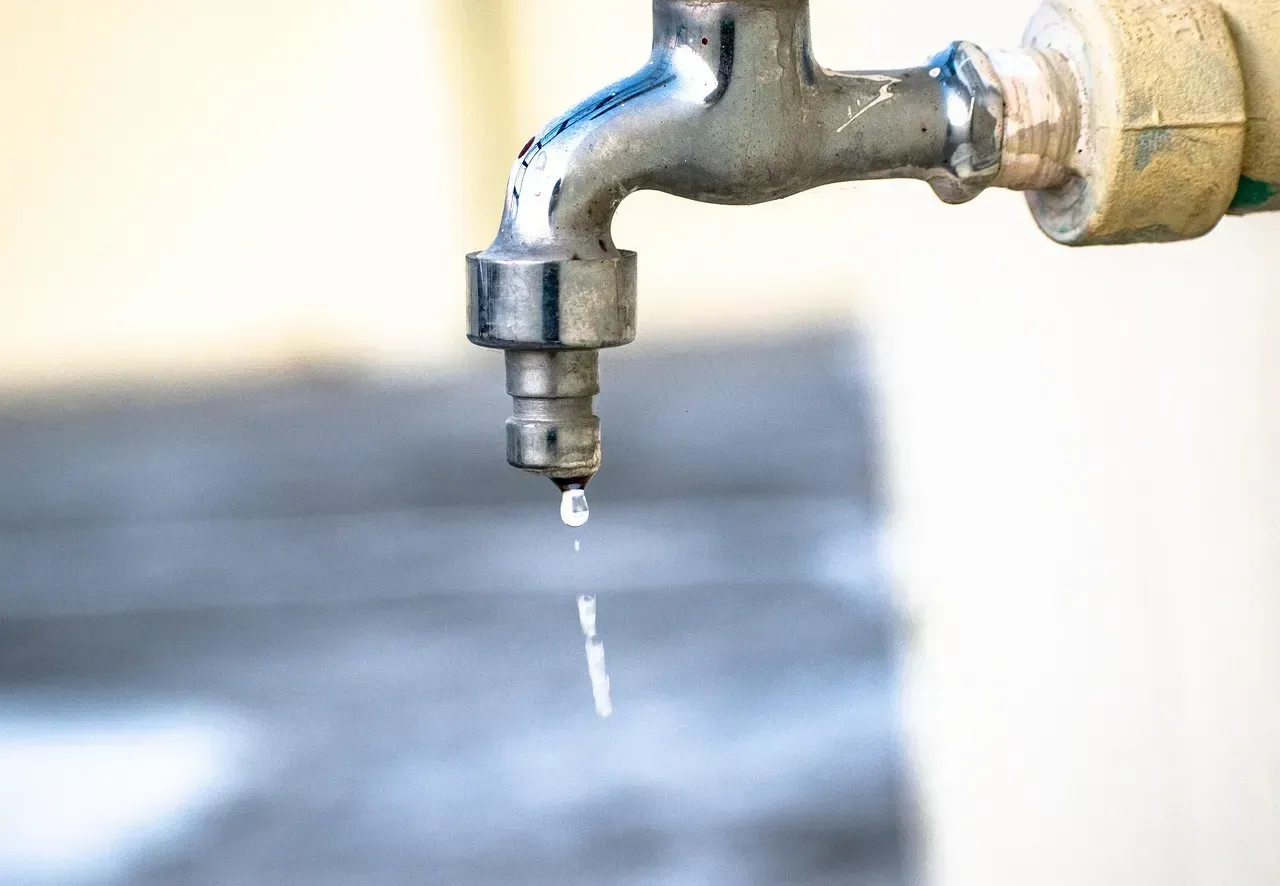
A leaky faucet can waste as much as 10,000 gallons of water each year, according to the US Environmental Protection Agency (EPA). That drip might seem like nothing, but it’s costing you real money while quietly causing damage you can’t see yet.
Neglected leaks eventually reach the foundation, where water can cause cracks, shifting, and structural damage that costs tens of thousands of dollars to repair – all from a drip you could have fixed for less than two hundred dollars. The moisture creates breeding grounds for mold behind walls, and once that takes hold, you’re looking at serious health risks plus remediation costs.
A quick two hundred dollar fix today could turn into a thousand dollar after-hours emergency if left unchecked. Emergency plumbers charge premium rates, usually 1.5 to 3 times their normal fees. Suddenly that “minor” leak doesn’t seem so minor anymore.
2. Over-Tightening Fittings and Connections
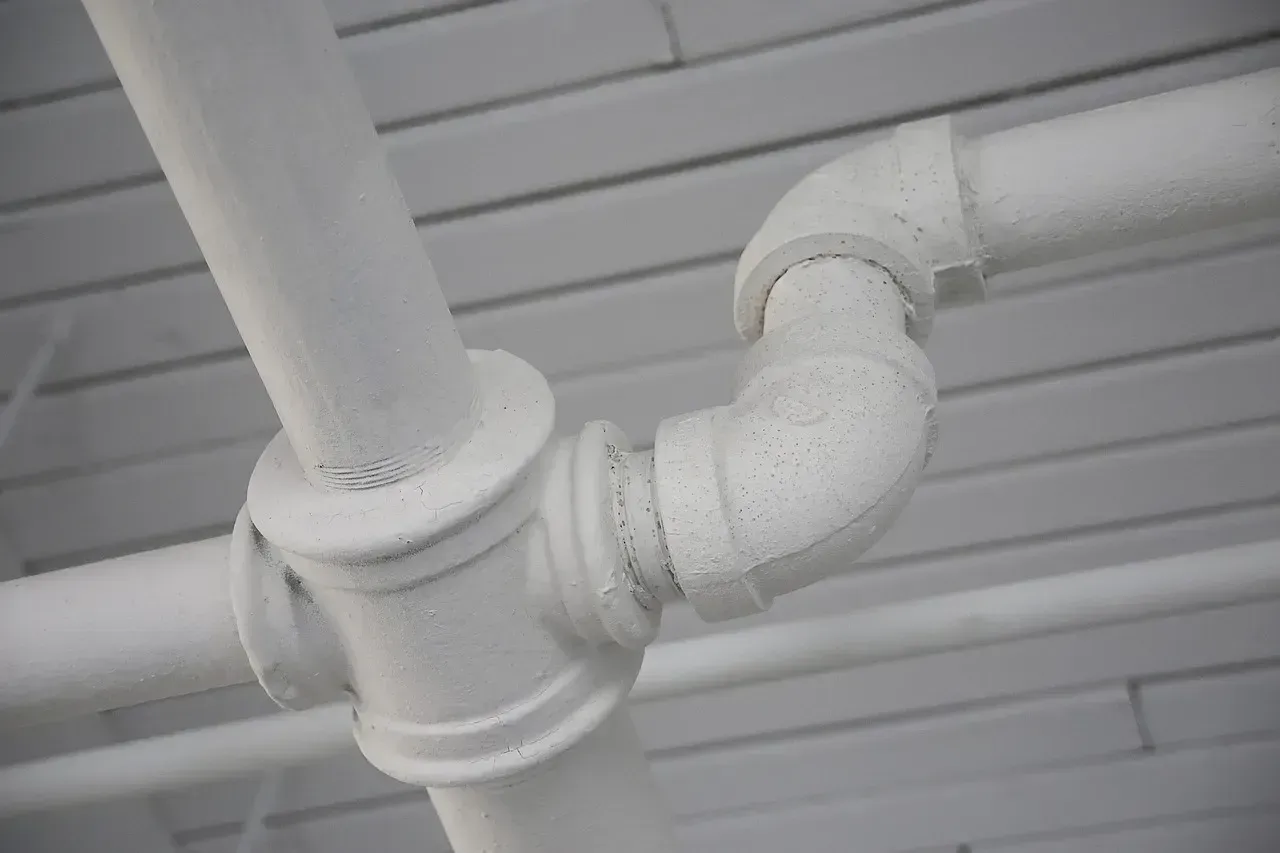
It’s easy to think “the tighter, the better” when dealing with plumbing fittings, but cranking down too hard can actually crack pipes, fittings, or even the fixture itself. This is one of those mistakes that seems logical until it isn’t.
What starts as a simple repair spirals into replacing the entire fixture. Overtightening a galvanized pipe, coupling, or joint could cause it to crack – you might not crack it immediately, but the pressure from water moving through your plumbing can cause a crack to form within a few weeks.
You think you’ve saved money doing it yourself. Then weeks later, water’s spraying everywhere because the pressure finally won the battle. Professional plumbers know exactly how much torque to apply, and that knowledge alone can save you hundreds in damage repair.
3. Using Chemical Drain Cleaners Repeatedly
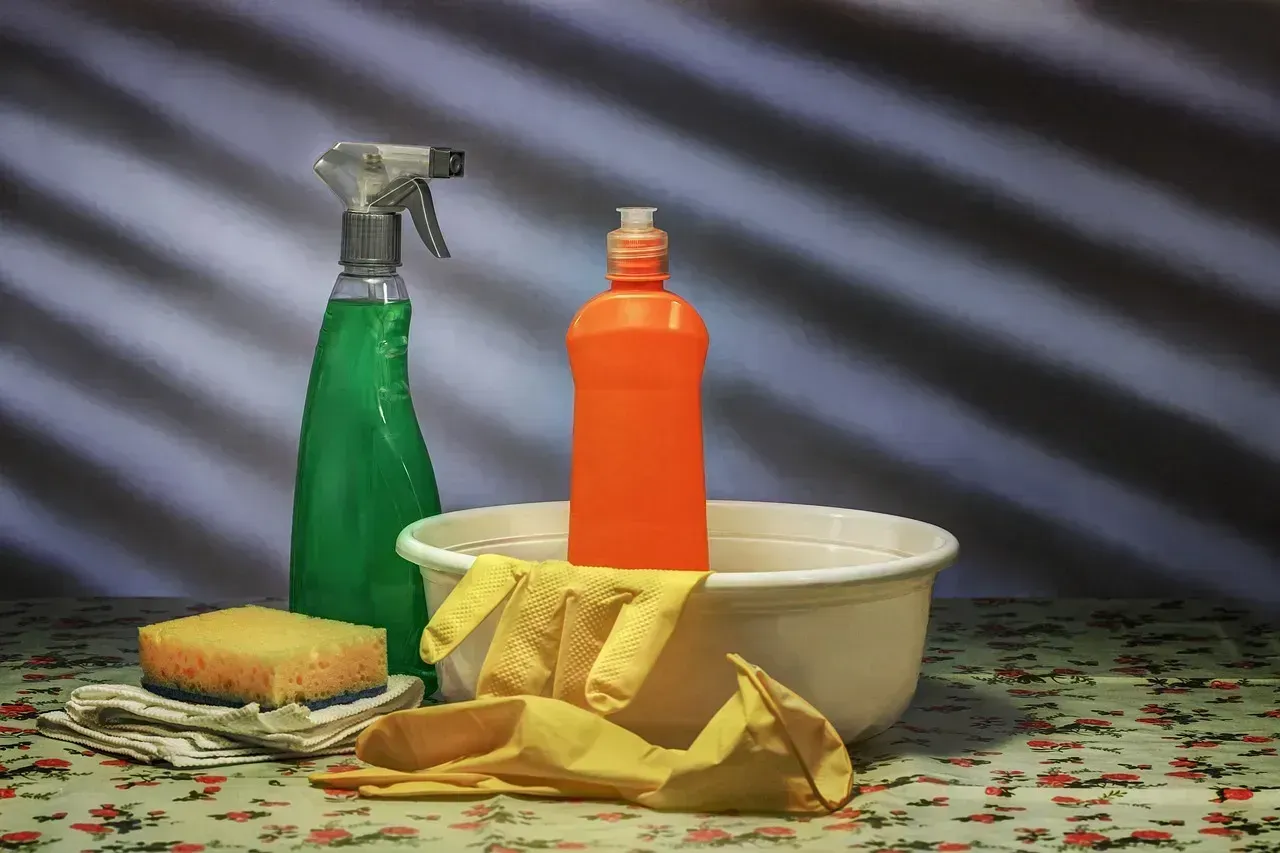
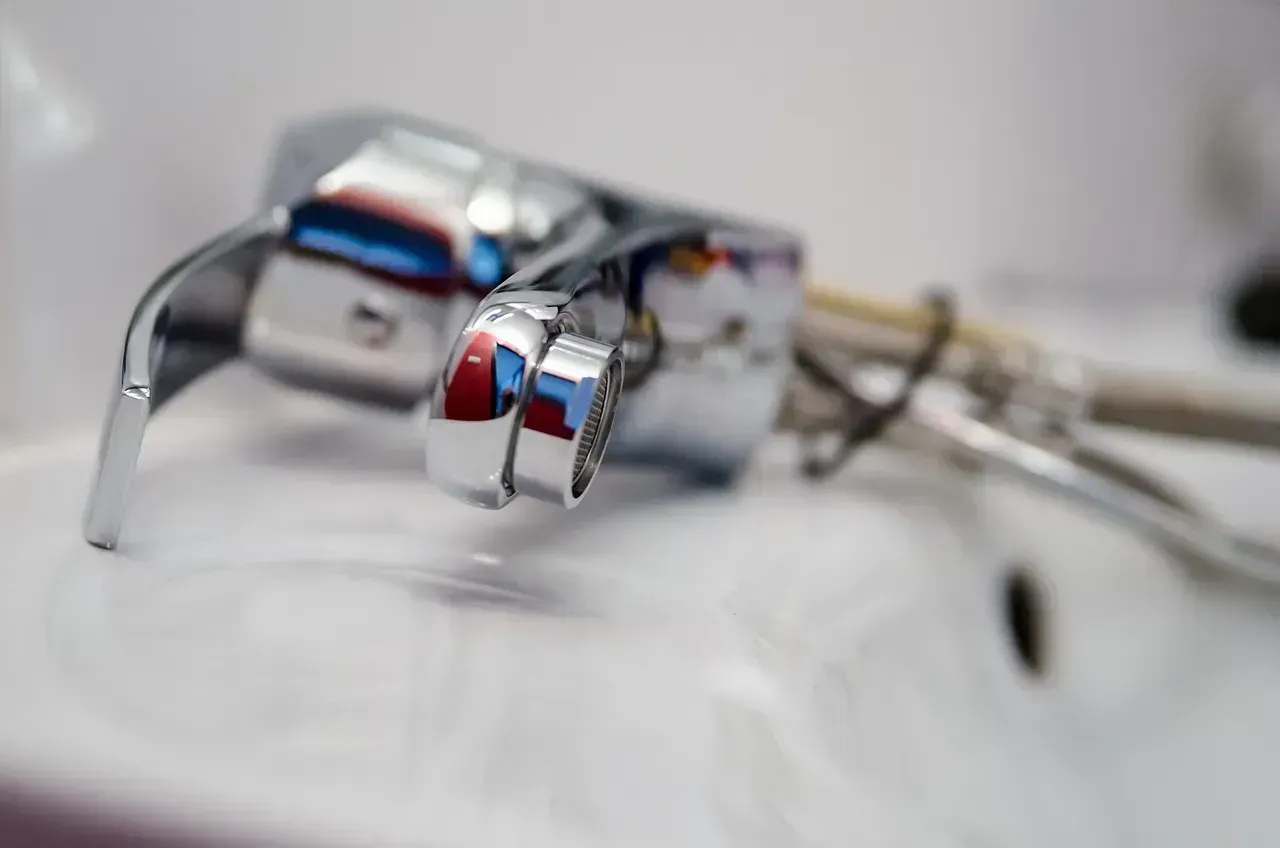
Pouring harsh chemical cleaners down a clogged drain may seem like a quick solution, but repeated use can erode your pipes over time – metal pipes are particularly vulnerable, and even PVC can become damaged. Those bottles promise instant results, but they’re basically eating away at your plumbing system.
Using too much drain cleaner, or using it too often, can damage metal traps and pipes causing leaks, and liquid drain cleaner destroys the rubber gasket used in mission style couplings. That two dollar bottle of chemicals could lead to pipe replacement costing hundreds or even thousands.
Mechanical methods like snakes or plungers are way more effective and won’t destroy your pipes in the process. Sometimes the old-school approach really is the smarter one.
4. Skipping Regular Plumbing Maintenance
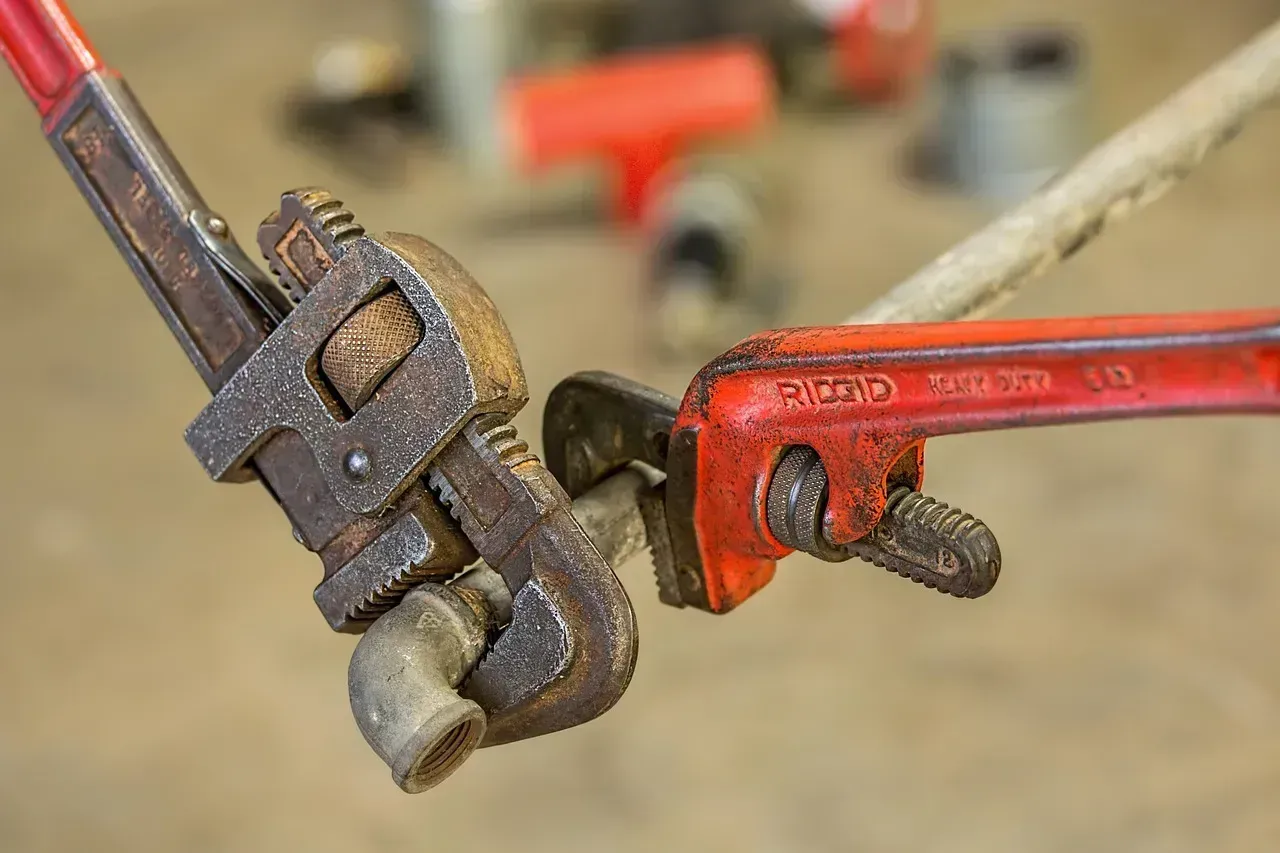
Failure to schedule regular plumbing maintenance can result in clogged drains, leaking pipes, or worse, a burst pipe that floods your home – over time, the buildup of debris in your plumbing system can lead to blockages and backups. Out of sight shouldn’t mean out of mind.
Most homeowners never think about their plumbing until something goes catastrophically wrong. Routine maintenance can save you thousands of dollars in repairs and keep your plumbing system running efficiently. We’re talking about annual inspections that catch problems before they explode.
Think of it this way: would you rather pay a plumber a few hundred bucks once a year for a checkup, or deal with emergency repairs at three times the cost? Professional inspections check for leaks, inspect pipes, flush water heaters, and address issues before they snowball. It’s hard to say for sure, but preventative care beats disaster cleanup every time.
5. Forgetting to Shut Off the Water Supply
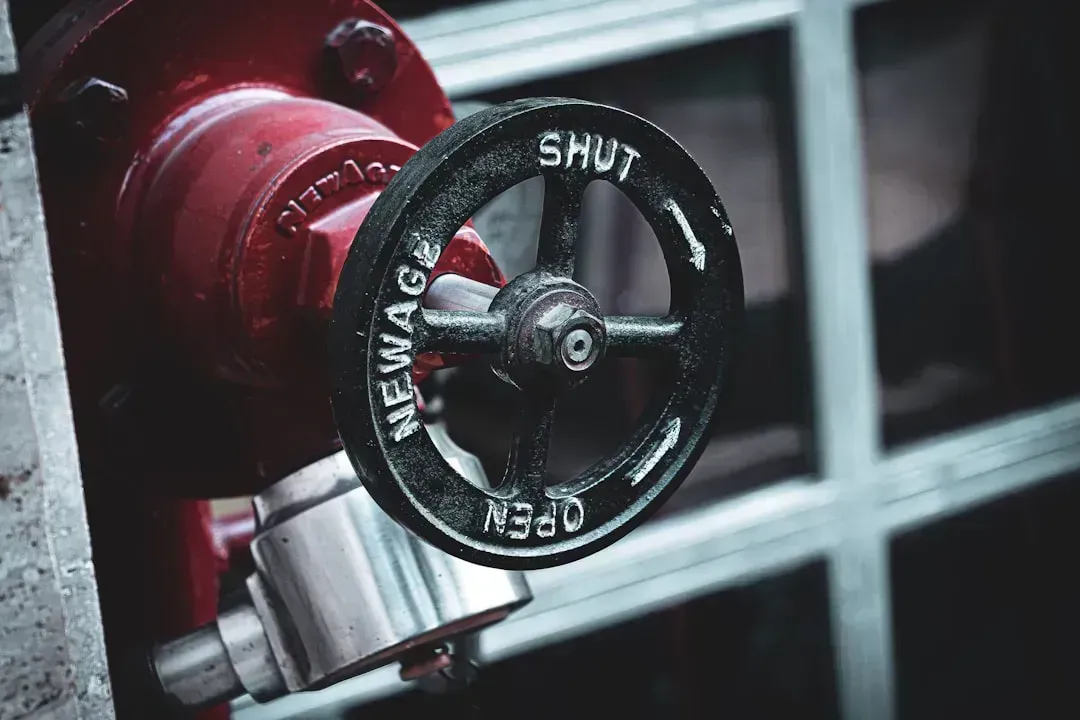
You’d be surprised how many people start a plumbing job without shutting off the water supply – a burst of high-pressure water can quickly flood your home, damaging flooring, drywall, and anything in its path. This mistake sounds almost too basic to mention, yet it happens constantly.
If you can’t attach the new valve or faucet, you’ll have full water pressure flooding the room and dripping down to the lower floors – why risk thousands of dollars in damage when all it takes is a few extra minutes to shut off the main water supply valve?
Even experienced DIYers sometimes get overconfident and skip this step. Then they’re scrambling to find the shutoff while water pours everywhere. Don’t be that person. Locate your main shutoff valve right now, before you need it in a panic.
6. Installing the Wrong Materials or Using Mismatched Metals
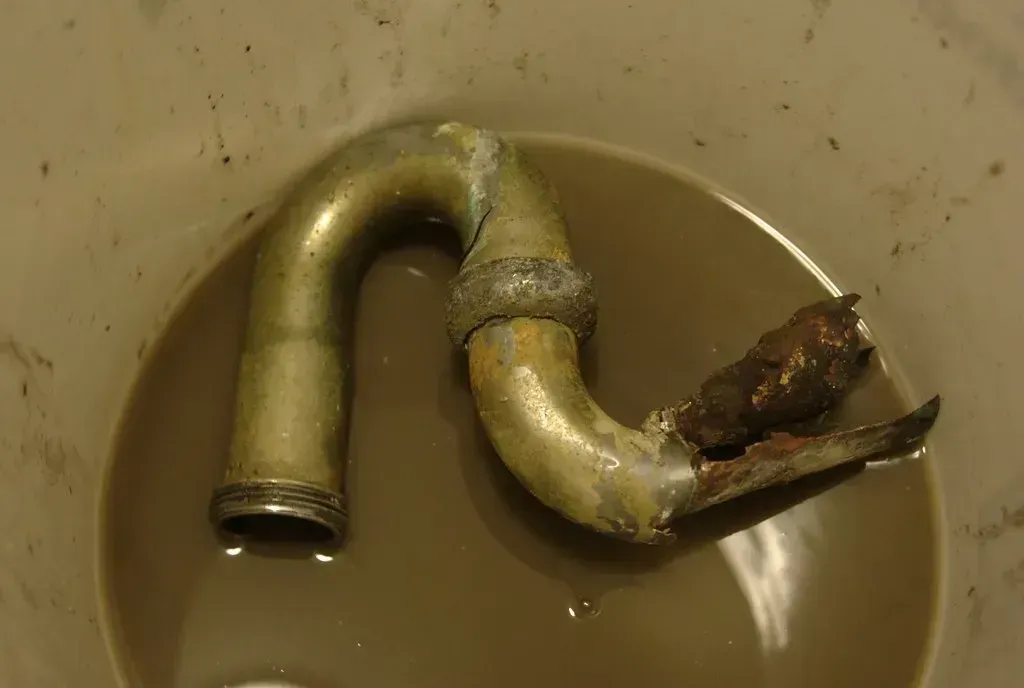
Mixing different types of metals in your plumbing system can cause corrosion, leading to leaks and pipe failure – many homeowners unknowingly create these issues when attempting repairs. Not all pipes play nicely together.
Different metals react with each other through a process called galvanic corrosion. Connect copper to galvanized steel without the proper fittings, and you’re setting yourself up for failure down the road. Using the wrong materials, or those of inferior quality, can lead to leaks, blockages, and premature wear and tear, necessitating costly repairs down the line.
The cost of home repairs rose nearly three and a half percent in the second quarter of 2025, outpacing inflation’s increase of about three percent. With repair costs climbing, getting materials right the first time matters more than ever. Professional plumbers understand material compatibility and local codes, which is worth the investment.
7. Attempting Complex Repairs Without Professional Help
Water heaters might seem simple enough to install, but improper setup can lead to gas leaks, water damage, and even explosions in extreme cases – many DIYers underestimate the importance of proper ventilation and pressure relief valve installation. Some jobs just aren’t DIY territory.
So many house fires have been caused by an inexperienced person attempting to solder their own plumbing. Tasks like repiping, water heater installation, and sewer line repairs require specialized knowledge and tools that average homeowners don’t possess.
The cost of hiring a plumber can be as little as ninety-nine dollars or as high as nine hundred seventy-five dollars, but most homeowners pay around three hundred thirty-nine dollars. Honestly, that’s a bargain compared to fixing catastrophic damage from a failed DIY attempt. Know your limits and call professionals when it makes sense.
8. Neglecting Water Heater Sediment Buildup
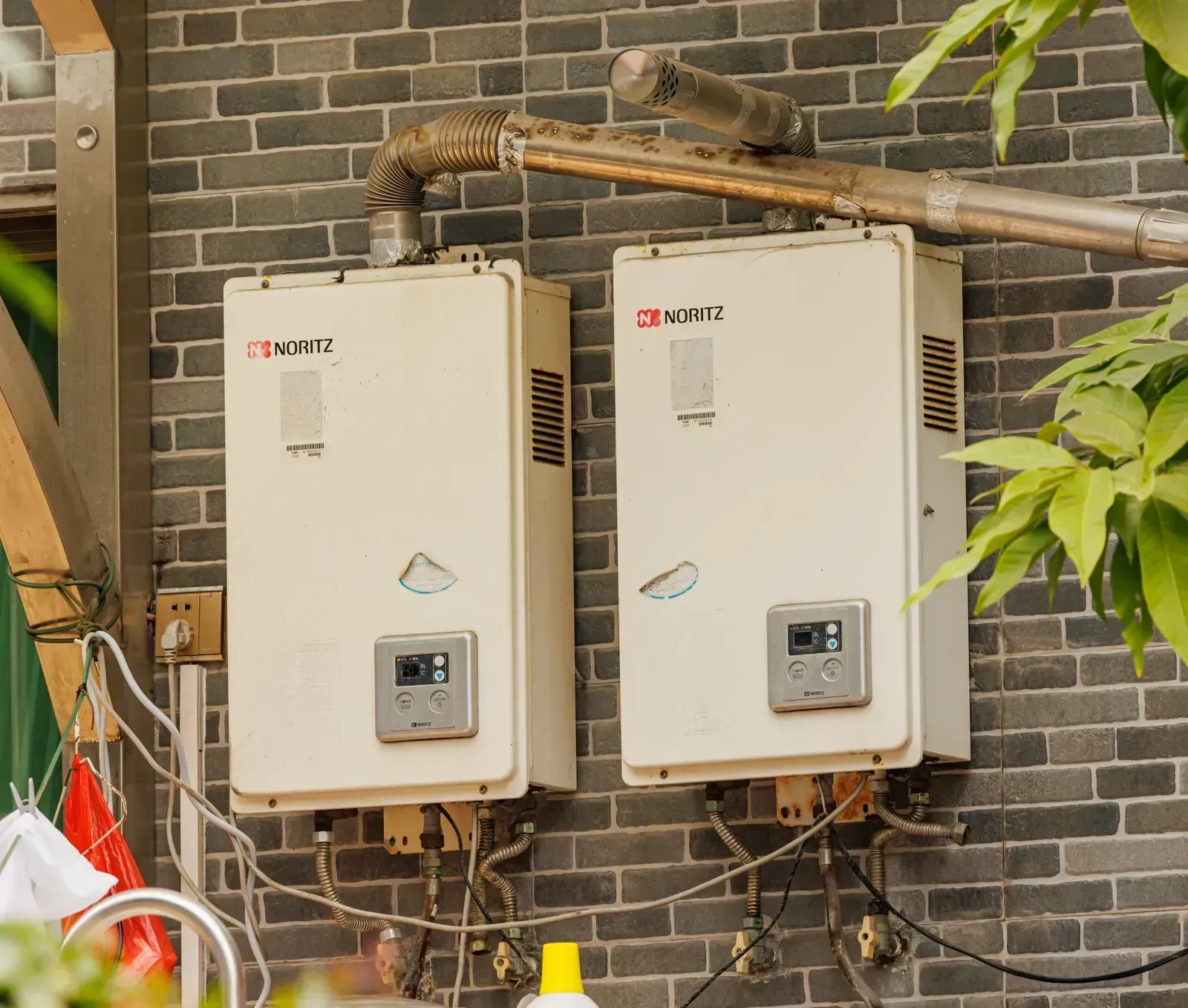
Typically the cause of banging noises is accumulated sediment in the bottom of the tank – when you turn on your hot water, the sediment moves around causing air bubbles to rise, and ignoring this issue costs you money because it decreases the life of your tank. Those weird sounds aren’t just annoying – they’re expensive warnings.
If you’re hearing noises coming from your water heater, that’s probably sediment – if left alone, it might lead to leaks, heating element failure, or a broken unit, so having a plumber flush it ASAP is a good idea for around two hundred dollars. Compare that to water heater replacement costs, which average between sixteen hundred and fifty-five hundred dollars.
Regular flushing extends your water heater’s lifespan significantly. It’s one of those maintenance tasks that pays for itself many times over. Set a reminder once a year and either do it yourself or hire a pro – either way, don’t skip it.
9. Ignoring Local Building Codes and Permit Requirements
One of the first and most significant missteps in plumbing installation is ignoring the local codes and regulations set by your municipality – these rules are carefully designed to ensure safety, efficiency, and reliability, and failing to comply can lead to hefty fines, but more importantly, it could mean having to redo significant portions of your installation. Codes exist for good reasons.
Some plumbing repairs and replacements do require permits – a licensed plumber ensures all work meets local regulations and permit requirements, protecting homeowners from compliance issues. Skipping permits might seem like a shortcut, but it can haunt you during home inspections or when selling your property.
Insurance companies can also deny claims if unpermitted work caused the damage. You might save a couple hundred dollars today by avoiding permits, only to lose tens of thousands later. Let’s be real, following the rules protects your investment and keeps you legally covered.