
Most people go about their daily lives flipping switches, plugging in appliances, and charging devices without a second thought. Electricity has become so invisible and routine that we forget it carries a genuinely lethal force behind every outlet in our walls. The problem is that the most dangerous electrical mistakes are rarely dramatic at first. They hide in plain sight, building up heat, stress, and risk over weeks or even years.
Home electrical fires account for an estimated 51,000 fires each year, nearly 500 deaths, more than 1,400 injuries, and $1.3 billion in property damage. Those aren’t just statistics. Behind each one is a family, a home, a preventable disaster. The good news? Most of these tragedies come down to a handful of avoidable errors. Let’s dive in.
1. Overloading Your Circuits
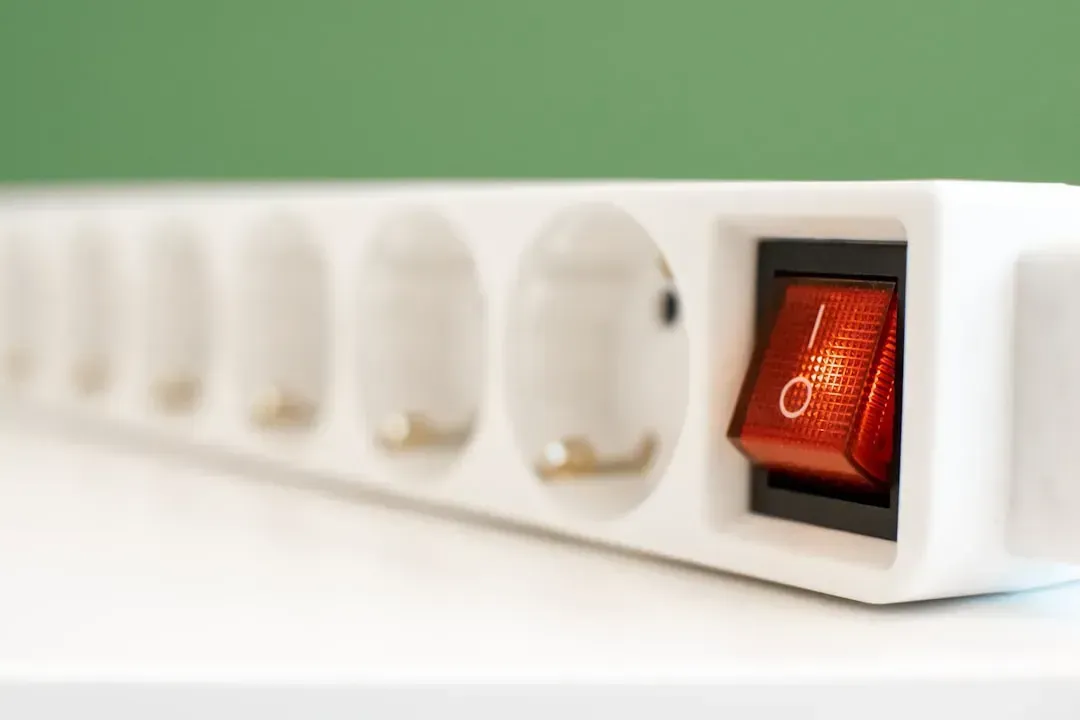
Here’s the thing about modern life – we own more devices than ever before, and most of us are plugging them all into the nearest outlet without a second thought. Overloaded circuits are common in older homes that weren’t designed for the electrical demands of modern life, and using multiple high-wattage appliances simultaneously can strain your electrical system and potentially lead to overheating and fires.
Overloaded circuits generate excessive heat, which can ignite insulation or other materials, leading to electrical fires. According to the National Fire Protection Association (NFPA), electrical failures or malfunctions account for an estimated 13% of home fires annually.
All circuits have a load rating measured in amps. Exceeding this rating causes the wires to overheat, potentially leading to an electrical fire. Signs of an overloaded circuit include flickering lights, warm or buzzing outlets, and frequent tripping of circuit breakers. If those signs sound familiar in your home, do not ignore them.
2. Misusing Extension Cords as Permanent Wiring
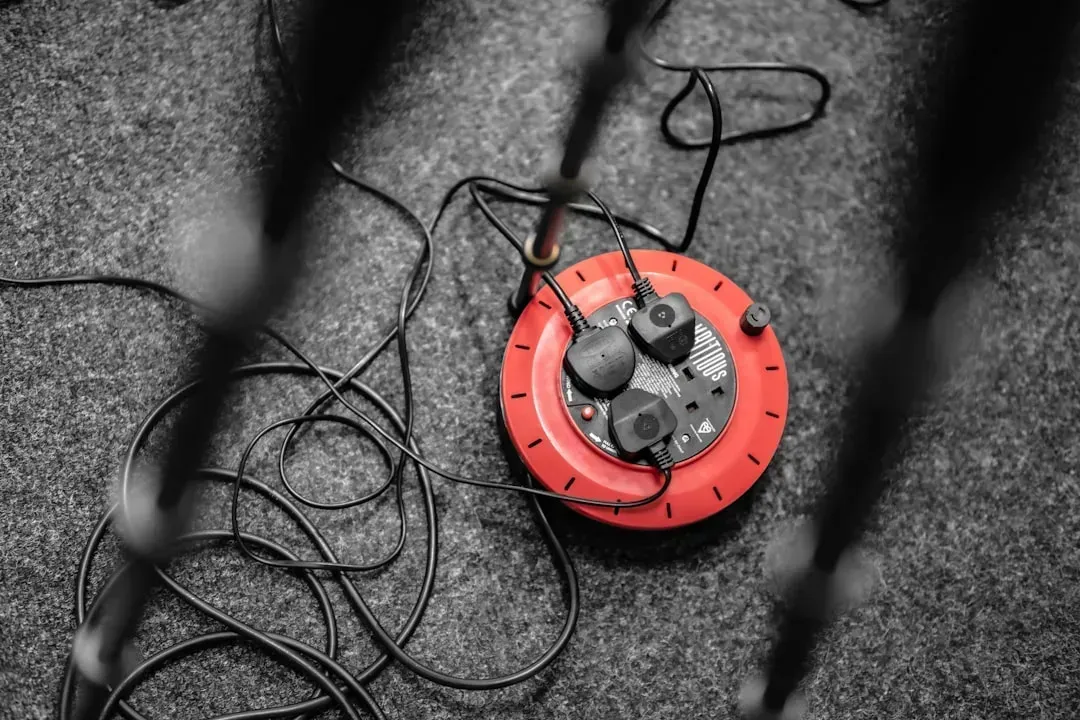
Extension cords are one of those household items that seem perfectly harmless. And honestly, they are – when used correctly. The moment people start relying on them as a long-term fix, though, things get dangerous fast.
NFPA statistics reveal that roughly 3,300 home fires originate from extension cords each year, killing 50 people and injuring 270 more. Extension cords can overheat and cause fires when used improperly.
An extension cord is a temporary solution and is not meant to be used as a long-term extension of your household’s electrical system. Using extension cords properly is critical to your safety. With continuous use over time, an extension cord can rapidly deteriorate, creating a potentially dangerous electric shock or fire hazard. If you keep relying on one in the same spot, it’s a sign you need a new outlet installed instead.
3. Ignoring Outdated or Damaged Wiring
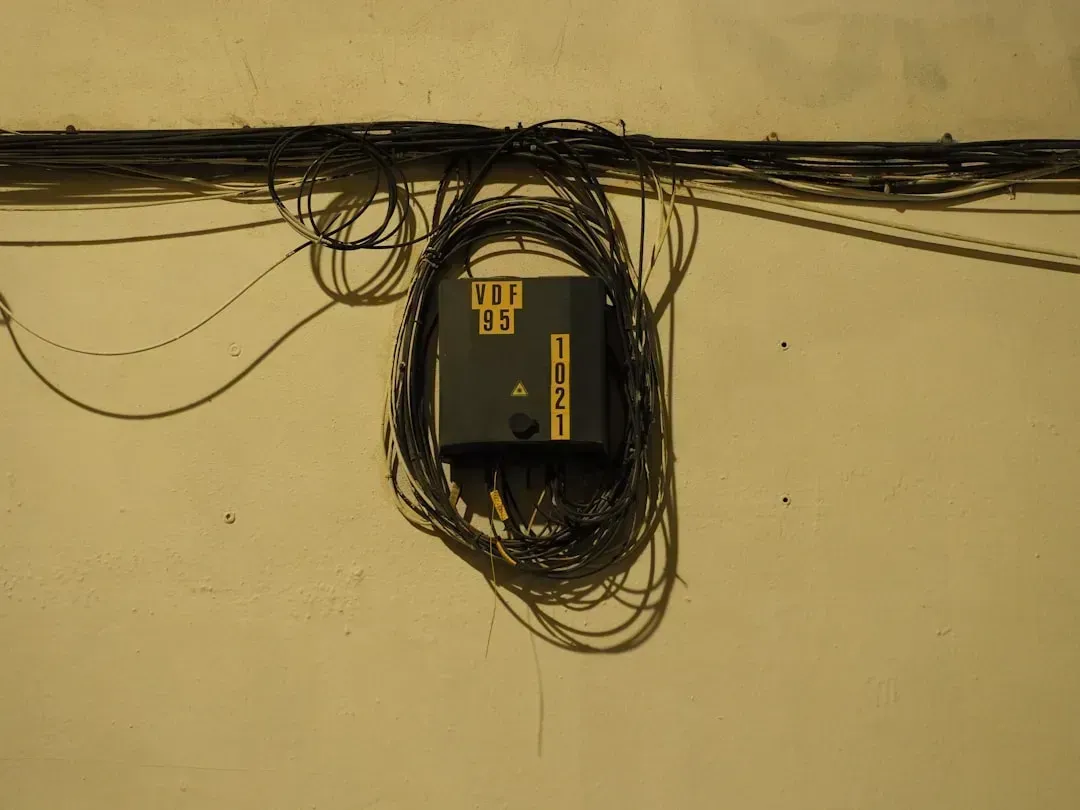
Old wiring is one of those problems that hides completely – inside walls, above ceilings, under floors. You can’t see it deteriorating, and that’s exactly what makes it so scary. Over time, wires can become frayed, brittle, or corroded, which increases the risk of electrical fires. In older homes, outdated wiring systems such as knob-and-tube or aluminum wiring can create fire hazards due to their age and design. Even homes with modern wiring can have issues caused by rodents chewing on cables, accidental damage during renovations, or general wear and tear.
The U.S. Consumer Product Safety Commission (CPSC) has found that homes with aluminum wiring may be up to 55 times more likely to suffer fire damage. That number is frankly shocking when you say it out loud.
When wiring is outdated it can create problems in your home. From flickering lights to intermittent power failures, old wiring should be checked out to make sure that there are no electrical dangers and that the system is suitable and capable of supplying the power for your needs. A simple professional inspection could prevent something catastrophic.
4. Placing Electrical Devices Near Water

Water and electricity are genuinely a deadly combination – it sounds like something your parents warned you about as a kid, but adults forget it all the time. Think about that phone charger sitting on the bathroom shelf right next to the shower.
Many homeowners still place space heaters, power cords, or kitchen appliances like coffee makers and toasters too close to sinks or wet counters. Bathrooms are another common danger zone, especially when using blow dryers, radios, or charging devices near tubs and showers. Water and electricity are a dangerous mix, leading to shocks, short circuits, and even fires.
In areas like bathrooms and kitchens, where water use is prevalent, electrical appliances and outlets require extra caution. Ensure all appliances are properly grounded, and keep them away from sinks, bathtubs, and water spills. Using appliances designed for bathroom use and installing GFCI outlets can dramatically reduce the risk of shock and electrocution in wet conditions.
5. Skipping GFCI Outlet Protection
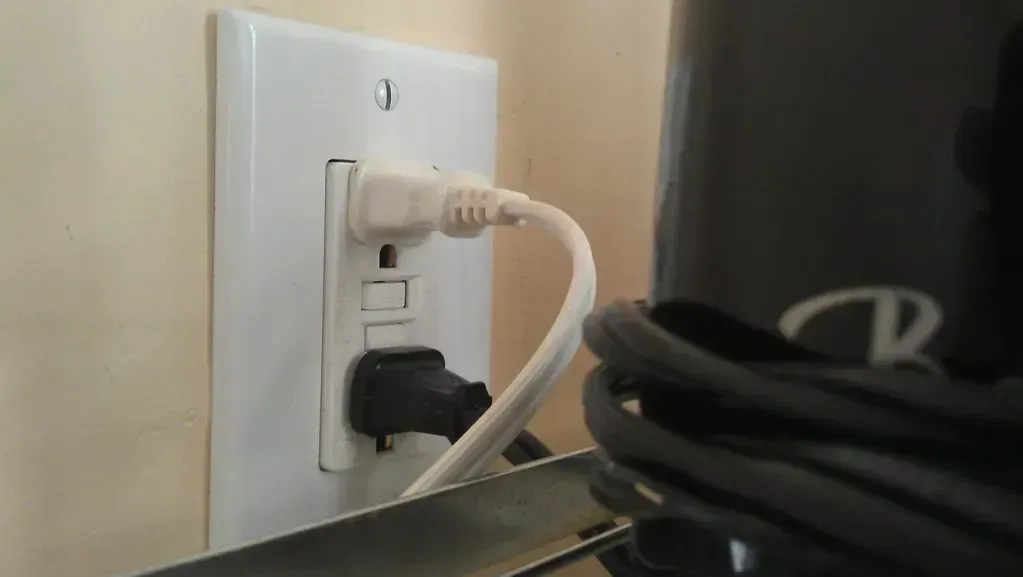
GFCI stands for Ground Fault Circuit Interrupter, and I think it’s one of the most underappreciated safety inventions in any home. These outlets cut power almost instantly when they detect even a tiny abnormality in the current – fast enough to prevent electrocution.
Proper grounding is essential for electrical safety. Without adequate grounding, electrical systems can become unstable, increasing the risk of electrical shock or damage to your electronics during a power surge. Improperly grounded outlets are especially hazardous in areas like kitchens, bathrooms, and garages, where the presence of water heightens the risk of shock.
Installing Ground Fault Circuit Interrupter (GFCI) protected outlets is an effective way to minimize the risk of electric shock or electrocution. If your home still has standard outlets in bathrooms and kitchens, consider this an urgent upgrade. It’s a small investment that can literally save lives.
6. Tackling DIY Electrical Work Without Proper Knowledge
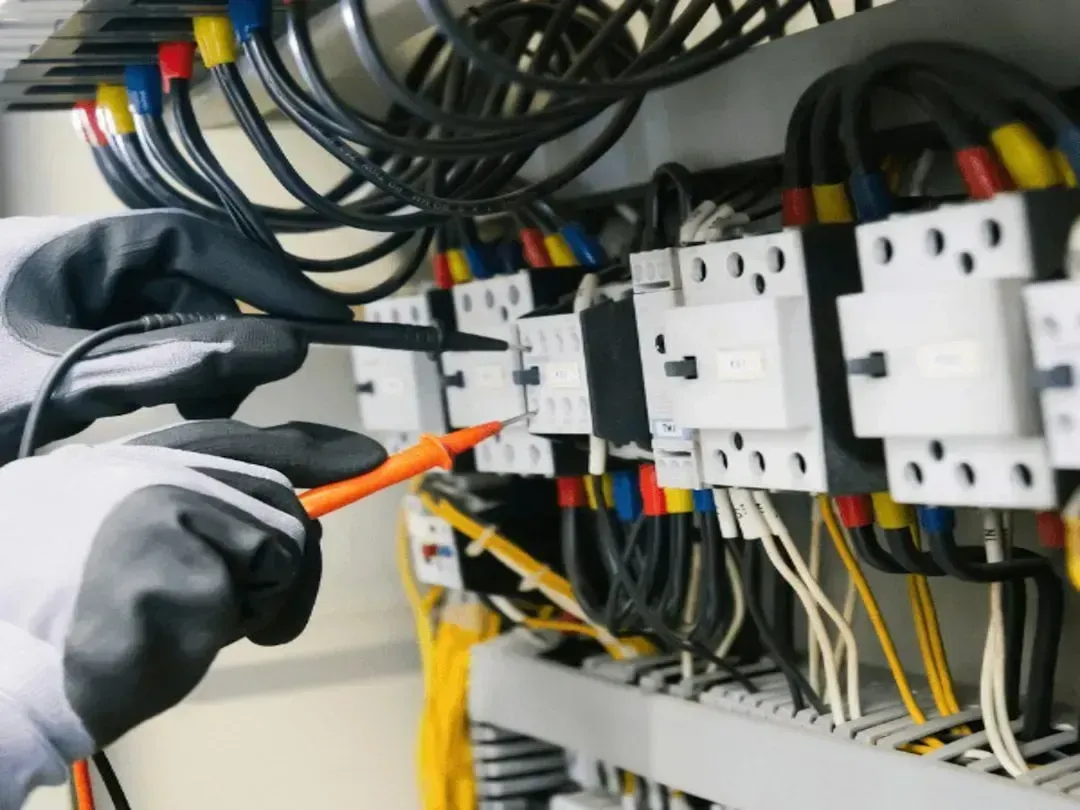
There’s a reason licensed electricians go through years of training. Wiring isn’t like painting a wall. It’s a system of precise voltage, wire gauges, load calculations, and safety codes – and getting any of it wrong can cause invisible damage that ignites weeks later when nobody suspects a thing.
DIY jobs without a proper understanding of the National Electrical Code can create dangerous electrical faults hidden behind drywall or in your ceiling. Even a seemingly simple task like installing a ceiling fan or changing a light fixture requires a working knowledge of voltage, wire gauge, and safe grounding. Trying to troubleshoot an issue with nothing but a screwdriver and a YouTube video can cause injury, arc flash, or even death.
Trying to troubleshoot an issue with nothing but a screwdriver and a YouTube video can cause injury, arc flash, or even death. In many cases, poorly done electrical work can void warranties or homeowner’s insurance. The cost of hiring a licensed electrician is always far less than the cost of dealing with those consequences.
7. Using the Wrong Light Bulb Wattage

This one catches a lot of people off guard. You’d think the worst that could happen from using the “wrong” light bulb is it burning out a little faster. The reality is quite different.
Using a light bulb with a higher wattage than the lamp can safely accommodate may overload the lamp’s wiring, which can cause a fire. Take steps to help avoid this household safety hazard by using a light bulb with wattage that’s less than or equal to the maximum wattage printed on the lamp’s socket.
Incorrectly installing light bulbs of the wrong wattage can lead to overheating, fixture damage, and even fires. Always check the maximum wattage recommended for your fixtures and adhere to it. Opt for LED bulbs where possible, as they conduct less heat and are more energy-efficient. LED bulbs are genuinely the smarter choice here, both for safety and your electricity bill.
8. Ignoring Warm, Sparking, or Discolored Outlets
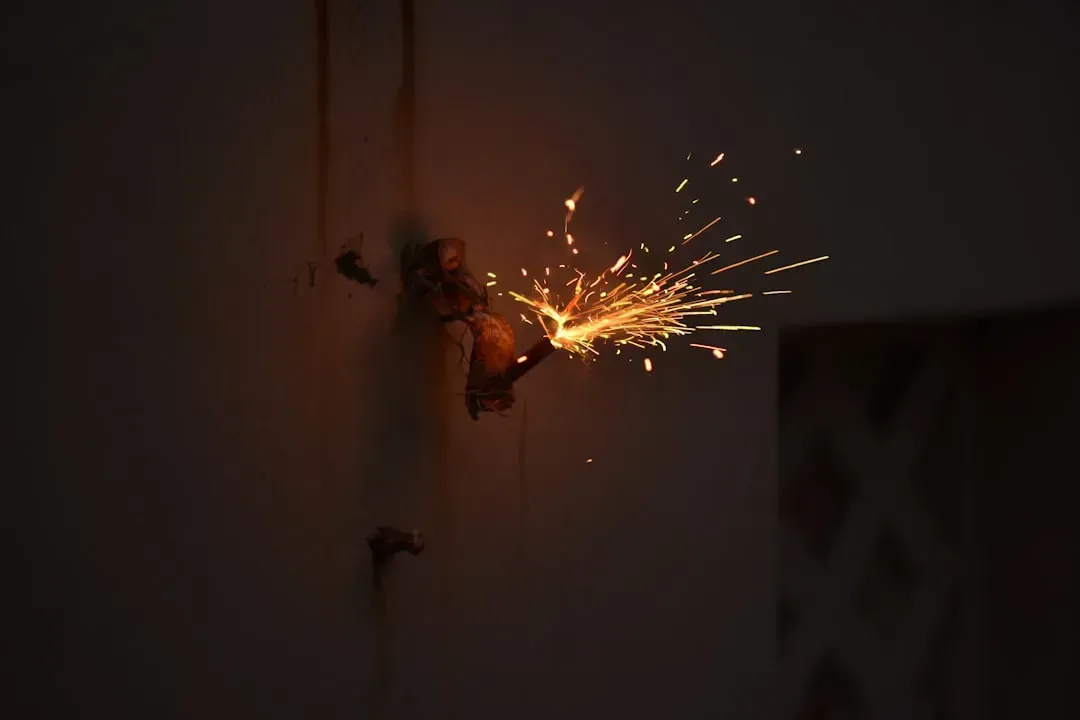
An outlet that sparks when you plug something in, or feels slightly warm to the touch, is not something to brush off and forget about. That warmth is your home’s electrical system trying to tell you something is very wrong.
The outlet itself should never get hot. If you notice heat at an outlet, immediately unplug any cords and do not use the outlet until you can troubleshoot the issue. That’s a hard rule with zero wiggle room.
Warm or discolored outlets and switches are serious warning signs of potential fire risk from old wiring. Overheating outlets, burn marks on electrical outlets, or a smell of burning plastic can point to overloaded circuits, loose connections, or failing insulation inside the walls. If you notice any of these signs, stop using that outlet and call a professional immediately. Don’t wait to “see how it goes.”
9. Running Cords Under Rugs or Through Walls
This is one of those habits that looks tidy and practical on the surface. Hiding a cord under a rug or feeding it under a door feels like a clean solution. It is actually one of the more quietly dangerous things you can do in your home.
Do not run extension cords through walls, doorways, ceilings, or floors. If a cord is covered, heat cannot escape, which may result in a fire hazard. A cord under a rug is a cord that can’t breathe, and it’s also a cord being constantly walked on and compressed.
Always avoid using damaged extension cords or leaving cords tucked under rugs, as these practices can create hidden dangers of overheating or short circuits. Think of it like this: covering a heat source doesn’t make the heat go away – it just concentrates it somewhere you can’t see.
10. Overlooking the Dangers of Loose Outlets
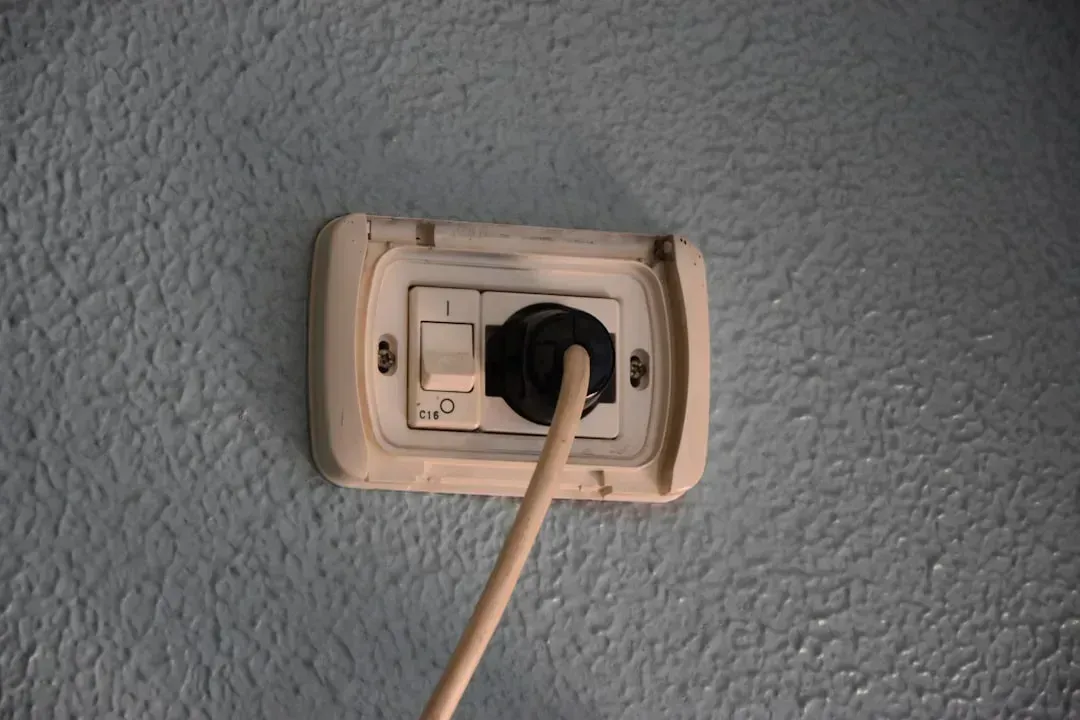
A loose outlet is one of those things that feels more annoying than dangerous. The plug keeps falling out, you have to wiggle it to get it to connect. Easy to ignore. Much harder to ignore after you understand what’s actually happening behind the wall.
Loose outlets or switches can cause electrical arcing, increasing the risk of electrical fires. Arcing means electricity is jumping across a gap – generating intense heat in an uncontrolled way, potentially igniting insulation or other materials hidden inside your walls.
If you plug a cord into an outlet and notice that the insides of the outlet are moving around, it’s time to pop open that outlet and get it squared away. A loose outlet will eventually shake its wires free, and that leads to shorts, sparks, and potential fire hazards. This is a cheap and quick fix when addressed early, and a much bigger problem when left alone.
11. Neglecting Regular Professional Electrical Inspections
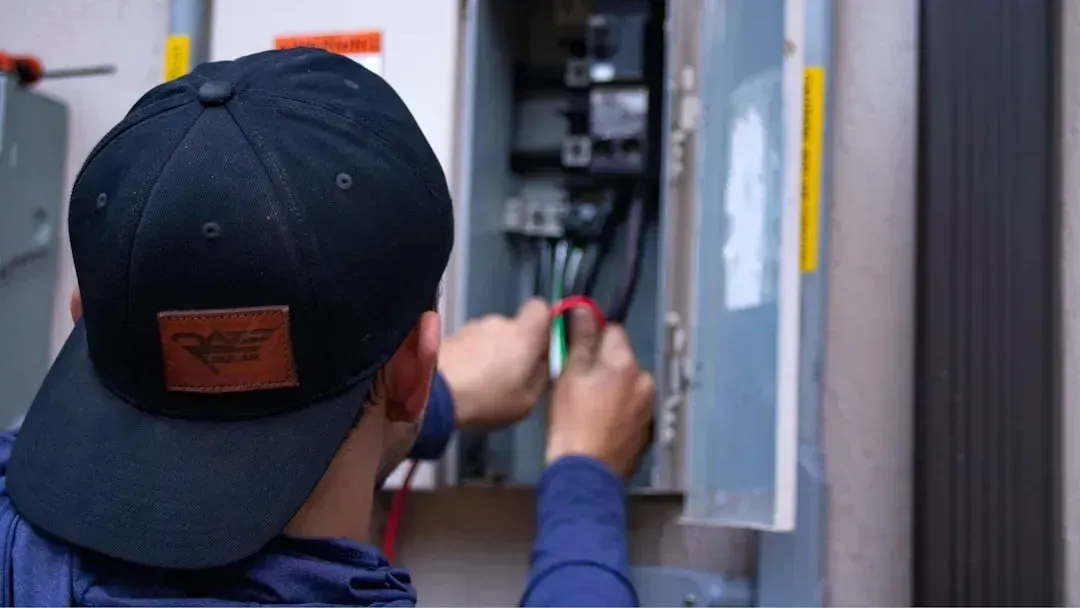
Most homeowners think about calling an electrician only when something clearly breaks. But electrical systems degrade slowly and silently, and by the time something obvious happens, significant damage may already be done.
To minimize these risks, have a certified electrician check your home’s wiring every few years so you know if any need to be repaired or replaced. If the wiring in your home is 30 years or older, have it inspected annually. This is especially true in older homes where the electrical system was never designed for modern loads.
All electrical distribution systems should have an electrical inspection conducted if the home is older than 40 years or has had a major addition, renovation, or large appliance added. Think of it the same way you think about a car service. You don’t wait for the engine to fail. You check it before it does.
12. Failing to Use Proper Junction Boxes for Wiring Connections
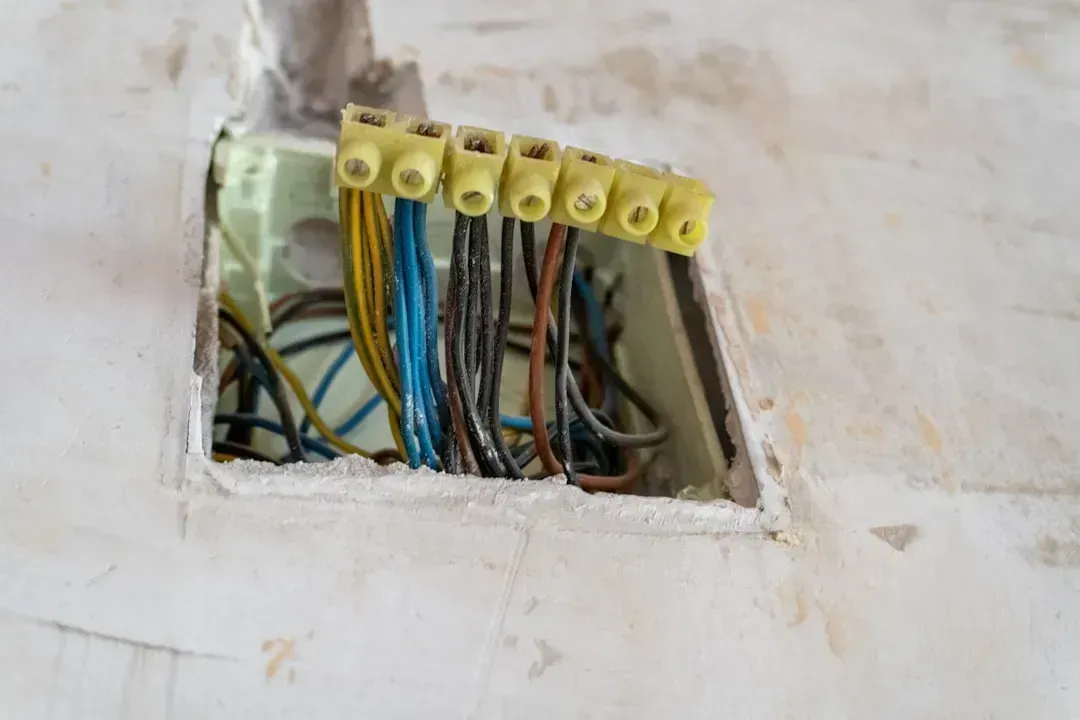
This is one for the DIY crowd especially. When people do their own electrical work and don’t have a junction box handy, it’s tempting to just twist the wires together, tape them up, and push them into the wall. That approach is genuinely dangerous.
Electrical boxes protect connections from accidental damage and help contain sparks and heat from a loose connection or short circuit. Failing to make connections inside the electrical box is arguably the biggest mistake a homeowner can make, as this can result in major hazards.
Electrical fires that start in walls can smolder for some time and cause smoke not to be seen immediately and detection to be delayed. By the time smoke is seen and fire is detected, the flames may have caused more damage and injuries. In addition, electrical fires can be particularly problematic to extinguish. All of that smoldering starts with nothing more than an unprotected wire connection sitting inside a wall cavity.