
Remember those childhood summers spent outside? Running through sprinklers, grilling in the backyard, just breathing in fresh air? For millions of Americans living in the Midwest and Northeast, those simple pleasures have become a hazy memory. Thick, suffocating smoke from Canadian wildfires has been rolling southward across the border, blanketing entire states in an apocalyptic orange fog that’s made it dangerous to simply step outside.
In July 2025, six Republican lawmakers from Wisconsin and Minnesota had had enough. They penned a letter to Canadian Ambassador Kirsten Hillman, demanding answers and action. The message was blunt. Their constituents were being forced indoors, struggling to breathe, and watching summer slip away behind a curtain of smoke. The letter stated that constituents had to deal with suffocating Canadian wildfire smoke, and summer months, which are the best time to spend outdoors recreating and creating memories, had become difficult.
The Letter That Sparked International Controversy
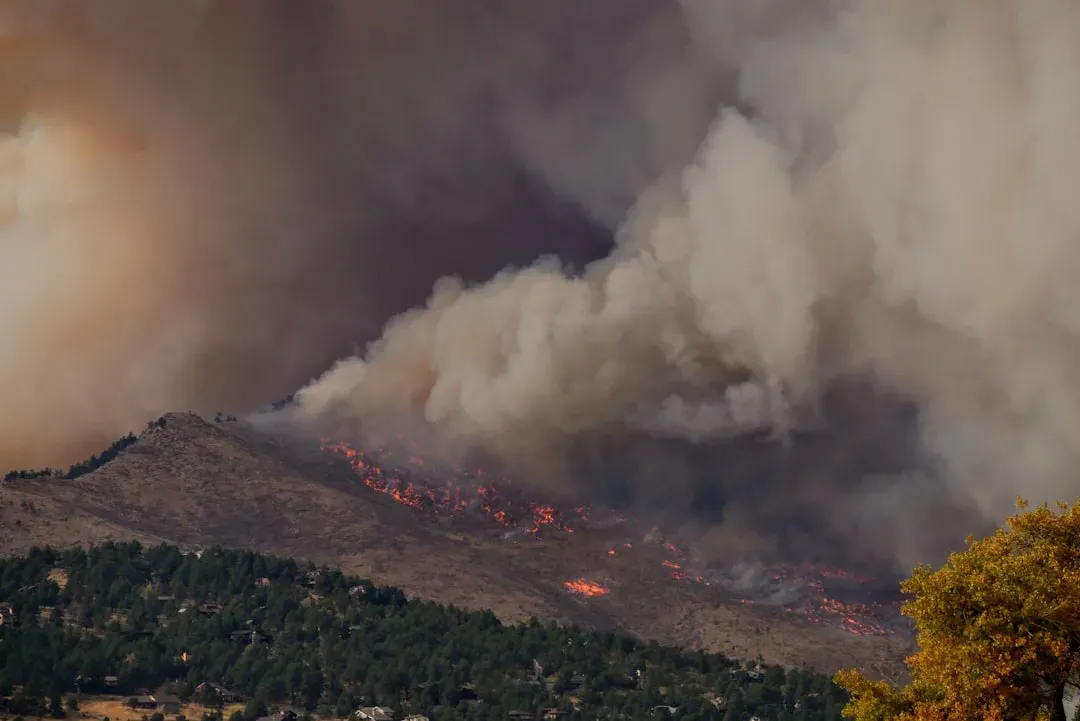
Six Republican House representatives – Tom Tiffany and Glenn Grothman of Wisconsin, along with Brad Finstad, Michelle Fischbach, Pete Stauber, and Tom Emmer of Minnesota – signed the letter addressed to Canada’s ambassador in Washington. The lawmakers didn’t mince words. They wanted to know exactly what Canada planned to do about the wildfire crisis that was sending toxic smoke streaming into American communities.
The lawmakers said successive years of wildfires in Canada have undermined air quality in their states and robbed Americans of their ability to enjoy the summer. The letter pointed fingers at what they called poor forest management and even suggested arson might be playing a role. They did not mention climate change.
What makes this letter particularly noteworthy is the timing. Given the gravity of Canada’s wildfire situation in which a number of people have died, more than 33,000 have been evacuated, and over four million hectares of land has burned, some Canadian officials found the complaint tone-deaf at best.
When Summer Turned Orange: The Wildfire Crisis in Numbers
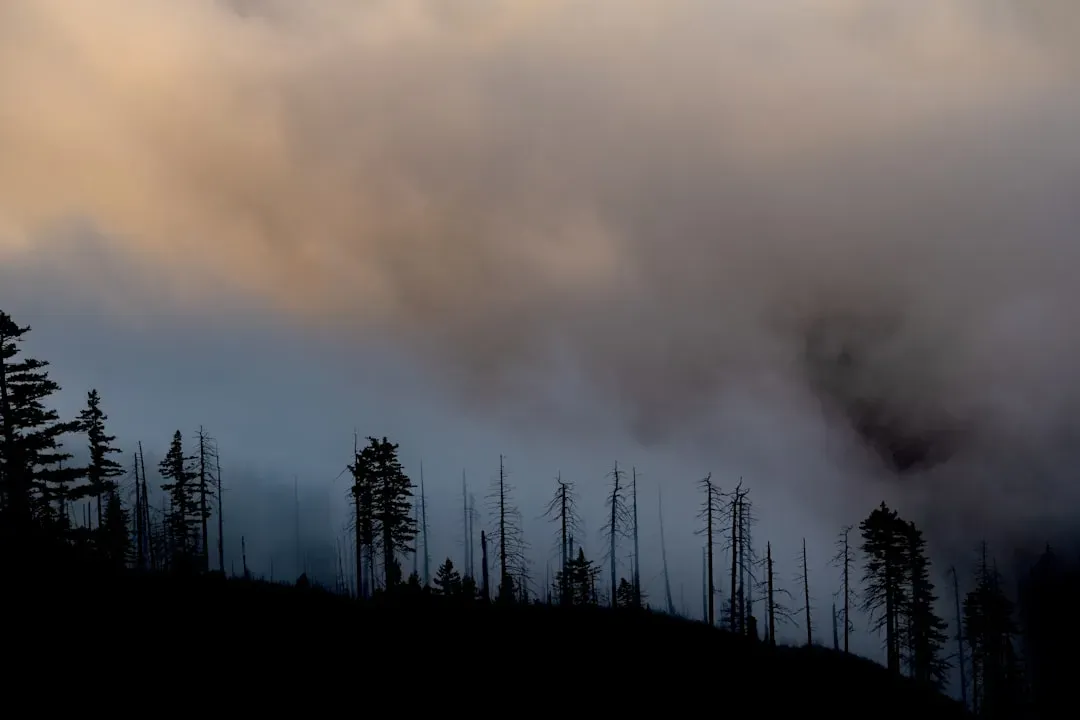
Let’s be real here. This isn’t just politicians complaining about slightly hazy skies. The 2023 Canadian wildfire season was the worst on record, with fires blazing across the country that year sending thick smoke into the United States and even across the Atlantic Ocean to northern Europe. It’s hard to wrap your head around the scale of this disaster.
The 2023 wildfire season had the most area burned in Canada’s recorded history, with 6,551 fires burning 184,961 square kilometres, about 5% of the entire forest area of Canada, and more than six times the long-term average. That’s not a typo. We’re talking about an area larger than many countries going up in flames.
The health toll has been staggering. The period between June 26 and July 7, 2023, was especially smoky, causing an estimated 5,400 acute deaths in the United States and Canada. Even more sobering, of the estimated 82,100 premature deaths due to continuous exposure to the smoke over several months, 64,300 occurred in North America and Europe, including 33,000 deaths in the United States and 8,300 in Canada.
Americans Locked Indoors While Smoke Takes Over
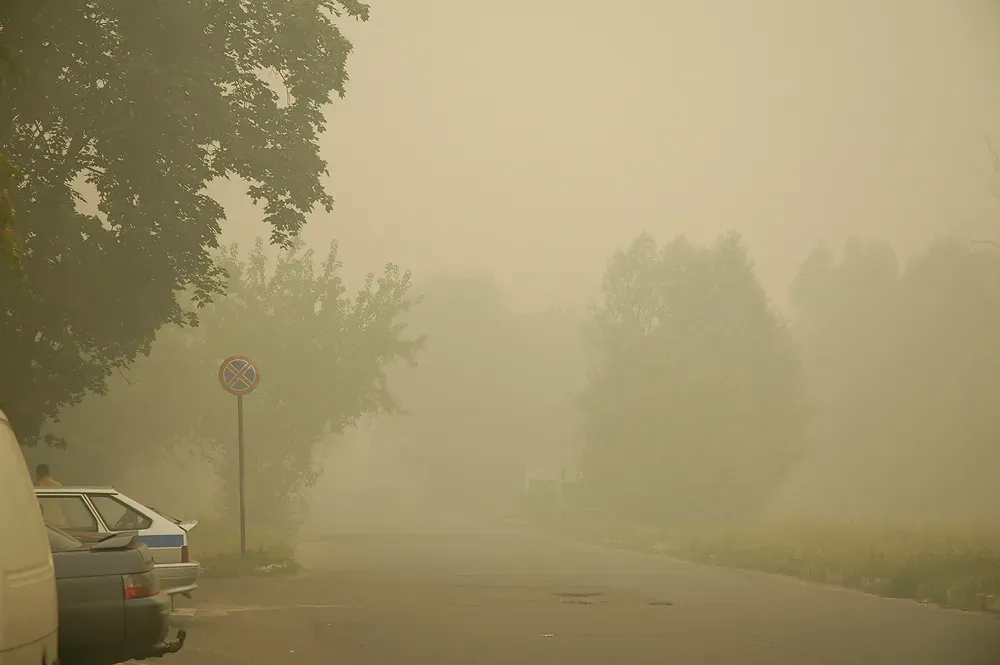
Picture New York City on June 7, 2023. The sky wasn’t blue. It was orange. Visibility dropped to less than a mile. The air quality over Philadelphia was so bad the sky turned a deep orange-red color, and that morning air quality reached the highest level on the Air Quality Index scale, with Philadelphia having the highest AQI level on planet Earth at that time, worse than spots in India, China and Eastern Europe.
Forecasters predicted around 70 million people would see decreased visibility and poor air quality, including residents of Chicago, Detroit, New York, St. Louis and Cleveland. Schools closed. Sporting events were canceled. People with respiratory conditions were warned to stay inside with windows shut tight.
Compared with the relatively smoke-free summer of 2022, children’s asthma was significantly less controlled during the smoke-heavy summer of 2023, when plumes from Quebec blanketed the region. Parents across Vermont and upstate New York reported their kids struggling to breathe, unable to play outside, trapped indoors while summer passed them by.
Canada Fires Back: The Response From Up North
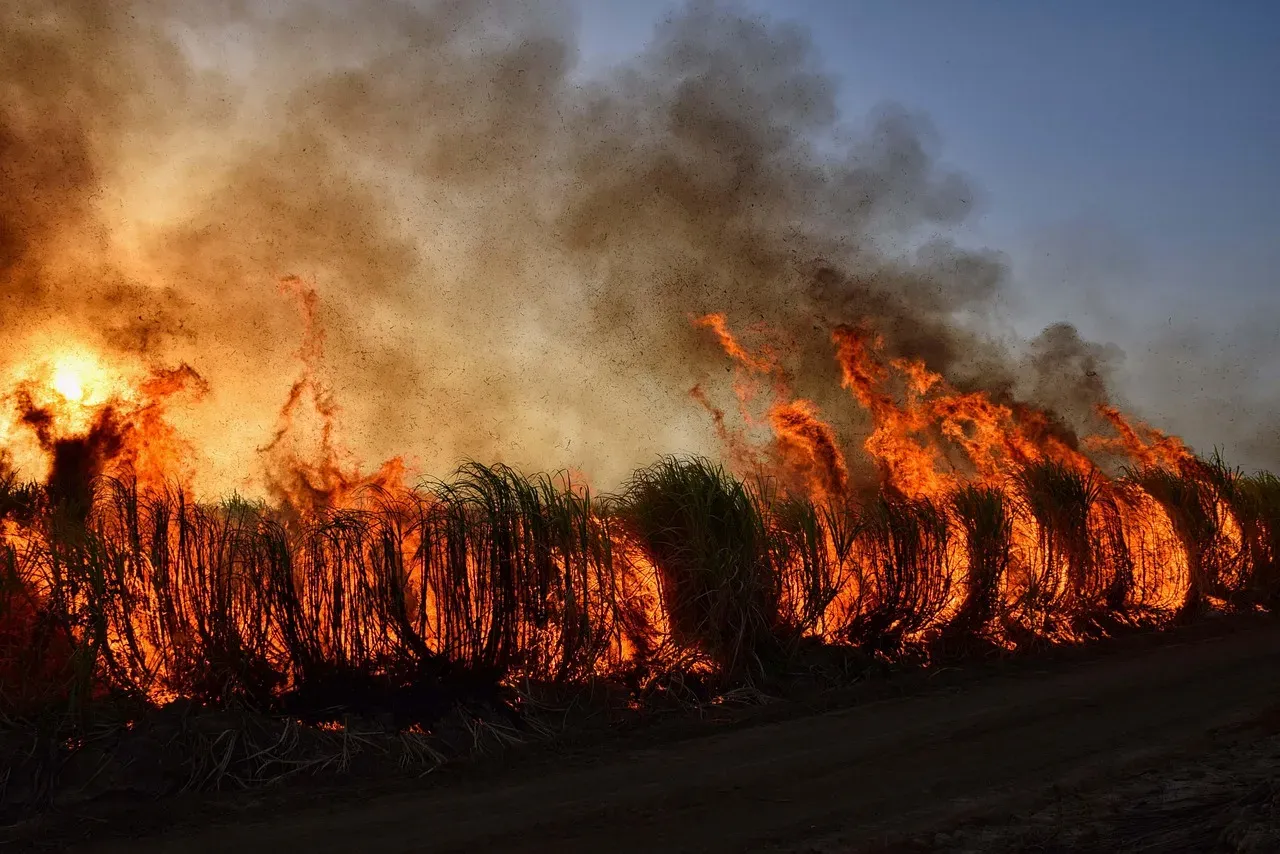
The letter didn’t go over well in Ottawa. Manitoba Premier Wab Kinew didn’t hold back his frustration. Kinew shot back and accused the Wisconsin and Minnesota lawmakers of trying to trivialize a deadly situation, challenging these “ambulance chasers in the U.S. Congress” to meet with American firefighters who have been assisting the province.
Here’s the thing. Canada wasn’t sitting on its hands. The government had already responded aggressively to this crisis, convening a high-level Incident Response Group, triggering national mobilization of firefighting forces, and deploying military personnel to support air evacuations. Meanwhile, two Canadians died in 2025’s Canadian wildfires, and tens of thousands of others had to evacuate.
The Canadian embassy spokesperson stated that Canada takes the prevention, response, and mitigation of wildfires very seriously. They confirmed receiving the letter and said it would be shared with relevant agencies. Translation? We hear you, but we’ve got bigger problems right now.
What’s Really Fueling the Flames
So what’s actually causing these monster wildfires? The lawmakers’ letter pointed to forest management issues, but scientists tell a different story. Greenhouse gas emissions that cause climate change have contributed to increasing hot, dry conditions that lead to more unmanageable fires, and during the 2023 wildfire season, climate change doubled the likelihood of extreme fire weather in Quebec.
Canada is recognized as a global leader in sustainable forest management, applying it across roughly 91% of the country’s 857 million acres of forest land. The claim that poor management is the culprit doesn’t hold much water when you look at the facts. What’s changed isn’t Canada’s forestry practices. It’s the climate.
As global temperatures continue to rise, wildfires in boreal forest regions are becoming more frequent, intense, and longer-lasting, with the 2023 Canadian wildfire season being the most destructive on record, and the 2024 wildfire season ranking among the worst. Some fires have even become “zombie fires,” burning underground through winter and reigniting when conditions warm.
The irony is thick. In 2022, the United States produced nearly nine times more carbon dioxide emissions from fossil fuel combustion than Canada, according to the International Energy Agency. America’s contribution to the climate crisis that’s fueling these wildfires dwarfs Canada’s, yet it’s American lawmakers demanding Canada fix the problem.
What does this all mean for future summers? The smoke isn’t a one-time thing. It’s becoming the new normal. Families might need to adjust to checking air quality indexes before planning outdoor activities, stocking up on N95 masks, and accepting that some summer days will be spent inside watching the haze through closed windows. Are we ready for that reality?