
Something quietly seismic happened on July 4, 2025. While most Americans were watching fireworks, President Trump signed the One Big Beautiful Bill Act into law, a sweeping overhaul of federal tax policy that stretches well over 1,000 pages. Hidden inside those pages are real estate provisions that could reshape the housing market in ways most people have not yet fully grasped.
The bill includes provisions that affect both housing demand and housing supply, and they operate differently in different parts of the country, especially given the large regional divides in local economic conditions. The tax package raises the cap on the state and local tax deduction to $40,000, effectively quadrupling the previous $10,000 limit. Some states stand to gain enormously. Others? Barely a ripple. Let’s find out which ten states are sitting at the front of the line.
1. New York – The Biggest SALT Winner in the Nation
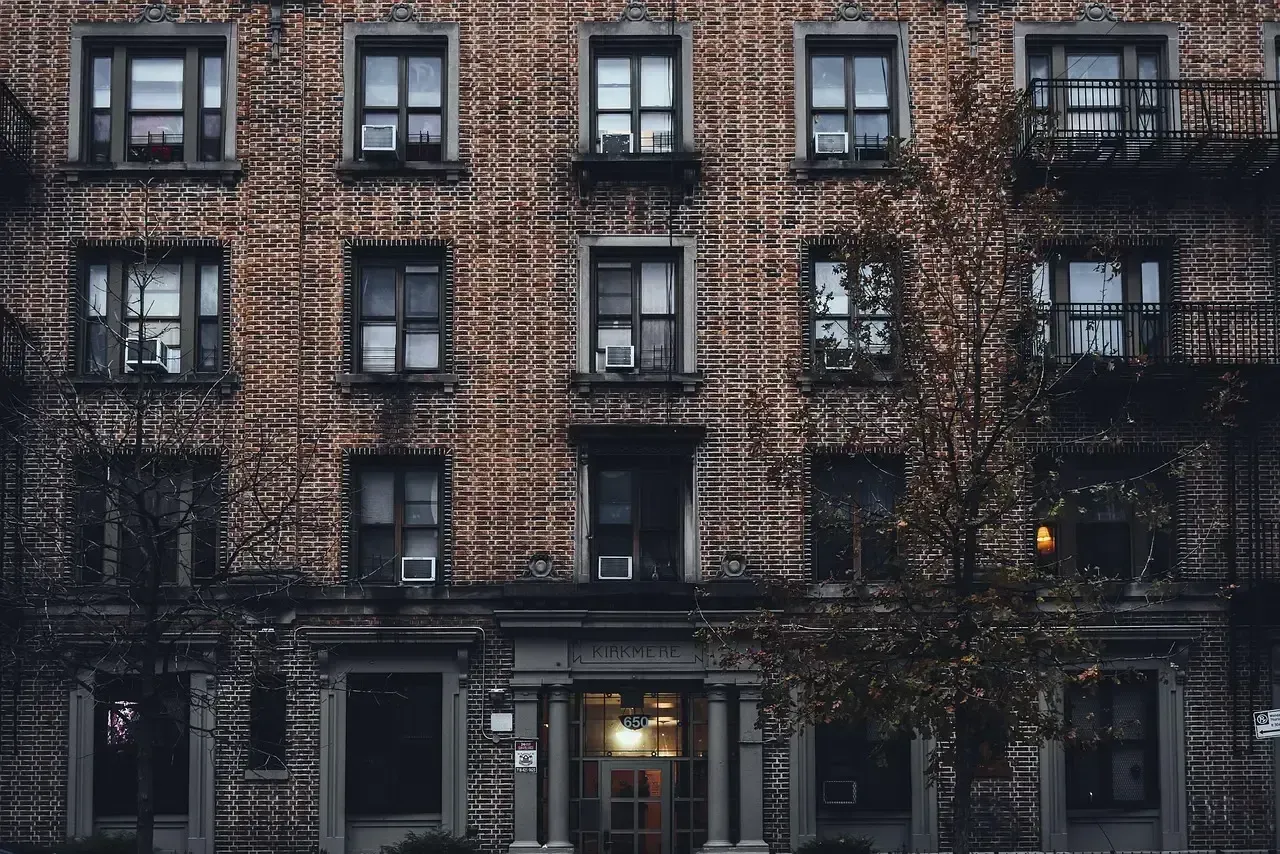
Let’s be real: New York has been punished by the $10,000 SALT cap since 2017. That cap clipped the wings of countless homeowners who were paying far more in state and local taxes every single year. Now, the rules have changed in a big way.
After Washington D.C., the largest savings in the nation could be made by homeowners in New York, where the higher SALT cap could help save $7,092 annually. That is not pocket change. That is a mortgage payment for many families in the state.
This change disproportionately benefits higher-income buyers in high-tax states like New York, New Jersey, Massachusetts, and Illinois. According to Realtor.com data, New York has about one quarter of all properties taxed over $10,000. With demand set to rise sharply among upper-middle-income buyers, competition for homes in New York’s pricier suburbs could intensify well into 2026 and beyond.
2. New Jersey – Nearly 40 Percent of Homes Already Over the Old Cap
New Jersey was practically built to benefit from this legislation. The state has some of the highest property taxes in the entire country, and the old $10,000 cap was, frankly, laughable for most homeowners here.
In New Jersey, nearly 40 percent of properties are taxed over $10,000, with New York falling close behind at 25.9 percent, according to Realtor.com. That is an enormous share of the housing stock that was essentially penalized by the old SALT rules. The new cap lifts that burden considerably.
The states where the largest share of homeowners stand to benefit from the raised SALT cap include Massachusetts at 85.5 percent, New Jersey at 84.2 percent, Oregon at 79.8 percent, New York at 75.8 percent, and California at 74.3 percent. New Jersey’s figure means the vast majority of the state’s homeowners will feel this change in their wallets. Expect demand to push prices upward in Bergen, Morris, and Monmouth Counties especially.
3. California – Billion-Dollar Markets Get a Jolt

California has a complicated relationship with federal tax policy. It is expensive, highly taxed, and already stretched thin in terms of housing affordability. Honestly, you might think a bill that favors high earners would be a mixed bag here. You would not be entirely wrong.
A single Californian earning $330,000, for example, could save nearly $5,000 on federal taxes under the expanded cap, according to a Wall Street Journal estimate. In the Bay Area and greater Los Angeles markets, that kind of savings can shift a buyer’s calculation meaningfully when it comes to stretching for a more expensive home.
In states like California and other coastal markets where a high share of homeowner households are affected, higher savings could push prices up. Meanwhile, the bill’s expanded Low Income Housing Tax Credit provisions offer a separate lifeline for California’s strained affordable housing pipeline, which has been underfunded for decades. The state benefits on two distinct fronts at once.
4. Massachusetts – 85 Percent of Homeowners in Line for Relief

Here is a number that stops you in your tracks: more than 85 percent of homeowners in Massachusetts stand to benefit from the raised SALT cap. That is the highest share of any state in the country, according to Redfin analysis.
The states where the largest share of homeowners stand to benefit from the raised SALT cap include Massachusetts at 85.5 percent, the highest of any state analyzed. This is a state where median home values in greater Boston routinely top $600,000 and property taxes are famously steep. The new deduction structure is genuinely transformative for a wide swath of buyers and current homeowners alike.
California followed with $3,995 in estimated savings, New Jersey with $3,897, Massachusetts with $3,835, and Connecticut with $3,133. Nearly $4,000 in annual tax savings can shift the calculus for buyers sitting on the fence in markets like Newton, Wellesley, or Cambridge. That is money that could go toward a higher down payment or simply make monthly ownership more sustainable.
5. Illinois – Sleeper Market with Real Upside

Illinois does not always get mentioned in the same breath as New York or California when it comes to housing booms. That might be a mistake. Chicago and its surrounding suburbs have been squeezed by among the highest property tax rates in the country, and the old SALT cap hit particularly hard here.
Homebuyers in states like Illinois, where the potential tax savings are high relative to home prices, may look at the new SALT cap as an opportunity to increase their homebuying budget. Think of it like this: if your home costs less than a comparable one in New York but your property taxes are nearly as punishing, the SALT relief goes further dollar for dollar in Illinois. That is a real competitive advantage for buyers here.
The SALT change disproportionately benefits higher-income buyers in high-tax states like New York, New Jersey, Massachusetts, and Illinois, regions where housing markets remain tight and prices elevated. Illinois also has a significant number of Opportunity Zones in underserved Chicago neighborhoods, meaning the bill’s expanded OZ program adds yet another layer of potential housing investment activity in the state.
6. Connecticut – High Taxes, High Stakes, High Reward

Connecticut is a small state with a famously large tax burden. It has been dealing with population loss and affordability headwinds for years. The Big Beautiful Bill, whether you like it politically or not, offers Connecticut homeowners something genuinely concrete.
In 2022, the average SALT deduction was near $10,000 in states such as Connecticut, New York, New Jersey, California, and Massachusetts, according to a Bipartisan Policy Center analysis. That number sitting right at the old cap means a huge proportion of Connecticut’s itemizing homeowners were essentially maxed out and leaving deductions on the table every single year. That era is over for now.
Among the top metropolitan areas with the highest share of properties taxed over $10,000, the Bridgeport-Stamford-Danbury, Connecticut area registers at 39.3 percent. Fairfield County, which sits right along the New York border and has long been a popular landing spot for New York City commuters, could see renewed buyer interest as the combined SALT benefit stacks up on both the state and metro level. It’s hard to say for sure how quickly this translates into prices, but the directional pull is clear.
7. Oregon – A Rising Beneficiary That Surprises Many
Oregon rarely makes the top of these lists, but the data puts it squarely in the conversation. With nearly 80 percent of homeowners standing to benefit from the raised SALT cap, Oregon is not a minor story here. It is a major one that most national commentators are overlooking.
The states where the largest share of homeowners stand to benefit from the raised SALT cap include Oregon at 79.8 percent, placing it third in the nation. Portland’s housing market has been volatile and controversial in recent years, but the demand-side push from SALT relief could reinvigorate buyer activity among upper-middle-income earners who have been sitting on the sidelines.
Oregon also has a meaningful footprint of Opportunity Zones in both its urban centers and rural communities. The 2025 version of the Opportunity Zones policy differs slightly from the 2017 version, which could shift investment patterns in unexpected ways. Most notably, the new policy could create a deeper tax benefit for rural areas. With Oregon’s mix of dense metro housing and vast rural land, that rural OZ enhancement is worth watching closely.
8. Virginia and Maryland – The D.C. Corridor Catches Fire

Washington D.C. itself sits at the very top of the SALT savings league table nationally. That ripple effect extends powerfully into Virginia and Maryland, both of which are deeply integrated into the D.C. metro housing ecosystem. These two states deserve to be considered together because what affects one tends to affect the other almost instantly.
The states and district with the highest share of SALT claimants were Washington D.C., Maryland, California, Utah, and Virginia, according to Bipartisan Policy Center analysis. Maryland and Virginia landing in the top five for SALT claimant share means an enormous swath of their homeowning populations have been bumping up against the old cap for years.
In Washington D.C., the median savings obtained by homeowners itemizing SALT deductions could reach $7,200, with the median SALT deduction hitting the full $40,000 ceiling. The spillover into Northern Virginia counties like Fairfax, Loudoun, and Arlington, as well as Maryland’s Montgomery and Prince George’s Counties, will be direct and measurable. Add the OZ program’s permanent status and you have a corridor primed for serious housing investment activity in 2026 and beyond.
9. Texas – The Opportunity Zone and Bonus Depreciation Play

Here is where the story gets interesting. Texas has no state income tax, which means the SALT deduction increase does not work in the same direct way as it does in New York or New Jersey. So why is Texas on this list? Because the Big Beautiful Bill is not just a SALT story.
The One Big Beautiful Bill permanently extends 100 percent bonus depreciation for assets placed into service after January 19, 2025. For real estate investors and developers active in Texas, one of the most investment-friendly states in the country, this provision is enormously valuable. It allows them to immediately write off the full cost of qualifying property rather than spreading deductions over years. That changes deal math overnight.
By 2025, nearly one quarter of all new multifamily units under construction in the United States were located in Opportunity Zones, a remarkable concentration given that these zones represent only about 12 percent of all census tracts. Texas cities like Houston, San Antonio, and Dallas contain large numbers of designated OZ tracts in historically underserved neighborhoods. Austin’s metro area alone registers at 32 percent for properties taxed over $10,000, making it one of the top metro areas in the country for high property tax exposure. The combination of OZ permanence and bonus depreciation makes Texas a compelling story for development-driven housing growth.
10. Idaho – Rural Opportunity Zones and a National Model

Idaho might seem like an unlikely entry on a list of housing boom states, but the Big Beautiful Bill specifically calls out Idaho by name in its economic development framework. That is not nothing.
The One Big Beautiful Bill drives economic development by offering tax credits for investors to develop projects and build housing in low-income communities in Idaho and around the country. The state has seen extraordinary population growth over the past several years, bringing housing demand that has far outpaced supply. New investment incentives could help close that gap meaningfully.
Beginning July 4, 2025, the Act reduced the substantial improvement threshold from 100 percent to 50 percent for required additions to basis for property located entirely in rural Qualified Opportunity Zones. Rural areas are defined as any area other than a city or town with a population greater than 50,000 and any urbanized area contiguous and adjacent to such a city or town. For a state like Idaho, where vast stretches of rural communities have struggled to attract private capital, this lower threshold is a practical game-changer. It makes rehabilitation and construction projects in rural OZ tracts dramatically more accessible to developers and investors who previously found the old rules too restrictive.