
Most homes built in the last two decades share the same fingerprints: flat ceilings, hollow-core doors, brass-toned fixtures that were already dated at installation, and kitchen cabinets that stop awkwardly short of the ceiling. They’re functional, inoffensive, and entirely forgettable. The gap between a house that feels like it was finished to a budget and one that feels genuinely considered often comes down to a handful of specific choices, not an entire gut renovation.
The good news is that many of those choices are more accessible than they look. Some are straightforward swaps. Others require a contractor but deliver results that read as bespoke rather than builder-standard. What follows are eleven upgrades that consistently close that gap between generic and custom.
1. Custom Millwork and Architectural Trim

Custom millwork refers to any wood component crafted specifically for a unique space, including architectural elements like crown molding, baseboards, window and door casings, wall paneling, coffered ceilings, stair railings, and fireplace mantels. The distinction from stock trim isn’t subtle. Unlike mass-produced trims or cabinets, luxury millwork is crafted to complement a home’s architecture and the homeowner’s vision, and from bespoke wall paneling to statement ceilings and built-ins, these details provide a sense of sophistication that can’t be replicated with off-the-shelf solutions.
Custom millwork can completely transform the look of a room by adding depth, texture, and a polished, high-end finish, drawing the eye to architectural details and complementing the home’s design whether you’re going for traditional charm, rustic warmth, or sleek modernity. From a purely practical standpoint, quality woodwork never goes out of style and is often one of the first things prospective buyers notice when touring a home, with detailed trim and built-ins signaling that the home has been well-maintained and thoughtfully designed, which can lead to stronger offers and faster sales.
2. Coffered or Beam Ceilings

Ceilings are no longer an afterthought in home design, and in 2025 and beyond, custom millwork is shifting upward, with bold, intricate ceiling treatments becoming a focal point in many homes, with wood paneling, coffered ceilings, and exposed beams among the most popular choices for adding depth and character to living spaces. Coffered ceilings add drama and symmetry, making large rooms feel grander, beam accents blend rustic warmth with contemporary luxury, and intricate geometric patterns create striking focal points.
Ceiling details took on a new level of importance in recent custom home design, with custom millwork and elevated ceiling designs adding drama and architectural interest to living spaces, while coffered ceilings, wood beams, and intricate paneling created visual focal points that drew the eye upward, and vaulted and tray ceilings offered added height and an expansive, airy feel. For a contemporary look, geometric patterns and mixed-material designs such as wood combined with metal or glass are making an impact, and whether in a grand entryway, a cozy living room, or a luxurious bedroom, a statement ceiling can completely transform the feel of a space.
3. Radiant Floor Heating
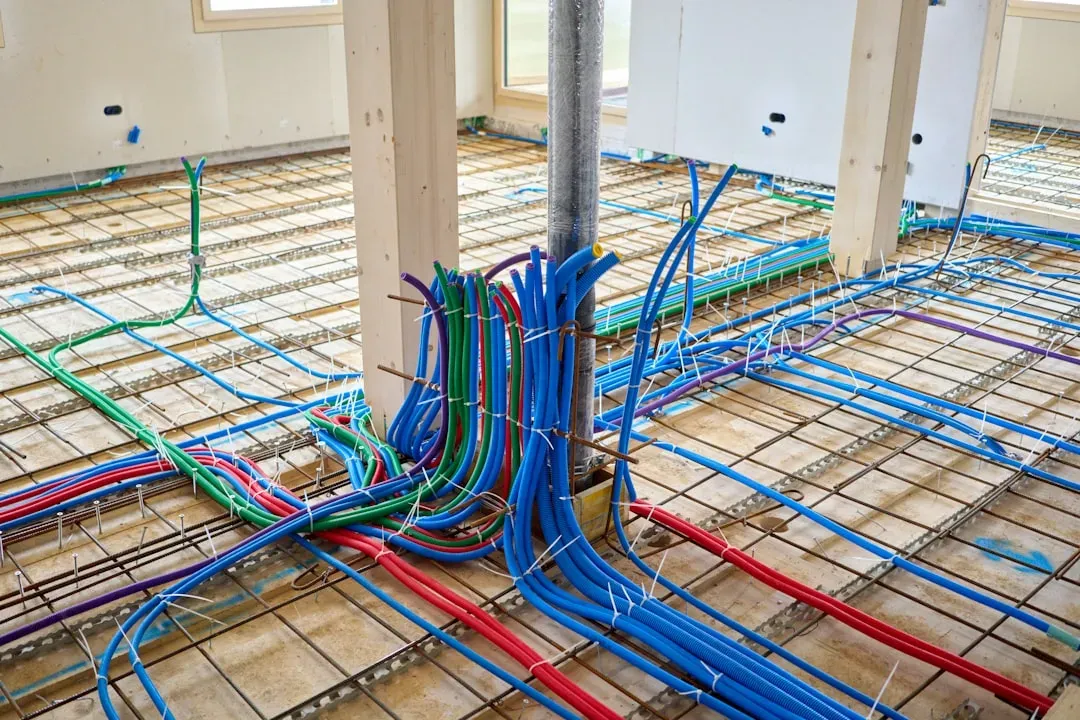
Radiant floor heating is a comfort you feel but don’t see, and whether installed in bathrooms, kitchens, or throughout the home, it eliminates cold spots and keeps surfaces consistently warm. The practical case is equally strong. Radiant floor heating systems consistently deliver 20 to 40 percent better efficiency than forced air systems by eliminating ductwork losses and providing direct heat transfer. Electric radiant floor heating uses significantly less energy than forced-air systems when properly installed and programmed, and smart thermostats with scheduling reduce operating costs further by heating only when and where needed.
Radiant floor heating continues to gain momentum across the flooring industry in 2026, and what was once considered a luxury upgrade is now becoming a standard feature in many residential and remodel projects. The market case for it is clear too: homes with radiant floor heating sell six to eight percent faster and command premium prices, especially in luxury bathrooms and kitchens, as buyers recognize quality and comfort when they feel it.
4. Linear LED Lighting with Diffusers

Lighting can completely change how a space feels, and linear LED strips with diffusers are one of the most refined ways to elevate a home’s atmosphere, creating soft, continuous lines of illumination that blend beautifully into architectural details under cabinetry, behind mirrors, along stair risers, or recessed into ceilings. The difference between linear LED and standard recessed lighting is immediately apparent. Diffusers soften the light, reduce glare, and give that clean, high-end finish expected in a luxury build, and with dimmable controls and customizable color temperatures, these lights adapt effortlessly to any mood or function.
Lighting has one of the biggest visual impacts in a room, changing how colors appear, setting the mood, and even making furniture and finishes look more high-end. One light source is never enough if you want a home to feel warm and inviting, and designers use a mix of lighting types including ceiling, table, and floor lamps to create depth and mood, with each layer serving a different purpose. The combination of architectural LED strips and layered ambient sources is what separates a thoughtfully lit home from a simply illuminated one.
5. Wall-to-Ceiling Custom Cabinetry
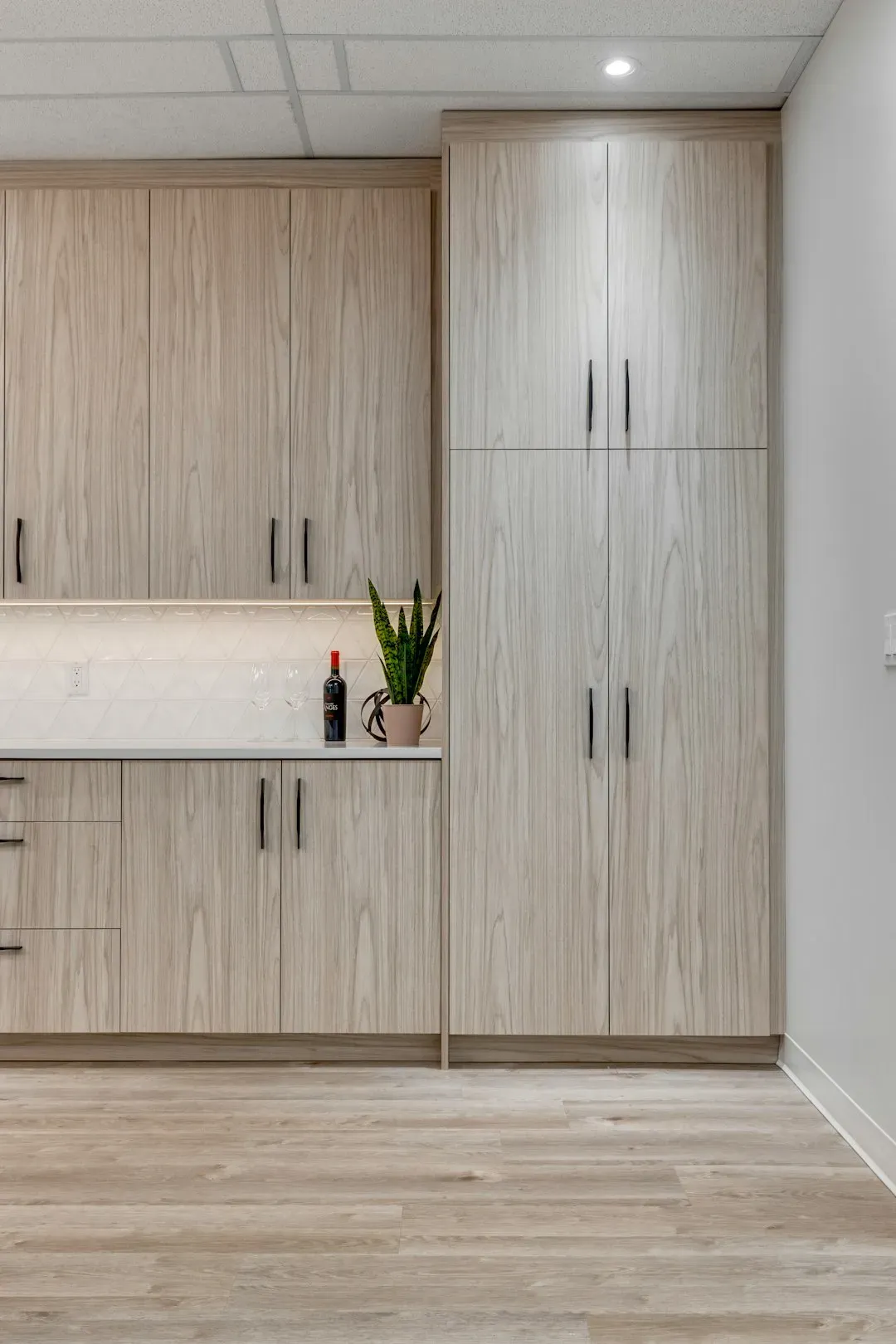
Wall-to-ceiling cabinetry is making a bold statement in luxury homes, creating seamless lines, an absence of clutter, and a statement piece in homes, with homeowners no longer limited to traditional lower and upper cabinetry setups and no longer needing to fight the urge to avoid using the space between the cabinet and ceiling as storage. In kitchens especially, the visual upgrade is dramatic. Solid surface countertops, solid wood cabinetry with custom features, and sleek lighting are excellent options to give a home a higher perceived value.
The appliance garage is a luxury kitchen trend gaining momentum, focused on tucking away small appliances like coffee makers, toasters, and blenders behind sleek cabinetry doors. This keeps countertops clear and clean, maintaining the minimalist aesthetic, and allows a home to merge clean lines with the necessary appliances in a kitchen. Combined with floor-to-ceiling cabinet runs, these details make a kitchen look like it was designed rather than assembled.
6. Statement Hardware and Upgraded Fixtures

Upgrading finishing touches such as cabinet handles, light switches, and door knobs can have a profound effect, especially when considering coherence between rooms, since these are the details people interact with every day, and higher-quality finishes subconsciously signal craftsmanship and luxury. It’s a relatively low-cost change that operates at the level of perception. Changing door handles makes an immediate difference since chrome lever handles instantly signal a cheap, modern approach, and people remember the touchpoints as they are the parts they directly interact with.
The material choice matters more than most people expect. Gold, bronze, and copper tones bring a touch of luxury to interiors and pair beautifully with both neutral and bold color schemes. Matte black is equally compelling in the right setting. The goal isn’t to spend a fortune on every pull and hinge, but to choose a finish and carry it consistently throughout the home so everything reads as intentional rather than assembled from multiple shopping carts.
7. Spa-Inspired Bathroom Finishes
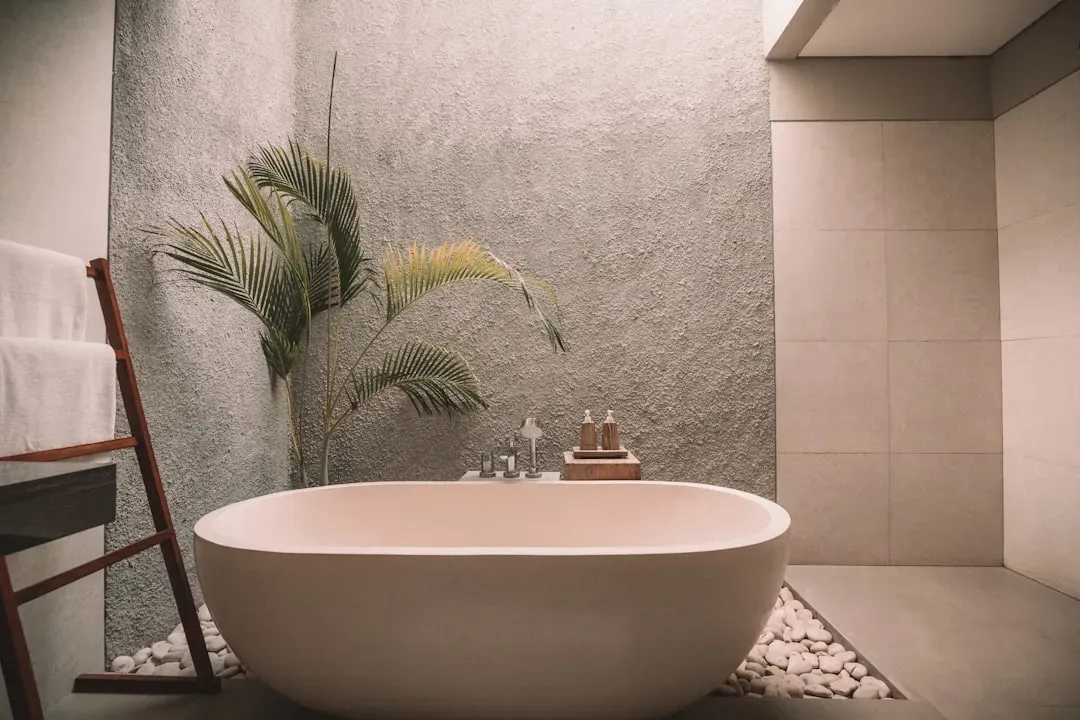
Luxury bathrooms are more than just functional spaces, and upgrading with features like freestanding soaking tubs, steam showers, heated floors, and double vanities, combined with high-end finishes such as marble or travertine tiles, custom cabinetry, and premium fixtures, enhances the visual appeal considerably. Bathrooms in high-end homes now mimic world-class resorts with features like heated floors, steam showers, soaking tubs, and luxurious materials such as pink quartz or onyx, and some homes even feature dual primary bathrooms.
Spacious, open-concept showers are a popular luxury bathroom feature, and a walk-in shower design that eliminates the door makes the bathroom feel bigger and gives it a very modern aesthetic. Installing dimmable sconces or LED mirrors brings that luxury-hotel feel to an everyday bathroom, and good lighting is essential to getting the finish right. These aren’t frivolous choices. A bathroom that feels like a retreat gets used differently than one that simply functions.
8. White Oak or Wide-Plank Wood Flooring

European white oak wood flooring has remained a top choice in custom homes, with its light, organic tones offering versatility, enhancing both contemporary and traditional designs while creating a sense of warmth and spaciousness. The shift away from narrow-plank flooring in dark stains is well established. Lighter tones like white oak or light-colored cabinets dominate the market, and these shades are timeless and help reflect light, making rooms feel more expansive.
New flooring carries significant visual power, and outdated carpeting, chipped tiles, or scuffed hardwood floors can instantly diminish a home’s perceived value. Wide planks specifically do something narrow boards can’t: they reduce the number of seams, which makes a floor read as more generous and less visually busy. Engineered wood offers a cost-effective alternative that delivers the look and feel of genuine hardwood but with added resistance to moisture and temperature changes. For most rooms, engineered wide-plank white oak is the practical version of the same idea.
9. Integrated Smart Home Systems

Luxury in 2026 is no longer just about opulence but about intentionality, personalization, and wellness, and according to reports from the American Society of Interior Designers and Sotheby’s International Realty, the definition of luxury is shifting, with homeowners prioritizing functionality, sustainability, and comfort over flashy finishes. Automation is at the top of the custom wish list, with high-end homeowners wanting systems that manage lighting, climate, security, and entertainment with voice control or an app, and the more intuitive the system, the better.
In recent years, smart home technology has progressed significantly beyond early adopters, becoming a mainstream expectation, and homes no longer need a physical smart home hub since homeowners can complete most tasks remotely. What separates a truly integrated system from a collection of individual gadgets is cohesion. When lighting, heating, security, and audio all speak to the same platform and respond to the same habits, the home starts to feel like it was designed with the occupant in mind, not assembled from a shelf.
10. Floor-to-Ceiling Windows and Improved Natural Light
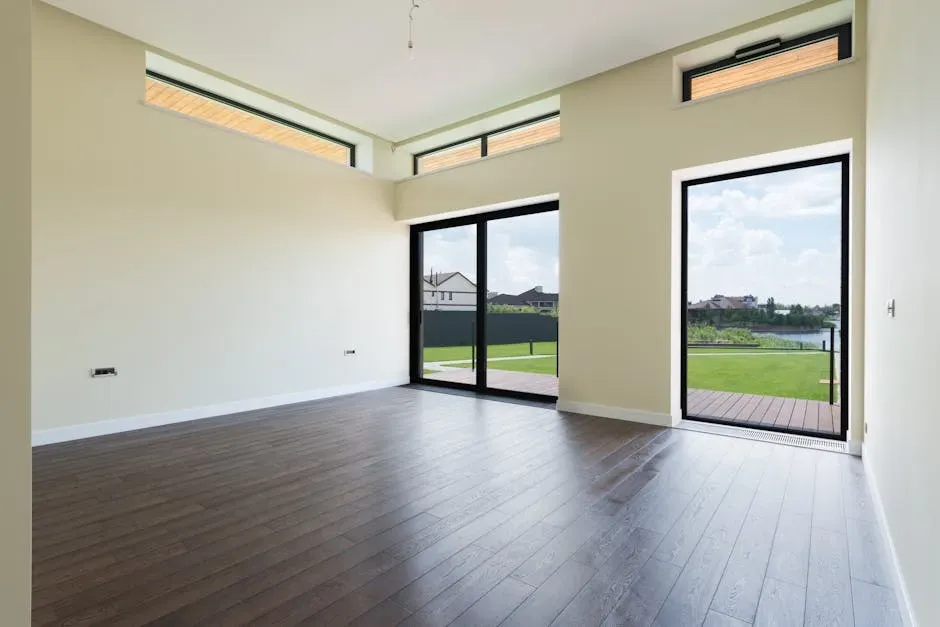
Biophilic design emphasizes the connection between indoor spaces and nature, a significant trend in luxury homes, and large windows, indoor gardens, and natural materials create a serene and harmonious atmosphere, an approach that not only enhances aesthetic appeal but also promotes mental well-being. Modern homes are bringing the outdoors in with collapsible walls and floor-to-ceiling glass that create a seamless indoor-outdoor flow, and natural light and views become an integral part of the design.
Increasing the amount of natural light is a top priority in luxury home design, and ways to accomplish this include increasing the size of windows in key areas and installing skylights. Even without structural changes, strategically placing large mirrors opposite windows has a tangible effect. One of the best interior design tricks to make a house look expensive is reflecting light on dark walls opposite from windows with a mirror, helping rooms feel bigger and brighter. Natural light is free, and most homes are simply not arranged to take full advantage of it.
11. Ceiling-Height Curtains and Considered Window Treatments
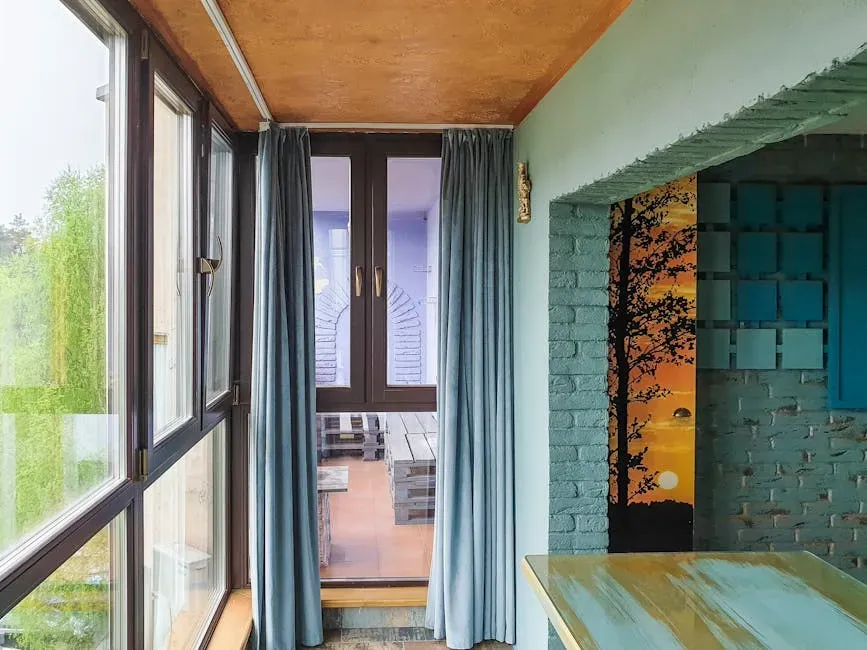
Hanging curtains as close to the ceiling as possible is a classic interior design trick that instantly elevates a room. The reasoning is architectural. Designers almost never hang curtains directly above the window frame because it visually shortens the room, while taking curtains as close to the ceiling as possible draws the eye upward and creates a sense of grandeur, instantly making a room feel taller and more architectural even in modest spaces.
The fabric weight and length matter equally. Heavy linen or velvet that pools slightly at the floor reads as considered rather than convenient. Layering different textures is a simple way to make a space feel more sophisticated, and mixing natural materials like linen, wool, rattan, and wood adds warmth and tactile interest, while combining them with polished accents such as marble or metal creates a high-end look. Window treatments are often the last thing people think about and one of the first things that signal whether a room was styled or simply furnished.
The thread connecting all eleven of these upgrades is the same: they reward attention to detail. None of them require an architect or a complete overhaul. What they do require is making deliberate choices rather than defaulting to whatever was easiest or cheapest at the time of construction. A home that feels custom isn’t necessarily expensive. It’s a home where someone was clearly paying attention.