
Walk into most middle-class homes and you’ll notice a pattern. There’s effort everywhere, genuine effort, but something still feels slightly off. The furniture is fine. The colors aren’t bad. Yet the space lacks the quiet confidence that well-designed homes seem to carry effortlessly. The gap isn’t always about money.
More often, it comes down to habits. Certain design instincts, drilled in by decades of budget-conscious decorating and trend-chasing, quietly undermine a space’s potential. Wealthy homeowners tend to sidestep these patterns almost automatically, not because they’re design snobs, but because they’ve learned, often through expensive trial and error, what actually makes a home feel considered and timeless.
1. Chasing Trends Instead of Building a Timeless Foundation
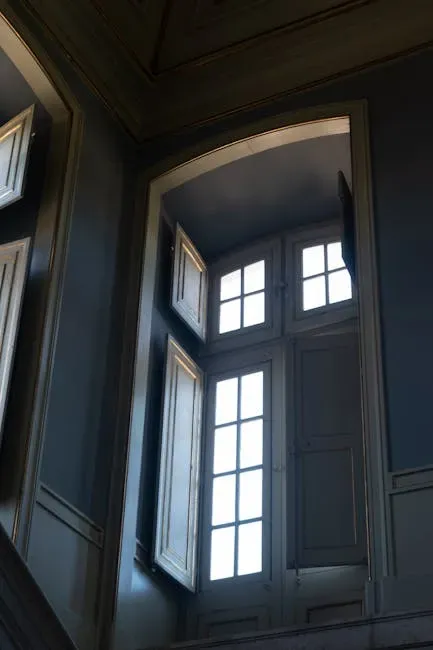
Trends in interior design can be enticing, especially when they dominate social media and design magazines. Relying too heavily on fleeting fads is one of the most expensive interior design mistakes you can make. Middle-class decorating culture is heavily influenced by what’s viral right now, whether it’s a particular sofa silhouette, a TikTok-famous wall treatment, or a color of the year.
In 2025 and now into 2026, the emphasis on timeless design is stronger than ever. Homeowners are shifting toward investments that will stand the test of time rather than following fleeting trends. Timeless design focuses on classic elements: neutral color palettes, high-quality materials, and versatile layouts. Wealthy homeowners tend to build around that permanence first, then layer in personality through objects and art.
2. Skipping Layered Lighting in Favor of One Overhead Source
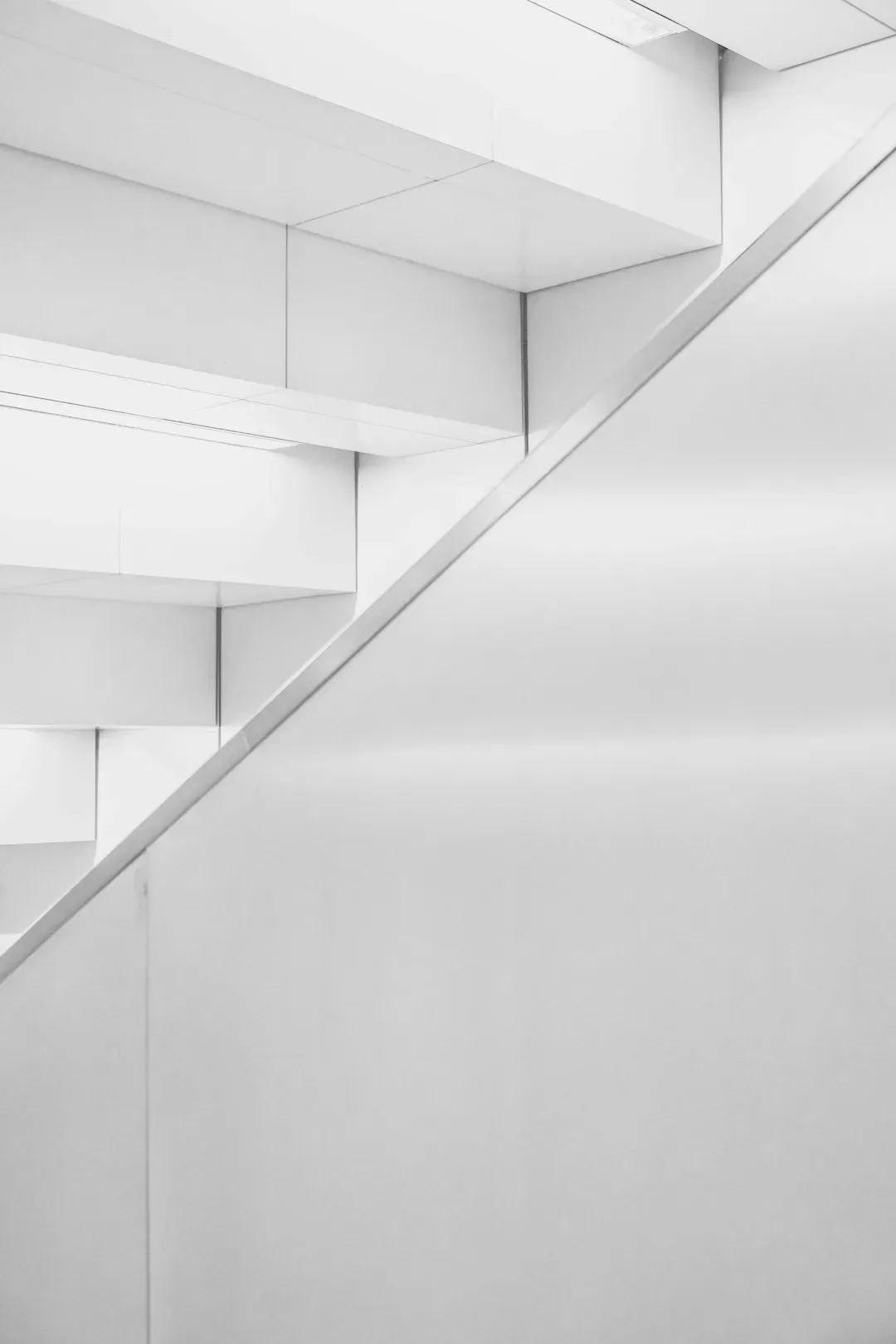
Lighting and textures are where luxury often becomes noticeable. A room can look flat in harsh light, even if the décor is stylish. With better lighting layering, the same room can feel warmer, deeper, and more elegant. The typical middle-class approach: one ceiling fixture, maybe a floor lamp, done.
Every room needs at least three light sources at varying heights. A ceiling fixture alone, no matter how beautiful, flattens a space. The wealthy understand layered lighting transforms spaces. They blend recessed cans, wall sconces, and task lighting. Dimmers are a standard tool in this approach, allowing a room to shift from a working environment during the day to something far warmer in the evening.
3. Buying Fast, Cheap Furniture Instead of Fewer, Better Pieces
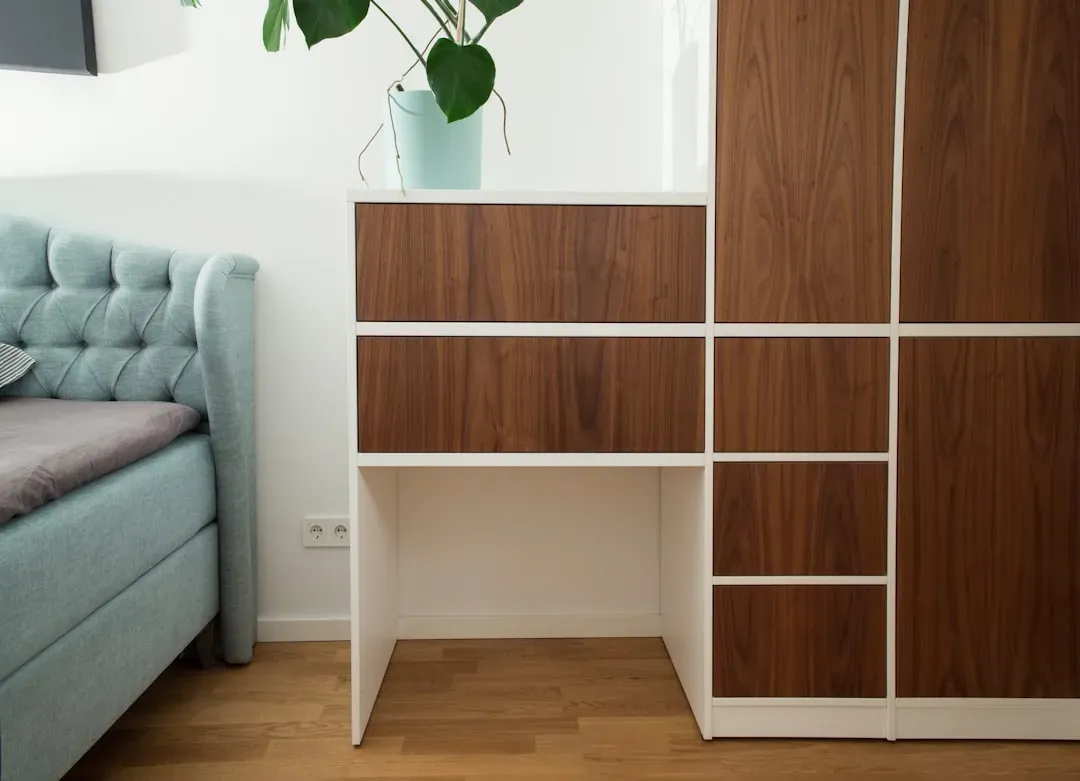
Many people often buy cheap furniture because it’s affordable and quick to pick up. Unfortunately, these pieces don’t last very long. The middle-class approach to furnishing often mirrors fast fashion: fill the room now, upgrade later. The problem is that “later” rarely comes, and the room ends up crowded with forgettable pieces that age poorly.
With fast furniture on the outs, sustainability is top of mind for many. Designers are noticing clients prioritizing and gravitating toward quality furnishings. They’re understanding that it’s worth the wait and investment for elevated workmanship and materials. Wealthy homeowners tend to buy fewer items with greater intention, leaving negative space that allows each piece to breathe and register on its own terms.
4. Ignoring Scale and Proportion
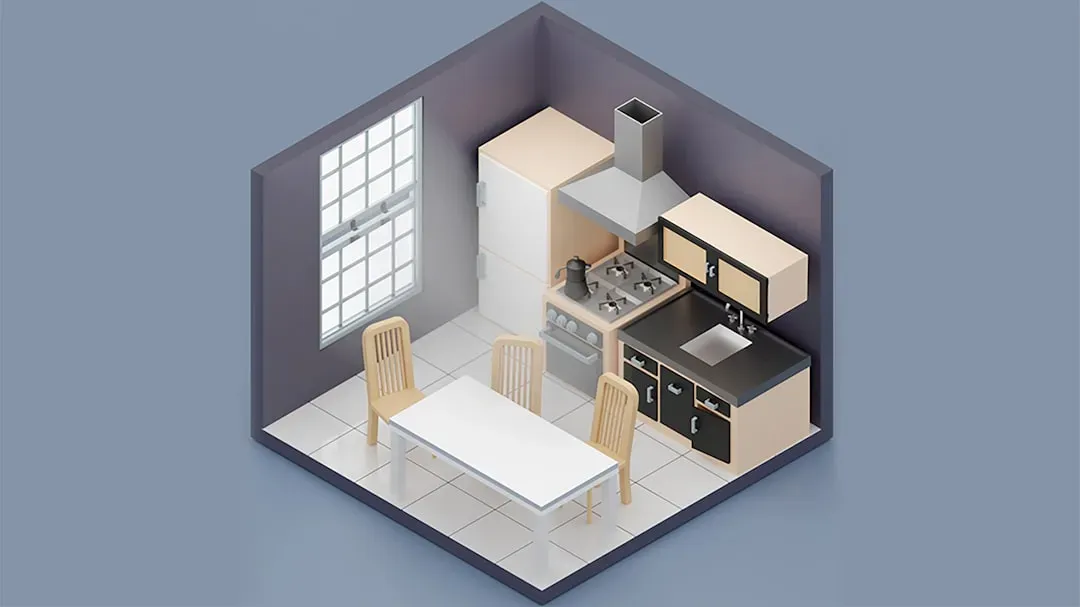
Scale is a common issue. Items that are too small or too large can disrupt a room’s balance. A luxury space feels intentional, not overloaded. Undersized rugs sitting beneath too-large sofas, tiny art hung on sprawling walls, lamps that look borrowed from a different room entirely: these small errors accumulate into a space that feels slightly wrong without an obvious reason.
The most overlooked part of space planning is ceiling height. Taller ceilings can handle larger-scale furniture and longer drapery; ignoring that relationship is what makes a well-furnished room still feel off. Proportion isn’t an abstract design principle. It’s one of the most practical tools available, and it costs nothing to get right beyond some careful measuring before purchasing.
5. Decorating for Photos Instead of Real Life
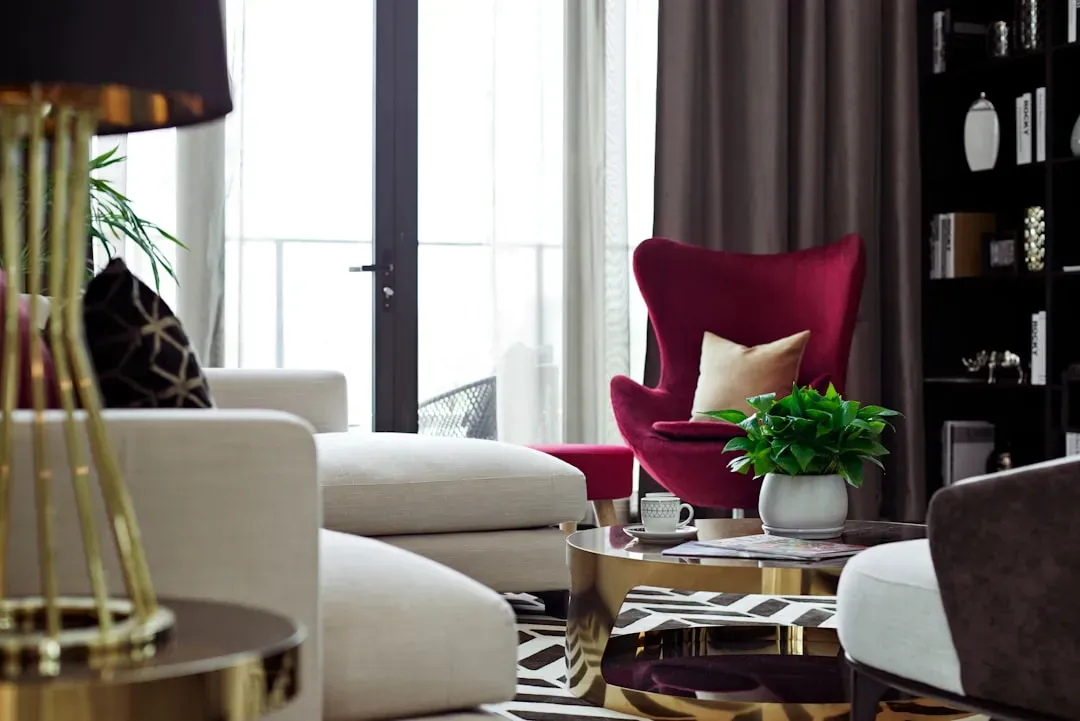
Designing for social media rather than real life is one of the most common interior design errors. Trendy layouts look stunning in photographs but often fail in daily use. Styles that feel current today become dated quickly, and the lack of storage and comfort that comes with trend-driven choices reveals itself fast. This habit is arguably more common now than at any previous point in interior design history.
Built-in storage, Murphy beds, and thoughtfully planned layouts allow rooms to serve multiple purposes without feeling temporary or compromised. This adaptability reflects how many homeowners want their homes to function day to day, not just look good in listing photos. Homes that work well in real life tend to also photograph beautifully, but the reverse is rarely true.
6. Matching Everything Too Perfectly
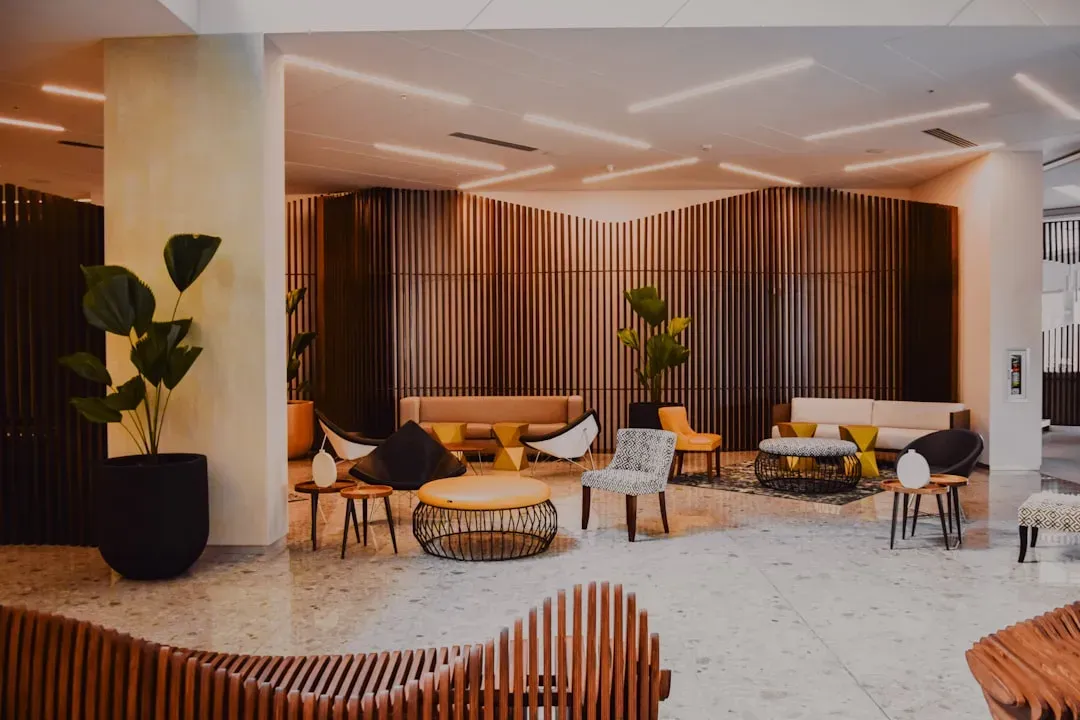
There’s a certain comfort in matching sets. The matching bedroom suite, the perfectly coordinated dining chairs, the hardware that’s all the same finish throughout. It feels safe, organized, and complete. Wealthy homeowners, however, tend to resist this impulse quite deliberately.
Luxury living is increasingly defined by personal touch rather than uniformity. Many homeowners are blending interior design styles to create spaces that reflect their identity, habits, and history. A vintage chair paired with high-end materials, custom millwork, or bespoke furniture adds depth and individuality that can’t be replicated with catalog-only interiors. Hardware serves as subtle jewelry for cabinets. A mix of styles across connected spaces can signal rushed renovations, but a thoughtful mix, applied with intention, is an entirely different thing.
7. Treating Every Surface as a Display Opportunity
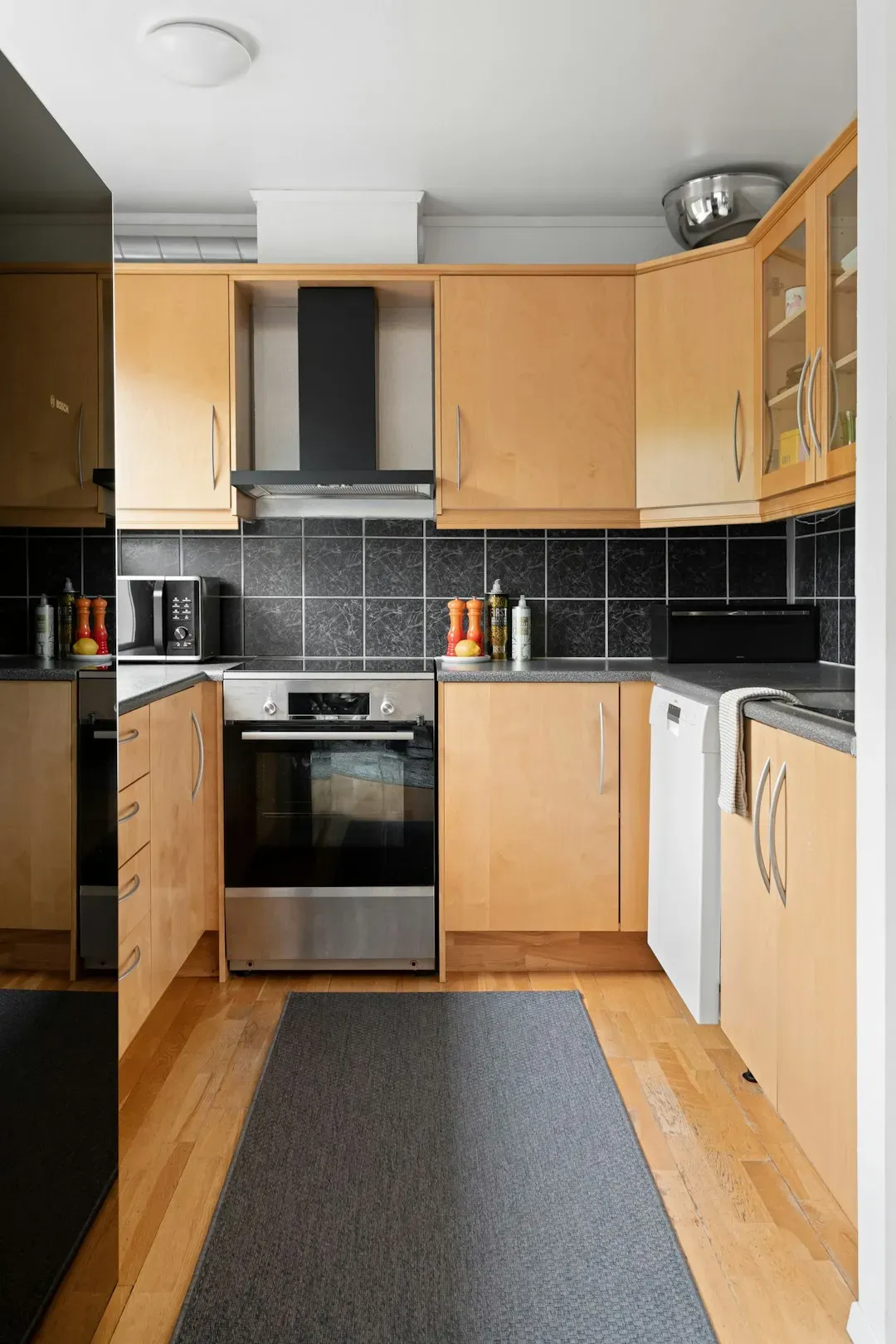
A fridge covered in papers, takeout menus, and family photos makes organized people uncomfortable. Wealthy homeowners keep their kitchen surfaces clean and clutter-free. They create dedicated spaces for important papers and children’s artwork elsewhere. Their kitchens feel serene with clear counters and clean appliance fronts. They value calm, ordered spaces over busy ones.
Spacing is just as important as the decor itself. Leaving room around objects allows them to stand out and keeps the space from feeling crowded. The instinct to fill every shelf, every counter, and every wall comes from a place of enthusiasm, but it works against the space. Restraint, not abundance, is what makes a room feel genuinely elevated.
8. Neglecting Built-Ins in Favor of Freestanding Furniture
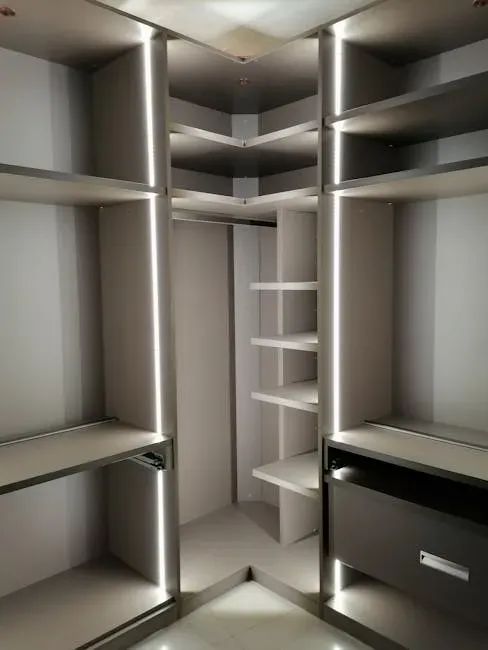
Multifunctional built-in wall units are transforming living rooms into organized, stylish hubs. These cabinetry walls combine zoned areas for TVs, fireplaces, open and closed storage, benches and even bars into a single, cohesive feature. By maximizing wall space, they reduce the need for extra furniture, making rooms feel more open. Middle-class homes rarely invest here, often because built-ins feel like a luxury addition rather than a practical one.
Built-in storage can help reduce the number of furniture pieces on the floor. These include built-in bookcases, cabinets, and open shelving, which help provide efficient storage without using too much of a home’s available floor space. The long-term return is real: built-ins increase a home’s perceived and actual value, improve daily function, and eliminate the visual noise of mismatched freestanding pieces competing for attention.
9. Defaulting to All-White or Purely Monochromatic Interiors

As interior design has evolved through 2025 and beyond, the all-white style can start to feel cold and impersonal. When everything is white, walls, furniture, and décor, it can make a space seem sterile rather than cozy. The all-white interior became shorthand for modern and clean, and it genuinely works in the right hands. More often, though, it becomes a default rather than a deliberate choice.
Instead of stark white interiors, warm minimalism uses earth tones, natural materials, and subtle contrasts to create spaces that feel lived in rather than cold. Natural woods, wood paneling, and bespoke furniture replace mass-produced finishes, while lighting is used intentionally to highlight craftsmanship rather than dominate the room. High-quality fabrics like linen, velvet, and wool bring depth to even the simplest interiors. A neutral sofa can feel much more refined when styled with textured cushions or a well-made throw.
10. Skipping the Professional Design Consultation
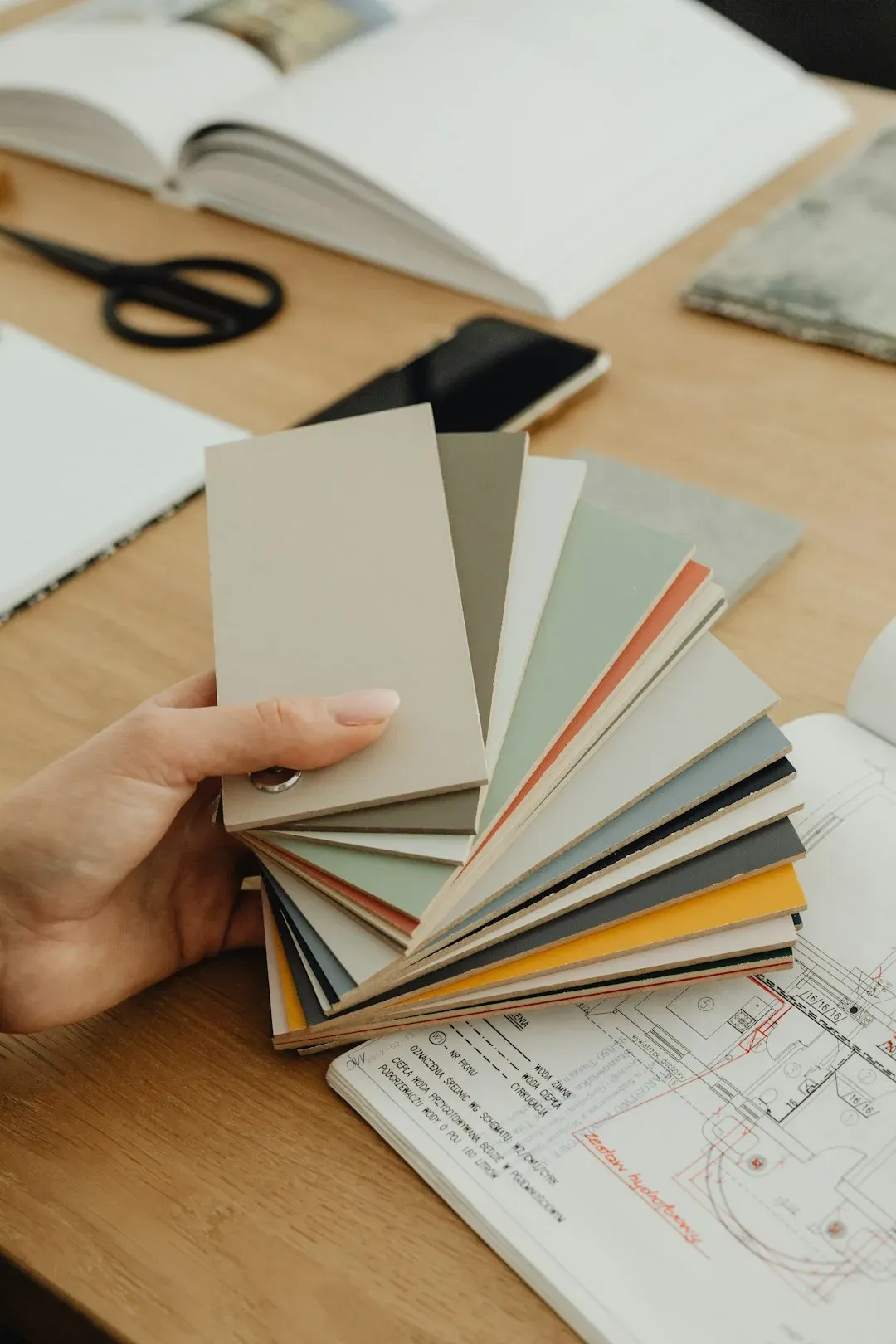
High-end homes benefit from expert input. Relying solely on Pinterest or fast trends can create a copycat effect. A luxury design company or luxury design agency ensures consistency, proportion, and creativity. Many middle-class homeowners skip the professional consultation entirely, viewing it as an extravagance they can work around. The result is often a home that looks assembled rather than designed.
Many homeowners invest significantly in their interiors only to end up with spaces that feel impractical, cramped, or outdated far too soon. These outcomes are the result of avoidable interior design pitfalls that surface when decisions are rushed or made without professional input. Even a single consultation before a major purchase or renovation can save considerable money and redirect effort toward choices that hold up over time. The wealthy don’t avoid professional help because they can afford to figure it out alone. Most do the opposite.
The interesting thing about almost all of these habits is that money isn’t really the core variable. Proportion costs nothing. Restraint costs nothing. Understanding how layered lighting works is a one-time education, not a recurring expense. The gap between a home that feels polished and one that doesn’t is usually a gap in approach, not budget, and that’s something anyone can close with a little patience and a willingness to rethink a few deeply ingrained habits.