Gas-Powered Leaf Blowers Face Widespread State and Local Bans
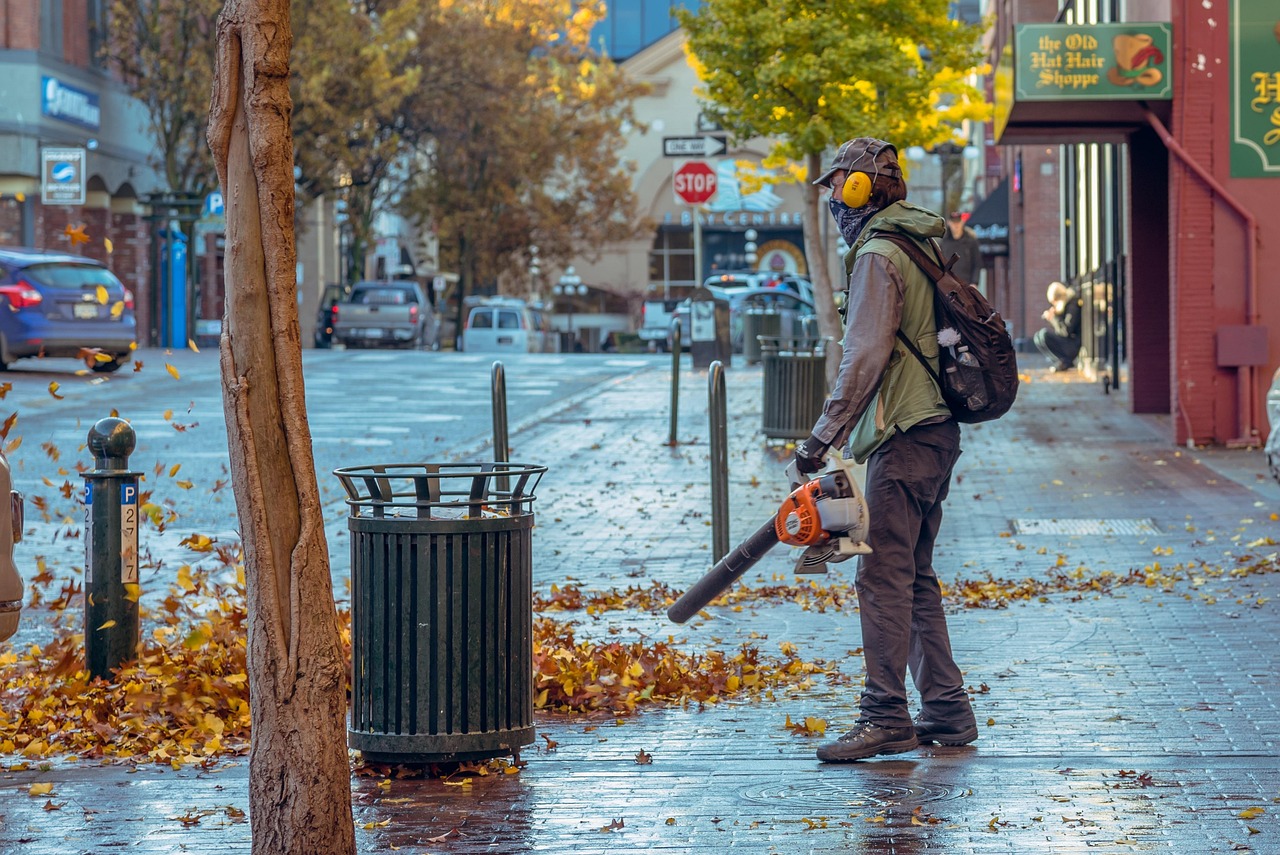
The California Air Resources Board has created rules banning the sale of new gasoline-powered lawn tools, including leaf blowers, by 2024. What many gardeners don’t realize is how far this movement has spread beyond just California.
Montgomery County has implemented a ban on the sale of gas-powered leaf blowers beginning July 1, 2024, with a complete prohibition by 2025. Pleasanton enforced a citywide gas-powered leaf blower ban effective June 1, 2024, while North Bay Village banned gas-powered leaf blowers starting September 1, 2024.
The reason behind these bans goes beyond noise complaints. Using a commercial gas-powered lawn mower for just one hour generates the same amount of hazardous pollution as driving a gasoline-powered car 300 miles. A single gas blower can emit more pollutants than a car driven for hundreds of miles. About 100 cities and counties in California have some form of ban on gasoline-driven gardening tools in place.
Gas-Powered Lawn Mowers Join the Restricted List
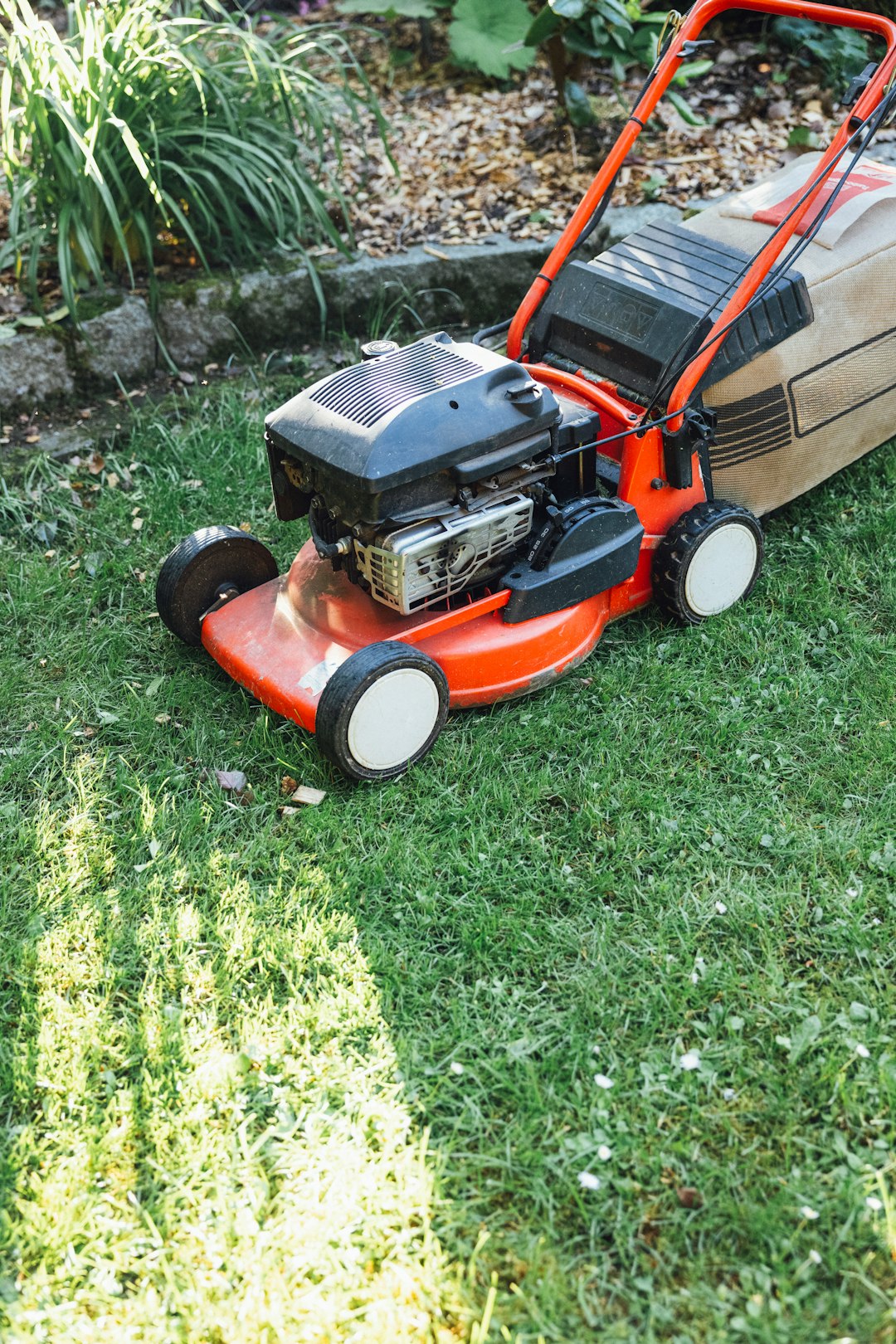
The pressure on gas-powered lawn mowers has intensified dramatically. California’s law directs the Air Resources Board to ban the sale of new gasoline-powered lawn tools, including mowers, by 2024. This isn’t just a California issue anymore.
Governor Gavin Newsom signed a first-in-the-nation law requiring new small-engine equipment to emit zero pollution by as early as January 1, 2024, though gardeners and landscapers say a $30 million state subsidy isn’t nearly enough to help operators make the switch to electric. The financial burden on small businesses has become a significant concern.
In Colorado, the use of gas-powered push mowers will no longer be allowed on state government property plus all public property in the Denver Metro region each summer starting in 2025. The landscaping industry says the transition has already been costly, with one business owner noting he never spent $200 on something that lasted only 45 minutes and doesn’t last for six to eight houses a day.
Neonicotinoid Pesticides Banned from Garden Centers
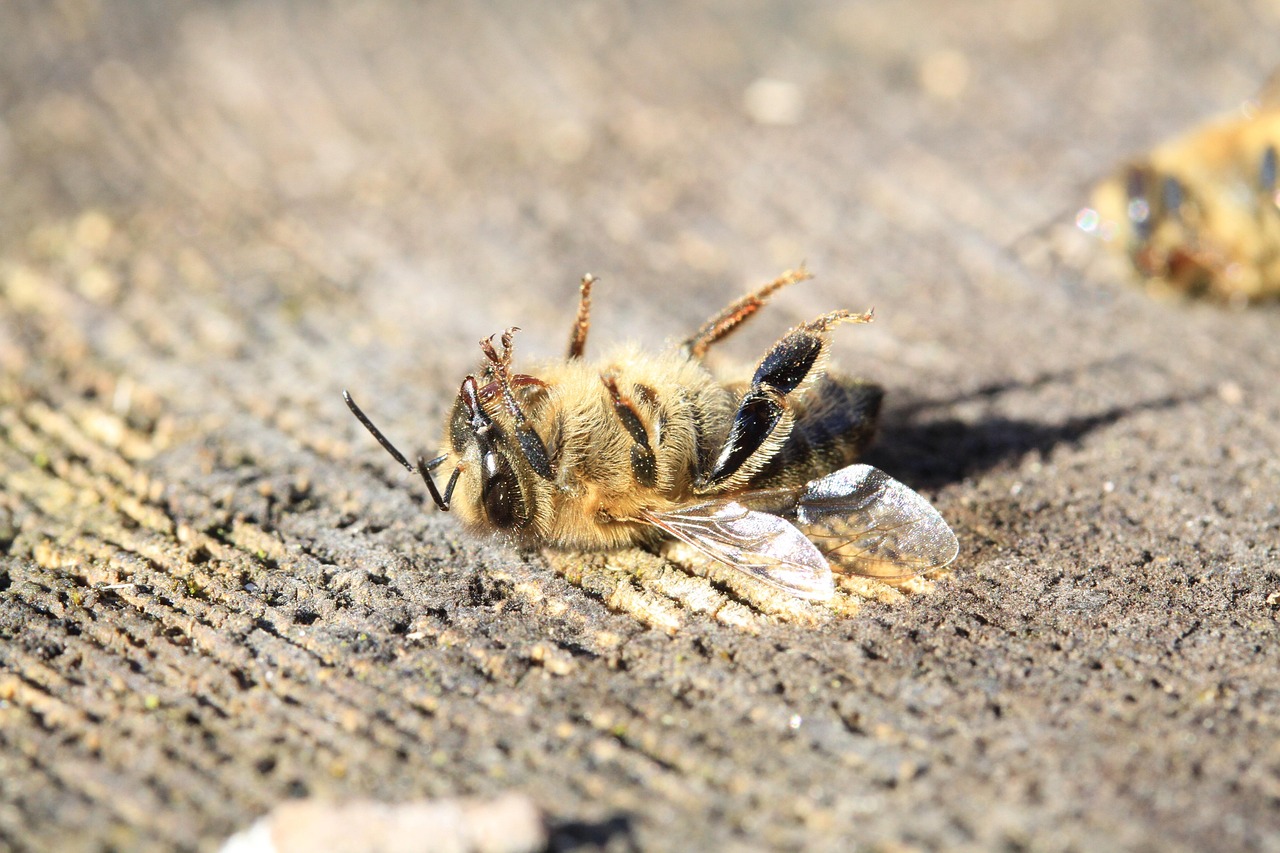
California’s Department of Pesticide Regulation implemented a new state law limiting most retail sales and non-agricultural outdoor uses of neonicotinoid pesticides to licensed applicators, effective January 1, with consumers no longer authorized to purchase these products. This represents one of the most significant changes to home gardening in decades.
As of January 1, 2025, pesticides containing neonicotinoids are not available for sale in retail nurseries and garden centers in California, and cannot be possessed or used by unlicensed applicators. Almost 150 pesticide products containing neonic ingredients are registered in California, with the most common being imidacloprid, but also including acetamiprid, clothianidin, dinotefuran, and thiamethoxam.
These pesticides have been linked to serious decline in pollinators such as honeybees, native bees, and butterflies, as well as birds, with the European Union, Canada, and several USA states including Connecticut, Maine, Maryland, New Jersey, and Washington already banning or restricting neonicotinoids for non-agricultural uses. New York’s Birds and Bees Protection Act prohibits the treatment of outdoor ornamental plants and turf with pesticide products containing clothianidin or dinotefuran as of December 31, 2024.
Chemical Herbicides and Weed Killers Under Attack
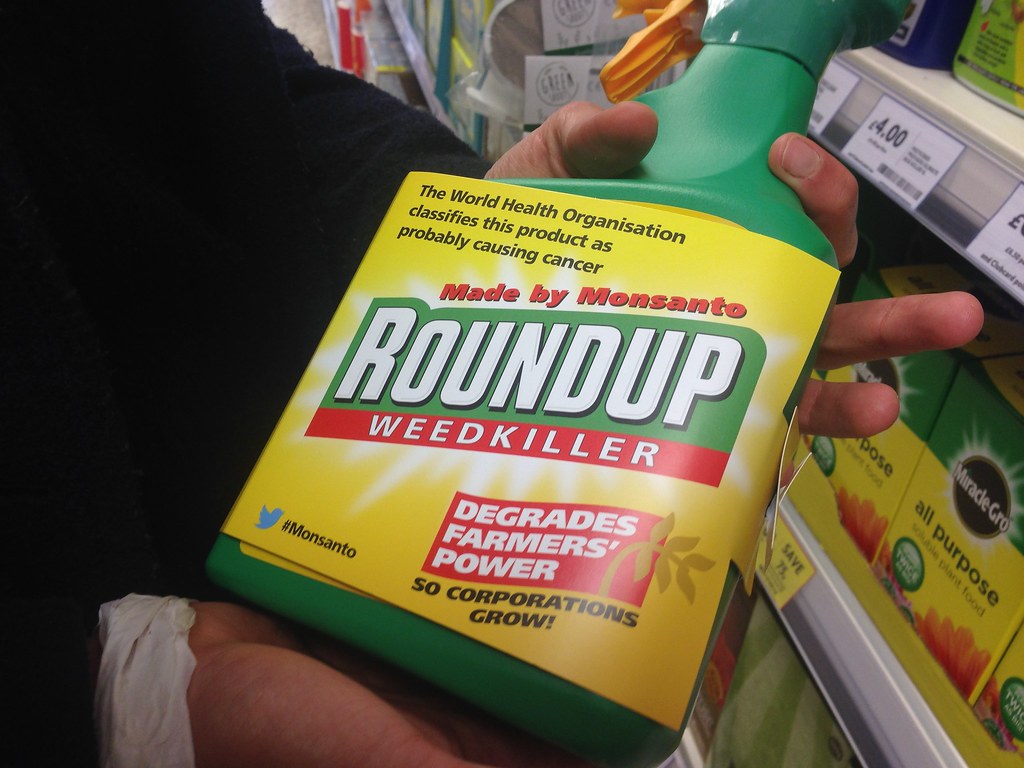
A number of commonly used crop protection products were pulled from the market in 2024, including dicamba, a controversial herbicide vulnerable to drifting and destroying plants outside of farm boundaries. The U.S. Environmental Protection Agency announced a rare emergency action to ban DCPA or Dachtal, used on onions and broccoli.
The active ingredient in popular weed killers faces mounting bans worldwide, with products linked to cancer and widespread environmental contamination that persists for years, and lawsuits against manufacturers continuing to pile up, pushing legislators toward stricter regulations that could remove these products from home gardeners’ toolsheds permanently.
More than 40 local laws are in place to protect communities from toxic weedkiller glyphosate, though Republican state officials have petitioned the EPA to block any such bans, which if granted would prevent communities from banning or restricting glyphosate, an herbicide linked to cancer. The battle over glyphosate continues to intensify across multiple states.
Chainsaw and String Trimmer Regulations Expanding
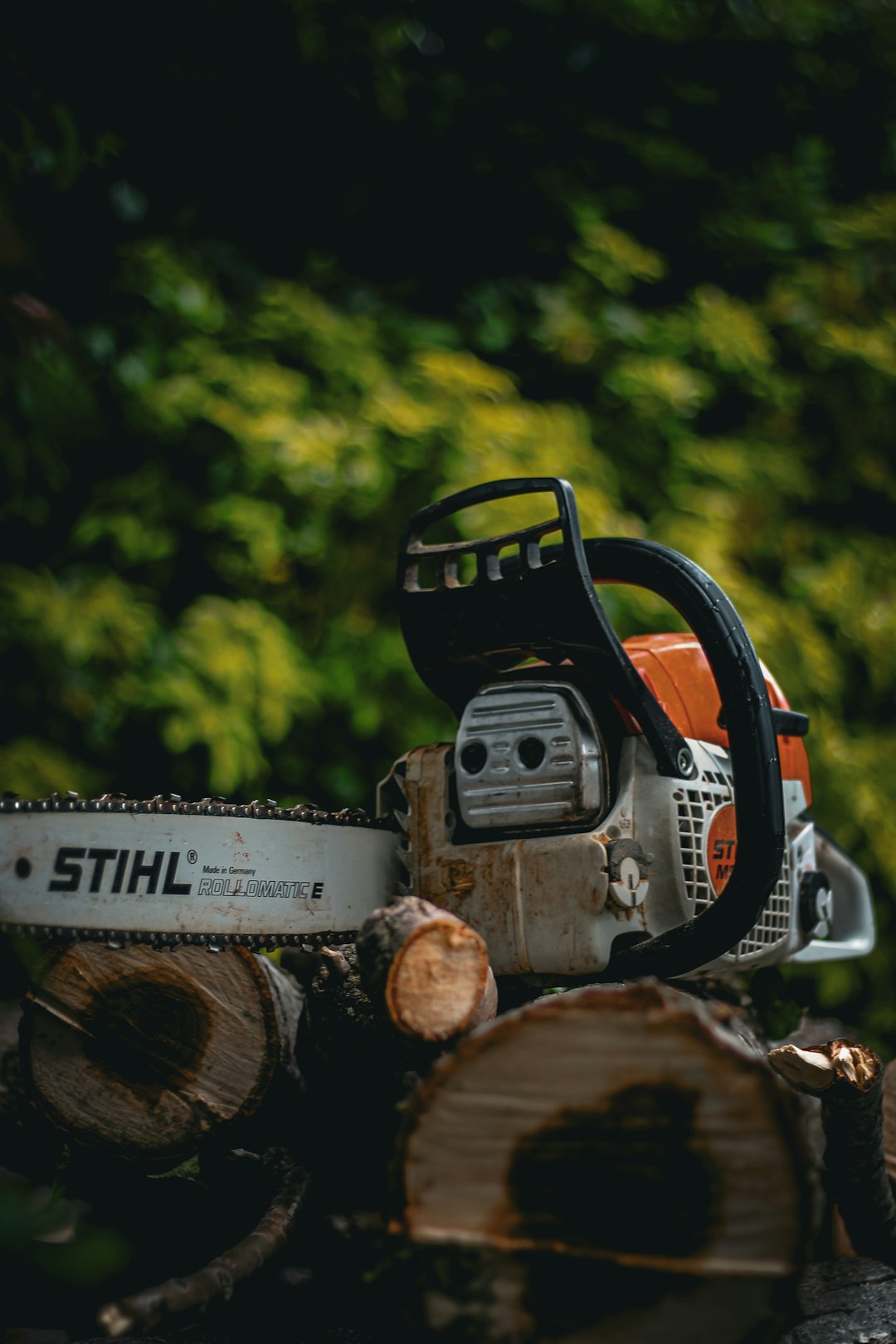
Small gas-powered chainsaws and string trimmers haven’t escaped regulatory attention. California’s ban encompasses any new gas-powered equipment using small off-road engines, which includes these popular garden tools. The transition affects both professional landscapers and weekend gardeners.
State estimates suggest there’s only enough subsidy funding to give each self-employed gardener a 50% coupon for one tool, far from the truckload of leaf blowers, lawn mowers, and small chainsaws they typically use. This funding shortfall has created significant challenges for tool replacement.
Many municipalities are expanding their small engine equipment bans to include these tools as part of comprehensive emission reduction strategies. Professional landscaping companies report having to invest thousands of dollars in new electric equipment to comply with evolving regulations.
Pressure Washers Face Environmental Scrutiny

California’s law directs the air resources board to come up with statewide regulations for other small motor equipment, including power washers. Gas-powered pressure washers, beloved by homeowners for deck cleaning and exterior maintenance, are increasingly viewed as unnecessary pollution sources.
Environmental regulators argue that electric alternatives provide comparable cleaning power without the emissions. Some local jurisdictions have already begun restricting the use of gas-powered pressure washers during certain months or in specific areas.
The professional cleaning industry has pushed back against these restrictions, citing concerns about battery life and power limitations during extended cleaning sessions. However, technological improvements in electric pressure washers continue to address many of these performance concerns.
Peat-Based Garden Products Heading for Prohibition
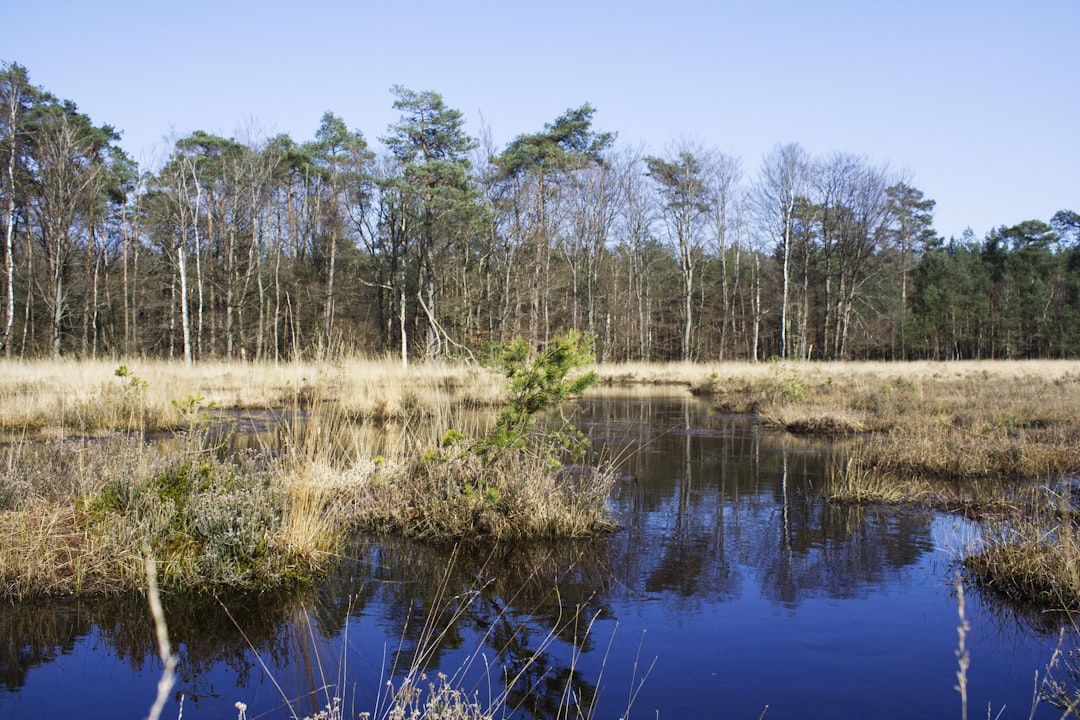
Harvesting peat destroys critical carbon-capturing bogs that took thousands of years to form, with the UK already announcing a retail ban starting in 2024, and American regulations potentially following. Peat bogs store twice as much carbon as forests worldwide, making their preservation a climate priority.
Garden centers across the country have begun phasing out peat-based potting mixes and soil amendments. The environmental impact of peat harvesting has become impossible to ignore, with scientists emphasizing the critical role peat bogs play in carbon sequestration.
Alternative growing media like coconut coir and composted bark have gained popularity as sustainable replacements. Many gardeners report excellent results with peat-free growing mixes, though some specialty plant growers remain concerned about pH differences and water retention characteristics.
Single-Use Plastic Garden Pots Get the Ban Hammer
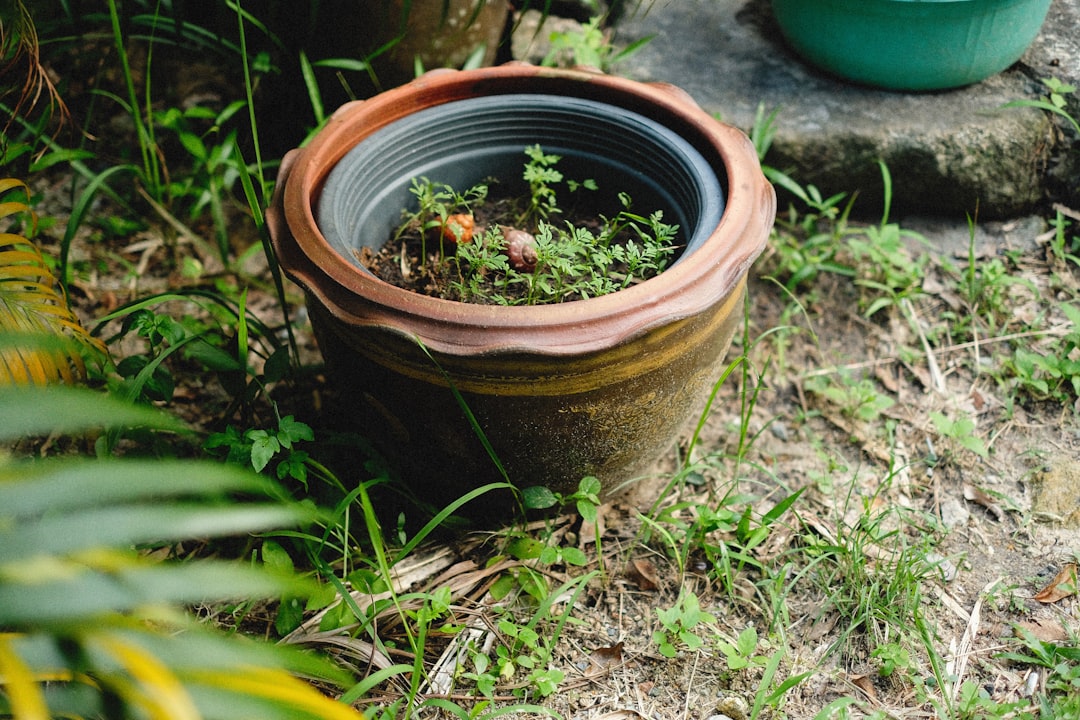
Single-use plastic pots rarely get recycled and create mountains of waste, decomposing into microplastics that contaminate soil and water for centuries. The European Union is implementing plastic reduction laws affecting garden centers, with similar regulations being considered in North America, and the days of the ubiquitous black plastic pot may be numbered as sustainable alternatives gain momentum.
Major nursery chains have begun experimenting with biodegradable pots made from materials like coconut fiber, paper pulp, and even mushroom-based composites. Some retailers now offer plastic pot return programs, encouraging customers to bring back containers for reuse.
Professional growers face challenges transitioning away from plastic containers, citing concerns about durability during shipping and storage. However, innovative bio-based materials continue emerging that address many traditional performance requirements while reducing environmental impact.
Small Gas-Powered Generators Under Review
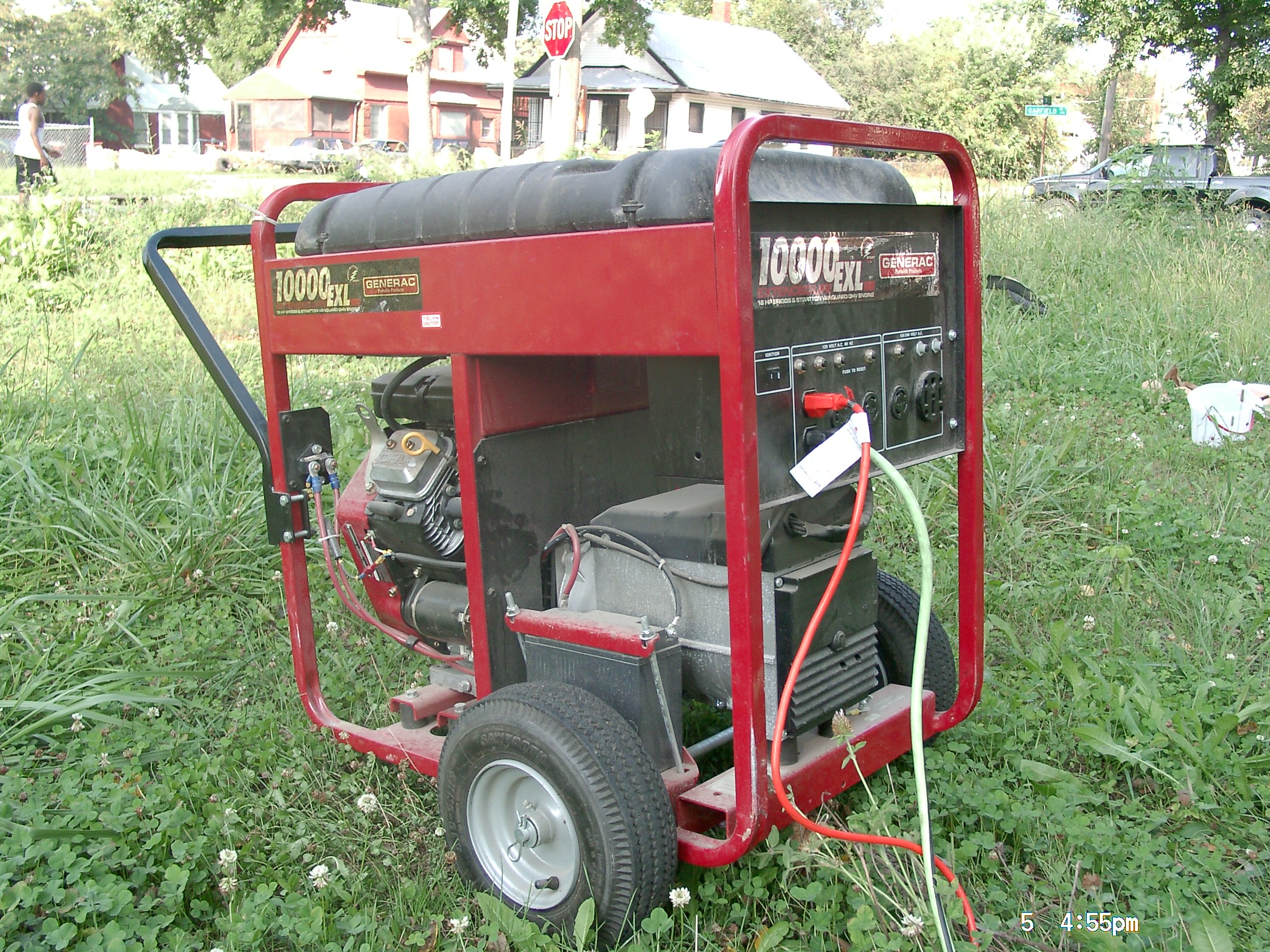
The new law requires small generators to reach zero emissions, drawing objections from lawmakers who said generators become essential during power outages in areas prone to wildfires, though the Air Resources Board can waive or delay requirements based on expected availability of alternative devices.
Emergency preparedness advocates have expressed concerns about restrictions on portable generators, particularly given increasing wildfire risks and planned utility shutoffs. Battery-powered alternatives exist but typically provide limited runtime compared to gas generators.
Some jurisdictions are exploring exemptions for emergency use while maintaining restrictions on routine operation. The debate highlights tensions between emission reduction goals and practical emergency preparedness needs for homeowners in disaster-prone areas.
Traditional Fertilizer Spreaders Face New Restrictions
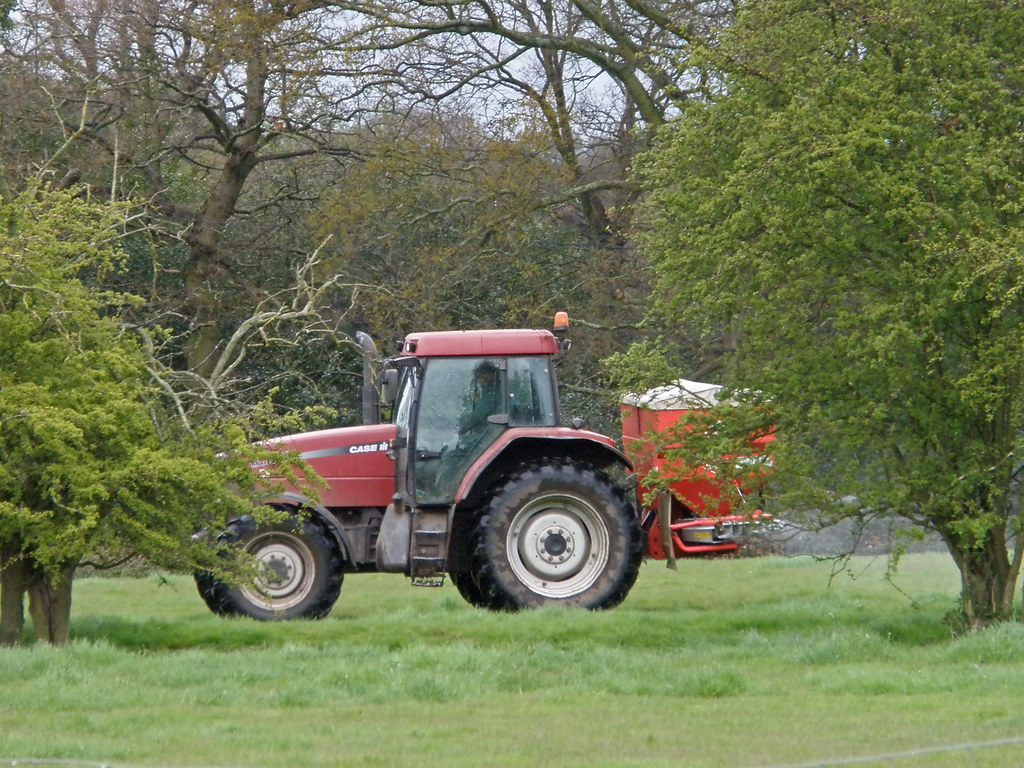
While not facing outright bans, fertilizer spreaders are increasingly subject to seasonal restrictions and application limits. Many municipalities have implemented “fertilizer blackout periods” during certain months to protect waterways from nutrient runoff.
These restrictions typically focus on phosphorus-containing fertilizers and limit application timing near water bodies. Some communities require certification programs for anyone applying fertilizers to properties over certain sizes, effectively regulating the tools used for application.
Homeowners association rules increasingly restrict fertilizer use, indirectly affecting spreader usage. The trend toward organic lawn care has also reduced demand for traditional broadcast spreaders, as many organic treatments require different application methods.
This dramatic shift in gardening tool regulations reflects growing environmental awareness and health concerns. While the changes create challenges for gardeners and landscaping professionals, they also drive innovation in cleaner, quieter alternatives. The tools that shaped American gardening for generations are giving way to a new era of sustainable yard care. What do you think about these widespread restrictions on traditional gardening tools? Tell us in the comments.