
1. Layering warm and cool lighting
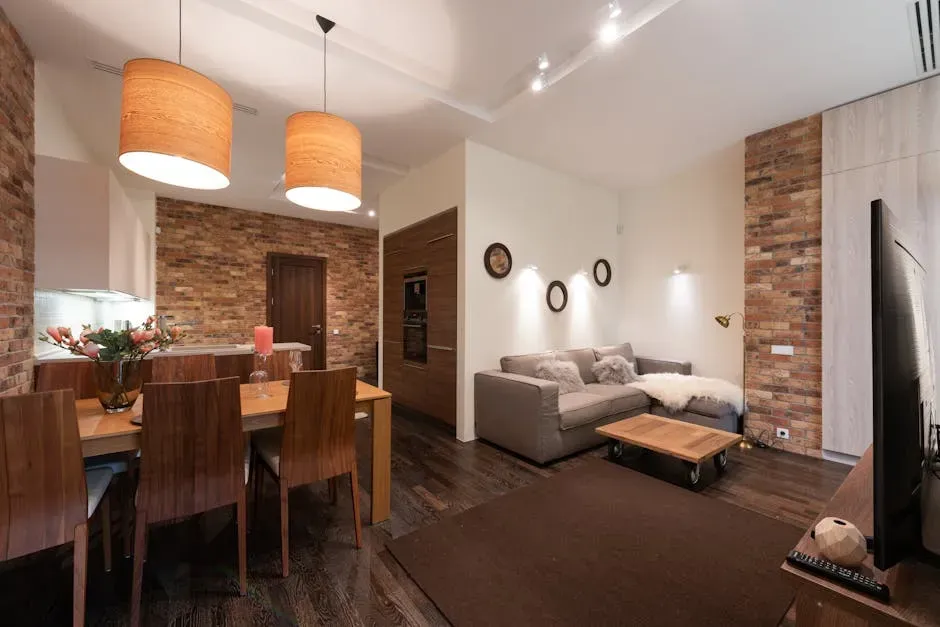
Relying on a single overhead fixture tends to flatten a room, making it feel more like an office than a living space. Mixing table lamps, floor lamps, and wall sconces creates depth and pockets of warmth that overhead lighting alone can’t replicate. Designers often recommend at least three light sources per room to achieve this layered effect.
Warm bulbs, typically in the 2700K to 3000K range, tend to feel cozier in living rooms and bedrooms, while slightly cooler tones work well in kitchens and bathrooms where task lighting matters more. Dimmer switches add another layer of flexibility, letting the same space shift from bright and functional to soft and relaxed. This kind of lighting variety is one of the simplest ways to make a room feel finished without spending much money.
2. Grounding a room with a large area rug
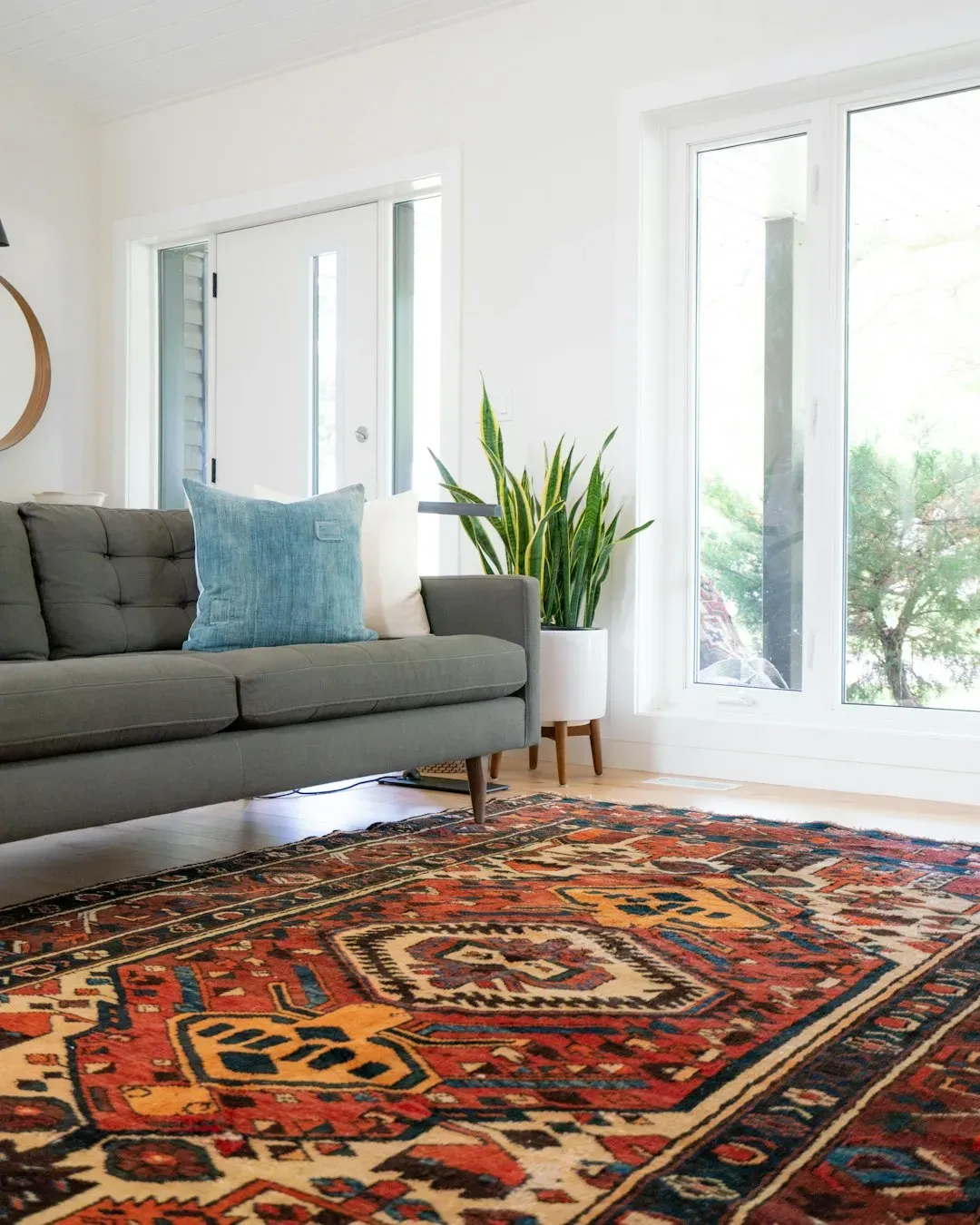
A rug that’s too small can make furniture look like it’s floating awkwardly in the middle of nowhere, which is one of the most common decorating mistakes in living rooms. The general rule of thumb is that front legs of major furniture pieces, like sofas and chairs, should rest on the rug to visually anchor the seating arrangement. This creates a defined zone that feels intentional rather than accidental.
Natural fiber rugs made from wool, jute, or cotton tend to age well and hide wear better than synthetic options in high-traffic areas. Layering a smaller patterned rug over a larger neutral one has also become a popular technique for adding texture without overwhelming a space. Either way, the right size and placement matter more than the specific material or pattern chosen.
3. Painting trim a shade lighter or darker than the walls
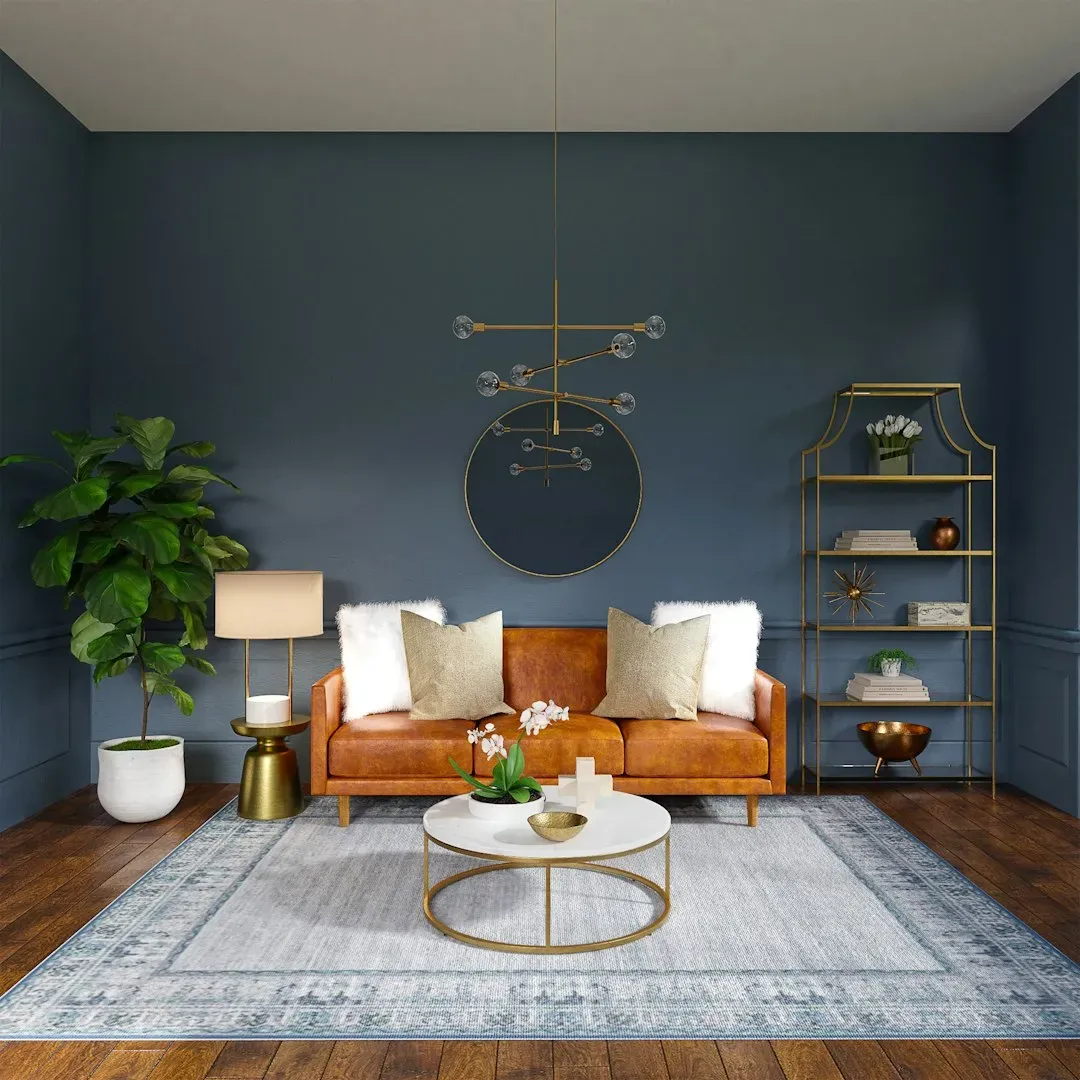
Matching wall and trim colors exactly can make a room feel flat, while a subtle contrast between the two adds dimension without requiring bold color choices. A classic approach is painting trim in a slightly lighter or glossier version of the wall color, which catches light differently and highlights architectural details like crown molding or door frames. This technique works in both traditional and modern homes.
Semi-gloss or satin finishes on trim also hold up better to cleaning than flat wall paint, since window sills and doorframes get touched often. Some homeowners have leaned into higher contrast trim, like white against deep green or navy walls, for a more dramatic effect. Either subtle or bold, the contrast itself is what gives a room a more considered, finished look.
4. Grouping art and photos in a gallery wall
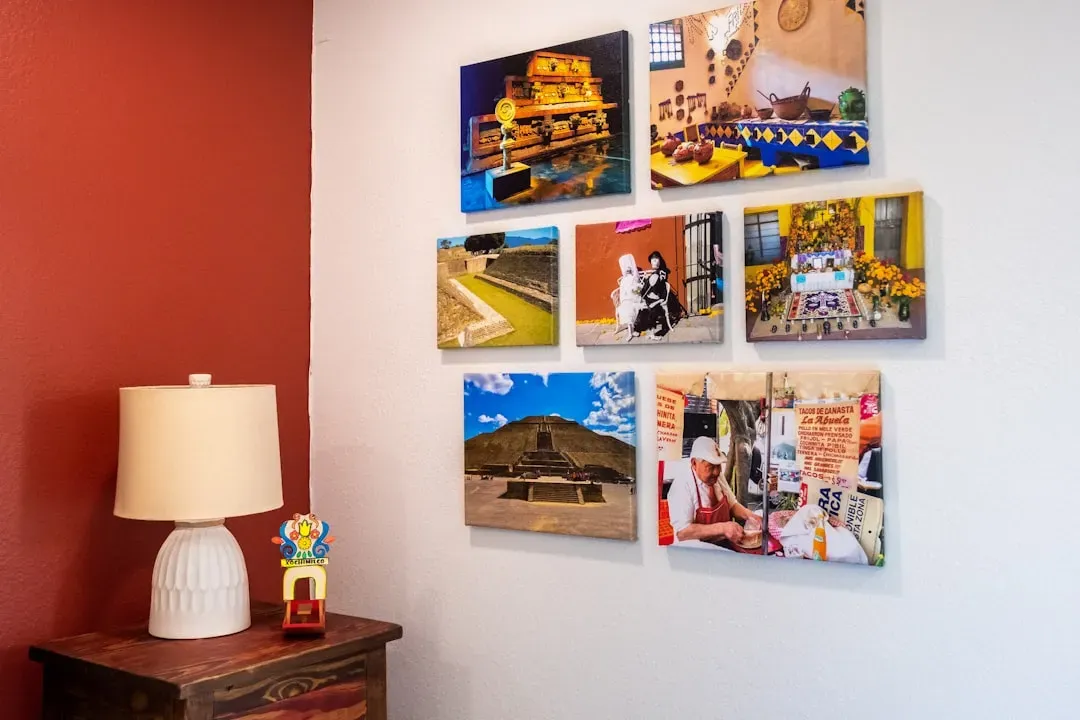
A single piece of art on a large wall can look lonely, but a curated cluster of frames turns that same wall into a focal point. Gallery walls work best when there’s a unifying element, whether that’s matching frame colors, a shared color palette in the artwork, or consistent spacing between pieces. Interior designers frequently suggest laying out the arrangement on the floor first before committing to nail holes.
Mixing frame sizes and orientations adds visual interest, but keeping at least two to three inches of consistent spacing between frames prevents the wall from looking cluttered. Photos, artwork, mirrors, and even small shelves can all be part of the same gallery wall for added texture. This approach remains popular because it’s flexible enough to update over time as new pieces get added.
5. Choosing a neutral base with colorful accents
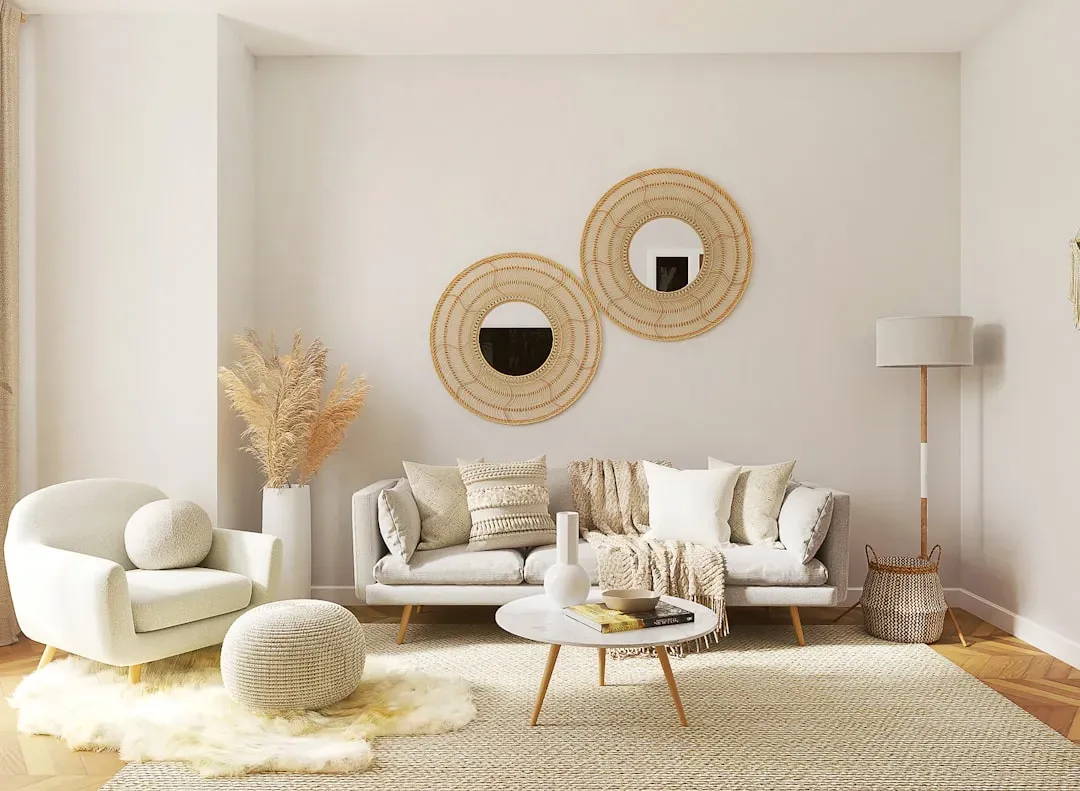
Neutral wall colors and larger furniture pieces, like sofas and rugs, give a room longevity because they don’t feel dated as quickly as bold color choices might. Building around whites, grays, beiges, or soft greiges creates a flexible canvas that can be updated easily through smaller, less expensive items. This is part of why neutral palettes remain a steady favorite among both professional designers and everyday homeowners.
Throw pillows, artwork, vases, and even a single accent chair are much cheaper to swap out than a couch or a wall color, which makes seasonal or trend-based updates far more affordable. This layering strategy also lets personality come through without locking a room into one specific style for years. It’s a practical approach that balances timelessness with room for creativity.
6. Adding texture through natural materials
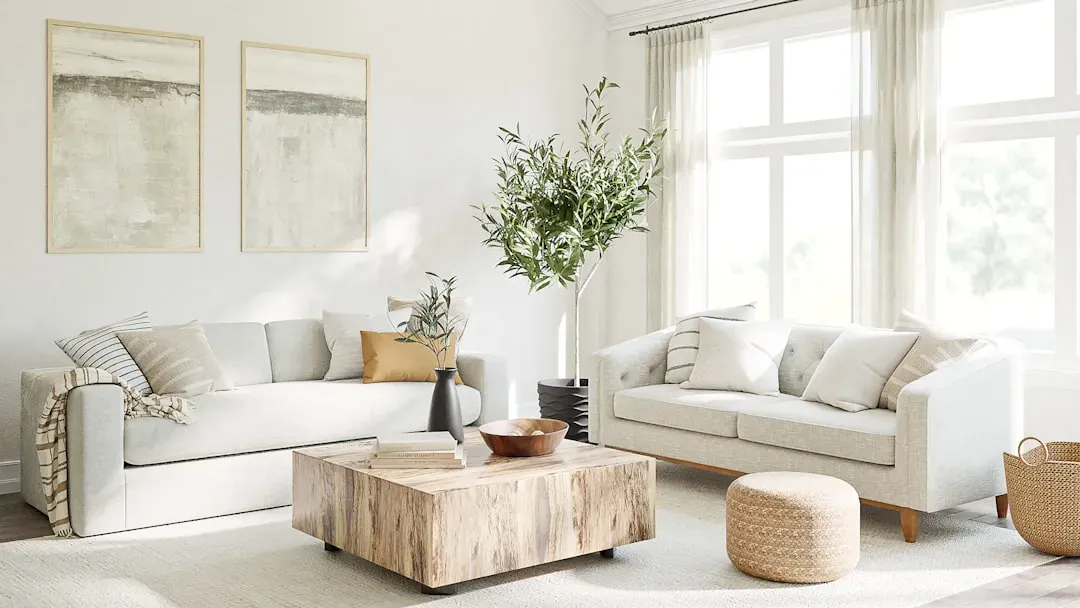
Rooms that rely too heavily on smooth, hard surfaces like glass and polished wood can start to feel cold no matter how nice the individual pieces are. Introducing natural textures, such as woven baskets, linen curtains, rattan furniture, or a chunky knit throw, softens that effect and adds warmth. This has become especially noticeable in recent design trends favoring an organic, lived-in aesthetic over sleek minimalism.
Wood grain, in particular, remains one of the most reliable texture choices because it pairs easily with almost any color scheme or design style. Combining multiple textures, like a smooth leather chair next to a woven jute rug, creates visual contrast that keeps a room from feeling one-note. This layering of materials is often what separates a well-designed room from one that just has nice furniture in it.
7. Using mirrors to expand a space
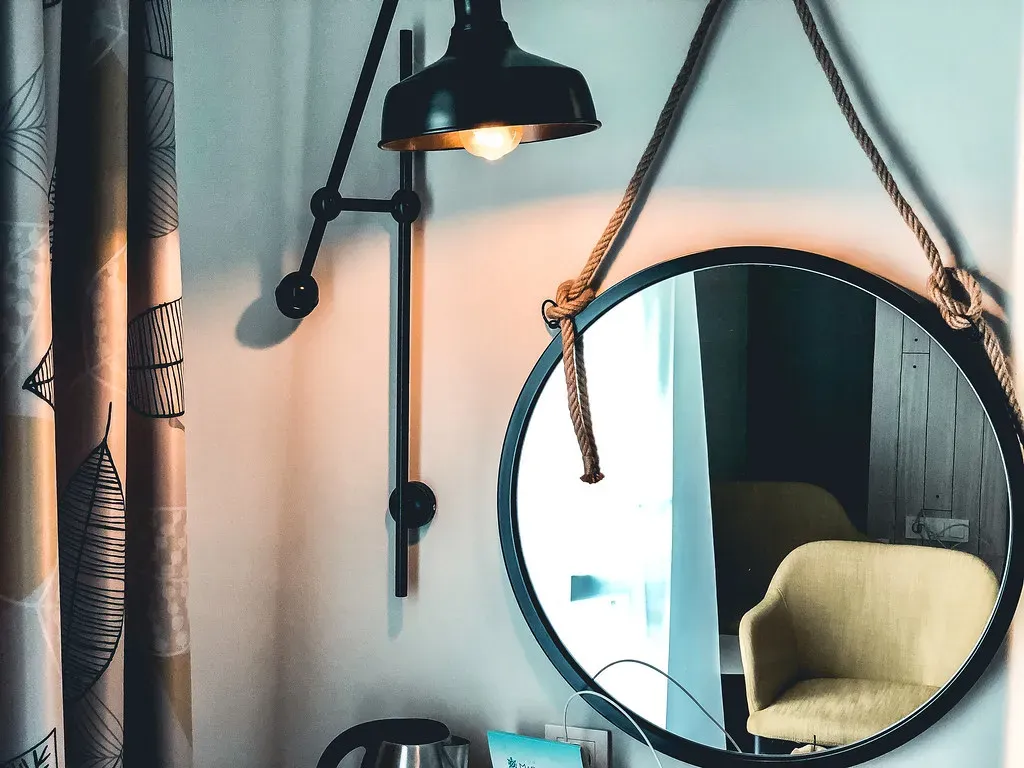
Mirrors have long been used to make small or dark rooms feel larger and brighter, and that principle hasn’t changed with newer design trends. Placing a mirror across from or near a window reflects natural light deeper into a room, which is particularly useful in apartments or homes with limited windows. Oversized floor mirrors have also become a popular styling piece beyond their functional use.
Beyond practicality, mirrors with interesting frames double as decorative objects, adding visual interest without taking up floor space the way furniture does. Grouping several smaller mirrors together can create a gallery-like effect similar to framed art. This dual purpose, both functional and decorative, is part of why mirrors remain a dependable choice across nearly every design style.
8. Bringing in live plants
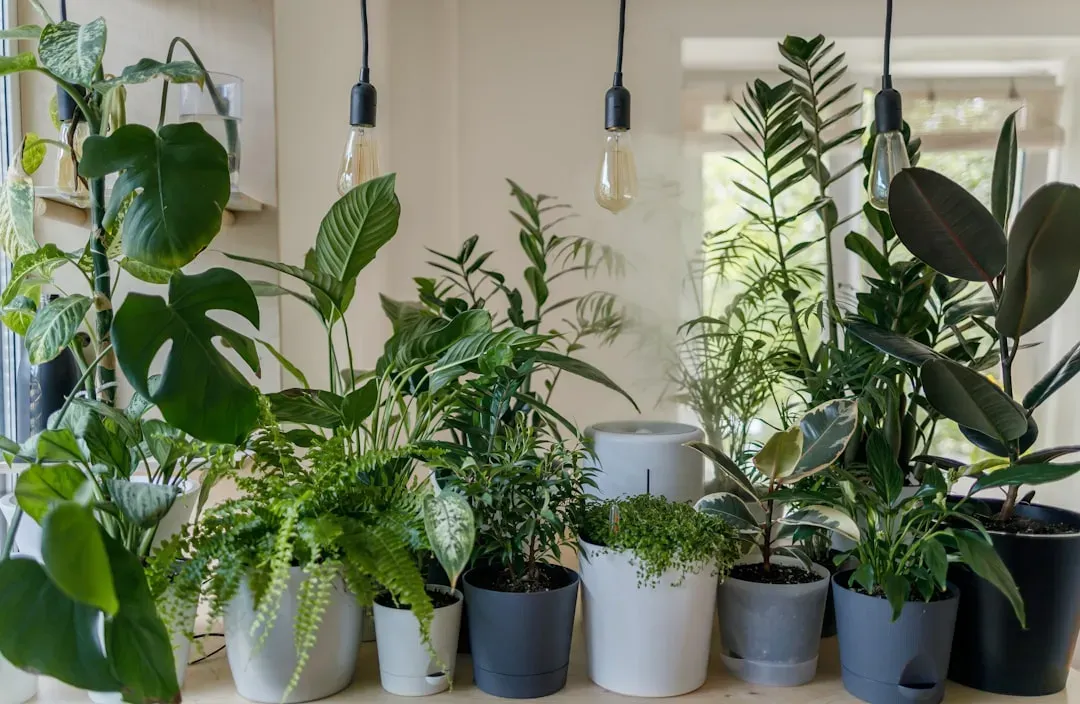
Greenery adds color and texture that artificial materials simply can’t replicate, and it’s one of the most consistently recommended decorating additions among interior designers. Larger statement plants, like fiddle leaf figs or snake plants, work well as floor-level accents in corners that otherwise feel empty. Smaller potted plants on shelves or windowsills fill in gaps without requiring much additional furniture.
Beyond aesthetics, certain houseplants have been studied for their potential to improve indoor air quality, though the effect size in typical home settings is modest compared to controlled lab studies. Low-maintenance options like pothos, snake plants, and ZZ plants have become popular specifically because they tolerate neglect and low light better than more finicky varieties. Even a few well-placed plants can make a room feel more alive without much ongoing effort.
9. Creating a focal point above the fireplace or sofa
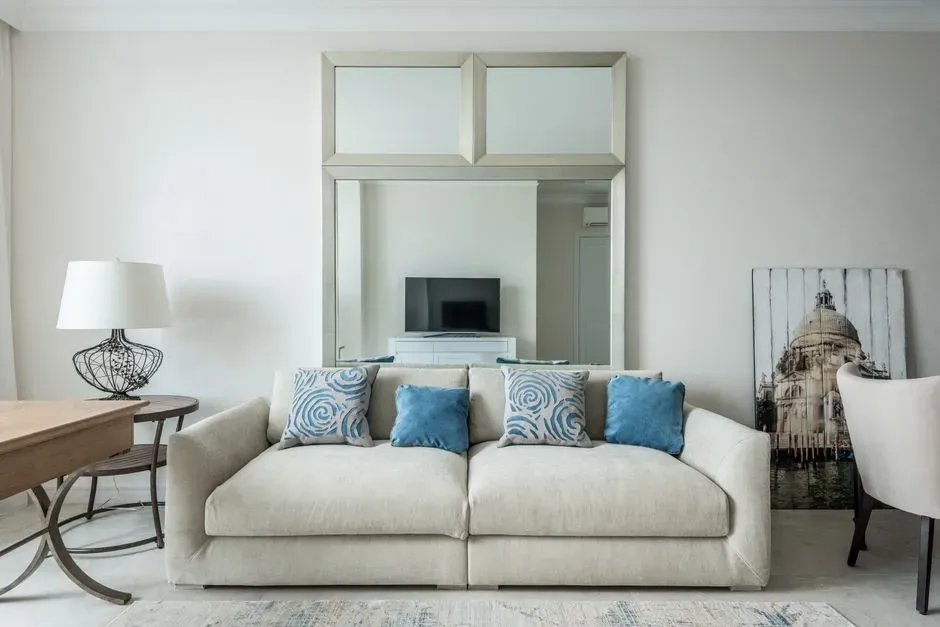
Every room benefits from having one clear focal point that draws the eye and anchors the overall layout. Above a fireplace or a large sofa, this often takes the form of an oversized piece of art, a statement mirror, or in many modern homes, a mounted television. Whatever the choice, it should be sized appropriately, generally about two-thirds the width of the furniture or mantel below it.
Without a defined focal point, a room’s eye tends to wander without landing anywhere specific, which can make even well-furnished spaces feel unfinished. Symmetry, like matching sconces flanking a piece of art, reinforces this effect and adds a sense of balance. This principle applies whether the room is formal and traditional or casual and eclectic.
10. Sticking to a consistent color palette throughout connected spaces
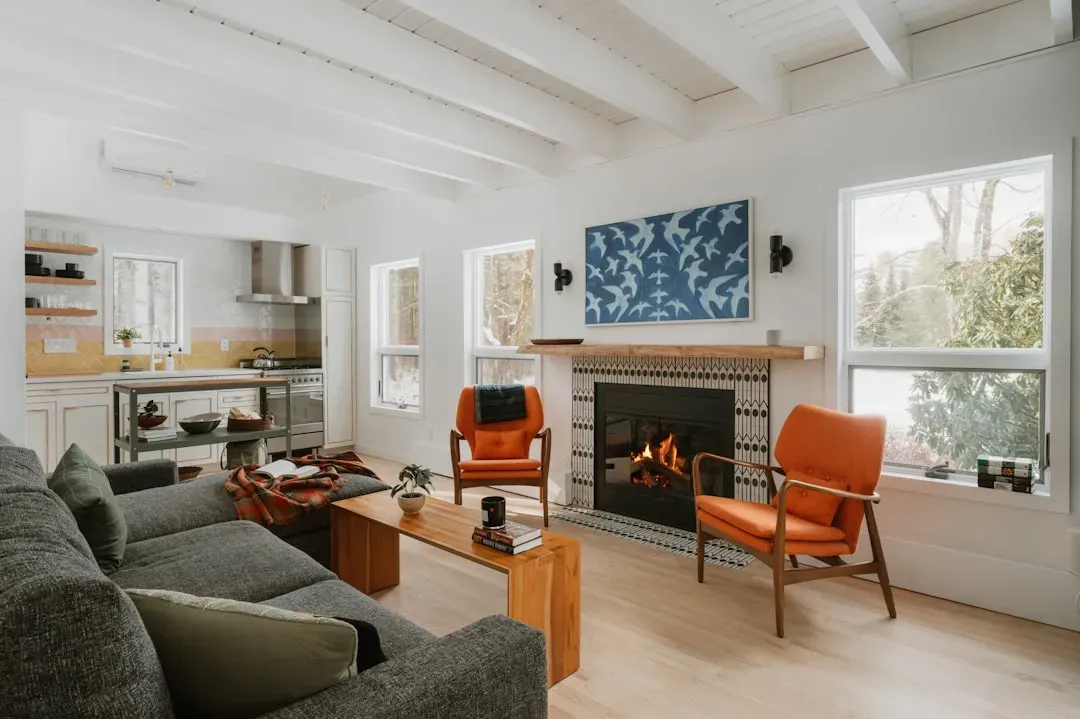
Open-concept homes in particular benefit from a cohesive color story that flows from room to room rather than abrupt shifts that make spaces feel disconnected. This doesn’t mean every room needs identical colors, but rather a shared palette of two or three core tones that repeat in varying proportions. Many designers suggest choosing one dominant neutral, one secondary color, and one accent shade to guide decisions across an entire home.
This approach makes decorating decisions easier over time, since new furniture or accessories can be evaluated against an established palette rather than chosen in isolation. It also helps homes feel larger and more intentional, since sightlines between rooms don’t clash visually. Even in homes with distinct room styles, a repeated color thread running throughout tends to tie everything together.
Good decorating rarely comes down to one dramatic change. More often, it’s the accumulation of smaller, well-considered choices, like lighting, texture, and color, working together consistently across a space. These ten approaches have remained relevant for years precisely because they solve practical problems while still leaving plenty of room for personal style.