
1. Layered container gardens near the entrance
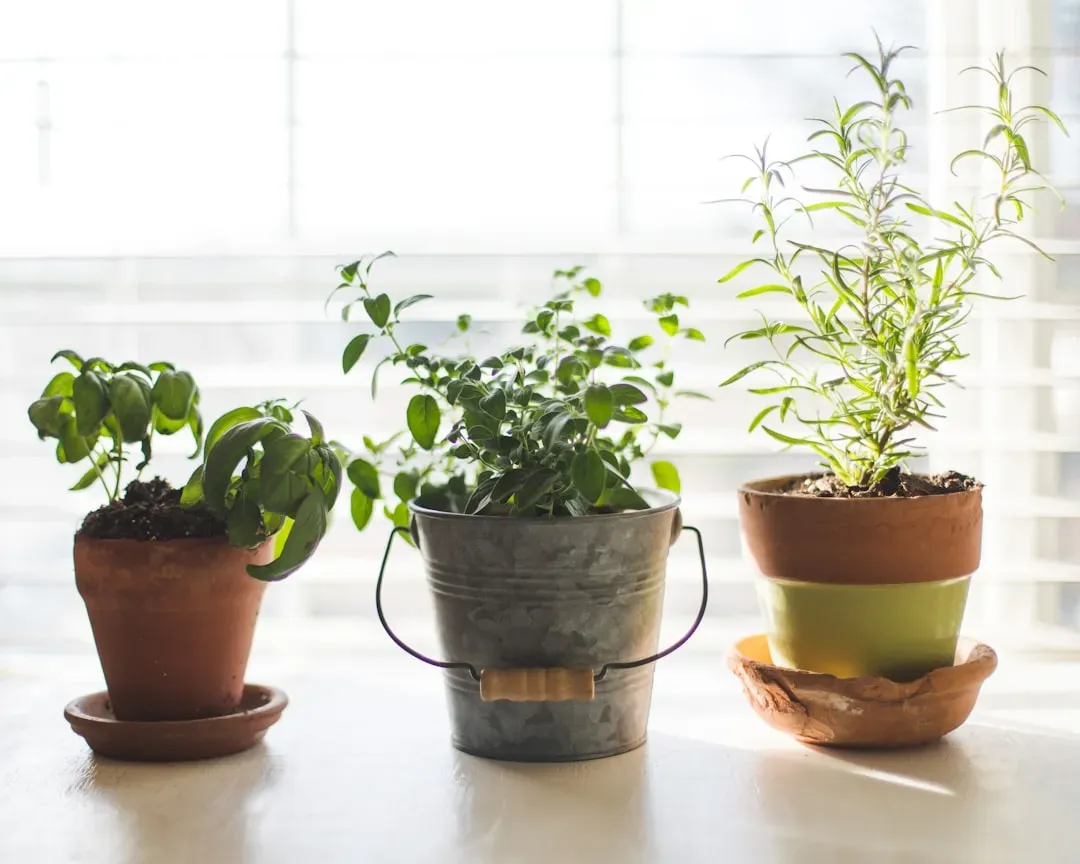
A single pot by the front door rarely does much on its own, but grouping three or four containers of varying heights creates an entrance that feels styled rather than accidental. Mixing textures, like a tall grass, a trailing vine, and a compact flowering plant, gives the eye something to move through instead of resting on one flat shape. Terracotta, aged metal, and glazed ceramic all read differently in daylight, so combining materials adds visual interest without needing more plants.
Horticulturists often point to the “thriller, filler, spiller” approach as a reliable formula for container groupings, and it works particularly well near doorways where people pause. A tall centerpiece plant draws the eye up, mid-height foliage fills in the middle, and something that spills over the pot’s edge softens the hard lines of the container itself. Rotating seasonal plants in and out keeps the display from feeling static year-round.
2. A simple arch or arbor with climbing plants
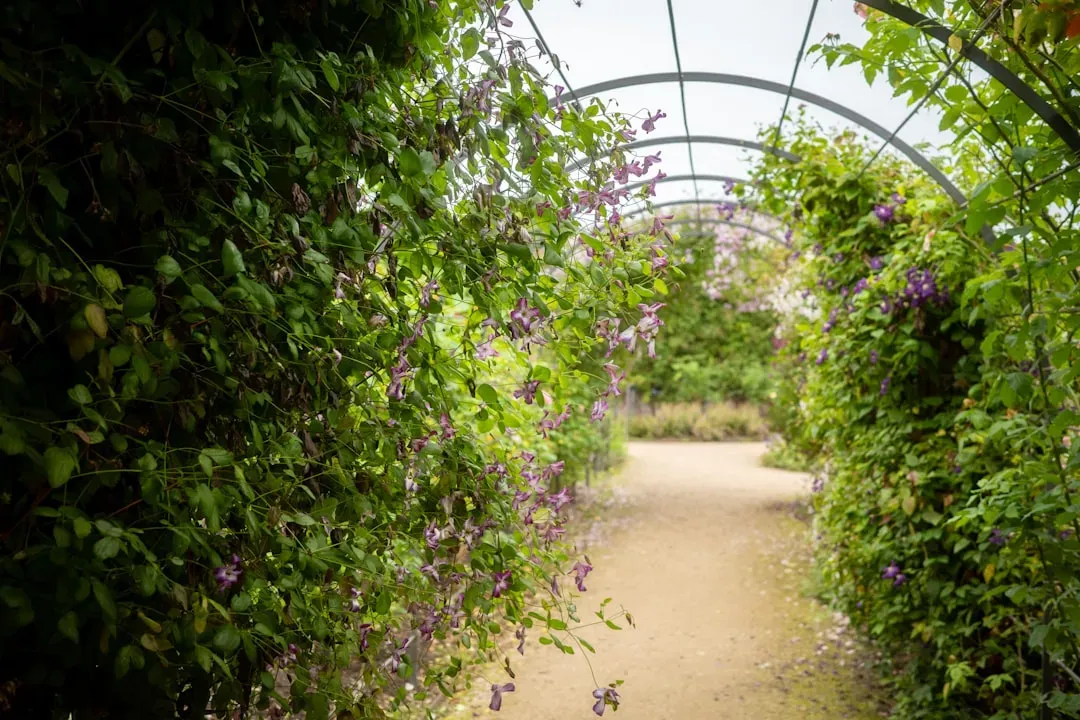
An arch doesn’t need to be elaborate to change how a garden feels. Even a basic metal or wooden frame placed over a path or gate creates a sense of transition, a small moment where visitors pass from one part of the garden into another. Once climbing roses, clematis, or jasmine start filling in the structure, that plain frame becomes a living focal point.
Fast growers like clematis can cover a modest arch within a couple of growing seasons, which makes this one of the quicker ways to add drama without waiting a decade for results. The vertical element also does something flat garden beds can’t, it draws the eye upward and makes a small space feel taller and more layered. Placed at the entry to a garden or along a well-used path, an arch turns a functional walkway into something closer to a moment worth pausing for.
3. Gravel paths lined with low, fragrant border plants
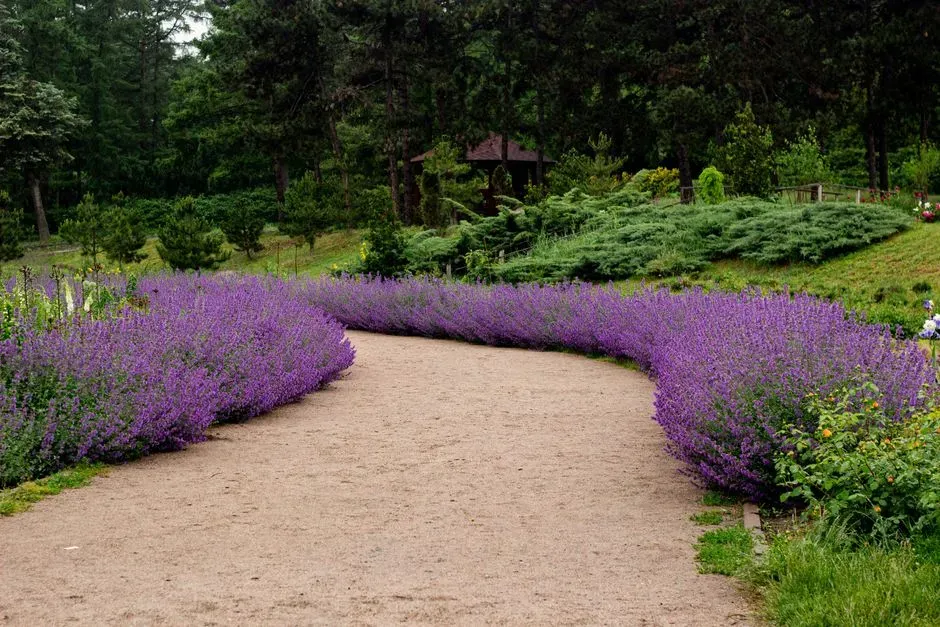
Gravel paths have become a favorite among garden designers partly because they’re inexpensive to install and partly because they age well, developing a slightly worn, settled look that concrete rarely achieves. Lining the edges with low growers such as lavender, catmint, or creeping thyme softens the hard texture of the stone and releases fragrance every time someone brushes past. That sensory detail, the scent underfoot, is often what people remember most about a garden visit.
Lavender in particular has surged in popularity for border planting because it tolerates poor soil, needs relatively little water once established, and blooms for months in warmer climates. Pairing gravel with drought-tolerant border plants also cuts down on maintenance, since neither the path nor the planting demands frequent attention. The contrast between the pale gravel and the silvery green foliage typical of these plants gives the path a cohesive, intentional look even in a small garden.
4. Repurposed vintage containers as statement planters
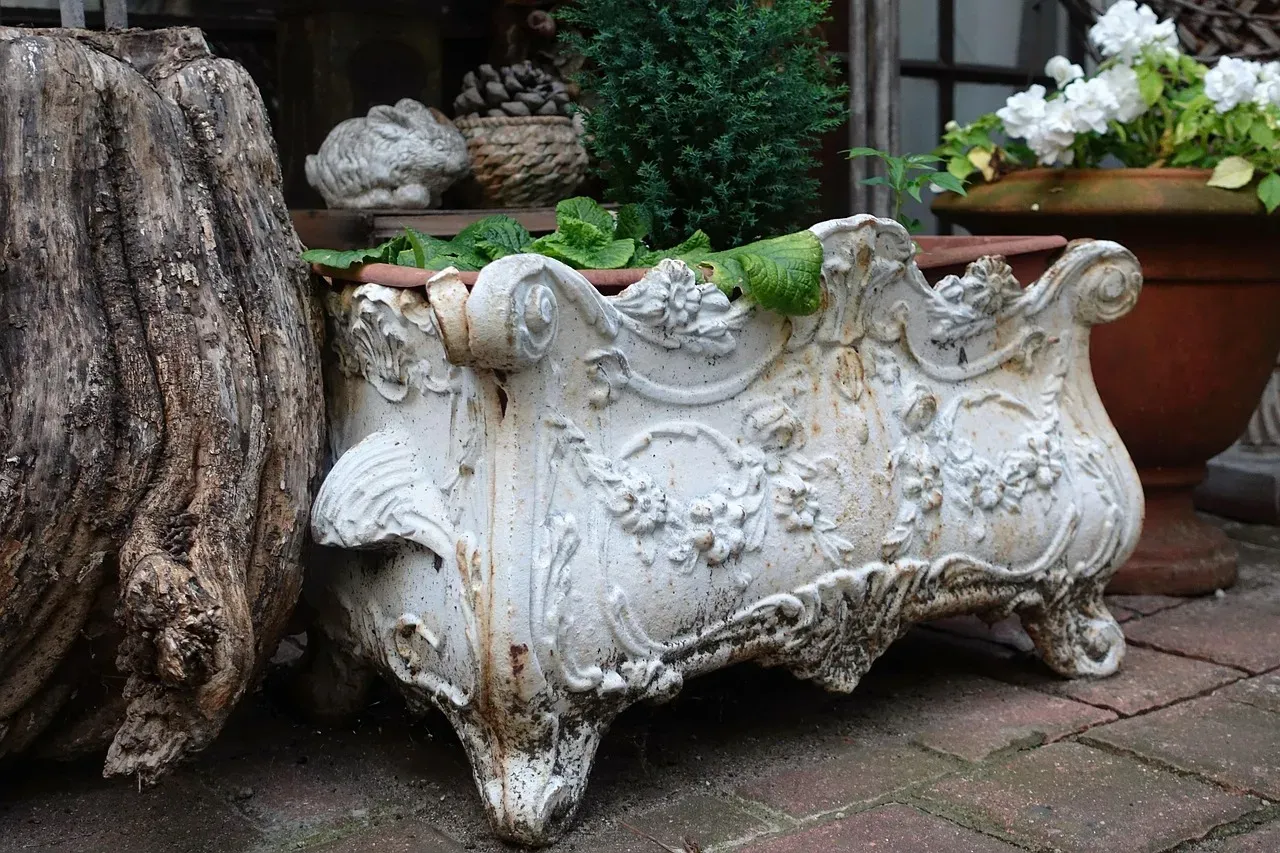
Old washtubs, weathered wooden crates, chipped enamel pitchers, and even reclaimed wheelbarrows have found new life as planters in gardens that lean toward a lived-in, collected aesthetic. These pieces carry a history that brand-new pots simply can’t replicate, and they tend to draw more comment from visitors than perfectly matched planters ever do. Drilling drainage holes and adding a layer of gravel at the base is usually enough to make most vintage containers garden-ready.
This approach has grown alongside broader interest in sustainable gardening, since repurposing existing materials keeps items out of landfills while giving a garden character that money alone can’t quite buy. Placing one or two of these containers near a seating area or at the corner of a path creates a natural focal point without competing with the surrounding plantings. The slightly imperfect, weathered quality of reclaimed materials also tends to make a garden feel less staged and more genuinely personal.
5. Warm outdoor lighting for evening ambience

A garden that looks lovely at noon can feel completely different, and often more inviting, once the sun goes down and warm lighting takes over. String lights woven through a pergola, small solar lanterns lining a path, or a few well-placed uplights aimed at a tree can transform a space without any major installation work. Solar-powered options in particular have improved significantly in recent years, with better battery storage meaning lights that once dimmed by nine now often last through an entire evening.
Lighting design experts frequently recommend layering different light sources rather than relying on one bright fixture, since a mix of soft ambient light and a few focused accents creates more depth after dark. Placing lights low along a path rather than high on a wall also tends to look more natural, mimicking the way moonlight falls rather than mimicking daylight. Even a modest budget spent on lighting often delivers more noticeable charm per dollar than an equivalent amount spent on new plants.
6. A small water feature or birdbath
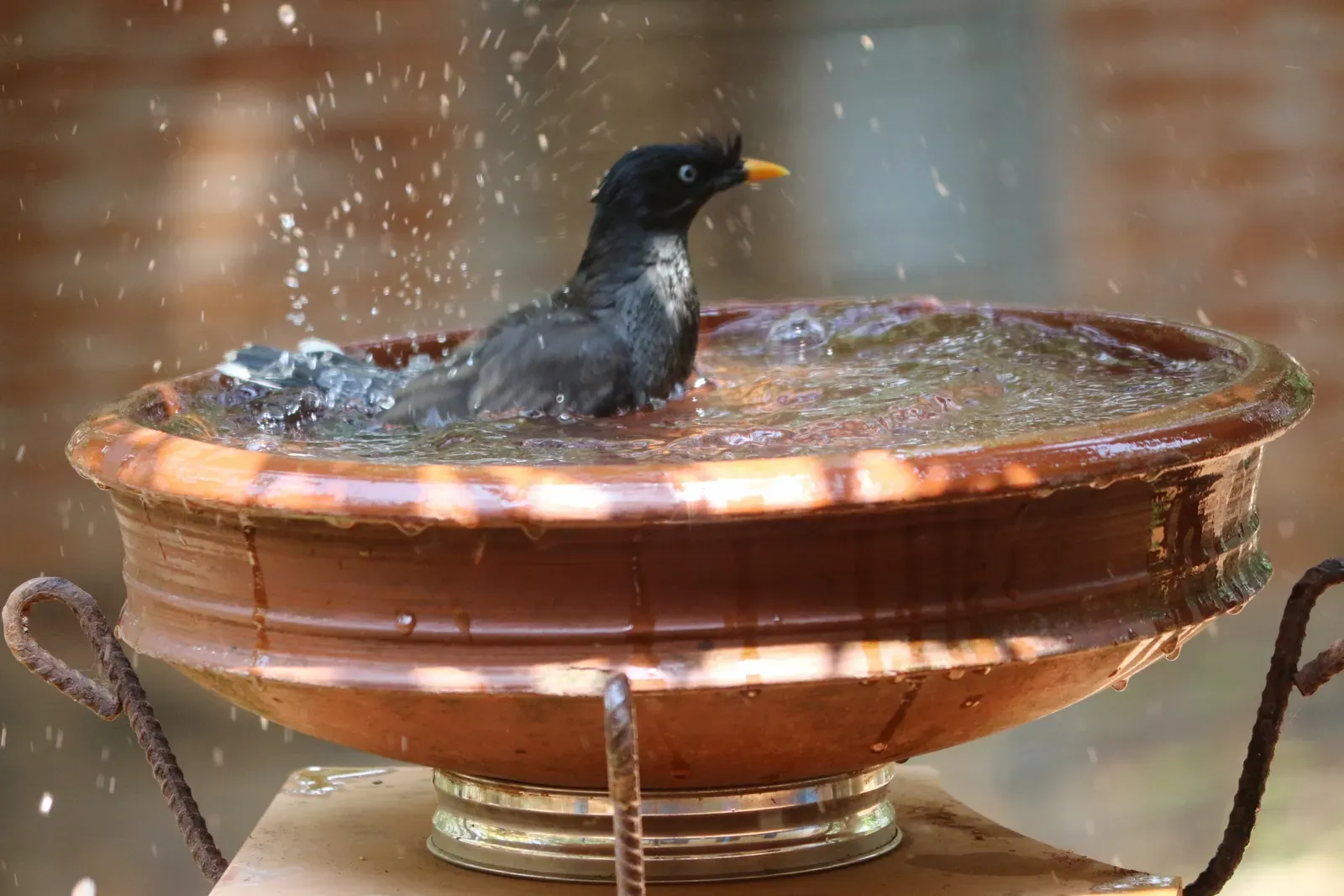
The sound of moving water has a calming effect that most gardeners notice almost immediately, and it doesn’t take a large pond to achieve it. A compact tabletop fountain, a simple bubbling urn, or even a classic pedestal birdbath can introduce that gentle background sound while also drawing birds and pollinators into the space. Wildlife gardening has gained considerable attention in recent years, and a reliable water source is one of the simplest ways to support local birds, especially during warmer months when natural water sources can run low.
Positioning a water feature where it’s visible from a window or seating area extends its charm indoors as well, since the movement and reflection catch the eye even from a distance. Maintenance is usually minimal, amounting to little more than a periodic cleaning and topping off the water level in dry weather. For gardeners hesitant about ongoing upkeep, self-contained recirculating fountains offer most of the sensory benefit with very little of the maintenance burden associated with a full pond.
Taken together, these six ideas share a common thread: none of them require tearing out an existing garden or spending months on construction. They work because they add texture, movement, scent, or light to spaces that might otherwise feel flat, and they tend to reward the small amount of effort they ask for. A garden rarely needs everything at once, so picking even one or two of these to try this season is often enough to notice the difference.