
A&W Drive-Ins: The Root Beer Revolution
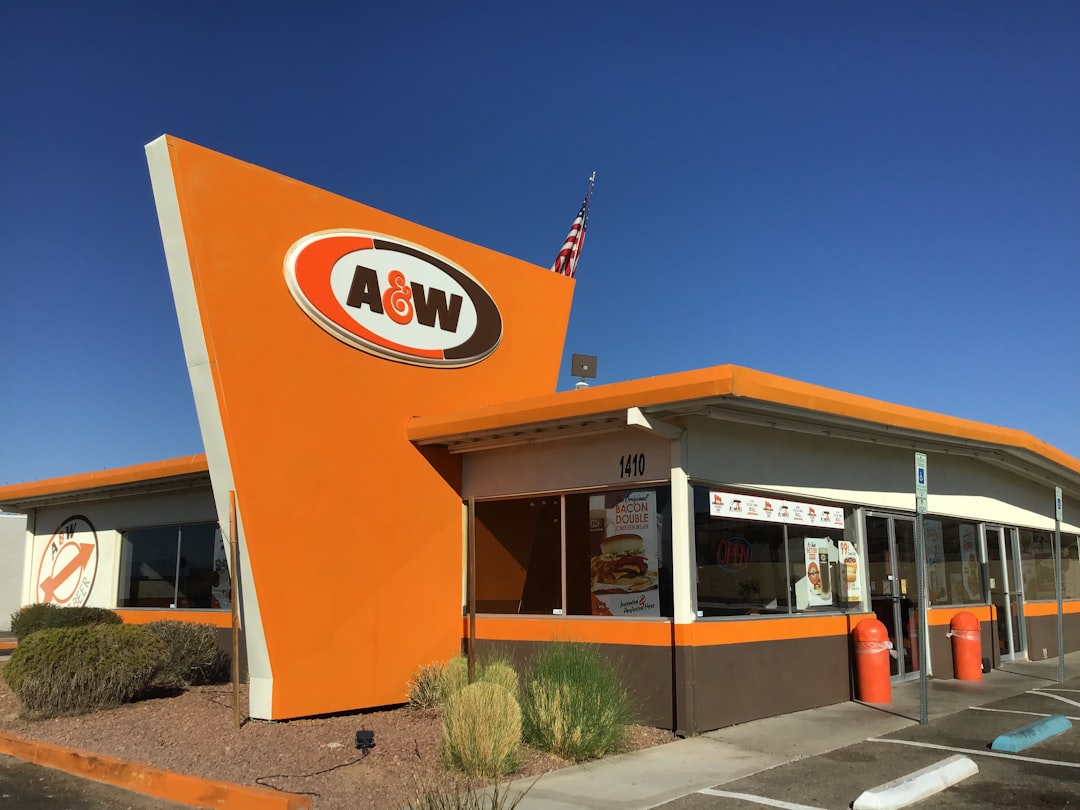
The brand you may only know for its root beer was absolutely popping off during the ’70s, becoming a major competitor to McDonald’s in 1974. Picture this: the summer sun beating down on your family’s station wagon, and suddenly those familiar orange and white signs appear like an oasis on the highway. During this time, there was a drive-in, making the burger-and-float experience all the better. A&W wasn’t just about grabbing fast food – it was about experiencing Americana in its purest form.
Middle-class families discovered something magical at A&W that couldn’t be found anywhere else. While other chains focused on indoor seating, A&W kept the car hop tradition alive, letting families enjoy their meals without even leaving their vehicles. You’d pull up, roll down the windows, and wait for a server to approach with a tray that hooked right onto your car window.
Red Barn: The Burger Chain That Almost Made It
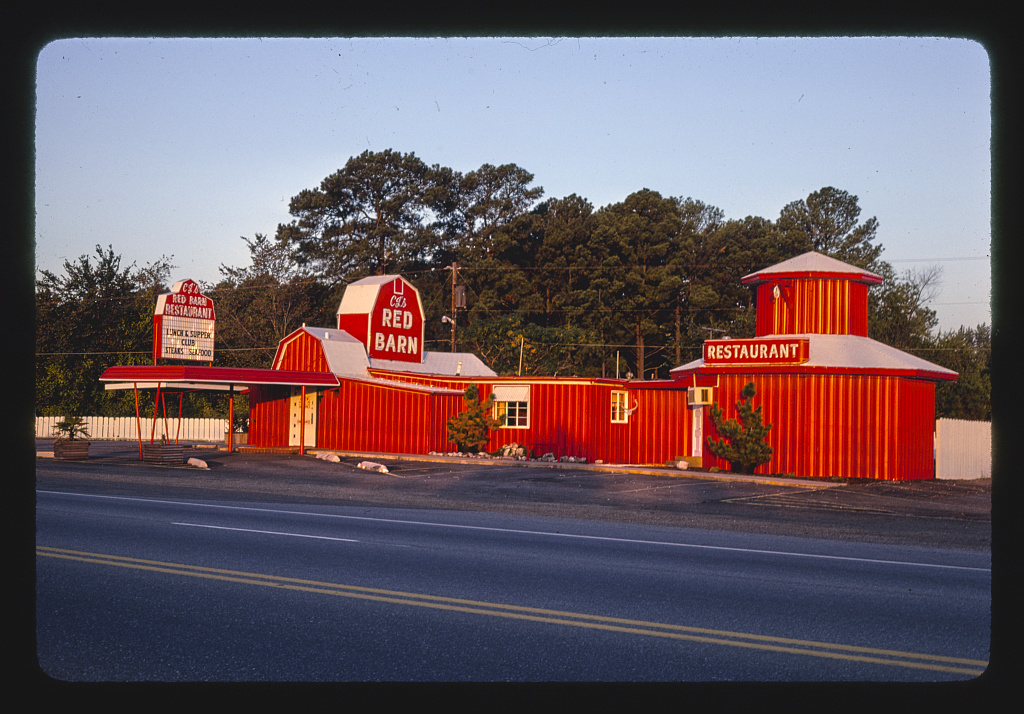
Red Barn was a burger chain that only lasted about 20 years, but during its height of popularity in the ’70s, it was operating about 400 restaurants in almost 20 states. This was no small operation – Red Barn was competing head-to-head with the giants. What made Red Barn special wasn’t just the food, but the distinctive red barn-shaped buildings that made every location look like a piece of rural America transplanted to the suburbs.
Families loved Red Barn because it felt wholesome and familiar in an era when everything seemed to be changing too fast. Once it merged with the company that also ran Motel 6, they let the leases dissolve and Red Barn was nothing more than a whisper on the wind. It’s a shame really – many families have fond memories of birthday parties and weekend dinners at these distinctive red buildings.
Howard Johnson’s: America’s Original Family Restaurant Empire
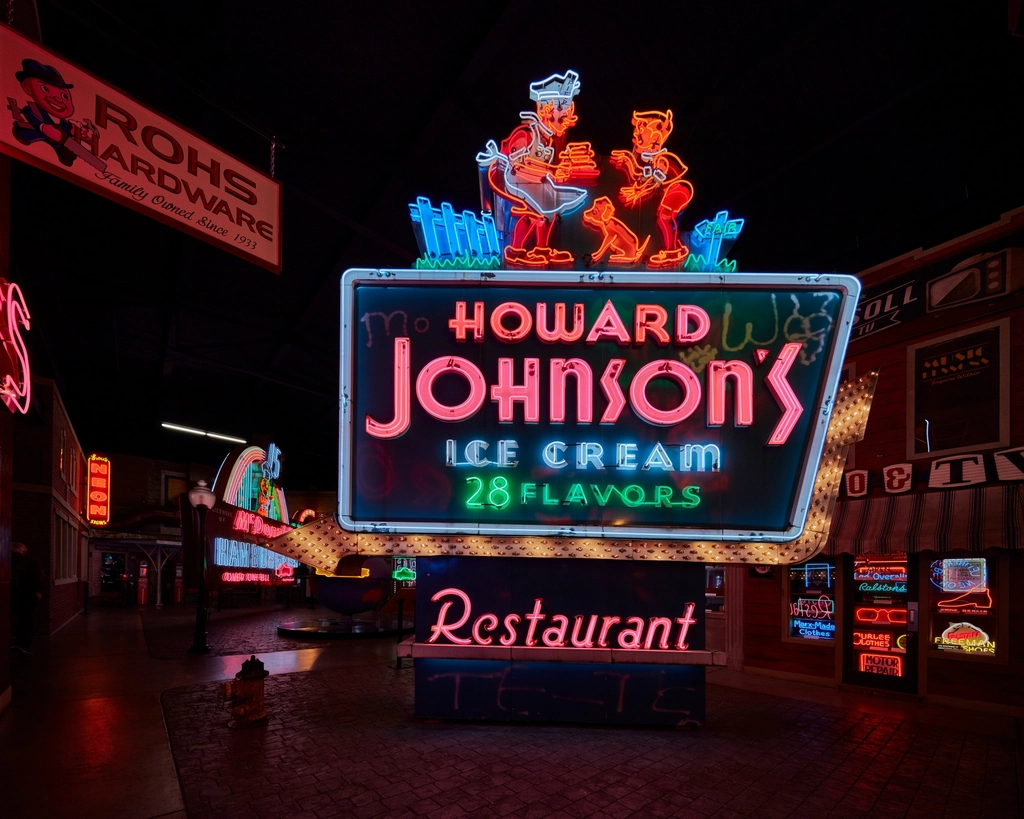
Throughout the 1960s and 1970s, it had become the largest restaurant chain in the U.S., with its combined company-owned and franchised outlets. Howard Johnson’s wasn’t just a restaurant – it was a promise. When you saw those orange roofs and distinctive architecture, you knew exactly what to expect. The combination of great locations, visible buildings, a family-oriented atmosphere, and great, consistent food made Howard Johnson’s the star of the American middle-class restaurant industry.
By the mid-1970s, Howard Johnson’s operated hundreds of restaurants and motor lodges across the country. This was the golden age, when families could drive from coast to coast and find the same comfort food and familiar atmosphere at every HoJo’s. The menu featured everything from fried clams to twenty-eight flavors of ice cream, making it a place where every family member could find something they loved.
Pizza Hut’s Red-Roofed Revolution
By the early 1970s, Pizza Hut was everywhere, thanks to its family-friendly dining atmosphere and consistent quality. But Pizza Hut in the seventies was nothing like the delivery-focused chain we know today. The architecture became instantly recognizable – red-shingled roofs, faux-stained glass windows, and Tiffany-style lamps. These restaurants became popular spots for everything from family dinners to birthday parties.
A family dinner was easy, even fun, at the Hut in the 1970s. Kids would slide into those checkered-cloth booths, families would order thick-crust pizzas served on actual plates, and parents might even enjoy a cold beer while the children played arcade games. And for feeding the family on a birthday dinner night? Forget about it. Nothing could compete with the excitement of a Pizza Hut birthday party in the seventies.
Lum’s: The Beer-Steamed Hot Dog Sensation
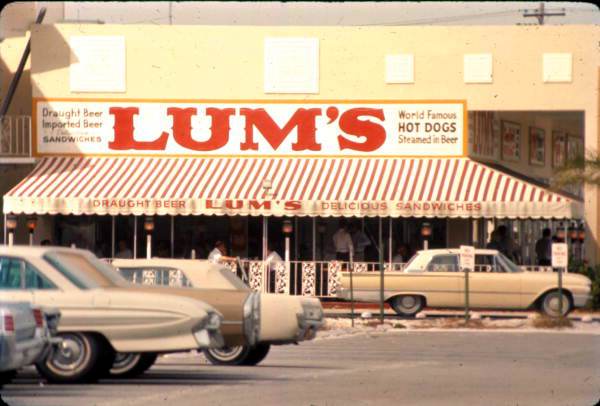
At its height in the 1970s, Lum’s had around 400 restaurants in the U.S. and abroad, and employed comedian Milton Berle for its TV commercials. Lum’s had discovered something that no other chain had figured out: how to make a hot dog truly special. Lum’s got famous for steaming hot dogs in beer and was well-loved with about 400 locations before it finally died in the early ’80s.
The concept was brilliant in its simplicity – take an ordinary hot dog and steam it in beer, creating a flavor that was unlike anything families could get at home. Along with their signature hot dogs, Lum’s served fried seafood, hamburgers, and cold beer, creating a casual atmosphere that felt both fun and affordable. And, indeed, hot dogs soaked in beer were the signature dish of Lum’s, along with beer, fried seafood and hamburgers.
White Castle: The Original Slider Kingdom
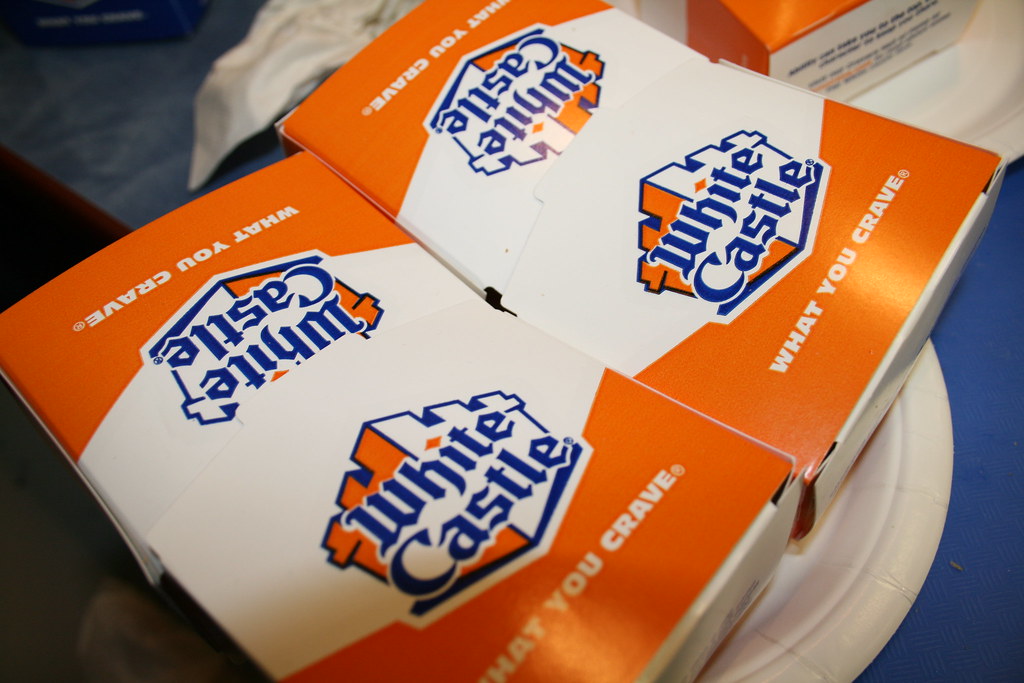
Believe it or not, even in the ’70s, White Castle was 50 years old. The beloved east coast slider chain was an easy one to keep on standby if you wanted to feed the entire family for cheap. White Castle had perfected the art of the small, square burger long before anyone else, and families discovered that these little sliders were perfect for feeding a crowd without breaking the budget.
Big family? More sliders. It was that simple. The beauty of White Castle wasn’t just in the affordability – it was in the experience of watching those tiny burgers being grilled on the distinctive grill, the smell of onions filling the air, and the satisfaction of eating something that felt both special and familiar. Middle-class families could afford to treat everyone without the guilt of overspending.
Golden Skillet: The KFC Alternative
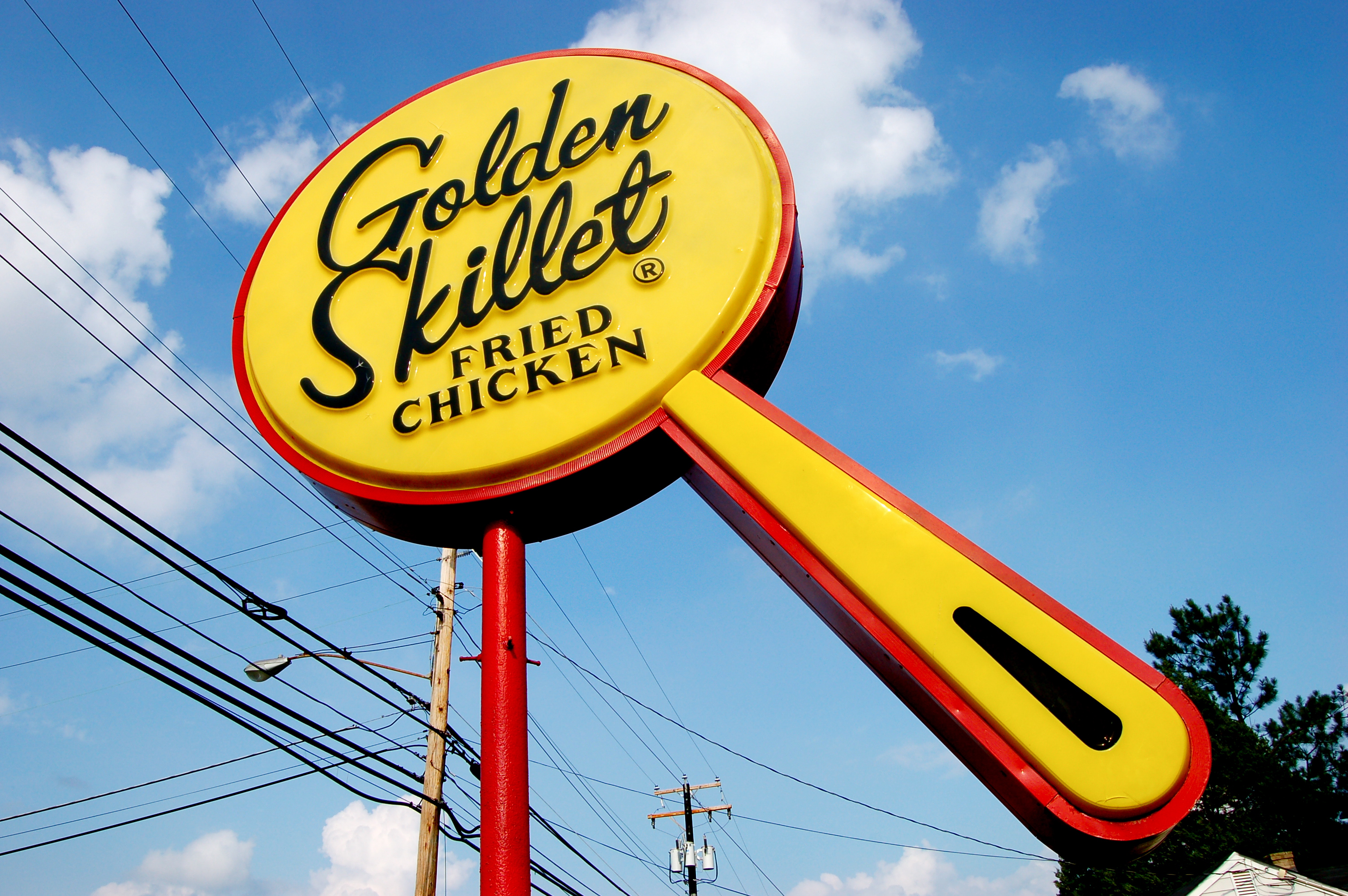
In the ’70s, you were feeding your family fried chicken from Golden Skillet if you wanted to lay off the KFC for a bit. When Kentucky Fried Chicken was becoming too corporate and predictable, Golden Skillet offered families something different. The pressure-cooked chicken (so, not a skillet then) was a big hit, with over 200 locations at the restaurant’s peak.
What made Golden Skillet special was its commitment to that crispy, juicy chicken that satisfied everyone from picky kids to hungry teenagers. Families would pile into the car on Sunday afternoons, knowing they could get a bucket of chicken that would feed everyone without requiring anyone to cook or clean up afterward. The pressure-cooking method created chicken that was both fast and delicious – exactly what busy middle-class families needed.
Arthur Treacher’s: Fish and Chips for Middle America
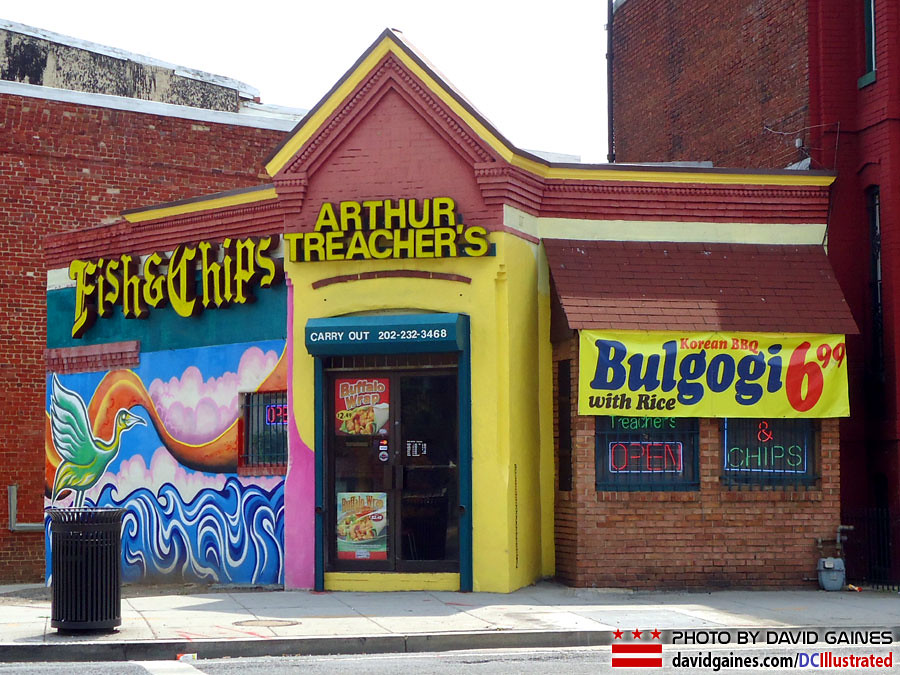
The whitefish and chips started coming out of the fryers at the first Arthur Treacher’s in 1969, and about 10 years later, it had grown into a gigantic nationwide chain of 826 restaurants. Named after the famous English actor who played the butler in Shirley Temple movies, Arthur Treacher’s brought British-style fish and chips to American families who might never have experienced this cuisine otherwise.
Arty Treach was extremely popular in the ’70s, running over 800 locations. While it still exists, only a few locations in Ohio still stand. This simple fried fish and chicken shack grew rapidly during the decade, but for some reason, Long John Silver’s seems to have survived it. The connection to Dave Thomas is fascinating – this was before his Wendy’s days, when he was still figuring out what American families wanted in their dining experiences.
Ponderosa Steakhouse: TV Western Meets Family Dining
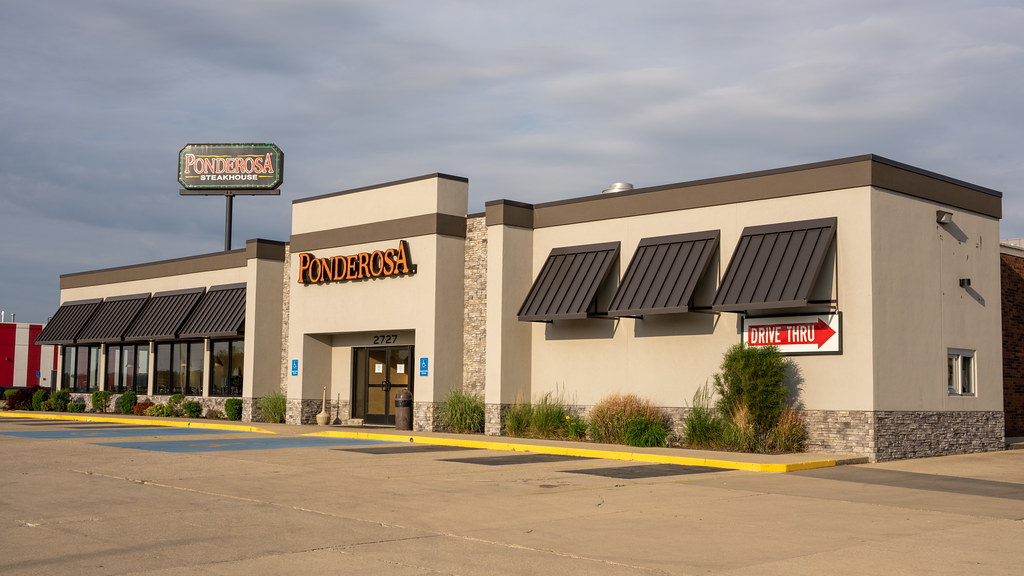
If you liked the show “Bonanza,” you probably liked the pair of themed steakhouses the show had, which were co-founded by actor Dan Blocker. Ponderosa (where “Bonanza” took place), another steakhouse under the same umbrella, was just as easy on the wallet for a family going out to eat. The connection to America’s most popular Western TV show wasn’t just marketing – it represented something deeper about what families wanted: a sense of adventure and tradition rolled into one dining experience.
Ponderosa’s best year of the decade came in 1978, when the company chalked up $13.8 million in profits on an estimated $272 million in sales. Much of the savings was passed on to the customer; Ponderosa’s basic dinner cost just $1.39. Imagine that – a complete steak dinner with potato, salad, and roll for less than a dollar fifty. This was the kind of value that made it possible for middle-class families to enjoy steak dinners without special occasion budgeting.
Big Boy: The Double-Decker Family Favorite
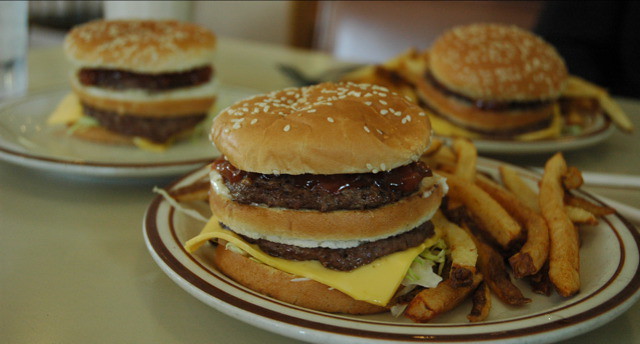
Bob Wian opened the first Big Boy in Glendale, California, in 1936, but the chain hit mainstream stride during the 1970s and ’80s thanks to its cheery mascot and beloved Big Boy burger. By the seventies, Big Boy had become synonymous with family dining that was both fun and filling. Carhop service, mid-century coffee-shop architecture, and weekend breakfast buffets anchored its family-friendly appeal.
Operating together, the company had hundreds of locations throughout the United States in the ’70s. What made Big Boy special wasn’t just the signature double-decker burger – it was the complete dining experience. Families could enjoy carhop service that made kids feel special, breakfast buffets that satisfied everyone’s different morning preferences, and an atmosphere that felt both nostalgic and modern at the same time.
Dogs n Suds: The Drive-In Hot Dog Haven
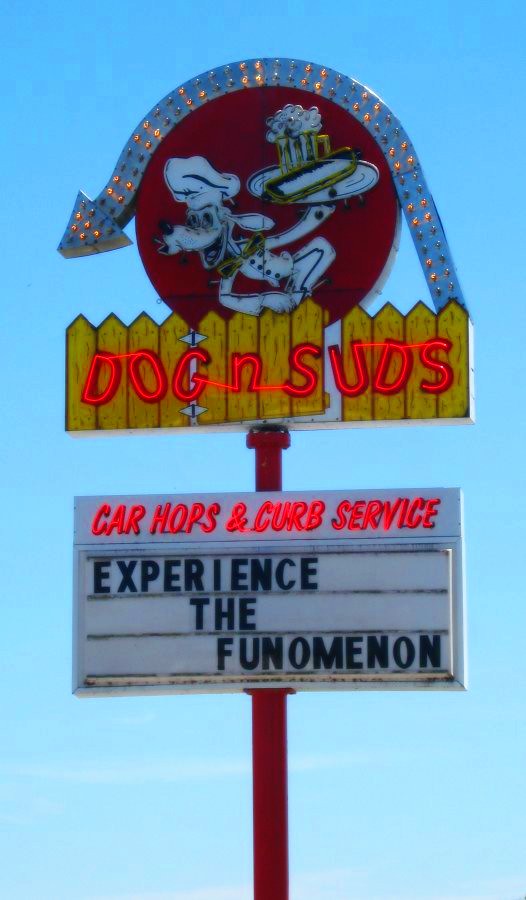
There are only about 10 Dogs n Suds left in the world, but in the ’70s, the drive-in chain known for its hot dogs had more like 650 locations. Dogs n Suds represented pure American drive-in culture at its peak – families could pull up, keep the kids contained in the car, and enjoy classic American food without any fuss or formality.
The chain’s success in the seventies came from understanding exactly what middle-class families needed: convenience, affordability, and that special feeling of being part of American car culture. Kids loved the novelty of eating in the car, parents appreciated not having to worry about restaurant behavior, and everyone enjoyed the simple pleasure of a good hot dog and root beer float while watching the world go by.
Carrow’s: The All-Day Family Diner
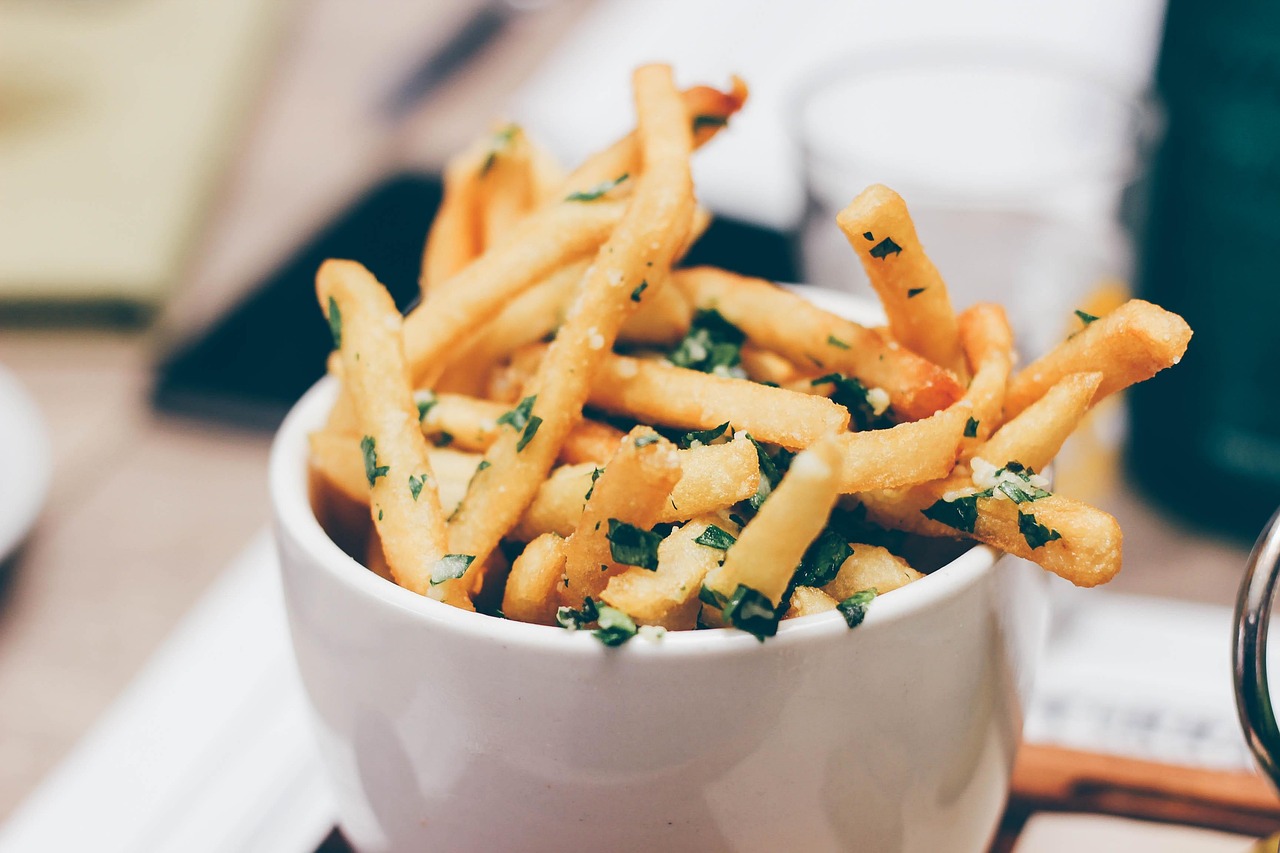
There was something for the whole dang family to enjoy at this magical-in-my-mind-but-probably-just-average diner, and you could handle the bill without breaking too much of a sweat in the ’70s. Carrow’s understood that families needed a place where they could eat at any time of day, where the menu had something for everyone from grandparents to toddlers, and where the atmosphere was comfortable enough for both business lunches and Sunday family dinners.
What made Carrow’s special was its commitment to being genuinely family-friendly rather than just kid-tolerant. The portions were generous, the prices were reasonable, and the staff understood that families sometimes needed a little patience and extra napkins. In an era when many restaurants were becoming more formal or more fast-food oriented, Carrow’s maintained that sweet spot of casual family dining.
The End of an Era
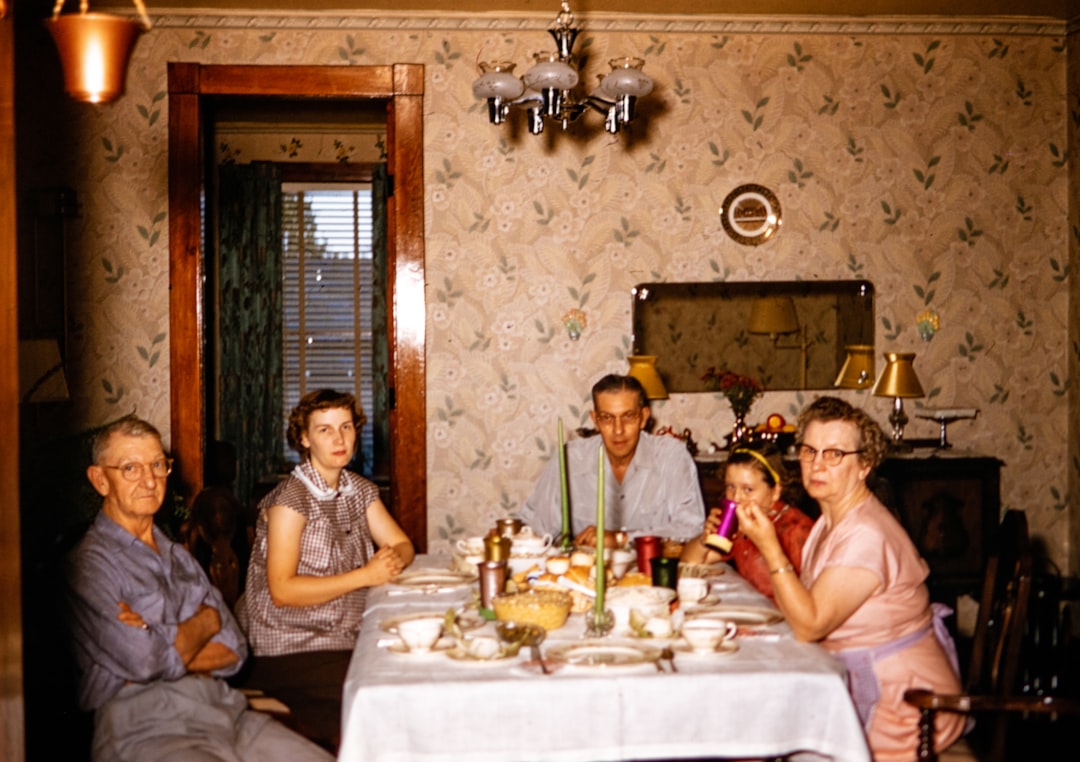
The 1970s represented a unique moment in American dining history when middle-class families had both the income and the optimism to make restaurant dining a regular part of their lives. Because of the oil embargo of 1973, the Howard Johnson’s restaurants and motor lodges, which received 85% of revenue from travelers, lost profits when Americans could not afford long trips or frequent vacations. Rather than promoting the restaurants to travelers, management knew it had to focus on nearby population centers. This shift marked the beginning of the end for many of these beloved family dining destinations.
Looking back, these restaurants represented more than just places to eat – they were gathering spots where families created memories, celebrated milestones, and experienced a sense of abundance that defined the American middle class in the seventies. The fact that most of these chains have either disappeared or dramatically changed reflects not just shifting consumer preferences, but also the evolution of American family life itself. Did you ever imagine that something as simple as a family dinner out could tell such a rich story about who we were?
What Replaced These Family Favorites?
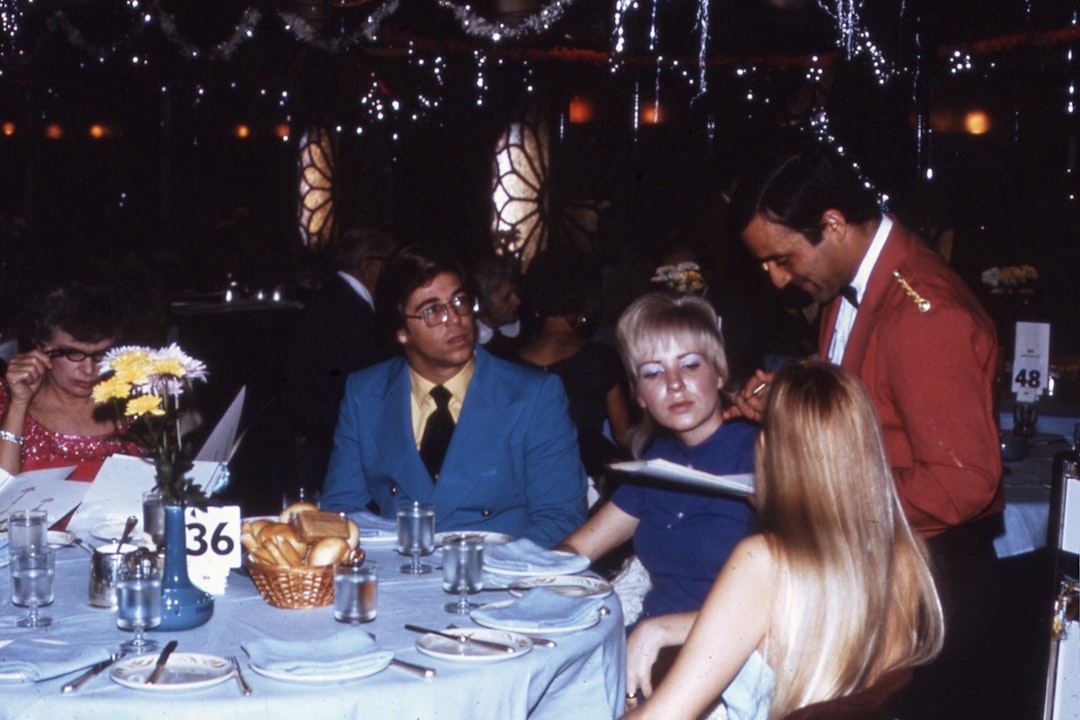
When these beloved chains started closing their doors in the late seventies and early eighties, something fundamental changed about how American families ate out. The new restaurants that took their place weren’t about creating memories or celebrating special occasions – they were about speed and convenience. McDonald’s and Burger King exploded in popularity, not because they offered a better experience, but because they fit into increasingly busy family schedules. Parents who once lingered over coffee at Howard Johnson’s now grabbed Happy Meals between soccer practice and piano lessons. The sit-down family dinner at a restaurant became a rarity rather than a weekly tradition. What’s really striking is how this shift mirrored larger changes in American life – more families needed two incomes, commutes got longer, and the unhurried pace of seventies family dining simply couldn’t survive in the fast-paced eighties. By the time the nineties rolled around, taking your kids to a restaurant where you actually sat down and talked to each other felt almost quaint, like something your grandparents did.
The Hidden Cost of Eating Faster

Nobody talks about what we actually lost when drive-thrus replaced dining rooms, but the impact goes way beyond just missing out on those thick milkshakes and bottomless fries. Child psychologists now point to regular family meals as one of the strongest predictors of kids’ academic success and emotional well-being – and we’re not talking about eating McNuggets in the car on the way to basketball practice. Those leisurely dinners at Ponderosa or Howard Johnson’s, where families had no choice but to sit face-to-face for an hour, created communication patterns that many families today desperately lack. Studies from the early 2000s found that teenagers who ate regular sit-down meals with their parents were significantly less likely to struggle with depression, substance abuse, or eating disorders. The irony is brutal: we traded family connection for convenience, thinking we were making life easier, when really we were just making it lonelier. That shift from booths to bucket seats changed more than just where we ate – it fundamentally altered how American families related to each other, and we’re still dealing with the fallout decades later.