
The Real Cost Gap Between Prevention and Repair
The financial case for staying ahead of home upkeep isn’t abstract. Research shows that homeowners who neglect regular maintenance face repair costs that are three to five times higher than the expenses of preventive care. In facilities and property management circles, the multiplier is often cited even higher, with some analyses putting deferred repairs at four to eight dollars in future repair cost for every dollar of maintenance deferred today.
These aren’t rounding errors. A single missed inspection or postponed tune-up can snowball into a project that costs a family’s entire emergency fund. One study found that deferred maintenance costs typically compound at 7% per year, meaning what costs a dollar today could cost four to five dollars to fix two years later. That kind of compounding is easy to underestimate because the damage often happens quietly, behind walls or under floors, until it doesn’t.
What the Average Homeowner Actually Spends Each Year

It helps to know what “normal” maintenance spending even looks like before judging whether a repair bill is reasonable. According to a 2025 Bankrate analysis, home maintenance alone averages more than $8,800 a year, accounting for the largest chunk of hidden homeownership costs. Other surveys land in a similar range, with Angi reporting that the average household spent $2,041 on maintenance and $1,143 on emergency repairs in 2025.
The spread between these figures reflects differences in home age, size, and region rather than sloppy research. What ties them together is a simple pattern: routine spending is predictable and budgetable, while emergency spending is neither. Seventy-five percent of homeowners have experienced an emergency repair, and 40% of those incidents cost more than $3,000, despite seven in ten homeowners lacking sufficient savings to cover unexpected repairs. That gap between what breaks and what’s saved is where deferred maintenance turns into real financial stress.
How a Twenty Dollar Problem Becomes a Twenty Thousand Dollar One

Roofs offer one of the clearest illustrations of how neglect compounds. A recent industry study gave a stark example, noting that a $200 roof patch for a small leak can deteriorate into a $20,000 roof replacement in just one season if left unaddressed. That’s not a worst case scenario dreamed up to scare homeowners into calling a contractor. It’s a documented pattern.
Plumbing tells a similar story on a smaller scale. A $150 leaky pipe repair can cause $7,000 in water damage if ignored, and the same research found that emergency home repairs average more than $1,200, while preventative maintenance typically costs around $100. The pattern repeats across nearly every system in a house, from HVAC units to siding to foundations. Small, cheap interventions early almost always beat expensive, disruptive ones later.
Why So Many Homeowners Delay Anyway
If the math is this lopsided, why does deferred maintenance remain so common? Part of the answer is sheer volume. A 2025 report found that 92% of homeowners have outstanding repairs on their to-do list, which suggests the issue isn’t ignorance so much as bandwidth.
Cost is the other major driver. The study shows that cost drives 60% of homeowners to defer maintenance, even when they understand the long-term consequences. There’s also a psychological component: a working system that hasn’t failed yet doesn’t feel urgent, even when a technician would flag it as high risk. That mismatch between how urgent something feels and how urgent it actually is sits at the center of most deferred maintenance decisions.
Older Homes Carry a Different Kind of Risk

Home age changes the calculus considerably. Research from the National Association of Home Builders, cited in maintenance industry reports, found that homes built before the 1960s have the highest average annual maintenance costs at 8% of home value, while homes built in the 2010s cost a fraction of that at 2% of home value. The gap reflects both outdated materials and the simple accumulation of decades of wear.
Buyers moving into older properties without a clear maintenance history face an added layer of uncertainty. One recent industry report described this as a widening gap, noting that homebuyers purchasing older homes face up to four times more in unexpected first-year costs compared to those buying newer construction. A documented maintenance history, by contrast, gives both buyers and owners a much clearer picture of what’s coming.
Maintenance Neglect Quietly Erodes Home Value
A house that’s been kept up doesn’t just avoid emergencies, it holds its value better over time. Buyers and appraisers notice signs of consistent care, from fresh caulking around windows to a roof without visible patch jobs. Deferred maintenance leaves a trail too, and it tends to show up in inspection reports right before a sale, at the worst possible moment for negotiating leverage.
Energy efficiency plays into this as well. Studies show that homes with energy-efficient, well-maintained features can command a price premium of 2 to 8%, a meaningful swing on a property worth several hundred thousand dollars. Letting systems degrade doesn’t just cost money in repairs, it can also quietly shave value off the asset the maintenance was supposed to protect.
Insurance Doesn’t Forgive Neglect Either

Homeowners sometimes assume insurance exists as a backstop for whatever maintenance fails to catch. In practice, insurers scrutinize maintenance history closely, particularly for water and freeze damage claims. Roughly one in 60 insured homes files a claim annually for water or freezing damage, with average claim payouts of $11,605, and many of those losses trace back to conditions that regular upkeep would have caught early.
Insurers have also grown more aggressive about excluding or limiting coverage for damage tied to known deferred issues, particularly in commercial and multifamily settings, a trend increasingly mirrored in residential underwriting. A pipe that fails because a shutoff valve was never serviced, or a roof that leaks because gutters were never cleared, doesn’t always get treated the same as a sudden, unforeseeable event. That distinction matters enormously when a claim is on the line.
The Safety Dimension Nobody Wants to Talk About
Deferred maintenance isn’t only a financial issue, it’s occasionally a safety one. A recent homeowner survey found that 45% admit they’re living in homes they consider less safe because of unaddressed repairs. That’s a striking number, given how often maintenance gets framed purely as a budgeting exercise.
The same research found that nearly a quarter, 23%, of homeowners are postponing serious issues that impact safety and property value, not just cosmetic annoyances. Electrical systems, structural framing, and HVAC components all fall into categories where delay carries risk beyond dollars. Staying current on these particular systems isn’t about perfectionism, it’s closer to basic household risk management.
Building a Maintenance Rhythm That Actually Holds Up
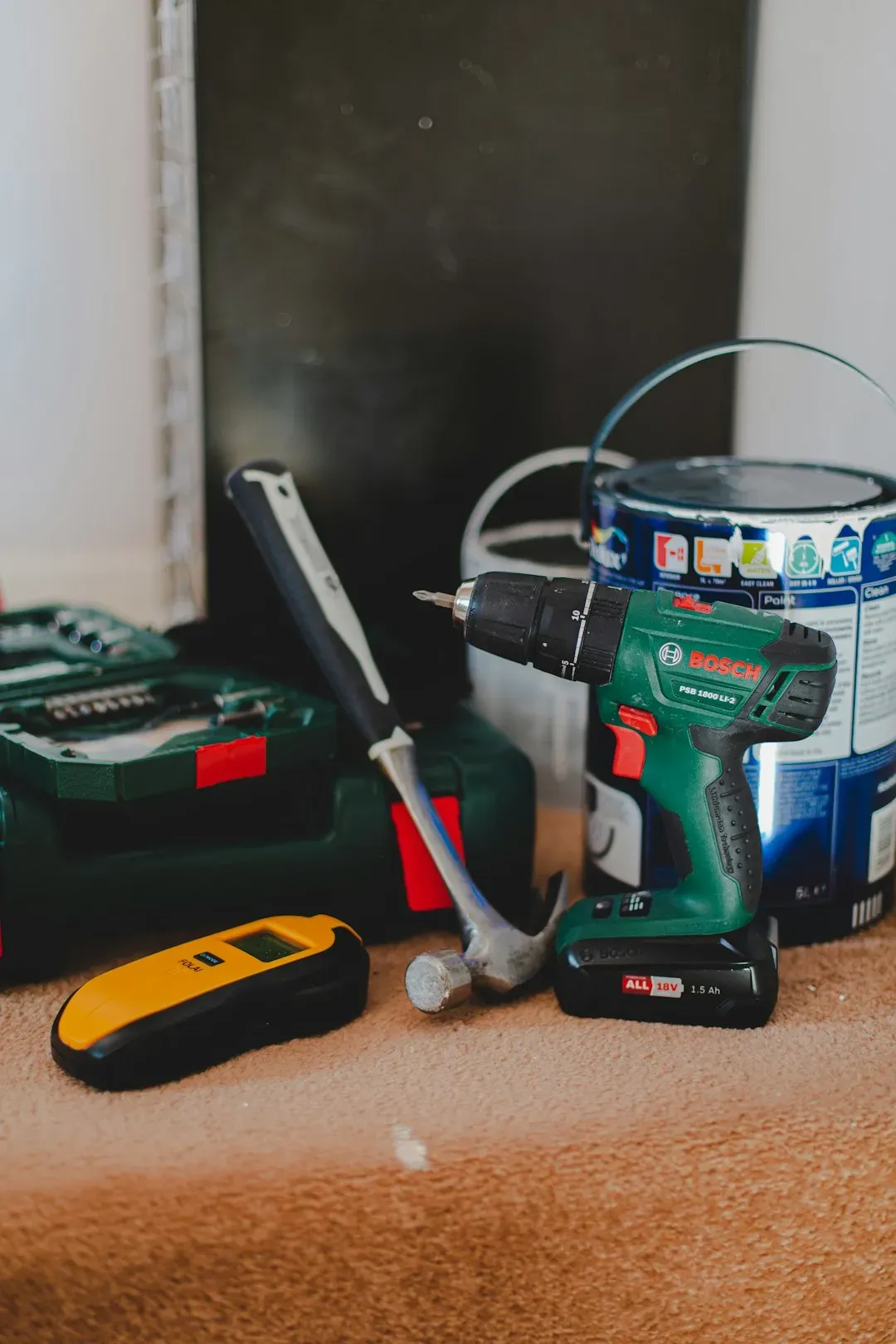
The homeowners who avoid the worst of these costs generally aren’t doing anything exotic. They tend to follow a simple, repeatable rhythm: seasonal inspections, prompt attention to small issues, and a dedicated savings buffer separate from everyday expenses. Financial guidance on this front is fairly consistent, with experts generally recommending budgeting 1% to 4% of a home’s value each year for maintenance and repairs, plus a separate reserve for emergencies.
What tends to trip people up isn’t the budgeting math, it’s follow through. Setting aside money is one habit; actually scheduling the HVAC tune-up or checking the roof before winter is another. The households that keep both habits going tend to avoid the compounding spiral that turns a hundred dollar fix into a five figure emergency, and that alone is often the difference between a home that ages gracefully and one that ages expensively.
There’s no dramatic secret to keeping a home in good shape. It comes down to noticing small problems while they’re still small, and treating maintenance as a routine cost of ownership rather than an optional one. The homes that hold their value, their safety, and their owners’ peace of mind tend to be the ones where nothing was ever allowed to wait too long.