
The Wear Patterns Tell Their Own History

A worn groove on a wooden staircase, a faded patch of carpet near a favorite reading chair, a smoothed-down doorknob that’s been turned thousands of times. These are not flaws. They’re records, physical evidence of repeated human presence that no design magazine can manufacture. Architects and preservationists have long noted that material wear is one of the most honest indicators of how a space was actually used, as opposed to how it was intended to be used.
This is part of why restoration projects often try to preserve original flooring or hardware rather than replace it outright. A 2023 report from the National Trust for Historic Preservation noted that retaining original building materials, even when imperfect, tends to increase a property’s perceived authenticity and emotional value to owners. The wear isn’t damage in this context. It’s documentation.
Lived-In Spaces Reflect Real Family Rhythms
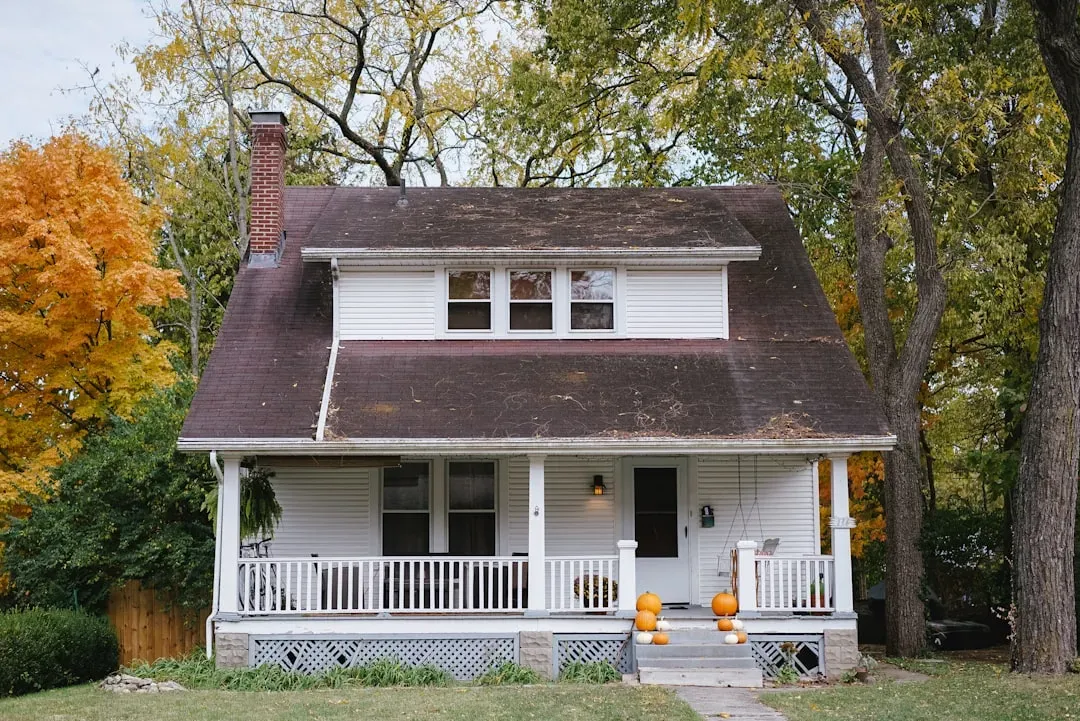
Every household develops its own unspoken choreography over time. Where the shoes get kicked off, which chair belongs to whom, how the light changes in the afternoon and which room people gravitate toward because of it. These patterns aren’t designed in advance. They emerge, and a home that has been lived in for years shows the results.
You can often tell how a family actually functions just by looking at the small adaptations they’ve made, a bench added near a back door, a shelf lowered for a child, a wall corner rounded off after one too many bumps. These aren’t aesthetic choices in the traditional sense. They’re solutions to lived problems, and they accumulate into something that feels distinctly personal rather than generic.
Older Homes Often Carry Better Craftsmanship Stories
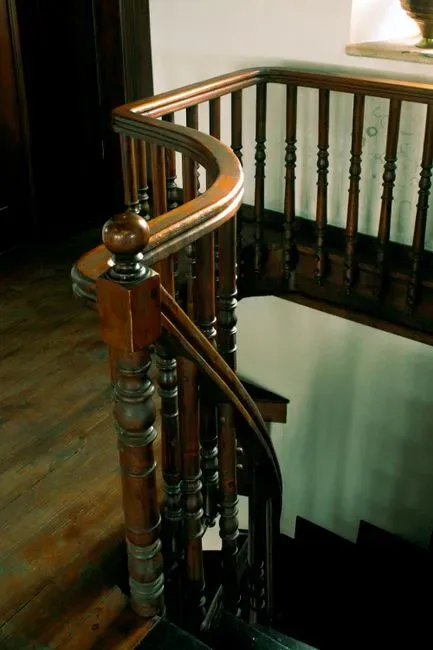
Homes built several decades ago, particularly before the mid-1970s, were frequently constructed with materials and techniques that are less common or more expensive today. Solid wood framing, plaster walls, and hand-finished trim work were standard rather than premium upgrades. According to the U.S. Census Bureau’s American Housing Survey, homes built before 1980 make up a substantial share of the current housing stock, meaning many Americans still live inside these older construction methods every day.
The craftsmanship itself becomes part of the narrative. A staircase with hand-carved balusters or a fireplace mantel salvaged from an earlier renovation carries information about a different era of building priorities, when labor and material choices reflected different economic and cultural conditions. People who live in these homes often become unofficial historians of their own walls, learning the small details because the details are genuinely worth knowing.
Renovation Layers Reveal Decades of Decisions
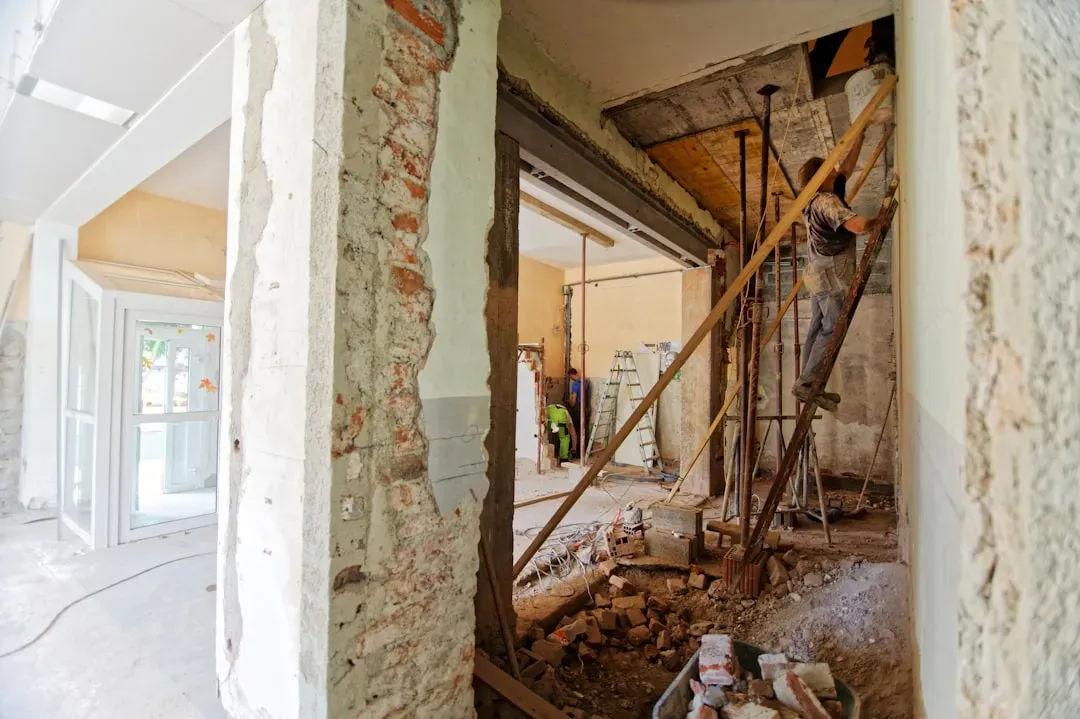
Peel back wallpaper in an older home and you might find three or four previous patterns underneath, each one a snapshot of a different decade’s taste. Pull up flooring and discover the original hardwood beneath a layer of 1980s linoleum. These layers are not accidents. They’re a kind of accidental archive, showing how successive owners made choices based on the trends, budgets, and needs of their specific moment.
This layering effect is part of why home renovation shows and real estate listings increasingly highlight original features alongside updates. Buyers and viewers respond to the visible timeline, the sense that a house has been continuously adapted rather than built once and left static. It suggests resilience and relevance across changing circumstances, which is a quality static newer construction sometimes lacks simply because it hasn’t had time to accumulate that history yet.
The Kitchen Usually Holds the Most Stories
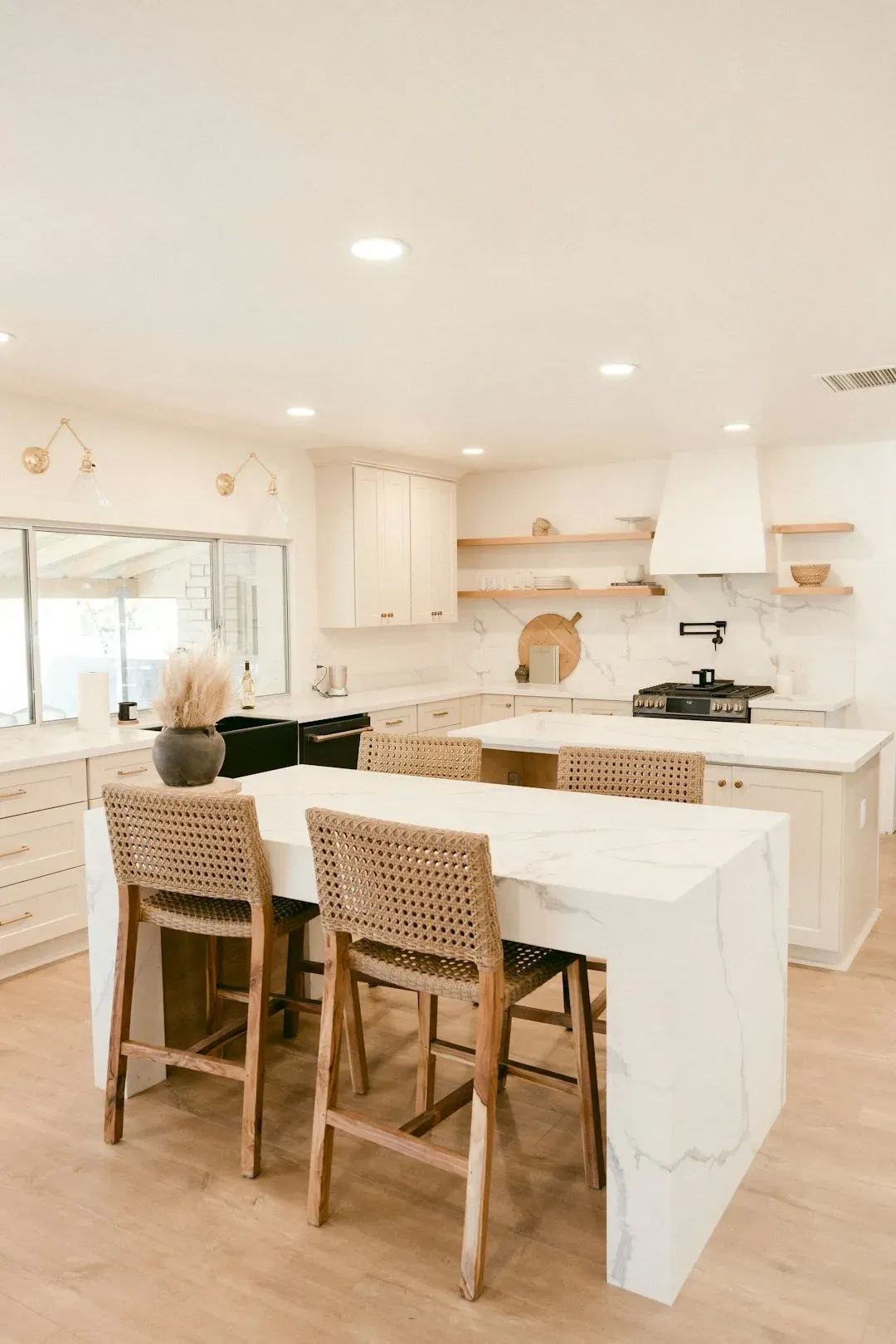
If any single room in a home accumulates lived experience fastest, it’s the kitchen. Scorch marks near a stove, a worn spot on a counter where someone always chops vegetables, a drawer that sticks because it’s been opened tens of thousands of times. Kitchens are functional spaces by necessity, which means they show use more visibly and more quickly than formal living rooms or guest bedrooms.
Real estate data consistently shows that kitchens are also the most renovated room in American homes, according to the National Association of Realtors’ Remodeling Impact Report. Yet even after renovation, owners often keep small original details, a specific tile, an old pantry door, precisely because those details carry memory that a fully updated space would erase. The kitchen becomes a negotiation between practicality and preservation.
Gardens and Yards Age Alongside the People Who Tend Them

A tree planted the year a child was born grows alongside that child, quite literally marking time in a way indoor spaces can’t. Perennial gardens established decades ago often outlive the original gardener, tended by subsequent owners who may never have met the person who planted the first bulbs. Outdoor spaces carry this kind of intergenerational continuity in a particularly visible way.
Landscaping choices also reflect regional and generational trends, from mid-century foundation shrubs to more recent shifts toward native plantings and drought-tolerant design. A yard that has been maintained and adapted over thirty or forty years often contains a mix of these eras layered together, much like the interior renovation history discussed earlier. The result is an outdoor space that feels grown rather than installed.
Furniture and Objects Anchor Memory to Place
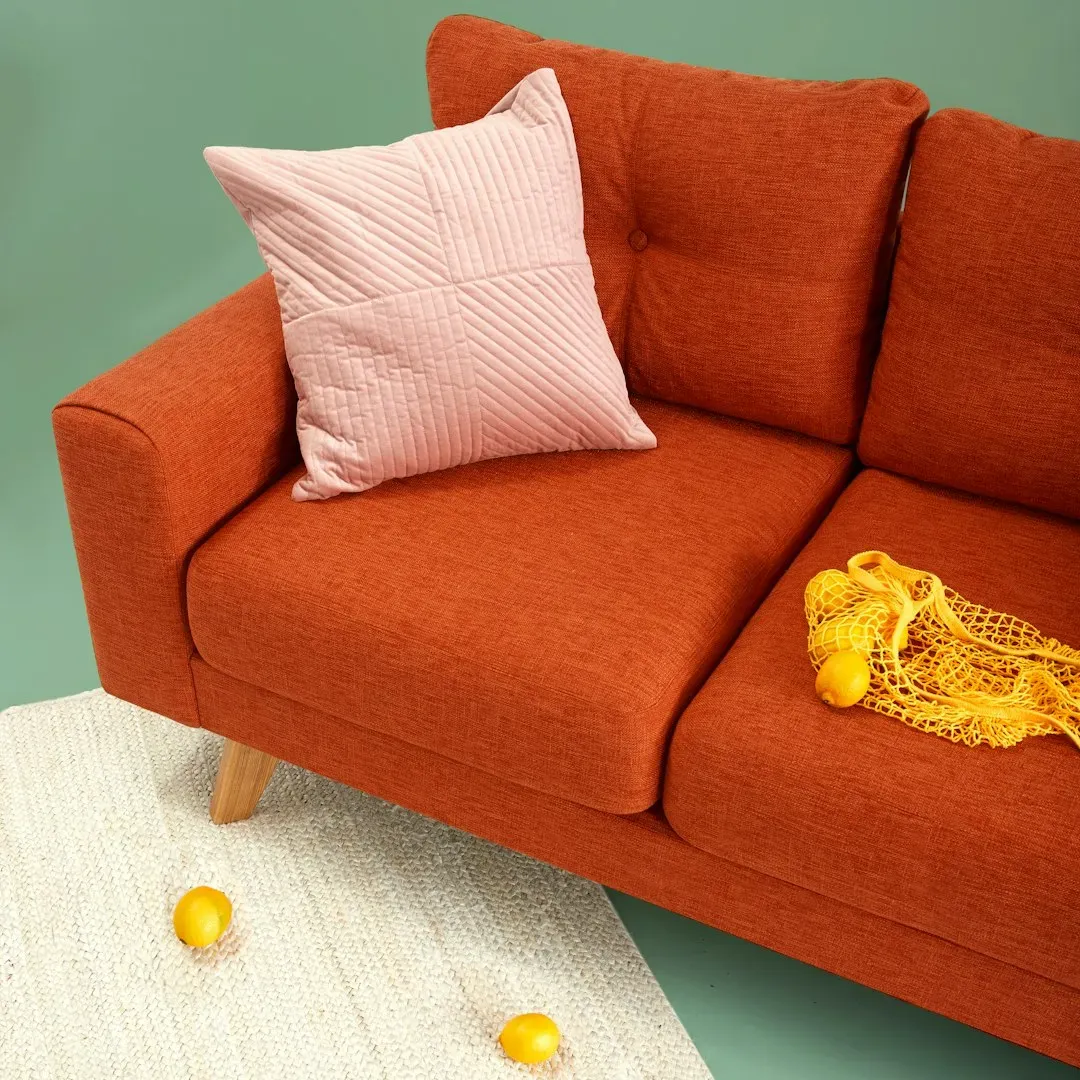
A home’s story isn’t only architectural. It’s also carried by the objects inside it, a grandmother’s dining table, a chipped mug that nobody will throw away, a bookshelf built by a family member who has since passed. These items root memory to a specific physical location in a way that photographs or digital records simply don’t replicate.
Estate sales and inherited homes often reveal just how much accumulated meaning sits inside ordinary furniture. Appraisers and estate organizers frequently note that monetary value and sentimental value diverge sharply in these situations, with low-cost items sometimes carrying the most emotional weight for surviving family members. This gap illustrates something important, that a home’s real value often has little to do with its market price.
Multigenerational Living Is Reshaping What Homes Mean
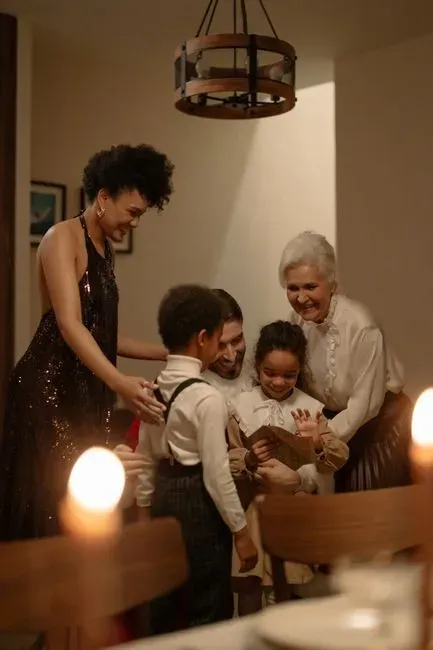
The share of Americans living in multigenerational households has grown notably over the past two decades. Pew Research Center data from recent years shows that roughly one in five Americans now lives in a household with multiple adult generations, a significant increase from the mid-1900s low point. This shift is changing how homes are used and, consequently, how quickly they accumulate layered stories.
When grandparents, parents, and children share a single home, the physical space has to flex constantly to accommodate different routines, needs, and life stages simultaneously. A converted garage becomes a grandparent’s suite. A dining room doubles as a homework station and later a home office. These adaptations happen faster in multigenerational settings, meaning the home’s story develops with more density and complexity in a shorter span of time.
Selling a Well-Lived Home Requires a Different Kind of Marketing
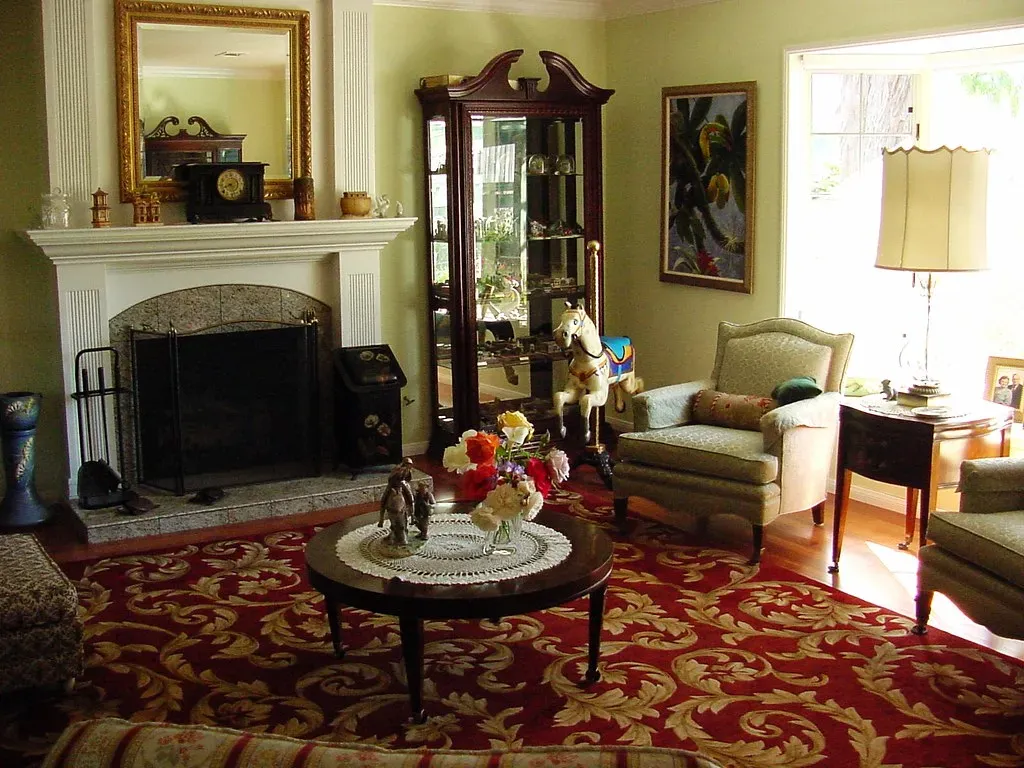
Real estate agents increasingly recognize that buyers respond emotionally to homes with visible history, not just structural soundness. Listings that highlight original character, a preserved fireplace, exposed original beams, a decades-old but well-maintained kitchen, often perform differently than listings emphasizing pure modernity. This isn’t universal, since buyer preferences vary by market and generation, but the trend toward valuing authenticity has grown noticeably in recent real estate marketing.
Some sellers now work specifically with agents or stagers who understand how to present a home’s history without hiding it under generic updates. This approach acknowledges something practical, that erasing all signs of previous life can sometimes make a home feel less trustworthy, less proven, than one that shows its age honestly. Buyers, particularly younger ones entering the market in 2025 and 2026, have shown increasing interest in homes with documented character rather than fully staged, history-free interiors.
The Emotional Value of a Home Often Outlasts Its Market Value

Homes depreciate structurally over time in some respects, requiring roof replacements, updated wiring, and other maintenance that costs money and effort. Yet the emotional equity built into a well-lived home tends to move in the opposite direction, increasing rather than decreasing as more years and more life accumulate inside its walls. This divergence between financial depreciation and emotional appreciation is one of the more interesting tensions in how people relate to their homes.
Surveys on homeowner sentiment, including research published by Zillow and other housing platforms in recent years, consistently find that long-term homeowners report stronger emotional attachment to their properties than recent buyers, independent of the home’s market value. This suggests that the story a home tells, quite separate from its price tag, is doing real psychological work for the people who live inside it. A house becomes a home precisely through this accumulation, and that process cannot be rushed, purchased, or replicated by design alone.