
For years, economists and housing analysts have been watching the clock. The baby boomer generation, roughly 76 million Americans born between 1946 and 1964, holds an extraordinary share of the nation’s housing stock. The question of what happens when they start letting go has shaped real estate debates for well over a decade.
The scenario has been given a name: the “Silver Tsunami.” It conjures images of a sudden flood of inventory crashing into an unprepared market. The reality, as the data now shows, is considerably more complicated than that.
The Scale of Boomer Housing Wealth Is Hard to Overstate

Baby boomers currently own approximately $19.7 trillion in U.S. real estate, representing roughly two-fifths of the nation’s total property value. Despite comprising less than a fifth of the population, boomers control a disproportionate share of housing wealth built over decades of ownership during favorable market conditions.
Baby boomers make up approximately a fifth of the U.S. population, and as this generation ages, they are expected to have a significant impact on the economy, healthcare demand, the housing market, and politics. When compared to other generations, baby boomers hold the highest level of wealth. Since 1983, property prices have surged by around 500 percent, massively increasing the wealth of many baby boomers while making homeownership far less affordable for younger generations.
The “Silver Tsunami” Is More of a Slow Tide

By 2028, Freddie Mac estimates there will only be 2.7 million homes freed up from boomer exits. As the agency put it, “the silver tsunami is more like a tide, with a gradual reduction phasing in over several years.” While the number of people aging out of homeownership will increase in the coming years, it is more of an upward sloping trend than a disruptive spike.
There will be 9.2 million fewer baby boomer homeowner households by 2035, according to an analysis by Freddie Mac. While economists estimate that the number of baby boomer homeowner households will decline from 32 million in 2022 to 23 million by 2035, they don’t anticipate the decline picking up serious steam for a few more years. This annual decline will accelerate pretty much every year for the remainder of the decade, with Freddie Mac expecting a net decline of 600,000 boomer homeowner households in 2027 alone.
Most Boomers Have No Plans to Sell Anytime Soon
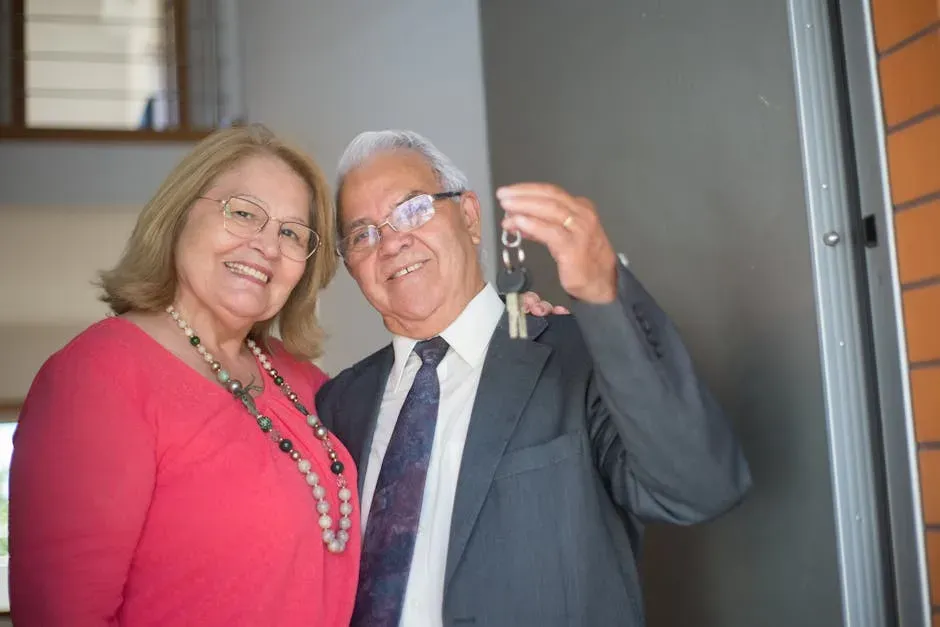
Just one in ten boomers plan to sell within the next five years, down from fifteen percent in 2024, meaning that ninety percent of the homes owned by this generation won’t hit the market until the 2030s. Baby boomers are increasingly committed to aging in place, with nearly two-thirds never planning to sell their homes. This trend could significantly affect housing market dynamics, as boomers hold onto properties longer, potentially limiting options for younger generations seeking homeownership.
Factors cited by boomers for not selling include having paid off their mortgages, not wanting to start over, planning to leave homes as inheritances, and concerns they can’t afford a new home. Only serious health issues, financial hardships, or the loss of a partner would change their minds. More than three-quarters of boomer homeowners say owning their home is the primary reason they’re financially secure, and the vast majority say owning leads to a more stable home life.
The Locked-In Effect: Why Boomers Stay Put

Many baby boomers have little financial incentive to move, often benefiting from low mortgage rates or fully paid-off homes. Nearly three in five baby boomer homeowners have no mortgage at all – their home is completely paid off. Trading that position for a new mortgage at current rates would mean absorbing a substantially higher monthly payment, making any move feel like a financial step backward.
There are also social and lifestyle reasons to stay put: baby boomers, in their sixties and seventies, may want to stay in the neighborhoods they’ve lived in for a long time, close to their friends, family, work, and recreational activities. Older baby boomers, who stay in their homes for a median of 15 years before selling, have capitalized on long-term equity appreciation, giving them the flexibility to downsize, retire, or move closer to family.
The Great Housing Mismatch: Space in the Wrong Hands
Empty-nest baby boomers own nearly twice as many U.S. homes with three or more bedrooms as millennial families do. Baby boomers living in one- to two-adult households own roughly more than a quarter of large homes in the U.S., compared to millennials with children living at home, who own only about one in six of the nation’s large homes.
Empty-nest baby boomers own essentially the same share of large homes they did a decade ago, holding just under thirty percent of the nation’s stock of large homes. Millennials with kids have made progress as they’ve grown into prime homebuying and child-rearing age, but in 2014 they owned less than five percent of large homes; now, they own less than sixteen percent. Millennials with kids are facing both affordability and inventory challenges, but at the same time, baby boomers have little financial incentive to move, and even if they did, there is currently limited inventory of reasonably priced, small, one-story homes for them to buy.
Boomers Still Dominate Both Buying and Selling

Flush with record-high home equity, baby boomers are continuing their reign as the most dominant force in the U.S. real estate market, leaving affordability-squeezed first-time buyers struggling to keep pace. Adults aged 61 to 79 accounted for roughly two-fifths of all homebuyers and more than half of all sellers over the past year. This generation maintains a firm grip on the market, relying on massive housing wealth accrued over decades to bypass the high prices challenging younger cohorts.
Among recent boomer buyers, half of younger boomers and more than three-fifths of older boomers bought their new homes using sale proceeds. After living in their homes for thirteen to sixteen years and earning fifty percent or more in home appreciation, they have the financial flexibility to move to a home that better fits their stage of life. First-time buyers made up just twenty-one percent of all home buyers, down from twenty-four percent in the previous survey and the lowest share since NAR began collecting the data in 1981.
When Boomer Homes Do Hit the Market, the Impact Will Vary Enormously by Region
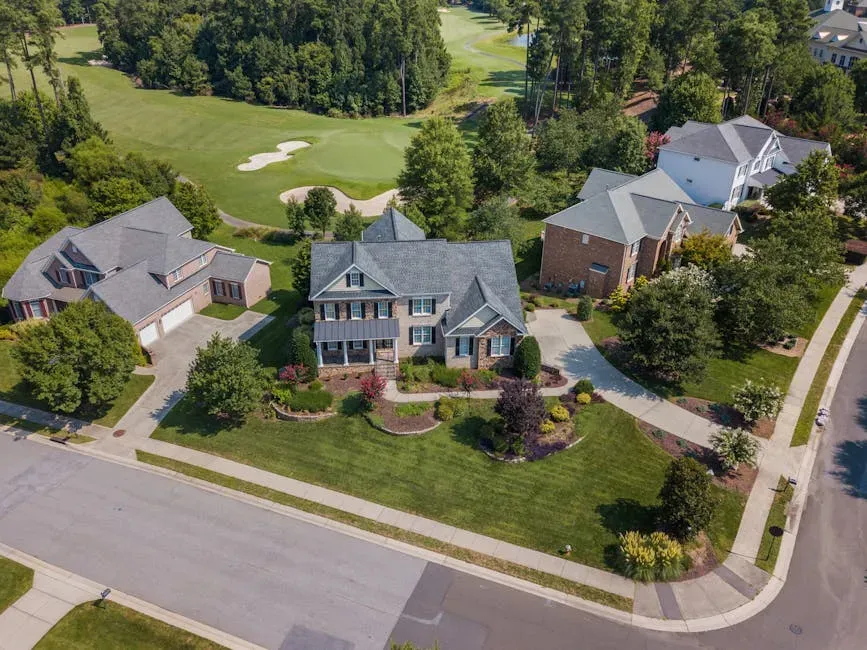
The national market may only be slightly impacted by demographic shifts, but in boomer hotspots in Florida, Arizona, and other parts of the country, the story could be vastly different. There may be too much supply and declining prices in markets where the share of baby boomer homeownership is high.
As boomers eventually downsize or pass away, their properties, particularly in suburban and retirement-heavy markets like Florida and Arizona, will enter the market, increasing inventory and potentially lowering prices for single-family homes. Simultaneously, younger heirs may inherit properties that serve as stepping stones to homeownership or rental income streams. Analysis reveals that millennials with children own roughly one in seven three-bedroom homes or larger across the U.S., whereas empty-nest baby boomers hold more than one in four of these homes.
The Great Wealth Transfer and What It Means for Housing
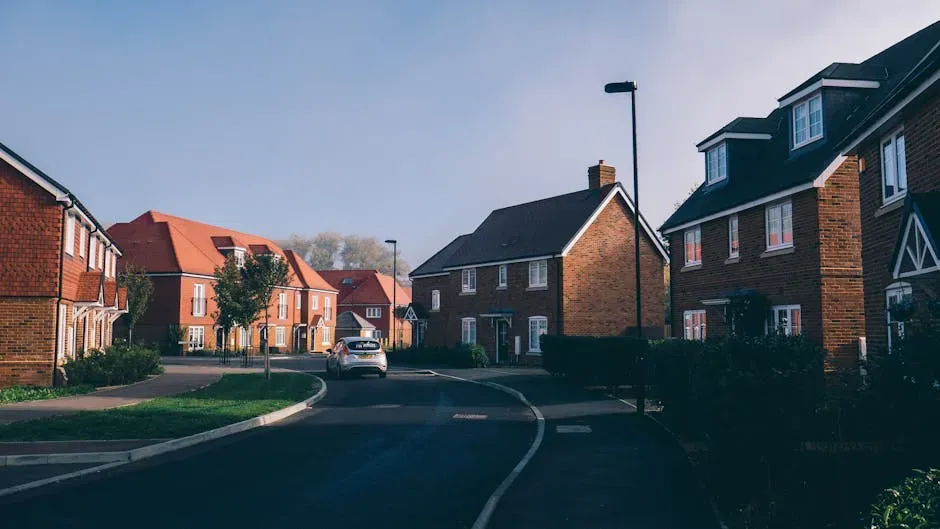
This phenomenon has been deemed the “Great Wealth Transfer,” set to transpire over the next two decades. An estimated $68 to $84 trillion is estimated to leave the hands of baby boomers and find ownership under their spouses and descendants. Real estate sits at the heart of this transfer. Generation X and millennials are expected to inherit an estimated $4.6 trillion in global real estate wealth over the next decade, with the U.S. projected to capture more than half of that transfer. Gen X is expected to receive the largest share in the near term, while millennials are projected to inherit the greatest portion over the longer horizon.
With the median cost of a private room in a nursing home exceeding $100,000 annually, many boomers may have to liquidate real estate assets to fund their own end-of-life care. This means wealth transfers from families to the healthcare and insurance sectors, effectively reducing the net inheritance for the next generation. Economists are seeing a bifurcation of the younger economy between “heirs” and “non-heirs.” Millennials who expect an inheritance are already spending differently, taking on more risk or buying larger homes with the anticipation of a future windfall. Those without property-owning parents face a double penalty: they pay rent to the older generation today and lack the familial capital injection to buy in tomorrow.
First-Time Buyers Are Caught in the Middle

The record-low first-time buyer share, at twenty-one percent of all purchases and the lowest since NAR began tracking in 1981, reflects a structural problem rather than a temporary blip. A first-time buyer locked out until age forty isn’t just delayed, they’re losing years of wealth accumulation.
Even when boomer inventory does arrive, it won’t completely fix housing affordability for younger generations, because home prices are already out of reach. While some baby boomers might move into retirement communities, others may opt for smaller homes – the same ones that younger generations want. That could continue to sideline millennials and younger generations, and potentially drive up starter home prices further. Even a surge in supply won’t solve the problem of housing affordability if there still aren’t enough younger buyers who can actually afford to purchase a home when inventory does arrive.
A Structural Shift, Not a Single Event
Exiting homeownership will accelerate during the next two decades as the bulky boomer generation advances into elderly age groups where homeownership attrition rises sharply. The number of older owner-occupants who exit homeownership between 2026 and 2036 is projected to total between 13 and nearly 15 million, an increase of at least forty-two percent over the number of older homeowners who exited during the last ten years.
Even as boomers vacate their homes in the coming decade, younger generations will continue to enter the housing market. The Urban Institute projects that 8.5 million new households will be created this decade, and 7.6 million between 2030 and 2040, most of which will need homes. For those boomer homes that do eventually flood the market, they won’t crash prices. Given the current period of historic inventory shortages, they might just be enough to meet the desperate pent-up demand from millennials and Gen Z.