
It Starts With Control, Not Decoration
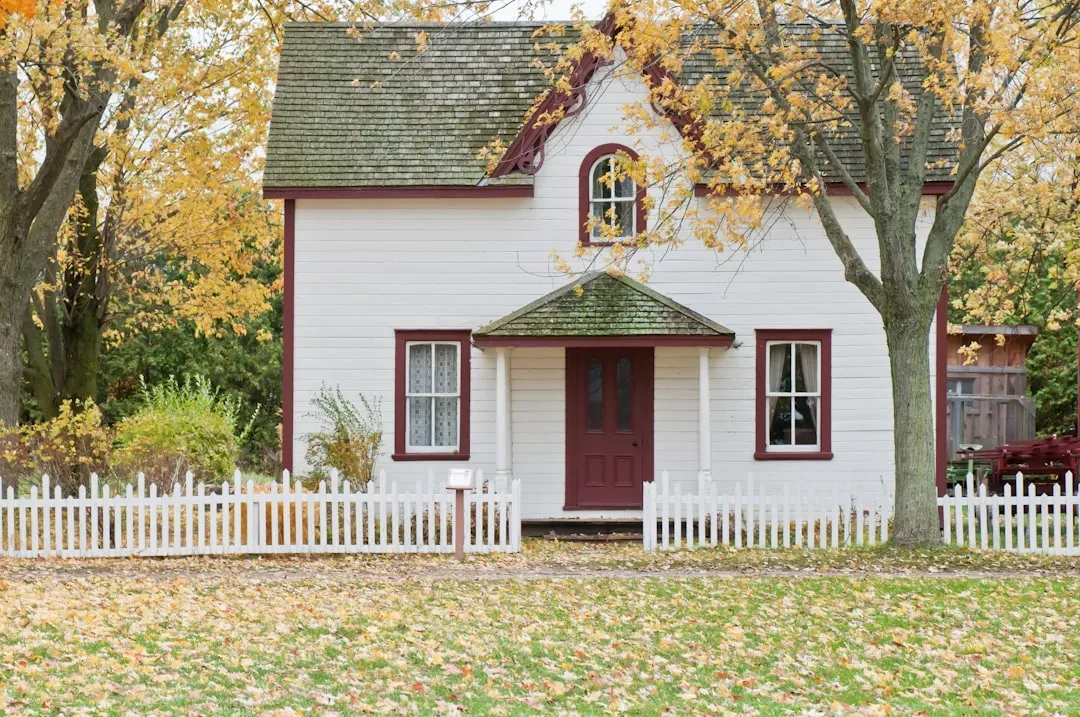
Environmental psychologists have long pointed to a concept called territoriality, the idea that people feel most settled in spaces where they sense real or perceived control. Territoriality is a pattern of behavior and attitudes based on perceived, attempted, or actual control of a physical space, object, or idea, and it involves habitual occupation, defense, personalization, and marking of a space. That framework traces back to researcher Irwin Altman, whose work in the 1970s still shapes how experts think about domestic space today.
Altman’s classification, first presented in 1975 and later developed with Martin Chemers, divides human territories into types based on the degree of privacy, control, and psychological significance each provides. People who make homes feel warm tend to instinctively claim their space this way, arranging rooms so they clearly belong to someone rather than sitting neutral and unclaimed. It’s less about taste and more about signaling ownership, even in a rental.
They Treat Personal Objects as More Than Clutter
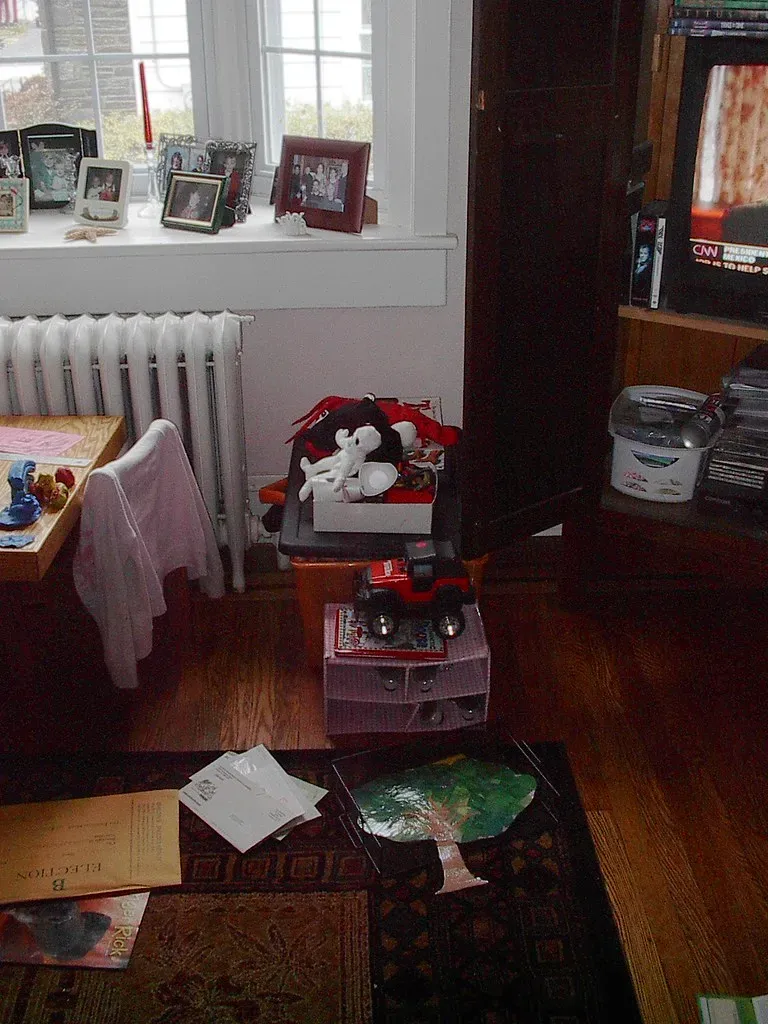
A framed photo, a chipped mug from a trip, a shelf of worn paperbacks. These things do more psychological work than people assume. A family photo on an office desk, a custom mug in the kitchen, or a particular bedspread in a bedroom are all acts of personalization that make a space feel more like home while signaling to others that someone has claimed that area.
This isn’t a coincidence or a stylistic preference. Researchers Graham Brown and Huiwen Zhu found that personalization is closely tied to psychological ownership, the internal feeling that something belongs to you. The people who nail this instinct rarely hide their belongings behind matching storage bins. They let the objects show, because the objects are doing the emotional heavy lifting.
Order Calms the Mind More Than People Expect
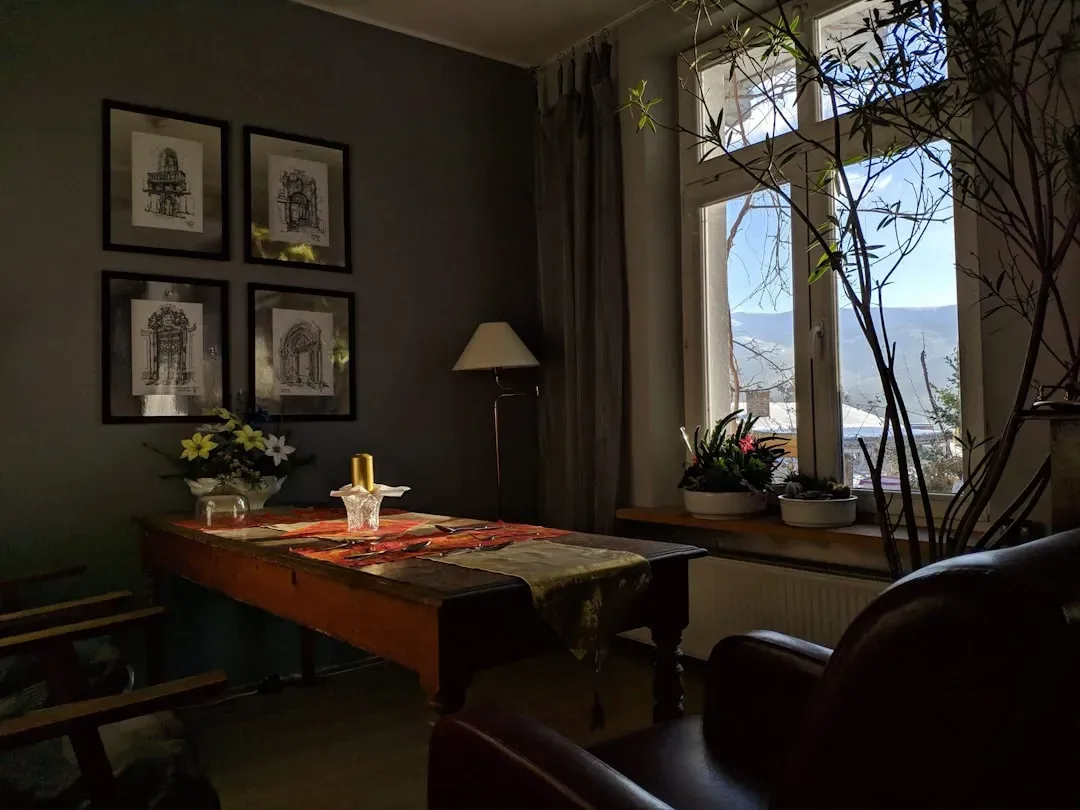
There’s a reason cluttered spaces feel exhausting even when nothing is technically wrong with them. A well-designed and organized home can promote feelings of calmness, relaxation, and happiness, while a cluttered and chaotic environment can contribute to stress and anxiety. This isn’t just an aesthetic preference dressed up as science, either.
Clutter, poor lighting, and lack of clarity often lead to discomfort, anxiety, or fatigue, while a well-organized and functional space fosters a sense of control, security, and calm. People who are good at making homes feel good rarely obsess over perfection. They just tend to keep visual noise low enough that the eye and mind can rest.
Natural Light and Materials Do Quiet, Constant Work

Some homes just feel better to be in, and light is often the unspoken reason. The physical aspects of a home environment, such as natural light, open spaces, and the presence of greenery, can significantly influence mood and emotional state, and biophilic design elements have been found to enhance overall well-being and reduce symptoms of depression and anxiety. That’s not marketing language from a design magazine, it’s a pattern researchers keep confirming.
Materials matter too, in a way that’s easy to underestimate. The materials people choose, such as wood, textiles, or natural stone, add warmth and a sense of connection to nature, which further helps reduce stress. People who make homes feel inviting often gravitate toward these textures without necessarily knowing why. They just know a cold, hard surface feels less like a place to unwind.
They Understand Home Is Built Over Time, Not Purchased Complete
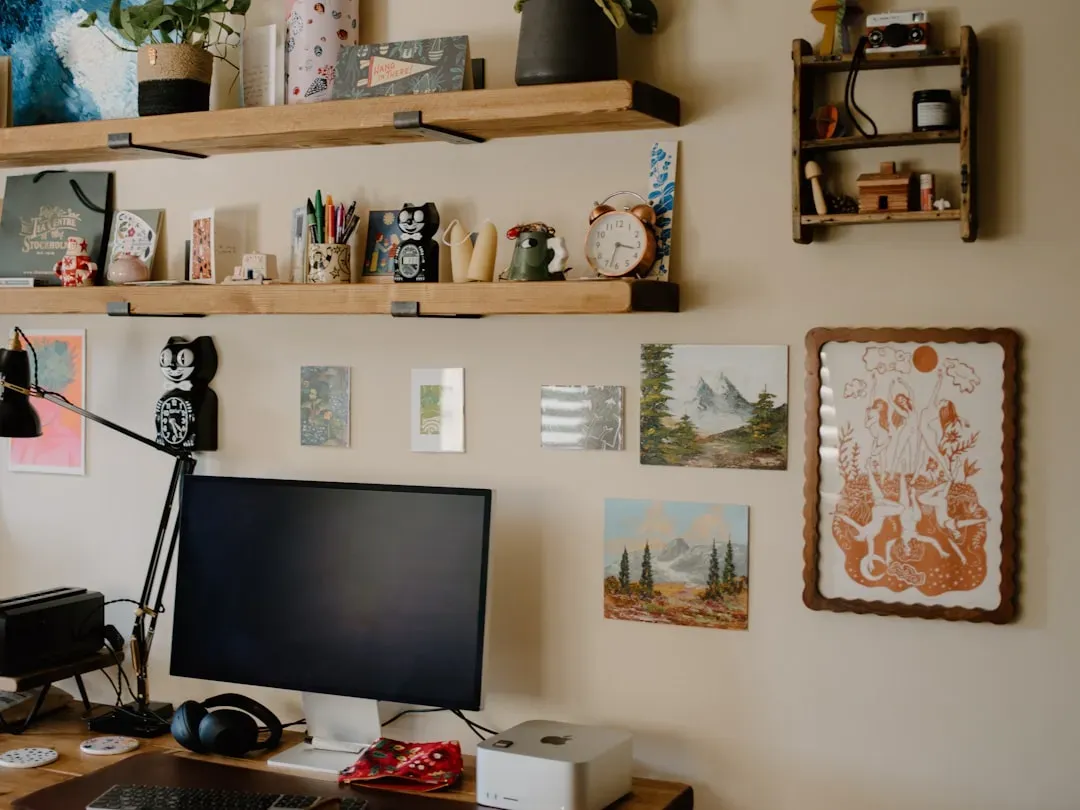
One of the more counterintuitive findings in this space is that the process of shaping a home matters almost as much as the finished result. Choosing paint colors, rearranging furniture, solving small layout problems, these small acts of authorship create attachment in ways that buying a fully furnished space simply can’t replicate. It mirrors a broader idea in environmental psychology: people become emotionally invested in what they help build.
This is partly why long-term renters who’ve been discouraged from making changes often describe their homes as merely functional rather than personal. Homeownership allows for a level of personalization that renting often doesn’t permit, and that ability to customize living spaces is psychologically significant because it helps create a sense of identity and belonging. The people who make any space feel like home usually find workarounds, even in rentals, by personalizing what they legally can.
Relationships Inside the Home Matter as Much as the Walls
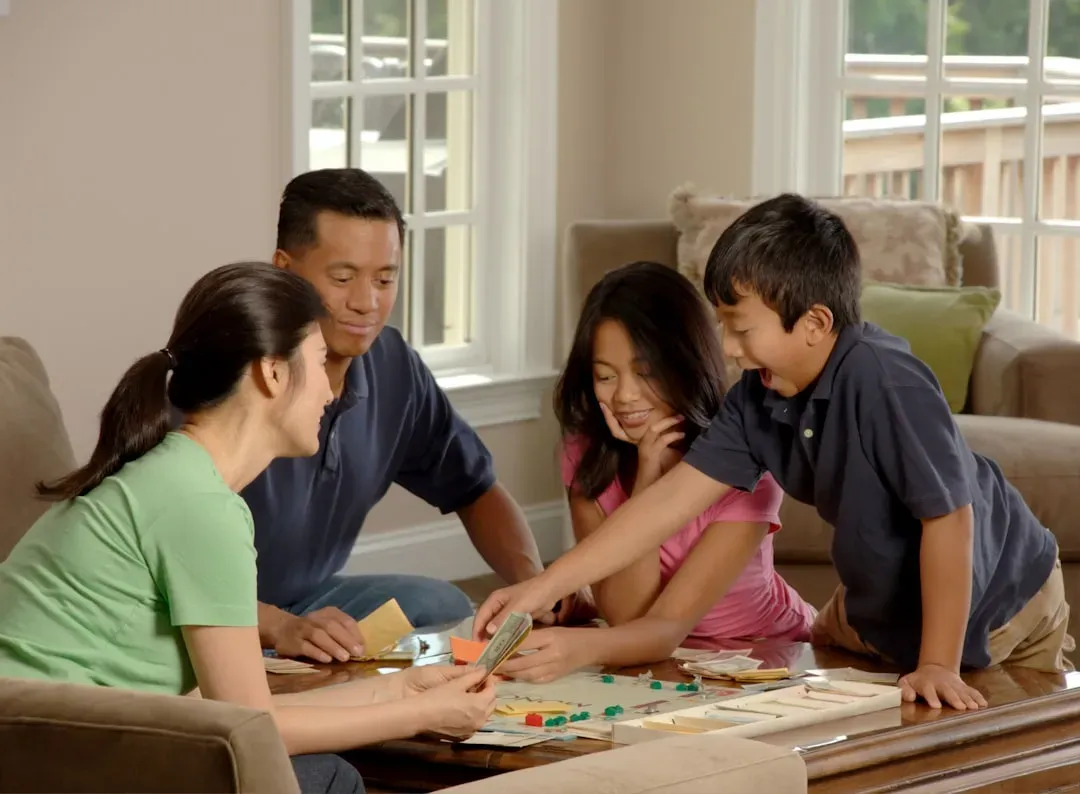
A house can be beautifully arranged and still feel empty if the people in it feel disconnected. Warmth, in the literal psychological sense, is partly social. Comfort isn’t always solitary, and neuroscience shows that oxytocin, the hormone tied to calm and bonding, is released not just by a warm blanket but by warm company, whether that’s meals shared at home, a familiar laugh in the living room, or a guest bed made up with care.
This shows up clearly in research on communal living settings as well. Among residents who perceived their setting as feeling like home, the most prominent theme was relationships with people there, and residents also emphasized the importance of family or other meaningful relationships from outside for an environment to feel like home. People who are good at this instinctively prioritize where and how people gather, not just how a room looks in photographs.
They Design Quiet Corners as Deliberately as Social Ones
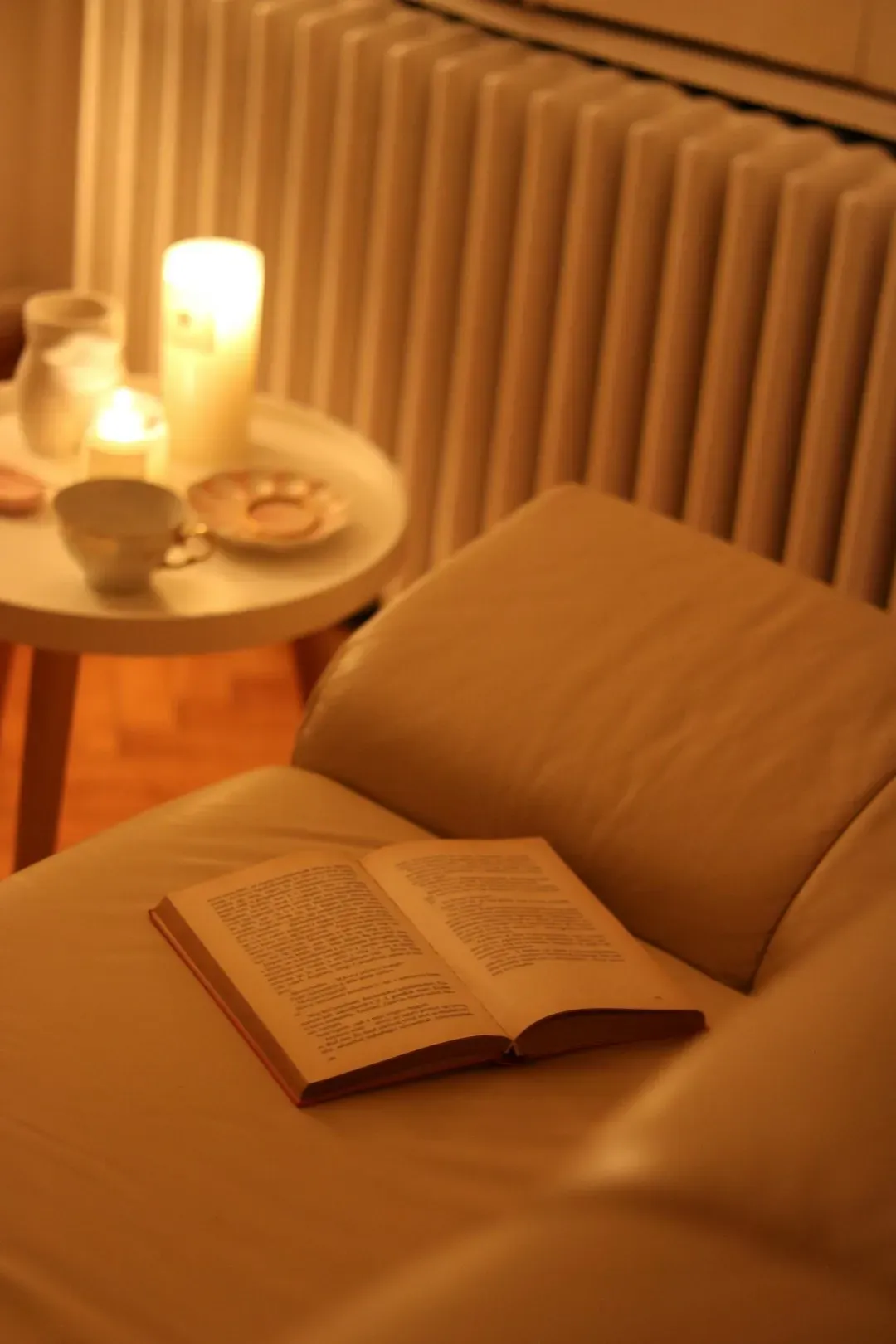
A home that only works for socializing, or only works for solitude, tends to feel slightly off. The people who get this right build in both. Designing with privacy in mind goes beyond physical barriers; when personal space is respected, people experience a sense of calm and improved well-being, while spaces lacking privacy can make people feel stressed or exposed.
This balance shows up in small architectural choices more than grand gestures. Creating environments where individuals can find solace when needed while also fostering connections with others when desired is like having quiet corners for reflection and welcoming areas for gatherings all in one place. A reading chair by a window, a bench near a doorway, these small zones give a home emotional range instead of a single flat mood.
Childhood Memory Quietly Shapes What Feels Like Home Now

Adults rarely realize how much their sense of a “proper” home was set decades earlier. Research suggests the adult experience of home is predicated on childhood experience, with uninhibited and unsupervised play during formative years essential for developing place attachment, imprinting a landscape, a specific house, even smells and tastes definitively associated with home as an adult. This explains why certain smells, sounds, or layouts feel comforting for reasons people can’t quite articulate.
People who are naturally good at making homes feel warm often lean into this without overanalyzing it. They recreate small sensory details, a particular type of lighting, a certain kitchen smell, a familiar arrangement of furniture, because some part of them recognizes it as emotionally safe. The familiar smell, the unique creak of a cupboard, and the reassuring sameness of small details can act as a psychological haven where the stress of adult life eases and an older, simpler feeling returns.
Function and Emotion Are Treated as Equally Important
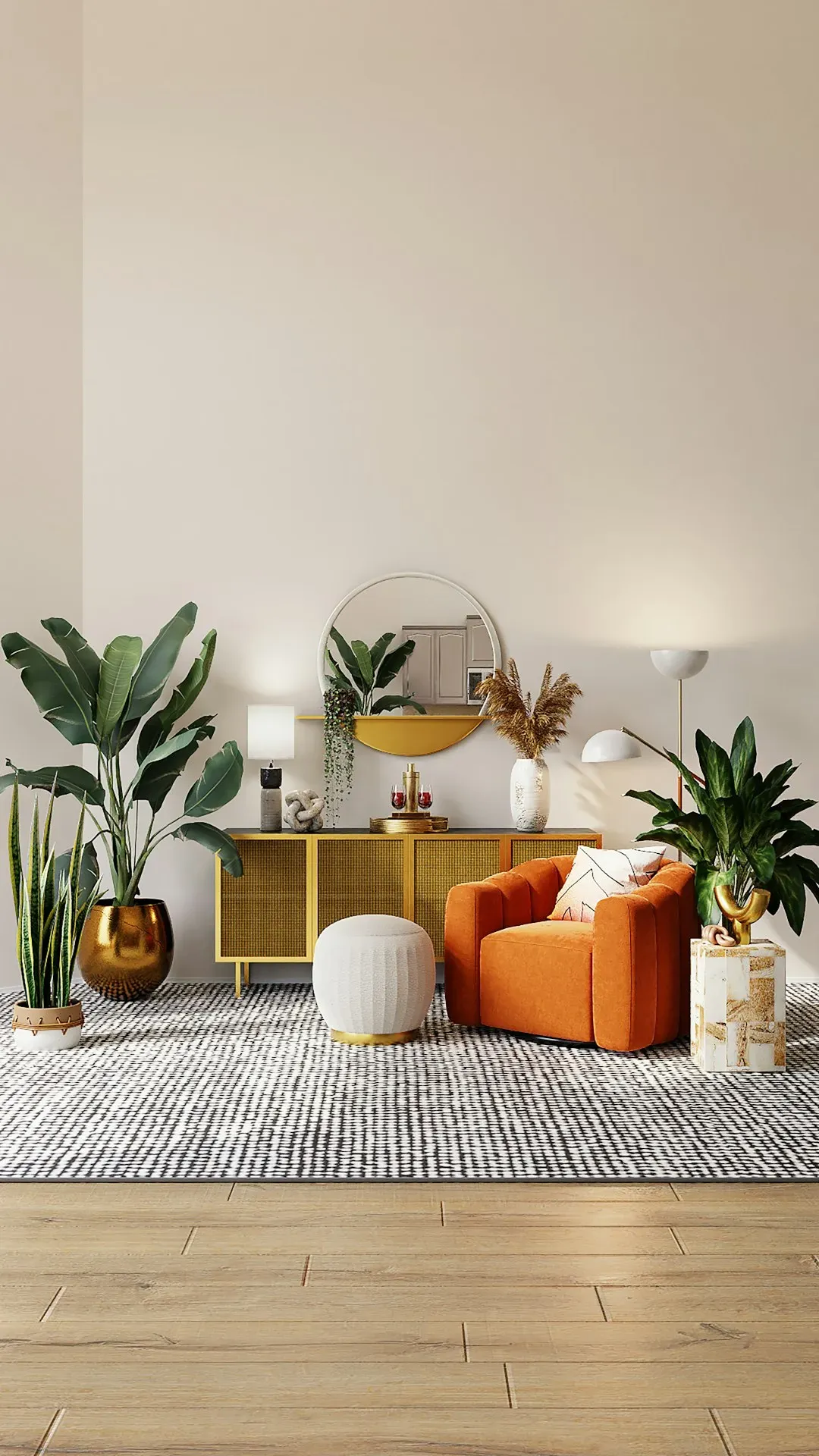
Some of the most livable homes aren’t the most beautiful ones on paper. They’re the ones where daily friction has been quietly engineered out. The arrangement of spaces within a home can influence behavior, with open layouts encouraging social interaction and cozy nooks promoting relaxation.
This attention to flow, not just appearance, often separates a house that merely looks good from one that actually feels good to live in. The way a living space is organized can significantly affect how people feel and function, and a room with natural light and clearly defined areas for work, rest, and meals encourages focus and supports a healthier routine. People skilled at this tend to solve small daily annoyances first, and let the decorating follow.
The Common Thread Behind All of It
None of this comes down to a single design trick or a shopping list. What ties these habits together is a kind of attentiveness, a willingness to notice what a space needs emotionally, not just visually, and to make small adjustments over time rather than waiting for a finished, perfect version. The people who do this well aren’t necessarily more creative than anyone else. They’re just more responsive to the quiet signals a home gives off.
If there’s a practical takeaway here, it’s a modest one. A home rarely becomes comforting through a single big decision. It tends to arrive through dozens of small, ordinary choices, a photo left out, a chair moved toward the light, a shared meal at the same table, repeated until the space simply feels like it belongs to the people living in it.