
There’s something quietly restorative about stepping outside your own back door into a space that feels calm rather than chaotic. In a world where notifications ping constantly and schedules rarely slow down, has become less of a luxury and more of a necessity for many households. It’s not about having the biggest lawn or the fanciest patio furniture. It’s about creating a small pocket of stillness that belongs entirely to you.
This piece looks at why that stillness matters, how people are shaping their outdoor spaces to support it, and what small, practical changes tend to make the biggest difference.
Why quiet outdoor spaces matter more now
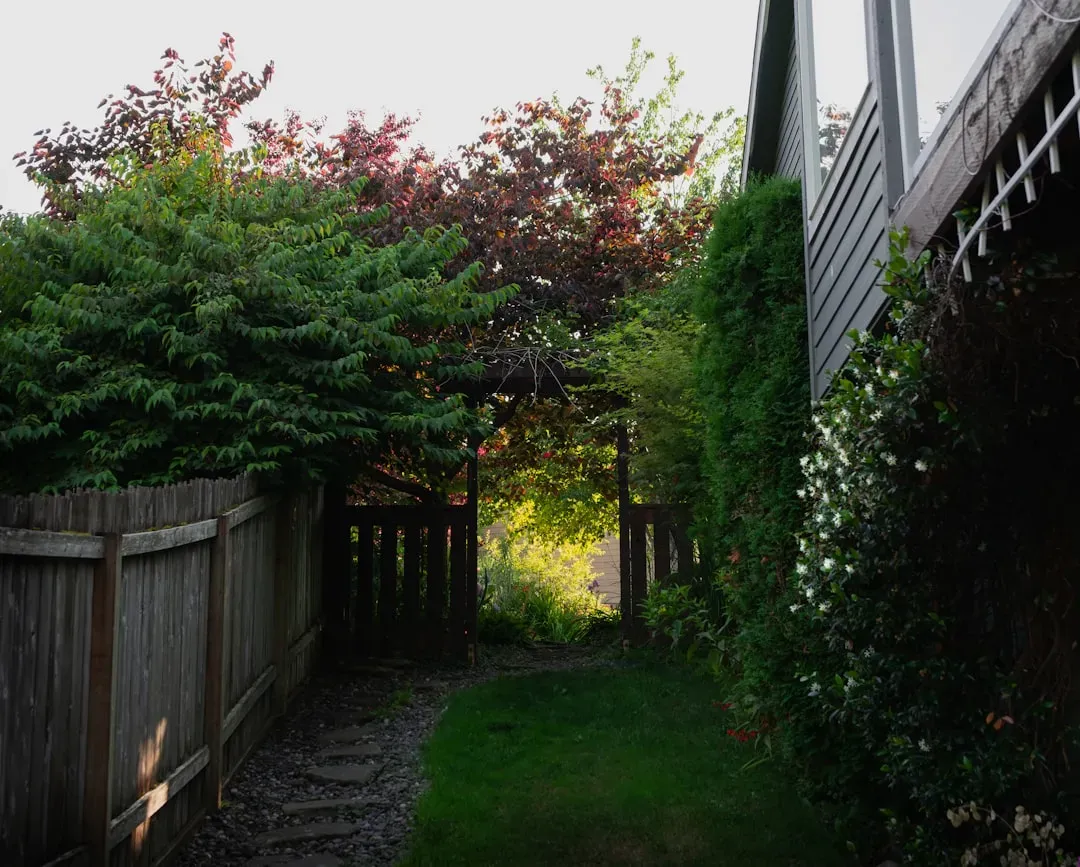
Mental health researchers have spent the last several years documenting how time spent in green, quiet environments lowers cortisol levels and reduces symptoms of anxiety. A backyard that feels calm gives people a low-effort way to access those benefits without leaving home, which matters when free time is limited. Even short stretches outdoors, ten or fifteen minutes at a time, have been linked to measurable drops in stress markers in multiple studies conducted over the past decade.
The pandemic years reshaped how people think about their homes, and outdoor space in particular saw a lasting shift in priority. Many homeowners who once viewed the backyard as an afterthought now treat it as an extension of their living space, one meant for decompression rather than just entertaining. That shift hasn’t reversed as life has returned to normal; if anything, the habit of using the yard daily has stuck.
The sound of silence, or near silence
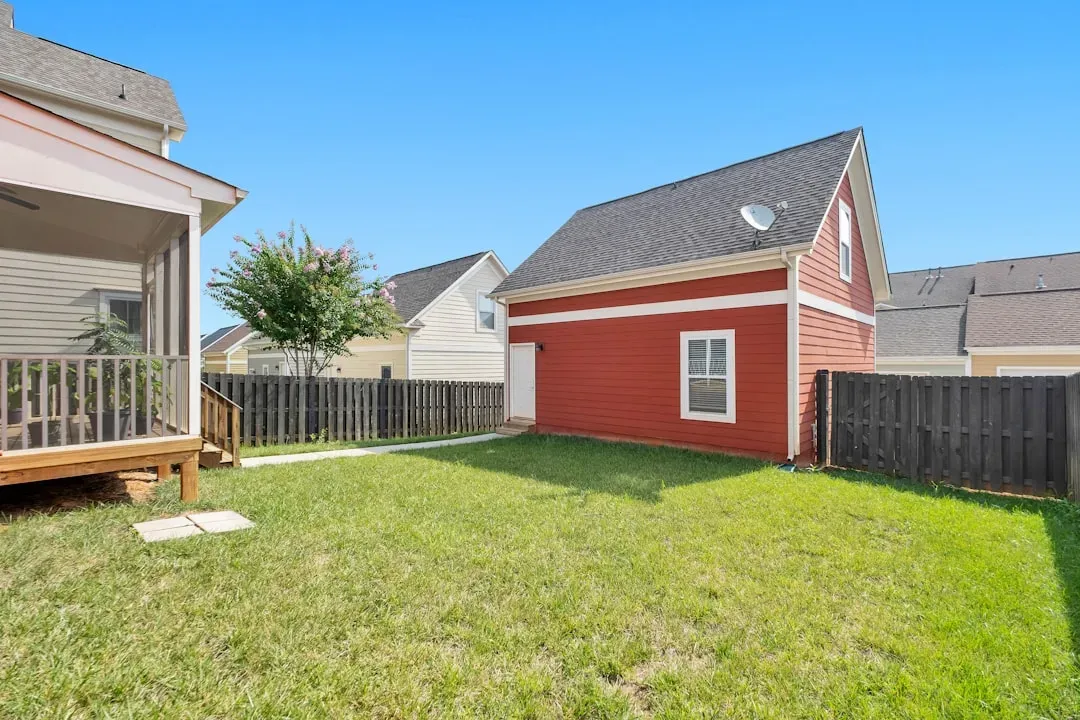
True silence outdoors is rare, especially in suburban or urban settings, but doesn’t require total quiet. It requires the right kind of sound, birdsong, rustling leaves, a light breeze, rather than traffic noise or neighborhood clatter. Landscape architects often talk about “sound masking,” where gentle natural or mechanical sounds cover harsher background noise without adding to the overall volume.
Small water features, from simple recirculating fountains to shallow birdbaths that attract wildlife, are commonly used for exactly this purpose. Dense plantings, particularly evergreen shrubs and layered hedges, also absorb and diffuse sound more effectively than open lawns. The goal isn’t silence for its own sake but a soundscape that feels intentional rather than intrusive.
Choosing plants that support calm
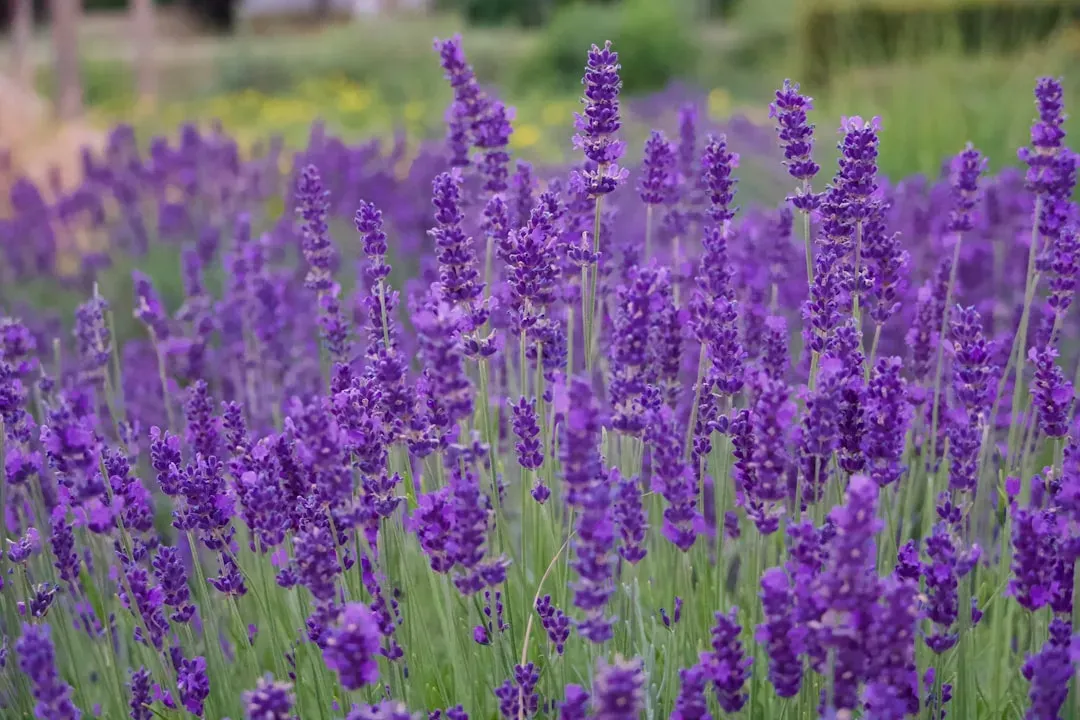
Plant selection plays a bigger role in backyard tranquility than most people expect. Soft, muted greens and blues tend to read as calming compared to bright, high-contrast color schemes, which is part of why lavender, rosemary, and ornamental grasses show up so often in relaxation-focused gardens. Fragrance matters too; lavender and jasmine in particular have been studied for their mild calming effects when people are exposed to their scent over time.
Native plants also deserve consideration, not just for aesthetics but for lower maintenance and better support of local pollinators. A yard that requires less constant upkeep is, almost by definition, a more peaceful one, since ongoing maintenance stress can undercut the very sense of calm a garden is meant to provide. Many regional extension offices continue to recommend native species specifically because they require less water and chemical intervention over time.
The role of shade and shelter
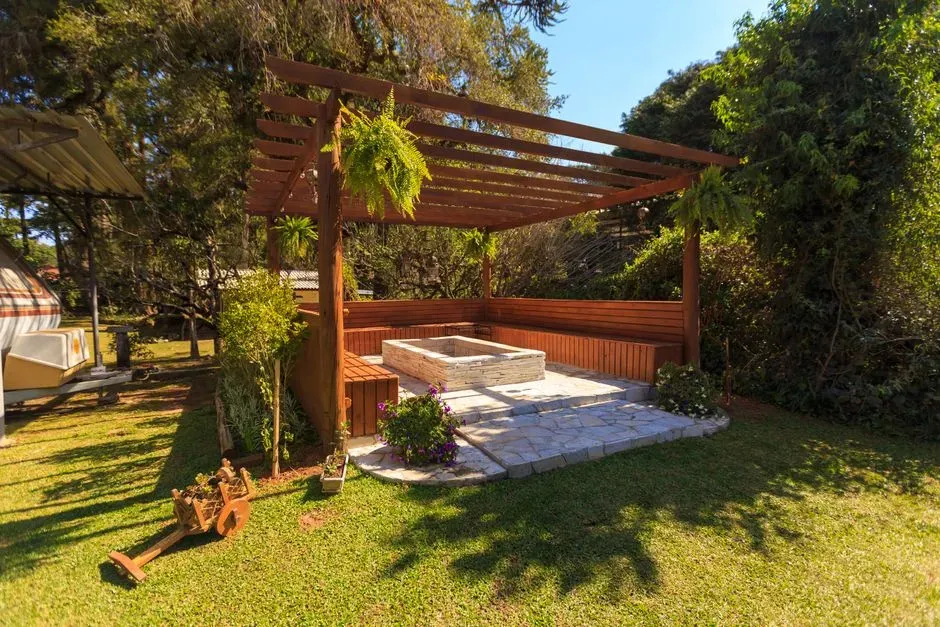
A backyard that offers no protection from direct sun or wind is harder to enjoy consistently, no matter how nicely it’s landscaped. Pergolas, mature trees, and simple shade sails have become common additions precisely because they extend the number of comfortable hours a person can spend outside. Even a single well-placed tree can lower the surrounding air temperature several degrees during peak summer months, according to urban forestry research.
Shelter isn’t only about temperature, though. A partially enclosed seating area, whether formed by a fence, a trellis of climbing vines, or a simple screen, gives people a psychological sense of privacy that makes lingering outdoors feel more natural. Without some form of enclosure, many people report feeling too exposed to fully relax, even in an otherwise attractive yard.
Lighting that extends the evening

As daylight fades, lighting choices determine whether a backyard remains usable or effectively shuts down for the night. Warm, low-level lighting, string lights, lanterns, or soft path lighting, tends to feel more relaxing than bright overhead fixtures, which can flatten the mood of an evening gathering or solo wind-down session. Solar-powered options have become significantly more affordable and reliable over the past few years, making ambient lighting an easier upgrade than it once was.
Timing also matters. Lighting on a simple timer or smart control lets a yard transition gradually from daytime brightness to evening ambiance without anyone needing to remember a switch. That small bit of automation removes friction, and less friction generally means a space gets used more often rather than sitting idle.
Furniture and layout for actual use
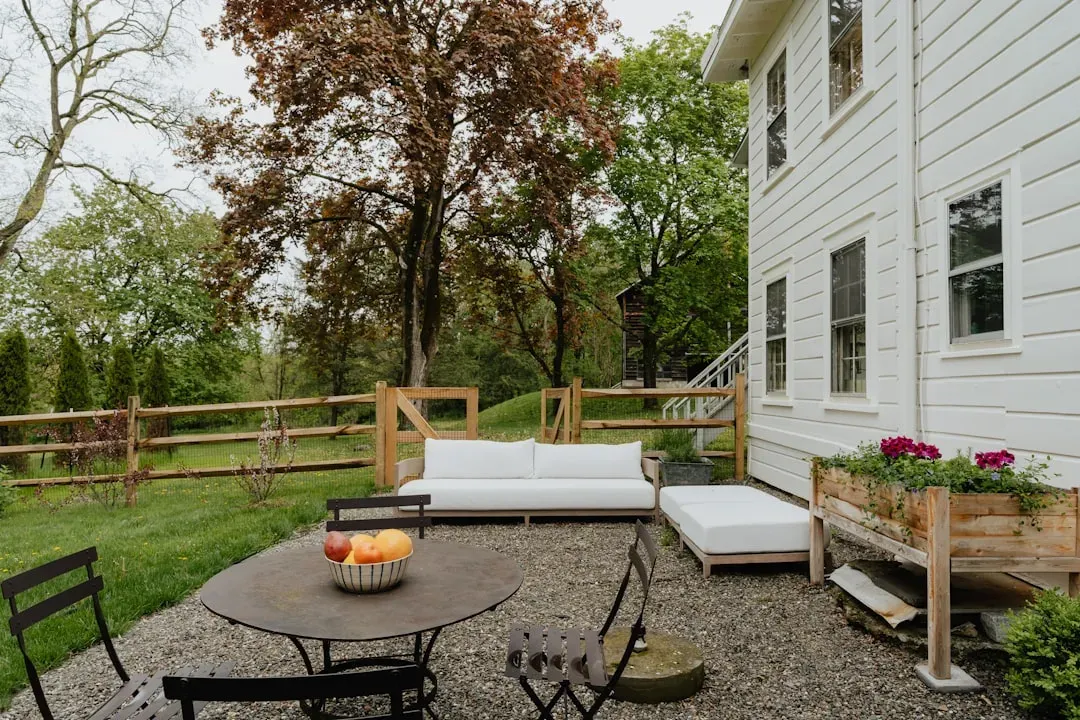
has to be comfortable enough to sit in for more than a few minutes, which sounds obvious but gets overlooked constantly. Furniture that’s durable, weather-resistant, and genuinely comfortable, rather than just decorative, tends to get used far more consistently. Deep seating, cushioned chairs, and a hammock or swing all invite the kind of slower, unstructured time that a quick perch on a hard bench doesn’t.
Layout matters just as much as the furniture itself. Clustering seating in a way that faces a garden bed, a water feature, or simply away from the house’s windows can shift the entire feel of the space from “extra room” to “retreat.” Even modest yards benefit from having at least one defined spot meant purely for sitting still, rather than every square foot being multipurpose.
Reducing maintenance stress

Ironically, a backyard designed to relax you can become a source of stress if it demands constant upkeep. Lawns in particular have faced growing scrutiny for their water and chemical requirements, which has pushed many homeowners toward lower-maintenance alternatives like groundcovers, clover lawns, or expanded mulched beds. Drought-tolerant landscaping, sometimes called xeriscaping, has grown steadily in popularity across drier regions of the country as water costs and restrictions have increased.
Automated irrigation systems and mulch have also made a measurable difference in reducing the weekly time commitment a yard requires. Less time spent mowing, weeding, and watering translates directly into more time simply enjoying the space rather than servicing it. That shift in ratio, from labor to leisure, is often what separates a genuinely peaceful backyard from one that just looks nice in photos.
Wildlife as a quiet companion
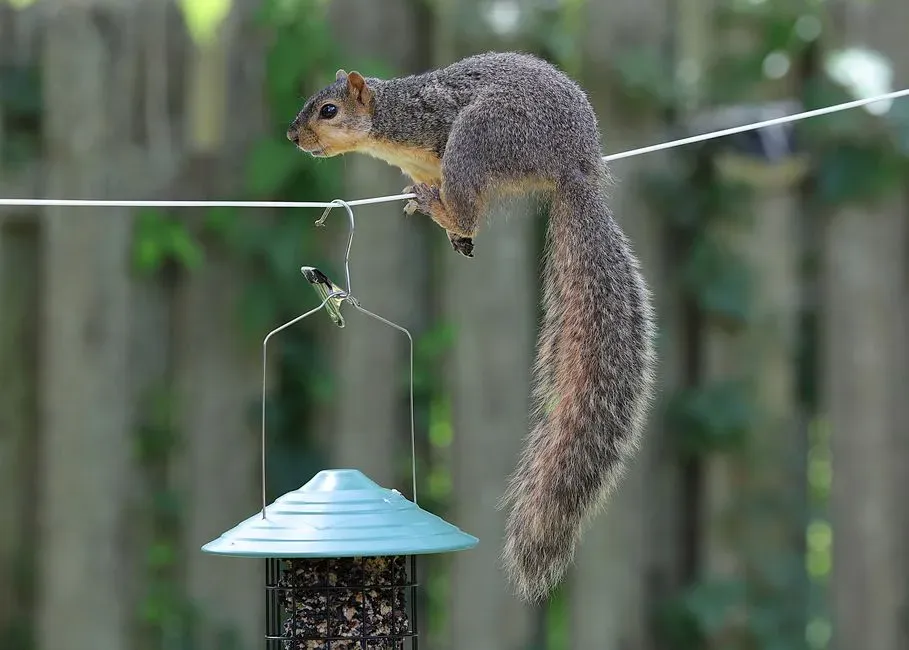
Birds, butterflies, and even the occasional rabbit or squirrel add a layer of quiet activity that many people find soothing rather than disruptive. Bird feeders and native flowering plants are among the simplest ways to draw wildlife without much effort, and birdwatching from a backyard has grown into one of the more popular low-key outdoor hobbies in recent years. Pollinator gardens, designed specifically to support bees and butterflies, have also gained traction as awareness of pollinator decline has spread.
Watching wildlife move through a yard, rather than actively seeking it out elsewhere, offers a passive kind of engagement that doesn’t require effort or planning. It’s a small daily reminder that the space belongs to more than just its human occupants, which for many people adds to the overall sense of peace rather than detracting from it.
Digital boundaries in an analog space
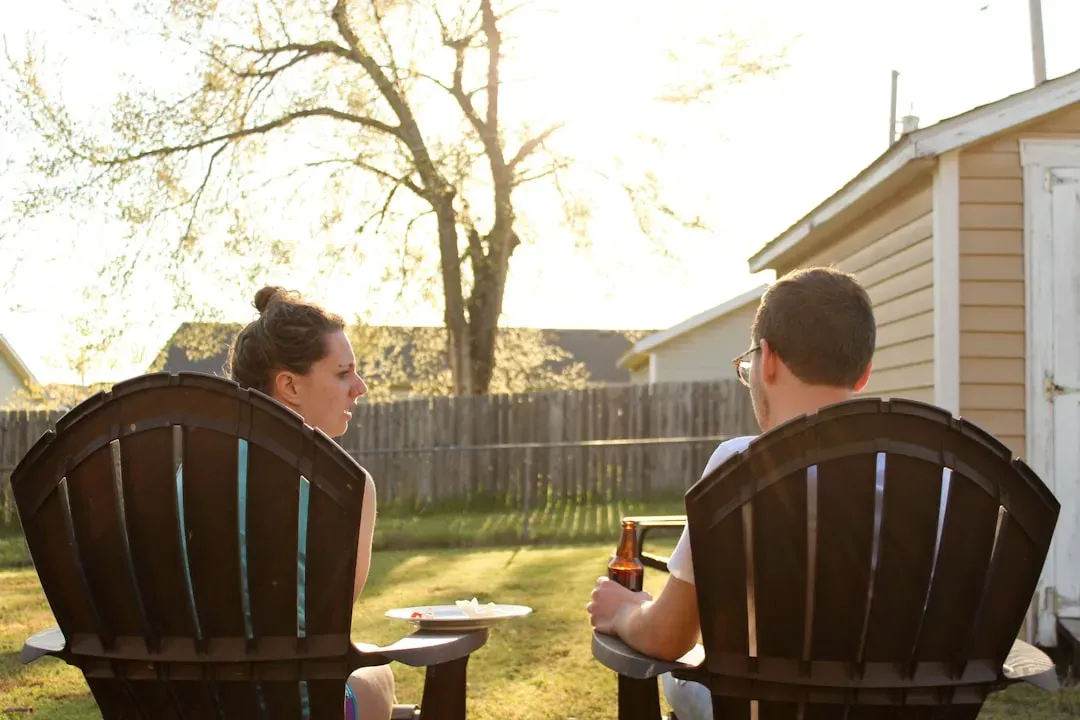
One of the more recent shifts in how people use their backyards involves deliberately leaving devices behind. Phone-free zones, even informal ones, have become a small but noticeable trend as people look for ways to counter constant digital stimulation. A backyard, precisely because it’s just steps from the house, offers an easy testing ground for that kind of boundary without requiring a full digital detox or travel.
Some households have started treating morning coffee or evening wind-down time outside as a fixed, screen-free ritual. The consistency of the habit seems to matter more than its length; even fifteen uninterrupted minutes outside can reset a person’s mood in a way that scrolling rarely does. That small ritual has become, for many, the single most reliable source of daily calm the backyard provides.
Designing for the seasons, not just summer
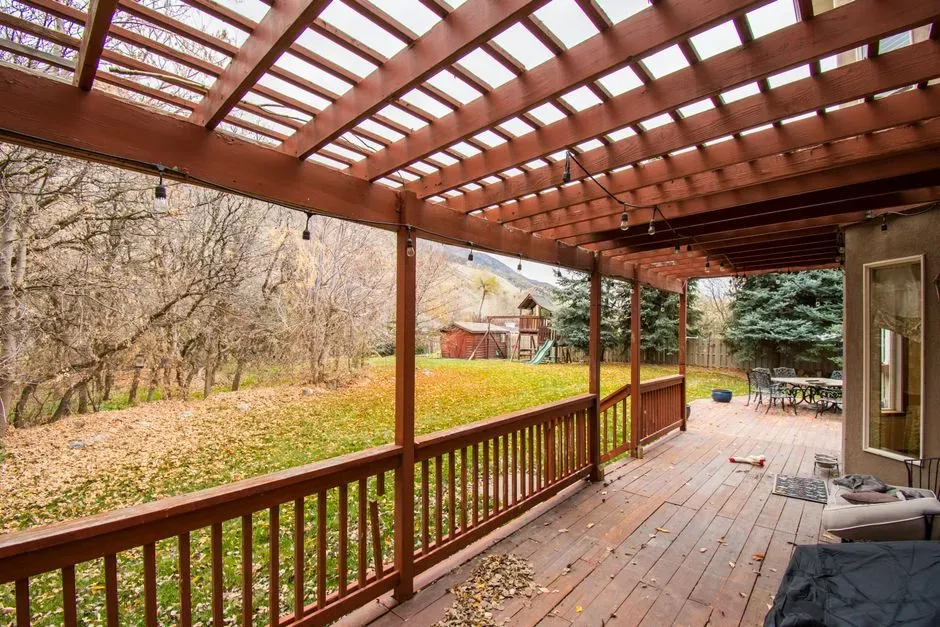
A backyard that only feels peaceful for a few warm months isn’t delivering on its full potential. Evergreen structure, hardscaping like stone paths and patios, and weatherproof furniture covers all extend a yard’s usability well beyond peak summer. Fire pits and outdoor heaters, both of which have become considerably more common and affordable additions in recent years, help stretch comfortable outdoor time into cooler evenings and shoulder seasons.
Winter interest matters too, even in colder climates where snow limits direct use. Ornamental grasses left standing, berry-producing shrubs, and structural tree forms all give a yard something worth looking at from indoors when stepping outside isn’t practical. Designing with all four seasons in mind turns a backyard from a summer-only feature into a year-round source of calm.