
Comfort in a home is rarely about one big renovation. It usually comes down to a handful of small, deliberate choices that add up over time. A room can look beautiful in photos and still feel cold, stiff, or uninviting in real life, and the reverse is just as common.
The good news is that most of the fixes are inexpensive and don’t require tearing anything down. They involve light, sound, texture, air, and a bit of thoughtful arrangement, applied with more attention than most people usually give them.
Layer your lighting instead of relying on one source
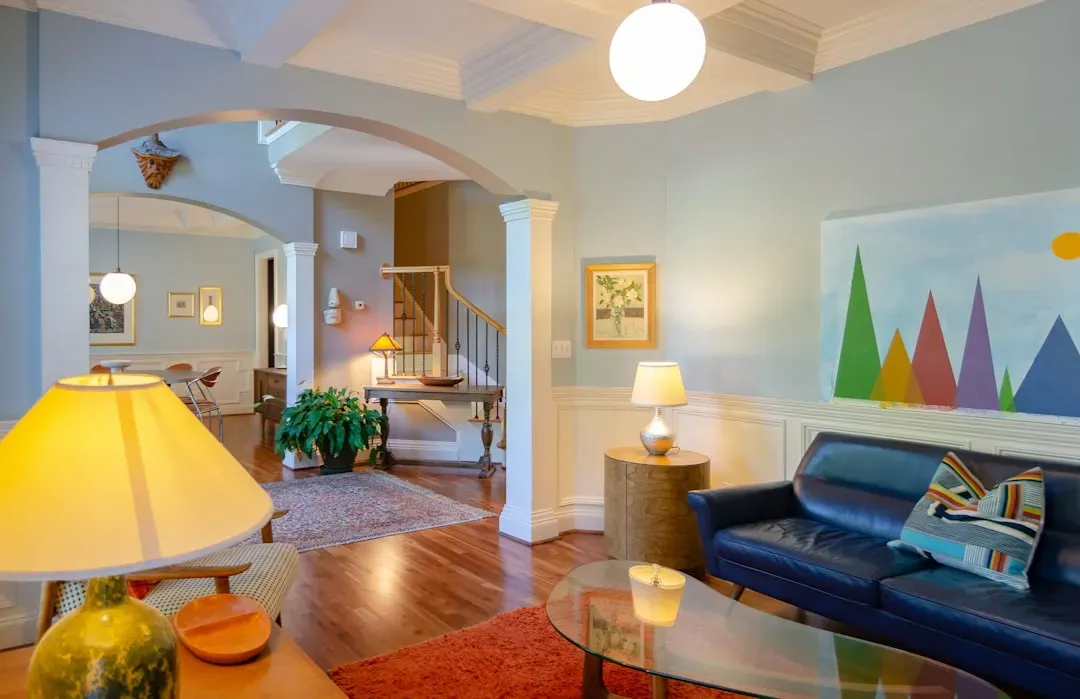
A single overhead fixture is one of the fastest ways to make a room feel flat and clinical. Layering ambient, task, and accent lighting gives a space depth and lets you adjust the mood depending on the time of day. Floor lamps, table lamps, and wall sconces at different heights break up harsh shadows and make a room feel lived in rather than staged.
Color temperature matters just as much as the number of fixtures. Warm lights in the 2700K to 3000K range emit a golden amber glow and are best suited for rooms where comfort and relaxation are the goal, including bedrooms, living rooms, and dining areas. Cooler light closer to daylight tends to feel more clinical, which is why cool light ranging from 5000K to 6500K mimics daylight and increases alertness, making it more common in offices and kitchens.
Let smart temperature control do the quiet work

Thermal comfort is easy to overlook because it’s invisible, but a room that’s a few degrees off from ideal never feels quite right, no matter how it’s decorated. Programmable and smart thermostats have become a practical way to keep rooms at a temperature without constant manual adjustment. The Department of Energy notes that homeowners can save as much as 10 percent a year on heating and cooling simply by turning the thermostat back seven to ten degrees Fahrenheit for eight hours a day.
Independent verification backs this up. The EPA’s ENERGY STAR program has independently verified an 8 percent reduction in heating and cooling costs for certified smart thermostats. Beyond the savings, these devices improve a home’s comfort by learning your schedule and preferences, keeping rooms at the right temperature when you’re there and scaling back when you’re not. That kind of consistency matters more for comfort than most people realize, since a room that swings between too warm and too cold rarely feels settled.
Bring in texture through textiles

Hard surfaces like tile, glass, and bare wood look sharp but can make a room feel visually cold even when the temperature is fine. Rugs, throws, and cushions soften those edges and add a tactile quality that photographs never quite capture. A room with at least one soft textured element per major surface, floor, seating, and windows, tends to feel noticeably more welcoming than one without.
Mixing textures also adds visual interest without requiring a color overhaul. A chunky knit throw next to a smooth leather chair, or a woven basket beside a glass coffee table, creates contrast that keeps the eye moving. This is one of the simplest upgrades available, since textiles are cheap to swap out seasonally compared to furniture or paint.
Treat sound as part of the design, not an afterthought
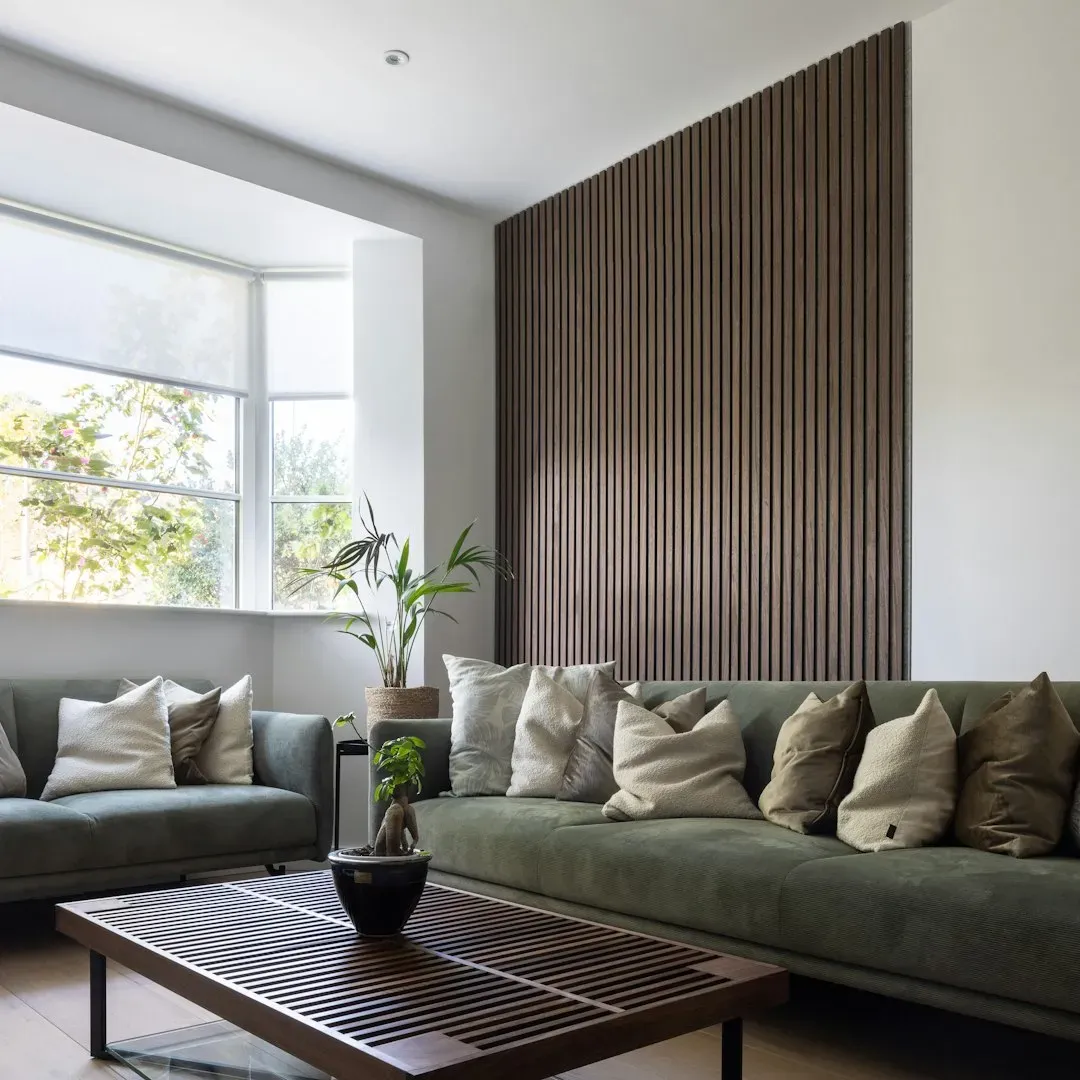
Comfort isn’t only visual. A room with hard, parallel walls and no soft surfaces often has an echo that makes conversation feel harsher than it should. Curtains, rugs, upholstered furniture, and even bookshelves absorb sound and take the edge off a space that would otherwise feel sterile.
Open-plan homes are especially prone to this problem, since sound travels further without walls to contain it. Adding a large area rug under the main seating group, or hanging heavier drapes, can noticeably reduce that hollow, echoing quality. It’s a fix most people never think about until they notice how much calmer a room feels after making the change.
Prioritize air quality and gentle ventilation
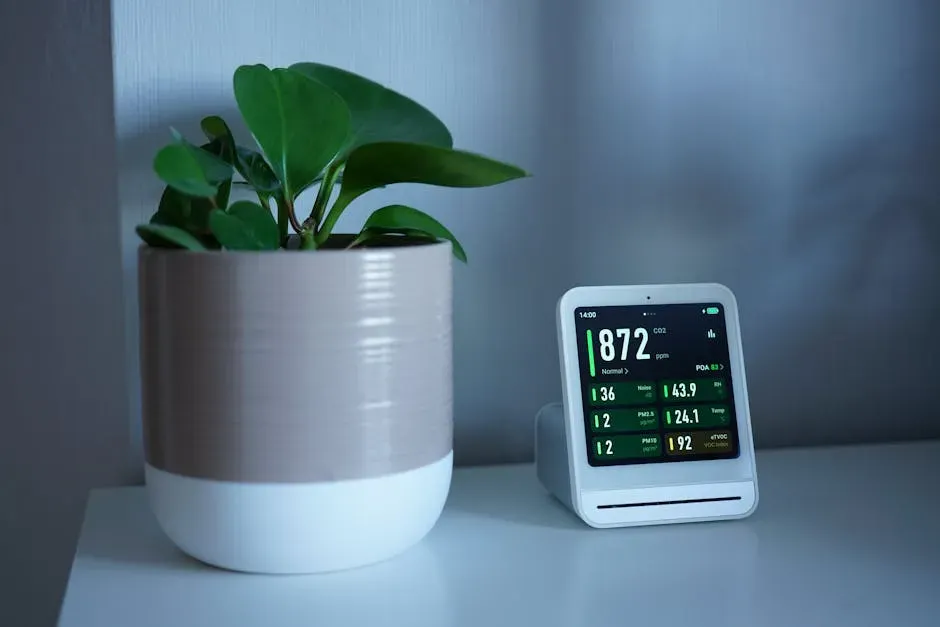
Stuffy air is one of the quickest ways to make a room feel unpleasant, even if everything else about it is well designed. Simple habits like cracking a window for a few minutes each day, using exhaust fans in kitchens and bathrooms, and changing HVAC filters on schedule go a long way toward keeping air fresh. Houseplants can help marginally with humidity and give a room a more lived-in feel, though their air-purifying effect on whole-room air quality is more modest than popular claims suggest.
Humidity control matters too, particularly in climates with distinct seasons. A room that’s too dry in winter can feel scratchy and un, while excess humidity in summer makes spaces feel heavier than they are. A basic hygrometer costs very little and takes the guesswork out of deciding whether a humidifier or dehumidifier is actually needed.
Arrange furniture around conversation, not just walls
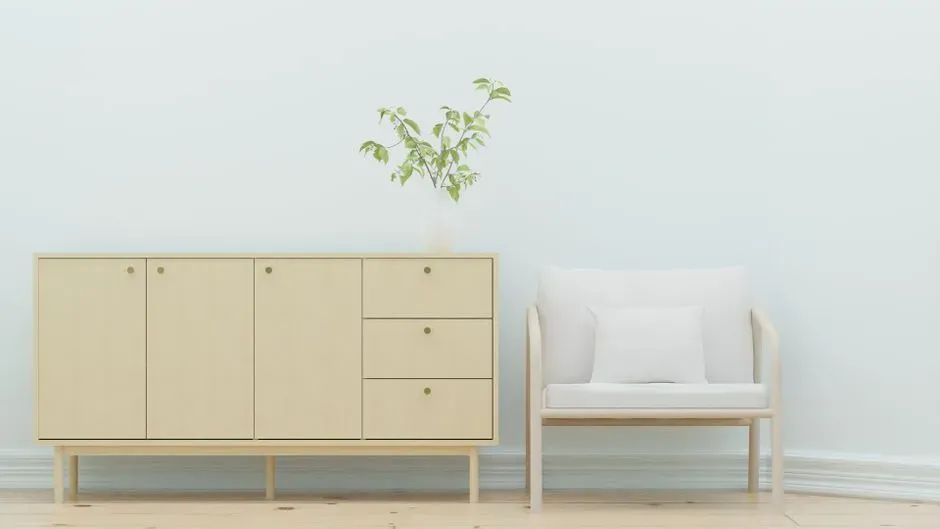
Pushing every piece of furniture against the walls is a common habit, but it tends to leave the center of a room feeling empty and the edges cramped. Pulling seating slightly inward and angling chairs toward each other creates a sense of gathering that makes a room feel more social and settled. This works in small spaces too, since a tighter, well-angled arrangement often feels cozier than one spread thin around the perimeter.
Traffic flow deserves attention as well. A room where people have to squeeze past furniture to get from one side to the other rarely feels relaxed, no matter how nice the individual pieces are. Leaving clear paths of at least a couple of feet between major furniture pieces keeps a space functional without sacrificing warmth.
Use scent sparingly but intentionally

Smell is one of the fastest ways to shape how a room feels, often faster than sight. A room that smells faintly of something pleasant, be it a candle, fresh linen, or simply clean air, registers as almost instantly. The key is subtlety, since an overpowering scent can have the opposite effect and make a space feel artificial or overwhelming.
Natural approaches often work better than heavy synthetic fragrances. Simmering herbs, a bowl of citrus peels, or well-ventilated rooms that simply don’t trap cooking or pet odors tend to create a more genuine sense of freshness than air fresheners layered on top of stale air. It’s a small detail, but one that guests notice even if they can’t quite name why a room feels good.
Add personal, meaningful objects rather than generic decor
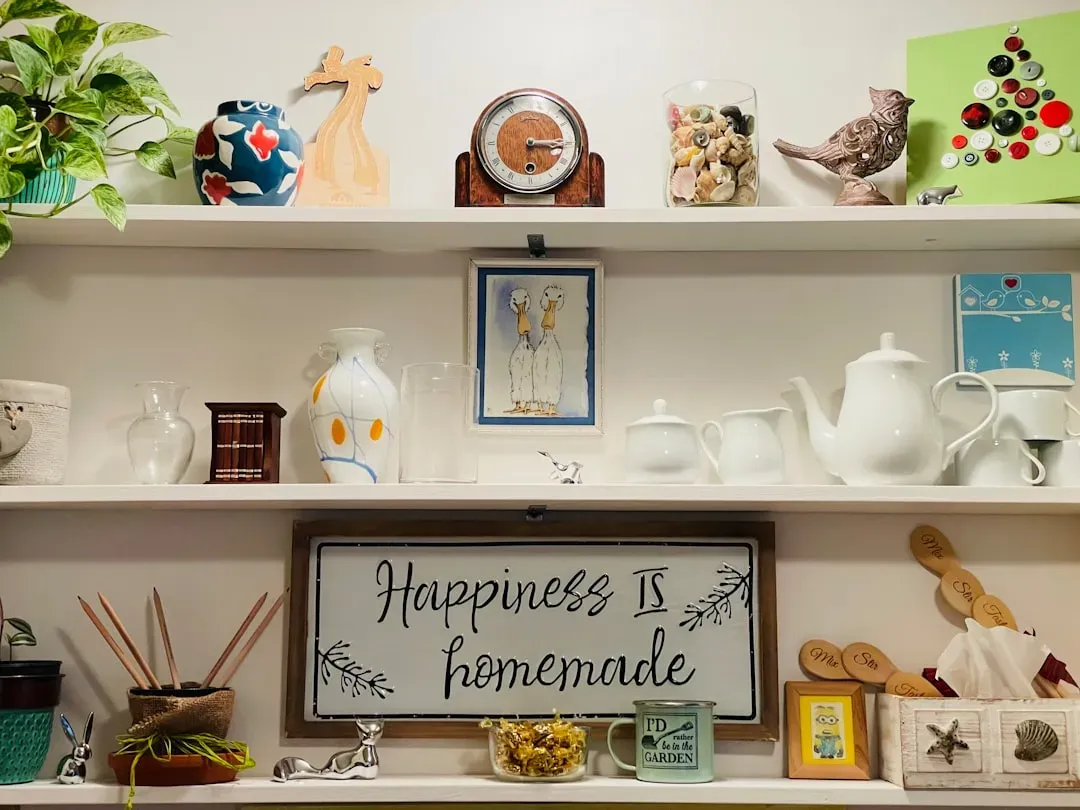
Rooms furnished entirely from a single catalog often look polished but feel strangely impersonal, almost like a hotel room. A few objects with real history, a photograph, a piece of pottery from a trip, a book collection built over years, give a space a sense of identity that mass-produced decor can’t replicate. Comfort is partly psychological, and rooms that reflect the people who live in them tend to feel more relaxing to be in.
This doesn’t mean cluttering every surface. A handful of well-placed personal items, given room to breathe, usually reads as more intentional and than a dozen competing for attention. The goal is a space that feels like it belongs to someone, not a showroom waiting to be occupied.
Choose a color palette that supports the room’s purpose

Color affects mood more than most people give it credit for, and the effect changes depending on how a room is lit and used. Research on lighting and interior color environments has found that color is a strong factor affecting visual perception, mood, and anxiety, with correlated color temperatures also playing a role. Warmer wall tones tend to pair naturally with warmer lighting for a cohesive, relaxed feel, while cooler tones can feel sharper unless balanced carefully.
Consistency across a room matters more than picking a trendy shade. A space where the wall color, textiles, and lighting temperature all pull in the same direction feels calmer than one where each element fights the others. This is worth considering before buying paint, since the wrong pairing of color and light can undercut even well-chosen furniture.
Final thoughts
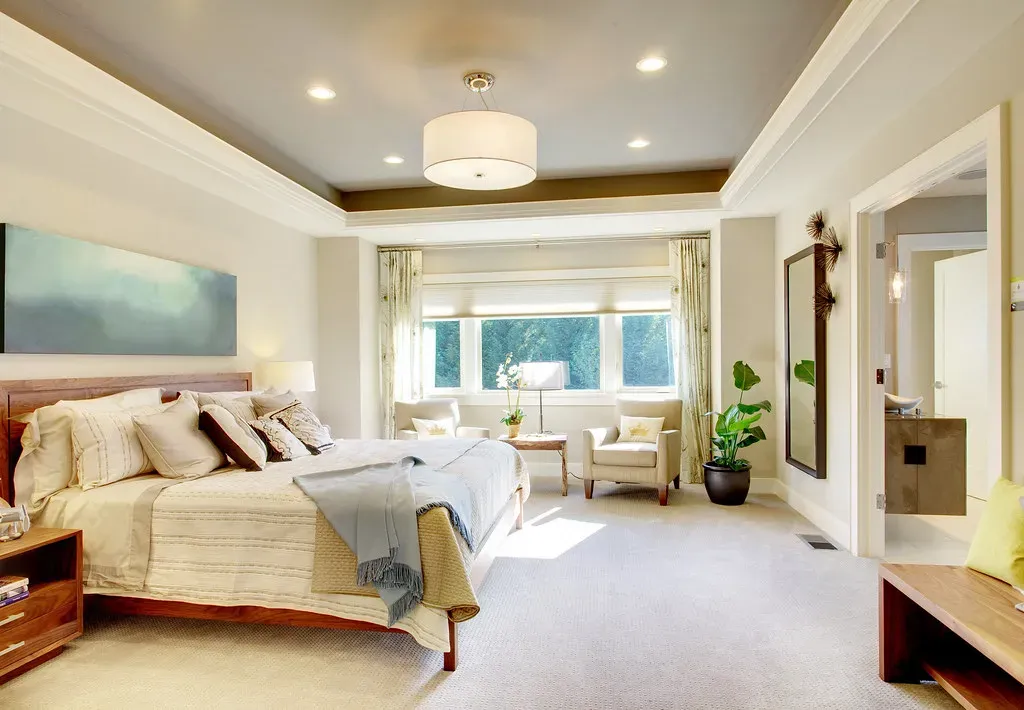
None of these adjustments require a full renovation or a large budget. Most involve noticing what a room is currently missing, whether that’s softer light, quieter acoustics, fresher air, or a personal touch, and addressing it directly. Comfort tends to be cumulative, built from several small decisions rather than one dramatic change, which makes it one of the more achievable goals in home design.