
There’s a particular kind of relief that comes from walking into a home that feels settled rather than scattered. It’s not about having an empty house or a magazine-perfect living room. It’s the quiet sense that everything around you has a place, and that your space is working with you instead of against you.
That feeling has become something people actively design for now, rather than something they stumble into by accident. Researchers, designers, and everyday homeowners are all circling the same idea from different angles, and the evidence behind it is more solid than most home trends ever get.
Why clutter quietly raises your stress levels
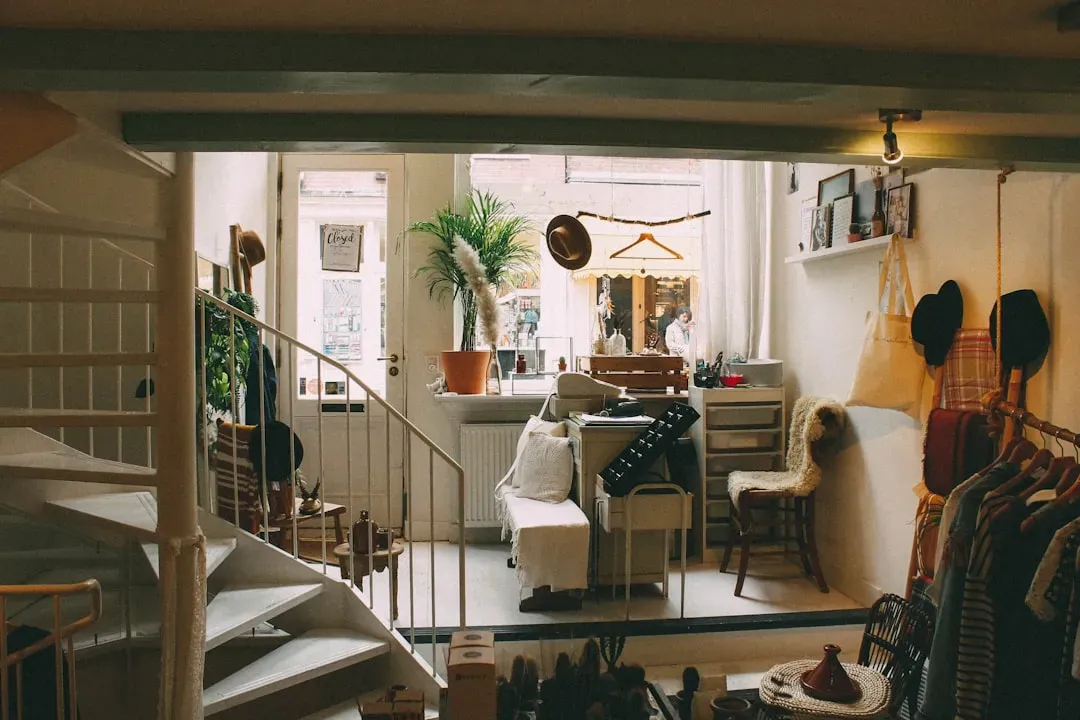
The link between a messy home and a stressed mind isn’t just a feeling people have. A landmark study out of UCLA’s Center on Everyday Lives of Families tracked 30 middle-class, dual-income families with at least one young child, giving them video recorders and asking them to conduct self-guided tours of their homes. Researchers also collected saliva samples throughout the day to measure cortisol, the body’s main stress hormone.
What they found was telling. Individuals who described their homes as cluttered or full of unfinished projects showed flatter cortisol slopes, a pattern associated with chronic stress and poorer health outcomes. Later research has added more texture to this, with studies suggesting cluttered environments correlate with cortisol elevations ranging from 18 to 25 percent compared to organized spaces. A 2025 study in the Journal of Environmental Psychology reached a similar conclusion, finding that people who considered their homes more cluttered had lower levels of well-being and life satisfaction, as well as higher levels of negative feelings.
The 2026 shift toward curated calm
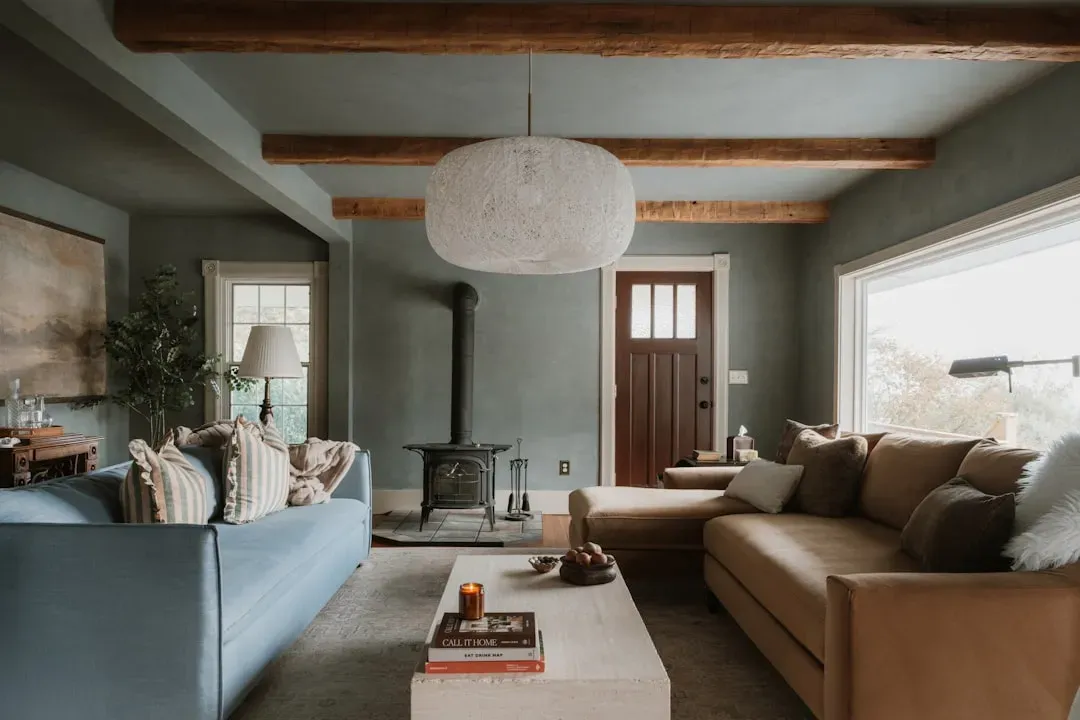
Interior design has caught up with the science, in its own way. Speaking to Dezeen at the start of 2026, several designers described a move away from spectacle and toward interiors that simply feel good to spend time in. Tokyo architect Keiji Ashizawa put it plainly, noting that 2025 marked a shift from interiors designed to deliver a wow effect to spaces that hold and support human time, adding that memorable interiors are often the ones where people naturally want to stay longer.
Other designers described this as a form of restraint rather than a return to bare minimalism. London architect Benni Allan called the mood of 2026 interiors quietly expressive, spaces that feel calm, tactile and deeply personal. Milan-based Dimore Studio framed it as a form of conscious reduction, spaces that are quieter, but not empty, restrained yet layered. It’s less a rulebook and more a mood that homeowners are gravitating toward on their own terms.
Color and light as tools for calm
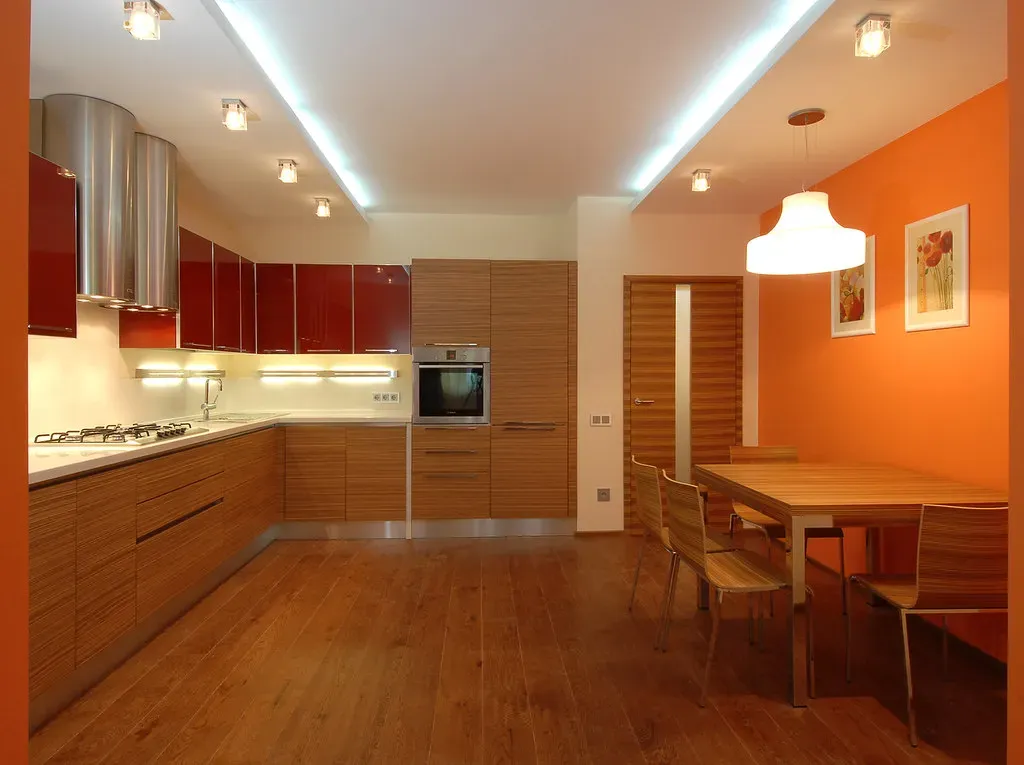
Color choice plays a bigger role in how a room feels than most people give it credit for. Reports on 2026 interiors point to coffee, mocha, mushroom, clay, and caramel tones replacing harsh, icy whites in minimalist rooms this year. These softer palettes tend to feel less clinical and more lived in, which matters if the goal is comfort rather than showroom perfection.
Light matters just as much as color. Design guides for the year note that minimalist spaces now favor soft, layered lighting like recessed fixtures, warm ambient lights, slim pendants, and subtle floor lamps over harsh overhead glare. A room lit this way tends to soften the edges of the day, which is exactly the point.
Bringing nature indoors
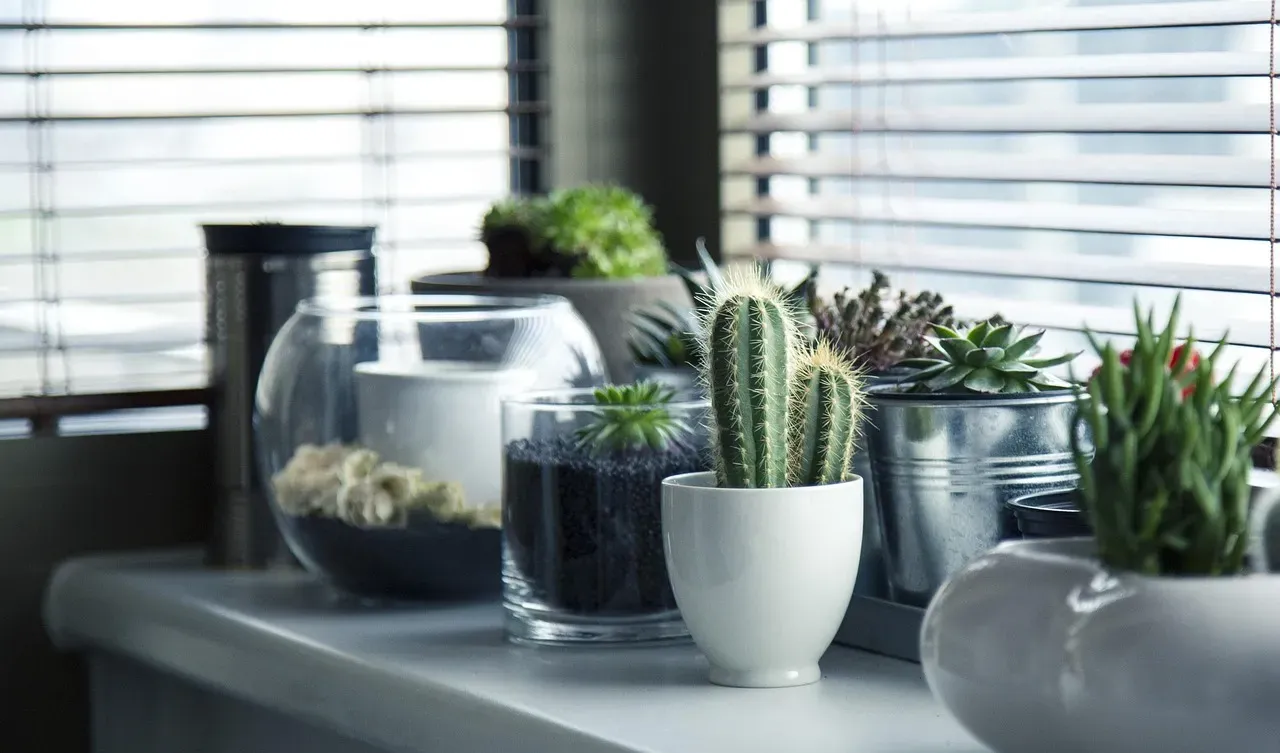
Biophilic design, the practice of weaving natural elements into indoor spaces, keeps showing up in 2026 home trends for a simple reason: it works. As one design overview puts it, nature has a calming effect, which is why it appears in many 2026 home decor trends, a concept designers call biophilic design. Even a single well-placed plant can shift how a room feels within minutes.
This doesn’t require a greenhouse or a big budget. Light woods, linen, stone, and other raw materials carry some of that same grounding effect even without living plants involved. Japandi style, a blend of Japanese and Scandinavian sensibilities, leans heavily on this idea, favoring balance, calmness, and reverence for natural materials, with soft, earthy color palettes and low profile furniture that evokes a meditative, grounded ambiance.
Smart storage that hides the mess, not the life
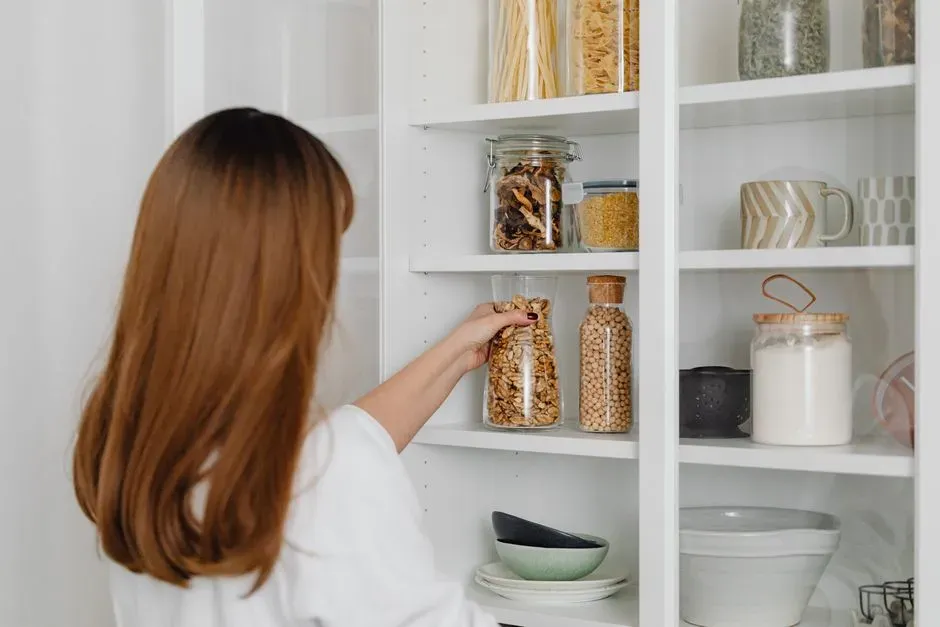
A calm room doesn’t mean an empty one. It usually means a well-organized one, where daily clutter has somewhere to disappear to instead of sitting out on every surface. Design guides describe this directly, noting that smart storage keeps rooms visually calm by hiding the everyday mess without reducing convenience.
Small details make a real difference here. Wall-mounted units with closed storage, tall pantry cabinets, and well-organized drawers all reduce visible clutter while keeping items within easy reach. The goal isn’t to eliminate belongings but to give them a home so they stop competing for attention on countertops and tabletops.
The bedroom as a genuine sanctuary
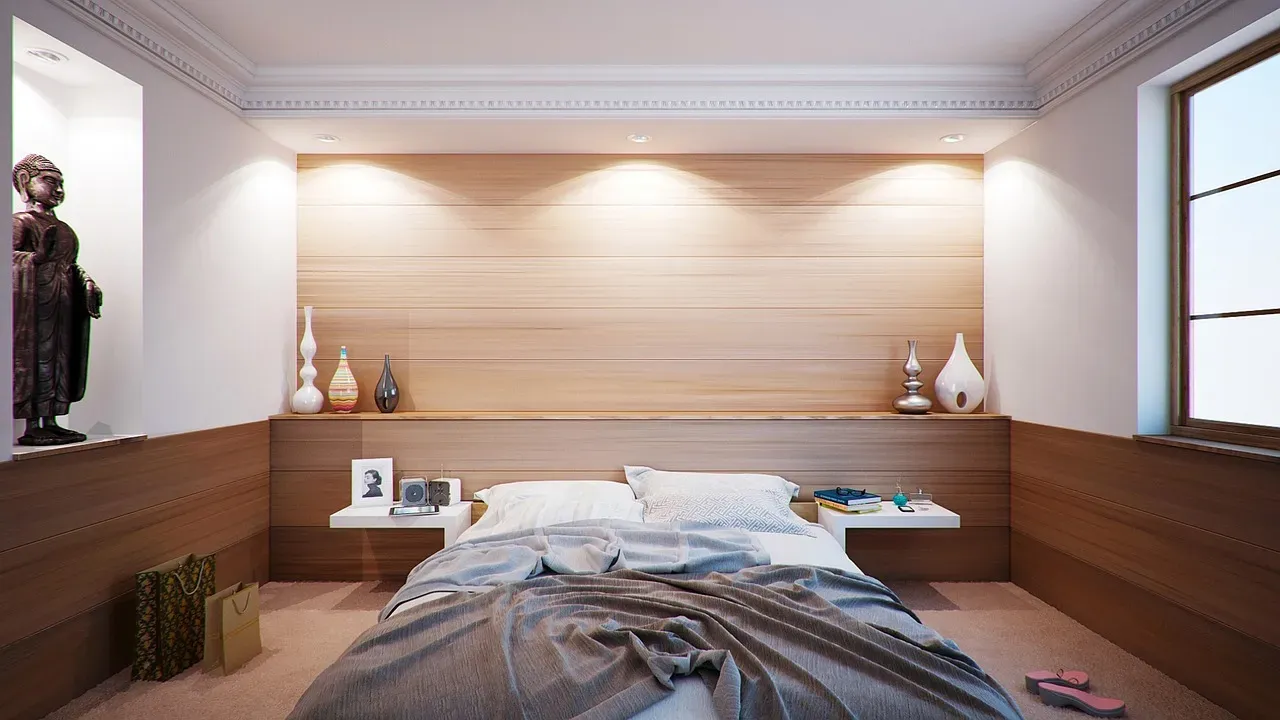
Bedrooms carry extra weight when it comes to calm, since they’re tied directly to sleep quality. Health researchers have flagged this connection clearly, noting that a cluttered bedroom can make it more difficult to relax at bedtime, and some research has linked cluttered bedrooms with poorer sleep quality. That’s a strong argument for keeping this particular room simpler than the rest of the house.
Sleep specialists generally recommend treating the bedroom as a low-stimulation zone rather than a catch-all storage space. Some wellness writers have taken this further, suggesting people set aside specific areas in the home as zen zones, free from clutter, whether that’s a cosy reading nook or a tranquil corner. A bedroom is often the easiest room to turn into exactly that kind of space.
Taming digital and technological clutter
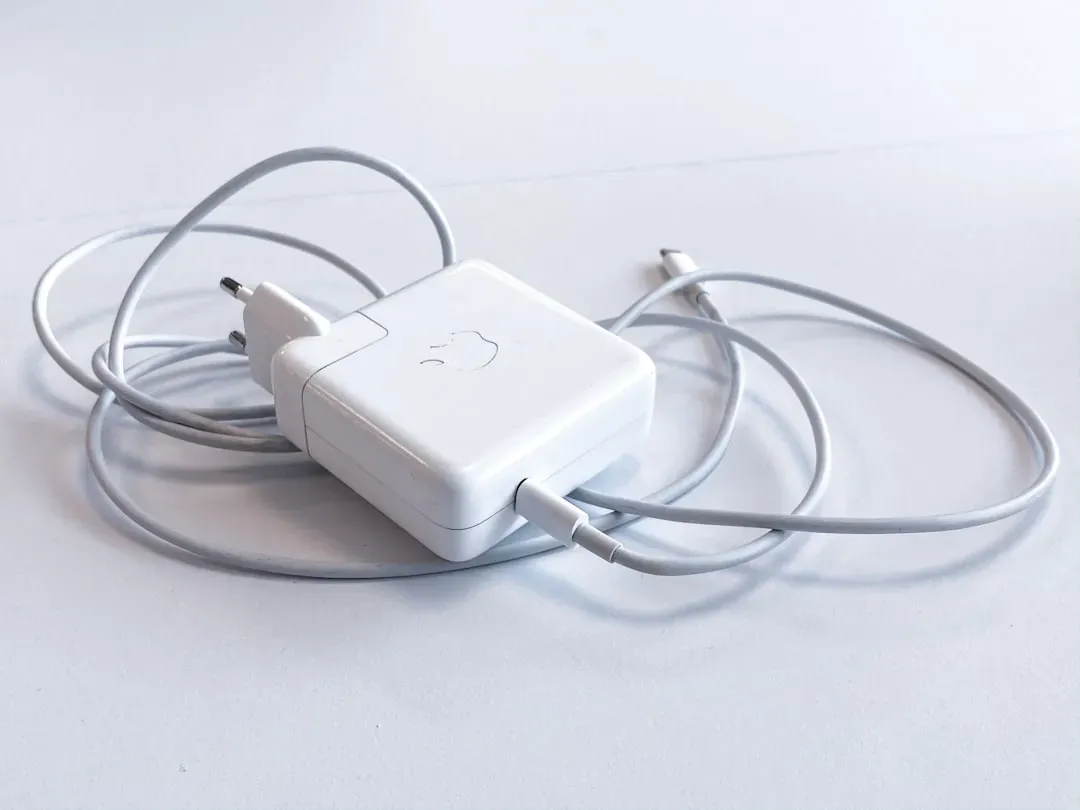
Calm doesn’t stop at physical objects anymore. Cables, chargers, remotes, and screens can crowd a room just as much as extra furniture does, and 2026 design conversations have started treating this as its own category. Dezeen’s trend report referenced this shift toward what designers call invisible technology, where devices are present but visually tucked away rather than left on display.
Some furniture brands have leaned into this directly, building in features like hidden drawers inside sideboards, soft-close compartments for game consoles, and end tables hiding USB ports and cable channels. The idea is simple: technology should support daily life without visually dominating the room it sits in. A tidy surface with no cords in sight tends to read as calmer, even if the same amount of electronics is still in use.
Making calm work in small spaces
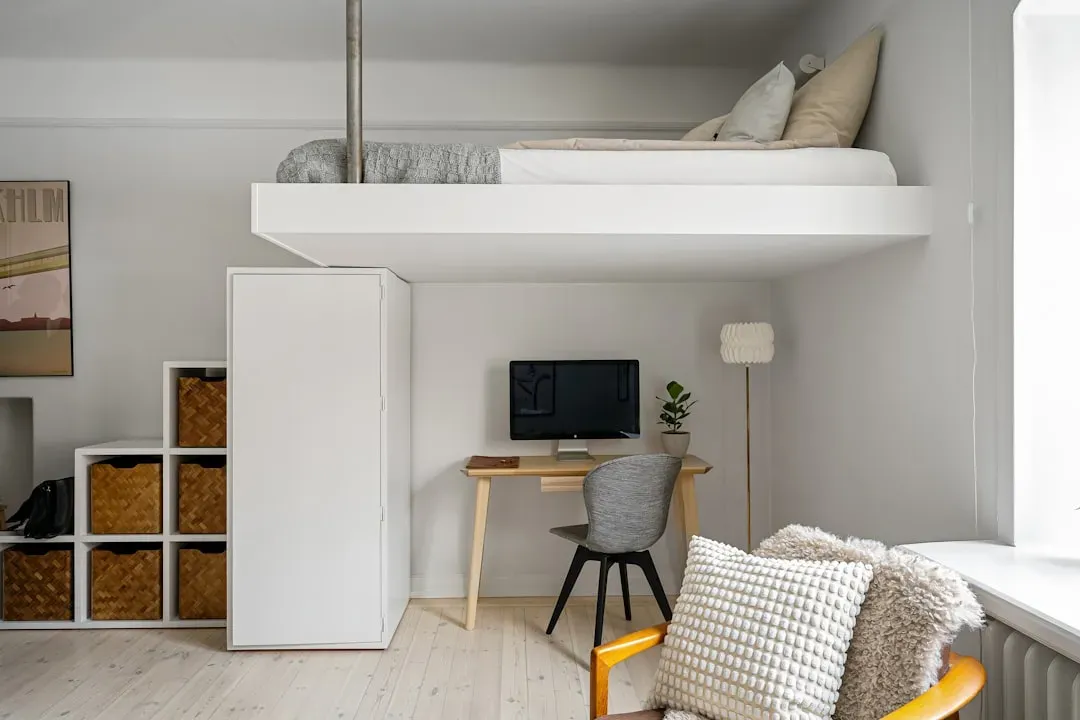
Not everyone has room to spread out, and a lot of calm-home advice assumes more square footage than most apartments actually offer. The good news is that scale matters less than intention here. Designers focused on compact living increasingly favor multi-purpose furniture, since homes now serve many purposes, with people working, relaxing, and entertaining in the same room, which means furniture needs to be flexible.
A slim sofa, a single well-chosen rug, and closed storage can do more for a small room than a dozen decorative objects ever will. The instinct to fill every corner often backfires in tight spaces, since empty space acts as an active element that gives a room room to breathe rather than a gap that needs filling. Leaving a shelf or a corner intentionally bare can make a small apartment feel more spacious, not less finished.
Building habits that keep the calm going

None of this sticks without some kind of routine behind it. A one-time deep clean feels great for about a week, then life tends to creep back in unless there’s a system in place. Health researchers point out that lasting change often starts with understanding personal habits first, suggesting people consider why they’ve been unable to address clutter for good, whether that’s emotional attachment to objects or buying things to feel safe or happy.
Small, repeatable habits tend to outperform big organizing projects over time. Clearing a single surface each evening, dealing with mail the day it arrives, or keeping one drawer permanently empty as a buffer zone all work better than sporadic overhauls. The entryway is often a good place to start, since it’s the first space people encounter every time they come home and sets the tone for everything beyond it.
Final thoughts
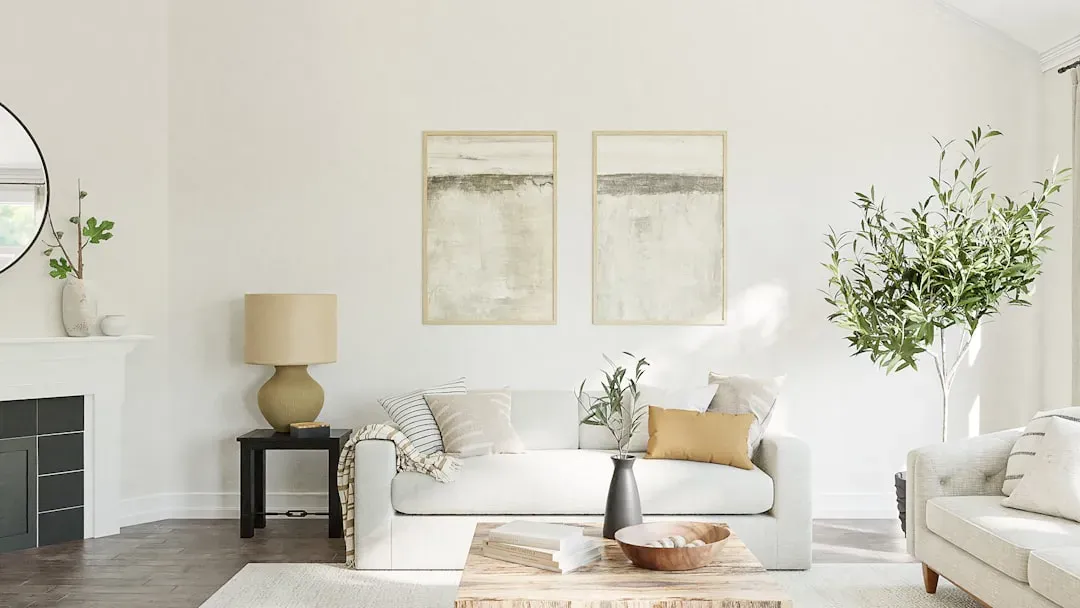
isn’t really about aesthetics, even though good design certainly helps. It’s about reducing the small, constant demands a cluttered environment places on your attention, so your home can actually function as a place to rest rather than another item on the to-do list.
The trends shaping 2026 interiors, from warmer palettes to smarter storage to a general resistance to excess, all point toward the same conclusion designers and researchers have been circling for years. A room that feels calm tends to be a room people actually want to spend time in, and that’s a fairly simple standard to build a home around.