
Sometimes the biggest shifts in a room come from the smallest moves. A swapped-out lamp, a new arrangement of frames, a bolder paint choice on a single wall. None of these require a renovation budget or a weekend of demolition, yet they can change how a space feels almost instantly.
The trick is knowing which small changes actually punch above their weight. Below are ten that consistently deliver noticeable results without draining your savings or your patience.
1. Paint one accent wall in a bold color
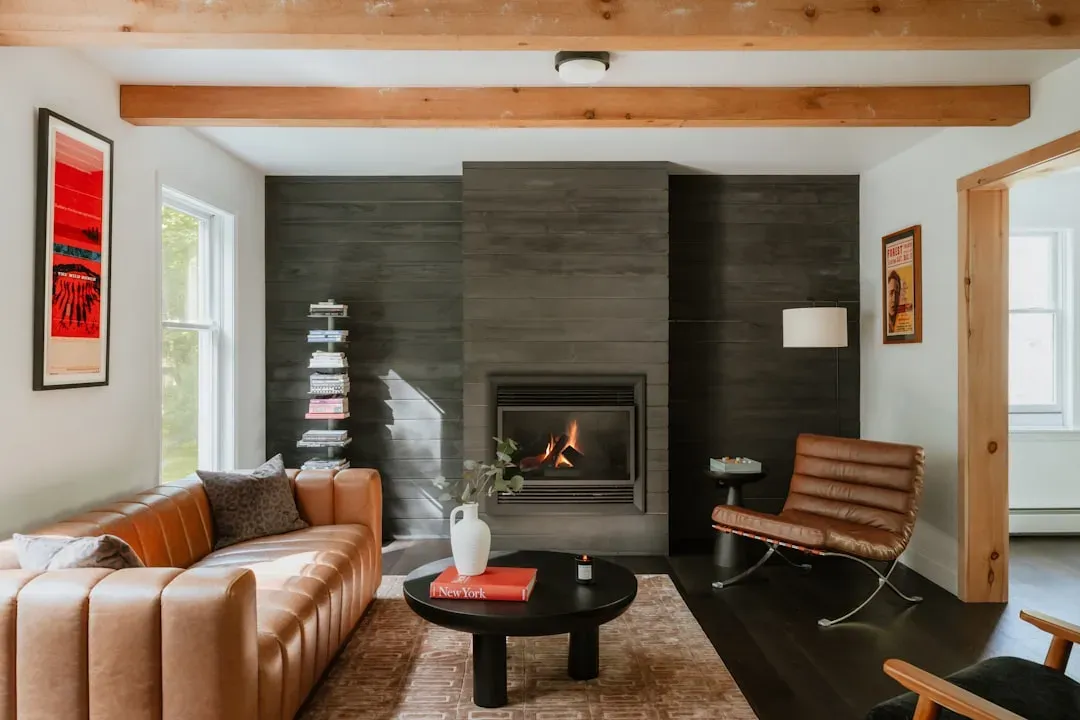
A single accent wall remains one of the most cost-effective ways to transform a room’s personality. Rather than committing to a full color overhaul, choosing one wall lets you experiment with deeper hues like navy, forest green, or terracotta without overwhelming the space. It also draws the eye toward a focal point, whether that’s a headboard, a fireplace, or a reading nook.
Designers have leaned into this trend for years because it works with almost any room size. Smaller spaces especially benefit, since a bold wall can create depth rather than making the room feel cramped. The rest of the walls stay neutral, which keeps the overall look balanced and intentional.
2. Swap out cabinet and drawer hardware

Hardware is one of those details people rarely notice until it’s updated, and then suddenly it’s all they see. Changing dated knobs and pulls on kitchen cabinets, dressers, or bathroom vanities can modernize furniture that otherwise looks tired. Brushed brass, matte black, and unlacquered brass have remained popular finishes heading into 2026, offering a warmer alternative to the chrome-heavy looks of the past decade.
This project typically takes an afternoon and costs far less than replacing cabinetry altogether. It’s also reversible, so renters and homeowners alike can experiment without long-term commitment. Even mismatched or vintage-inspired pulls can add character when done with a cohesive color palette in mind.
3. Layer different textures with throw pillows and blankets
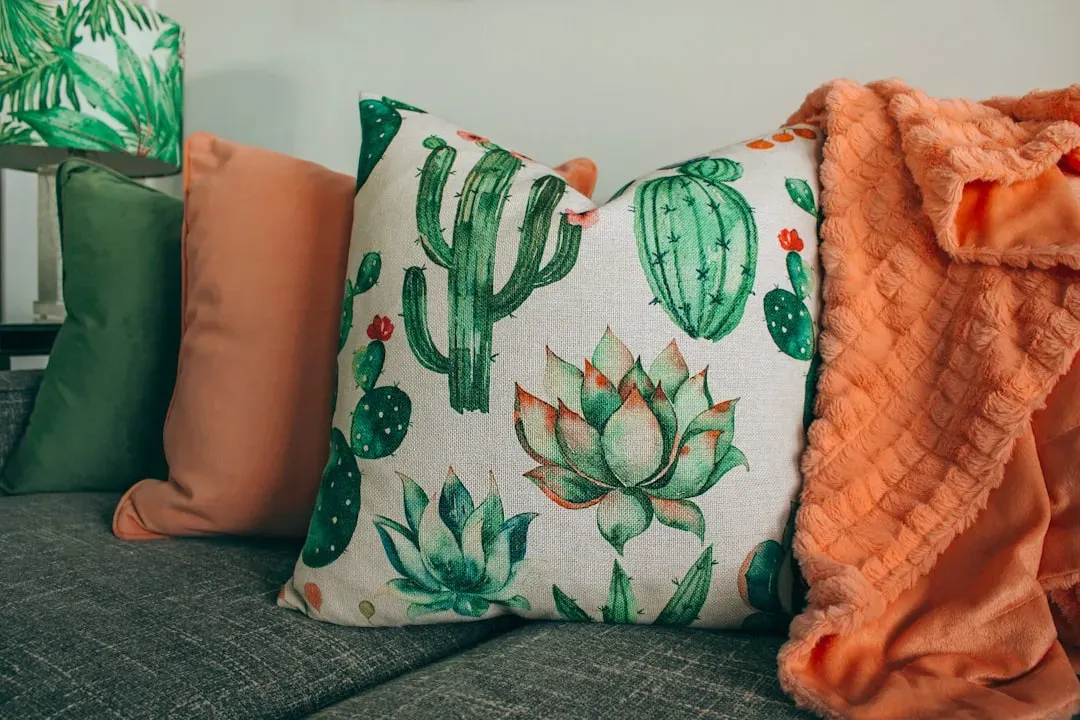
Texture does a lot of quiet work in a room, adding warmth and visual interest without requiring new furniture. Mixing materials like boucle, linen, velvet, and chunky knit throws creates depth on a sofa or bed that flat, matching sets simply can’t achieve. This layering technique has become a staple in interior styling because it feels curated rather than store-bought.
The key is variety without chaos. Sticking to two or three complementary colors while mixing textures keeps the look cohesive instead of cluttered. A single oversized knit throw draped over an armchair, paired with a couple of textured pillows, can make a plain seating area feel considerably more inviting.
4. Rearrange or refresh your gallery wall
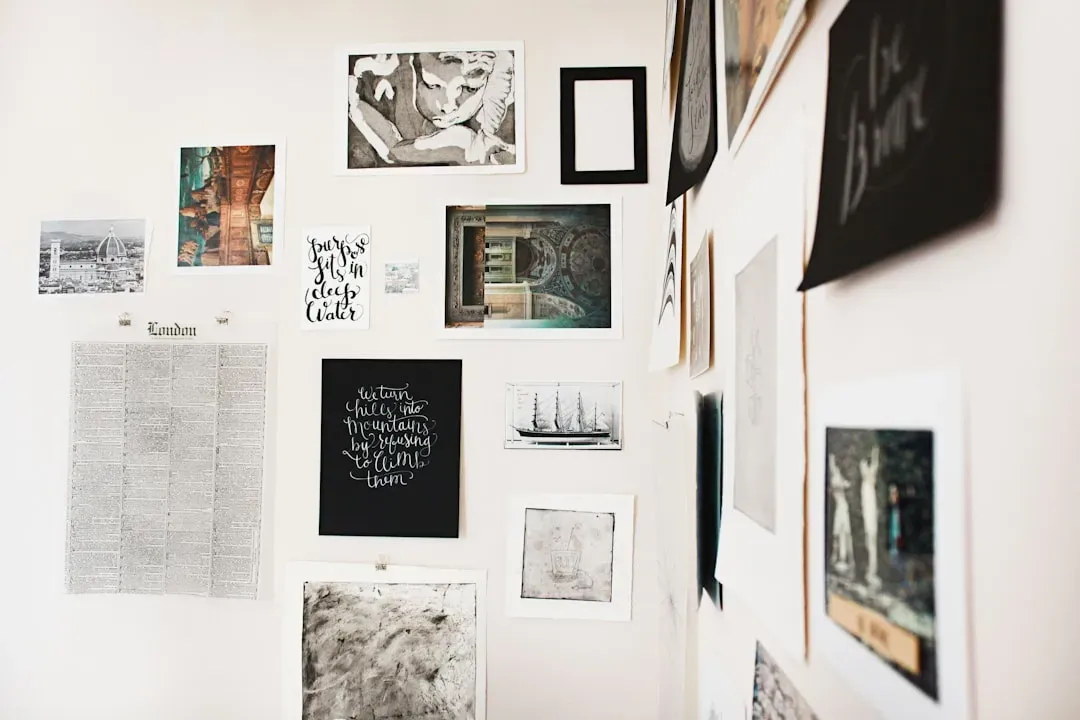
Gallery walls have stuck around because they let people display personal items in a way that feels intentional rather than random. Refreshing an existing arrangement, or building a new one with a mix of frame sizes and finishes, changes the entire energy of a hallway or living room wall. Combining photographs, art prints, and small mirrors adds dimension that a single large piece can’t replicate.
Spacing matters more than most people realize. Keeping consistent gaps of about two to three inches between frames creates a polished look, while uneven spacing tends to read as messy. Laying the arrangement out on the floor first, or tracing paper templates on the wall, helps avoid unnecessary nail holes.
5. Add a statement mirror
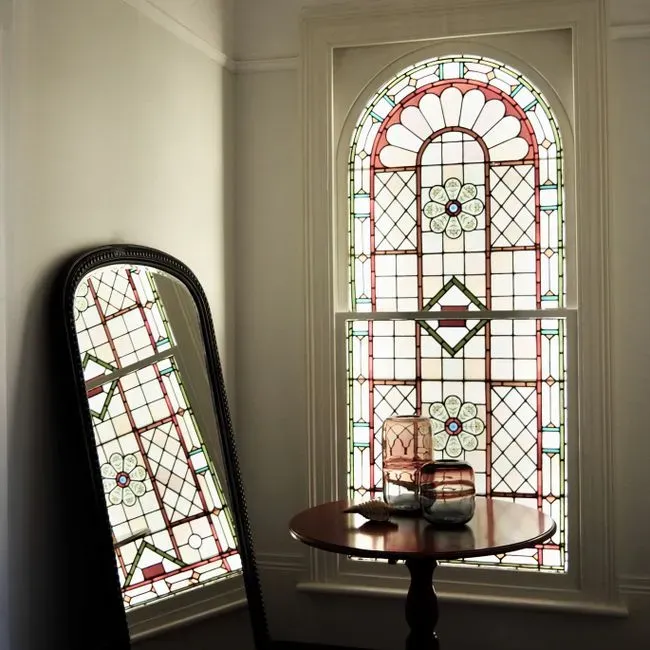
Mirrors do double duty, serving as both functional pieces and decorative focal points. A large, uniquely shaped mirror can make a small entryway or narrow hallway feel more open by bouncing light around the room. Arched, sunburst, and organic-shaped mirrors have overtaken the plain rectangular styles that dominated design for years.
Placement makes a real difference in how effective this is. Positioning a mirror across from a window maximizes natural light reflection, brightening a room during daytime hours without adding a single extra fixture. Even a moderately sized mirror leaned against a wall, rather than hung, can add a relaxed, layered feel to a bedroom or living space.
6. Introduce plants at varying heights
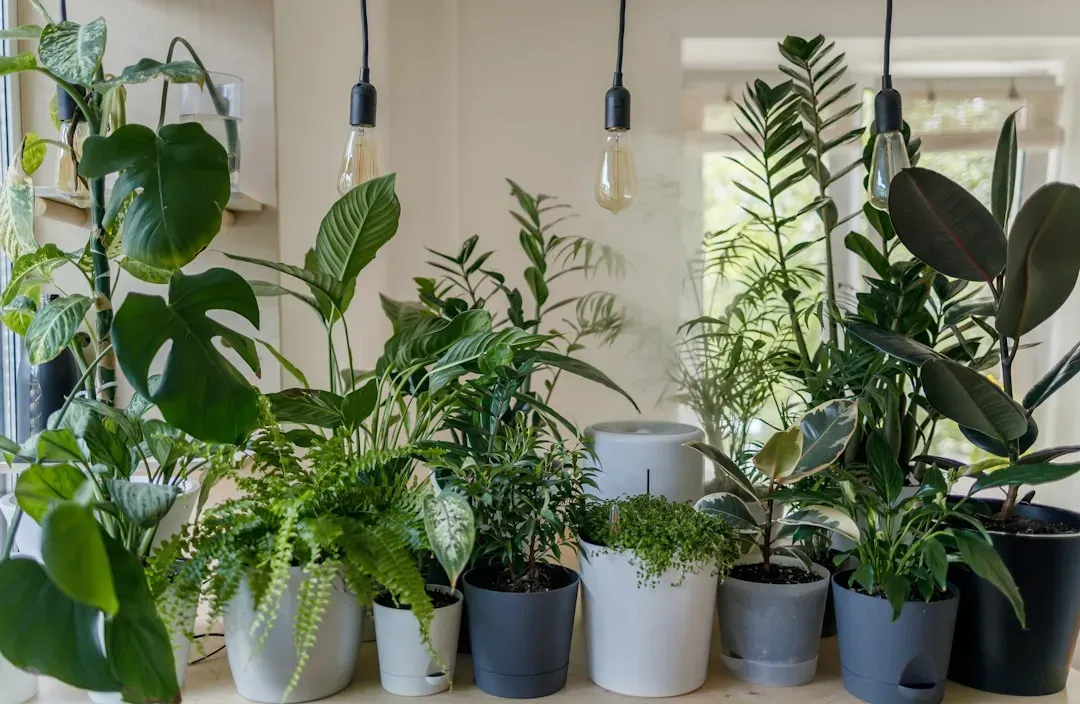
Greenery brings life into a room in a way that few other decorating choices can match. Rather than placing all plants at the same eye level, mixing heights, tall floor plants, mid-height shelf plants, and small tabletop varieties, creates a more dynamic and layered visual effect. This approach mimics how plants grow naturally, which makes indoor spaces feel less staged.
Low-maintenance options like snake plants, pothos, and ZZ plants remain popular choices for people who want greenery without a demanding care routine. Even a few well-placed plants can soften hard architectural lines in a room, like sharp corners or bare walls. For renters, this is also one of the few decorating choices that requires zero permanent changes to the space.
7. Update your lighting with a statement fixture
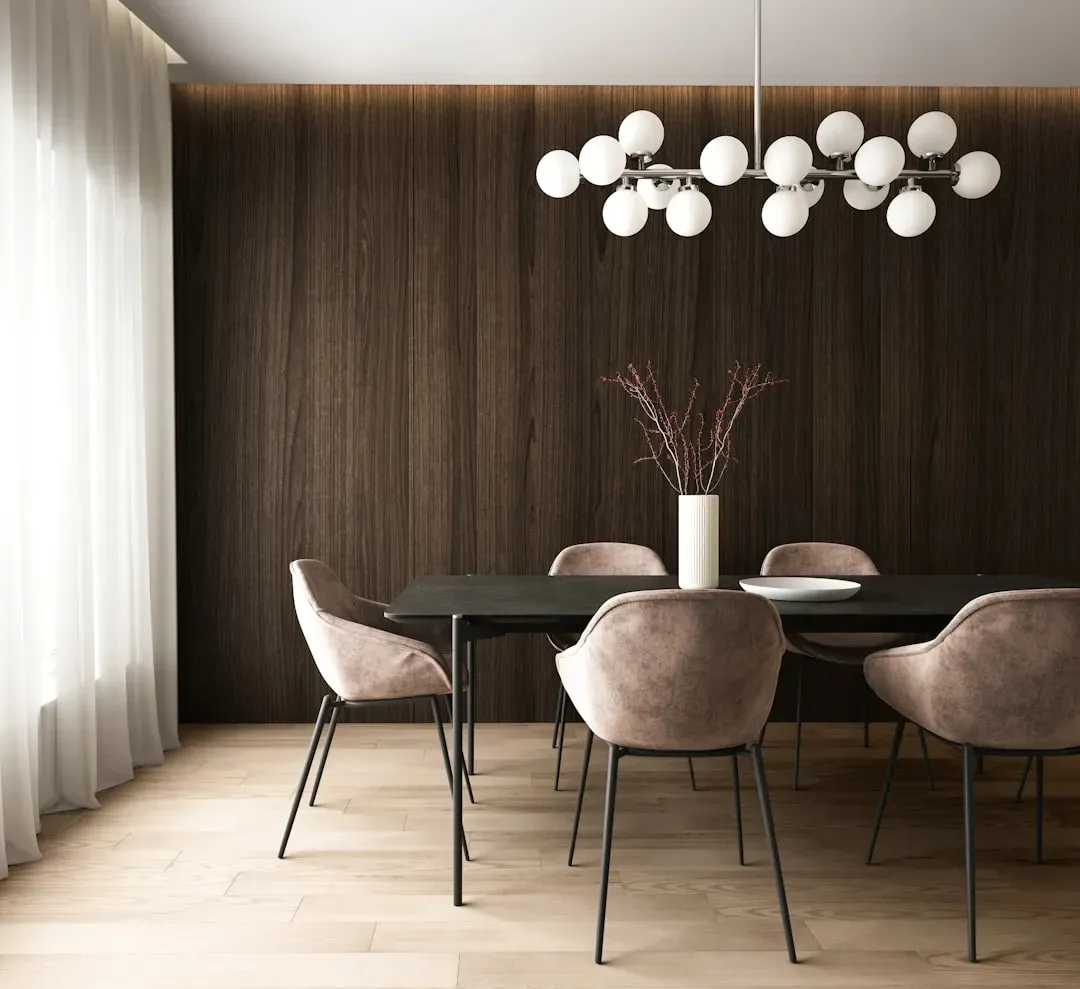
Overhead lighting often gets overlooked, yet it’s one of the fastest ways to change the mood of a room. Swapping a builder-grade flush mount for a pendant light, chandelier, or sculptural fixture instantly elevates the ceiling as a design element rather than an afterthought. This has become especially common in dining rooms and entryways, where a single fixture sets the tone for the entire space.
Layering different types of light, ambient, task, and accent, also matters more than people initially think. Adding a floor lamp or table lamp alongside overhead lighting creates warmth and flexibility for different times of day. Warm-toned bulbs, generally in the 2700K to 3000K range, tend to feel more inviting than cooler, bluish tones in most living spaces.
8. Reupholster or slipcover a single piece of furniture
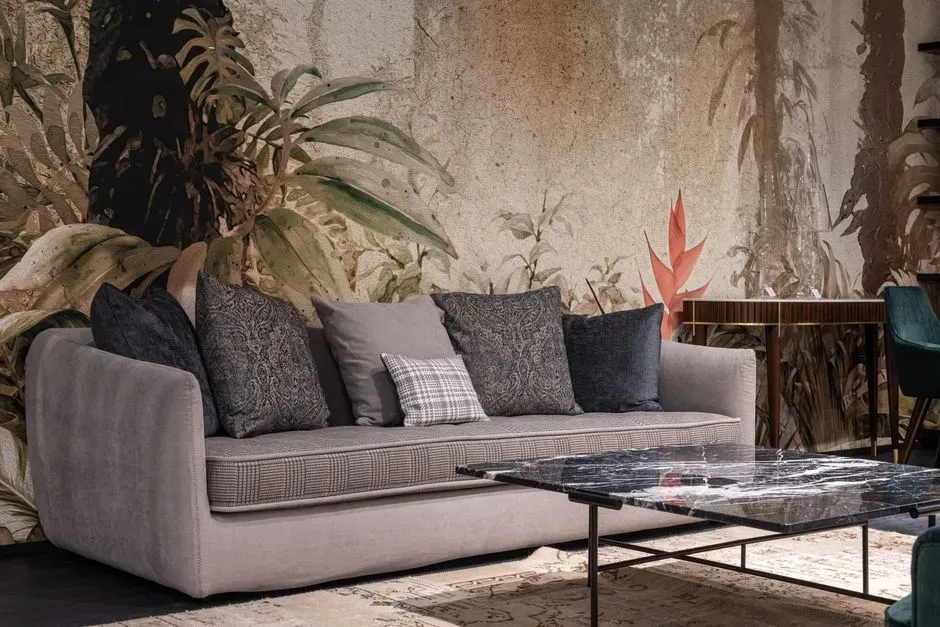
Rather than replacing an entire sofa or accent chair, reupholstering or adding a well-fitted slipcover can breathe new life into furniture that’s structurally sound but visually outdated. This works particularly well for older pieces with solid wood frames, since the bones of the furniture are often better quality than newer, mass-produced alternatives. Fabric choice matters here, with performance fabrics like linen blends and tightly woven cottons offering durability alongside style.
This approach also allows for more personalized color and pattern choices than what’s typically available in stores. A neutral chair reupholstered in a bold pattern can become the unexpected centerpiece of a living room. It’s a more involved project than most on this list, but it costs considerably less than buying new furniture altogether.
9. Style open shelving with intention
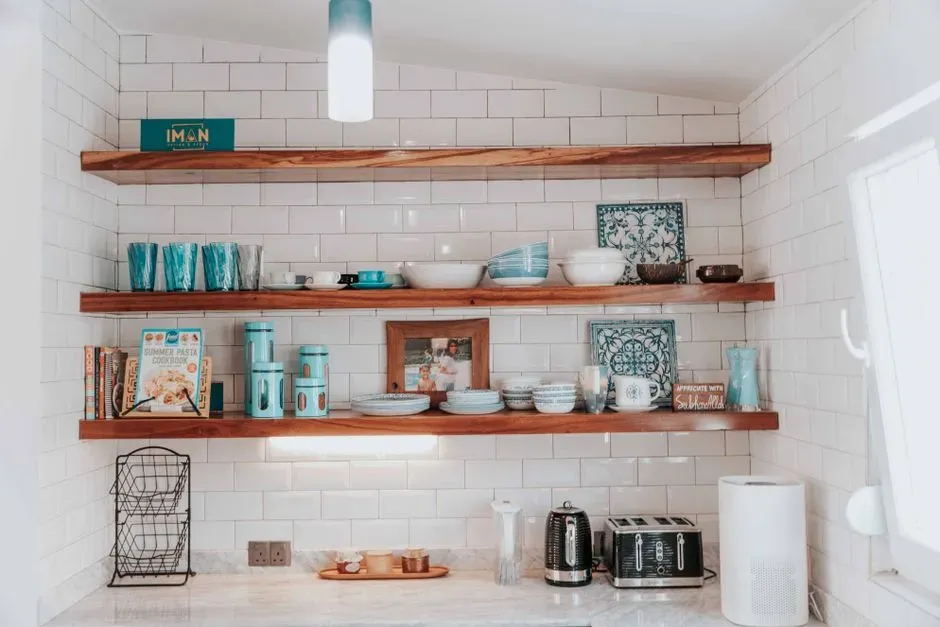
Open shelves, whether in a kitchen, living room, or bathroom, offer a chance to display items thoughtfully rather than just storing them out of sight. Grouping objects by color, height, or material creates a sense of order that makes even everyday items look curated. Leaving some negative space between groupings prevents the shelves from feeling overstuffed or cluttered.
Mixing functional items with decorative ones, like books stacked alongside a small plant or a ceramic bowl, keeps the styling from feeling too precious or untouchable. This is one of the easiest ways to add personality to a kitchen or living room without spending money on new furniture. Rotating items seasonally also keeps the space feeling fresh throughout the year.
10. Introduce a patterned or textured rug

A rug does more than protect flooring, it anchors a room and defines separate zones within an open floor plan. Choosing a patterned or textured rug, rather than a plain solid color, adds visual interest to spaces that might otherwise feel flat, particularly in rooms with neutral furniture and walls. Natural fiber rugs like jute and sisal have remained popular for their texture and durability, while vintage-style printed rugs continue to trend for their character and depth.
Sizing is one of the most common mistakes people make with rugs, often choosing pieces too small for the furniture arrangement. A general guideline is to ensure at least the front legs of major furniture pieces sit on the rug, which helps the room feel grounded rather than disjointed. Layering a smaller textured rug over a larger neutral one is another technique that’s gained popularity for adding depth without overwhelming a space.
Small decorating changes rarely require large budgets, but they do require a bit of intention. Each of these ten ideas works because it addresses something specific, light, texture, color, or scale, rather than trying to overhaul a room all at once. Approaching a space one detail at a time tends to produce results that feel more considered and lasting than a single big purchase ever could.