
A Clean, Uncluttered Entryway

The entry point sets the tone before a guest even fully steps inside. A clear path, free of clutter, shoes, or stray packages, signals order and readiness. Hosts who prepare a designated spot for coats, bags, or shoes reduce the small friction of “where do I put this” that guests often feel in unfamiliar spaces.
Lighting matters here too. A well-lit entryway, especially in the evening, feels safer and more inviting than a dark or dim one. Many hospitality designers treat the first ten feet of an entrance as prime real estate for making a first impression, since it’s the space guests process before anything else registers.
Personalized Welcome Notes

A short handwritten note left on a counter or nightstand does something a printed sign never quite manages. It acknowledges the guest as a specific person rather than an anonymous visitor passing through. Even a few lines mentioning their name or the reason for their stay can shift the mood of an entire visit.
Short-term rental hosts have increasingly leaned on this practice, and guest reviews on platforms like Airbnb frequently mention personal touches as a differentiator between an average stay and a memorable one. It costs nothing but a few minutes and a pen, yet it’s one of the most consistently cited details in guest feedback across the hospitality industry.
Fresh Linens and Towels

Clean sheets and towels sound like the most obvious requirement imaginable, yet inconsistency here remains one of the top complaints in guest reviews across hotels and rentals alike. The tactile experience of a bed, more than almost anything else, shapes whether someone feels cared for or simply housed. Crisp, unstained linens signal attention to detail that guests notice even if they can’t always articulate why a space feels right.
Extra towels, folded neatly and left in visible spots, remove another small uncertainty from a guest’s stay. Hospitality operators often note that guests rarely comment when towel supply is adequate, but they almost always mention it when it isn’t. The absence of a problem is, in this case, the presence of good hosting.
Thoughtful Snacks and Refreshments
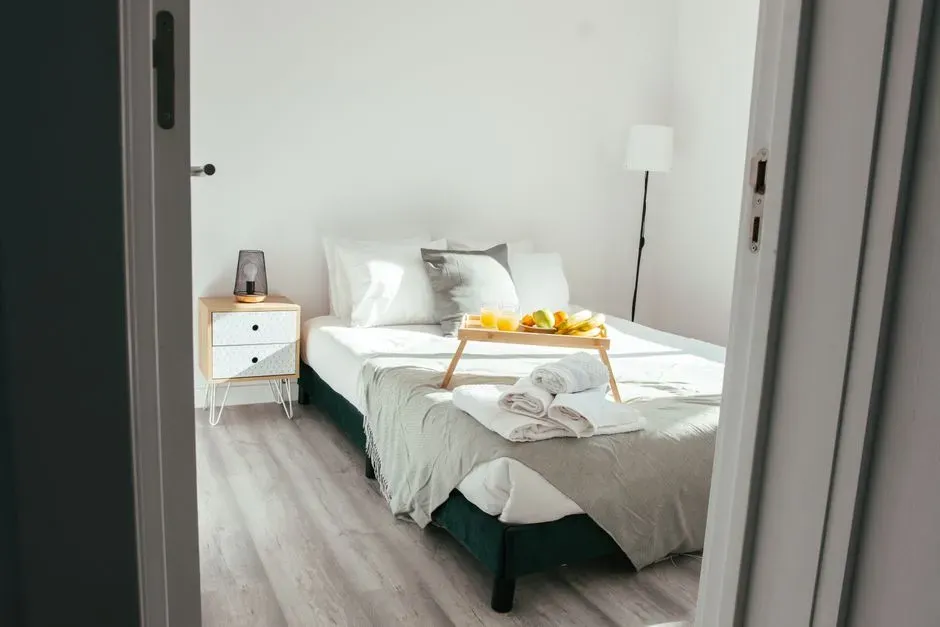
A small tray of snacks or a few bottles of water placed where a guest will see them immediately addresses a basic need without requiring them to ask. It also communicates something subtler: that the host anticipated their arrival and planned for it. Local touches, like regional treats or a small selection of tea, add a sense of place that generic offerings can’t replicate.
This detail scales easily. A hotel might offer a welcome drink at check-in, while a homeowner might simply stock the fridge with a few basics. Either way, the underlying message stays the same: someone considered what the guest might need before they had to ask for it.
Clear, Simple Instructions
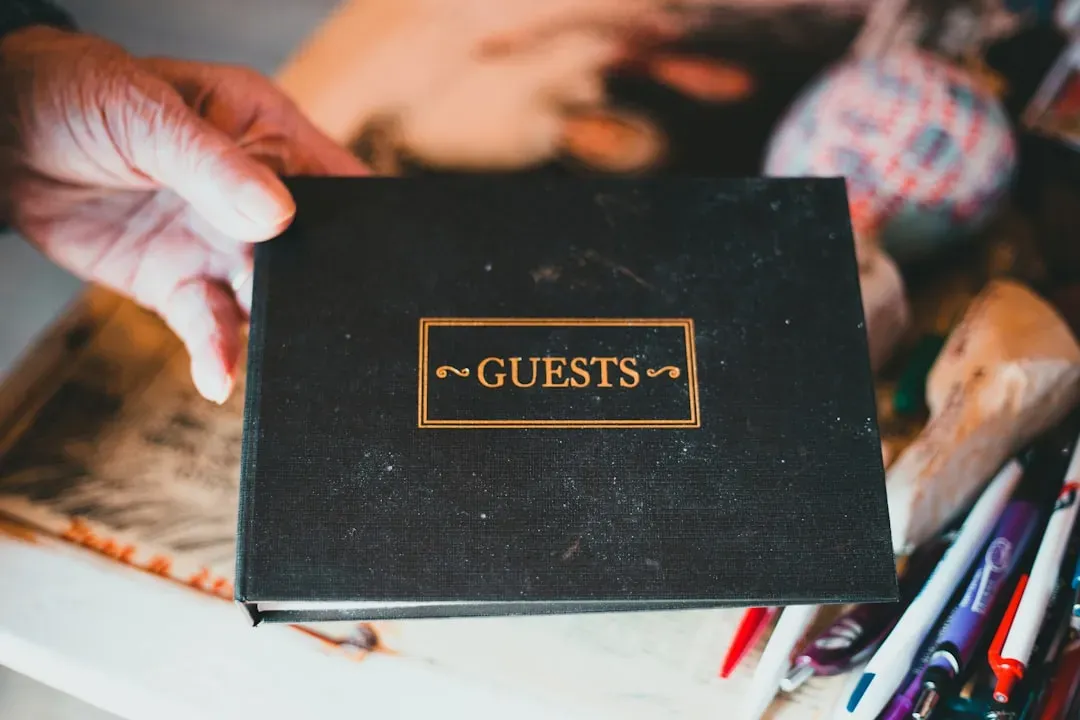
Confusion is one of the fastest ways to erode a sense of welcome. Wifi passwords, appliance quirks, checkout times, and house rules should be easy to find and easy to understand, ideally without requiring a phone call or a frustrated text message. A laminated card or a short digital guide placed somewhere visible removes guesswork from a guest’s first hour.
Vacation rental hosts who provide detailed, well-organized guides tend to see fewer mid-stay questions and higher satisfaction scores, since guests feel equipped rather than left to figure things out alone. The goal isn’t to overwhelm with information, but to anticipate the handful of questions almost every guest will have.
Comfortable Temperature Control

Arriving to a space that’s too cold or too stuffy creates an immediate, physical sense of discomfort that colors everything that follows. Setting the thermostat to a moderate, comfortable temperature before guests arrive, rather than leaving it off entirely, shows foresight. It’s a small adjustment that guests notice within seconds of walking in.
Climate control extends beyond the thermostat, too. Fresh air circulation, the absence of musty odors, and even something as simple as opening a window before a stay begins all contribute to a space that feels alive rather than sealed shut and forgotten.
Personal Touches in Common Spaces

A bowl of fresh fruit, a small vase of flowers, or a few well-placed books can transform a functional space into one that feels lived in and cared for. These aren’t necessities, but they signal a level of thought that goes beyond baseline expectations. Guests often describe these details as the moments that made a space feel like more than just a transaction.
The key is restraint. A few well-chosen items communicate warmth, while an overcrowded space can feel cluttered or impersonal in a different way. The best hosts tend to choose quality over quantity, favoring a handful of meaningful touches over a room full of generic decor.
Privacy and Personal Space

Feeling welcome isn’t only about warmth and abundance. It’s also about respect for boundaries. Guests, especially in home-sharing environments, consistently rate privacy as one of the most important factors in their overall satisfaction, sometimes even above amenities or aesthetics.
This might mean ensuring locks work properly, curtains close fully, or shared spaces have clear boundaries between host and guest areas. A guest who feels they have genuine control over their own space during a stay tends to relax faster and enjoy their time more fully, which in turn shapes how they remember the entire experience.
A Genuine, Unhurried Check-In
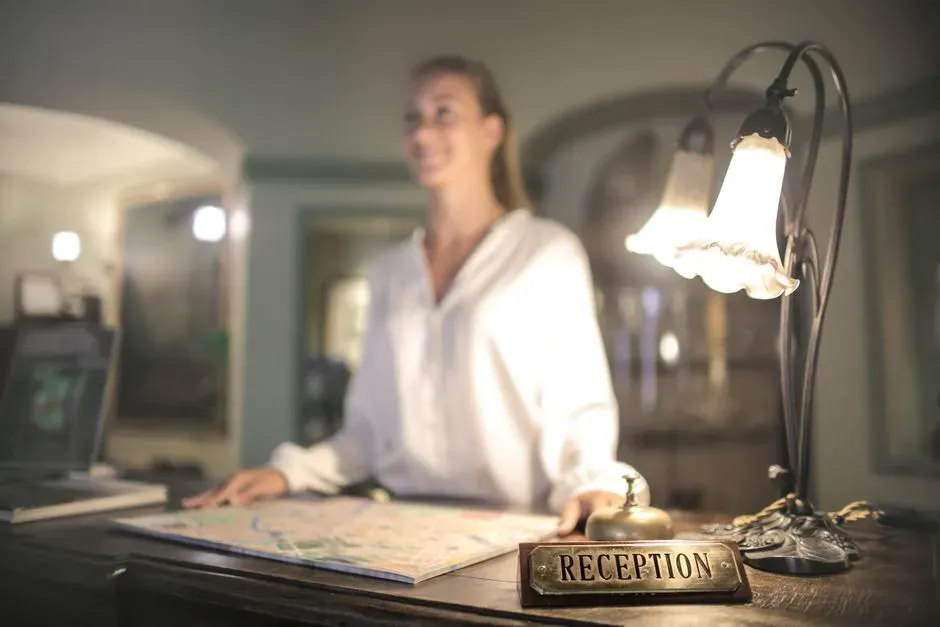
The first face-to-face interaction, when there is one, carries disproportionate weight. A host or staff member who takes a moment to make eye contact, ask a simple question, and explain a few key details without rushing sets a tone that lingers for the rest of the stay. Guests can tell the difference between a scripted greeting and a genuine one, even in a brief exchange.
Hotels that train front-desk staff to personalize check-in, using a guest’s name or referencing something specific about their reservation, consistently report higher satisfaction in post-stay surveys. It’s a small investment of time that pays back in how guests describe their overall experience afterward.
Small Gestures Before Departure

Hospitality doesn’t end the moment a guest settles in. A brief check-in message during a longer stay, a simple note thanking them before checkout, or clear guidance on how to leave the space all extend the sense of care through to the very end. These closing details often shape the final impression a guest carries with them.
Guests frequently mention the departure experience in reviews just as often as arrival, sometimes more so, because it’s the last thing they remember before forming an overall judgment. A thoughtful goodbye, even a brief one, tends to leave the same lasting impression as a thoughtful welcome.