
Start by matching plants to your light and daily routine
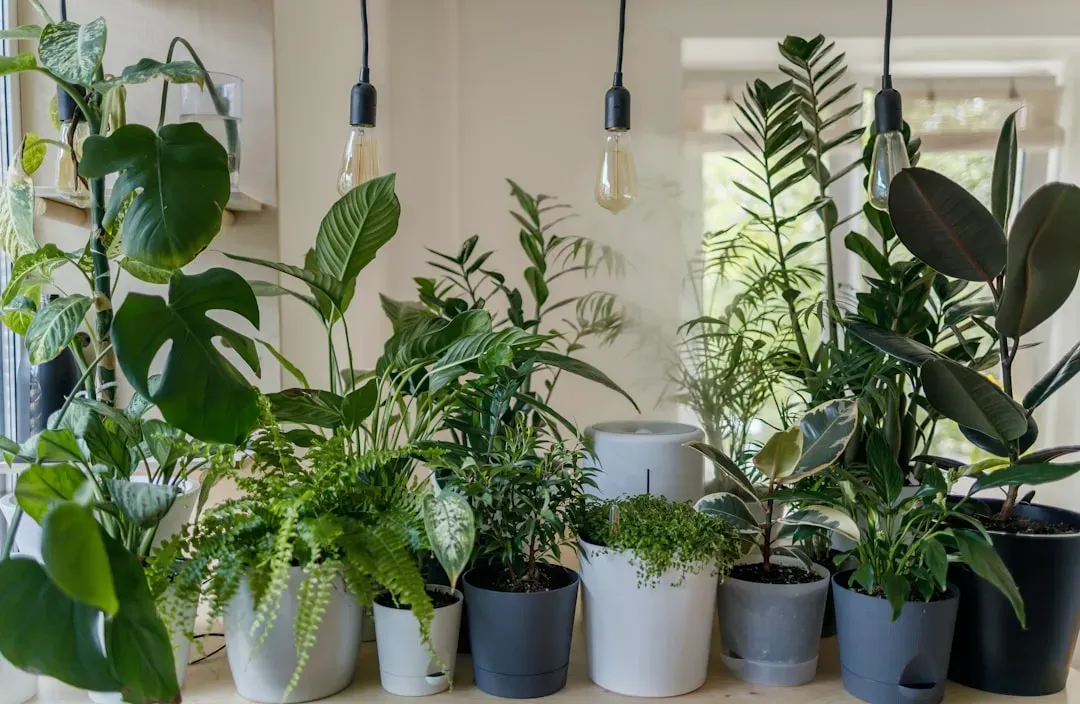
Before falling for a plant because it looked stunning on a feed somewhere, it helps to look at the room itself. The best plant is the one that matches your routine and environment, not just what looks trendy online. That single shift in thinking, environment first, aesthetics second, tends to save people from months of frustration.
Light is the factor that decides almost everything else. Bright indirect light near a sunny window differs quite a bit from medium light in a bright room set farther from the window, and plants respond very differently to each. Once the light situation is honestly assessed, choosing something that will actually thrive becomes far less guesswork and far more common sense.
Treat a favorite plant as a piece of living art
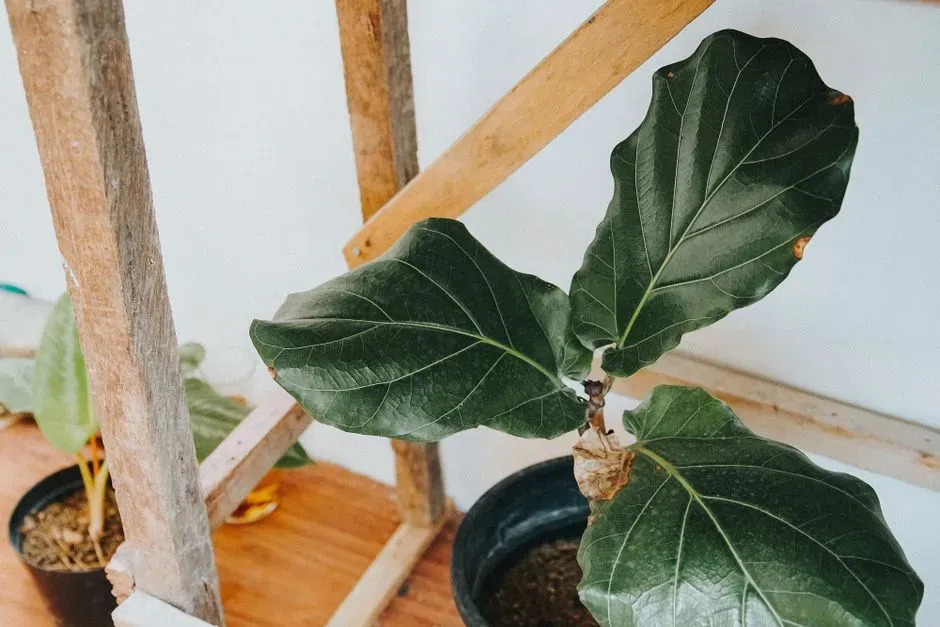
One of the more interesting shifts happening in home design right now is a move away from clusters of small plants toward fewer, more deliberate choices. In 2026, the trend is shifting toward “Living Art,” fewer, larger statement plants that act as focal points, while a single well placed large plant often creates a more intentional and luxurious feel in modern homes. A fiddle leaf fig in the corner of a living room can do more for the space than five smaller pots scattered around it.
This approach also simplifies care, since attention gets focused on one or two specimens instead of spread thin across a dozen. Choosing a pot with a clean silhouette and letting the plant’s natural form take center stage turns a houseplant into something closer to sculpture. It is a low effort way to make a room feel considered rather than cluttered.
Lean on forgiving classics when starting out
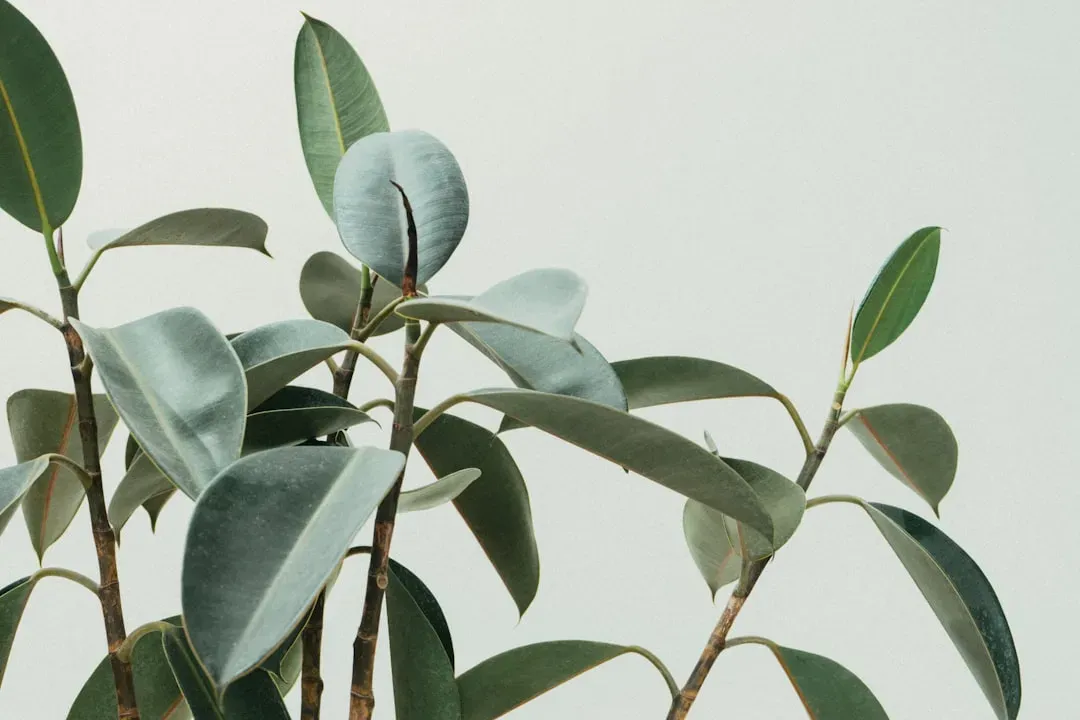
New plant owners often set themselves up for disappointment by picking something delicate as a first purchase. A gentler entry point exists in the handful of species that tolerate inconsistency. Snake plant, ZZ plant, pothos, and heartleaf philodendron remain popular for good reason, since they forgive missed watering days and irregular light without much complaint.
The ZZ plant in particular has earned its reputation. The ZZ Plant is celebrated for its resilience and striking glossy dark green leaves, making it perfect for busy individuals or those new to houseplants, with an ability to thrive in low light conditions that makes it versatile for any home or office. Starting with a plant like this builds confidence before moving on to anything fussier.
Build a small wellness nook rather than scattering greenery randomly
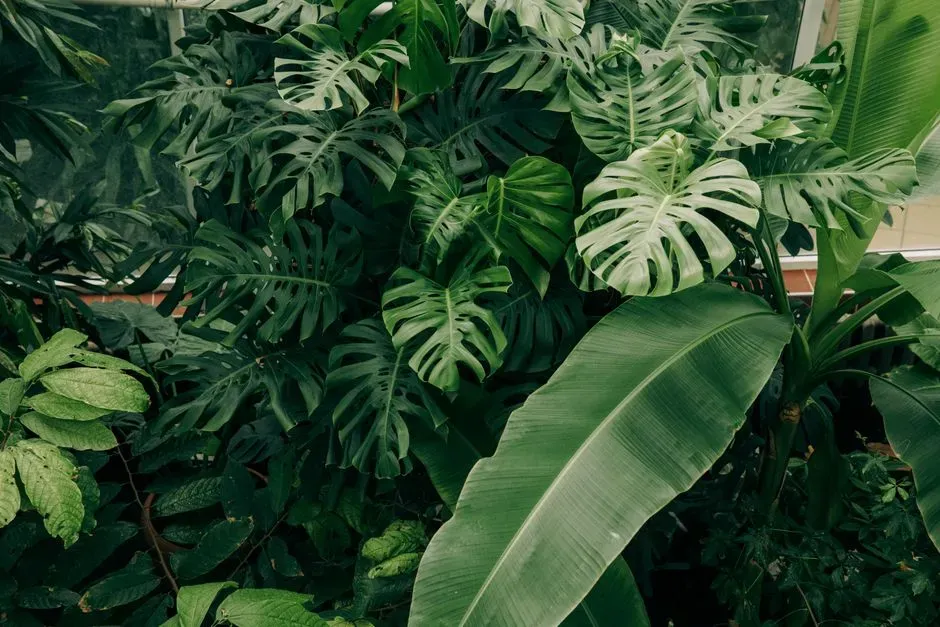
Grouping plants together, rather than placing single pots throughout a home, tends to create a stronger visual and emotional effect. This idea sits at the center of biophilic design, a concept gaining traction in 2026 interiors. Biophilic design connects indoor spaces to the natural world to improve well-being, achieved by grouping plants in wellness nooks, using natural materials like clay and stone for containers, and selecting plants with airy, delicate foliage such as asparagus ferns or olive trees.
A corner near a reading chair or a spot beside a home office desk works well for this kind of cluster. The goal is not density for its own sake, but a small pocket of the home that feels calmer than the rest. Even three or four plants arranged with some thought can shift the mood of a whole room.
Choose pet-safe varieties when animals share the house
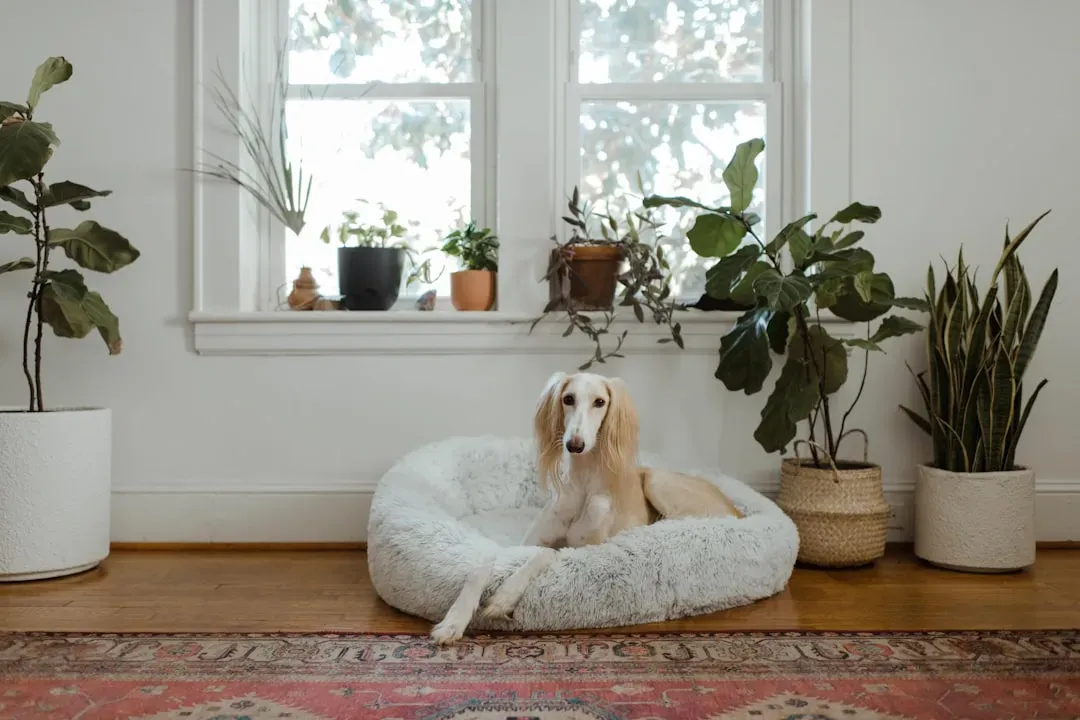
Anyone with a curious cat or a chewing puppy knows that plant shopping comes with an extra layer of research. If you have curious cats or dogs, it helps to choose pet-friendly plants whenever possible and double-check the exact variety before buying, since names can be misleading and toxicity varies even within the same plant family. Spider plants and certain hoyas tend to be safer bets for households with animals underfoot.
It is worth checking a plant’s full species name rather than relying on a nickname from a nursery tag. Some popular houseplants that look harmless carry compounds that cause stomach upset or worse if chewed. A quick search before purchase avoids a much more stressful trip to the vet later.
Keep air purification claims in perspective
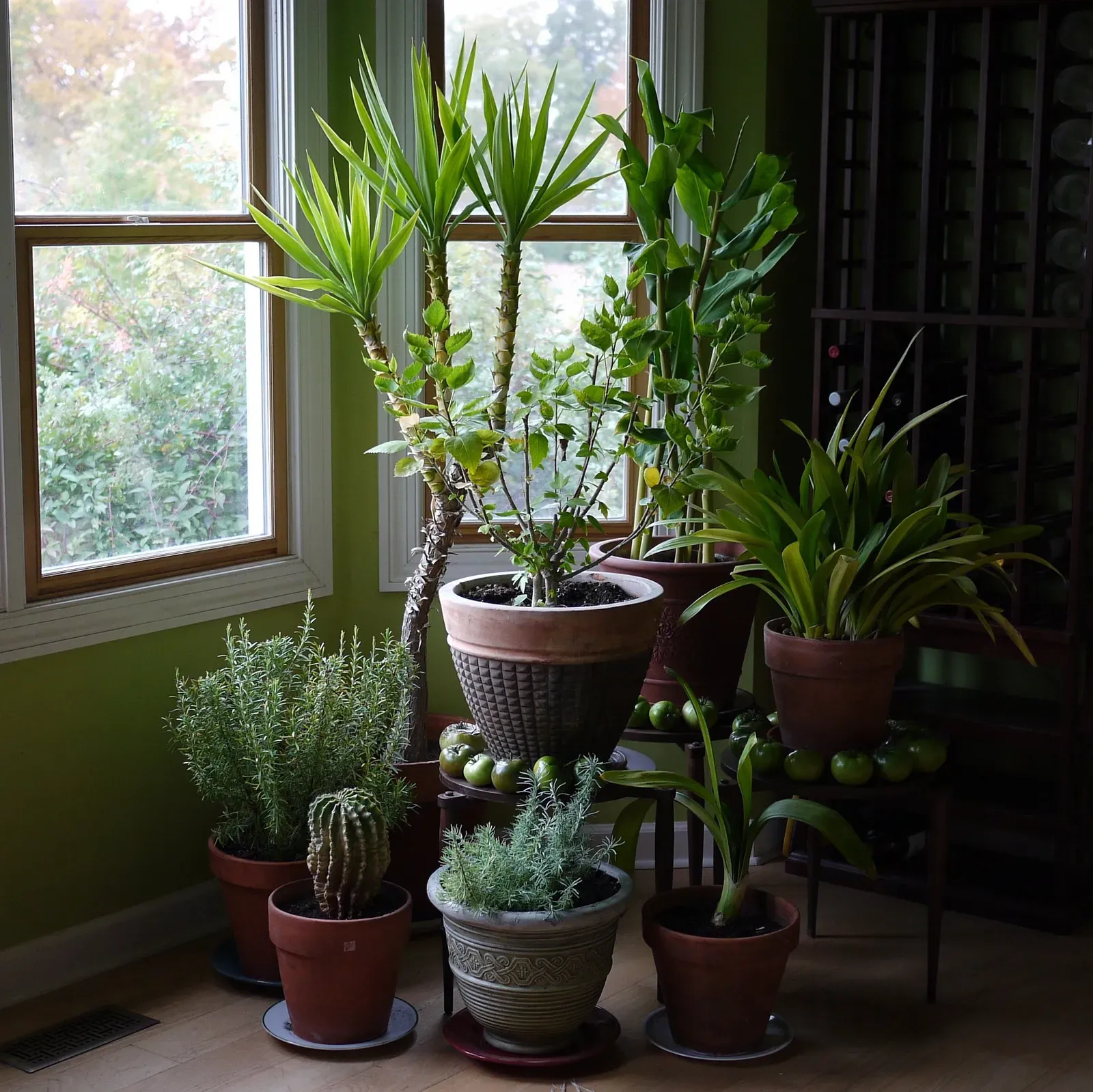
Houseplants carry a long standing reputation as natural air filters, and that idea traces back to a specific piece of research. The belief traces back to a 1989 NASA study that set out to find whether plants can clean the air in sealed environments like a space station, finding that common houseplants can remove volatile organic compounds in addition to absorbing carbon dioxide. That research was real, but the conditions were nothing like an average living room.
Later analysis complicated the picture considerably. One study concluded that in an 1,800 square foot house, occupants would need somewhere between 15 and 18 houseplants in 6 to 8 inch containers just to meaningfully improve air quality. That is a lot of pots for a modest effect, so it makes more sense to enjoy plants for their presence and calming qualities rather than expecting them to replace ventilation or an air purifier.
Pay attention to humidity, not just watering
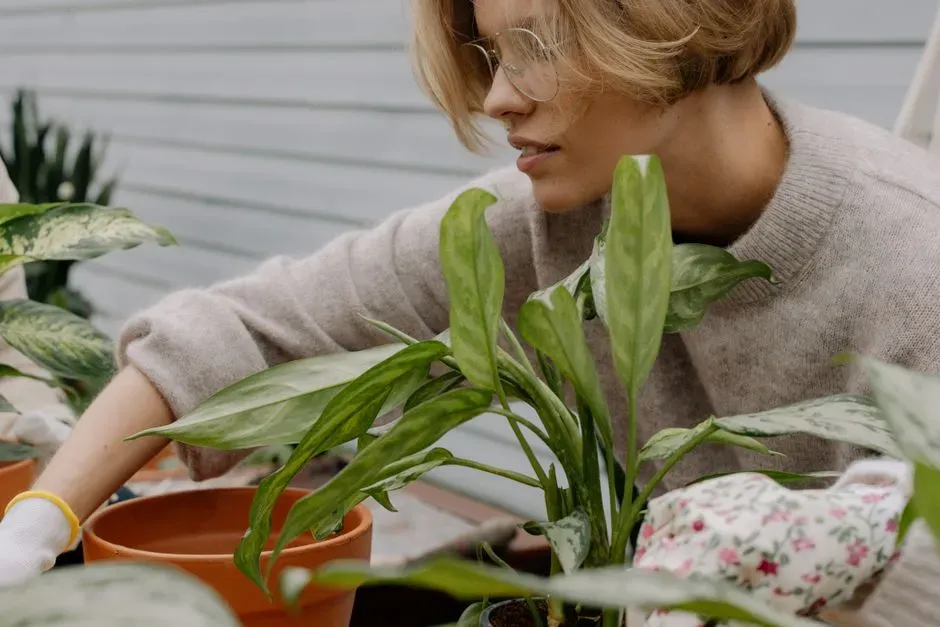
Watering schedules get most of the attention, but humidity plays a quieter and equally important role in how plants actually feel in a home. Plants naturally release moisture into the air as part of their basic biology. Plants help improve indoor air quality by humidifying the air, since they release water vapor as part of photosynthesis and respiration.
Grouping a few plants together, rather than isolating them across a dry room, allows this natural humidity effect to build up slightly around them. This is particularly useful in winter months when indoor heating dries out the air. A small pebble tray with water underneath a pot, or an occasional misting for tropical species, can make a noticeable difference in leaf health.
Match plant choices to the season’s color and design mood
Interior color palettes shift from year to year, and 2026 has leaned into deeper, moodier tones than the pale minimalism of recent seasons. Deep, rich tones like mahogany, midnight teal, and merlot are dominating the 2026 palette, and these cocooning spaces require plants that can handle lower light while maintaining high drama. Dark leaved varieties fit this aesthetic in a way that bright green foliage sometimes does not.
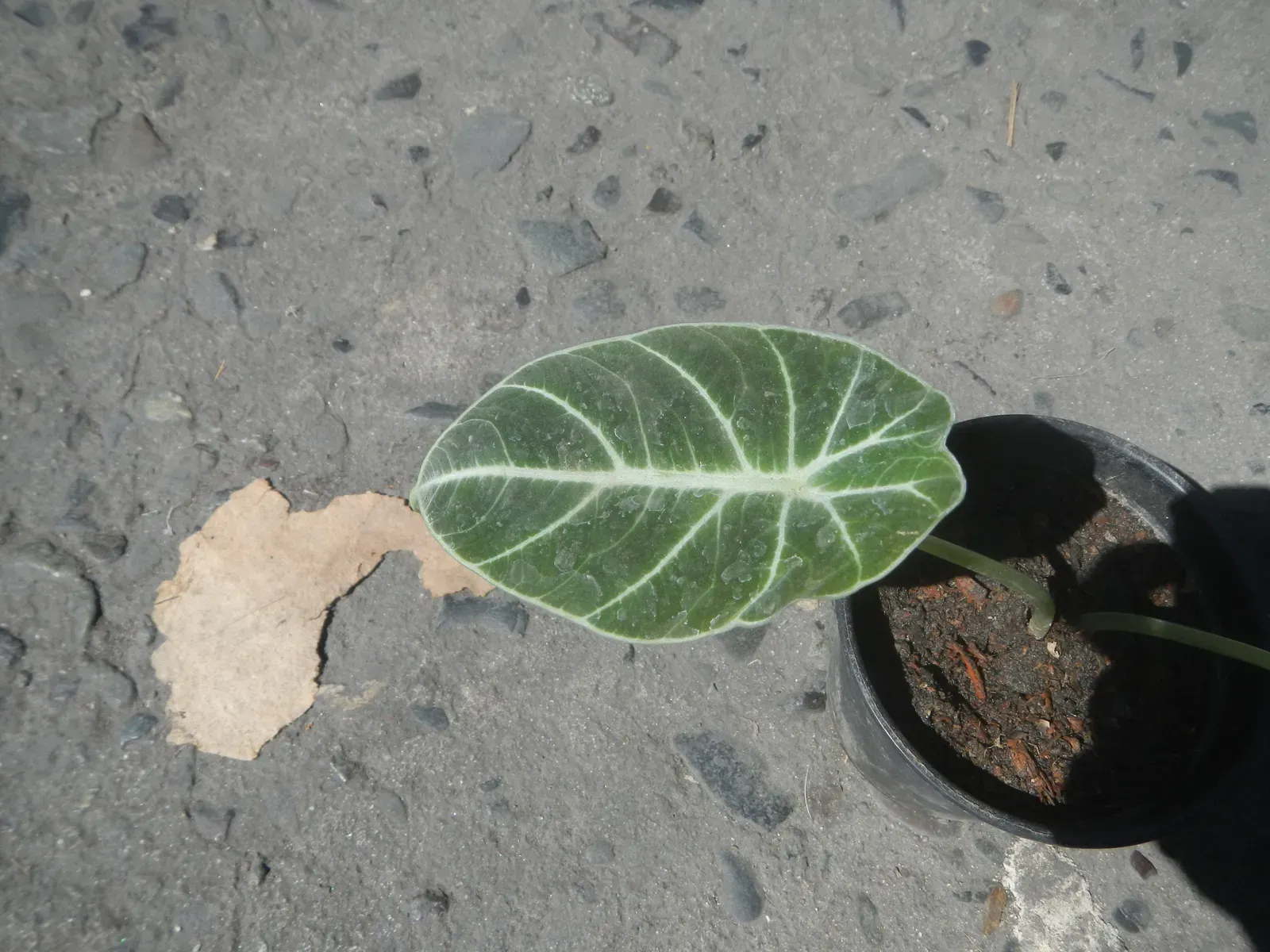
A plant like the Black Velvet Alocasia works particularly well here, since its foliage nearly disappears into a dark wall while still adding texture and shape. Soft uplighting can highlight the plant’s silhouette against dark walls, with these plants acting like living furniture that adds weight and presence to cozy corners. Matching a plant’s color to a room’s palette turns it into part of the design rather than an afterthought sitting in the corner.
Propagate and share cuttings instead of only buying new plants
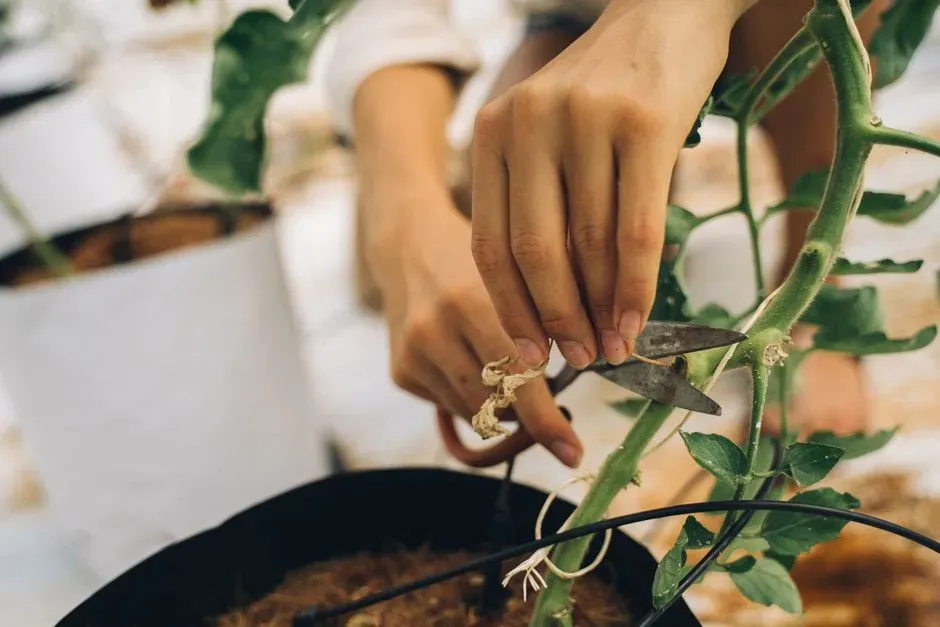
Part of the enjoyment of houseplants comes from watching them multiply rather than simply purchasing more. Many popular varieties root easily in water or soil from a simple cutting, turning one plant into several over a matter of weeks. Spider plants in particular are a fantastic, pet-safe houseplant to grow, propagate, and share, and their leaves will dull and fold slightly when thirsty before reviving easily once watered.
Sharing cuttings with friends or neighbors also builds a small sense of community around something as ordinary as a windowsill plant. It costs nothing beyond a bit of patience, and it turns plant care into an ongoing project rather than a one time purchase. Many long time collectors say their favorite plants in the house are the ones grown from a friend’s cutting rather than a store shelf.
Stay open to adaptable, trending varieties without chasing every fad
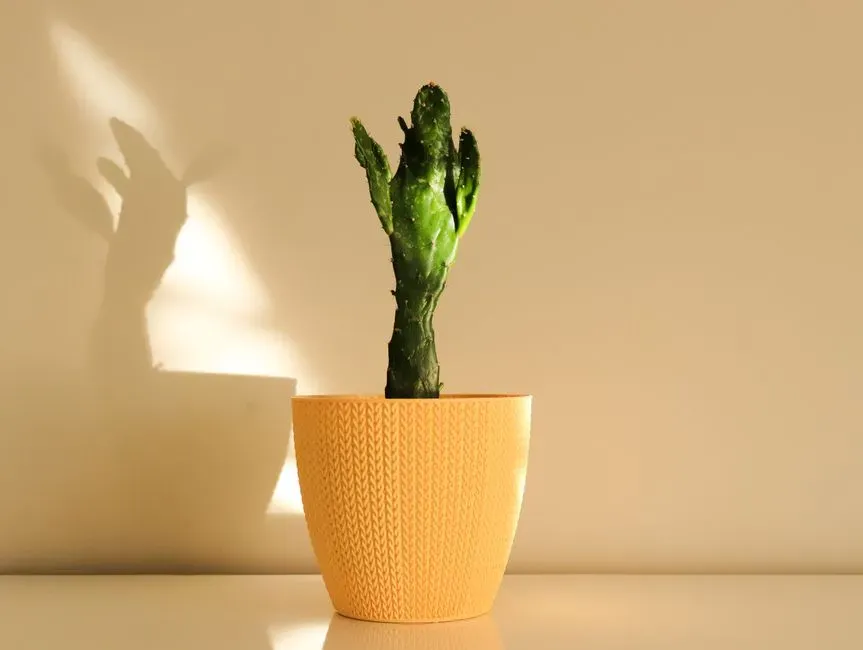
Trends come and go, but the plants that stick around tend to share a common trait: they adapt well to a range of conditions rather than demanding a very specific setup. Current houseplant trends show a strong preference for plants that can adapt to varying indoor conditions, with species such as Zamioculcas, Sansevieria, and Aloe Vera continuing to perform well due to their low maintenance requirements and resilience across varying temperatures and light levels.
Choosing a trending plant is fine, as long as it also fits the actual light and space available at home. Choosing the right houseplant in 2026 is less about following trends and more about finding plants that fit real life, whether the owner is a beginner, a pet parent, or simply short on time. A plant that looks good in photos but struggles in a particular home will rarely bring the enjoyment that a well matched, slightly less fashionable choice would.