
Kitchen windowsills and countertops
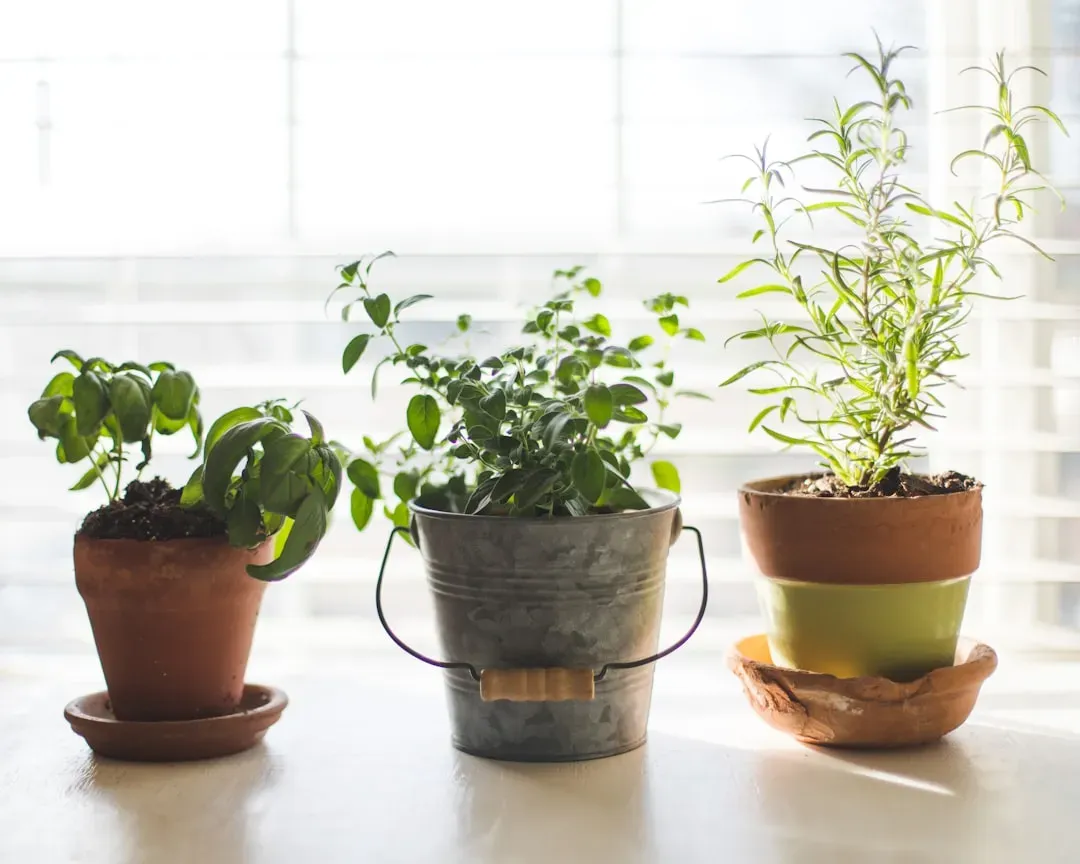
Kitchens often get some of the best natural light in a home, especially if the window faces south or east, which makes the area near the sink or stove a practical spot for herbs and small potted plants. Basil, mint, and thyme do particularly well here because they like consistent warmth and don’t mind a bit of humidity from cooking steam. The catch is proximity to heat sources like stovetops, which can dry out soil faster than expected.
Countertop space is limited, so many people opt for narrow planters or wall-mounted shelves above the counter instead of crowding the workspace. This keeps herbs within arm’s reach while cooking, which is part of the appeal in the first place. A kitchen without a plant or two can feel oddly sterile once you get used to seeing greenery there.
Bathroom shelves and corners
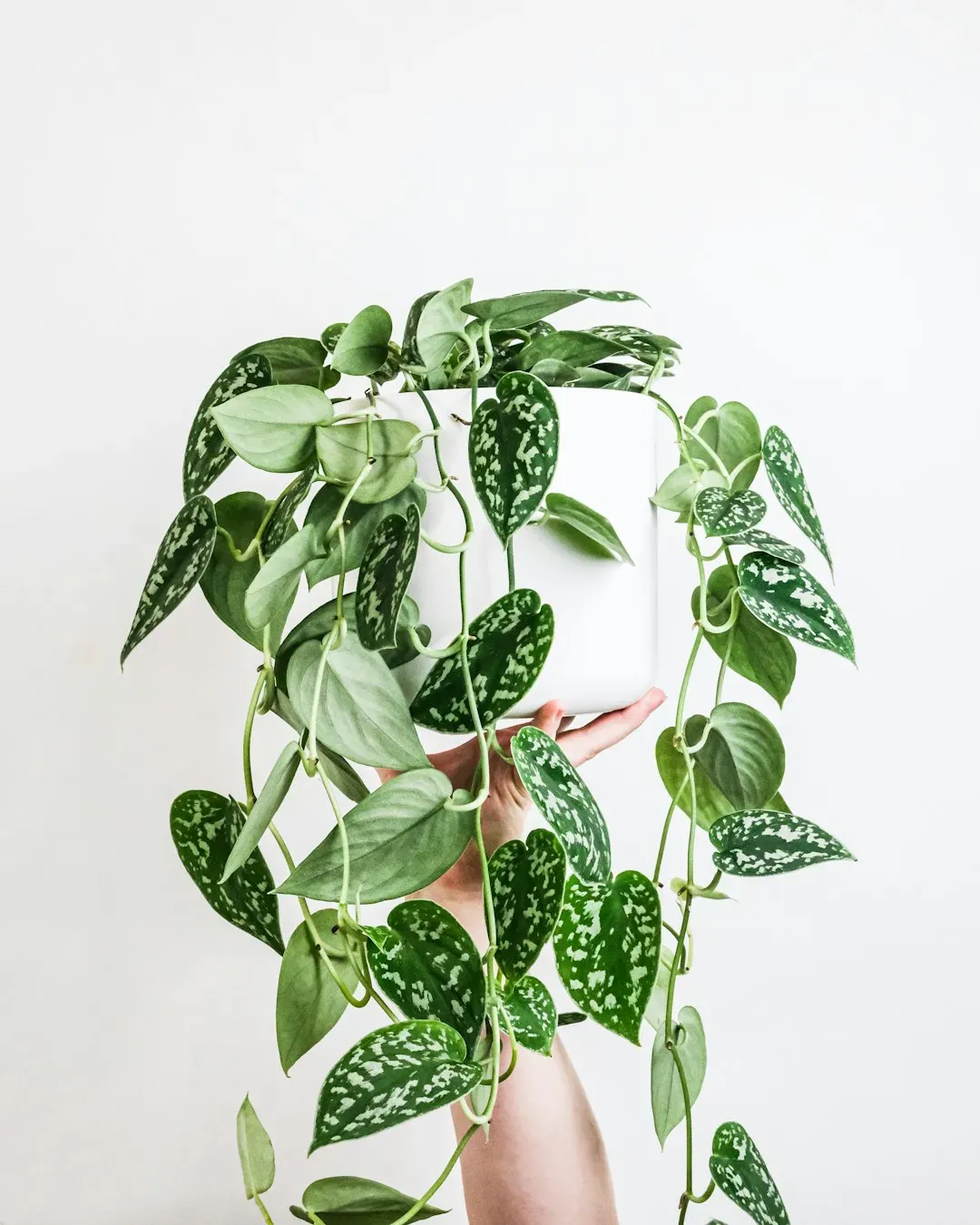
Bathrooms carry a reputation for being plant-friendly because of their naturally higher humidity, particularly if there’s a shower involved. Ferns, pothos, and certain orchids tend to appreciate the moisture, even in bathrooms with fairly modest window access. The tricky part is light; many bathrooms only get filtered or artificial light, so choosing low-light tolerant species matters more here than almost anywhere else in the house.
A small shelf near the tub or a corner ledge by the sink works well without interfering with daily routines. Some homeowners even hang trailing plants from the ceiling or a curtain rod to make use of vertical space that would otherwise go unused. It’s a subtle way to soften a room that’s often all hard surfaces and tile.
Living room corners near natural light
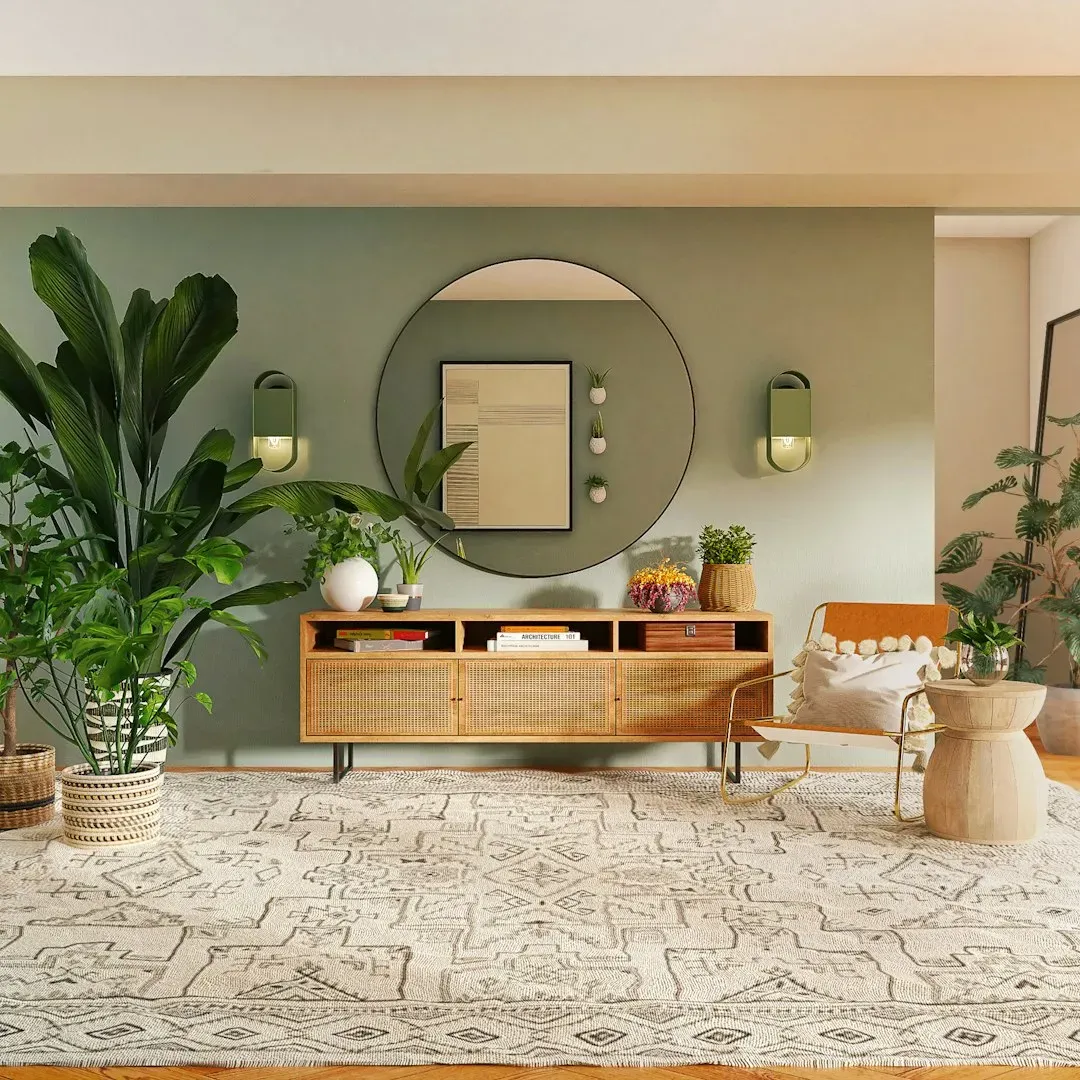
Living rooms tend to have the most flexible layout of any room, which makes them a natural home for larger statement plants like fiddle leaf figs, rubber trees, or monstera. Corners near a window but not directly in the path of harsh afternoon sun tend to work best, since too much direct light can scorch leaves on certain tropical varieties. Placement here is often as much about design as it is about plant health, filling an empty visual gap in a way that feels intentional.
Because living rooms are where people spend a lot of downtime, larger plants here also tend to get more attention and care simply because they’re seen daily. A plant in a rarely used guest room, by contrast, is far more likely to be forgotten. That daily visibility is part of why living room greenery often survives longer than plants placed elsewhere.
Bedroom nightstands and dressers
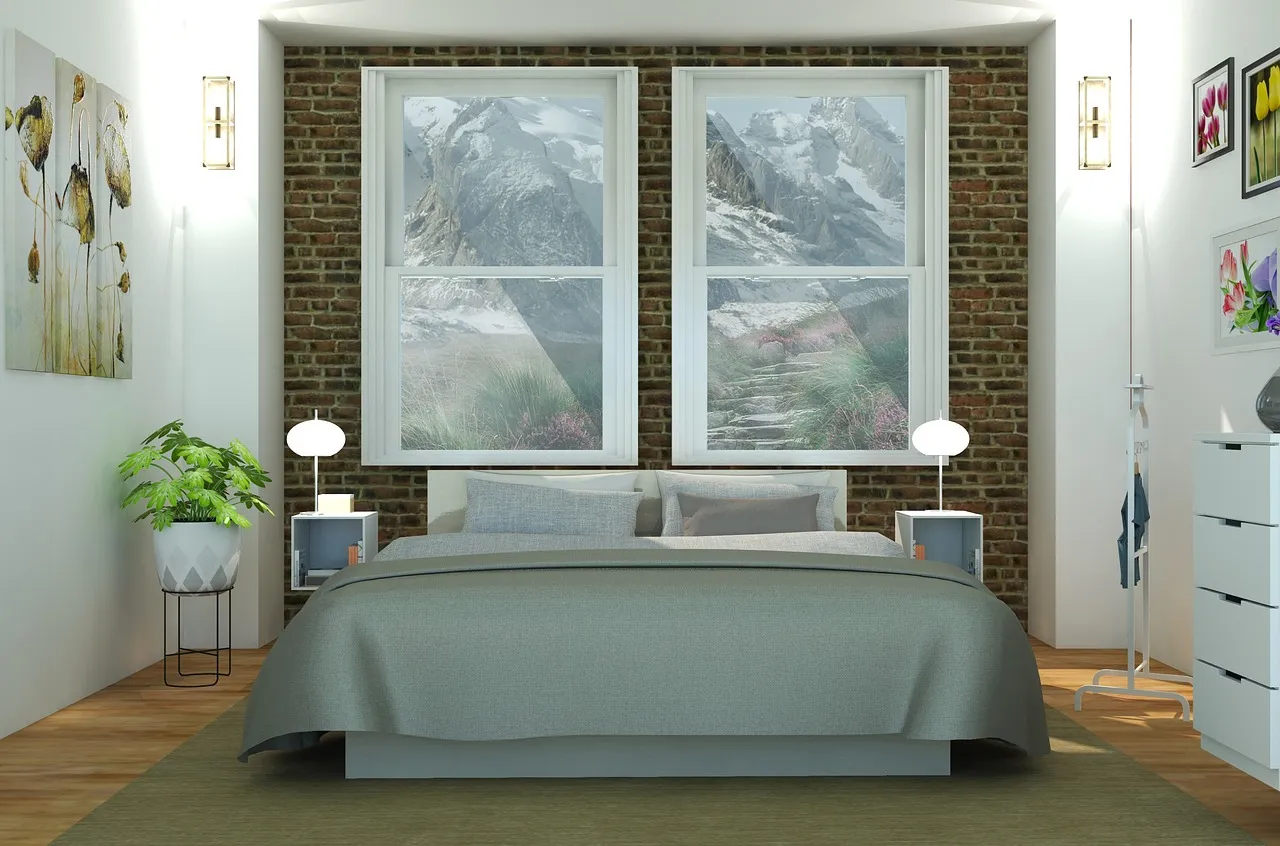
Bedrooms benefit from smaller, low-maintenance plants rather than anything demanding, since this isn’t usually a room people fuss over daily. Snake plants and pothos are common choices for nightstands or dresser tops because they tolerate lower light and irregular watering schedules. There’s also long-standing interest in certain plants for their air-purifying qualities, though the actual impact on indoor air in a typical bedroom is fairly modest compared to simply improving ventilation.
Placement near a window is ideal if one is available, but even a plant a few feet back from natural light can hold up fine with the right species. Many people also like keeping a small plant near the bed simply because green is a calming color to wake up to. It’s a small detail, but it changes the feel of the room more than people expect.
Home office desks and shelves
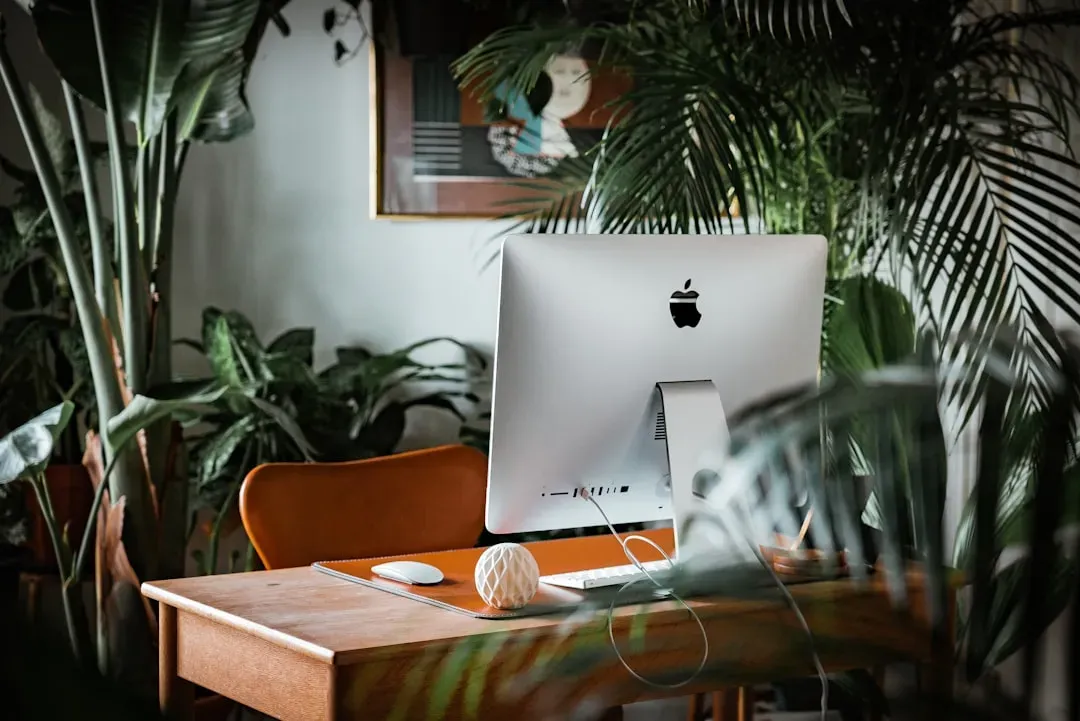
Home offices have become far more common fixtures in houses and apartments since remote and hybrid work settled into a long-term pattern rather than a temporary adjustment. A small plant on a desk, like a succulent or a pothos in a compact pot, adds a visual break during long stretches of screen time without requiring much upkeep. Shelving units above or beside a desk are also useful for trailing varieties that don’t need constant attention.
Desk plants tend to be chosen more for low maintenance than for size, since spilled water near a keyboard or monitor is a real concern. Many people gravitate toward artificial or preserved greenery in office settings for this exact reason, especially in shared workspaces. Still, a live plant within eyeshot during work hours is a small, consistent reminder to look away from the screen occasionally.
Hallways and entryways
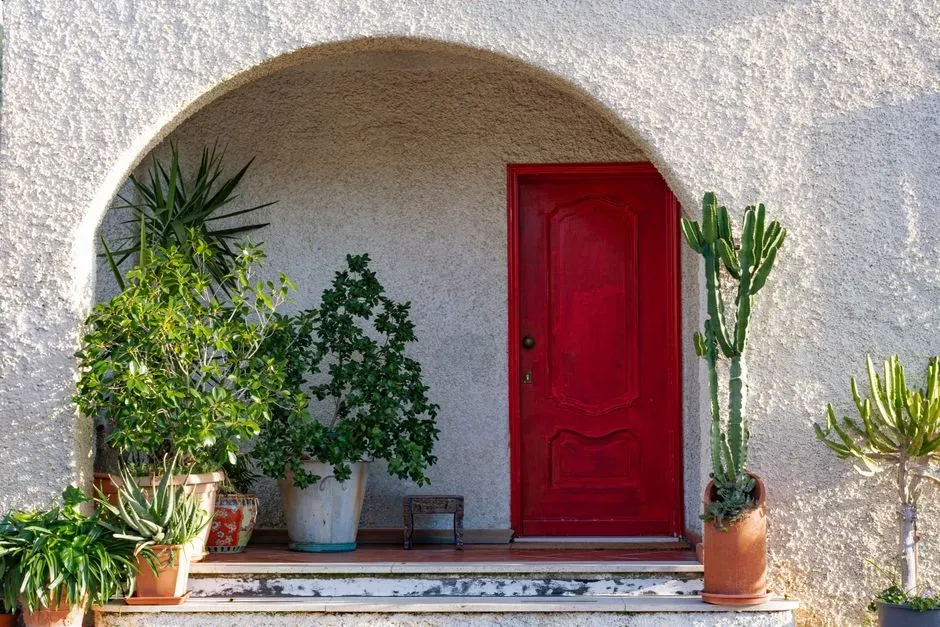
Entryways set the tone for a home, and a well-placed plant near the front door can make the transition from outside to inside feel more deliberate. Hallways, though, are notoriously tricky because they often lack windows entirely, which limits options to hardy, shade-tolerant species like ZZ plants or certain dracaena varieties. Traffic flow also matters here more than in most rooms, since a plant placed too close to a walking path becomes an obstacle rather than a decoration.
Tall, narrow plants work particularly well in these tight spaces because they add height without taking up much floor footprint. A cluster of smaller plants on a console table near the entrance is another common approach that doesn’t interfere with movement. Either way, it’s often the first bit of greenery a visitor notices, which gives it a bit more design weight than its size might suggest.
Staircases and landings
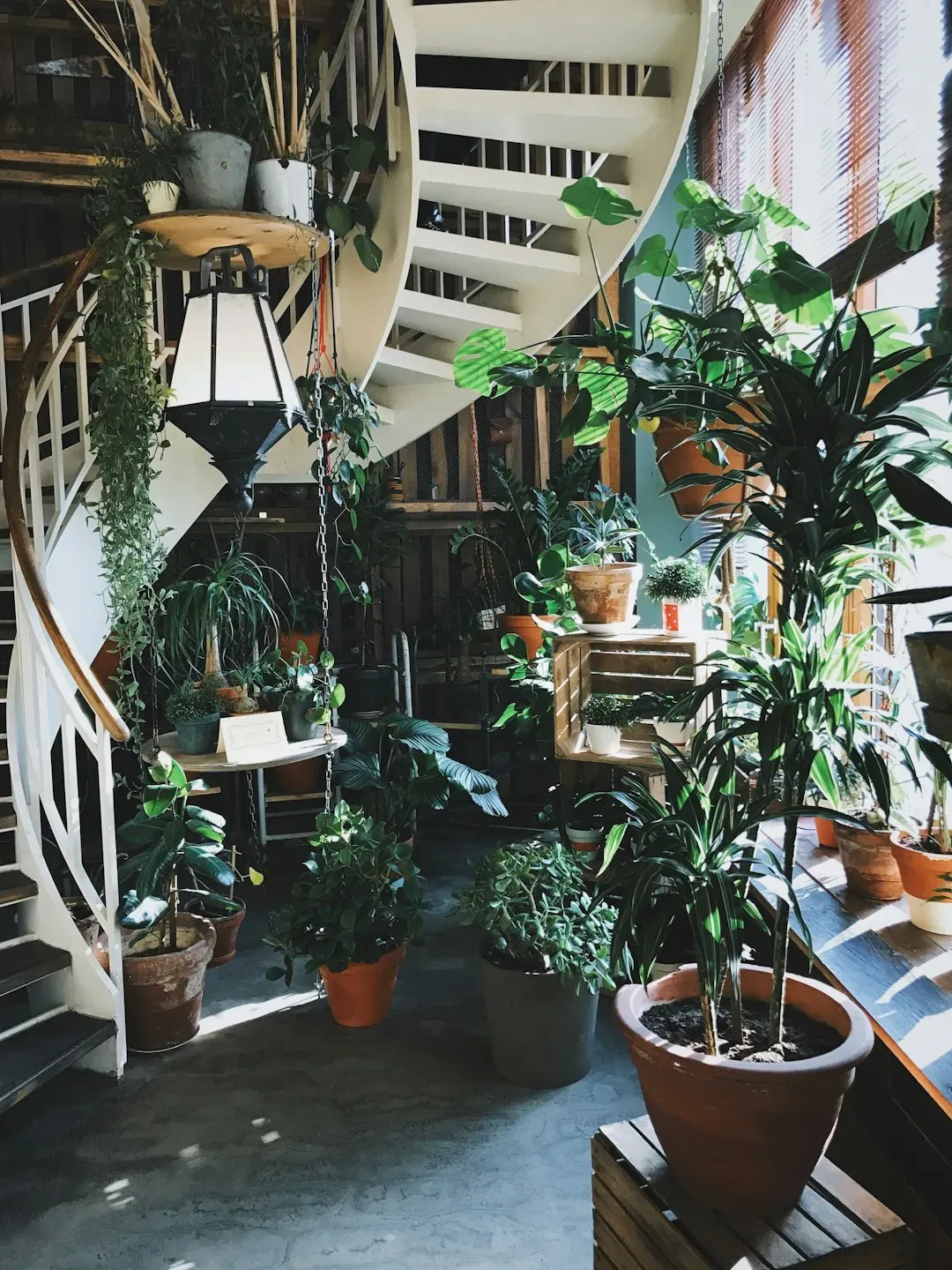
Staircases are an underused spot for greenery, largely because people don’t think of them as a display space in the same way they think of a living room or kitchen. A landing with even modest natural light can hold a mid-sized plant that adds visual interest to what’s usually a purely functional transition zone. Hanging planters along a staircase wall are another option, particularly in homes with higher ceilings where there’s vertical space to spare.
Safety is a real consideration here, since a plant placed too close to the edge of a step becomes a tripping hazard rather than a design feature. Built-in nooks or wall-mounted shelves solve this problem by keeping the plant off the floor entirely. It’s a small addition, but staircases often feel noticeably less sterile once there’s some greenery worked into the space.
Home libraries and reading nooks
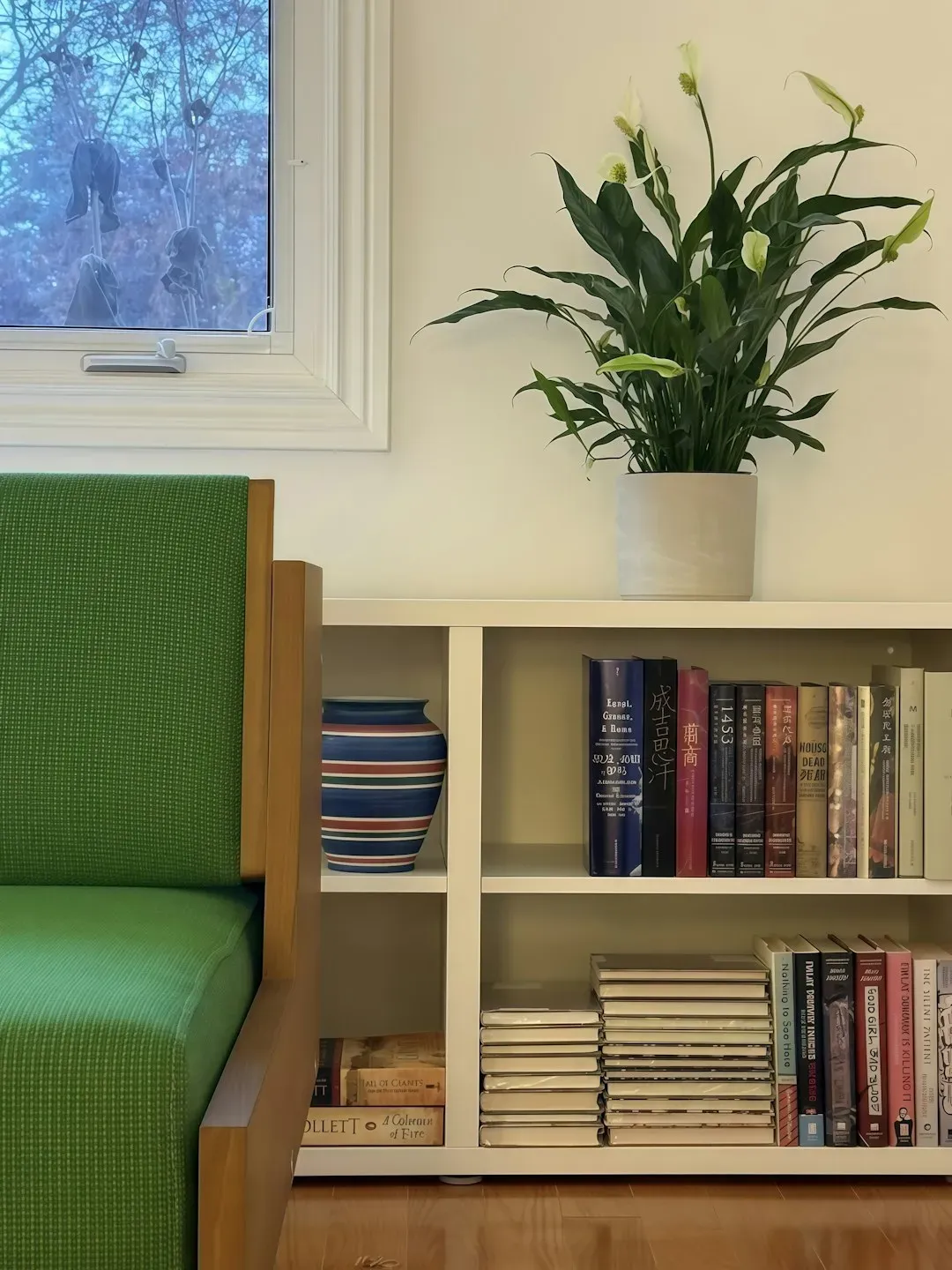
Reading nooks tend to be quieter, more contained spaces, which makes them a good fit for plants that add atmosphere without demanding much light or attention. A peace lily or a small fern near a reading chair softens the space visually, especially when paired with warm lighting for evening reading. Bookshelves themselves also work well for trailing plants like pothos, which can be trained to climb or drape along the shelf edges.
Because these spaces are often used for slower, more relaxed activities, the plant choice here leans toward calming greens rather than bold or flowering varieties. Humidity is usually lower than in kitchens or bathrooms, so hardier species tend to last longer without frequent misting or repotting. A reading nook without any greenery nearby can feel a bit clinical, even with good lighting and comfortable furniture.
Dining rooms and centerpieces
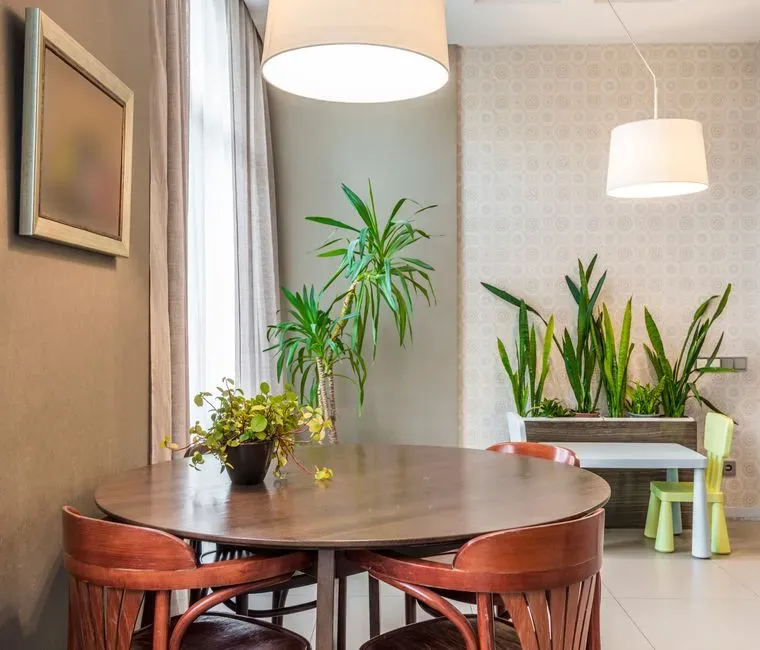
Dining tables are a natural spot for smaller arrangements, though the key constraint is height, since anything too tall blocks sightlines across the table during meals. Low, compact plants or a simple arrangement of succulents in a shallow dish tend to work better than tall potted plants in this setting. Sideboards and buffet tables nearby offer more flexibility for larger greenery that doesn’t need to share space with dinnerware.
Dining rooms also tend to get moderate light depending on window placement, which limits some plant choices but still leaves plenty of options for shade-tolerant varieties. Fresh cut greenery, as an alternative to potted plants, is common for special occasions when a temporary but fuller look is wanted. Either way, this is a room where greenery is often chosen as much for the dining experience as for long-term plant care.