
Choosing wall colors that reflect rather than absorb light
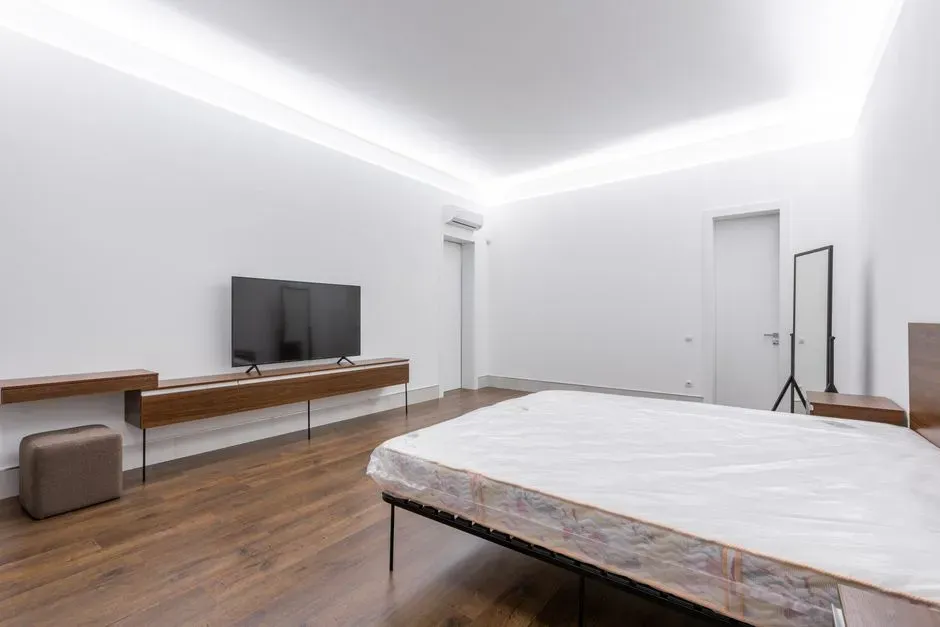
White and off-white walls remain the most reliable foundation for a bright home because they bounce light around a room instead of soaking it up. Soft neutrals like warm ivory, pale greige, or barely-there blue undertones can do the same job while adding a bit more personality than stark white. The key is picking colors with a high light reflectance value, a measurement paint manufacturers often list on their color cards or websites.
Darker colors aren’t off the table entirely, but they work best as accents rather than dominant tones in a room meant to feel open. A single dark wall can still let a space breathe if the surrounding surfaces stay light and the room gets ample daylight. Many designers now suggest testing paint swatches at different times of day before committing, since light shifts dramatically between morning and evening in most homes.
Maximizing natural light through window treatments

Heavy drapes and dark blinds are some of the biggest culprits behind rooms that feel closed off, even when the windows themselves are generous. Sheer curtains or simple linen panels let daylight filter through while still offering privacy, and they tend to make windows look taller and more prominent than they actually are. Mounting curtain rods closer to the ceiling rather than right above the window frame is a trick many designers rely on to visually stretch a wall upward.
For rooms that need more light control, layered treatments work better than a single heavy option. A sheer panel paired with a lightweight roller shade gives homeowners flexibility without sacrificing the airy feel during the day. Skipping window treatments altogether in low-privacy rooms, like a sunroom or a home office facing a private backyard, is another approach gaining popularity for its minimalist, unobstructed look.
Using mirrors strategically to bounce and multiply light
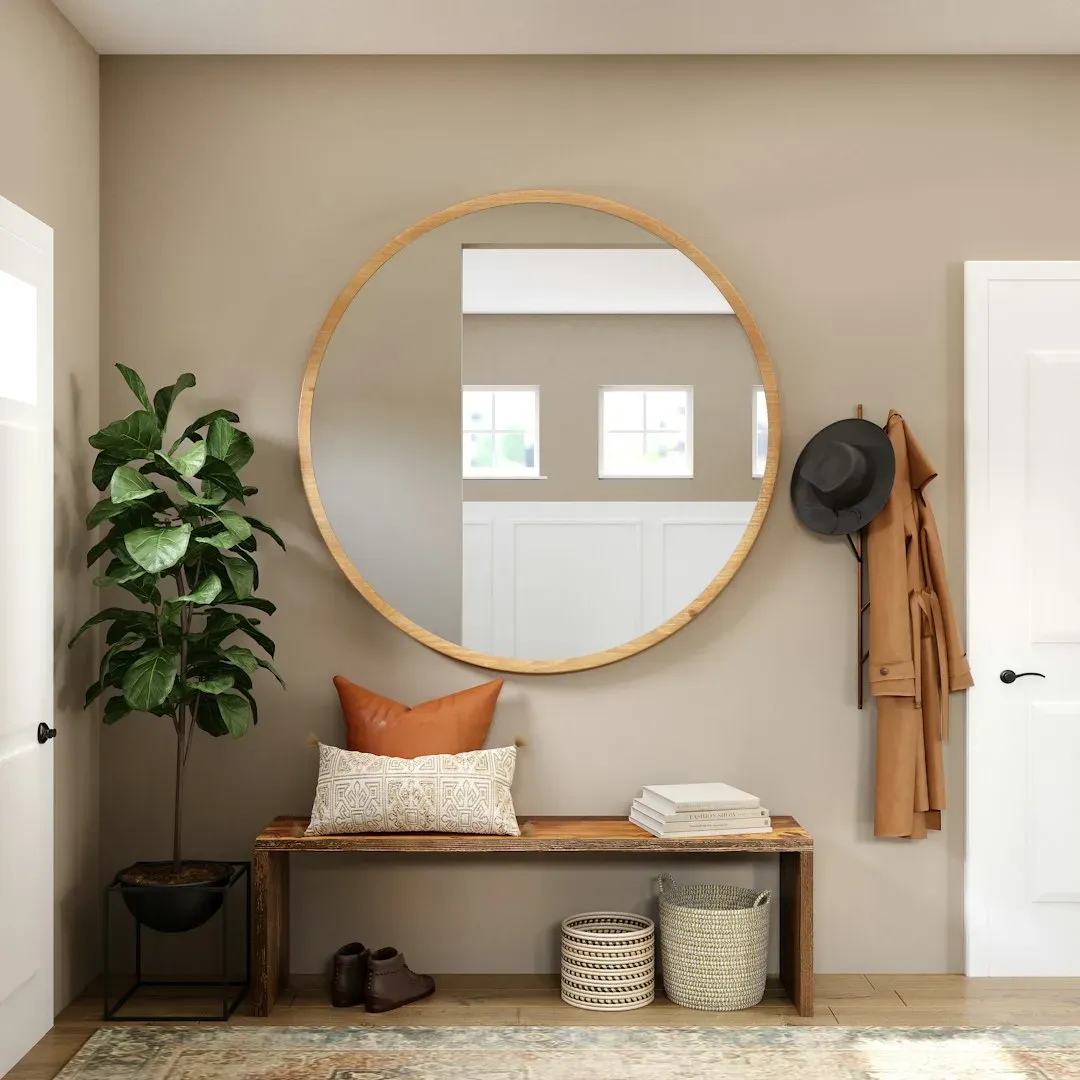
Mirrors have been a designer’s trick for centuries, and the logic still holds up today. Placing a mirror directly across from a window doubles the sense of daylight in a room by reflecting it back into the space rather than letting it stop at a wall. Even in rooms without much natural light, a well-placed mirror near a lamp or overhead fixture can meaningfully brighten the overall feel.
Size and placement matter more than people often expect. A large mirror leaning against a wall or hung slightly above eye level tends to create a stronger sense of depth than a small decorative piece tucked into a corner. Hallways and entryways, which are often the darkest parts of a home, benefit especially well from this technique since they typically lack direct window access.
Selecting flooring that keeps rooms feeling open

Flooring sets the tone for a room before anything else is added, and lighter tones generally help spaces feel more expansive. Light oak, whitewashed wood, and pale ceramic tile have remained popular choices precisely because they don’t visually shrink a room the way dark walnut or espresso-stained floors can. Continuous flooring throughout connected rooms also plays a role, since it removes visual breaks that make spaces feel chopped up and smaller than they are.
Matte and low-sheen finishes tend to work better than high-gloss floors in most residential settings, since excessive shine can create glare rather than a soft, diffused brightness. That said, a slight sheen on tile or polished concrete can still contribute to a luminous look when paired with plenty of window light. The overall goal is balance, letting the floor support the light in a room rather than competing with it.
Decluttering to let light and space breathe

Clutter is one of the fastest ways to undercut an otherwise bright room, since visual noise makes even well-lit spaces feel cramped and busy. Clearing countertops, minimizing knickknacks, and keeping furniture arrangements simple gives the eye fewer obstacles and more open sightlines. This doesn’t mean a home needs to look sparse or unlived-in, just intentional about what stays visible.
Storage solutions that hide everyday items, like closed cabinetry or baskets tucked under furniture, help maintain that open feeling without requiring anyone to live like a minimalist. Rotating decor seasonally rather than displaying everything at once is another simple habit that keeps rooms feeling fresh and uncluttered. The result is a home that feels calm rather than chaotic, which reinforces the sense of brightness even on overcast days.
Choosing furniture with lighter frames and legs
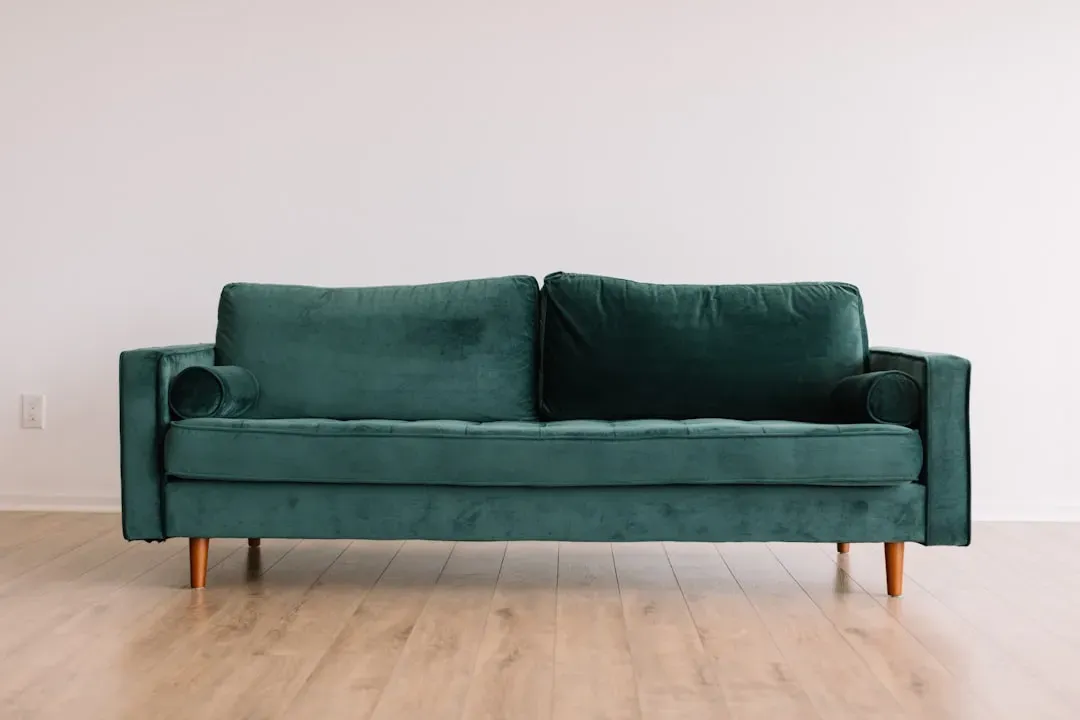
Bulky furniture with solid, low-to-the-ground frames can make a room feel heavier and more closed in than the same piece with exposed legs and a lighter silhouette. Sofas and chairs raised slightly off the floor let light pass underneath them, which subtly opens up the sightline across a room. This is part of why mid-century and Scandinavian-inspired furniture, known for slim wooden legs and open frames, has remained a steady favorite in bright home design.
Upholstery color matters here too, since a large dark sofa can visually dominate a room even if everything else is light . Opting for lighter fabric tones, or breaking up a dark piece with light-colored throw pillows and blankets, helps maintain balance. Glass and acrylic furniture, like coffee tables or side tables, offer another way to add function without adding visual bulk.
Incorporating skylights and larger window installations

For homeowners renovating or building new, skylights and expanded window openings remain some of the most effective long-term investments for a brighter home. Skylights bring in overhead light that standard windows simply cannot replicate, which is especially valuable in rooms with limited wall space for windows, like bathrooms or hallways. Many newer skylight models also include solar-powered venting and UV-filtering glass, addressing older concerns about heat gain and glare.
Larger window installations, including sliding glass doors and floor-to-ceiling designs, have become increasingly common in both new construction and renovations aiming for that light-filled look. These installations often pair well with energy-efficient glazing, which helps homeowners avoid the temperature swings that used to make big windows less practical. While these projects require more investment than paint or furniture changes, they tend to have the most dramatic and lasting impact on how bright a home actually feels.
Layering artificial lighting to support natural daylight
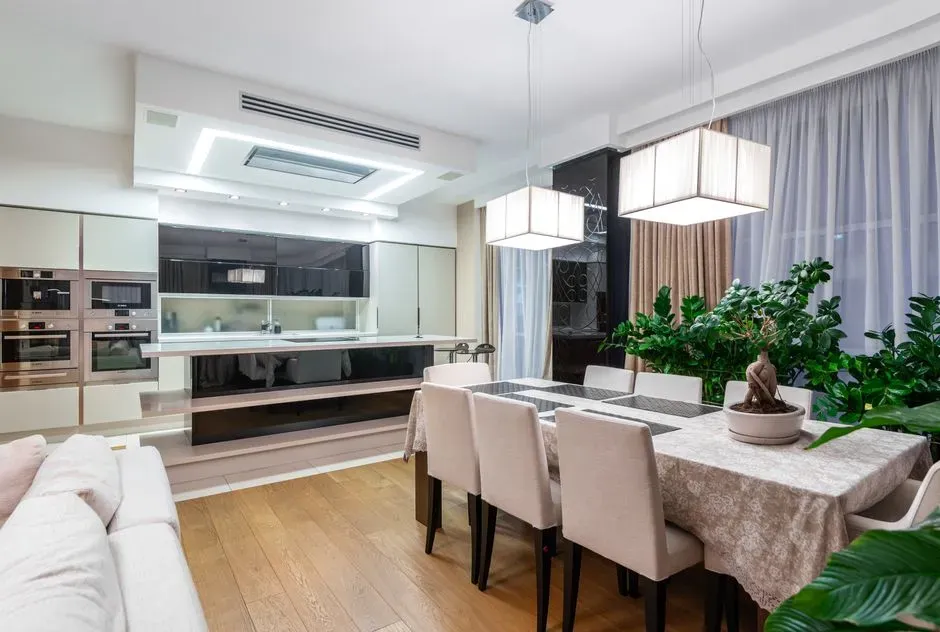
Even the brightest homes need thoughtful artificial lighting for evenings and overcast days, and layering multiple light sources works better than relying on a single overhead fixture. Combining ambient lighting, like recessed ceiling lights, with task lighting and accent lamps creates a more even, natural-feeling glow throughout a room. This layered approach also avoids the harsh, flat look that a single bright bulb can create in an otherwise soft space.
Bulb temperature plays a bigger role than many people realize, since warm white bulbs in the 2700 to 3000 Kelvin range tend to mimic natural daylight more closely than cooler, bluish tones. Dimmer switches offer additional flexibility, letting a room shift from bright and functional during the day to softer and more relaxed in the evening. These small adjustments help maintain the airy feeling around the clock, not just when the sun is out.
Keeping window exteriors and glass surfaces clean

It’s an easy detail to overlook, but dirty or grimy windows can quietly cut down on the amount of light entering a home, sometimes significantly. Dust, pollen, and water spots accumulate gradually, so the drop in brightness often happens slowly enough that homeowners don’t notice until after a thorough cleaning. Regular window washing, ideally a few times a year depending on climate and location, keeps glass clear and light transmission at its best.
This applies to skylights and glass doors as well, which tend to collect grime just as easily as standard windows but get cleaned less often since they’re harder to reach. Professional window cleaning services have seen steady demand growth in recent years, partly driven by homeowners recognizing how much of a difference clean glass makes in overall home brightness. It’s a low-cost, low-effort fix compared to renovations, yet it consistently ranks among the most effective quick wins for a lighter-feeling home.
Choosing ceiling and trim colors that extend the sense of height

Ceilings often get overlooked in favor of walls and floors, but a bright white or soft off-white ceiling can make a real difference in how tall and open a room feels. Painting trim and crown molding a shade lighter than the walls, or matching them to the ceiling color, removes visual breaks that can make a room feel boxed in. This technique is particularly useful in older homes with lower ceiling heights, where every inch of perceived space matters.
Glossy or semi-gloss finishes on ceilings can add a subtle reflective quality, though matte finishes remain more common since they hide imperfections better in older plaster or drywall. Some designers now recommend extending wall paint slightly onto the ceiling in a technique sometimes called a color wash, which softens the transition between wall and ceiling for an even more seamless, open look. It’s a small detail, but one that consistently shows up in homes praised for feeling bright and spacious.