
Outdoor living rooms that rival the indoors
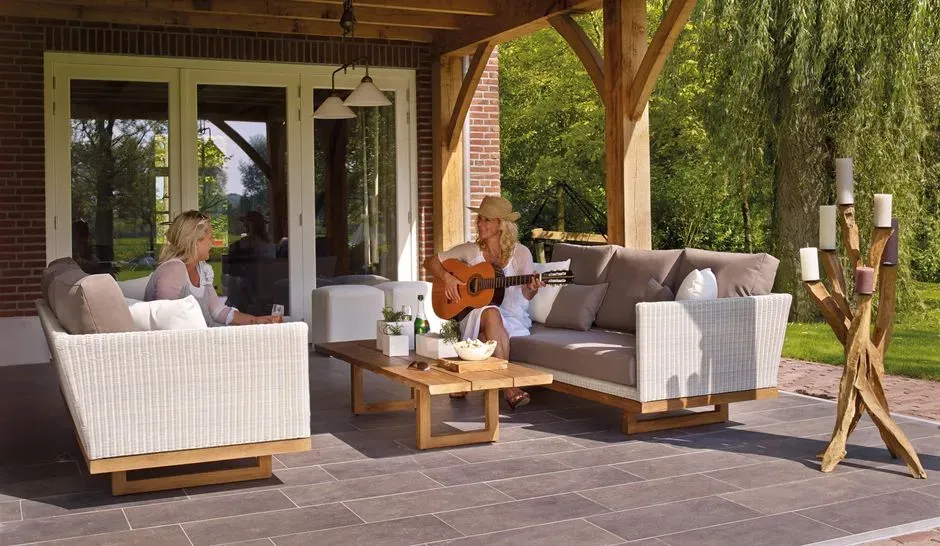
The line between the house and the yard has gotten blurry, and that’s intentional. Homeowners today desire spaces that feel intentional, comfortable, and deeply connected to the way they live and entertain, according to Jen Hinesman, design director at Meadowlark Design+Build. That means sofas instead of plastic chairs, rugs on the patio, and furniture arrangements built for conversation rather than just quick meals.
Material continuity matters more than people expect. Materials selected can help reinforce continuity between spaces, since repeating tones, textures, or architectural details in the outdoor design helps unify the experience. A backyard that echoes the flooring, colors, or lighting style of the home inside tends to feel like a natural extension rather than an afterthought.
Zoned patios for cooking, dining, and lounging
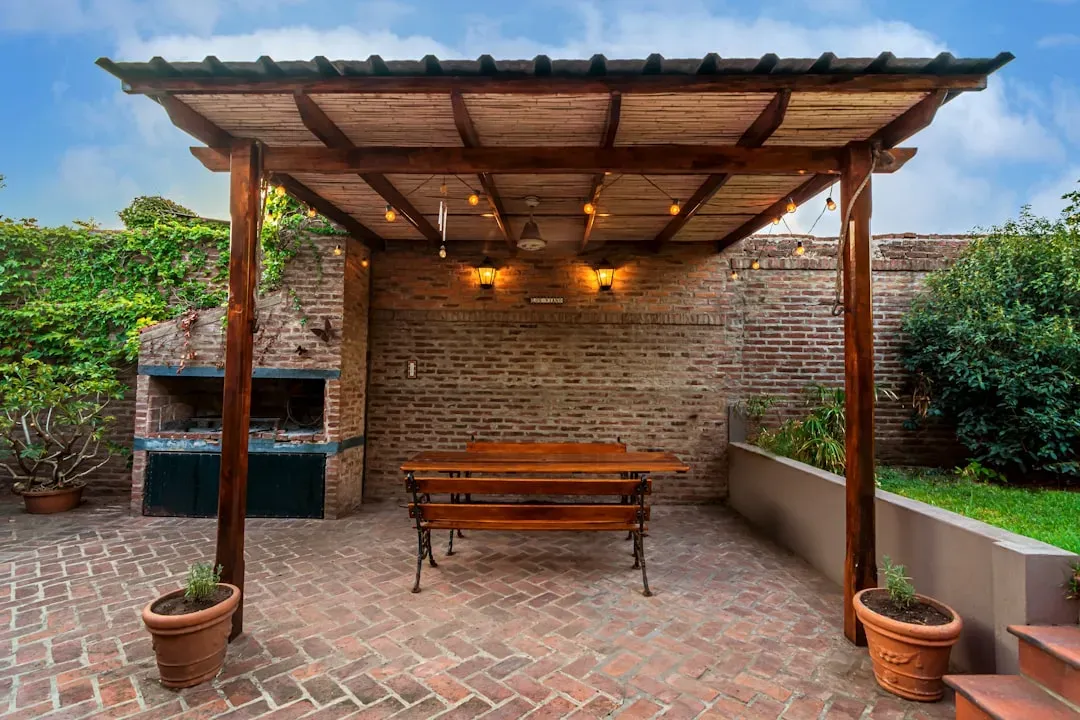
The single giant patio is losing ground to something more deliberate. Rather than just having one large patio, 2026 yards are carefully zoned for specific activities, with lounge areas the most dominant feature, appearing in 83 percent of redesigns and featuring cozy indoor style sofas, fire pits, and even TVs. Dining and quiet corners are getting their own dedicated footprint too. Fifty-five percent of yards include dedicated dining zones, and 53 percent feature a quiet retreat or reading nook designed for solitude and mental wellness. This kind of zoning turns a single yard into several distinct experiences, each with its own purpose and mood.
Fire features that stretch the season
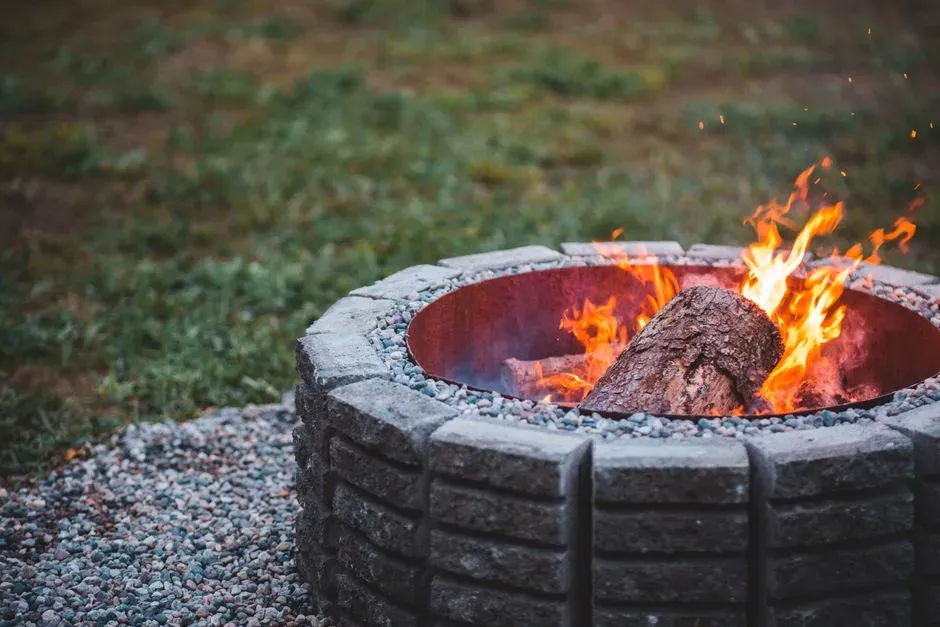
A fire pit does more than look good at dusk. It pulls people outside earlier in spring and keeps them there later into fall, which is exactly why so many lounge setups now build a flame source into the layout from the start rather than adding one later as an accessory. Beyond the practical warmth, fire features tend to become the natural gathering point of a backyard. Chairs get pulled closer, conversations slow down, and the space starts doing the job an indoor fireplace usually does, just outside.
Outdoor kitchens built to last
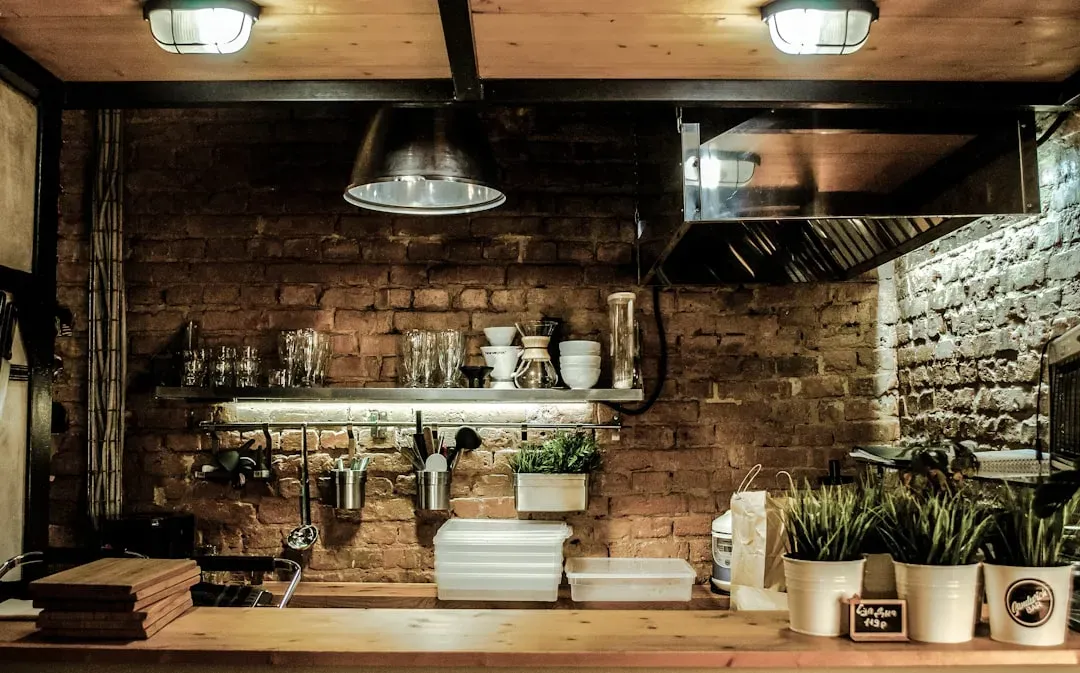
The backyard grill has grown up considerably. The days of a simple standalone charcoal grill are fading, as outdoor kitchens become permanent, fully equipped culinary hubs. These setups are no longer side projects either; the vast majority of homeowners building them are starting completely from scratch rather than retrofitting an old patio. Among homeowners building these spaces, 95 percent are constructing them entirely from scratch, with 68 percent featuring plumbing, electrical, or heating systems and 61 percent installing permanent appliances, while built-in storage solutions saw the largest growth. As one designer put it, just as the kitchen is the hub of the home’s interior, the outdoor kitchen is the focal point of the backyard, since where there’s food, people will gather.
Shade structures that anchor the whole layout
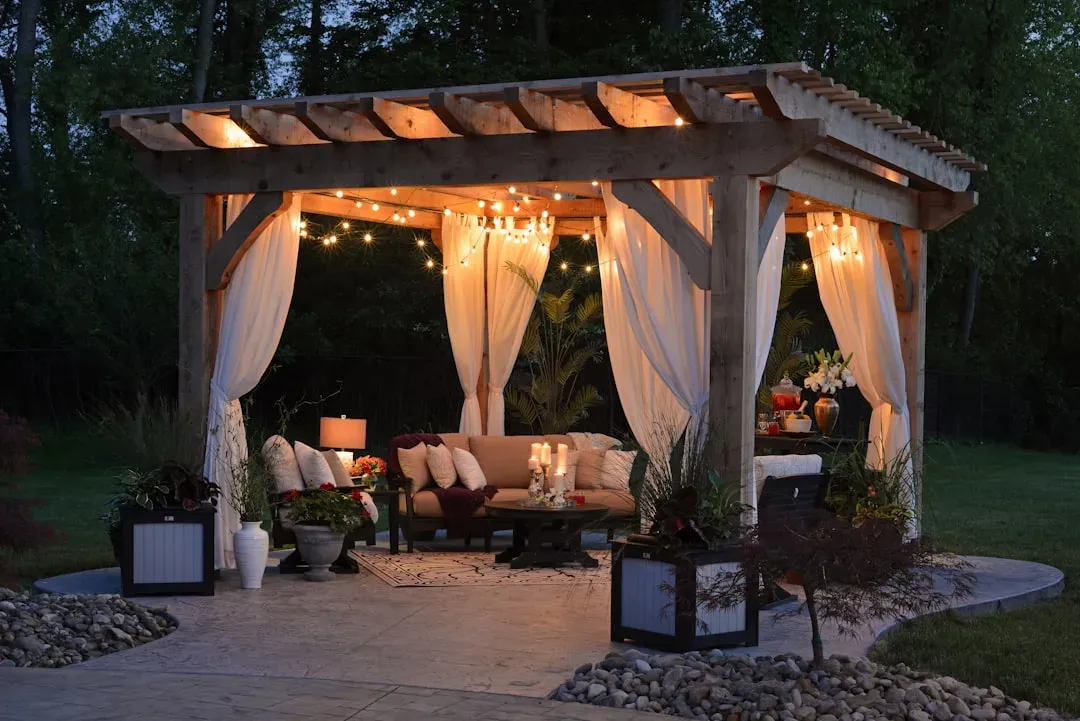
Sun protection has become less about a simple umbrella and more about permanent architecture. Interest in shade structures skyrocketed, with 35 percent of homeowners adding them to their spaces, a 15 percentage point increase from two years earlier. That surge tracks with people spending more working hours and downtime outside than they used to. In 2026, outdoor structures like pavilions, pergolas, and gazebos are doing more than providing shade, becoming the focal point that anchors the entire backyard design. Some setups even go a step further with adjustable shading, letting a pergola area shift from full sun to full shade depending on the moment. Electronic shades can be adjusted to allow more or less sun in, so people can enjoy the outdoors or fire up the grill as needed.
Trading lawn space for low-maintenance hardscaping
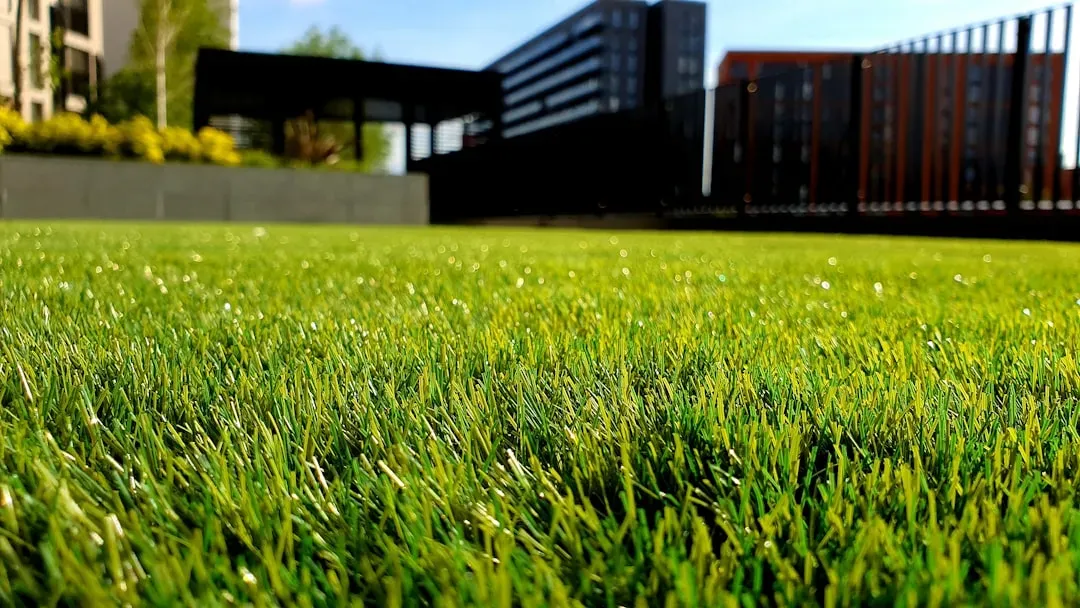
Traditional grass is losing its default status in a lot of yards. Lawns are shrinking, and in some cases disappearing entirely, as the share of homeowners replacing original lawns with natural grass dropped significantly while lower-maintenance hardscaping and mulch saw big gains. Synthetic turf has picked up a lot of that slack too. Synthetic turf surged in popularity, jumping 10 percentage points to a 19 percent adoption rate. It’s a practical trade for households that want a green look without the weekly mowing, watering, and fertilizing routine that a real lawn demands.
Layered natural gardens for depth without the upkeep
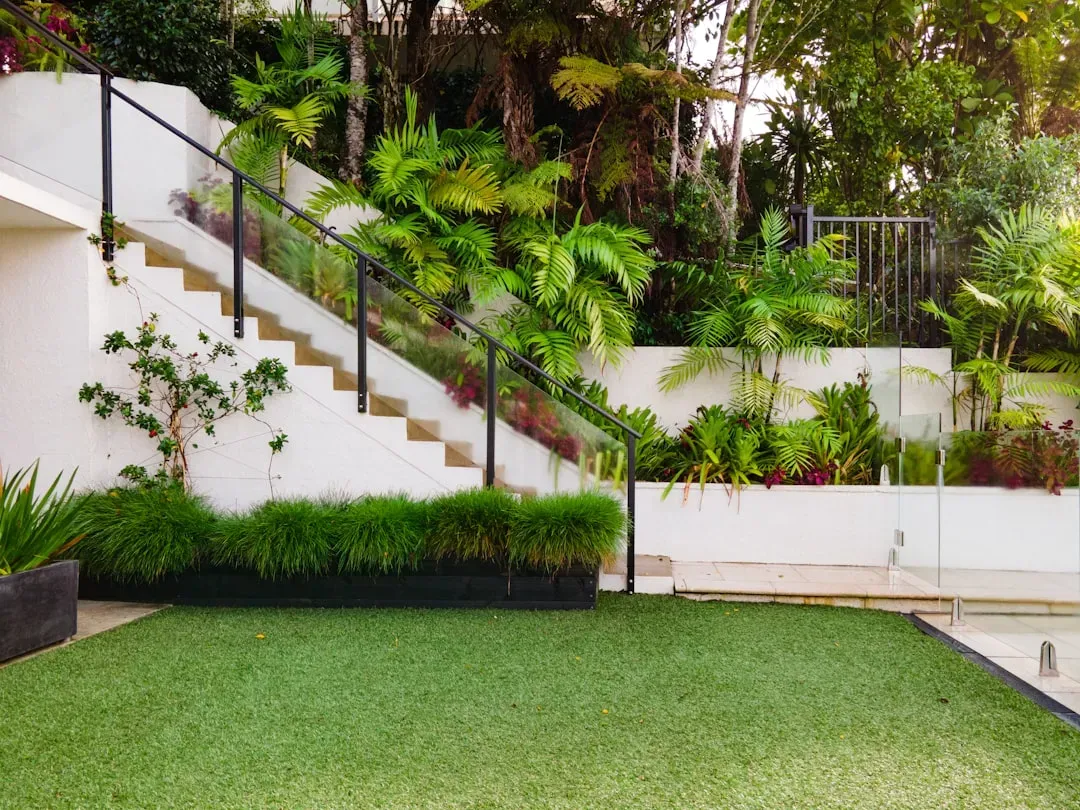
Rigid flower beds and clipped hedges are giving way to something looser and more forgiving. The biggest backyard garden trend right now is the layered natural garden, where instead of perfectly trimmed hedges and rigid flower beds, homeowners create gardens that mimic nature while keeping an intentional design. The effect works particularly well in small spaces too. Small backyards benefit tremendously from layered planting because the technique creates an illusion of depth, with taller plants placed toward the back and lower plants near pathways helping the yard feel larger than it actually is. Many gardeners are leaning into pollinator-friendly choices as part of this style, since coneflowers, black-eyed Susans, salvia, bee balm, and native wildflowers frequently appear in these designs.
Layered lighting for evenings outside
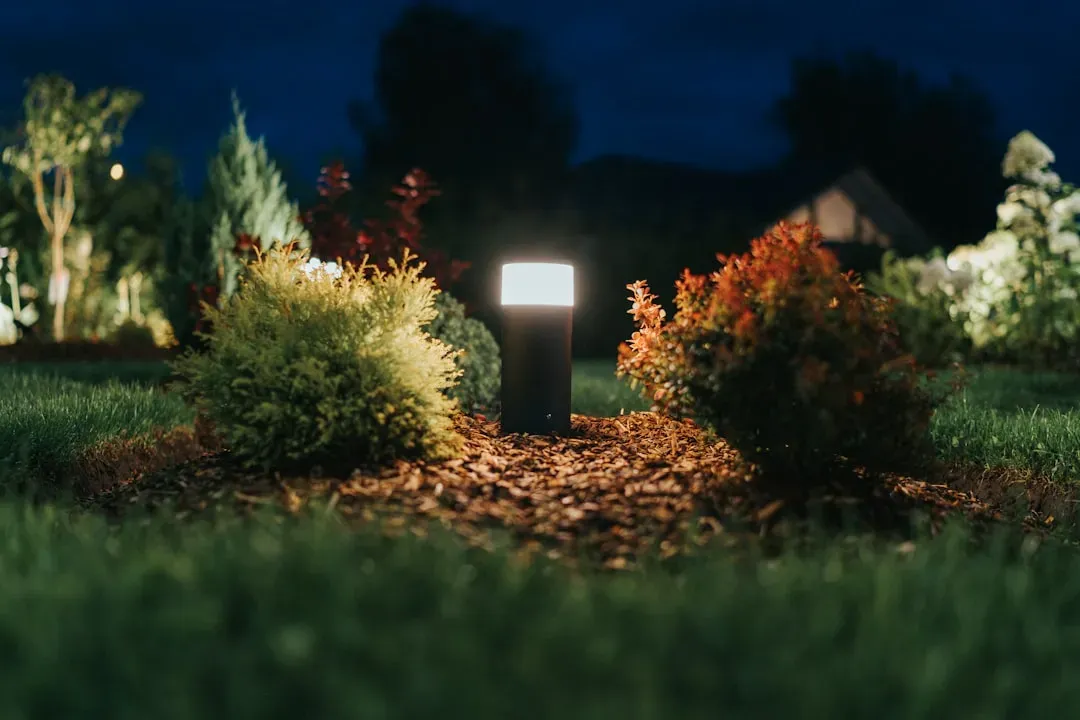
Once the sun goes down, lighting decides whether a backyard keeps working or shuts off entirely. Lighting is just as important outside as it is inside the home, and it’s often the element that determines whether an outdoor entertaining space feels warm and inviting or flat and underutilized. A single harsh overhead fixture can undo an otherwise well-designed space. The fix isn’t more light, it’s smarter placement. The most successful outdoor lighting plans involve layering, combining multiple lighting types instead of relying on a single source like floodlights, to create depth, warmth, and flexibility. That’s also reflected in broader renovation data, where system upgrades focused on lighting and irrigation have started outpacing simple decorating projects. System upgrades have overtaken decorating projects, with the overwhelming majority focused on landscape lighting and irrigation, ensuring outdoor spaces are functional at night and easier to maintain.
Wellness additions moving into the yard
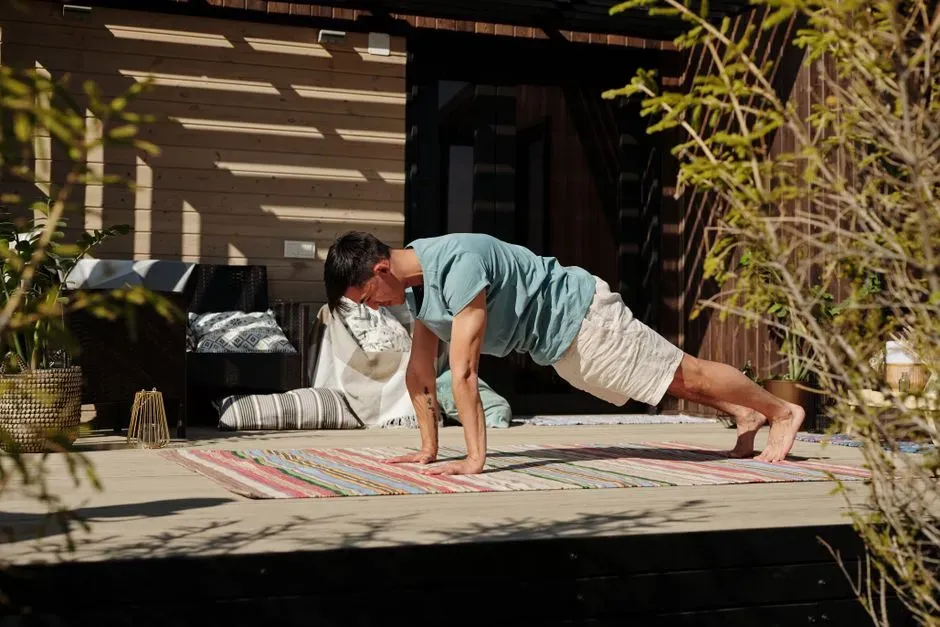
Backyards are starting to double as informal wellness spaces, and cold plunge tubs are a clear example of how far that’s gone. Cold plunge is a top trend, with 1.08 million Google searches and 227,000 TikTok posts, dominating in warm-weather cities like Miami and Scottsdale. It’s a niche addition, but it points to a broader mindset shift toward using the yard for recovery and calm, not just entertaining. That mindset also shows up in quieter forms. Reading nooks, meditation corners, and small retreat spaces tucked away from the main gathering area let a backyard serve two very different needs at once, one social and one restorative, without either feeling cramped.
Play and activity zones for the whole household
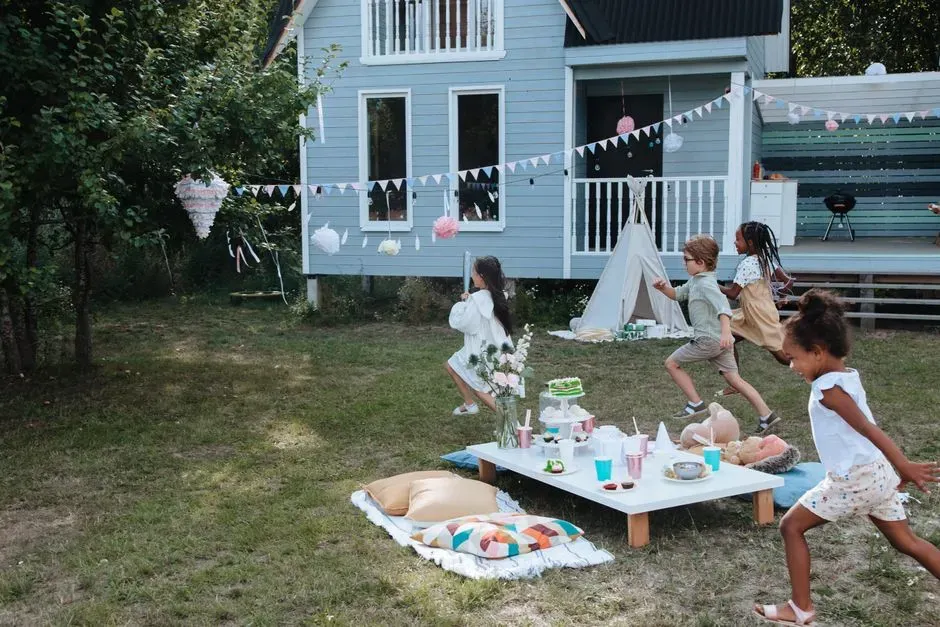
Backyards are increasingly being asked to entertain kids and adults alike, sometimes with surprisingly specific requests. Backyard pickleball ranked as the top search term in Gilbert, Chandler, and Mesa, Arizona, showing how some backyard ideas remain concentrated in specific local markets. Elsewhere, the trend leans toward multi-use zones that flex between kids’ play, adult lounging, and dining depending on the day. Flexibility has become a common theme across backyard trends, as homeowners look for outdoor settings that work for more than one purpose, planning zones that can shift between seating, dining, play, or entertaining as needed. That flexibility is often what makes a backyard feel genuinely useful year round rather than reserved for special occasions.