Americans are drowning in their own stuff. The average American home contains around 300,000 items, and yet somehow, the clutter keeps piling up. A 2025 YouGov survey found that 40% of U.S. adults describe their homes as cluttered, including 9% who say their space is “very cluttered.” Social media has made this worse, not better, pushing trendy storage solutions that look stunning on Instagram but collapse in real-world use. Professional organizers see the fallout every day – the wasted bins, the broken systems, the frustrated clients who tried every hack in the book. Here are the six storage hacks they’ve stopped trusting entirely.
1. Overly Complicated Organizing Systems
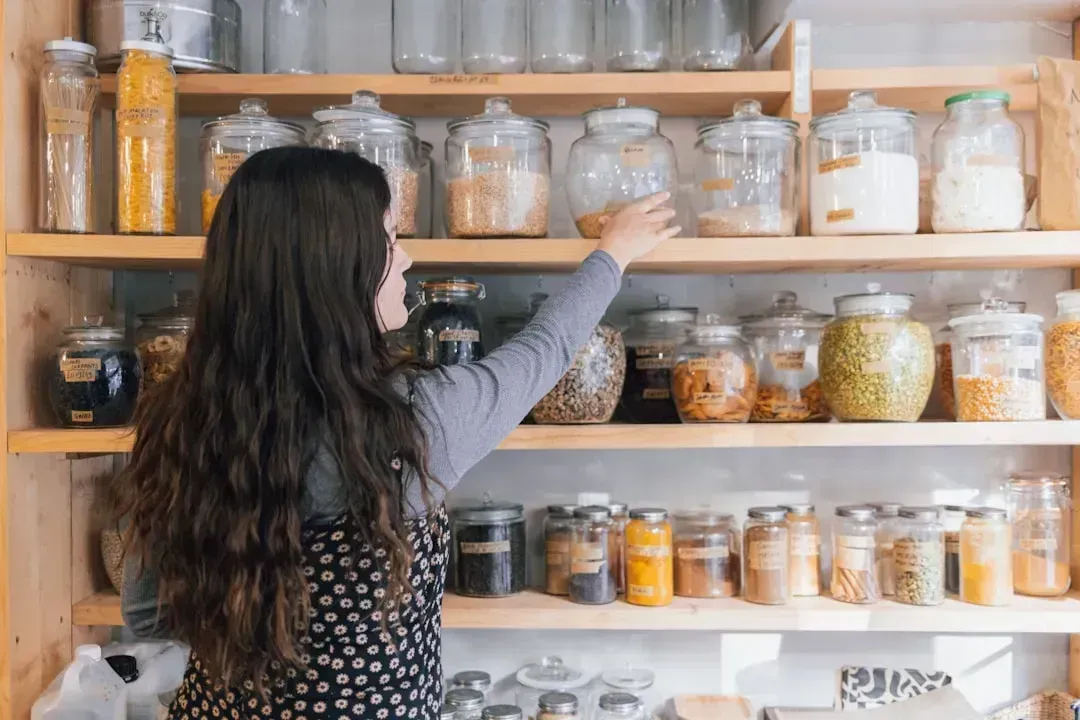
Organizing should help you live more efficiently and with less stress, not cause anxiety because you’re attempting to maintain a complex, hyper-categorized system. This is one of the most consistent warnings from professional organizers in 2025 and beyond. The appeal of color-coded subcategories and elaborate labeling hierarchies is real, but the upkeep is brutal for anyone with a busy life.
Overcomplicated organizing systems are one of the main organizing trends experts are relieved to leave behind. When organizing a pantry, for example, snacks can just be that – snacks. You don’t have to create separate spaces for chips, crackers, nuts, popcorn, and so on. The more layers a system has, the more likely it is that people abandon it entirely within a few weeks. Simplicity isn’t a compromise – it’s the actual goal.
2. “Magic” Space-Saving Hangers That Stack Multiple Items
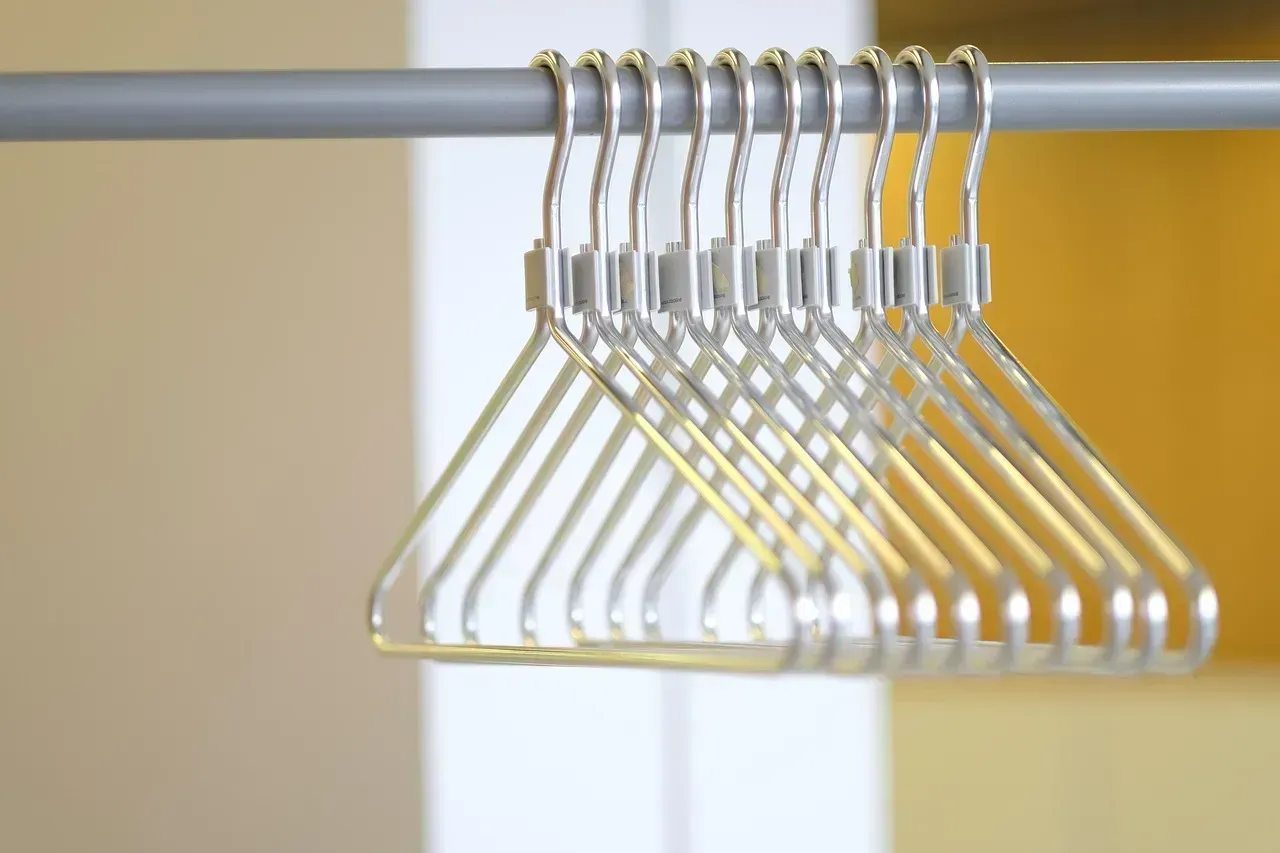
Those “magic” pant hangers that claim to hold eight pairs of pants in the space of two might work for a while, but they don’t last. Plus, who wants to fidget with a gaggle of pants that are all bunched together just to grab the one that happens to be in the middle? It sounds like a dream on paper – double or triple your closet capacity overnight. In practice, retrieving anything from the middle of a stacked bundle becomes a daily frustration that wears thin fast.
When those ads pop up on Instagram with products that sound like great space savers, tread cautiously. In 2025, the move was toward more tried-and-true products that actually worked. Simplicity is the way to go. Stick with slim velvet hangers for the most space-saving option in a small closet, or opt to hang pants vertically with a skirt hanger. That approach keeps items accessible without the gimmick.
3. Buying Storage Products Before Decluttering
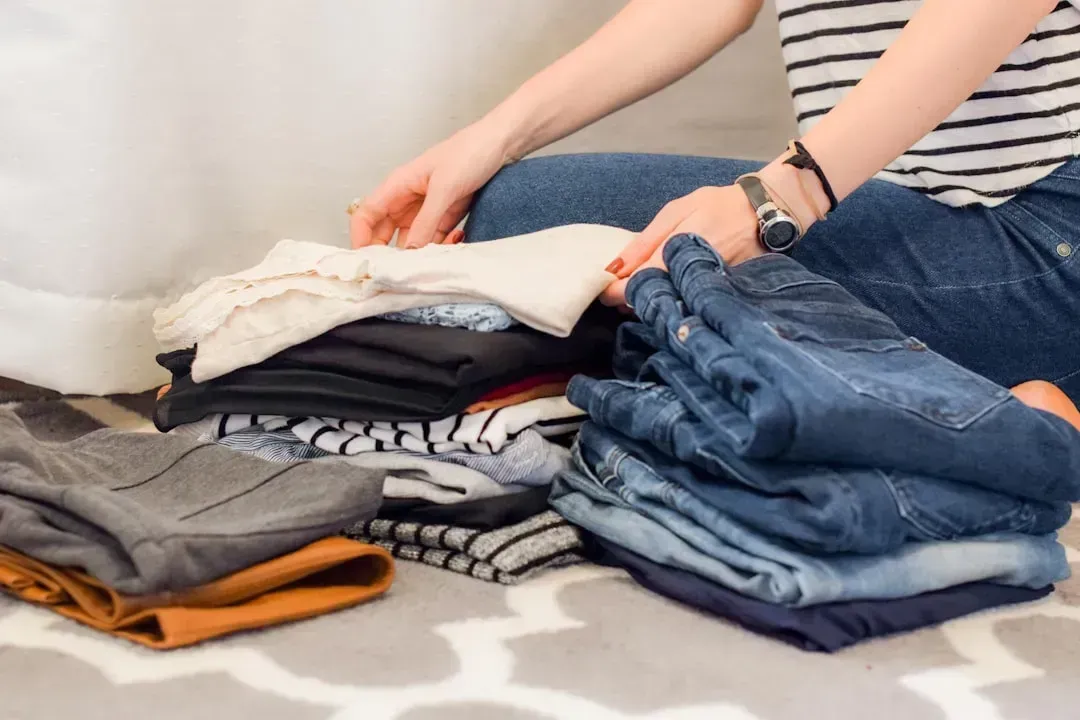
There are so many options when shopping for home storage that it can be overwhelming. As a result, it’s easy to make shopping mistakes – even for professional organizers. Add the pressure of social media and the rise of aesthetics over practicality, and it becomes easy to invest in storage ideas that don’t suit your needs and end up aggravating you more than helping. One of the biggest traps people fall into is reaching for the bins before they’ve dealt with the actual volume of stuff they own.
A June 2024 Garson & Shaw industry report found that the average American adult keeps 6.2 unworn items in their wardrobe, representing approximately 1.6 billion never-used garments nationwide. Buying more containers to house things you’ll never wear or use is just organized hoarding. Many people think organizing means purging everything in sight, but the real goal is being intentional about what you keep. “Purging is a natural part of the organizing process, but not the end goal,” said Ben Soreff, a professional organizer at H2H Organizing. The order matters: declutter first, measure second, shop third.
4. Unlabeled or Opaque Bins Stacked High
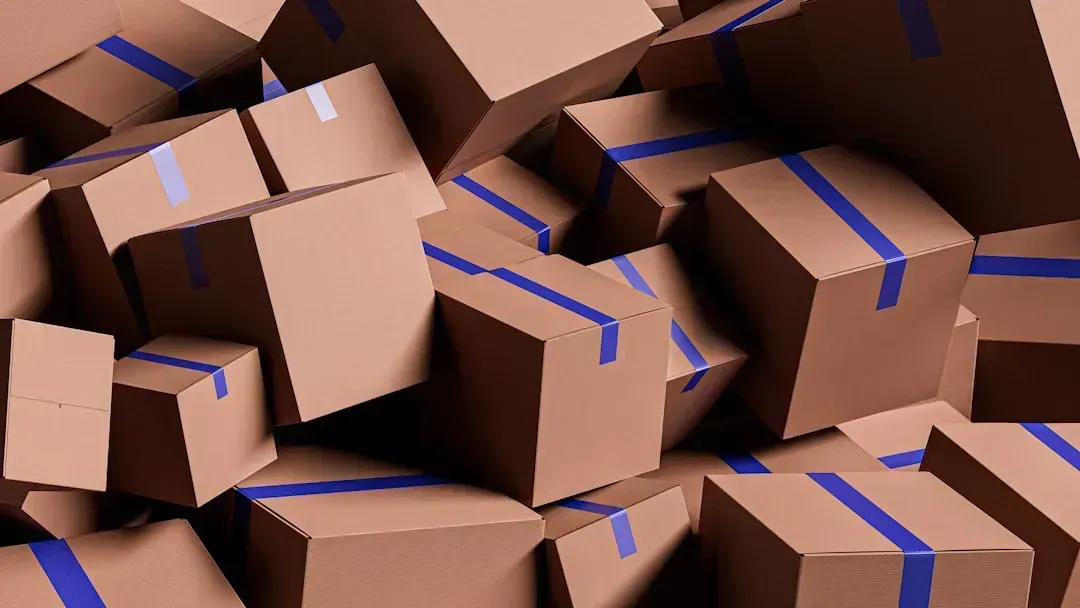
There is so much noise on the internet about home organizing that it can be hard to separate the stuff that works from the purely aesthetic tricks that do little to keep your home neat. Professional organizers are particularly tired of seeing some of these useless hacks, and say they get the “ick” every time they see these so-called systems clogging up people’s homes. Stacking opaque bins to the ceiling is one of the most commonly seen offenders. It looks tidy from a distance, but the moment you need something from the third bin up in a stack of five, the system falls apart completely.
A survey cited in a 2024 consumer summary reported that Americans lose an average of five items per month and spend nearly 17 hours per year searching, with an average of about 16 minutes per search. Hidden storage actively contributes to that problem. Bins are helpful for seasonal items and accessories you don’t often use, but just make sure that if you’re using solid-colored bins, you label them. Without labels, even a well-intentioned bin system becomes a guessing game every single time.
5. Treating Storage Products as a Cure for Too Much Stuff
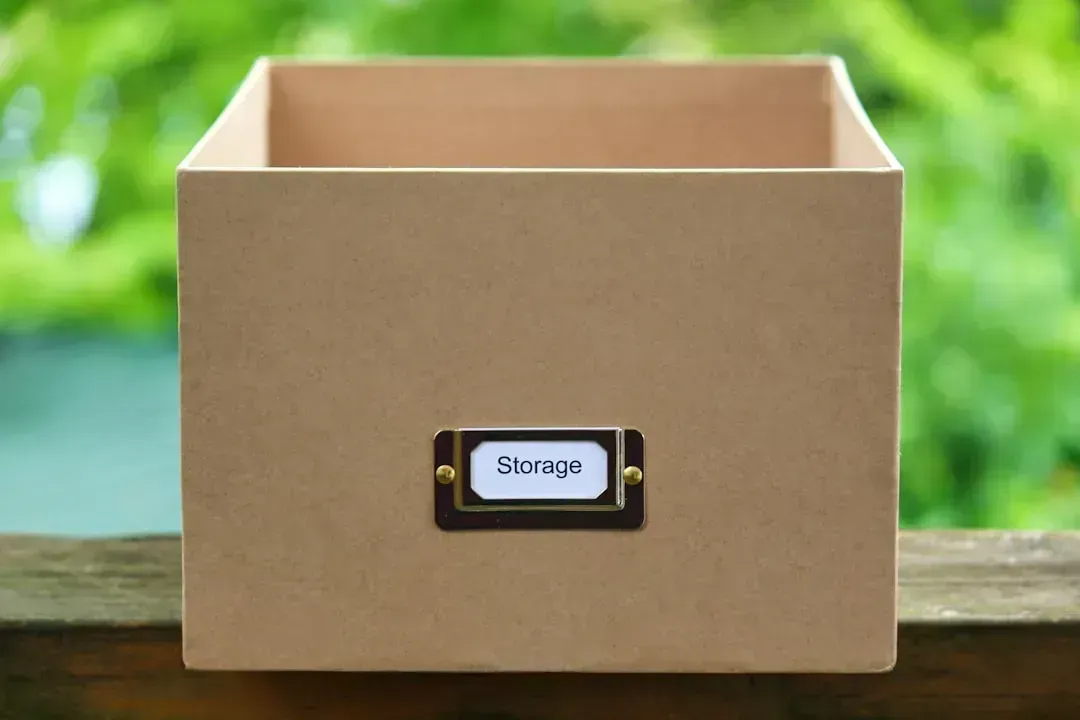
When it comes to storage mistakes to avoid, one of the most common errors is adopting organization hacks that simply don’t fit your space. In such cases, it’s better to pick and choose the tips that work best for your home. The organizing product industry is enormous precisely because it sells the fantasy of a solution. The U.S. market for home organization products hit $12.7 billion by 2025, and roughly 1 in 4 Americans rent a storage unit because they can’t fit their possessions in their home. That is a remarkable amount of money spent on managing stuff rather than reducing it.
A survey by Decluttr and the National Association for Professional Organizers (NAPO) found that more than half of Americans are overwhelmed by their clutter, and 78% don’t know what to do about it or find the decluttering process too complicated. Professional organizers consistently point out that no product can compensate for volume. The average family spends more than $1,200 annually replacing lost or misplaced items due to clutter – money that would be far better spent on genuine reduction rather than more containers to hide things in.
6. Ignoring Whether a System Fits the Way You Actually Live

Messy homes leave Americans feeling overwhelmed (42%), irritable (37%), or unfocused (34%). Yet many popular storage hacks are designed for idealized households rather than real, busy ones. A filing system that requires you to spend 10 minutes putting one document away simply won’t survive contact with actual daily life. The same goes for elaborate pantry resets that look beautiful in a video but demand constant maintenance that most people can’t sustain.
The idea of “less is more” was still going strong in 2025. However, it’s now all about being intentional with what you keep. Instead of just decluttering for the sake of it, people are curating their homes with items they truly use and love – this makes maintenance easier and helps create a home that feels calm and effortless to manage. The hack that sticks is never the most elaborate one. It’s the one that was designed around how a specific person actually behaves, not around how an influencer lives on a screen.