
Every month, the electricity bill arrives and a lot of people stare at the number in disbelief. The lights feel the same. The routines feel the same. So why is it always climbing? Here’s the uncomfortable truth: your home is full of appliances working against your wallet, many of them completely silently.
Electricity rates are spiking nationwide, straining household budgets. According to EnergySage data, electricity rates increased in 67% of states between the first quarters of 2024 and 2025. That means even if your habits haven’t changed, your bill has. The culprits are hiding in plain sight – and some of them are switched off right now, still running up your tab. Let’s get into it.
1. Your HVAC System: The Biggest Drain in the House
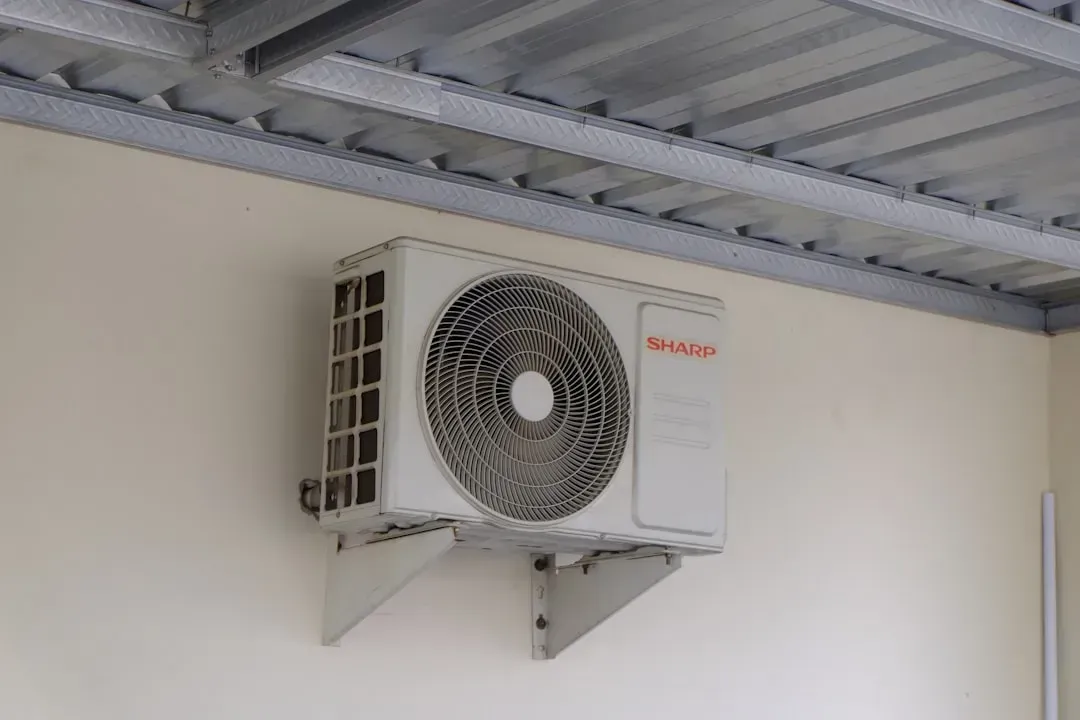
Let’s be real – no single appliance in your home comes close to the HVAC system when it comes to energy consumption. It is the undisputed heavyweight champion of electricity use. HVAC systems consume between 40 and 50 percent of your home’s total electricity, followed by water heating, lighting, refrigeration, and electronics. That is a staggering share going to one system.
Air conditioning units alone can use up to 3,500 watts, which drives up the bill significantly if they are running constantly. Most people underestimate this. They think of it as background noise in summer, then blink at a monthly bill that jumped by $80 or more. Installing a smart thermostat can reduce heating and cooling costs by 10 to 23 percent, while proper insulation and weatherization can cut HVAC usage by 15 to 30 percent.
If your home isn’t properly insulated, heated or cooled air escapes, forcing systems to run longer to maintain a comfortable temperature. This wastes energy and keeps your electric bills climbing. Think of it like trying to fill a bucket with a hole in the bottom – the HVAC just keeps running, and you keep paying.
2. The Water Heater: Running Hot Around the Clock
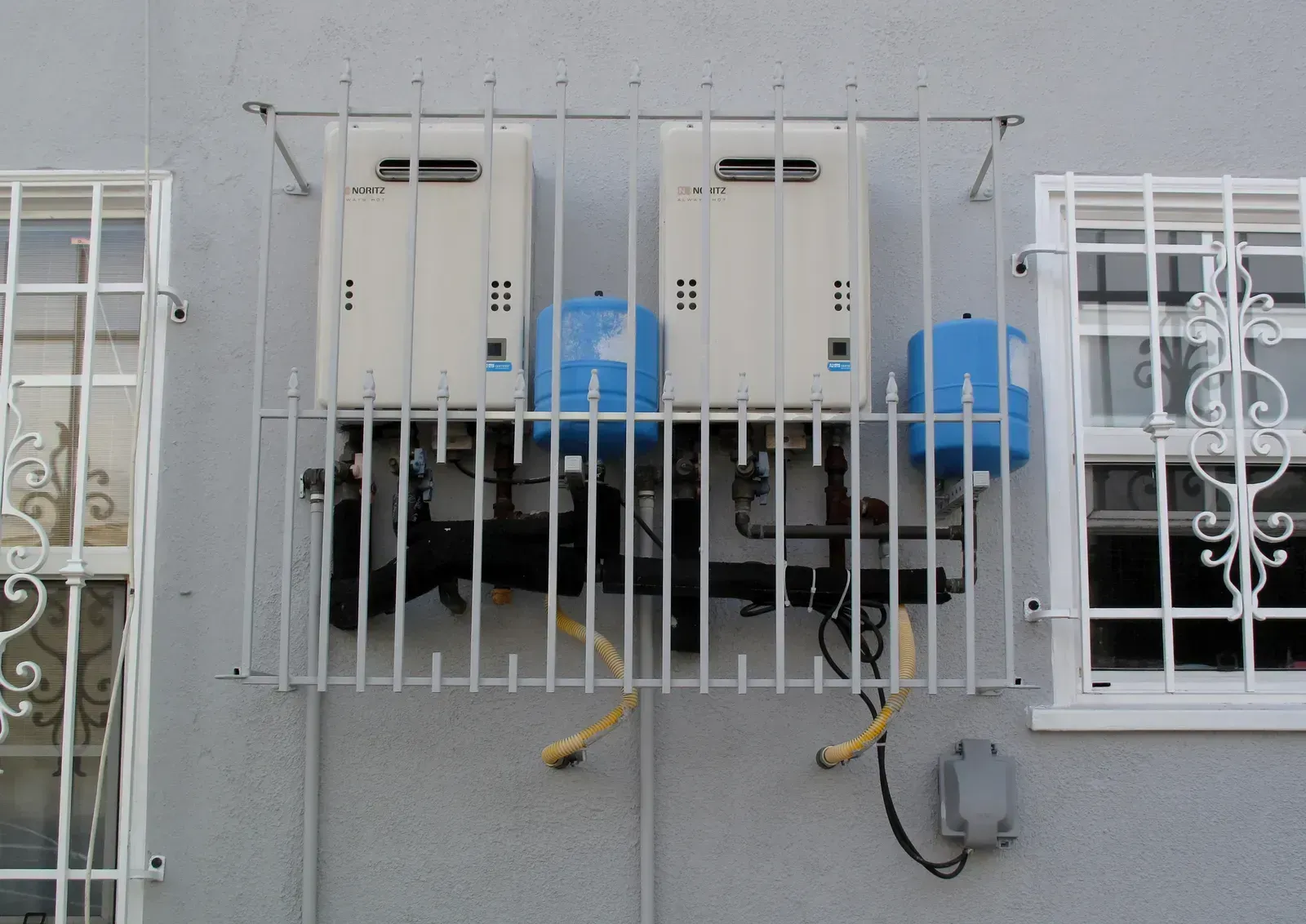
Here is one most people genuinely forget about: the water heater. It sits quietly in a closet or basement, never making demands or grabbing your attention. Your water heater can account for as much as 18 percent of your home’s energy usage. An average water heater typically runs about 3 hours a day, and the average household spends up to $600 per year on water heating alone.
Water heaters run continuously to maintain temperature, making them consistent energy consumers. Traditional electric water heaters use between 3,000 and 4,500 watts during heating cycles, while heat pump water heaters can reduce consumption by 60 to 70 percent. That kind of savings is hard to ignore, honestly.
Your water heater could account for up to 20 percent of your energy use. Switching to a heat pump water heater or simply lowering the thermostat setting to 120°F can take a meaningful bite out of that figure without you sacrificing a single hot shower.
3. The Refrigerator: Never Takes a Day Off
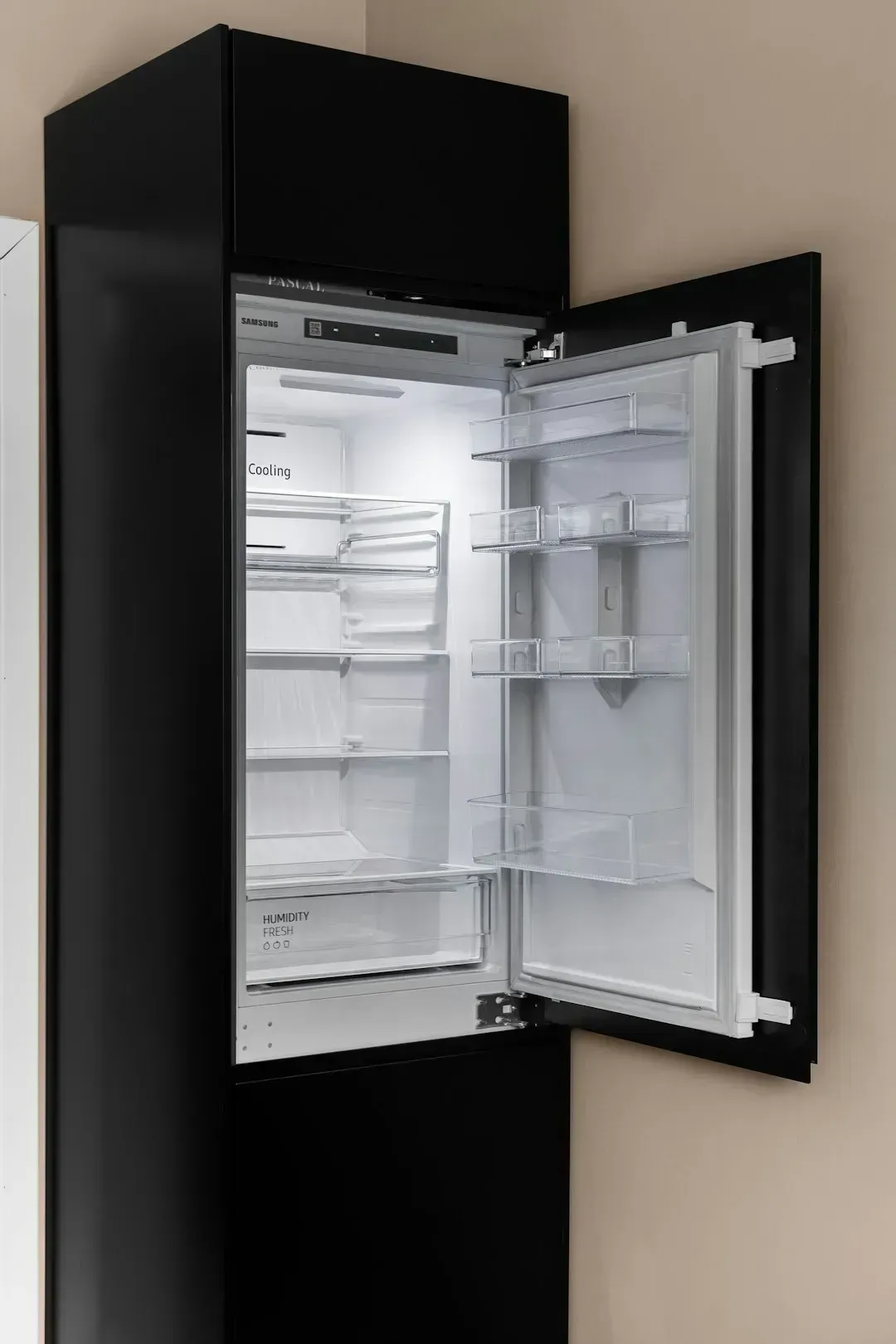
Unlike every other appliance in your home, the refrigerator never gets a break. It runs 24 hours a day, 365 days a year. Refrigerators and freezers run constantly to preserve your perishables. That continuous draw quietly adds up in ways that are easy to miss on a monthly bill.
Older refrigerators can use two to three times more energy than newer models. Think about that for a moment. If you’re still running the fridge from 2008 in your garage for beverages, it might be costing you far more than the drinks inside are worth. A typical older double-door refrigerator could use up to 1,400 kWh annually, while a modern Energy Star model might use only 400 to 500 kWh.
The garage fridge might be wasting as much as $200 a year. Meanwhile, nearly every home has at least one refrigerator, and about a third of homes have two or more. The primary refrigerator typically costs about $87 annually to operate, while secondary units average $66 per year. Two refrigerators, two bills, one easy fix if you don’t need both.
4. The Clothes Dryer: A Heat-Hungry Giant
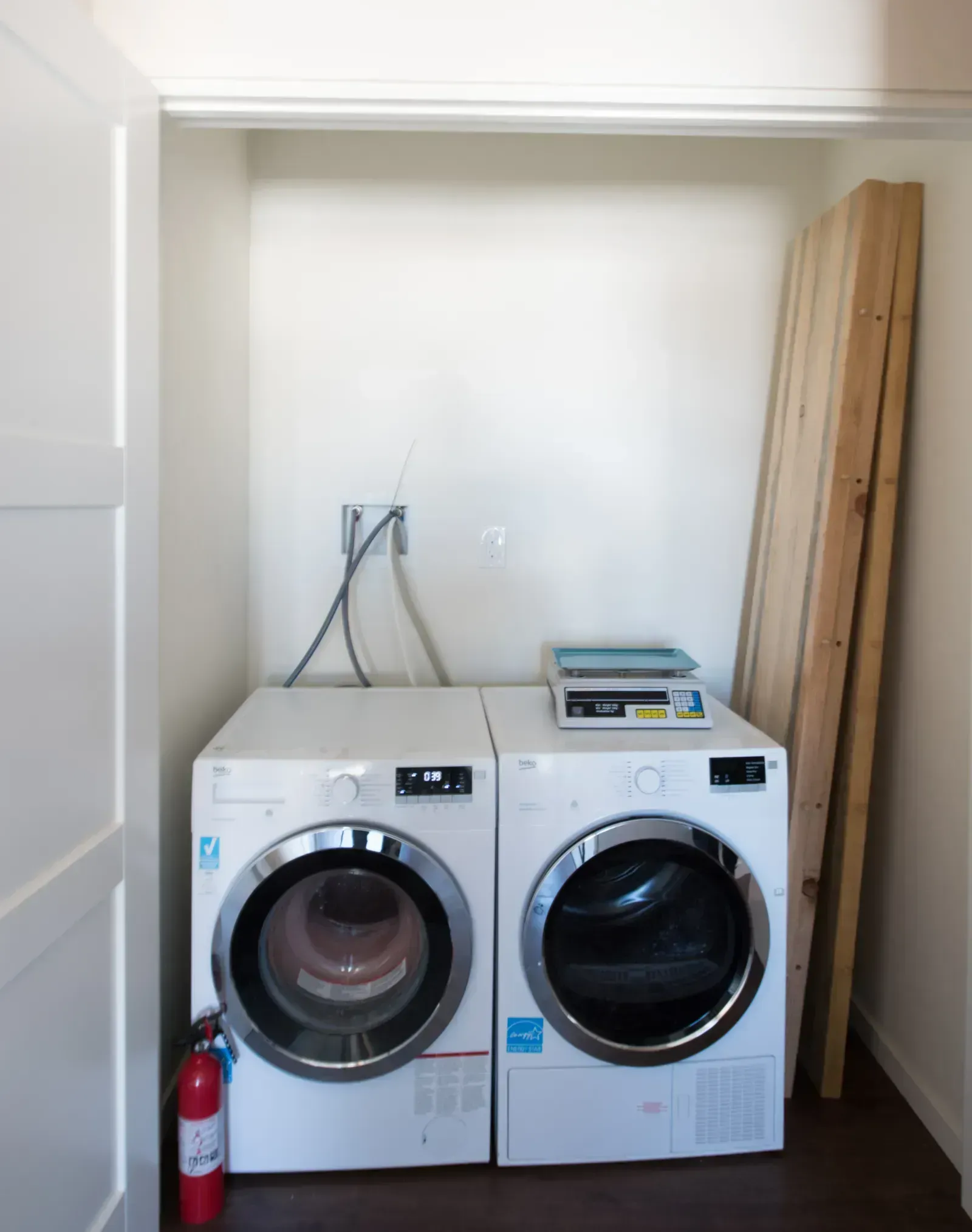
The clothes dryer is one of those appliances that feels so routine, you stop noticing it. Throw the laundry in, press a button, walk away. But behind that simple interaction is a serious energy draw. Dryer wattage ranges from 825W to 7,200W, with 5,271W being average. On average, dryers use around 1.95 kWh of electricity per load, 46 kWh per month, and over 551 kWh per year.
Your washer and dryer are among the appliances that use the most electricity in a home, and the dryer is by far the least efficient because it uses a lot of heat while it’s working. Consider what that means at scale: drying just one load of clothes in an electric dryer is the equivalent of nearly 37 hours of watching TV. That is a wild comparison that puts the numbers in real perspective.
The most common inefficient use is running the dryer for every single load of laundry. Instead of running a half-empty appliance multiple times, always use it when it is full to save energy. Air drying when the weather allows is, of course, a zero-cost solution that too few people take seriously.
5. The Dishwasher: The Hidden Water Heater Partnership

Dishwashers have this reputation for being eco-friendly, and in some ways that is deserved. Modern dishwashers use 25 to 30 percent less total energy than hand washing when factoring in water heating costs. So far, so good. However, the full picture is a bit more complicated.
Dishwashers are often marketed as low-energy appliances, but this isn’t necessarily true. They conceal their true energy consumption because the machine itself uses very little direct electricity. The average dishwasher will use an estimated 1,200 watts of electricity per load through its pump and control system. However, most of a dishwasher’s energy consumption comes from piggybacking off the hot water heater.
Upgrading from a pre-2013 dishwasher to a 2025 Energy Star model reduced annual electricity costs by $30 to $60, since newer models use less than 270 kWh annually compared to up to 800 kWh for older units. That is a significant difference for a machine that most people never think to upgrade.
6. Cable Boxes and Streaming Devices: The Standby Offenders
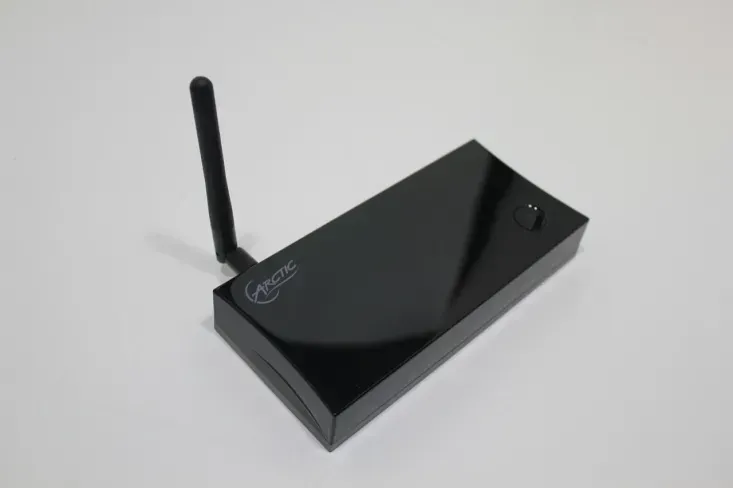
You have probably heard the term “vampire power” and rolled your eyes. But here is the thing – it is very real and very expensive. Vampire power is the electric power electrical appliances consume while energized but not in any use, including standby mode. Your cable box is one of the worst offenders in the living room.
Cable boxes are among the biggest standby users because they spend their downtime updating cable guides and software, with their internal drives constantly moving. According to data from a Natural Resources Defense Council study, cable box standby power usage averaged 16 watts across the homes surveyed. A cable box that is idle 20 hours a day uses 116.8 kilowatt-hours of electricity in a year. That’s real money for a box that is technically “off.”
TVs, cable boxes, and chargers in sleep mode can cost an extra $100 to $200 a year. Multiplied across all the streaming sticks, game consoles, and set-top boxes in a home, the total can be surprisingly painful. The NRDC estimates standby power adds up to $165 per household or $19 billion nationwide each year.
7. The Electric Oven and Range: Short Bursts, Big Bills
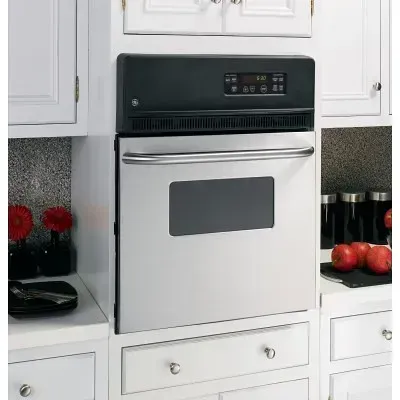
When you think of energy hogs, the oven may not be the first thing that springs to mind. You only use it for an hour or two, right? The catch is that it draws an enormous amount of power during that time. The average modern electric range uses around 2,400 watts on medium-high heat. As a heavy-draw appliance, this can quickly translate into higher bills.
Depending on how often you cook and how many meals stay in the oven for an hour or more, you will notice a difference in electricity use. Many ovens also come with a self-cleaning feature, which means that even if your appliance has excellent insulation and you don’t use it much, it will eat up electricity during routine cleans. That self-cleaning cycle is often running at extremely high temperatures for hours at a time. I think most people have no idea just how much that one feature costs.
Switching to smaller appliances like an air fryer or convection microwave for smaller meals is a practical workaround that can meaningfully reduce how often the big oven fires up. Simple habit changes in the kitchen have a real impact over a full year.
8. Old and Inefficient Space Heaters: The Sneaky Winter Drain
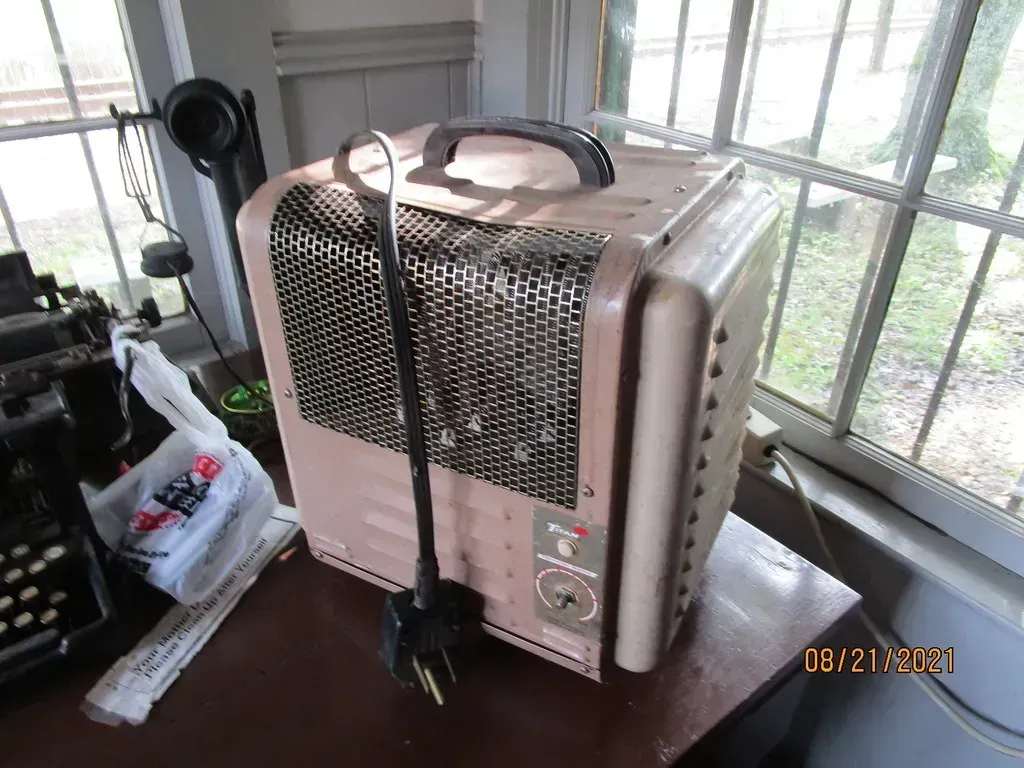
Space heaters feel like a bargain. Heat just one room instead of the whole house – it seems logical. However, the math does not always work out the way people hope. There may be an old heater or spare TV in your basement that’s eating up $10 a month – and that’s just one device, often forgotten and left plugged in.
Older appliances tend to consume more electricity than newer, energy-efficient models. An aging space heater running on maximum settings for hours every evening in winter is a recipe for bill shock. Many homeowners run them in bedrooms, offices, and workshops simultaneously, stacking the energy draw without realizing it.
Some large electronic devices have phantom loads of over 10 watts. While the vampire energy from a single device may only add a few cents to your monthly bills, the total waste from all devices in your home can reach around $200 per year. The space heater is not just a vampire – when it is actively heating, it is one of the most power-hungry devices in the entire home.