
The Craftsman Bungalow: Built by Hand, Built to Last
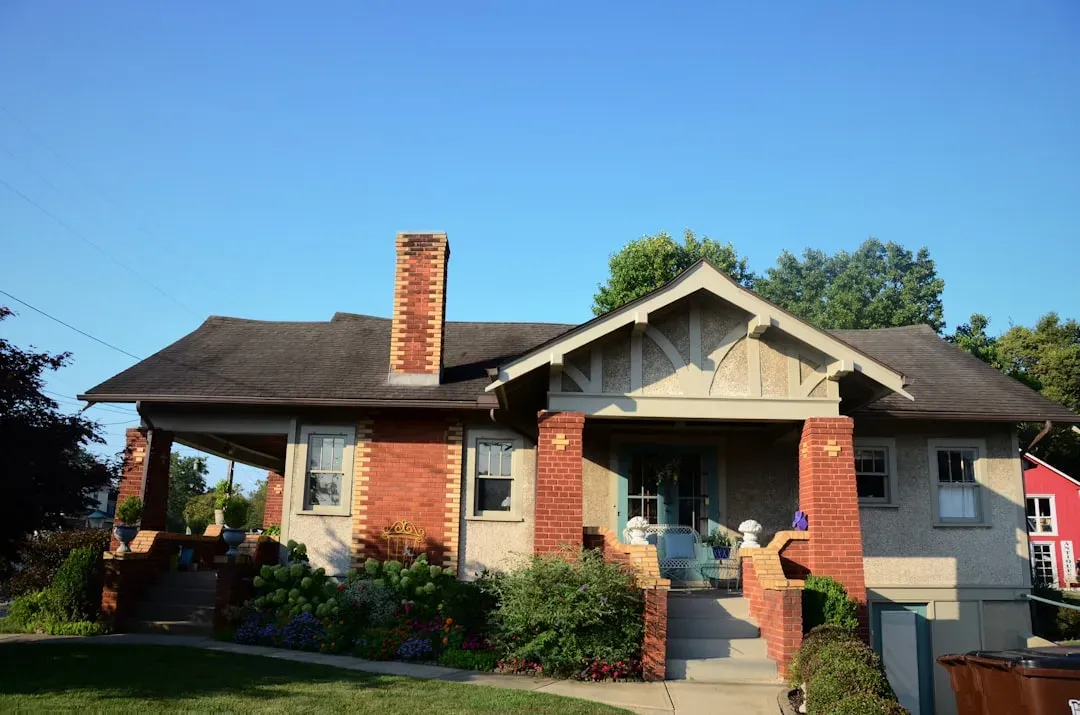
Few architectural styles are as closely associated with early Los Angeles as the Craftsman bungalow. Since the Craftsman home was devoted to shattering the factory mold, no two homes were exactly the same, though Craftsman architecture incorporated common defining features and design similarities that fans of the movement can easily identify. That individuality is almost impossible to replicate in a production-built home today.
The bungalow style gained particular traction thanks to Pasadena-based architects Henry and Charles Greene, who infused their take on the bungalow with a distinctive Japanese influence. The bungalow’s emphasis on design efficiency made it an attractive yet affordable choice for the working class. More than a century later, those same design principles read as premium. Exposed structural beams, natural stone accents, and generous covered porches are details that modern buyers spend a fortune trying to recreate.
Spanish Colonial Revival: Timeless Romance in Stucco and Tile
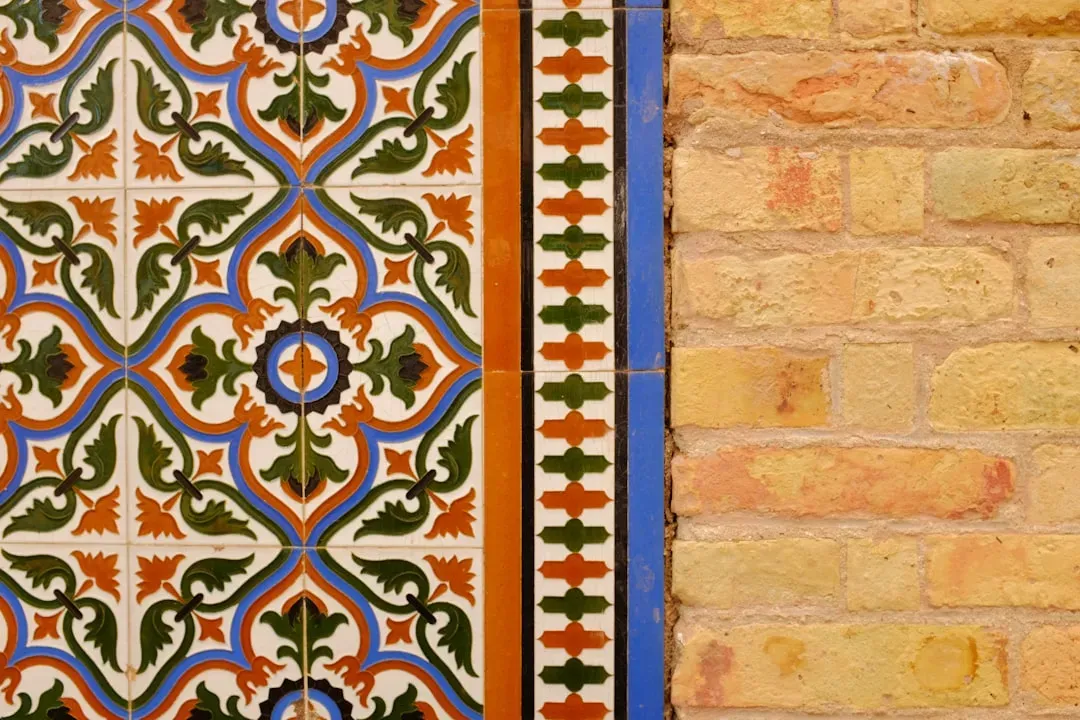
Most authentic Spanish Colonial Revival homes were built between 1915 and 1940, concentrated in historic neighborhoods governed by HPOZ regulations that prevent demolition and protect architectural character. This limited supply, combined with strict preservation standards, ensures these homes remain rare, coveted assets. You cannot simply build a new Spanish Revival home in Hancock Park or Los Feliz; the existing stock represents a finite, irreplaceable resource.
Arched doorways, hand-painted tiles, courtyard entries, exposed beam ceilings, and wrought-iron details create spaces that feel romantic, grounded, and timeless. In an era of generic new construction with cookie-cutter floor plans, Spanish Revival homes offer something contemporary builds cannot replicate: soul, character, and a tangible connection to Los Angeles history. The market has clearly noticed: these properties consistently draw buyers willing to pay a meaningful premium.
Hancock Park: Where the Past Keeps Its Dignity
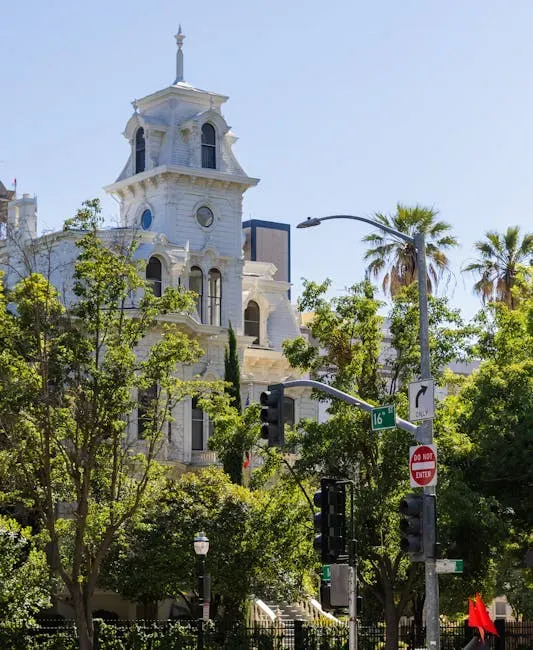
Hancock Park was developed in the early 1920s as an upscale residential neighborhood and is one of the most desirable neighborhoods in Los Angeles, home to many historic and architecturally significant homes. The streets there feel remarkably intact, which is no accident. Preservation oversight has protected the neighborhood’s coherent visual character even as development pressure built up around it.
The neighborhood features a variety of architectural styles, including Spanish Colonial Revival, English Tudor, Art Deco and more. Many of the homes in Hancock Park are expansive mansions, with park-like grounds and gardens that offer a glimpse into the past in a world of inspired living. Standing on any of its tree-lined streets, it becomes easy to understand why buyers keep coming back, generation after generation.
Hollyhock House: The Home That Changed Los Angeles Architecture
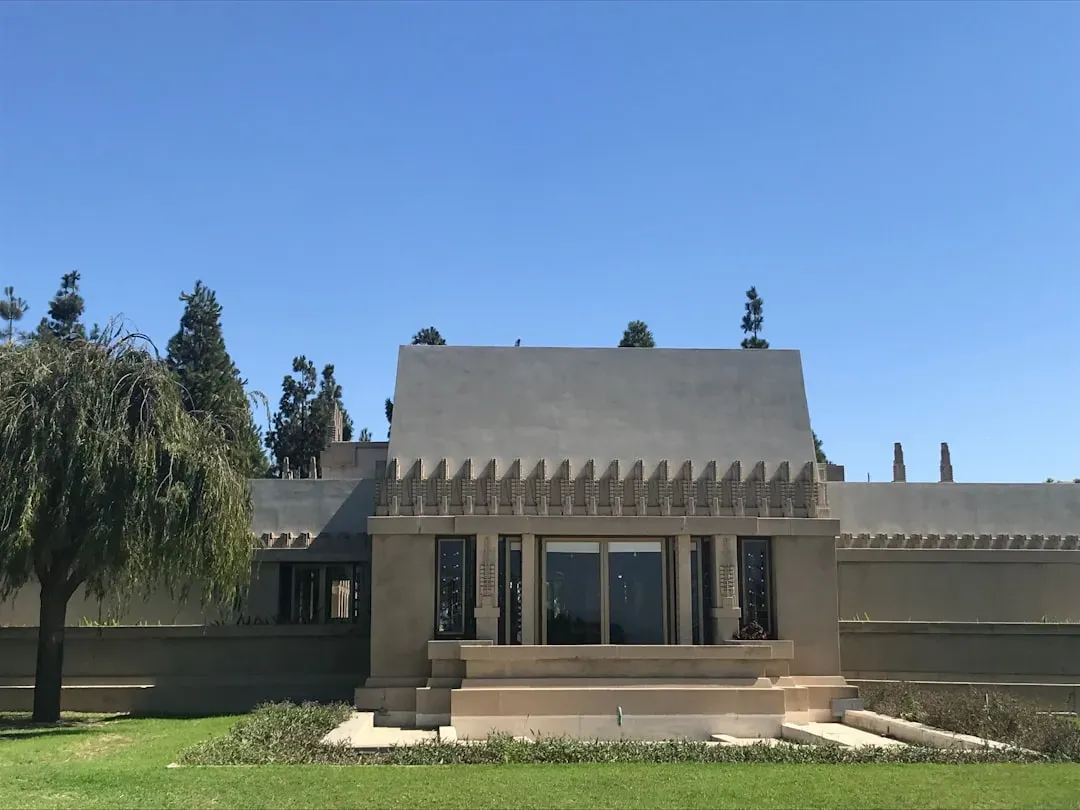
Hollyhock House was Frank Lloyd Wright’s first Los Angeles commission and an ode to California’s freedom and natural beauty. Built between 1919 and 1921 for Aline Barnsdall, the house introduced young architects Rudolph Schindler and Richard Neutra to Los Angeles. That single commission, in other words, set the entire trajectory of California modernism in motion.
In 2019, Hollyhock House was inscribed as the first UNESCO World Heritage Site in Los Angeles. This is the only place in Los Angeles that has attained this level of international cultural heritage recognition. It remains an extraordinary example of what residential architecture can accomplish when a visionary mind is given the freedom to experiment, and it still draws tens of thousands of visitors each year.
The Ennis House: Frank Lloyd Wright’s Mayan Temple on a Los Feliz Hill
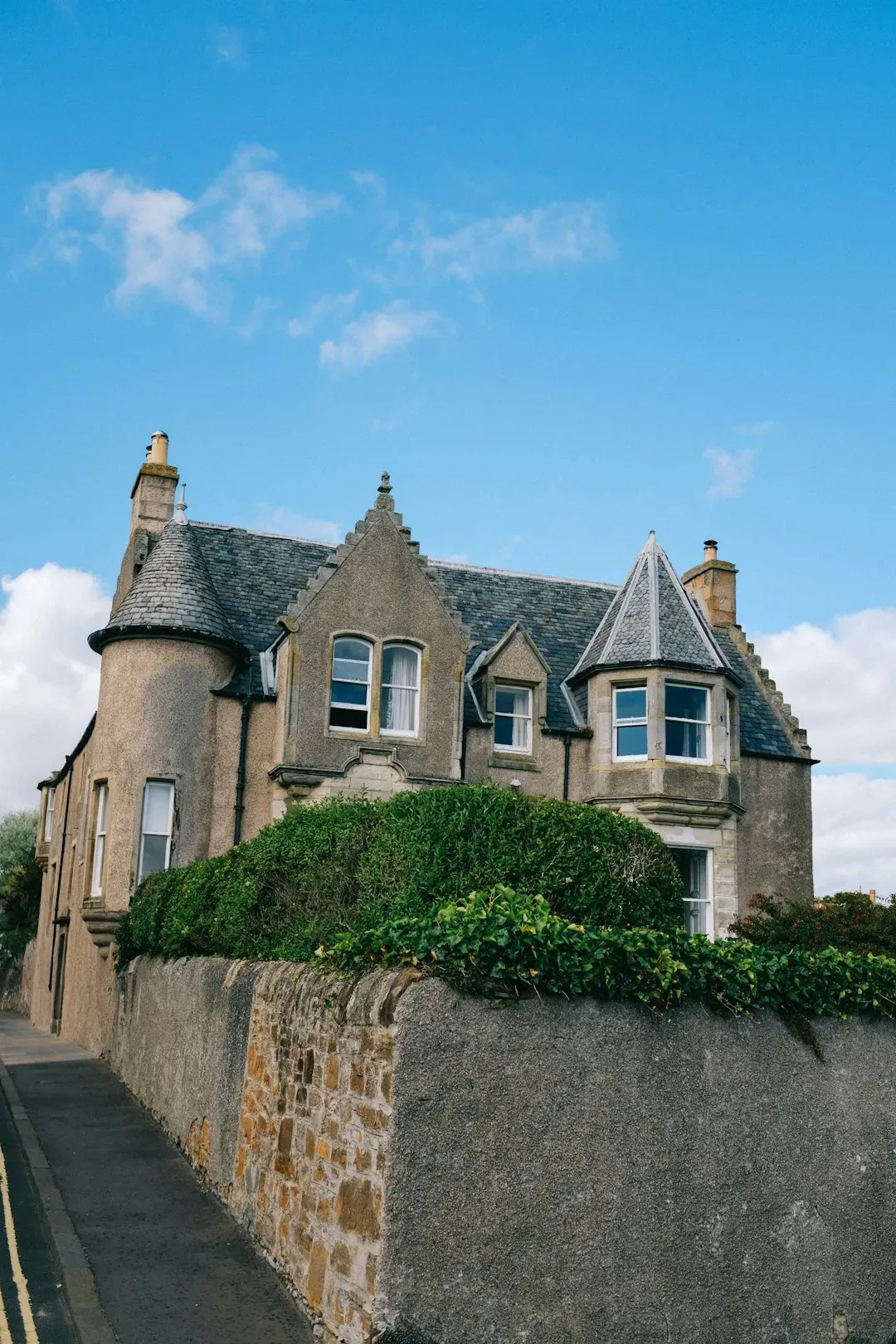
Designed by the architect Frank Lloyd Wright in the Mayan Revival style for the businessman Charles Ennis and his wife Mabel, it was completed in 1925 on top of a hill in Los Feliz. The Ennis House is the last and largest of Wright’s four Los Angeles-area “textile block” houses. Rising from the hillside like something ancient and inevitable, it defies easy categorization as a home at all.
The Ennis House rises in stages, with over 27,000 blocks arranged across a concrete platform and buttressed by a retaining wall. Though concrete was still considered a new material in the 1920s, especially for home construction, Wright believed it had promising potential for affordable housing. He created a block construction system with patterned surfaces, which lent a unique textural appearance to both the exteriors and interiors of his residences. No new build in Los Angeles approaches this level of material ambition.
The Schindler House: Where California Modernism Was Born
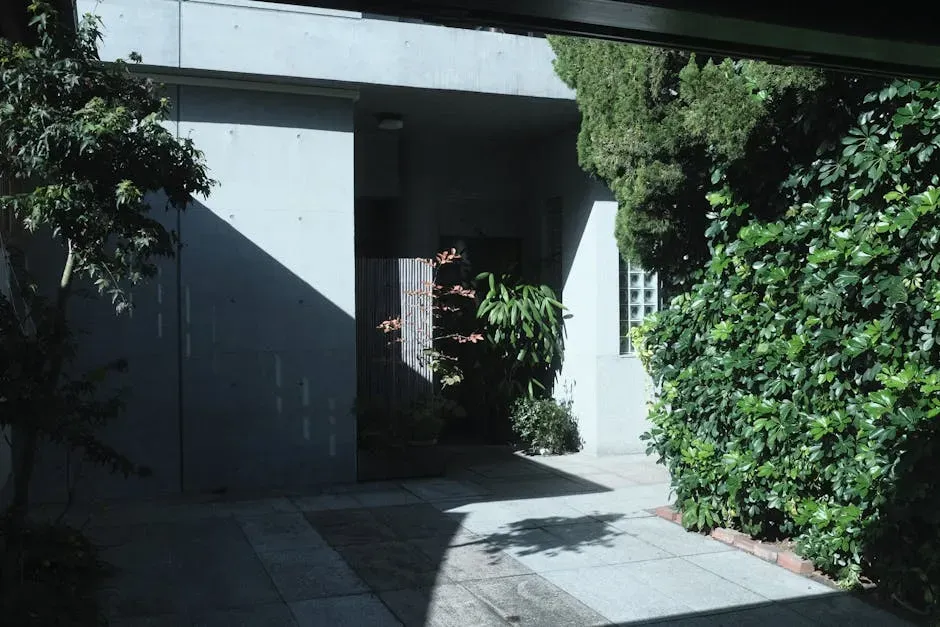
Designed in 1921 to 1922 by Rudolph M. Schindler, this home is often considered the birthplace of California modernism. It introduced groundbreaking ideas about communal living, flexible space, and indoor-outdoor flow. Those ideas feel almost obvious now, because the rest of the architectural world spent the following century catching up to them.
When this residential house was built by Vienna-born Rudolf Schindler back in 1922, inspired by a recent trip to Yosemite with his wife, it was extremely unconventional at the time for a place to live. In reality, it was meant to be a cooperative live-work space between two families, much like a camp site. The rooms open to the outdoors through sliding panels. The concept still feels fresh and relevant a century later, which says everything about the quality of the original thinking.
West Adams and Angelino Heights: Victorian Bones, Modern Soul
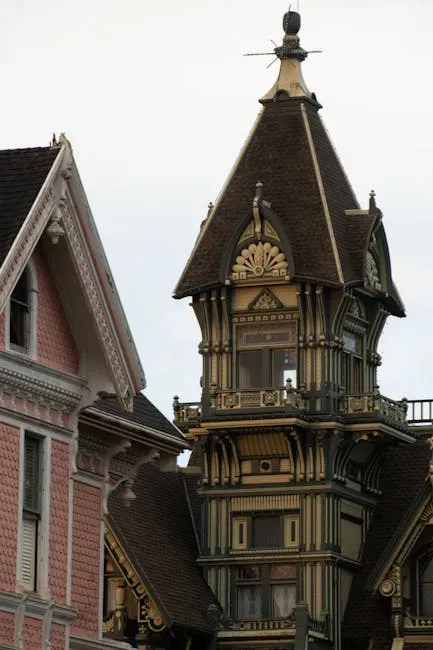
The West Adams neighborhood is the oldest in Los Angeles. It was initially settled by Spanish missionaries in the late 18th century and remained a rural area until the early 20th century, when it was annexed. In recent years, the neighborhood has undergone a significant transformation, with new businesses and restaurants opening and classic Victorian homes being restored.
Once a month, Los Angeles Conservancy docents lead walking tours through the gingerbread homes of Angelino Heights. The Victorian homes here aren’t just buildings; they’re intricate works of art, each telling a story of the city’s golden age. Carroll Avenue, the crown jewel of Angelino Heights, is where you’ll find the most spectacular display of Victorian architecture in the city. A stroll down Carroll Avenue remains one of the most disarming architectural experiences in all of Southern California.
Historic Preservation Overlay Zones: The Invisible Shield Around Old Homes
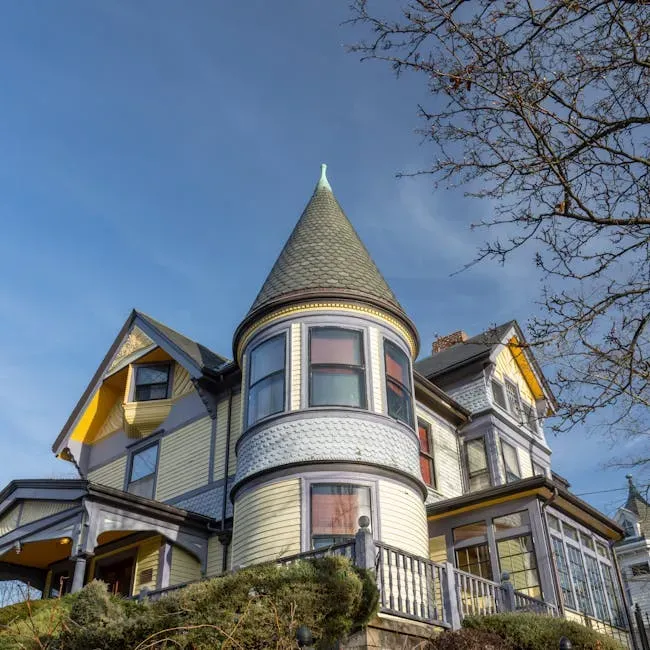
A Historic Preservation Overlay Zone, or HPOZ, is a zoning tool that protects and preserves neighborhoods composed of architecturally and historically significant structures. A type of historic district, HPOZs primarily protect single-family residential neighborhoods. By 2023, the city had 35 HPOZ neighborhoods. Each one functions as a layer of protection against the kind of teardown-and-replace development that has transformed so many LA blocks beyond recognition.
Numerous studies nationally have found that homes within historic districts such as HPOZs tend to appreciate in value at a higher rate than similar homes outside designated historic districts. Many homebuyers specifically seek out homes in unique historic neighborhoods and welcome the assurance that the qualities which attracted them to the neighborhood are more likely to endure over time. Residential homeowners also find that property values increase when historic preservation standards are used in rehabilitating their homes. The HPOZ designation, in short, is both a preservation tool and a financial one.
Pasadena’s Craftsman Legacy: A Neighborhood as a Living Museum
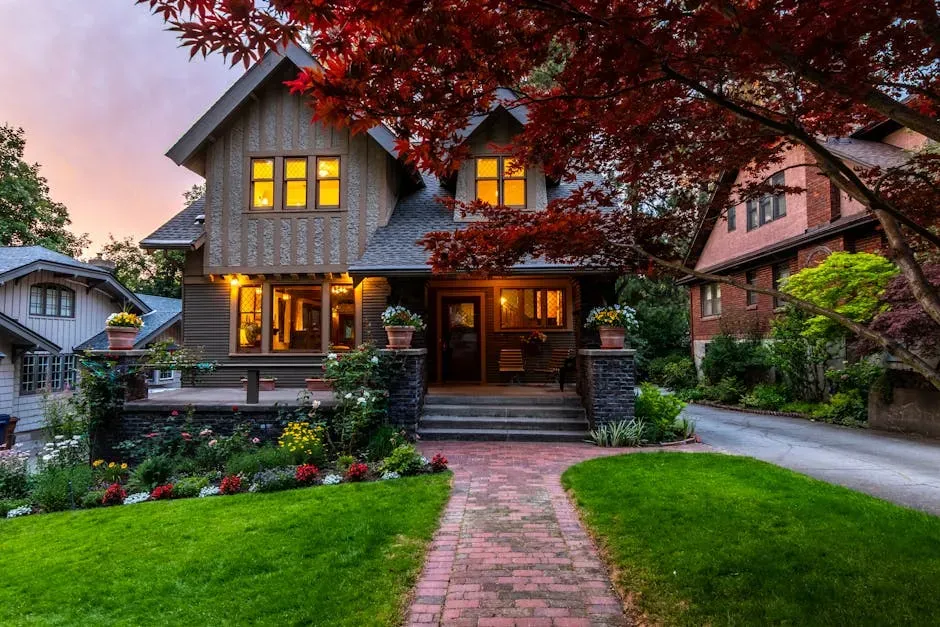
The historic houses in Pasadena are some of the most beautiful in Southern California. Many of these homes were built in the early 1900s and are designed in the Craftsman style. Each fall, Pasadena Heritage hosts Craftsman Weekend, featuring house tours, parties, and nearly 100 vendors who specialize in furniture and fixtures used to restore the homes of the early 20th-century movement. That kind of sustained civic enthusiasm around old houses is rare, and it speaks to how genuinely alive these buildings still feel.
On the southern edge of Koreatown, Van Buren Place is a designated historic area featuring a striking mix of Craftsman, Prairie, and Period Revival architecture. Most homes were built between 1903 and 1916, part of a neighborhood developed during LA’s first major westward expansion. Details like tapered porch columns, deep roof eaves, and multi-light wood windows show the richness of early 20th-century design. While no two houses are alike, the visual rhythm and restraint create a sense of order that contemporary infill construction rarely achieves.
Why Old Bones Still Win: Construction Quality That New Builds Rarely Match
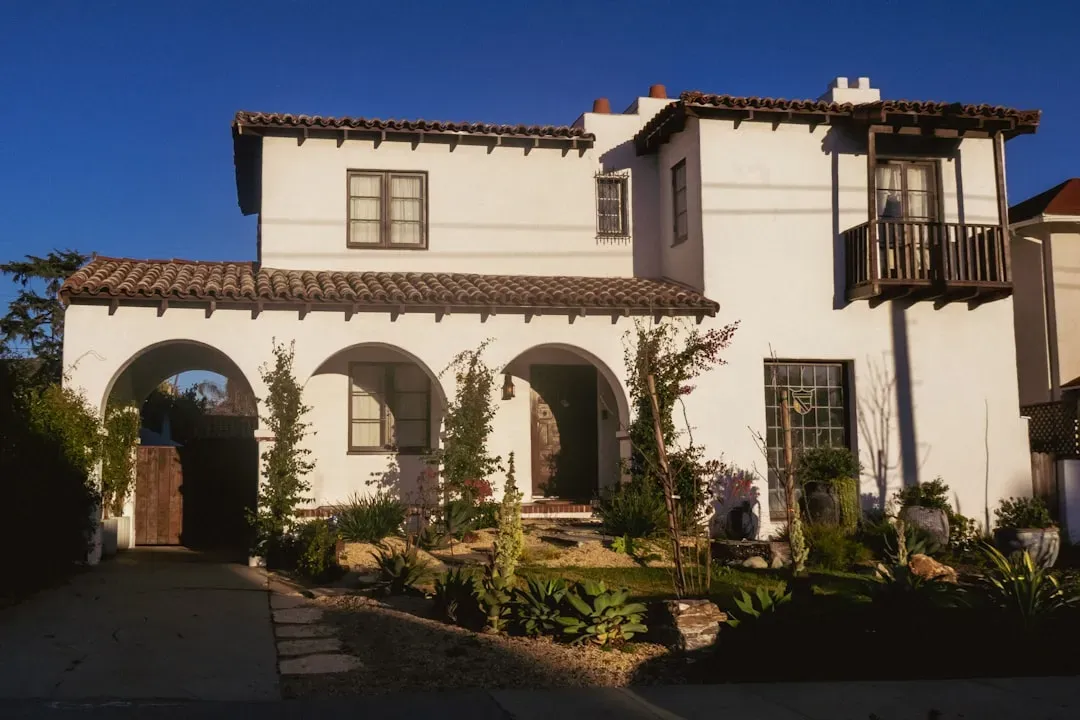
Quality of construction stands the test of time. Many Spanish Revival properties feature plaster walls, hardwood floors, thick stucco exteriors, and tile roofs that have lasted 80 to 100 years with proper maintenance. This durability appeals to buyers seeking long-term value rather than disposable housing. It is difficult to overstate how much has changed in residential construction since these homes were built, and not always for the better.
Roughly sixty percent of homes in Los Angeles are more than 50 years old. That figure reflects something important about the city’s fabric. Character-rich historic homes and estates by noteworthy architects Roland Coates, Wallace Neff, Paul Williams, and more, document the beauty of 1920s Los Angeles. These homes weren’t built to be flipped or forgotten. They were built to anchor neighborhoods for generations, and in city after city, the buildings that do exactly that turn out to be the ones worth fighting to keep.