Most of us have been there: standing in front of a packed closet, convinced we have nothing to wear. The irony rarely registers in the moment, but it’s a reliable sign that what’s in there isn’t actually working for you. Closets and storage spaces tend to accumulate quietly over years, filling up with items that once seemed useful, items we spent real money on, and things we’ve simply never gotten around to making a decision about.
A closet clean out is really about reassessing what you actually wear, what still fits your body and lifestyle, and what is quietly making your mornings harder than they need to be. The nine items below are the most common offenders. They’re taking up space you could genuinely use.
Clothes That No Longer Fit Your Body
Clothes that no longer fit don’t deserve space in your closet. They send a daily message of “not enough” or “someday,” which can weigh heavily on your mindset. That quiet pressure, every single morning, is a real cost even if it’s invisible.
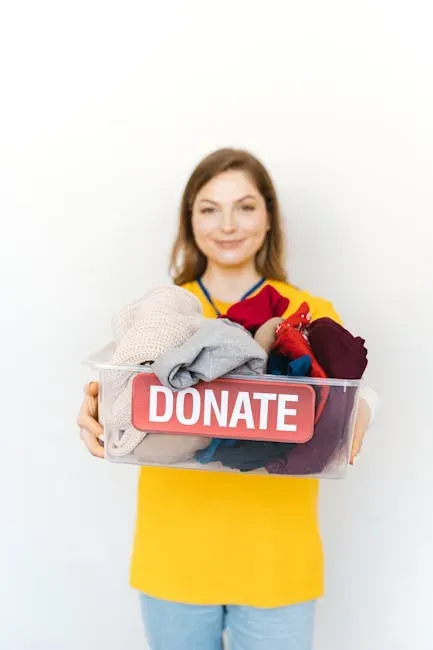
Clothes that no longer fit or are too worn create unnecessary closet clutter. The honest approach is to divide items into “keep,” “donate,” and “discard,” being truthful about what you actually wear. Donating wearable pieces to shelters or thrift stores means someone else gets real use from them.
Damaged, Stained, or Pilled Clothing
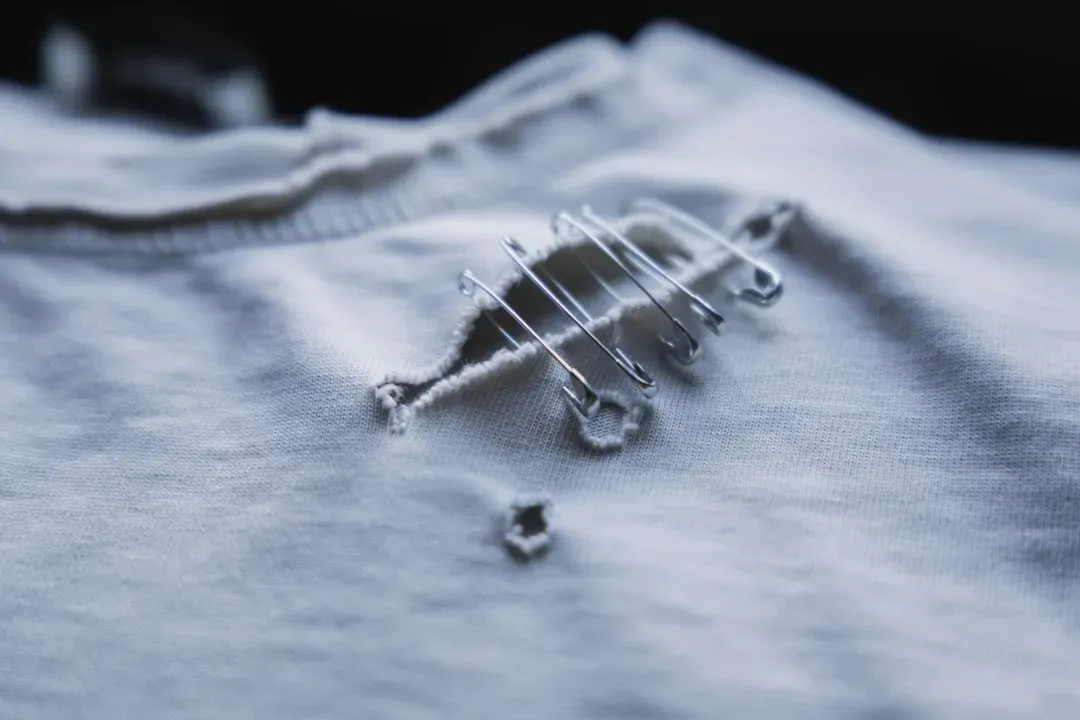
You can’t look polished in clothing that’s pilled, faded, or has those tiny holes in the front. Leather goods can be polished and sweaters can be de-pilled, but if an item is beyond saving, it needs to go. There’s a point where repair isn’t realistic, and most of us know that point when we see it.
No matter how cute or comfy something is, if it’s stained, ripped, or stretched out, it’s time to say goodbye. Damaged items clutter your space and create decision fatigue. If you wouldn’t feel confident wearing it outside the house, it doesn’t deserve prime real estate in your closet.
Shoes You Haven’t Worn in Over a Year
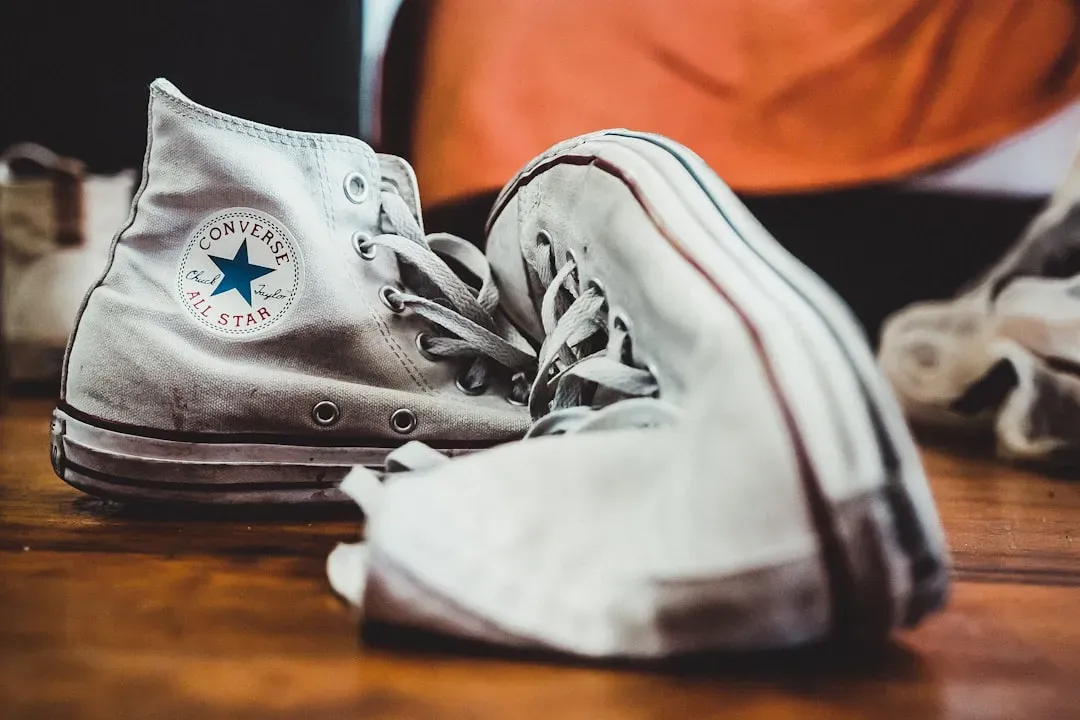
Shoes that are too scuffed, broken, or uncomfortable deserve to go. Donate gently used pairs and recycle worn-out ones. Footwear tends to accumulate faster than most people notice, partly because shoes feel like investments and it’s hard to let go of that association.
Heavily worn shoes with scuffs or damaged soles should also go. They affect your professional appearance more than you might realize. If a pair hasn’t been touched in a full calendar year and isn’t a genuine special-occasion piece, that’s a clear enough answer.
Clothing Still Tagged and Never Worn
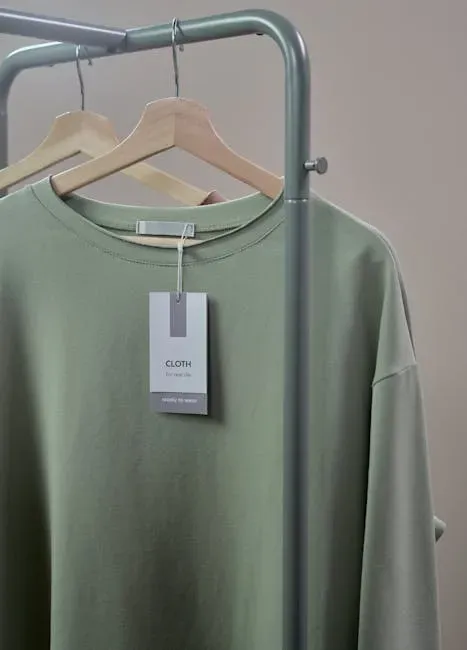
Items with tags still on them that were final sale are worth clearing out. At the time you may have thought you were getting a great deal, but you never really wore it so it actually wasn’t a great purchase decision. The deal was only a deal if it got used.
Anything with tags still hanging is a clear candidate for removal. These pieces tend to carry a low-grade guilt every time you see them. Letting them go to someone who’ll actually use them is genuinely more useful than watching them gather dust on a hanger.
Clothes From a Former Life or Lifestyle
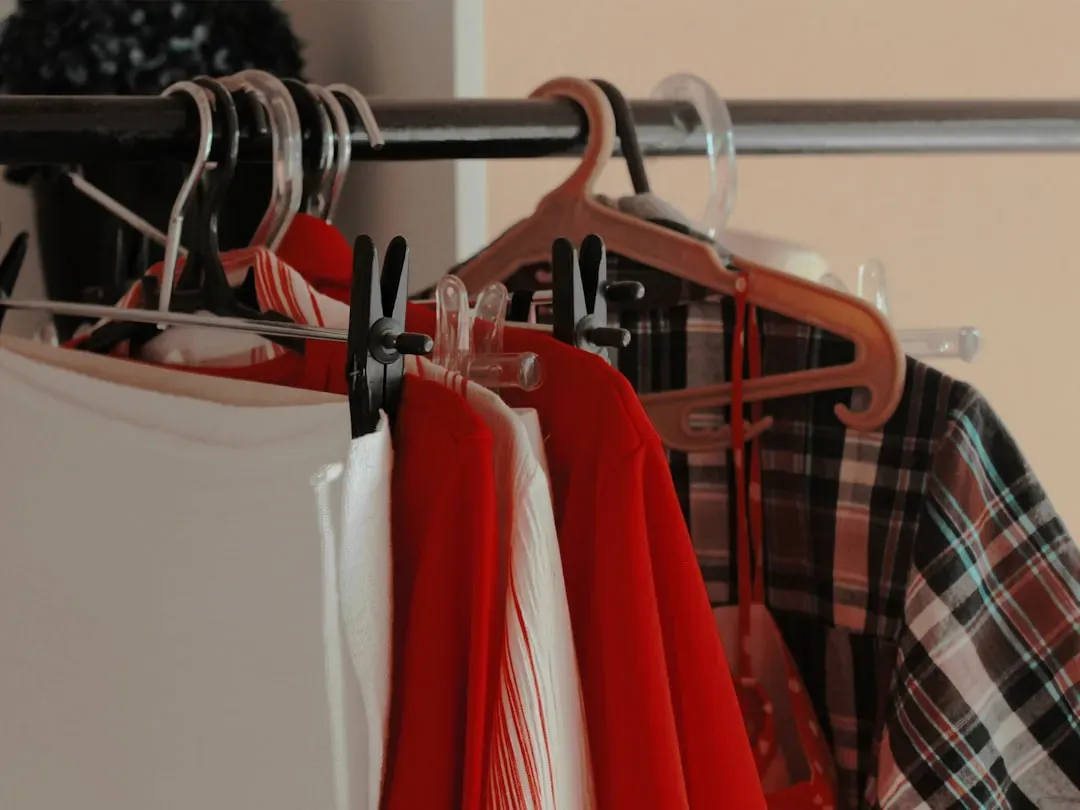
Another category to clear out is clothing for somebody else’s life. This includes things you purchased wishing one day you would wear them, whether that’s wishing you were a different size, that you took extravagant vacations, or that you dressed up every day.
Closets tend to fill up in subtle ways over time: clothes from former jobs, former bodies, and former seasons, items we spent money on and feel conflicted about, pieces we keep because deciding what to do with them feels like one more decision on an already full plate. Recognizing these categories makes the decision feel a lot less fraught.
Excess and Mismatched Linens
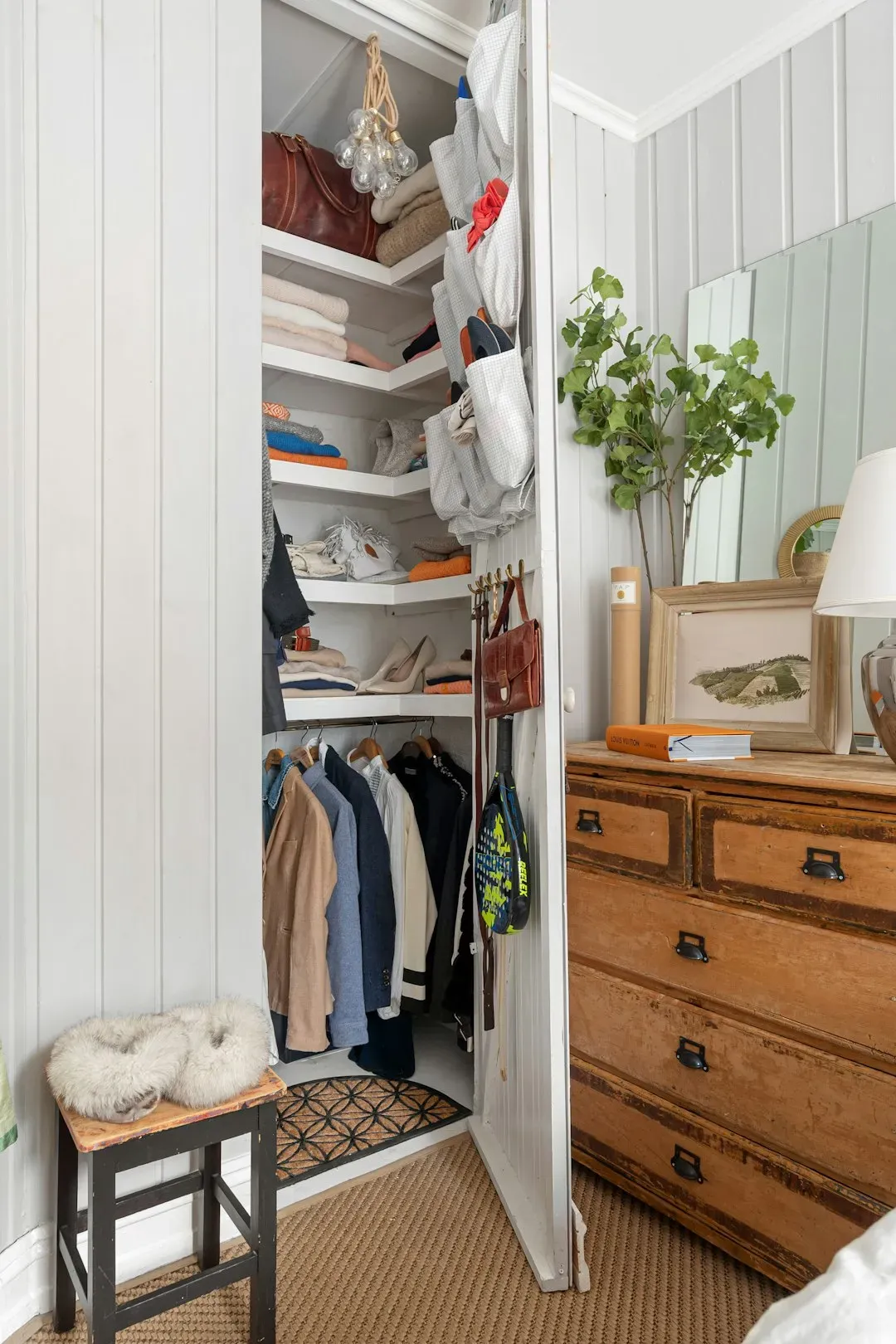
Overloaded linen closets take up unnecessary space. A practical limit is two sets of bedding per bed and two towels per household member. Extras can be repurposed as rags or pet bedding. Most households are well beyond that threshold and genuinely don’t need the surplus.
Sheets, pillowcases, or blankets that are worn, faded, or no longer comfortable can be donated or repurposed. Old towels and bedding can be donated to animal shelters, which often welcome them. It’s a small but meaningful shift in how you think about clearing this kind of clutter.
Orphaned Accessories and Single Gloves
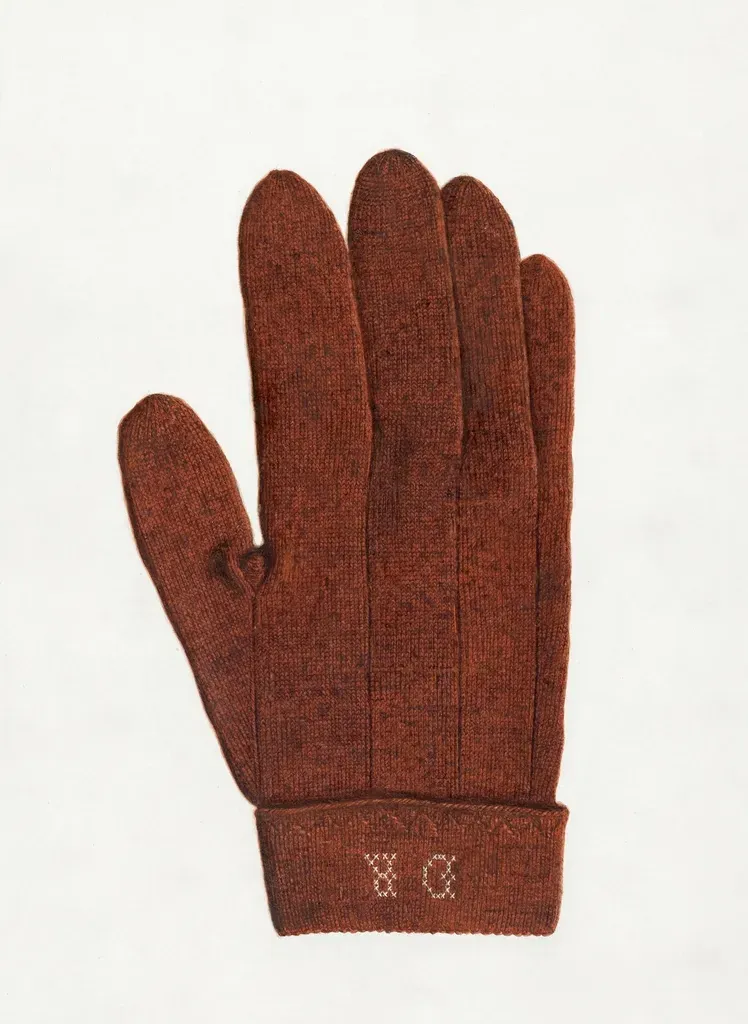
It’s common to start a season with several pairs of matching gloves and end it with one intact pair and four orphans. Scarves without partners, single earrings, and straps belonging to bags you no longer own all fall into this category. They’re taking up drawer space for no real return.
Before tossing orphaned gloves, do a quick sweep of winter coat pockets to see if you might be able to reunite a few pairs. After that honest check, anything that still lacks a match has earned its exit from the drawer. Holding onto incomplete pairs on the off chance they’ll reunite rarely pays off.
Storage Products That No Longer Serve You

Get rid of storage products that are no longer serving you in the closet. Empty or half-used organizers, old wire shelf dividers that no longer fit anything, and cheap plastic stackers that have warped over time are surprisingly common closet culprits. They were solutions to a problem that may no longer exist in the same form.
If you have baskets and bins around before you declutter, you risk organizing stuff you don’t need, and that’s risky. Purge before you splurge, then get exactly and only what you need to organize what’s left. This order of operations matters more than most people realize when they’re in the mood to reorganize.
Sentimental Overflow That Lives in Your Active Closet
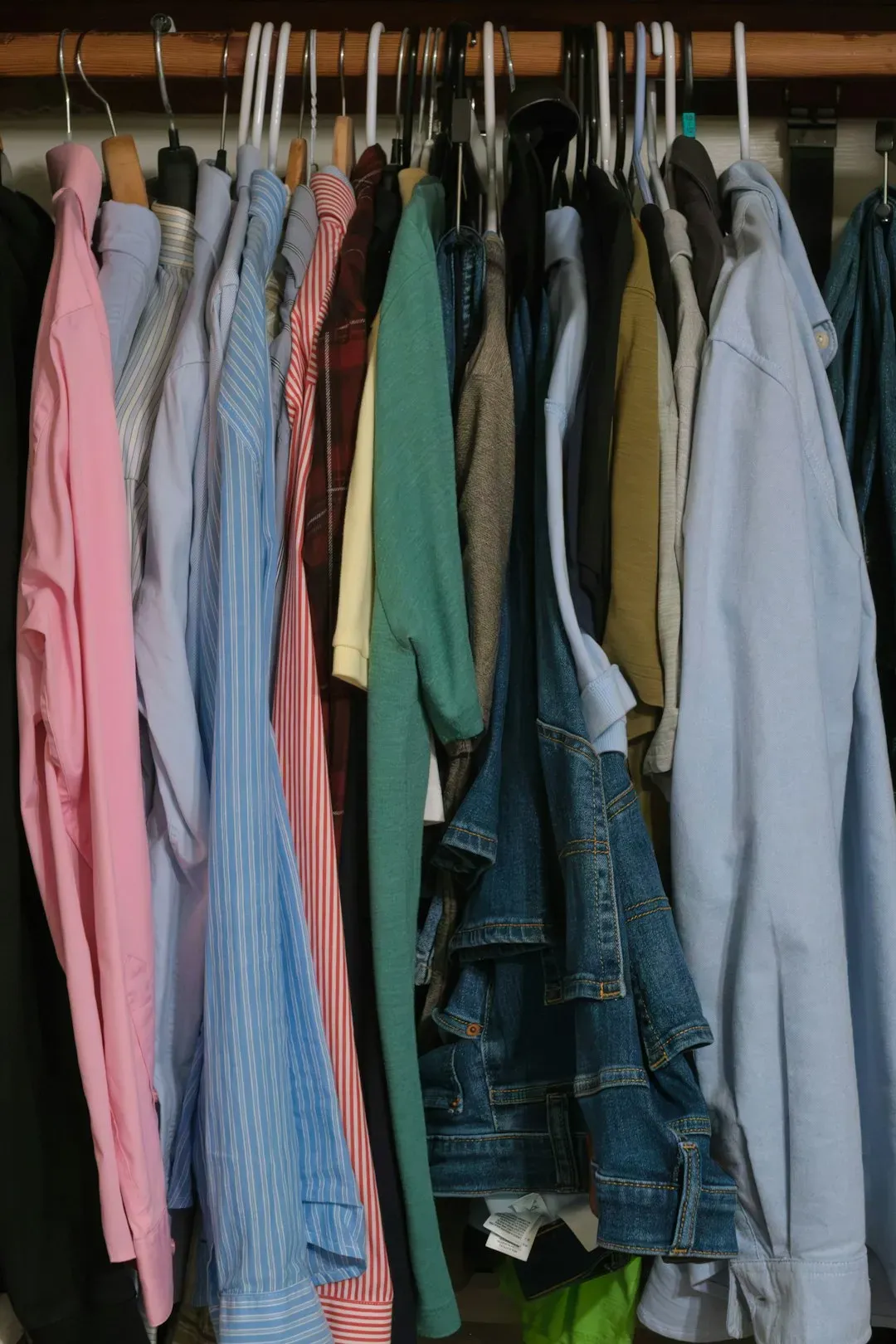
The next things to clear are an overflow of sentimental items. One box is a reasonable limit for emotional pieces. Whatever doesn’t fit in that box, it’s time to remove from your closet. The key distinction is between preserving what genuinely matters and using sentiment as a reason not to make a decision.
Don’t hang sentimental items in your closet. The items hanging in your wardrobe should only consist of the clothing that you wear. You may not notice the emotional weight the things in your closet carry until you get them out of sight. Declutter and let go, or simply move the excess elsewhere so you can experience the relief that comes along with it. Eliminate the physical clutter, and the mental clutter tends to follow.
The common thread across all nine of these categories is that keeping them doesn’t actually cost you nothing. There’s a real cost to keeping something. You need to think about where to store it, give up the actual storage space, or take up precious empty space. Once something stops contributing to your daily life, the space it occupies has more value than the item itself. That’s usually the clearest reason to let it go.