
There’s something about a patio that catches the last light of the day just right, holding warmth long after the sun dips below the horizon. As evenings stretch through June and July, outdoor spaces become the default living room for millions of households, whether that means a quiet glass of wine at dusk or a table full of friends lingering past midnight. The best patios aren’t accidents. They’re shaped by material choices, layout decisions, and small design habits that turn a slab of concrete into somewhere people actually want to sit for hours.
What follows is a tour through the patio styles and features that consistently work when the goal is comfort, atmosphere, and staying power through the warmer months.
Natural stone flooring that holds the heat just right
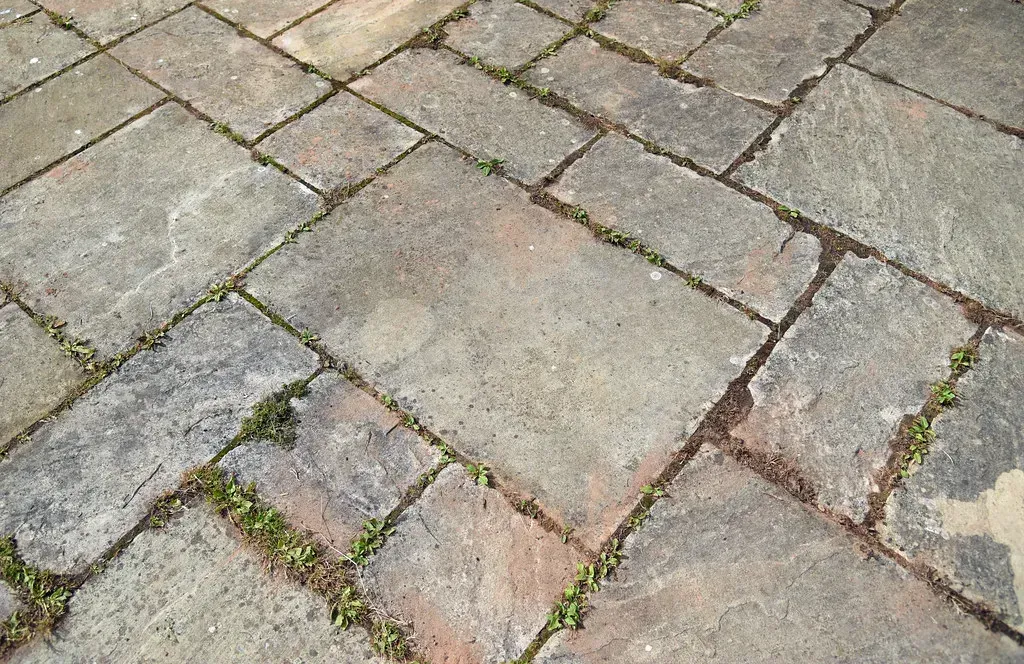
Stone patios, particularly those built from limestone, travertine, or bluestone, have remained a favorite because they age well and stay cool underfoot compared to darker composite materials. Homeowners in warmer climates often choose lighter stone tones specifically to avoid the scorching surface temperatures that darker pavers can reach by late afternoon. The irregular texture also does something subtle but important, it scatters light in the evening rather than reflecting it harshly.
Layout matters just as much as material. Many stone patios are laid in a running bond or herringbone pattern to create visual movement without feeling busy, which helps the space feel larger than its actual square footage. Sealing the stone every couple of years keeps it from staining under wine glasses, citronella candles, and the occasional dropped appetizer plate.
String lights and low ambient lighting for that golden hour glow
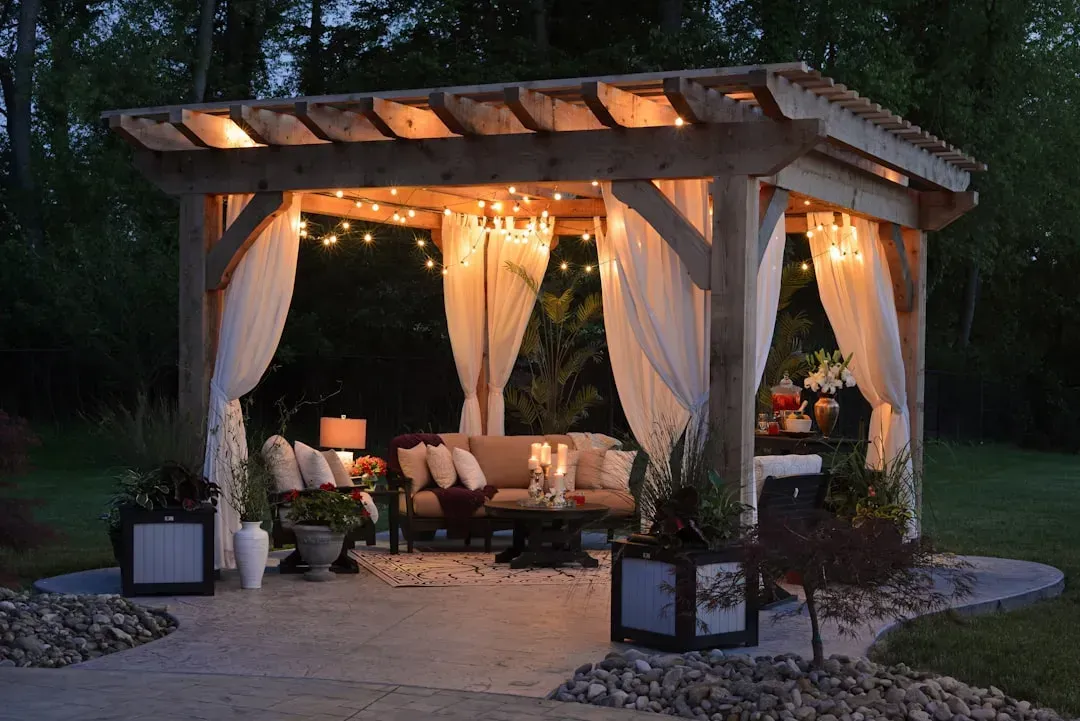
Lighting design has quietly become one of the most researched aspects of outdoor living, and for good reason. String lights strung in a crisscross or catenary pattern remain the most common choice because they create diffuse, flattering light without the harsh shadows that overhead floodlights produce. Warm white bulbs, typically in the 2200K to 2700K range, mimic the look of candlelight and are widely recommended by lighting designers for evening gatherings.
Layering matters here too. A well-lit patio usually combines string lights overhead, low path lighting along walkways, and a few flickering elements like lanterns or fire bowls at table height. This layered approach avoids the flat, single-source lighting that can make an outdoor space feel more like a parking lot than a retreat.
Fire features that stretch the season into fall
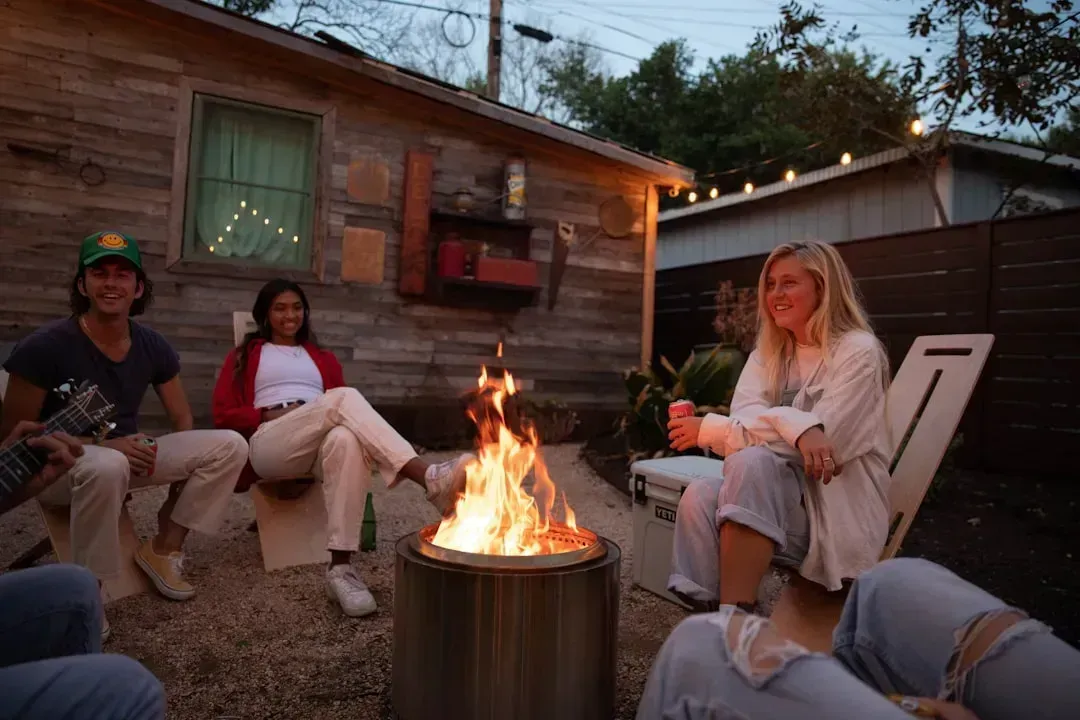
Fire pits and outdoor fireplaces have surged in popularity over the past several years, driven partly by homeowners wanting to extend outdoor use beyond the hottest weeks of summer into the cooler evenings of early autumn. Propane and natural gas models have become especially common because they ignite instantly and produce no smoke, which matters in neighborhoods with tighter setback rules or smoke-sensitive neighbors. Wood-burning pits still have loyal fans for the crackle and scent, though many municipalities now require spark screens or burn permits depending on local fire codes.
Placement is a detail that gets overlooked often. Fire features work best positioned away from direct seating sightlines to the house interior, so the glow becomes the focal point of the patio rather than competing with indoor lighting spilling through windows. A raised fire table also doubles as a surface for drinks, which is a small but genuinely useful design choice.
Pergolas and shade structures built for changing light
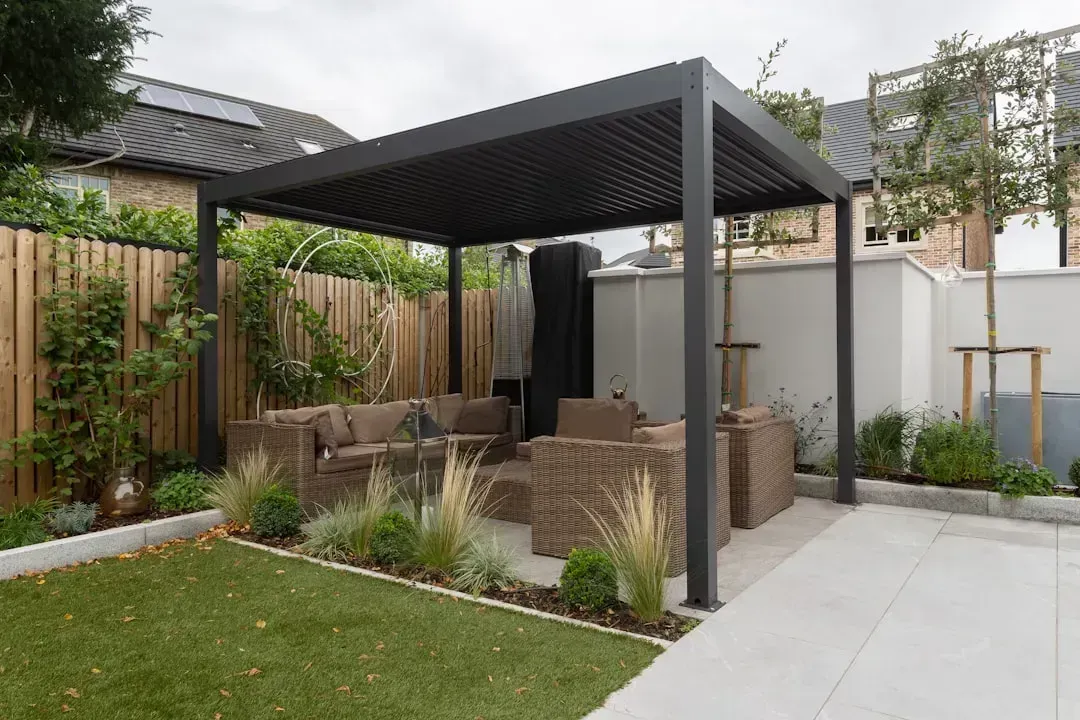
Climbing plants like wisteria or grapevine trained across a pergola frame add another layer of texture and cooling shade over a season or two. This kind of living shade structure takes patience, usually a couple of growing seasons before it fills in properly, but the payoff is a patio that feels genuinely different from spring to late summer.
Outdoor kitchens that keep the cooking and the company together
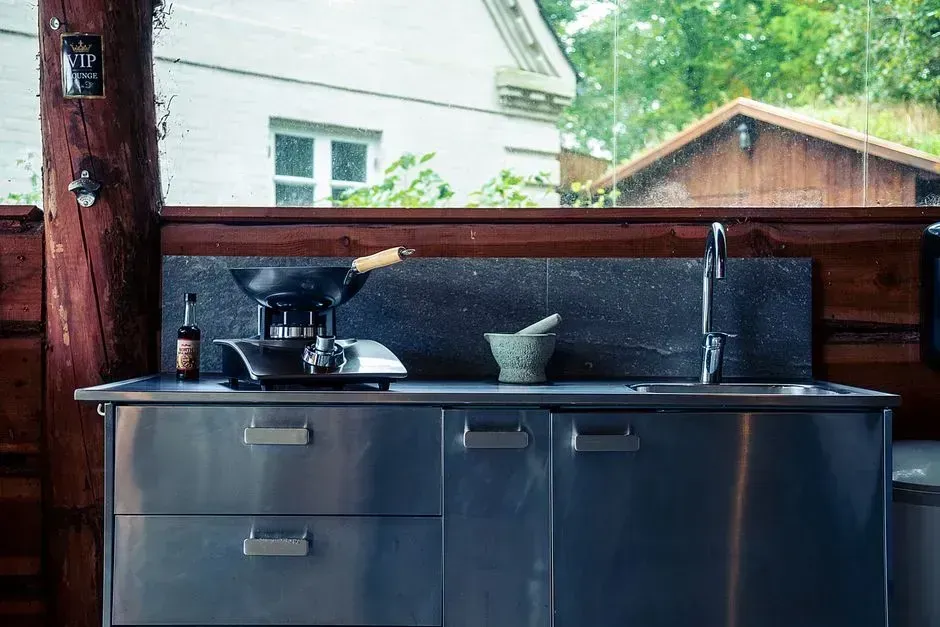
The outdoor kitchen has moved well past the basic built-in grill of a decade ago. Modern setups increasingly include pizza ovens, side burners, small refrigerators, and even outdoor sinks, effectively turning the patio into a second kitchen for the warmer months. This shift reflects a broader trend in home design where the line between indoor and outdoor living spaces has become intentionally blurry.
Counter height and workflow matter more than most homeowners expect going in. A functional outdoor kitchen typically mirrors the same triangle logic as an indoor one, keeping the grill, prep space, and storage within a few steps of each other. Weatherproof cabinetry made from marine-grade polymer or stainless steel has become standard in these builds since it resists the humidity and temperature swings that ordinary materials can’t handle outdoors long term.
Water features that add sound without adding noise

Small fountains, bubbling urns, and shallow reflecting pools have become popular additions specifically because they introduce a layer of ambient sound that helps mask street noise or nearby conversation without being intrusive themselves. The psychological effect of moving water is well documented in landscape design literature, tied to lowered stress responses and a general sense of calm. Even a modest tabletop fountain can shift how a patio feels within minutes of switching it on.
Placement near seating areas, rather than at the far edge of a yard, tends to work best because the sound needs to be close enough to register without needing to be loud. Solar-powered pump options have also improved significantly in recent years, making it easier to add water features without running new electrical lines across a yard.
Weatherproof furniture built to survive real seasons
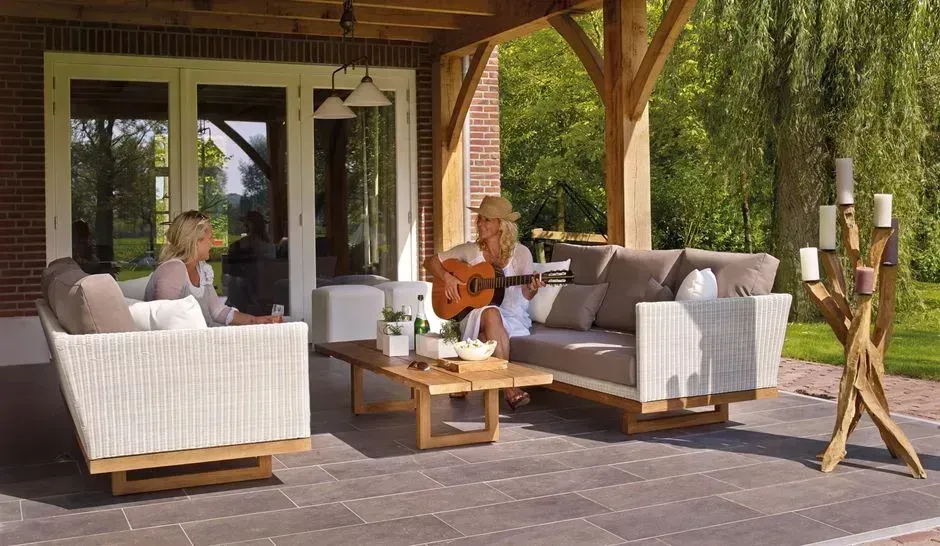
Outdoor furniture has quietly gone through a materials revolution. High-density polyethylene wicker, powder-coated aluminum frames, and quick-dry foam cushions have largely replaced the wood and wrought iron combinations that used to dominate patio sets, mainly because they resist fading, cracking, and mildew far better over multiple seasons. Manufacturers now commonly rate cushion fabrics for UV resistance, which matters enormously in regions with intense summer sun exposure.
Deep seating sectionals have become a defining feature of patios designed for lounging rather than just dining. The shift reflects how people actually use these spaces now, less as a transitional dining area and more as an extension of the living room, complete with coffee tables, ottomans, and cushions meant for staying put well after dinner ends.
Privacy screens and greenery that soften hard edges
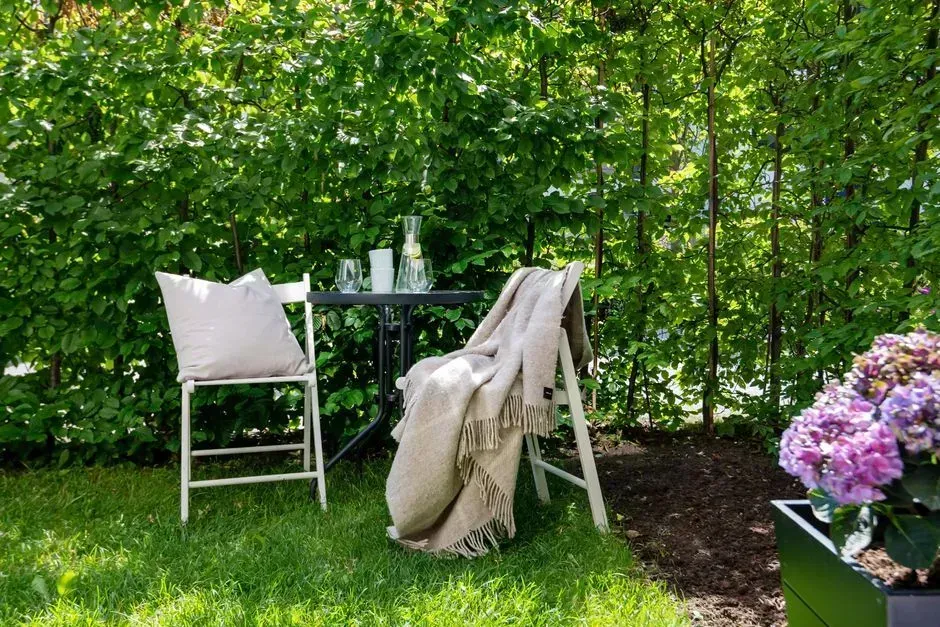
Bamboo panels, lattice screens covered in climbing vines, and tall ornamental grasses have all become common ways to create a sense of enclosure on patios that back up to neighbors or busy streets. This kind of soft privacy tends to feel less severe than a solid fence, letting light and air move through while still breaking sightlines. Fast-growing options like clematis or star jasmine are frequently chosen specifically because they establish coverage within a single growing season.
Potted greenery placed strategically around seating areas does double duty, softening hard architectural lines while also improving the microclimate slightly through shade and evaporative cooling. Herbs like rosemary and lavender are particularly popular choices near patios because they release fragrance when brushed against, adding a sensory layer that pure ornamental plants don’t offer.
Multi-zone layouts for dining, lounging, and everything in between
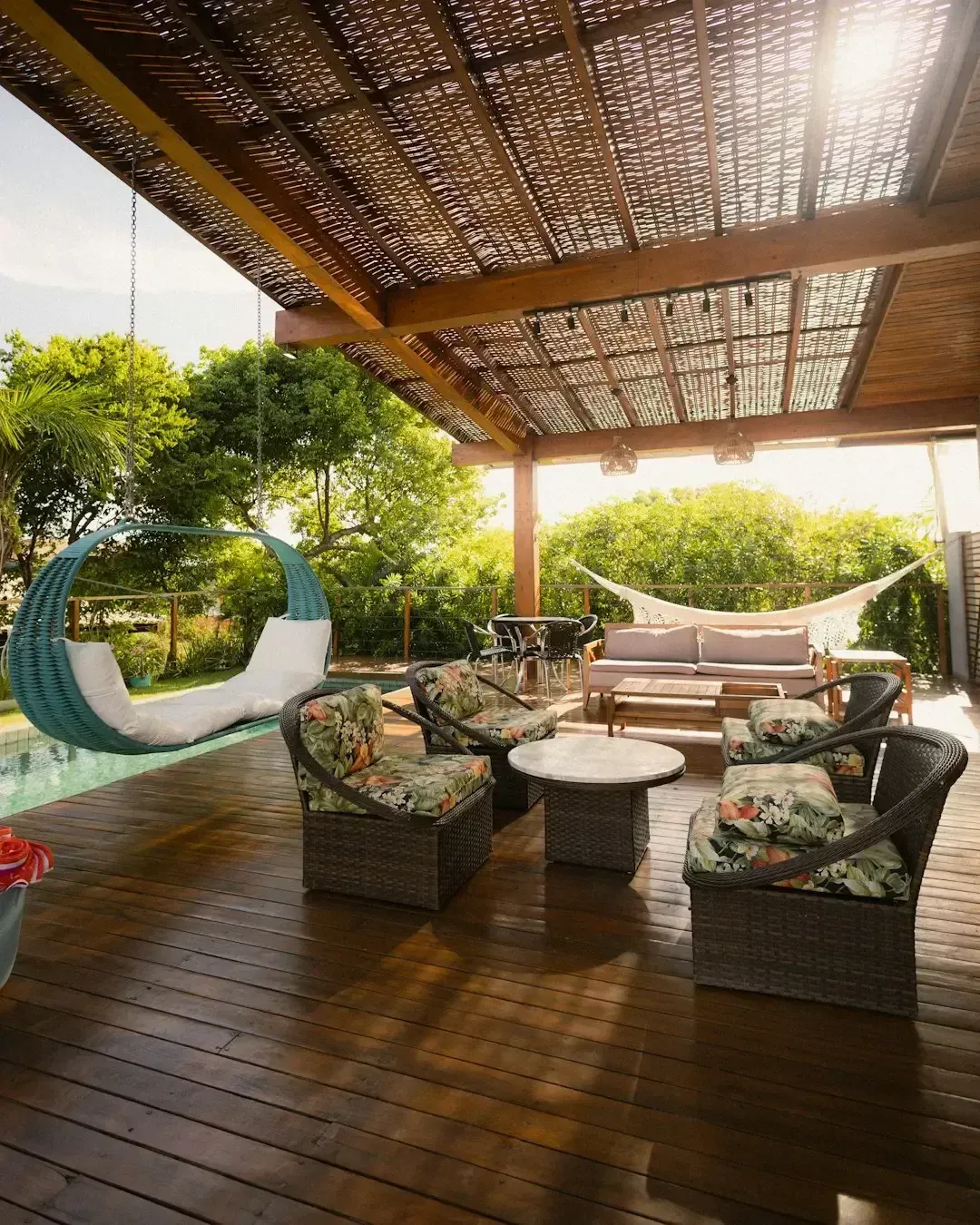
Larger patios increasingly get divided into distinct zones rather than treated as one uniform space, a design approach borrowed heavily from interior open-concept planning. A dining zone near the kitchen door, a lounge zone with low seating further out, and sometimes a smaller conversation nook tucked to the side all serve different moods across a single evening. Rugs, planters, or subtle changes in paving material are common ways to visually separate these zones without building actual walls.
This zoning approach also solves a practical problem many households run into, the awkward moment when some guests want to eat while others just want to relax with a drink. Having distinct areas means a patio can host both activities simultaneously without either group feeling crowded or ignored.