
A home built around how you actually live
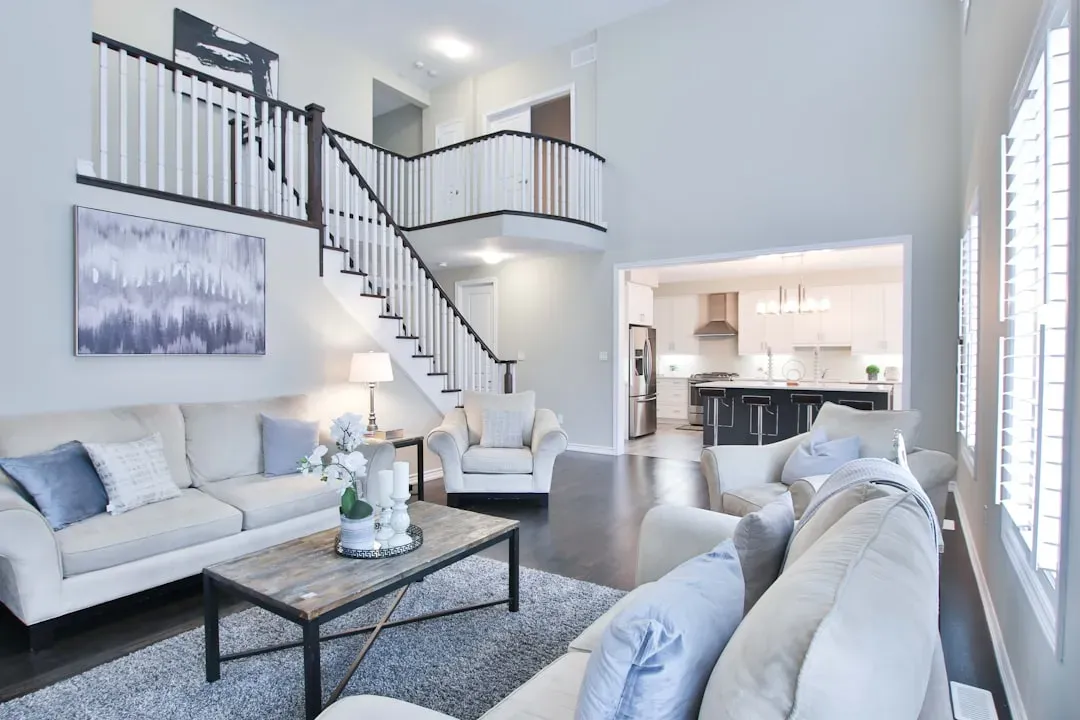
The old idea of a house as a static, polished backdrop is fading. Homeowners want homes that feel current and elevated, but they also want rooms that function for real life, with homework at the kitchen island, dogs curled up on the rug, muddy boots by the door, and late-night snacks eaten standing at the counter. A beautiful home, in this sense, isn’t one you have to tiptoe around.
Homes are becoming more personal and less performative, with design choices driven by how spaces are used rather than how they look on social media. That shift matters because it puts daily comfort ahead of appearances, which is really what has always been about.
Letting natural light do the heavy lifting
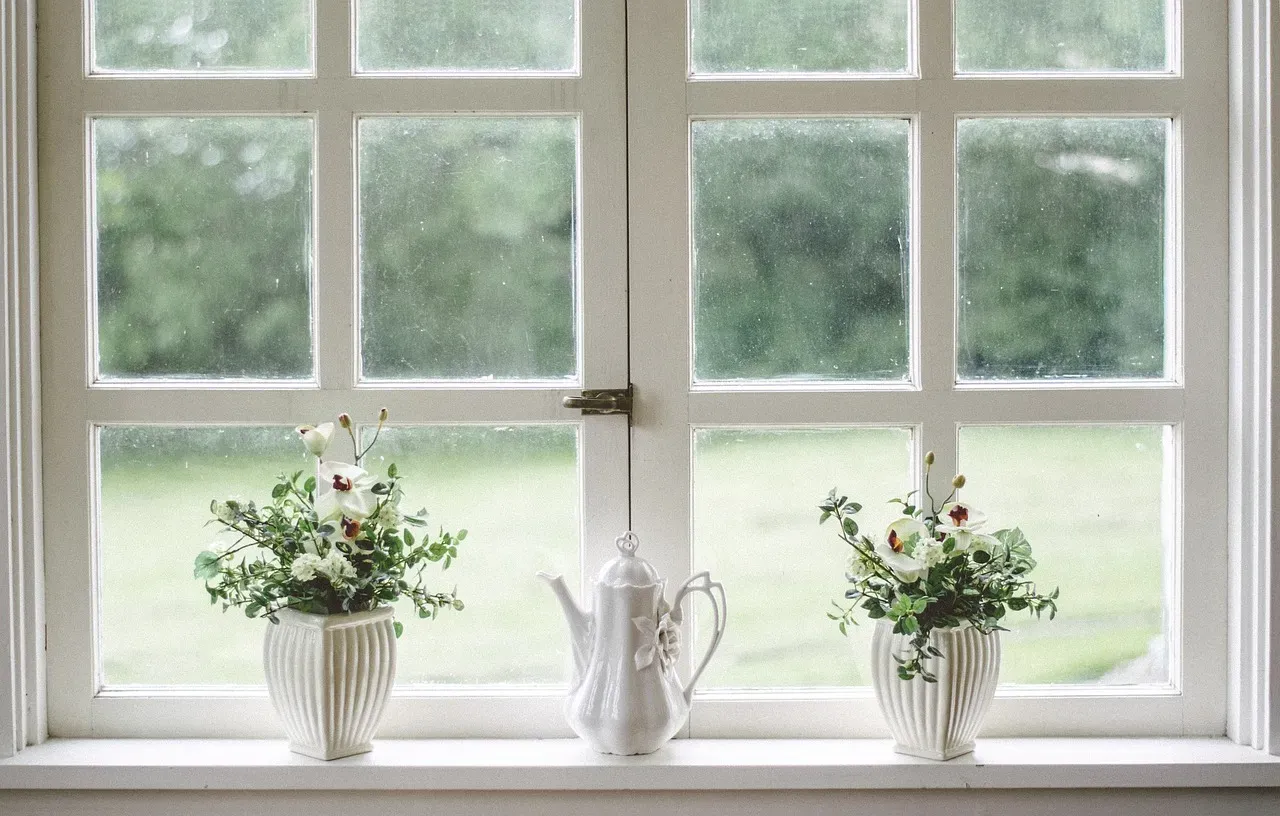
Light shapes mood more than most people realize. Features redefining how homes support health, comfort, and well-being now include thoughtfully placed fixtures, circadian lighting, automated shading and climate controls, indoor air quality and acoustical planning. These aren’t luxury add-ons anymore so much as expectations.
Smart lighting has moved well past simple convenience. Integrated systems now automatically adjust color temperature and intensity throughout the day, offering energizing cool toned light in the morning and warm amber hues as evening approaches. The effect is subtle but real: a home that quietly nudges your body toward better sleep and steadier energy.
Clearing the clutter, clearing the mind

There’s science behind the relief of a tidy room. Research from Princeton University found that the environment can positively or negatively impact your ability to complete tasks and your overall mental health, and if the physical space around you feels scattered, your mental space is likely to feel the same. That’s not just a tidy metaphor, it’s a documented pattern.
Getting rid of excess stuff can benefit mental health by making people feel calmer, happier, and more in control, since a tidier space tends to support a more relaxed mind while untidy environments often increase stress. Still, it’s worth noting the research isn’t entirely one sided. One study found that while orderly environments are more linked to healthy choices, disorderly environments can promote creativity and fresh ideas, so a little mess in the right corner isn’t necessarily a failure.
Bringing the outdoors inside

Biophilic design, the practice of weaving natural elements into interiors, keeps gaining traction for good reason. Natural woven wall coverings, limewash finishes, daylight maximizing windows, and architecture that mimics organic forms reflect an understanding that our nervous systems crave the complexity and vitality found in natural environments rather than sterile emptiness. It’s a reminder that comfort isn’t always about minimalism.
The demand for this kind of connection to nature shows up clearly in search data. Interest in biophilic design is up 112%, while spa searches have increased 68% as homeowners invest in private, retreat-like bathrooms and wet rooms. People aren’t just decorating, they’re trying to recreate a sense of calm they associate with the outdoors.
The quiet importance of good sleep architecture
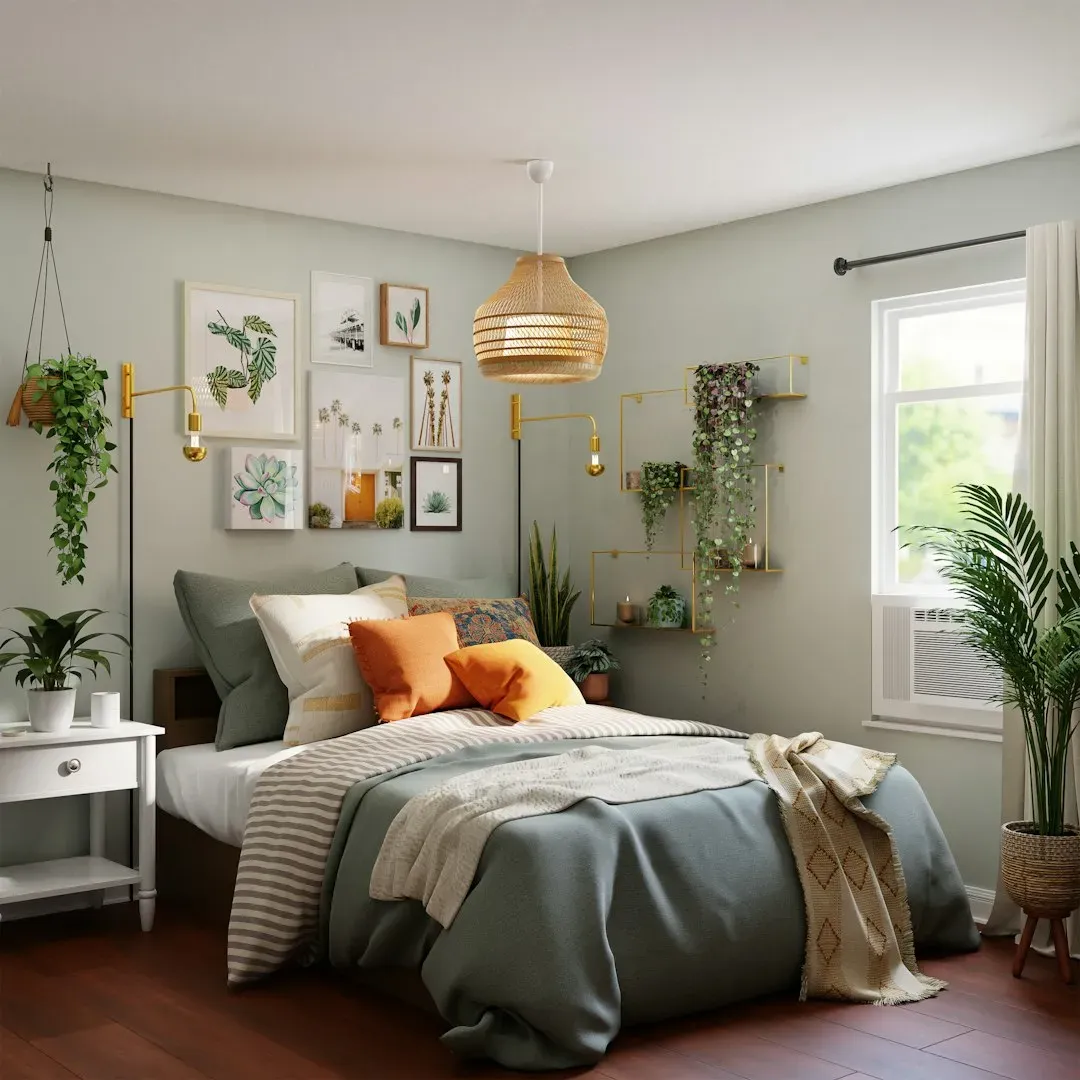
Sleep rarely gets the design attention it deserves, even though it affects nearly everything else. Designing a home to protect sleep is one of the highest impact, least discussed components of wellness, and it’s long overdue for more attention. That includes everything from window placement to how sound travels between rooms.
Bedrooms in particular are being rethought as genuine retreats rather than just places to store a bed. Bedroom space is being optimized to become the ultimate retreat, with built-in furniture aiming to create a cocooning effect where high-tech functionality blends with rich, tactile, and natural materials for a serene, personalized, multifunctional haven. The goal is a room that actually helps you wind down instead of one that just looks restful in photos.
Air, materials, and the things you can’t see
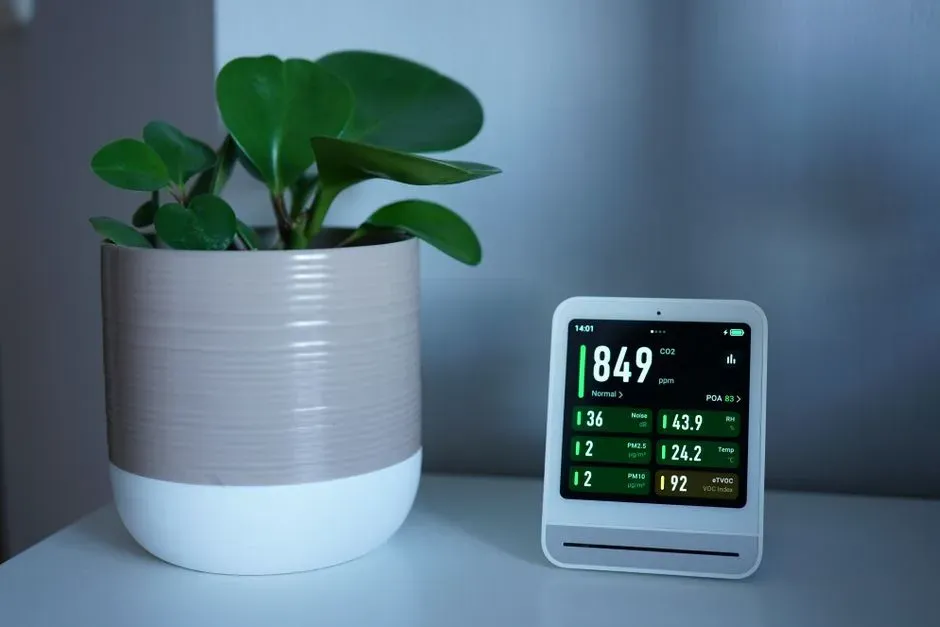
What’s inside the walls and floors matters just as much as what’s visible. Clean air is foundational to wellness and needs to be considered early when building or renovating, with advanced filtration including HEPA systems, energy recovery ventilation, and natural filtration methods becoming standard in wellness focused homes. This is less about trend and more about basic health.
Sensory comfort is also getting more attention in unexpected rooms. Bathroom design is pivoting toward wellness focused sanctuaries that prioritize sensory comfort and seamless accessibility, merging high-tech wellness with eco-conscious sustainability through smart mirrors, heated floors, and water-saving materials. Small, practical upgrades like these often make a bigger daily difference than a full renovation would.
Color and texture as emotional tools
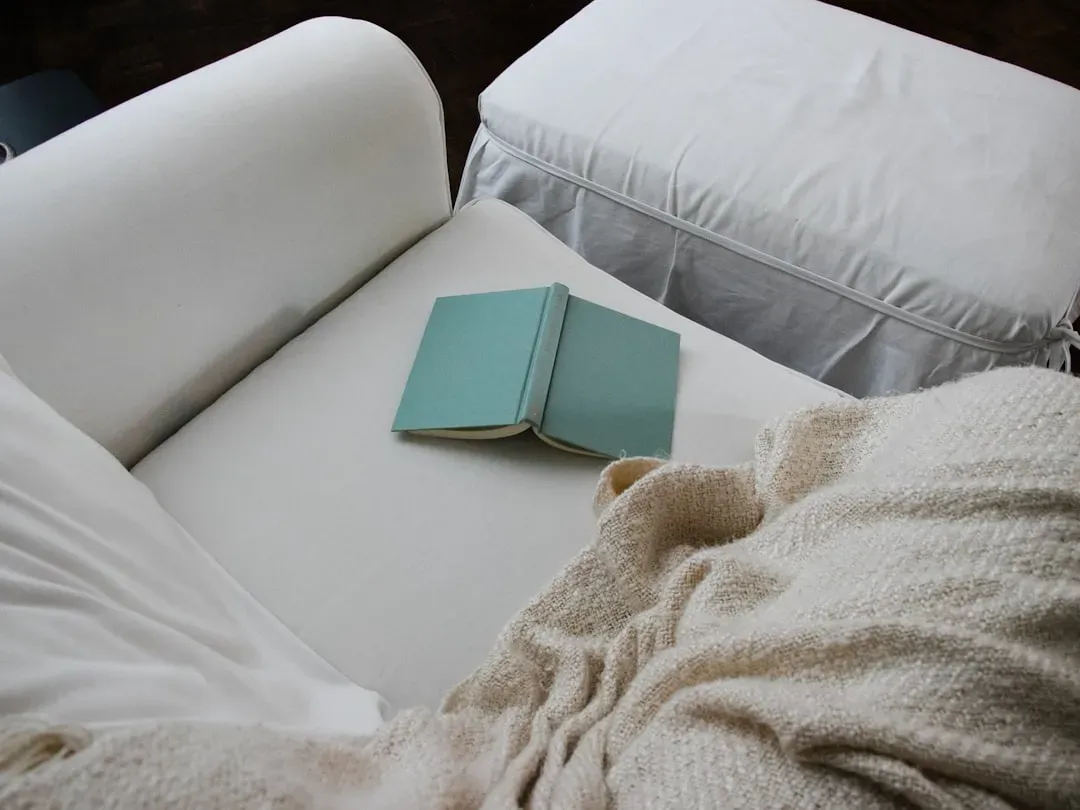
Color choices in the home have shifted from purely aesthetic decisions to something closer to mood management. Homes are being designed to support physical and mental well being through natural light, improved air quality, and materials that promote comfort, with colors, textures and patterns increasingly selected to promote calm, energy or focus. Soft neutrals inspired by nature are especially popular right now.
Texture is playing a bigger role than it has in years. Homeowners are showing growing interest in surfaces that add depth and dimension, with searches for sandstone up 257% and linen wallpaper and seagrass wallpaper also trending higher. These aren’t dramatic overhauls, just layered details that make a space feel warmer and more lived in.
Making room for connection, not just function
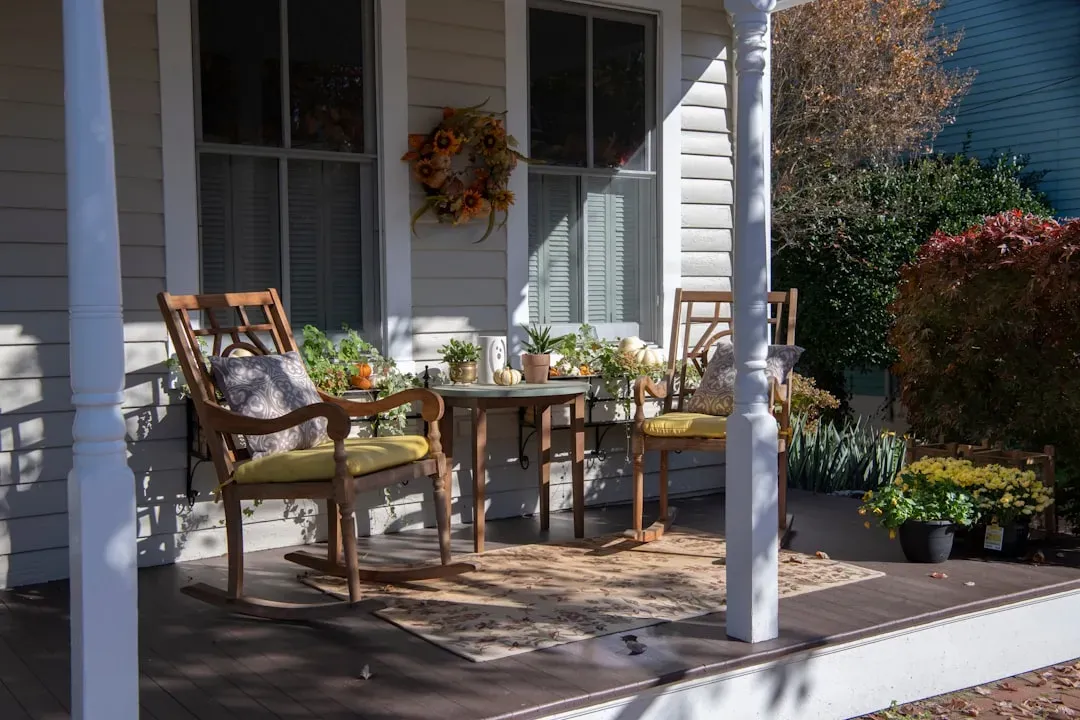
isn’t only an interior matter. It extends to how a house relates to the people and neighborhood around it. Social connection is another basic need, and the front porch is being rediscovered as a social wellness tool, an invitation to greet neighbors, slow down, and feel part of something larger than your property line.
Inside the house, similar thinking applies to shared spaces. Flexible rooms are being designed to host more than one activity, so a home stretches to fit whatever the day requires rather than boxing people into rigid, single-purpose rooms. Flexible spaces are being used for wellness routines like yoga areas, quiet recovery corners, cold plunges or sauna spaces integrated into the layout, with the underlying goal of a home that helps people feel better.
Choosing durability over disposability
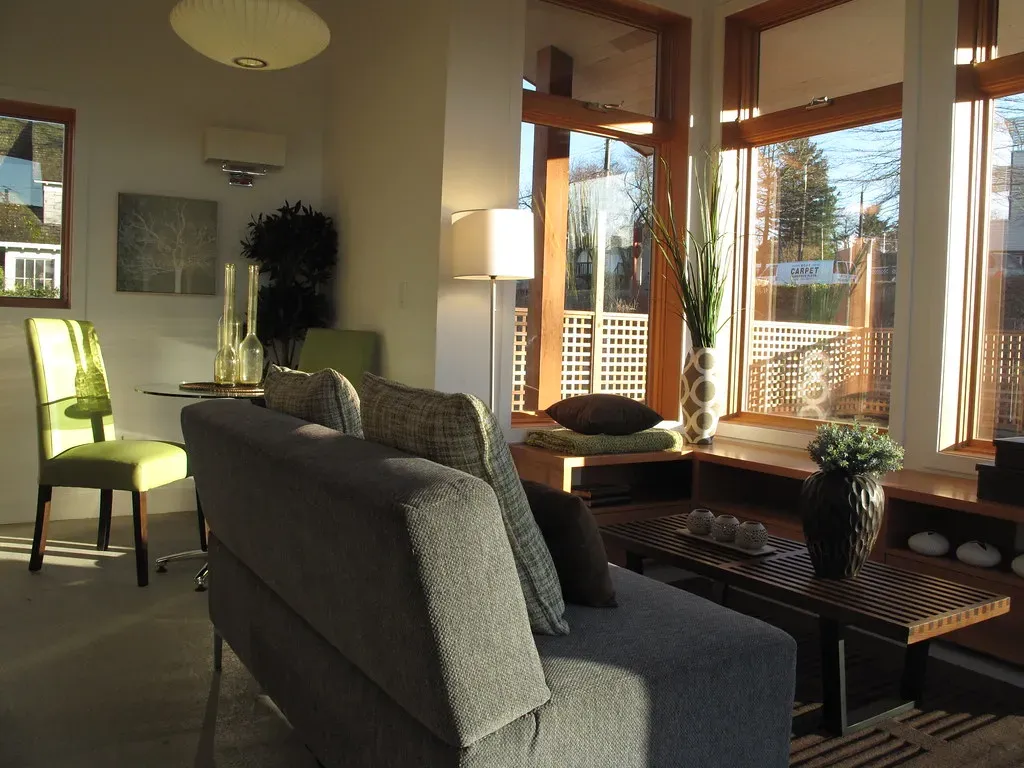
There’s a growing appreciation for materials and furnishings that are built to last rather than swapped out every season. Sustainability now shows up through quality, longevity, and smarter material choices rather than trendy green buzzwords. That approach tends to save money and reduce waste at the same time.
Affordability and sustainability are increasingly framed as part of the same conversation rather than separate concerns. Buying fixtures that conserve water and lighting and appliances that reduce energy consumption can lower utility bills, and one of the best ways to enhance affordability is to buy durable, low maintenance products, whether new or used, that will serve a household well for years. It’s a practical form of beauty, one measured in years rather than trends.
The personal touches that make a house feel like home
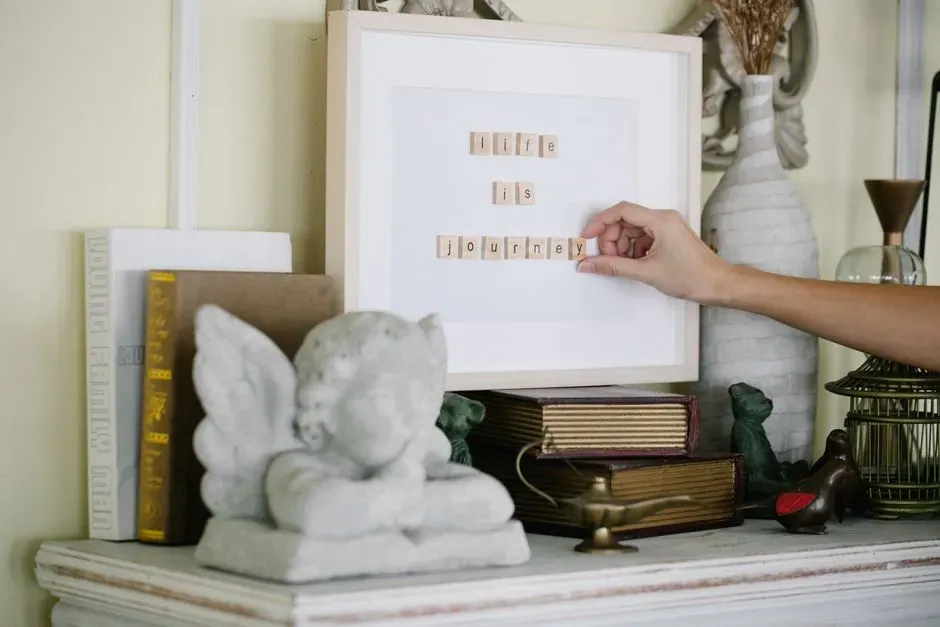
Perfectly staged interiors are losing appeal in favor of spaces that actually reflect the people living in them. Homeowners are moving away from perfectly staged interiors and toward spaces that feel personal, with heirlooms, artisan pieces and travel finds replacing generic décor to create layered homes that reflect the people who live there. A shelf of mismatched souvenirs often says more than a curated display ever could.
This same instinct shows up in how spaces get filled, or deliberately not filled. The idea is layering personality with intention rather than filling every surface, with the difference between thoughtful abundance and clutter coming down to editing, so a well designed space still has breathing room. It’s a small distinction, but it’s the one that separates a home that feels curated from one that feels merely full.
Final thoughts
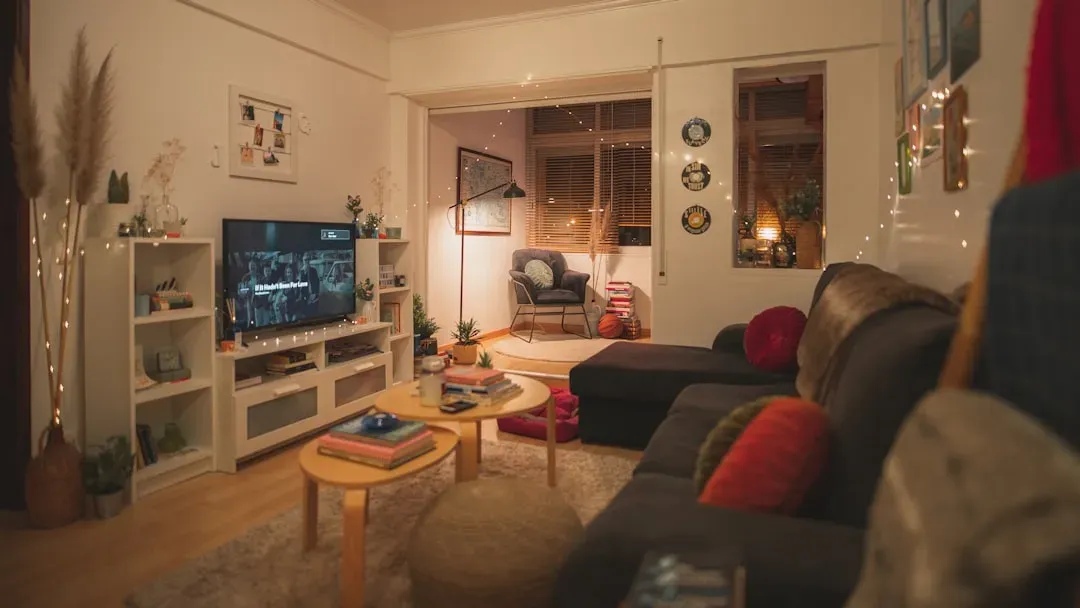
has never really been about square footage or the latest finish on a countertop. It’s about whether a space quietly supports the way you actually spend your hours, from the light that wakes you up to the corner where you unwind at the end of the day.
The details matter, but they matter most when they add up to something coherent, a house that feels less like a collection of rooms and more like a place built around an actual life. That’s a quieter kind of beauty, but it tends to be the one that lasts.