
There’s a particular kind of home that makes you exhale the moment you walk through the door. It’s not about square footage or a designer’s business card. It’s about a handful of choices, made consistently, that add up to a space s lived in rather than staged.
Comfort in design has become less about following trends and more about understanding how people actually use their rooms. The homes that succeed at this balance warmth with function, letting personality show without tipping into clutter.
Natural light as the foundation
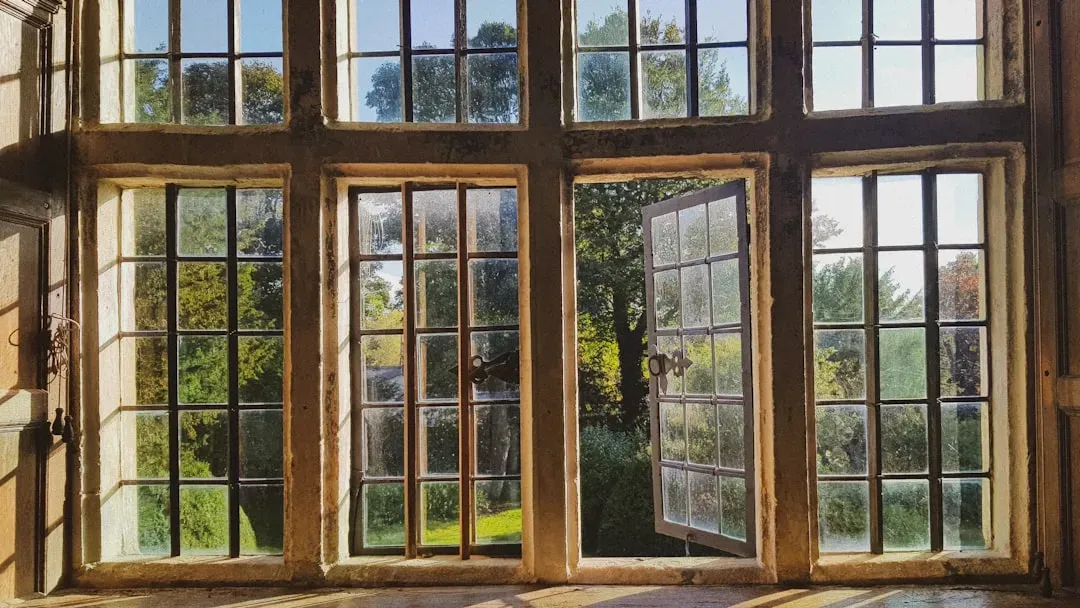
Nothing shapes the feel of a room faster than how light moves through it. tend to prioritize windows, skylights, and open sightlines that let daylight travel deep into the interior. Sheer curtains or minimal window treatments often replace heavy drapery, letting soft light filter in throughout the day rather than blocking it out.
Architects have increasingly focused on orienting living spaces toward morning or afternoon sun depending on how a family actually spends its time. A kitchen that catches early light feels energizing at breakfast, while a west-facing living room glows warm in the evening. This isn’t decoration so much as basic environmental design, and it quietly does more work than most furniture choices combined.
Layered textiles that invite touch
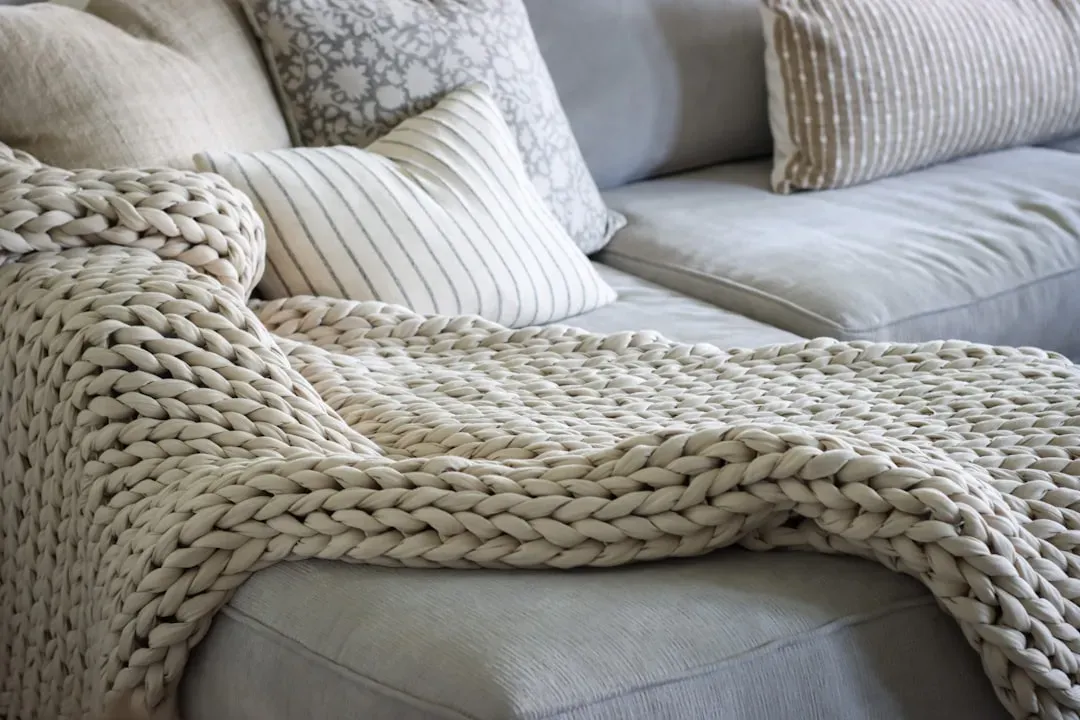
A room can look photogenic and still feel cold if nothing in it invites you to sit down and stay. Comfortable homes lean on layered textiles, a wool throw over a linen sofa, a chunky knit pillow beside a smoother cotton one, a rug underfoot that softens hard flooring. The mix of textures gives a room depth without requiring a lot of extra furniture.
Natural fibers like linen, wool, and cotton have remained popular through the mid-2020s partly because they age well and soften with use, unlike some synthetic blends that can look tired quickly. Designers often recommend varying textile weights across a room so no single surface dominates. The result is a space that reads as considered but never overly formal.
Furniture scaled to the room, not the trend
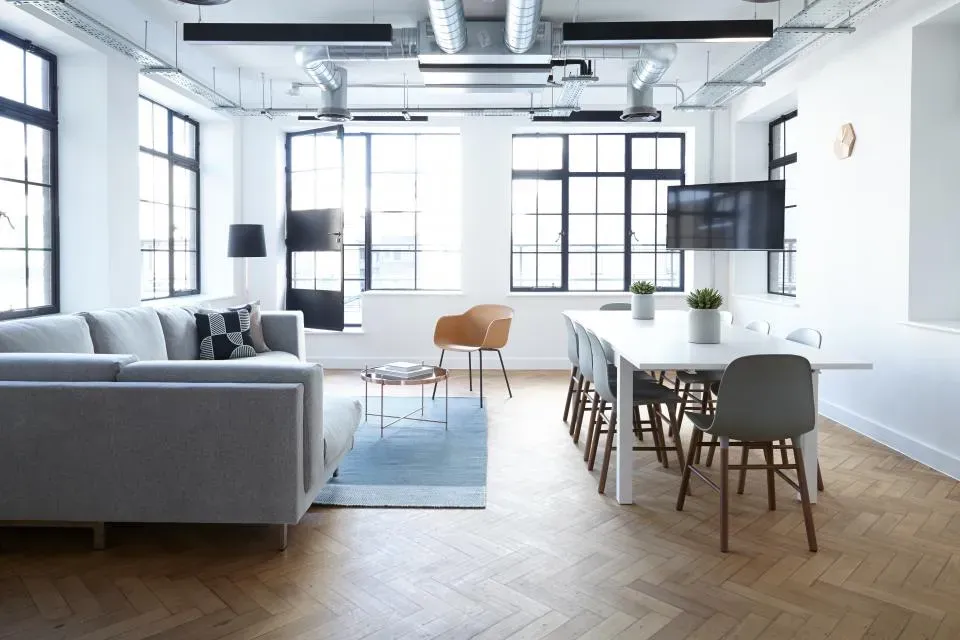
One of the most common mistakes in home design is choosing furniture based on what looks good in a showroom rather than what fits the actual room. Oversized sectionals can swallow small living rooms, while undersized chairs can make large spaces feel empty and awkward. Comfortable homes tend to scale furniture to the proportions of the room first, then worry about style second.
This also applies to walking paths and negotiation space, meaning there should be enough room to move between furniture without squeezing past corners. Interior designers frequently point to a general rule of leaving at least a few feet of clearance around major pieces so a room doesn’t feel cramped. When furniture fits properly, a space feels calmer almost immediately, even before any decorating happens.
A neutral base with intentional color moments
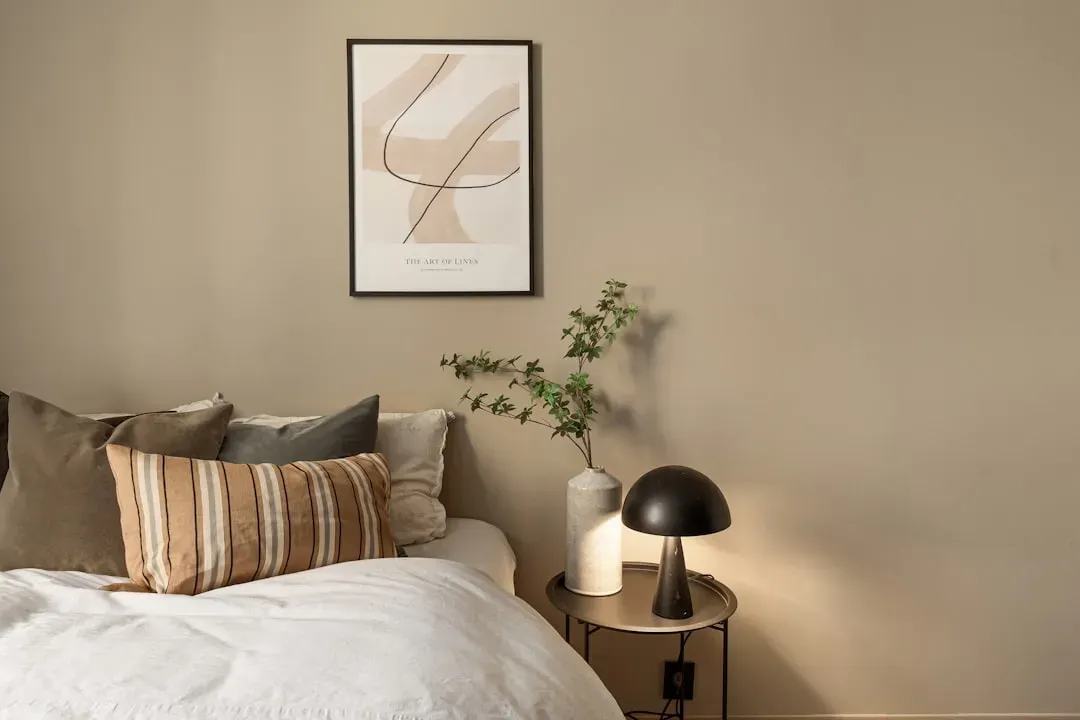
Many of the most comfortable-feeling homes rely on a neutral color foundation, think warm whites, soft greiges, or muted taupes, then introduce color in smaller, intentional doses. This approach lets a home feel calm and cohesive while still allowing personality to come through in pillows, art, or a single statement chair. It also tends to age better than fully trend-driven color schemes that can feel dated within a few years.
Paint and design trend reports from 2024 and 2025 have consistently shown warm neutrals and earthy tones gaining ground over the stark, cool grays that dominated the previous decade. Homeowners appear to be gravitating toward colors that feel grounded and organic rather than clinical. This shift lines up with a broader preference for interiors that feel like a retreat rather than a showroom.
Clutter control without sterility
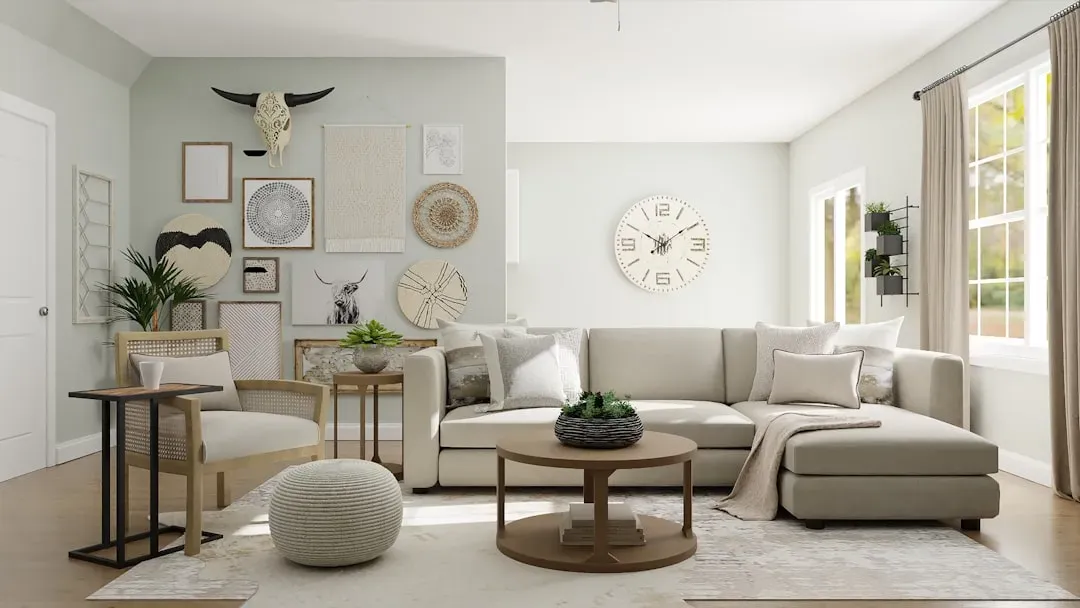
There’s a difference between a clean home and a sterile one, and the most comfortable interiors know how to walk that line. Storage solutions, closed cabinets, baskets, and furniture with built-in compartments, keep everyday items out of sight without making a room feel empty or unlived in. The goal isn’t minimalism for its own sake but rather giving every object a place so surfaces stay reasonably clear.
At the same time, a few well-chosen personal items, books, a favorite piece of pottery, a framed photo, keep a space from feeling like a hotel room. The balance comes from curating rather than eliminating. A shelf with ten thoughtfully placed items usually feels more comfortable than one that’s either bare or overflowing.
Comfortable seating that actually gets used
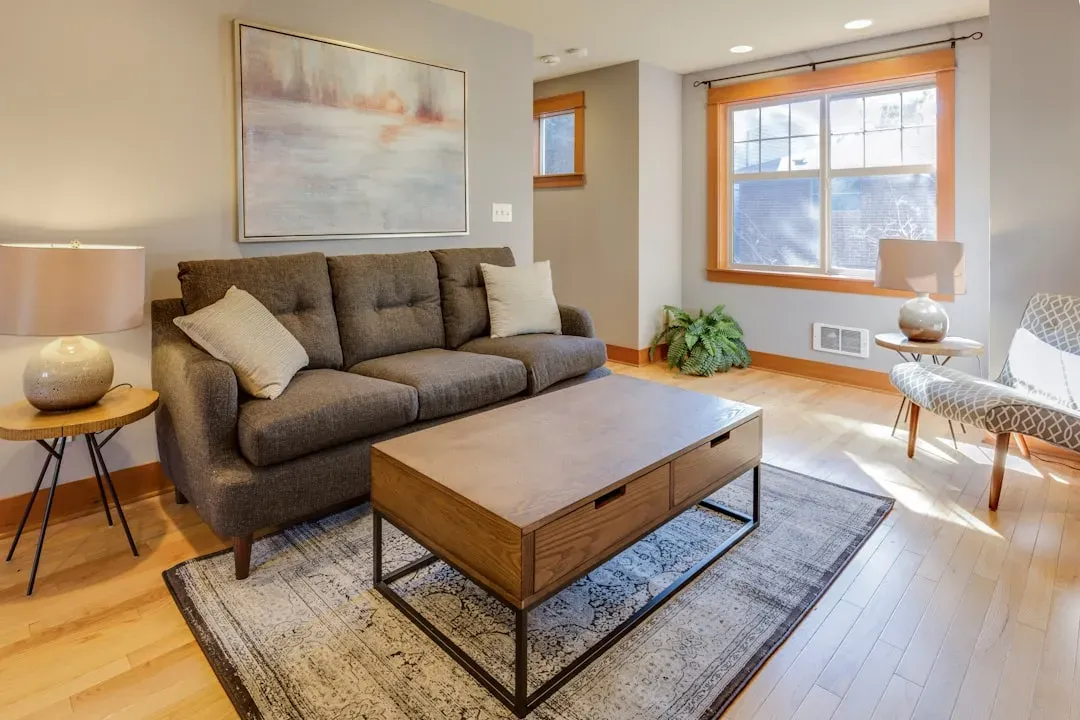
A home can be full of beautiful furniture that nobody ever sits in, and that’s a quiet failure of design. Comfortable homes prioritize seating that people gravitate toward, whether that’s a deep armchair by a window or a window seat with enough cushions to make it worth climbing into. Fabric choice matters here too, since stiff or overly delicate upholstery discourages the kind of casual use that makes a room feel alive.
Ergonomics has become a bigger part of furniture design conversations in recent years, with more brands emphasizing seat depth and cushion firmness that supports actual relaxation rather than just visual appeal. A sofa that looks perfect in photos but is uncomfortable to sit on for more than twenty minutes ultimately undermines the feeling a homeowner is trying to create. The most successful living rooms tend to have at least one seat that everyone in the household considers their favorite.
Warm lighting layered at different heights
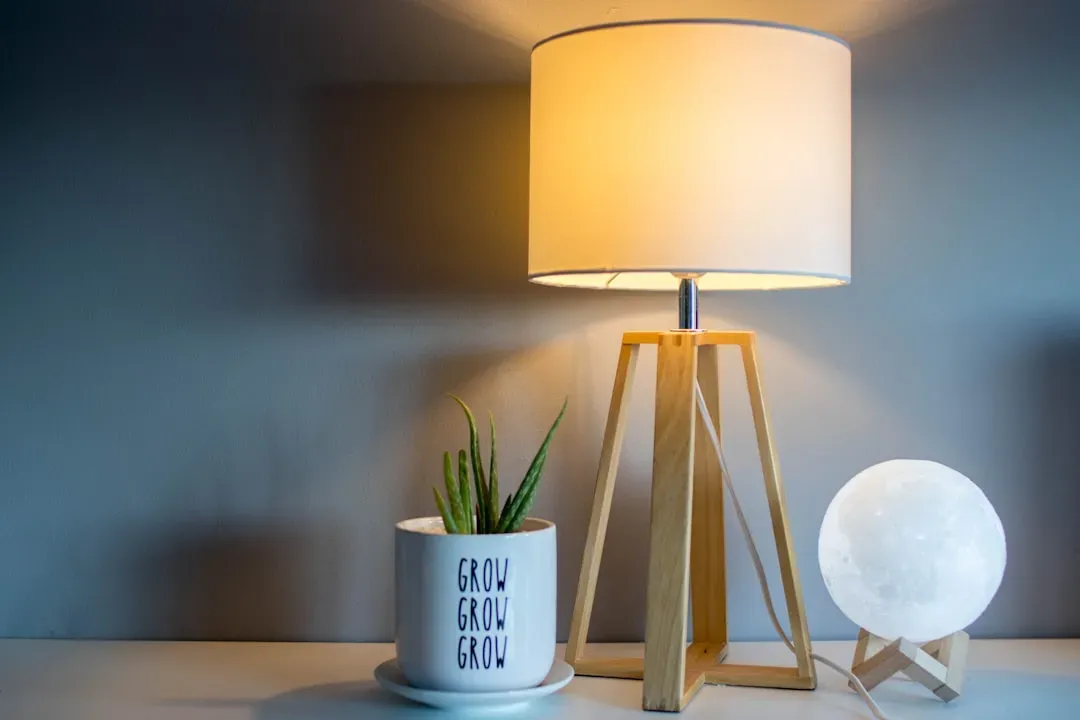
Overhead lighting alone tends to make rooms feel flat and a little clinical, which is part of why comfortable homes rely on multiple light sources at different heights. Table lamps, floor lamps, and even lower-wattage sconces create pools of warm light that feel more like candlelight than office lighting. This layered approach also gives a room flexibility, since different lamps can be turned on or off depending on the time of day or mood.
Warm-toned LED bulbs, generally in the 2700 to 3000 Kelvin range, have become the default recommendation from lighting designers because they mimic the softness of incandescent bulbs while using far less energy. This matters more than people expect, since harsh, cool-toned lighting can make even a well-decorated room feel uninviting. Dimmer switches have also become more common in renovations, giving homeowners control over intensity without needing to change bulbs.
Bringing the outdoors in
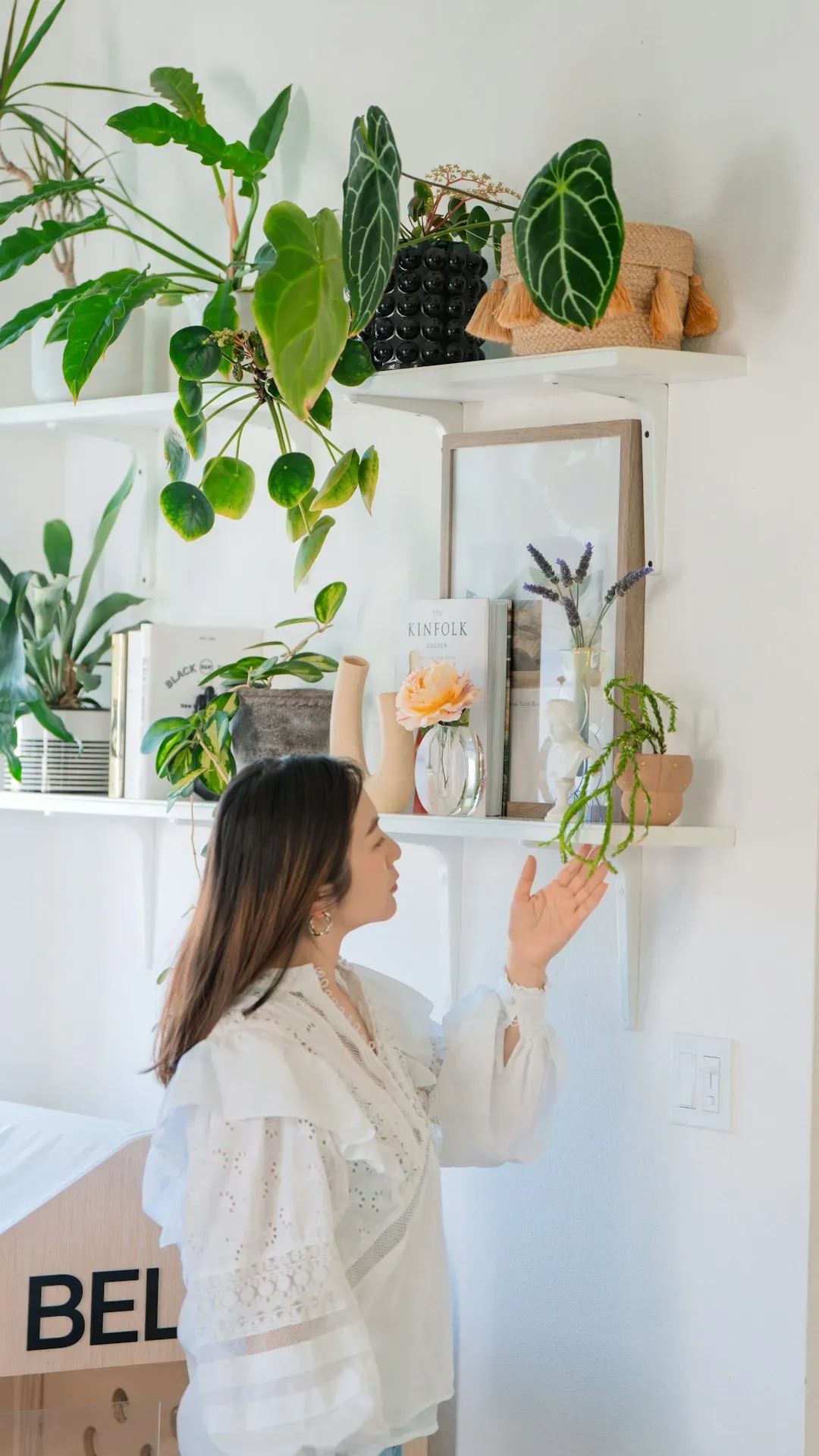
Plants, natural materials, and views of greenery consistently show up in homes that feel calm and comfortable, and there’s real psychological grounding behind this. Research on biophilic design, the practice of incorporating natural elements into built environments, has linked exposure to greenery and natural materials with lower stress levels and improved mood. Even a few well-placed houseplants or a wooden coffee table can nudge a room in that direction without requiring a full renovation.
Homes with direct access to outdoor space, a patio, a small balcony, or even a windowsill herb garden, tend to feel more connected to the rhythms of the day. This connection doesn’t require a large budget, since a handful of low-maintenance plants like snake plants or pothos can deliver much of the same visual softness as a more elaborate garden. The effect is subtle but real, and it’s part of why so many comfortable homes feel slightly more alive than sterile ones.
Personal touches that tell a story
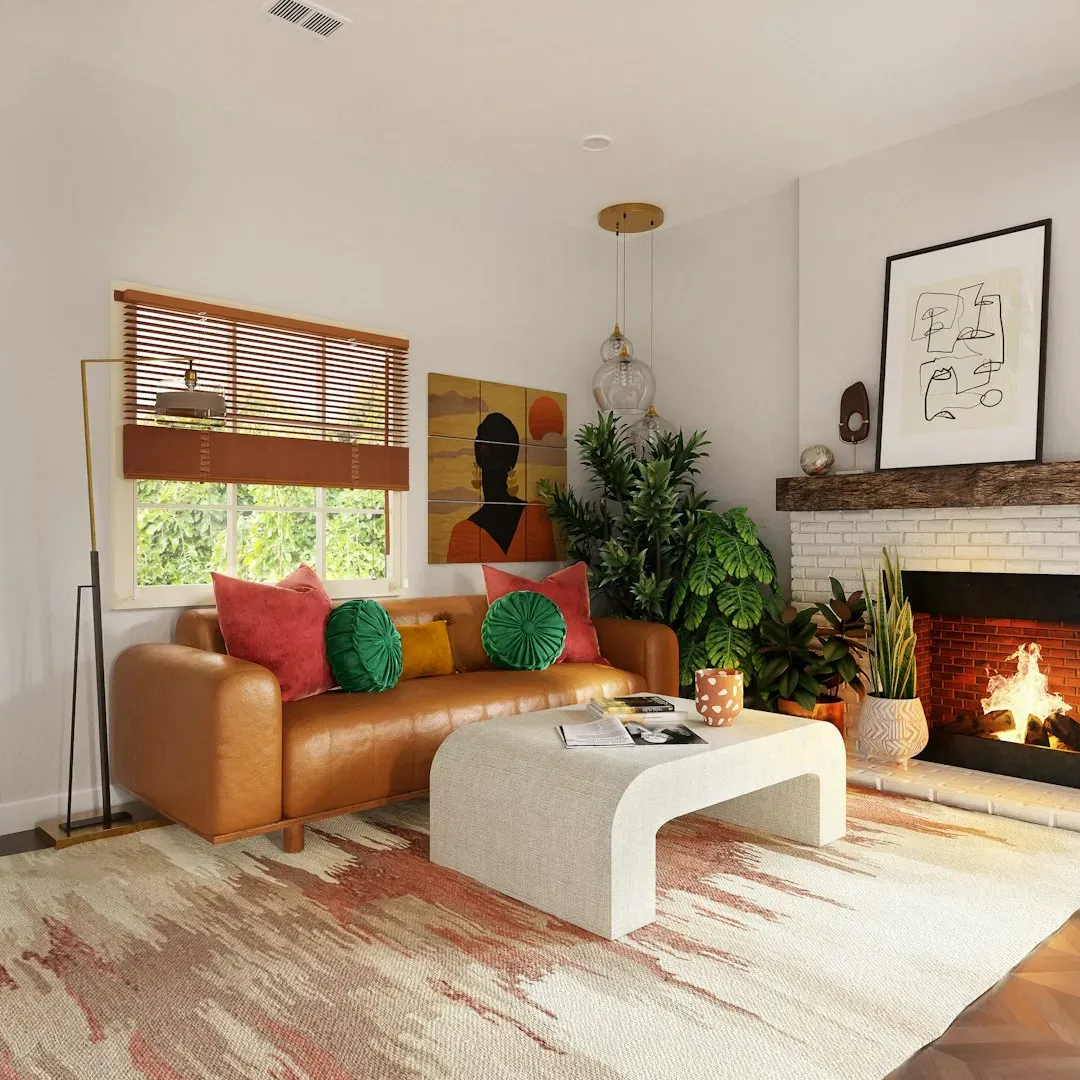
The homes that feel most genuinely comfortable are rarely the ones that look like they came straight from a catalog. They usually include a few imperfect, personal touches, a hand-thrown mug, a piece of art picked up while traveling, a mismatched but beloved armchair inherited from a relative. These details give a space a sense of history and make it feel specific to the people who live there.
Interior designers have increasingly pushed back against overly matched, showroom-style interiors in favor of what’s sometimes called curated eclecticism, a mix of old and new pieces chosen because they mean something rather than because they match. This trend has gained visible momentum through 2025 and into 2026 as homeowners lean away from fast furniture toward pieces with more character. The result is a home that feels collected over time rather than purchased all at once.
Comfortable homes prioritize sound as much as sight
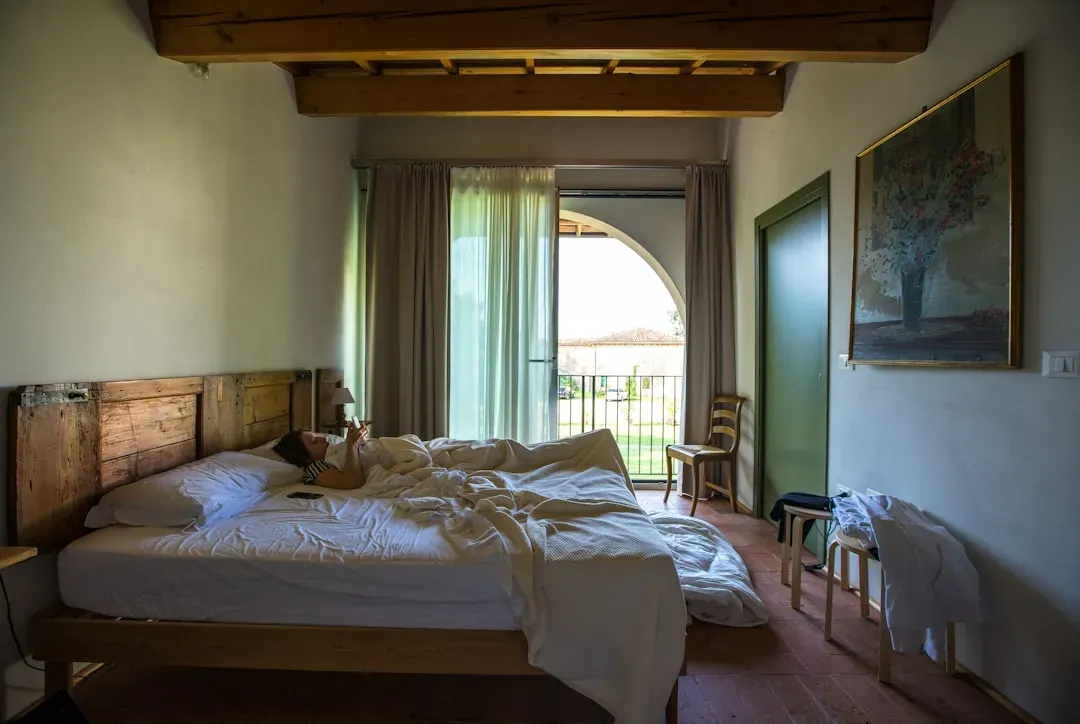
Visual design gets most of the attention, but acoustics play a quiet role in whether a home feels calm or chaotic. Hard surfaces like tile, glass, and bare walls bounce sound around a room, while soft textiles, rugs, upholstered furniture, curtains, absorb it and create a hush that many people associate with comfort. This is part of why a fully open, minimally furnished space can sometimes feel less relaxing than a slightly more layered one, even if it looks sleeker in photos.
Homeowners renovating older or newer open-concept homes have increasingly added rugs, textiles, and acoustic panels specifically to soften sound, not just for style but for livability. A quieter room tends to feel more restful almost immediately, even if the change isn’t something most people would consciously notice. It’s one of the more overlooked elements of comfortable design, but its effect on daily mood is real.