
There’s a difference between an outdoor space that looks good in photos and one that actually earns its place in your daily routine. The first kind sits empty most of the year, admired from a window but rarely stepped into. The second kind becomes part of how you live, whether that’s morning coffee, weekend meals, or just a quiet spot to decompress after work.
The gap between the two usually comes down to design choices that prioritize comfort, shade, and function over pure visual impact. Below are outdoor areas that homeowners and landscape designers keep coming back to because they hold up under real, everyday use rather than just occasional showpiece moments.
Covered patios with year-round shade
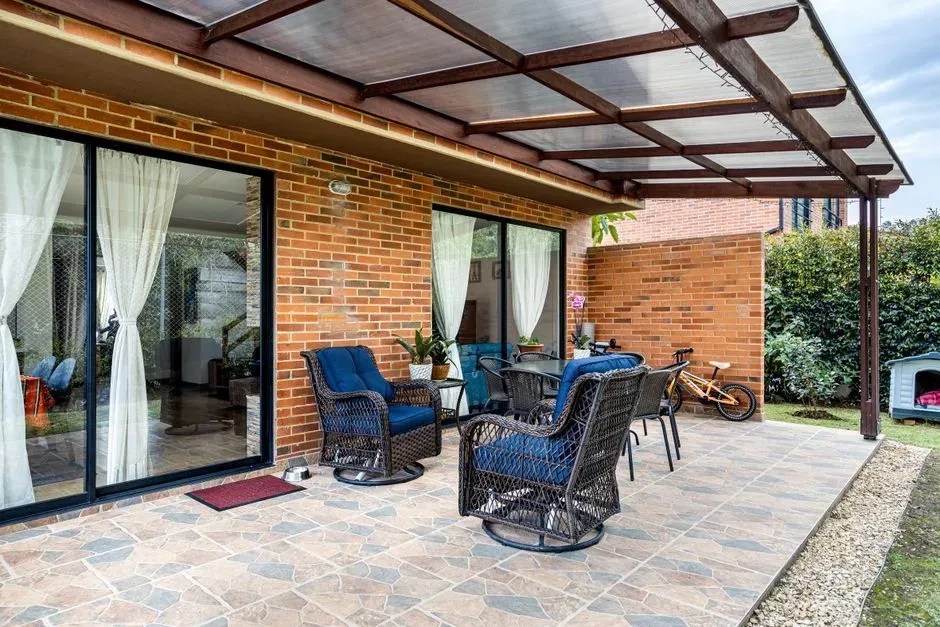
A covered patio solves the single biggest reason outdoor spaces go unused: exposure. Direct sun in summer and rain in spring can shrink the usable window of an open patio to just a handful of weeks. Adding a solid roof, pergola with a retractable canopy, or even a simple shade sail extends that window dramatically, often turning a space into something usable eight or nine months out of the year in temperate climates.
Designers have leaned into this over the past couple of years, with covered outdoor living spaces consistently ranking among the top requested features in residential landscape projects. The appeal isn’t just comfort. A covered patio also protects furniture and flooring from UV damage and moisture, which cuts down on maintenance and replacement costs over time.
Outdoor kitchens built for real cooking
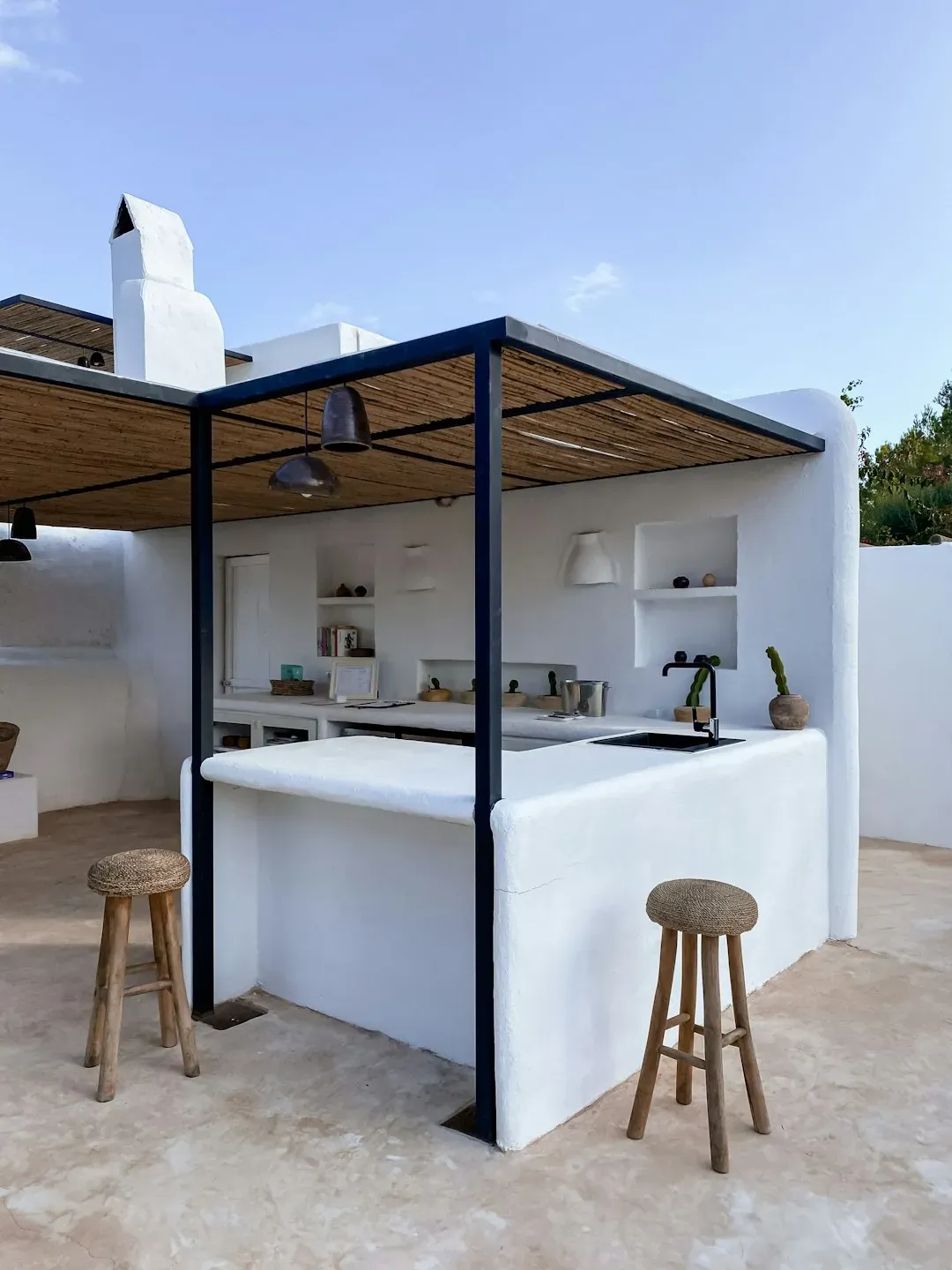
The outdoor kitchen has moved well past the basic grill-and-counter setup. Modern versions often include built-in refrigeration, pizza ovens, side burners, and even sinks with running water, essentially mirroring an indoor kitchen’s layout outside. This matters because a space that can only host a grill limits itself to one type of meal, while a fuller setup invites everything from weeknight dinners to weekend entertaining.
The National Association of Home Builders has tracked outdoor kitchens as a consistently strong value-add feature in remodeling surveys, reflecting how buyers now expect functional cooking space outside, not just a grill on a slab. Placement near the indoor kitchen also matters practically, since it shortens the walk for carrying food, dishes, and trash back and forth.
Fire features that stretch the season
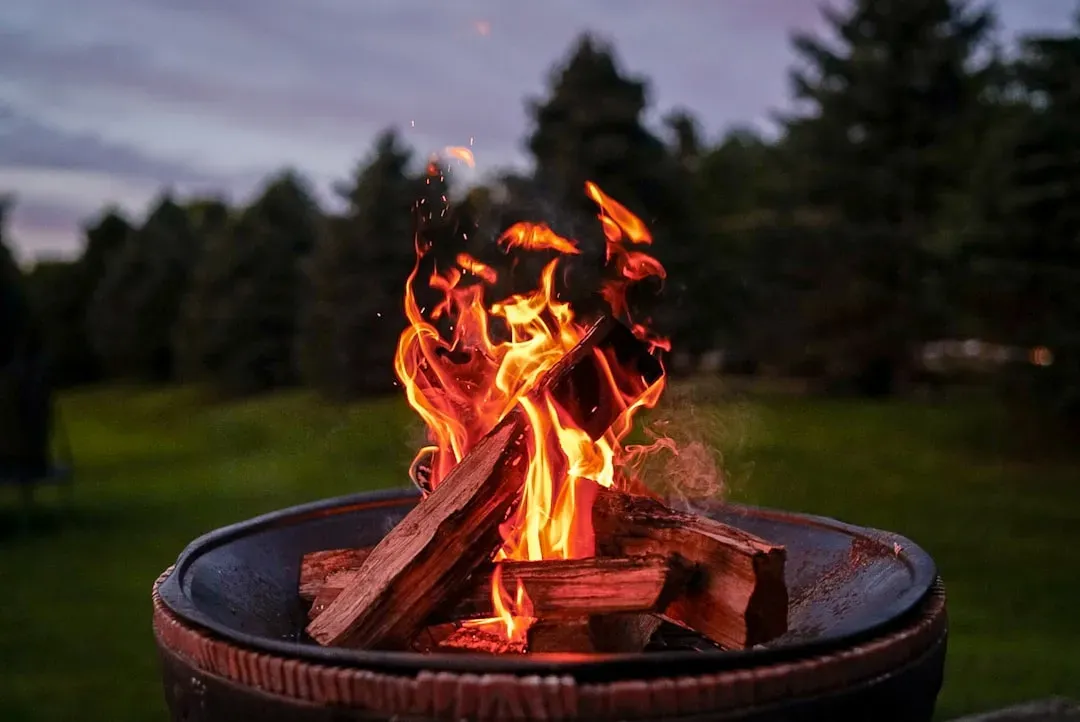
A fire pit or outdoor fireplace does something a patio heater can’t quite replicate: it becomes a gathering point rather than just a heat source. People naturally arrange chairs around fire, which makes it one of the simplest ways to encourage actual use of a backyard rather than passive viewing from indoors. Gas-powered options have grown especially popular because they ignite instantly and don’t leave behind ash or smoke smell on clothing and furniture.
Fire features also extend outdoor use into cooler months, which in many regions can add several extra weeks or even months of comfortable evening use. Building codes and local fire regulations vary significantly by municipality, so checking clearance requirements and permitted fuel types before installation is a necessary first step rather than an afterthought.
Multi-zone gardens that serve different moods
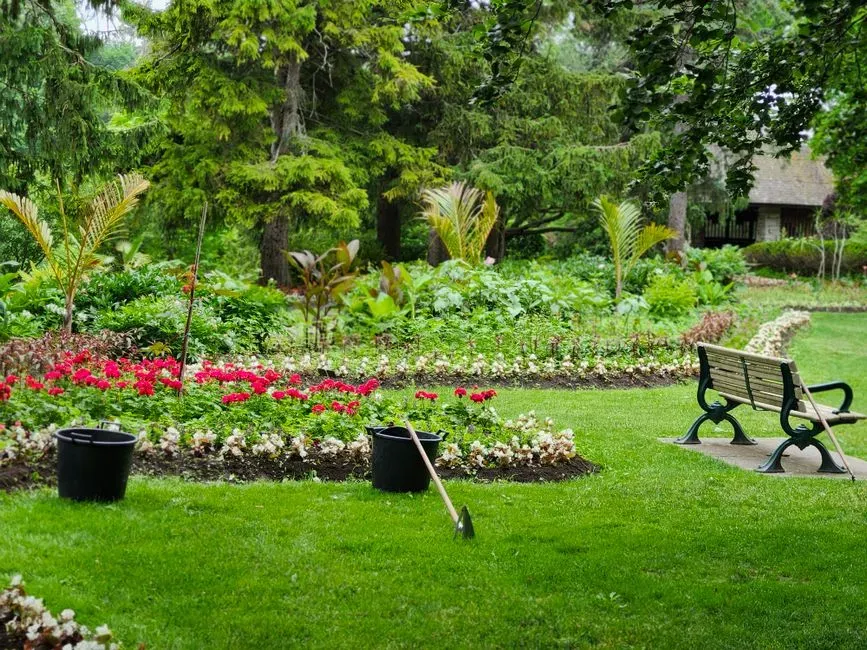
A single open lawn tends to get used for one thing, or sometimes nothing at all. Breaking a yard into distinct zones, a dining area, a lounge corner, a small productive garden bed, gives people multiple reasons to walk outside throughout the day rather than just one. This kind of zoning also makes smaller yards feel larger, since the eye reads separate destinations rather than one flat expanse.
Low hedges, gravel paths, or even a simple change in paving material can define these zones without requiring walls or fences. The key is making sure each zone has a clear purpose, since vague or overlapping spaces tend to default back to unused lawn.
Pools designed for daily swimming, not just looks
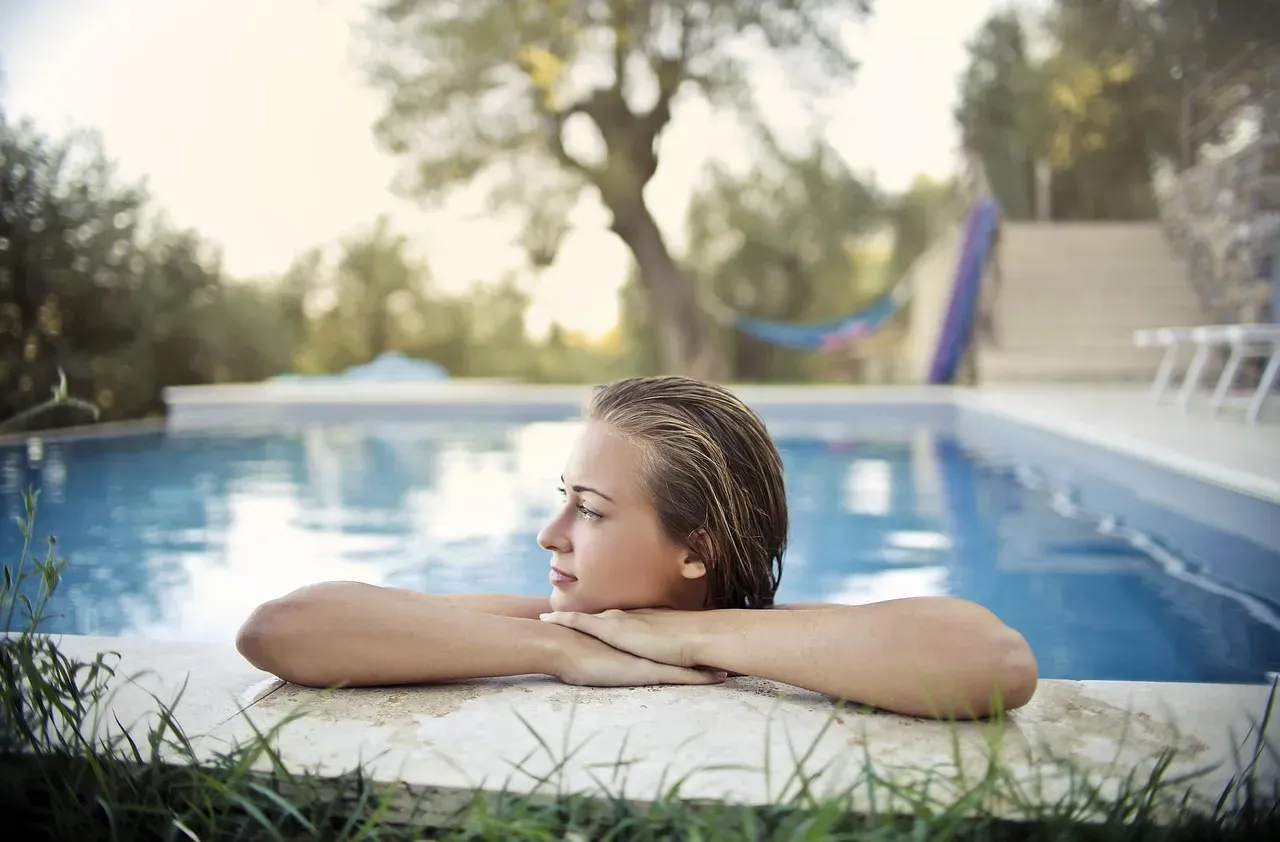
Pool design has shifted noticeably toward smaller, more functional formats in the past few years. Plunge pools and compact lap pools have gained ground because they cost less to heat and maintain than a full-sized pool while still delivering daily usability, especially in climates with strong summers. A pool sized for actual swimming laps or quick cooling dips tends to get used far more often than an oversized pool built mainly for aesthetics.
Energy costs tied to pool heating and filtration have pushed many homeowners toward variable-speed pumps and solar covers, both of which reduce operating expenses without cutting into swim time. Positioning also matters, since a pool visible from the kitchen or main living area gets used more simply because it stays top of mind throughout the day.
Screened porches that block bugs, not breezes
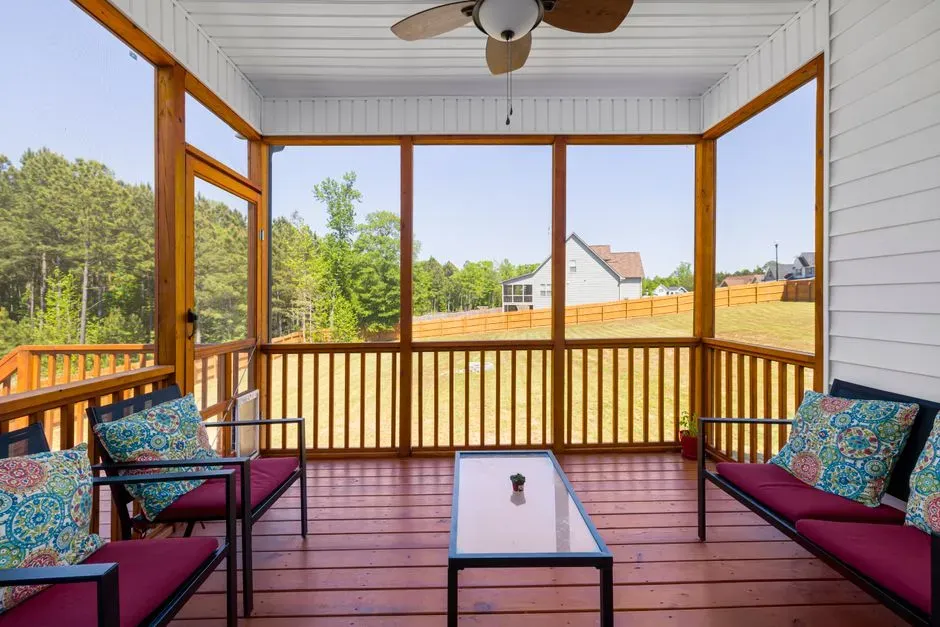
In regions with heavy mosquito or humidity seasons, an open patio can become nearly unusable for stretches of the year no matter how nicely it’s furnished. A screened porch solves this without sacrificing the feeling of being outside, since airflow stays largely unobstructed while insects stay out. This makes it one of the more practical additions for southern and humid climates specifically.
Screened porches also tend to double as flexible living space, functioning as a dining room in good weather and a reading nook when it’s too hot for the open yard. Many are now built with retractable screen systems, allowing the space to shift between fully open and fully enclosed depending on the season.
Raised garden beds that fit into daily routines
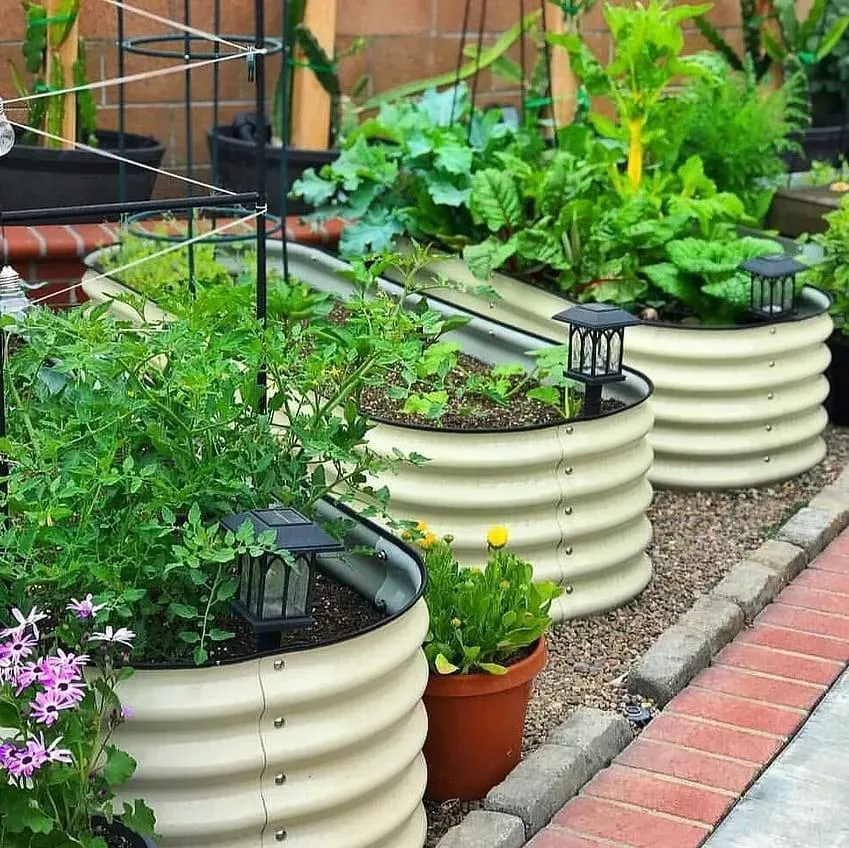
Ground-level vegetable gardens often lose the daily-use battle to bending, weeding, and soil compaction, all of which make maintenance feel like a chore rather than a pleasant task. Raised beds address this directly by improving drainage, warming soil faster in spring, and putting plants at a height that doesn’t require kneeling. Interest in home vegetable gardening rose sharply during the pandemic years and has held at elevated levels since, with many households treating a small raised bed as a low-effort way to grow herbs or salad greens within arm’s reach of the kitchen door.
Placing beds close to the house, ideally near a water source, removes the friction that keeps people from tending them regularly. Even a modest three-by-six-foot bed can supply a steady rotation of herbs and greens through a growing season, which keeps the space relevant well beyond a single planting weekend.
Outdoor lighting that extends the evening
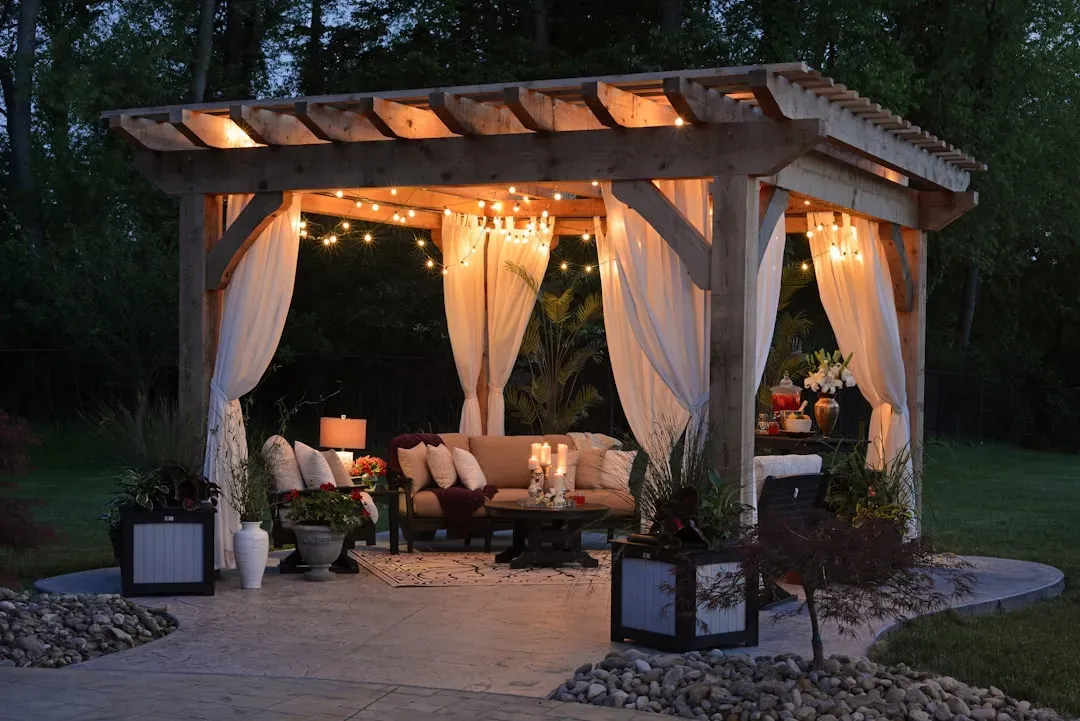
A beautifully designed space that goes dark at sunset only gets half the use it could. Layered lighting, path lights, string lights, and subtle uplighting on trees or architectural features, pushes outdoor time well into the evening without requiring a single overhead floodlight. Low-voltage LED systems have become the standard choice here, largely because they’re inexpensive to run and last for years without bulb replacement.
Lighting also plays a safety role that’s easy to overlook, since well-lit steps, pathways, and pool edges reduce trip hazards significantly after dark. Smart lighting controls, now common in mid-range and higher-end installations, let homeowners adjust brightness and scheduling from a phone rather than relying on manual switches scattered around the yard.
Comfortable seating that rivals indoor furniture
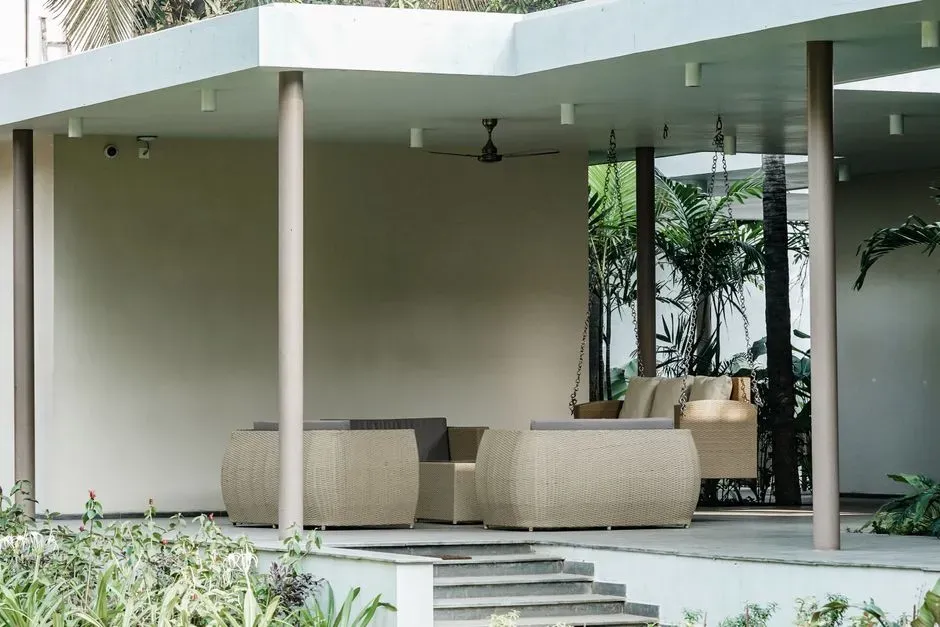
Outdoor furniture used to mean a compromise between comfort and durability, but materials have closed that gap considerably. Sunbrella and similar solution-dyed fabrics now resist fading and mildew while still feeling soft enough for daily lounging, and deep-seated sectionals have replaced the stiff bistro sets that once dominated patio catalogs. This shift matters because furniture people actually want to sit in gets used far more than furniture that merely looks presentable.
Storage also factors into daily use more than people expect, since cushions left exposed to weather degrade quickly regardless of fabric quality. A simple deck box or built-in bench with storage underneath keeps furniture looking fresh season after season, which in turn keeps the space inviting rather than neglected.
Water features that add calm without high upkeep
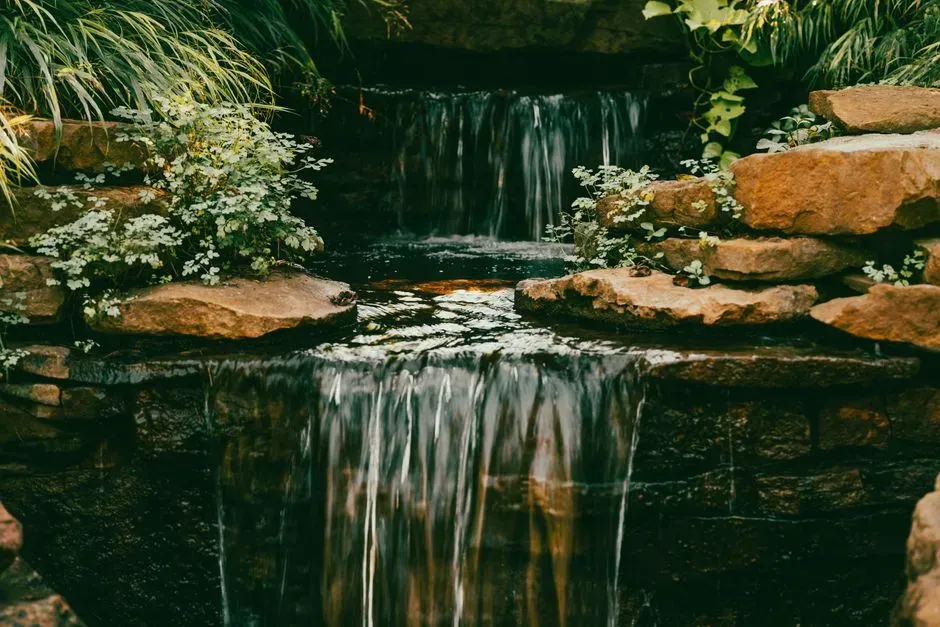
Not every outdoor space needs a full pool to feel like a retreat. Small water features, a bubbling urn fountain, a compact pondless waterfall, or even a simple recirculating birdbath, introduce ambient sound that masks street noise and creates a sense of calm without demanding constant maintenance. These features have grown in popularity partly because modern pump technology has made them far more reliable and energy-efficient than older designs.
Placement near a seating area maximizes daily benefit, since the sound carries only so far and works best when it’s close enough to actually hear during conversation or quiet moments alone. Maintenance for smaller features typically involves little more than periodic cleaning and winterizing in colder climates, making them one of the lower-effort additions on this list relative to the atmosphere they provide.