
The Power of a Well-Organized Entryway
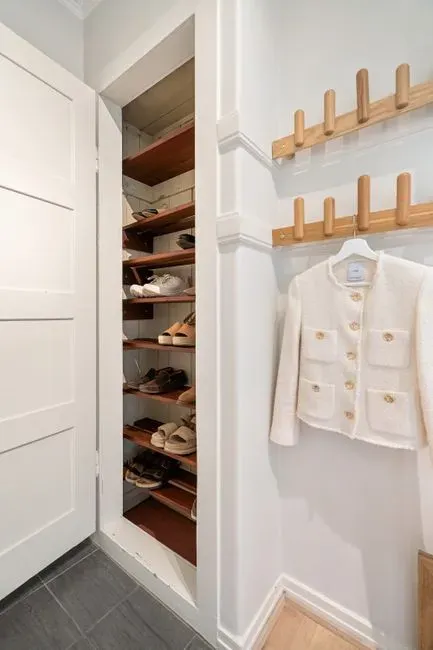
The entryway sets the emotional tone for everything that follows. Design researchers have long noted that transitional spaces, the ones between outside and inside, shape how calm or chaotic a home feels within the first few seconds of entry. A cluttered pile of shoes or a coat rack overflowing with jackets sends a subtle signal of disorder before a person even reaches the living room.
Simple fixes make an outsized difference here. A designated spot for keys, a bench for sitting while removing shoes, and enough hooks so nothing ends up on the floor can transform the first impression of a home. Interior designers frequently point to this zone as one of the most underrated areas in residential design, precisely because it gets so little attention compared to kitchens or bathrooms.
Lighting That Matches the Rhythm of the Day
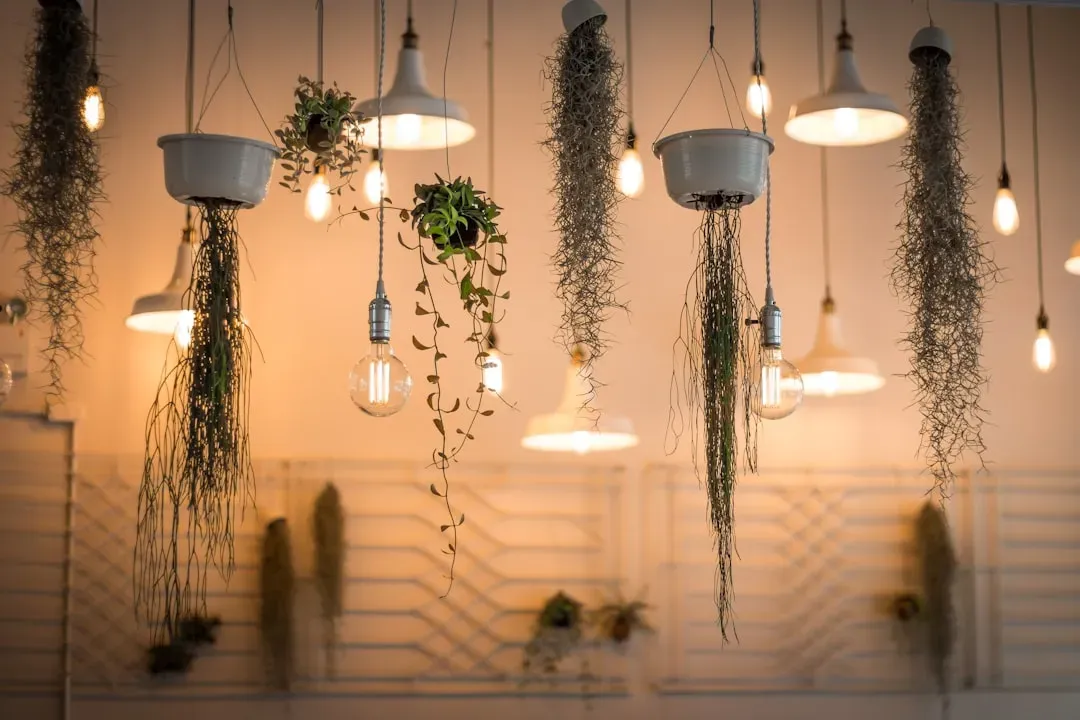
Lighting affects mood far more than most people realize, and the science behind this has grown substantially in recent years. Research on circadian-friendly lighting shows that warmer, dimmer light in the evening supports better sleep and relaxation, while brighter, cooler light in the morning helps with alertness. Homes that rely on a single harsh overhead bulb for every hour of the day tend to feel flatter and less inviting.
Layered lighting, meaning a mix of ambient, task, and accent sources, gives a room flexibility throughout the day. Smart bulbs and dimmers have become more affordable and easier to install without an electrician, which has made this kind of adjustment accessible to a much wider range of households by 2026. Even a few lamps placed thoughtfully can soften a space more than an expensive light fixture ever could.
Scent as an Underrated Emotional Trigger
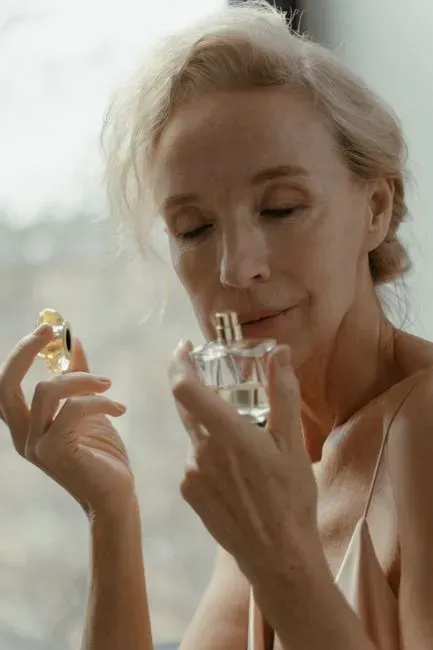
Smell is tied more directly to memory and emotion than any other sense, a connection well documented in olfactory research. A home that smells neutral or, worse, stale rarely feels welcoming, even if everything else is in order. This is why real estate agents have long used baking bread or fresh coffee as a staging trick during open houses.
Consistent, subtle scent, whether from natural ventilation, houseplants, or a simple candle, helps anchor a sense of place. It does not need to be strong or artificial. The goal is a background note that feels familiar rather than something that announces itself the moment someone walks in.
Furniture Arranged for Actual Conversation
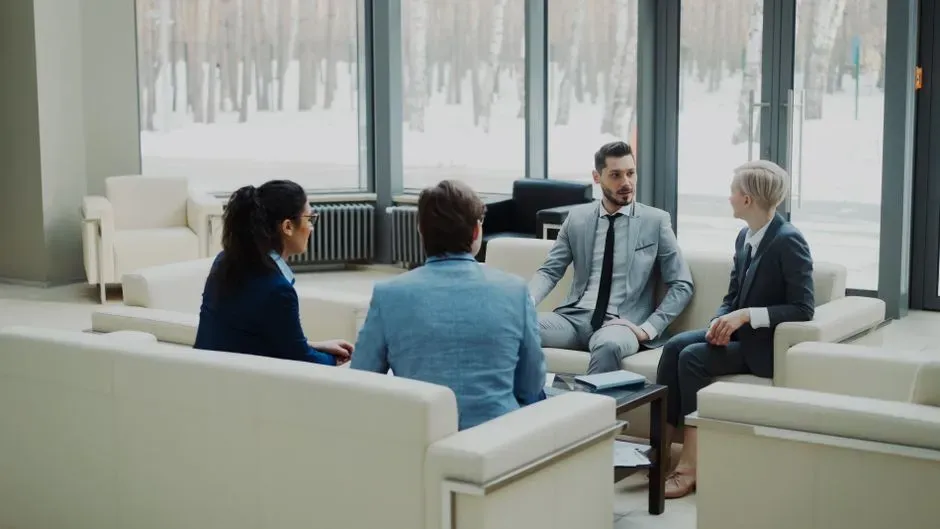
Many living rooms are arranged around a television rather than around people, which quietly undermines the sense of connection a home is supposed to offer. Design principles that prioritize conversation, such as angling seating toward each other rather than lining everything against a wall, tend to make a space feel warmer immediately. This is a shift architects and interior designers have pushed for over the past decade as open-concept living has become more common.
Small adjustments, like pulling a sofa a few inches away from the wall or adding a second seating area near a window, can make a room feel more intentional. The goal is not perfection but a layout that invites people to sit down and stay a while, rather than one that simply looks good in photographs.
The Role of Personal Objects Over Trends

Homes filled entirely with trend-driven decor often feel oddly impersonal, no matter how expensive the furniture is. Psychologists who study environmental identity have found that personal objects, family photos, travel souvenirs, handmade items, help residents feel a stronger sense of belonging in their own space. These items act as anchors, reminding people of their own history every time they pass by.
This does not mean rejecting current design trends entirely. It means balancing them with pieces that carry meaning, so the home reflects an actual life being lived rather than a showroom display. A single shelf of meaningful objects can do more emotional work than an entire wall of trend-approved decor.
Sound and the Comfort of Quiet

Noise pollution, even at low levels, has measurable effects on stress and comfort at home, according to studies from environmental health researchers. Hard surfaces like tile, glass, and bare walls tend to amplify sound, creating an echo that many people register subconsciously as unsettling. Homes with excessive hard surfaces often feel less relaxing, even when they look sleek and modern.
Rugs, curtains, upholstered furniture, and even bookshelves absorb sound and soften a room acoustically as well as visually. This is part of why fully minimalist, hard-surfaced interiors can photograph beautifully yet feel strangely uncomfortable to actually live in. A balance between clean design and soft materials tends to serve daily comfort better than either extreme.
Temperature Consistency and Physical Comfort
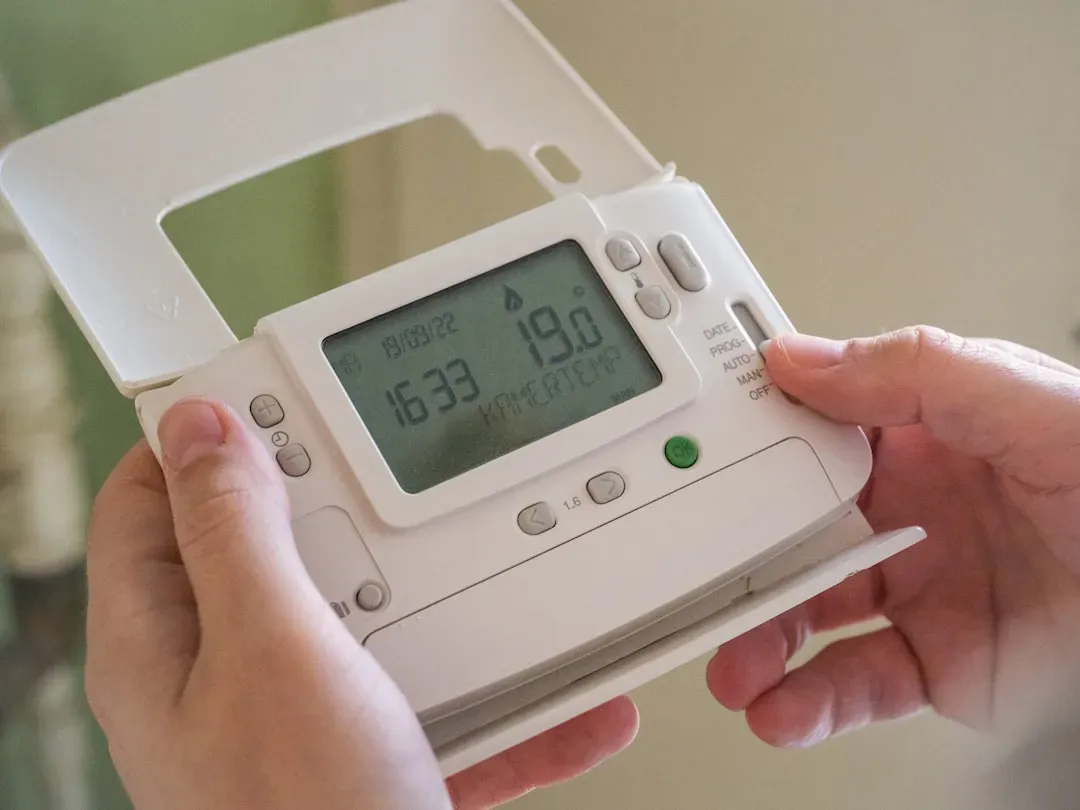
Physical comfort plays a much larger role in emotional comfort than people usually credit. Homes with poor insulation or inconsistent heating and cooling create constant low-level friction, forcing residents to adjust clothing or thermostats throughout the day. Energy efficiency upgrades, which have become more affordable through various rebate programs in 2025 and 2026, address this problem directly rather than cosmetically.
Smart thermostats have also made it easier to maintain steady, comfortable temperatures without manual adjustment. A home that stays consistently comfortable, without drafts or sudden temperature swings, allows residents to relax rather than constantly managing their environment. This kind of comfort is rarely noticed when it is present, but immediately obvious when it is missing.
Storage Systems That Actually Get Used

Clutter is one of the most consistently cited factors in how unsettled a home feels, according to organizational psychology research. The issue is rarely a lack of storage but rather storage that does not match how people actually use a space. A closet organizer that requires too many steps to use correctly will be abandoned within weeks, no matter how well designed it looks.
Effective storage systems are simple enough to maintain without much thought. Open bins, labeled baskets, and accessible shelving tend to outperform complicated built-ins that look impressive but discourage daily use. The best storage solution is the one people will actually keep up with, not the one that wins design awards.
Plants and the Return to Natural Elements
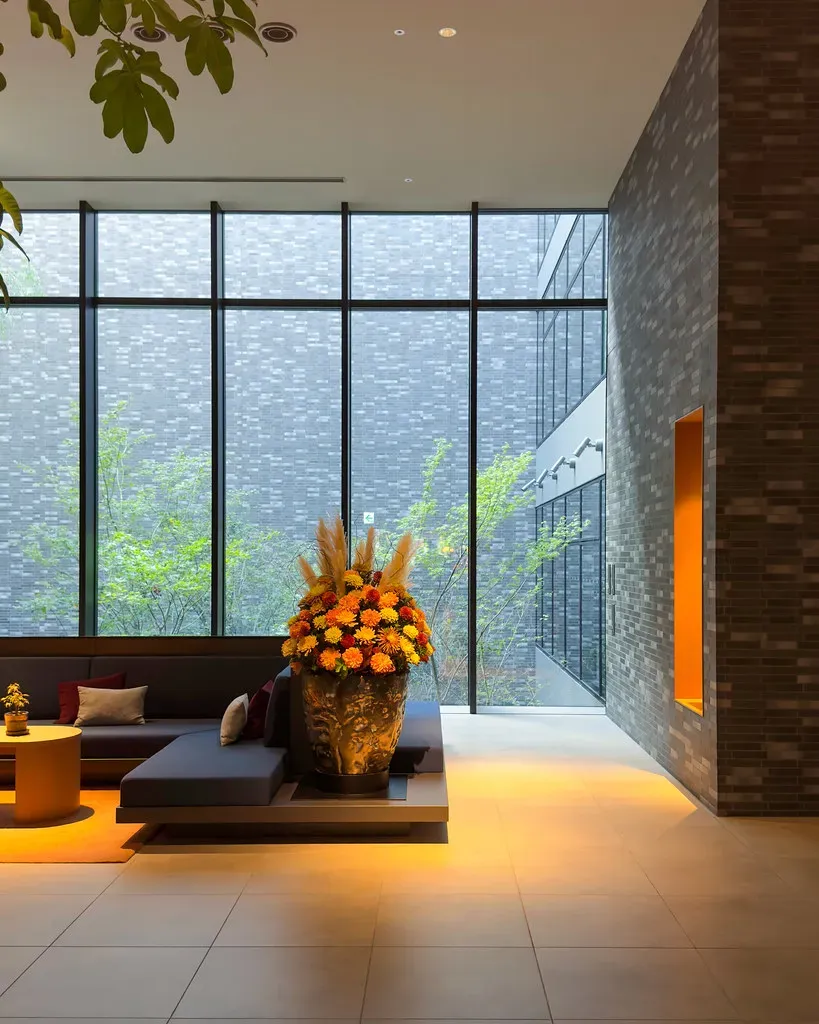
Biophilic design, the practice of incorporating natural elements into built spaces, has moved from a niche design term into mainstream residential planning over the past several years. Studies on indoor plants suggest they can improve perceived air quality and reduce stress, even in small quantities. A single well-placed plant near a window can shift the feel of an entire room.
Natural materials like wood, stone, and woven textiles serve a similar purpose, grounding a space in something tactile and organic rather than purely synthetic. Homes that lean heavily on plastic, glass, and metal without natural counterbalance often feel colder, even when the temperature is perfectly regulated. This is one reason biophilic elements have remained a steady presence in home design trend reports through 2026 rather than fading as a passing fad.
The Small Rituals That Reinforce Belonging

Beyond physical design, daily rituals play a quiet but significant role in how a home feels. Simple habits, like lighting a candle in the evening, keeping a consistent spot for morning coffee, or tidying a single surface before bed, create psychological anchors tied to comfort and routine. Behavioral researchers studying home environments note that repeated small actions build a sense of stability over time.
These rituals do not require significant time or money, which makes them accessible regardless of a household’s budget. What matters is consistency rather than elaborateness. A home starts to feel right not because of one dramatic change, but because of small, repeated actions that accumulate into a genuine sense of ease every time the door opens.