
Walk into a home that has been styled within an inch of its life and something odd happens. You admire it, maybe even photograph it, but you rarely want to sit down and stay a while. Compare that to a slightly worn kitchen with mismatched chairs and a dog bed in the corner, and somehow you relax without even trying. There is a reason for that gap, and it has less to do with taste and more to do with how our brains read effort, comfort, and authenticity in a space.
Interior design has spent the last decade chasing perfection through algorithms, mood boards, and endless scrolling. Yet the homes people describe as their favorites are rarely the most polished ones. They tend to be the ones that feel lived in, slightly imperfect, and quietly confident. Understanding why reveals something useful not just about design, but about how people actually experience the spaces they live in every day.
The Psychology Behind Comfortable Spaces
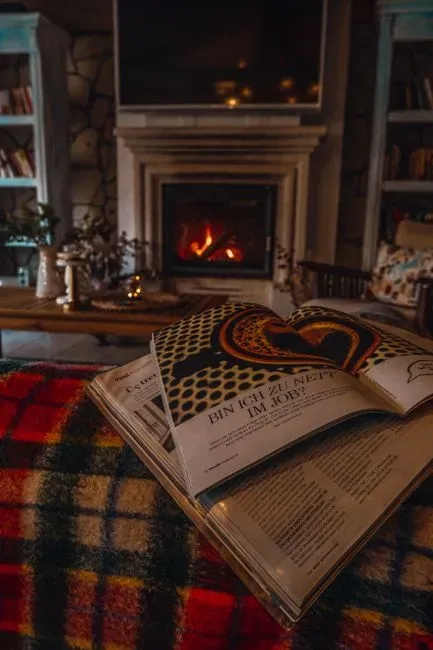
Environmental psychologists have long pointed out that humans respond to predictability and softness before they respond to style. A space that feels overly curated can trigger a subtle sense of performance, as if the room is trying to impress rather than welcome. That tension, even when subconscious, keeps people slightly on edge instead of settled.
Comfort, on the other hand, often comes from small imperfections that signal use rather than display. A worn armrest or a slightly faded rug tells the brain that this space belongs to real life, not a showroom. That signal of authenticity is part of why homes with visible history tend to feel more relaxing than those built purely for visual impact.
When Perfection Reads as Distance
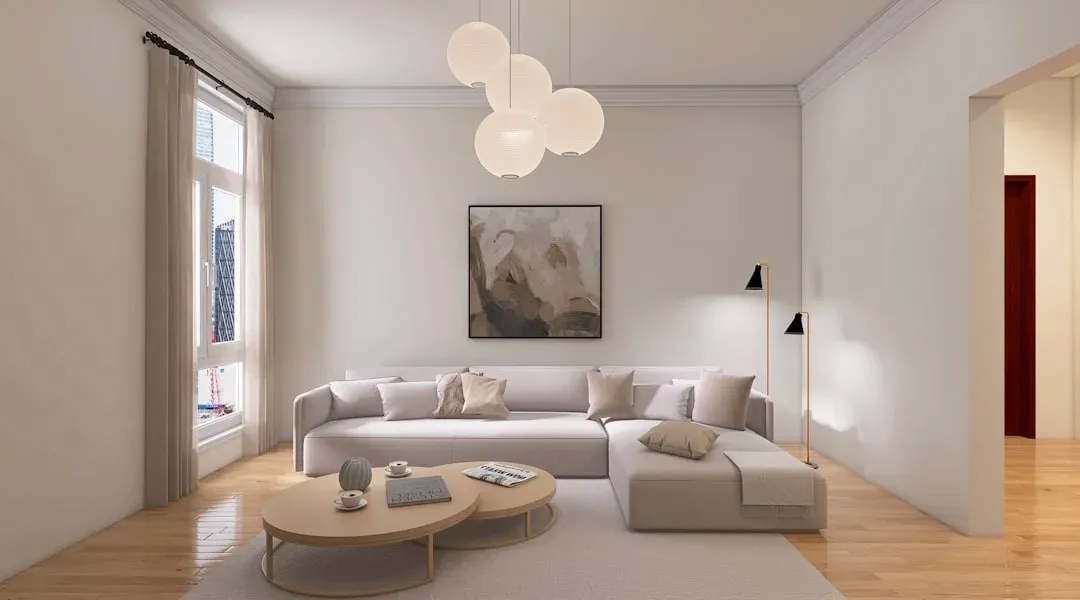
There is a well documented effect in design circles where spaces that look flawless can feel emotionally cold. Sharp lines, matching everything, and zero clutter can create a sense of distance rather than intimacy. Visitors often describe these homes as impressive but not necessarily inviting, which is a meaningful distinction.
This does not mean tidiness is the enemy. It means that perfection without warmth can unintentionally push people away instead of drawing them in. A home that looks like it belongs in a catalog can make guests feel like they need to be careful, rather than at ease.
The Overstyled Trend Fatigue of the Mid 2020s
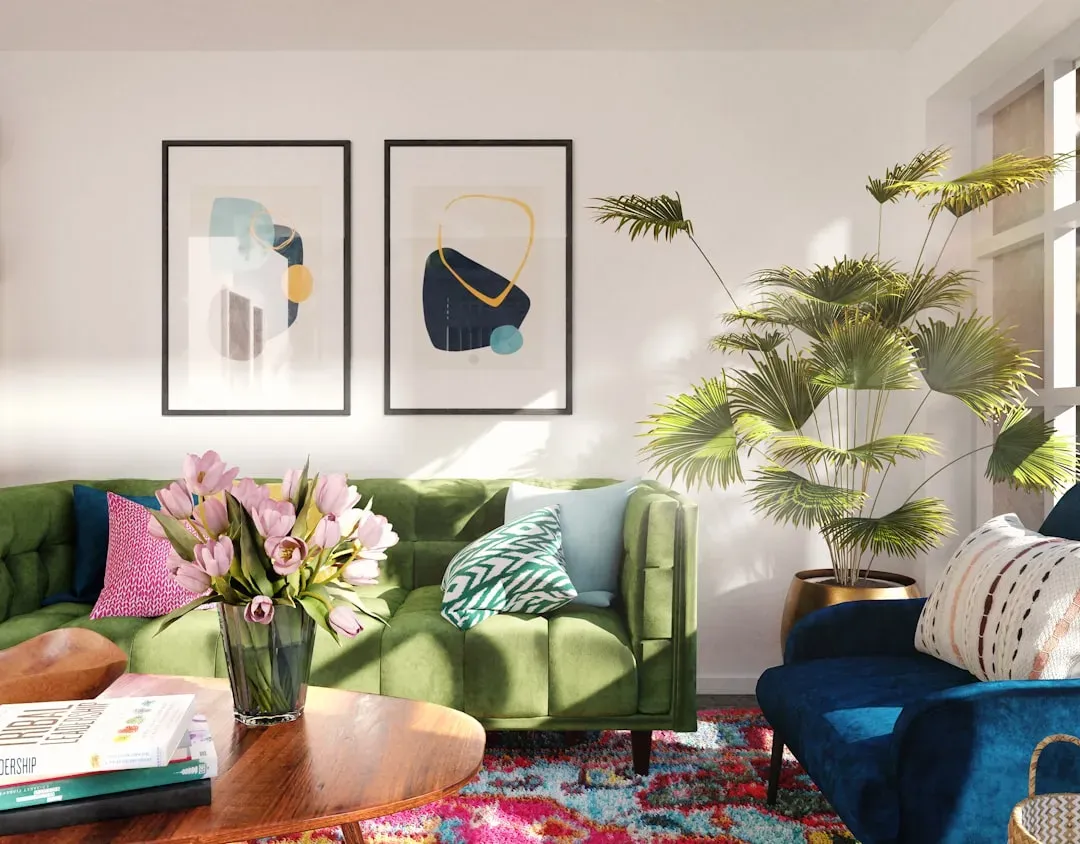
Design commentary through 2024 and into 2025 has repeatedly pointed to a growing exhaustion with hyper styled interiors driven by social media trends. The aesthetic chasing cycle, where a look becomes popular, floods feeds, then feels stale within months, has made many homeowners wary of over-committing to any one trend. Instead, there has been a noticeable shift toward interiors that feel personal rather than performative.
This shift is not anti-design. It is a recalibration toward spaces that age well emotionally, not just visually. Homeowners increasingly want rooms that will still feel right in five years, not just five scrolls into a feed.
Texture and Imperfection as Comfort Signals

Natural materials like wood, linen, and worn leather carry visual cues of texture and age that humans instinctively associate with warmth. These materials show light and shadow differently than flawless, uniform surfaces, creating a softer visual rhythm in a room. That subtle visual complexity is part of why textured, slightly irregular spaces often feel calmer than sleek, uniform ones.
Imperfections in texture also reduce visual monotony, which can otherwise create sensory fatigue. A perfectly smooth, monochrome room may look sophisticated in photos, but in person it can feel strangely flat. Texture adds depth that keeps a space feeling alive rather than static.
Clutter Free Does Not Mean Personality Free
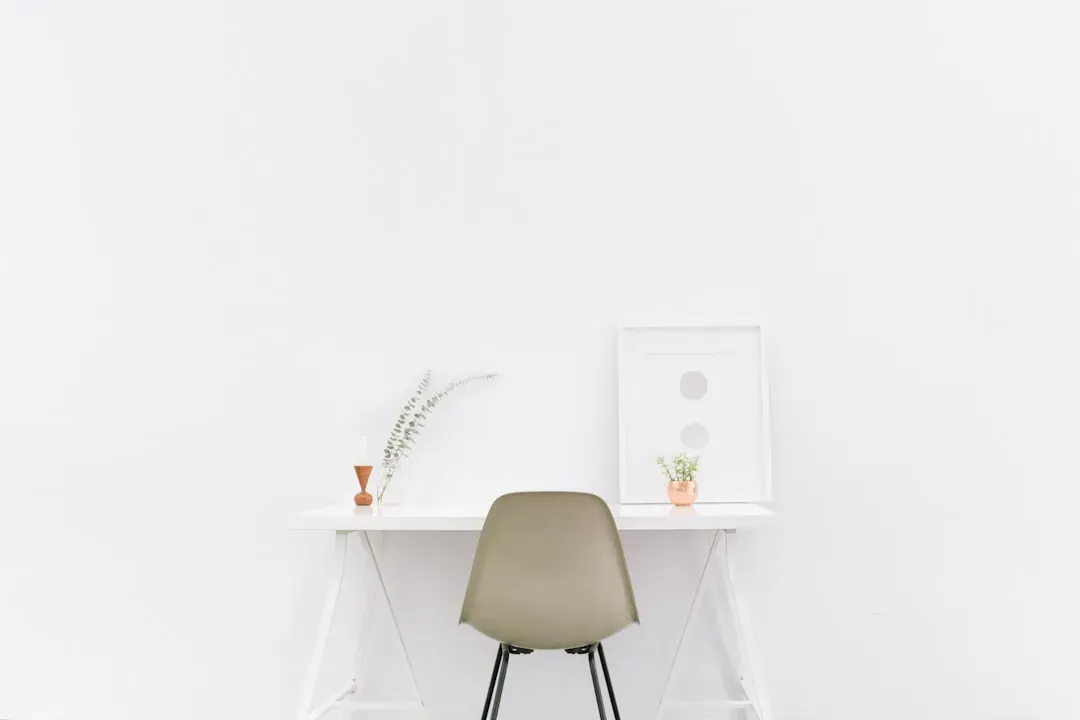
There is a common misconception that comfortable homes must be filled with clutter or nostalgia to feel warm. In reality, the most relaxing interiors tend to be edited, not overflowing. The difference is intentional editing versus sterile minimalism, where every object earns its place without erasing personality entirely.
A shelf with a handful of meaningful objects communicates far more warmth than either an empty shelf or an overcrowded one. The goal is not decoration for its own sake, but visible evidence that real people live there. That balance between order and personality is often what separates a house from a home.
The Role of Lighting in Emotional Comfort
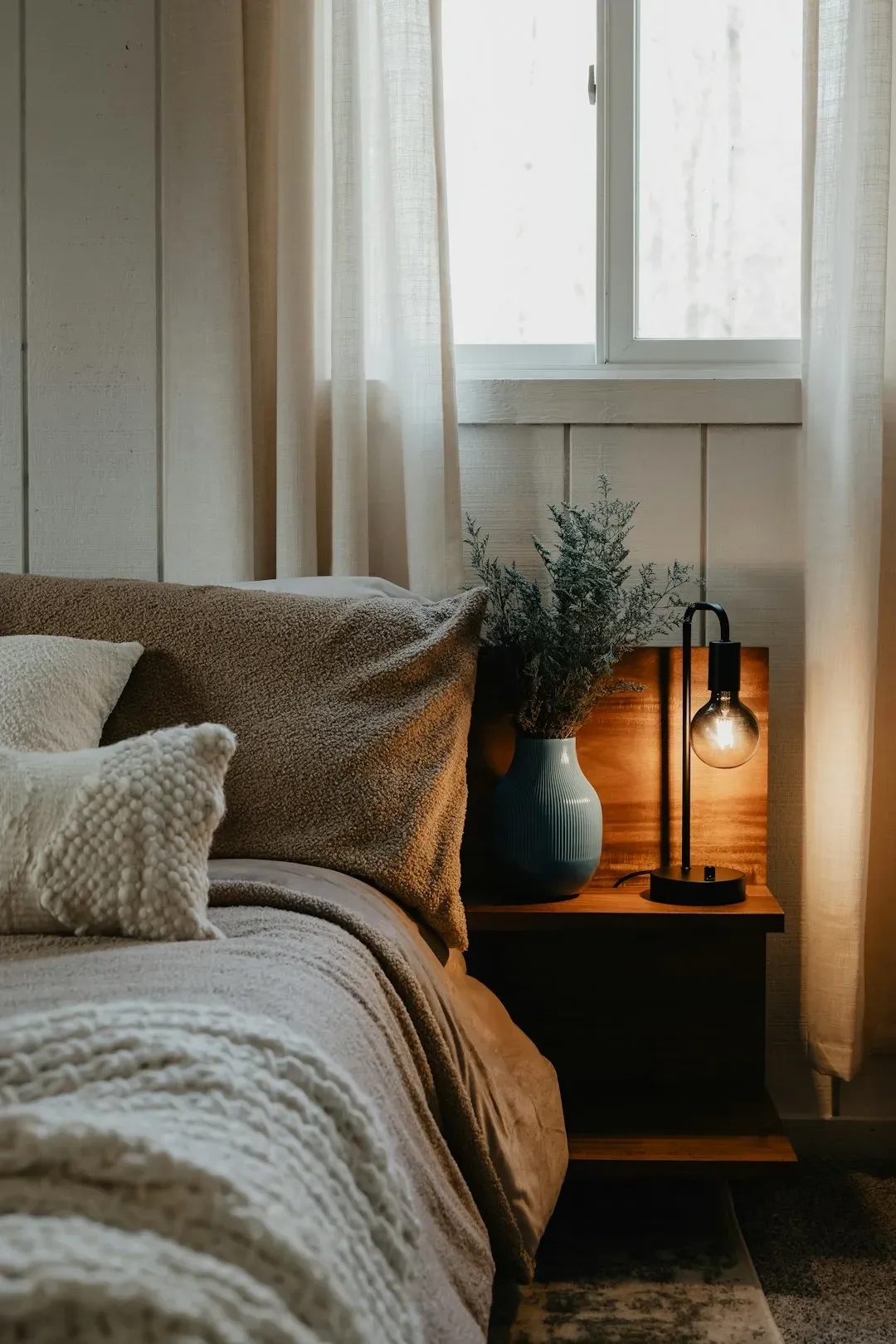
Lighting design has increasingly been recognized as one of the most underrated factors in how a home feels emotionally. Harsh, uniform lighting can make even a beautifully designed room feel clinical, while layered, warmer lighting creates a sense of ease almost immediately. This is why many of the most comforting homes rely on lamps and indirect light sources rather than a single overhead fixture.
Warmer color temperatures, generally in the lower Kelvin range, are associated with relaxation, while cooler, brighter light is linked to alertness and focus. Choosing the wrong lighting temperature can undercut even the most thoughtfully designed room. This is one of the simplest, most affordable upgrades homeowners can make, yet it remains one of the most overlooked.
Why Symmetry Can Backfire
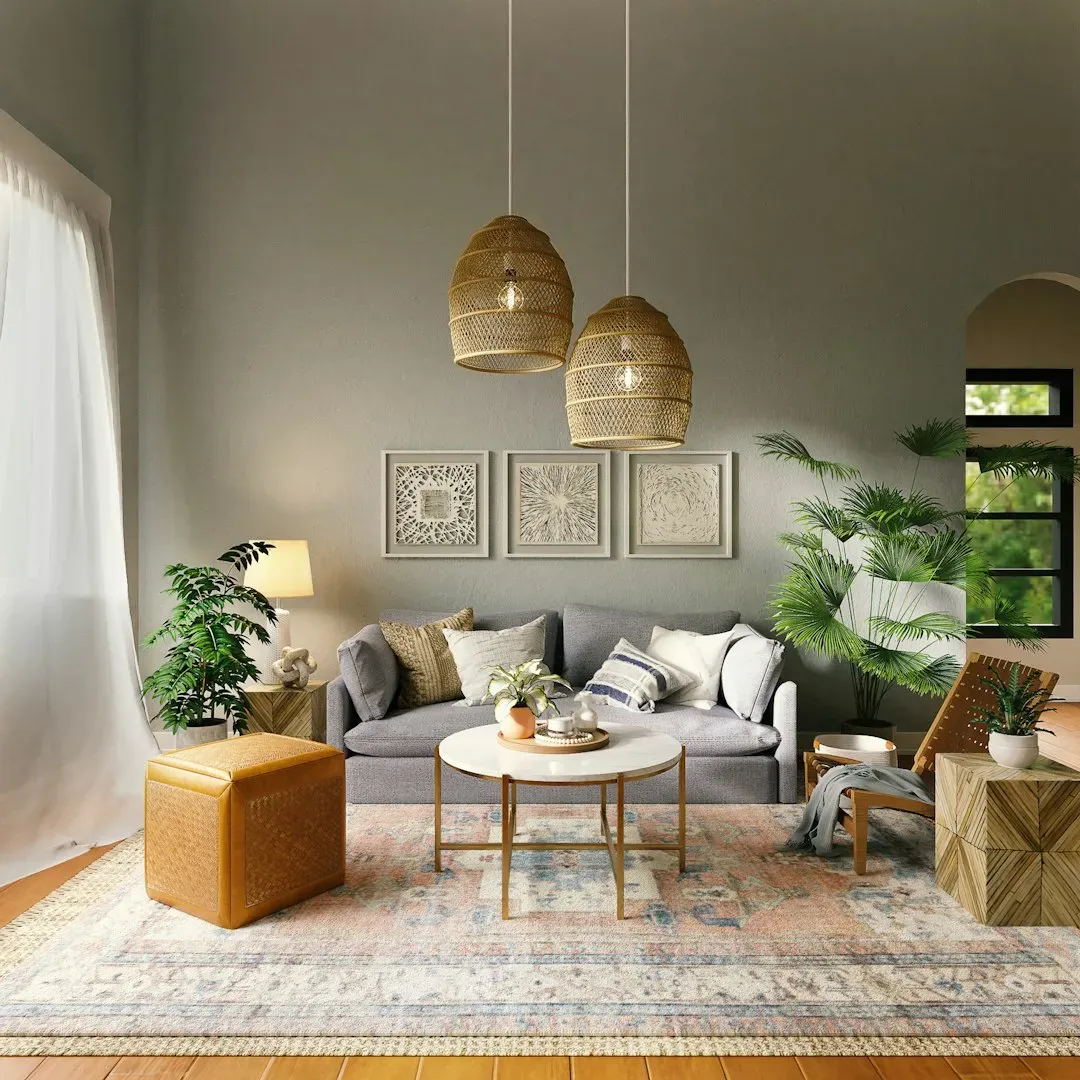
Design theory has traditionally praised symmetry for creating visual harmony, and to some extent that remains true. However, perfect symmetry in every element of a room can create a subtle sense of rigidity rather than comfort. Human eyes are drawn to focal points and gentle asymmetry, which feels more natural and less staged.
Slight variation, such as uneven bookshelves or asymmetrical seating arrangements, mimics how spaces evolve organically over time. This organic irregularity is part of why older homes, updated gradually rather than all at once, often feel more grounded. A living room that has grown slowly tends to feel more authentic than one assembled all at once from a single catalog.
The Sensory Layer Most Design Advice Ignores
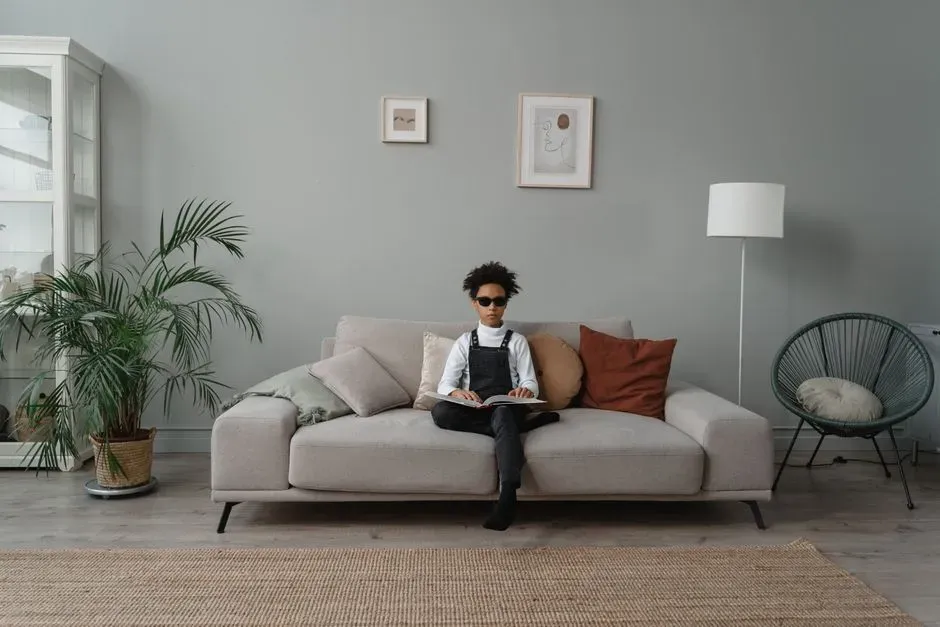
Visual design dominates most home advice, yet smell, sound, and temperature play an enormous role in comfort perception. A quiet hum of a room, the way sound travels or gets absorbed by soft furnishings, and even subtle scent all shape how a space feels within seconds of entering it. These sensory layers are rarely mentioned in design guides, yet they strongly influence whether someone feels instantly at ease.
Rooms with hard surfaces and minimal soft furnishings often create an echo that subtly registers as coldness, even if the visitor cannot identify why. Soft textiles, rugs, and curtains dampen sound and add warmth beyond their visual appeal. This is part of why sparsely furnished, ultra minimal rooms can feel visually striking but emotionally distant.
How Real Homeowners Are Rethinking Comfort in 2025 and 2026
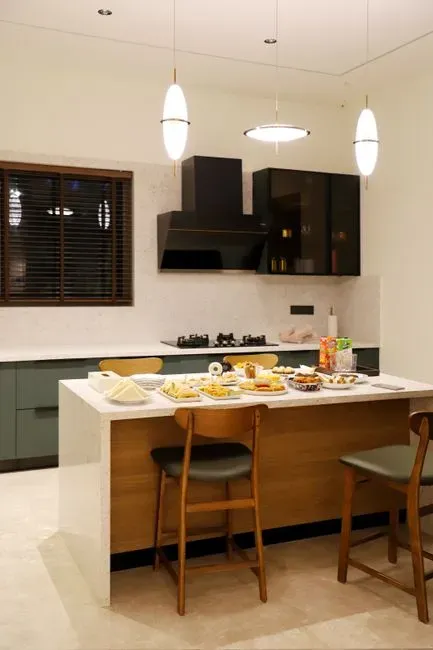
Recent design coverage into 2025 and 2026 has highlighted a broader cultural shift away from aspirational perfection and toward what many designers now call intentional imperfection. This includes visible repairs, inherited furniture mixed with new pieces, and rooms that reflect lived experience rather than a single cohesive aesthetic. The appeal lies in authenticity rather than uniformity.
This shift also reflects practical realities, including inflation and higher costs for full scale renovations, which have pushed many homeowners toward gradual, personal updates instead of complete overhauls. The result tends to be homes that feel more layered and more reflective of actual daily life. Comfort, in this context, has become less about achieving a look and more about supporting how people genuinely live.
The Quiet Confidence of Homes That Do Not Try Too Hard
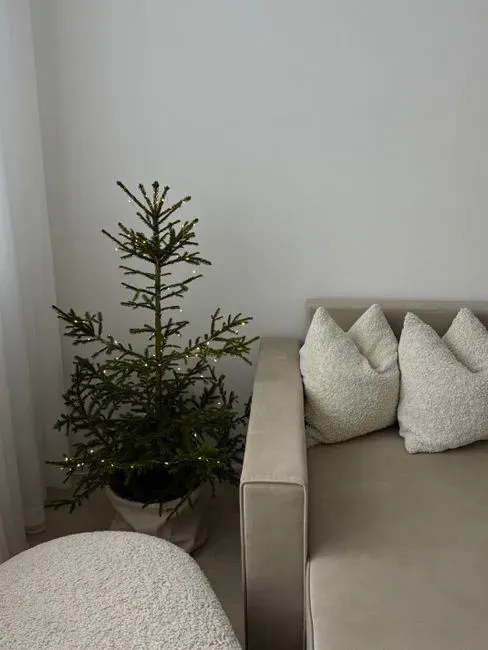
The homes people remember fondly are rarely the ones that impress instantly. More often, they are the ones that feel effortless, even if real thought went into creating that effect. There is a quiet confidence in restraint, in choosing comfort over spectacle, that tends to resonate long after the initial visual impression fades.
This does not mean effort is absent, but rather that the effort is invisible, focused on function and feeling rather than appearance alone. A home that does not try to prove anything often ends up saying the most about the people who live there. That subtlety, more than any single design choice, is what makes a space feel genuinely comfortable rather than simply impressive.