
Spend a few minutes scrolling through interior design feeds or walking through a well-curated home shop in 2026, and something stands out. The pale oak, the blonde birch, the washed-out minimalism that ruled home interiors for the better part of a decade is quietly yielding to something richer. Darker. More grounded.
Dark wood furniture is making a grand comeback, bringing with it a sense of sophistication, warmth, and timeless appeal. After years of light oak, bleached wood, and Scandinavian minimalism dominating interiors, people are craving richness and character in their furniture choices. The shift feels less like a fleeting trend and more like a collective exhale after years of living with furniture that felt almost too careful.
A Long History of Coming and Going
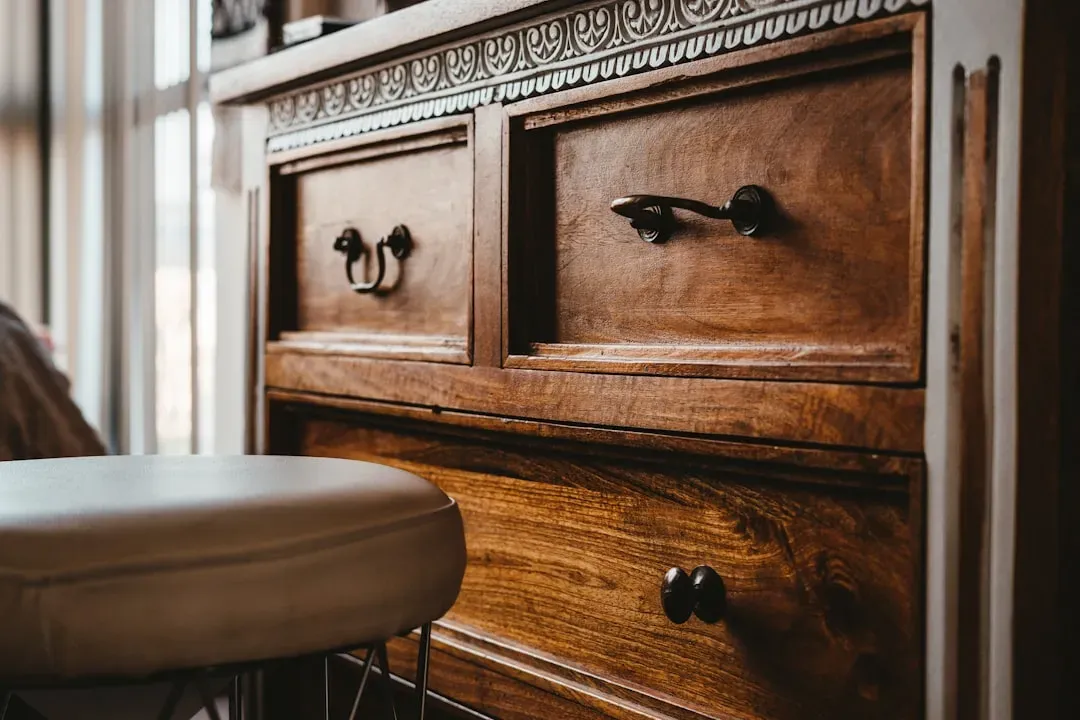
Dark wood has come and gone several times throughout interior design’s history. Opulent and grand-looking dark wood reigned over the interior design aesthetic of the Georgian and Victorian eras in the 1800s. Dark wood then made a notable resurgence in the mid-century modern style of the 1960s.
Dark wood has always ebbed and flowed in popularity, making its mark throughout history – from the Victorian era and the arts and crafts movement to the mid-century modern era and the 1980s and 1990s. For the last decade or so, as lighter-toned blonde woods have dominated, their dark wood counterparts have since been considered pretty dated. That perception is now changing with real momentum behind it.
The Pale Wood Era Is Running Out of Steam
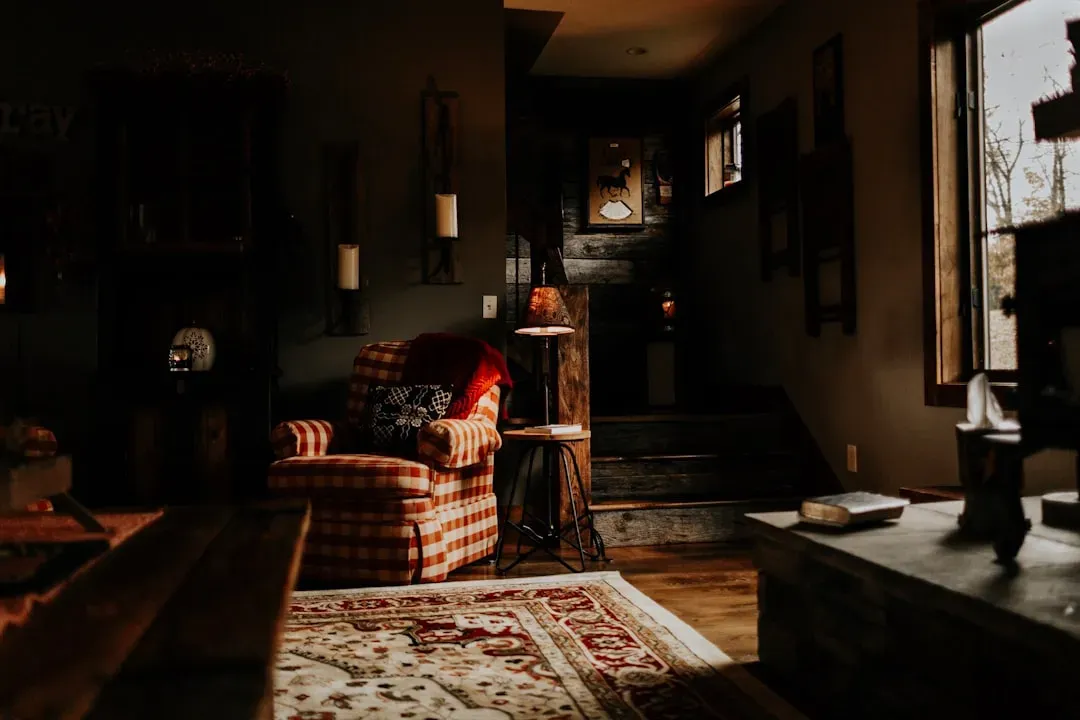
Ever since the early 2010s minimalist farmhouse craze, light colors dominated the home design space. White shiplap walls, pale sofas, and whitewashed cabinets became the go-to choices since they brighten up a space and make it feel more spacious and airy. Design preferences like minimalist decor and the desire for bright, natural light further complimented the lean toward lighter woods like beech, birch, and ash.
Some interior designers say it may be as simple as people being tired of grays, beiges, and similar lighter wood colors. Others believe that people are looking for ways to create a cozier atmosphere in the home, which the warmth of dark wood colors provides as it draws the elements together. After so many years of the same restrained palette, the appetite for something with more soul is understandable.
Maximalism and the Grandmillennial Effect
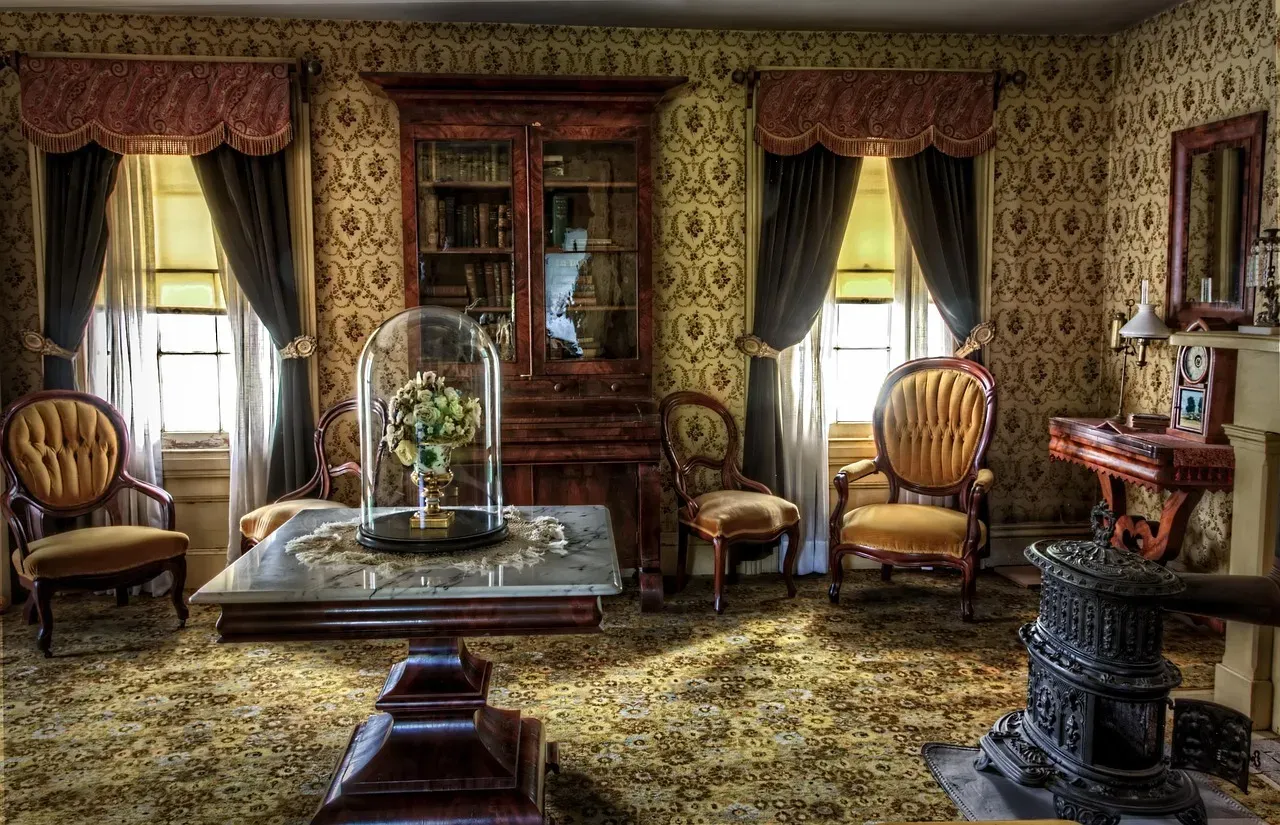
The dark wood revival is part of a broader interior design movement that is swinging away from stark, minimalist design and more toward maximalist looks. The introduction of the “Grandmillennial” style in 2019 – which blends opulent, traditional styles with modern, chic designs – brought maximalism to its peak resurgence in 2024. Fewer and fewer designers are opting for the sterile appearance of minimalism.
Grandmillennial style is an interior design trend that blends traditional decor elements – like floral patterns, vintage furnishings, and classic silhouettes – with a youthful twist. It embraces nostalgia through maximalist layering, rich textures, and antique-inspired details, while keeping the overall look fresh and curated for modern living. Dark wood fits naturally into this world, anchoring rooms with the kind of presence that lighter finishes simply cannot replicate.
Walnut, Mahogany, Cherry: The Species Leading the Charge
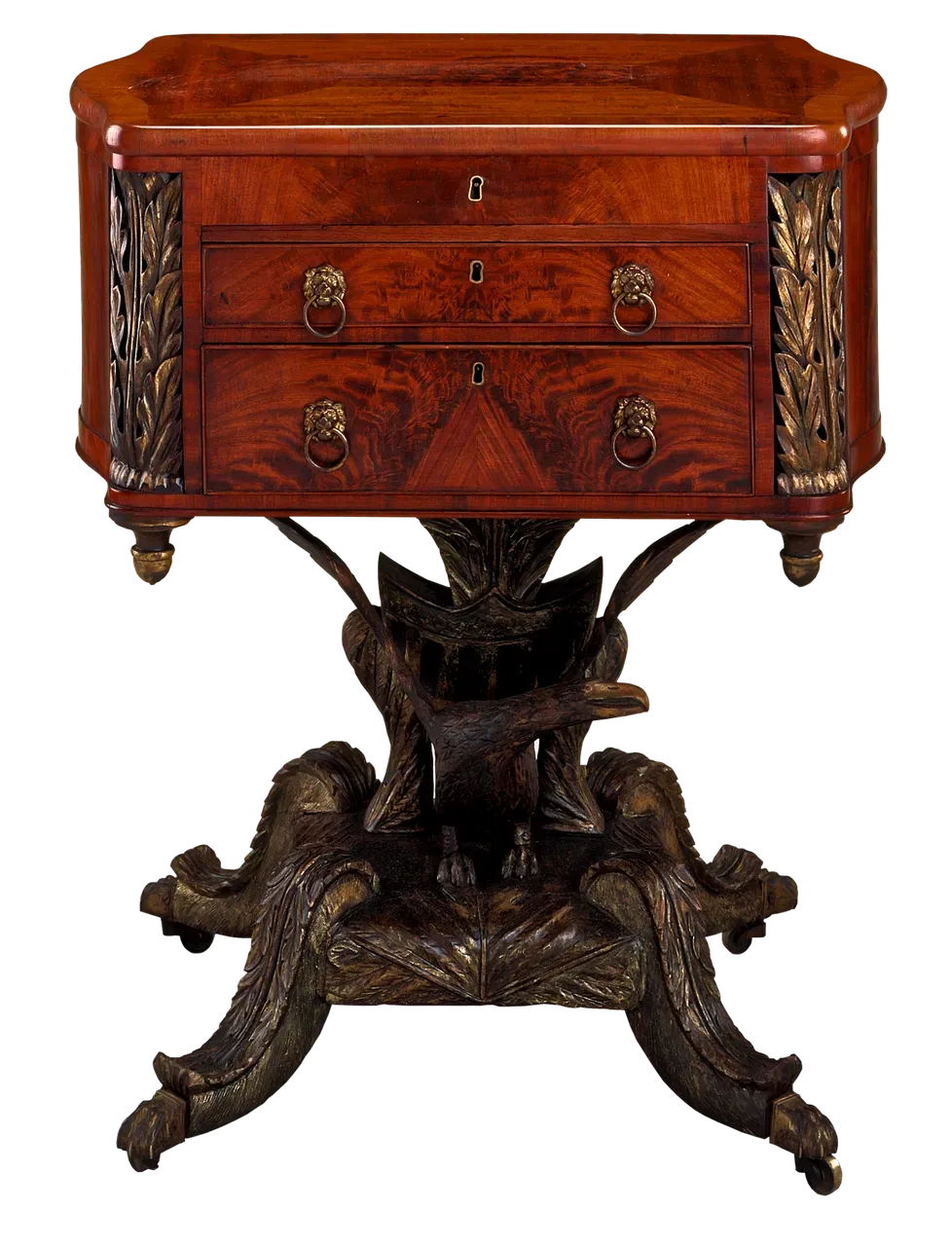
Cherry, walnut, and mahogany are generally considered to be dark woods. They often get a bad rap for being “dated,” but it’s all in the pieces you choose and how you style them. Paired with clean silhouettes and modern accessories, these woods feel anything but old-fashioned.
Beloved for its rich red tones and characterful presence, mahogany is genuinely back on trend – though according to some designers, it never really went away. Sometimes simply referred to as “brown furniture,” mahogany can instantly make a contemporary space feel rich and layered, adding warmth and contrast. Decorating with antiques, like mahogany pieces, provides a transitional old-meets-new contrast that feels collected and curated.
The Latte Decorating Trend Is Driving the Look
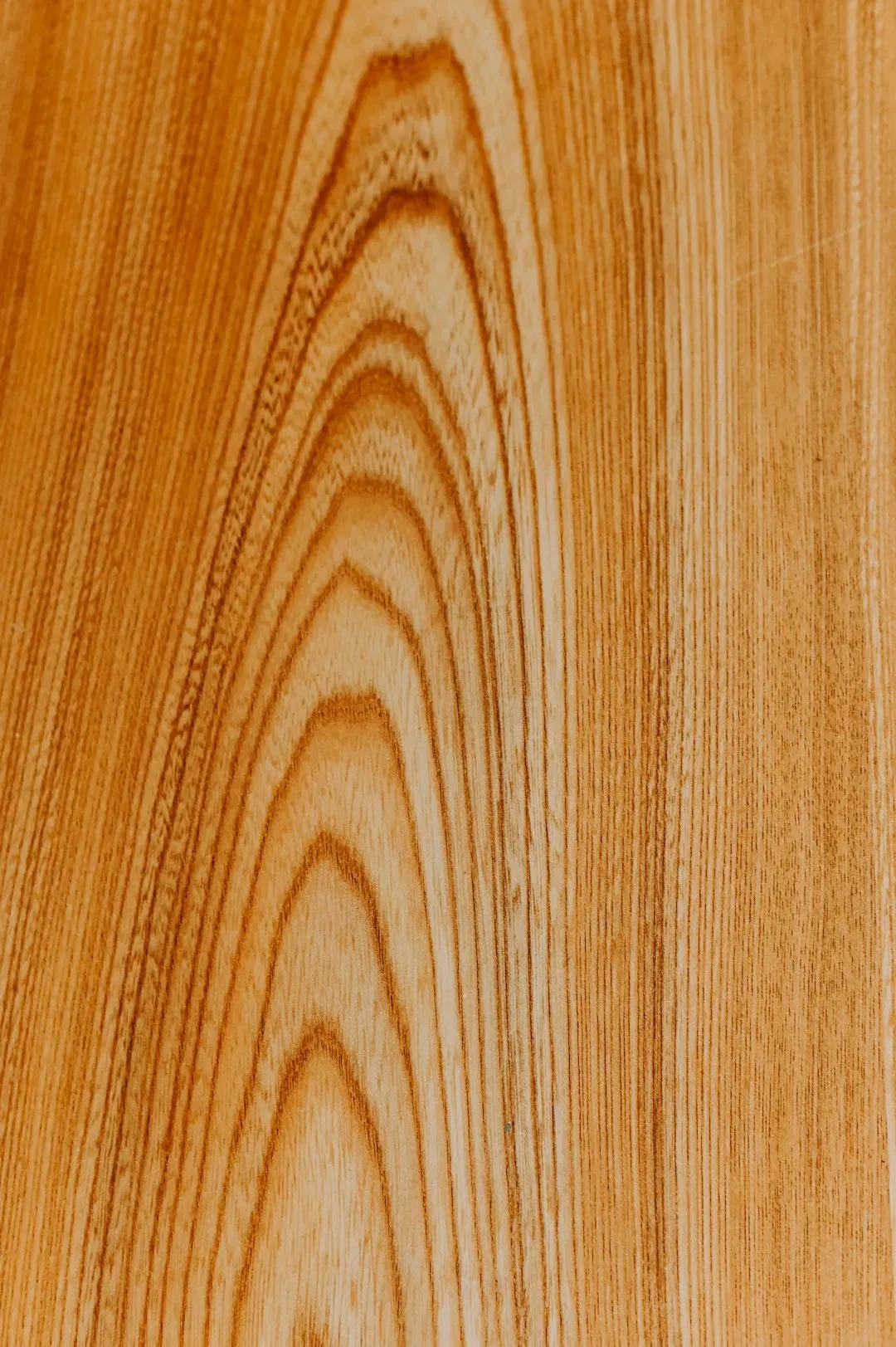
With warmth being the standard for design in 2026, you might think that lighter woods are the preferred material. But this year, darker woods are making a comeback. The concept of “latte decorating” takes the warm, creamy depths of a cup of coffee and turns it into design – and it’s perfect for choosing darker woods.
Rich, deep, chocolatey wood tones imbued with an old-meets-new warmth, charm, and character are on the rise. Design is shifting back toward warmth, depth, and character, and darker wood is now appearing in furniture, cabinetry, wall panels, ceiling beams, doors, and trim – not as a throwback to the past, but as a refined statement that makes spaces feel grounded and timeless.
Professional Designers Are Endorsing the Shift

According to Apartment Therapy’s big designer survey for 2025, in which over 154 designers were polled on their favorite trends and design predictions, many of the top pros are in favor of dark wood’s return. That kind of professional consensus carries weight.
Designers are seeing dark wood stains grow in popularity once again. Many believe it is likely that darker wood tones will appear with more frequency in the coming years, making their way into features like accent walls, shelving, paneling, doors, and molding. The change is showing up across furniture, architecture, and the full interior envelope of a room.
A Practical Case for Dark Wood in Busy Homes
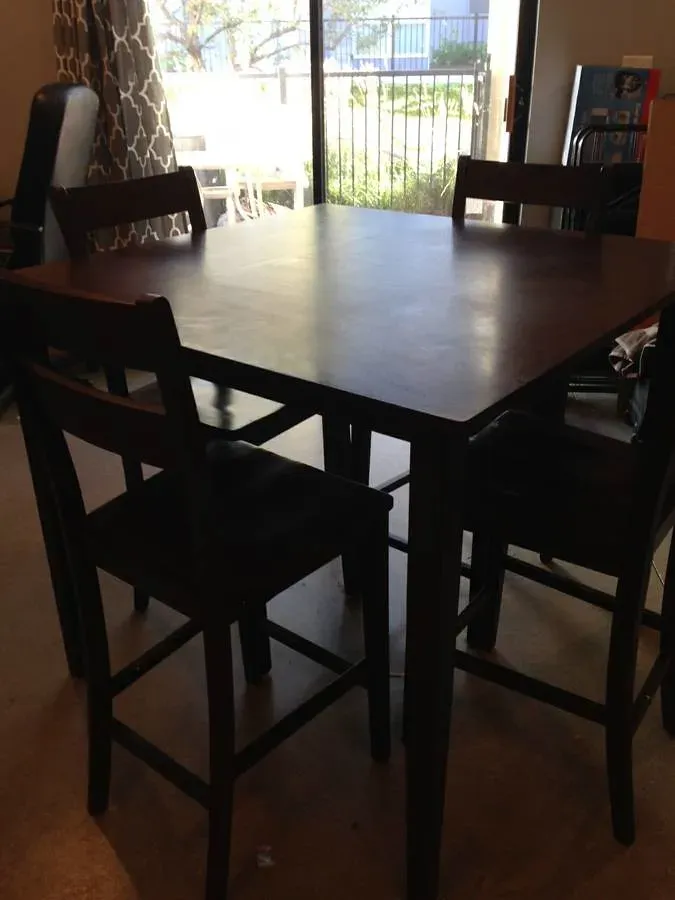
The shift toward dark wood furniture aligns with a broader trend toward maximalism, cozy interiors, and a desire for deeper, moodier aesthetics. As homeowners embrace jewel-toned walls, layered textures, and vintage-inspired decor, dark wood furniture seamlessly complements these choices. Dark finishes also have a practical advantage: they can show less dirt and wear than lighter woods, making them a smart choice for busy households.
In recent years, lighter-toned wood finishes have been popular, but dark wood tones offer a richness and timelessness that grounds the space. They have always brought weight to rooms, creating a setting that feels a little more moody and generating a sense of intimacy for the home. For families with children, pets, or simply daily life, that resilience is more than cosmetic.
Secondhand Markets Are Fueling the Revival
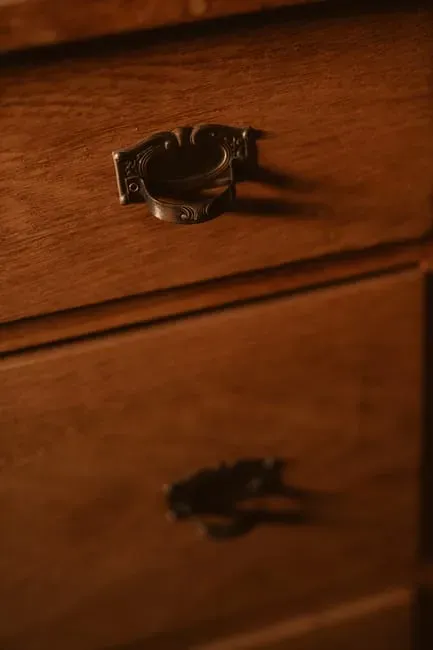
Designers are actively on the lookout for dark wood furniture in great condition when shopping, especially at flea markets or estate sales. Darker finishes define the wood furniture trend making a comeback, which you can embrace by adding a statement piece with a luxurious wood stain. If you want to save money when buying new furniture, look at secondhand stores, where older, dark-colored pieces are often found.
Brown furniture is the ultimate sustainable choice. These pieces are already made, solidly built, and easy to restore. Instead of buying mass-produced furniture that could end up in a landfill within a few years, you are investing in something that has already survived a century and will easily last another. The sustainability argument alone has shifted how younger buyers think about what used to be dismissed as “grandma’s furniture.”
How to Style Dark Wood Without Overdoing It
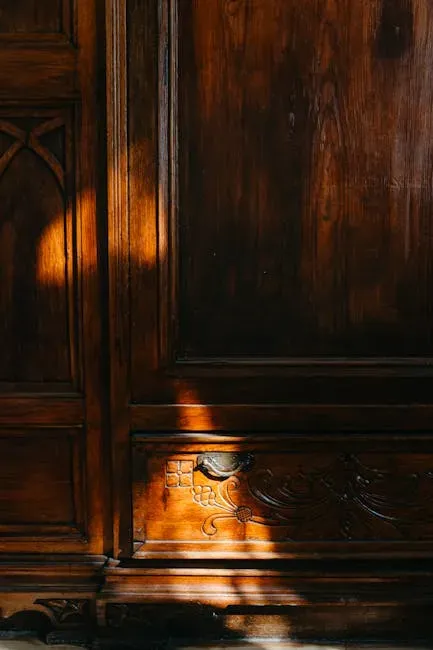
Darker wood has considerable visual weight and presence in a room. To keep dark furniture from feeling heavy or outdated, opt for one or two statement pieces rather than a matching set. Select items that are less imposing and have sleeker silhouettes, mixed materials, or surprising details.
To create a timeless look with dark wood furniture without overdoing the lavishness, balance is key. Since these dark pieces automatically carry more visual weight, you’ll want to offset them with lighter design elements – think light-colored walls, soft linen curtains, and other textiles in light, muted tones. Since dark wood furniture has a rich, stately feel, it pairs beautifully with equally luxurious materials. Velvet upholstery, silk curtains, and brass or aged gold accents enhance the sophisticated appeal.
The Bigger Market Picture
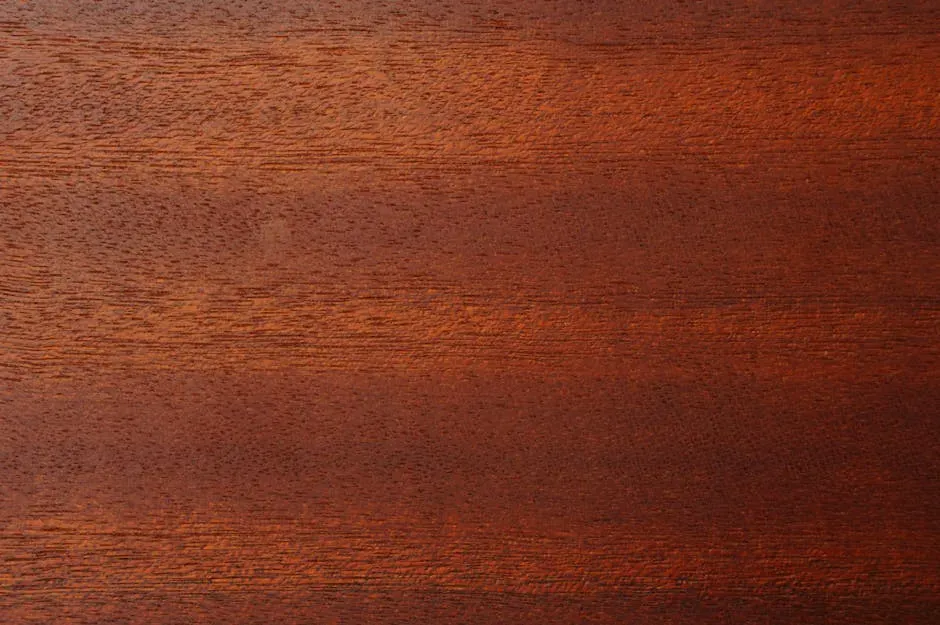
The global mahogany market is experiencing robust growth, driven by its high value in furniture, construction, and decorative applications. In 2024, the market was valued at roughly 1.33 billion USD and is projected to nearly double in value by 2033. That kind of trajectory reflects genuine, sustained consumer demand, not a momentary mood.
Premium wood types such as oak, walnut, teak, and mahogany continue to dominate the high-end furniture segment, with buyers favoring intricate craftsmanship and long-lasting durability. This expansion reflects rising demand for premium home decor and interior furnishings, growth in residential construction and renovation activities, and increasing consumer preference for sustainable and solid wood products. The numbers point toward a shift that is structural, not seasonal.
Dark Wood as a Lasting Investment, Not Just a Trend
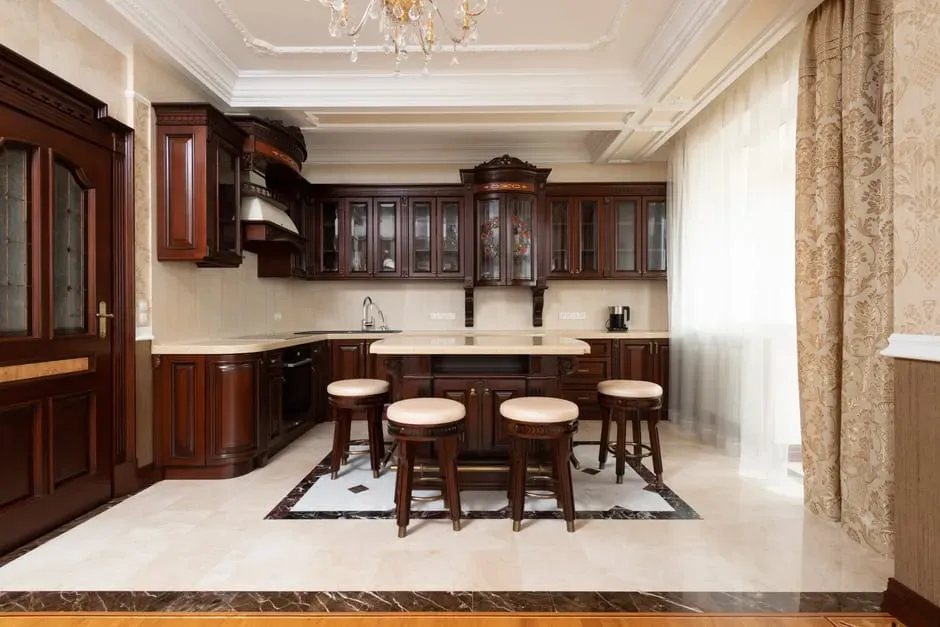
What people really want in their homes now is a unique personality and a lived-in, layered look that’s full of character. Dark wood delivers on that desire since it elevates the space with both sophistication and warmth while bringing a sense of permanence and stability. Tomorrow’s homes will have more soulful, grounded aesthetics, and the dark wood home decor trend is hitting all the right notes.
Dark wood furniture is what gives rooms that sense of history and permanence. When you mix a vintage mahogany dresser with contemporary bedding, or place a carved walnut sideboard beneath modern abstract art, you create visual depth that simply cannot be achieved with all-new furniture. This layered approach makes spaces feel personal and curated rather than catalog-ordered. There’s a certain honesty to a piece of furniture that carries its age openly, and right now, that honesty is exactly what people are decorating toward.