
There was a time when a white room with bare walls and a single potted plant felt like the height of sophistication. For much of the 2010s, minimalism dominated everything from Instagram feeds to architectural digest spreads. Sparse was smart. Empty was elegant. The less you owned, the more refined you seemed.
Something has quietly shifted. This year’s defining design trends reflect a collective shift from stark minimalism toward layered spaces, natural materials, and color palettes inspired by the world outside our windows. Homeowners and designers alike are beginning to question whether a space stripped of warmth and personality ever truly felt like home at all.
The Ultra-Minimalist Look Is Losing Its Appeal
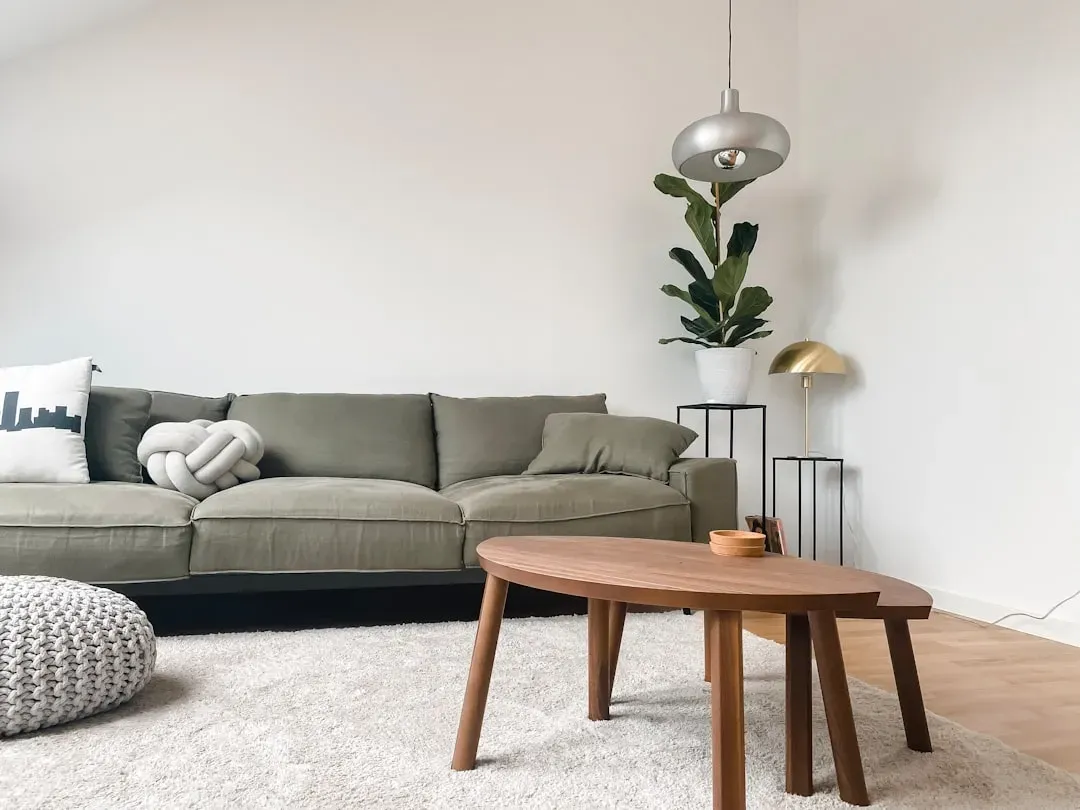
Though the ultra-minimalist aesthetic has been trendy for a while, ostensibly as a way to minimize clutter and streamline interior design, some experts say this “less is more” style is on its way out and will feel outdated in 2026. The critique isn’t really about tidiness. It’s about soul.
In short, it’s a little bland, and decorating in this style exclusively can make your living room feel stiff or devoid of personality. When a room looks like a stage set rather than a lived-in space, the people inside it often feel like guests rather than residents.
The Emotional Cost of Empty Rooms
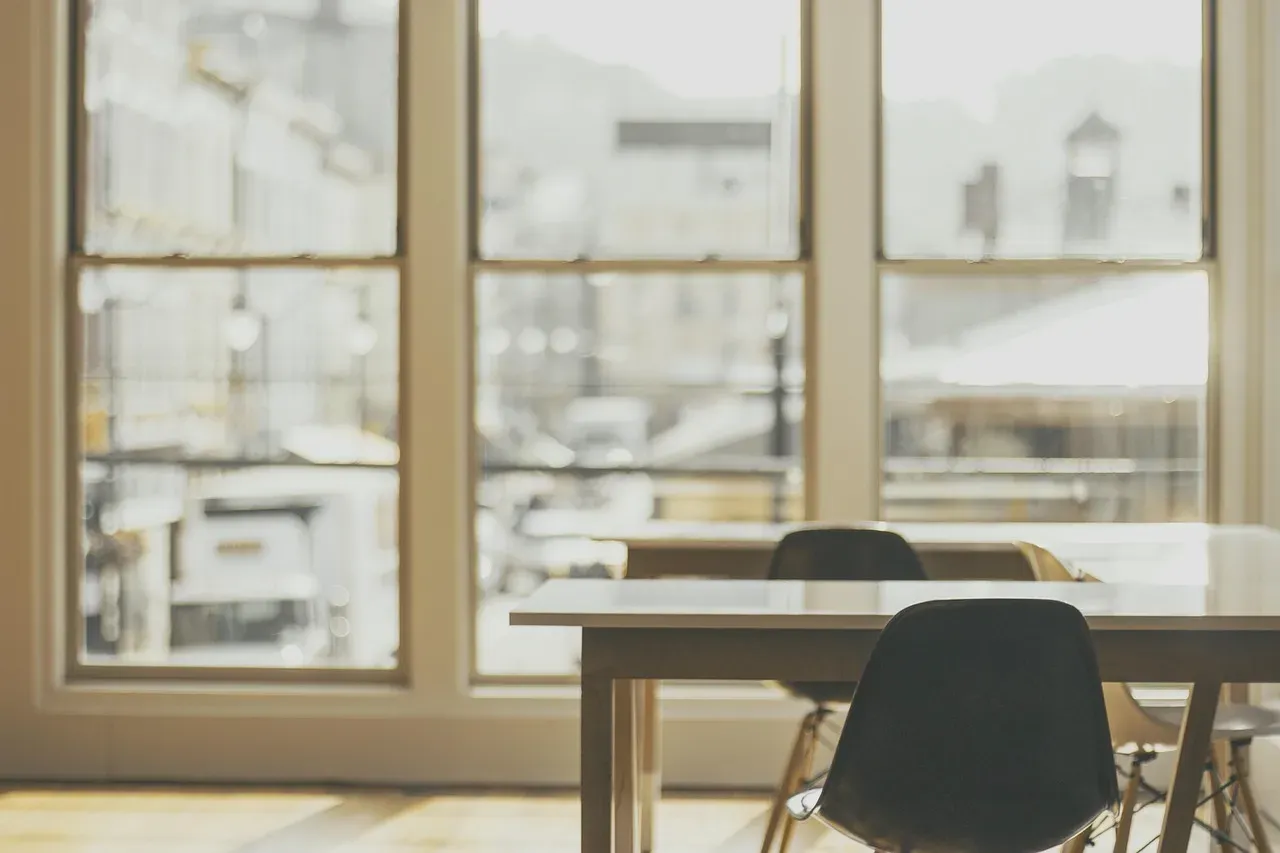
Minimalism has always had a psychological argument behind it. A clutter-free environment plays a significant role in reducing stress and creating a sense of calm. When your surroundings are chaotic, your mind often mirrors that disorder, leading to feelings of overwhelm and anxiety. On the other hand, an organized space allows your brain to relax, knowing that everything has its place.
The problem is that many ultra-minimalist homes went too far in the other direction. They eliminated not just clutter, but comfort, texture, and memory. There was a collective craving for simplicity, but not the clinical simplicity of pure minimalism. People wanted clarity, but also comfort. Quiet, but also warmth. A home stripped of warmth isn’t restful. It can start to feel closer to a waiting room.
Warm Colors Are Replacing the All-White Palette
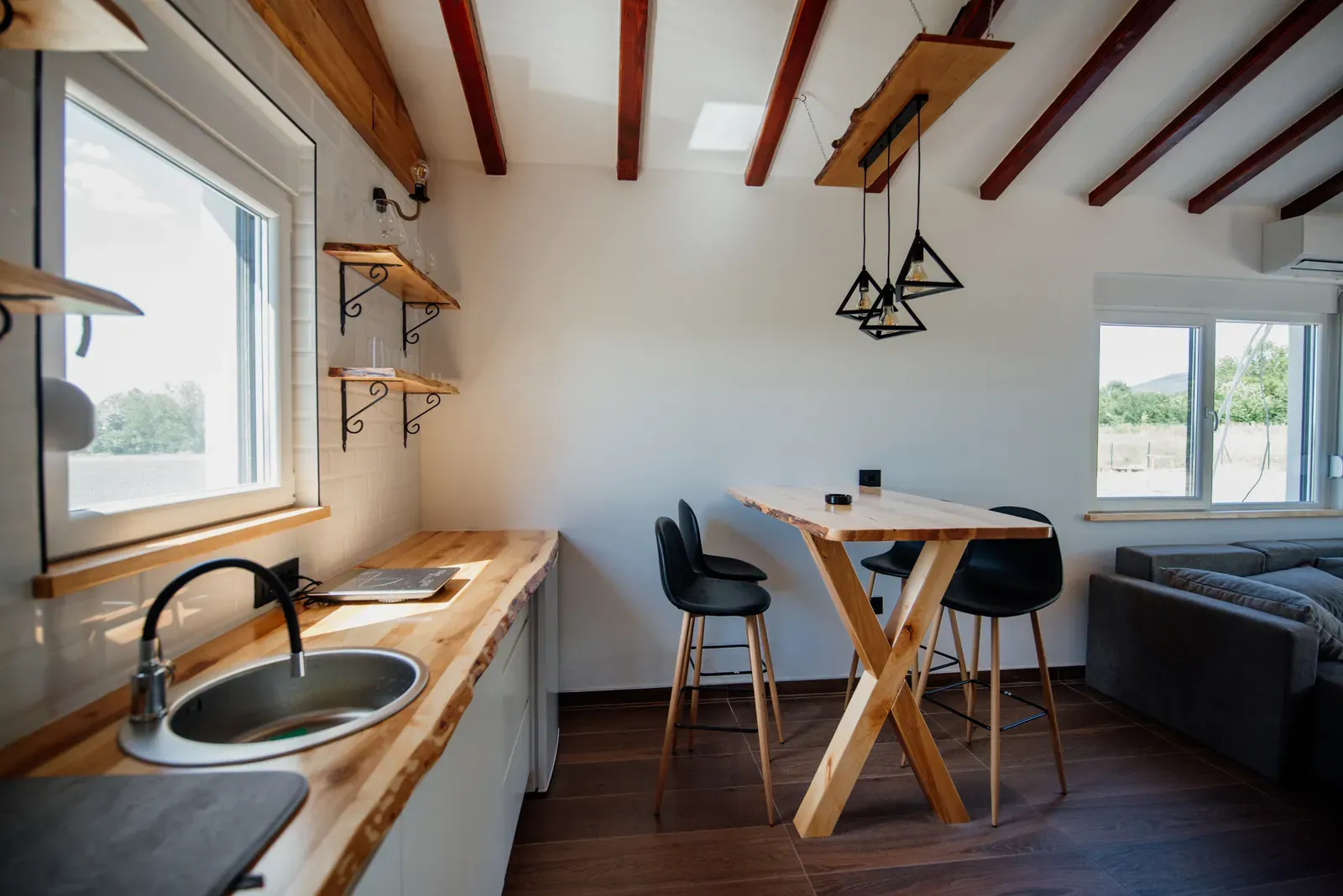
The all-white “rental stage set” look is quietly fading. In 2026, minimalist rooms lean into coffee, mocha, mushroom, clay, and caramel rather than harsh, icy white. It’s a meaningful shift. These tones carry a different emotional weight entirely.
Home palettes shift from sterile white minimalism to “mature warmth” using deep, muddy, and dusty earth tones. Interiors now feature honey tones, tobacco leather, and dark woods for a deeper, more emotional feel. Light-absorbing neutrals create intentional spaces that feel authentically human, not just tidy. Color, it turns out, isn’t excess. It’s oxygen.
Thoughtful Maximalism Has Taken the Stage
Designers agree that 2026 marks a confident move away from cool, pared-back neutrals and towards warmer, more expressive interiors. Deeper, more complex colour palettes, curved furniture, playful forms and a growing love for vintage over ultra-modern design are all coming to the forefront. This isn’t a dramatic departure from last year’s trends, as we’ve already seen interiors drift from minimalism towards maximalism, but 2026 places a stronger emphasis on tradition, intention and homes that feel truly lived-in.
Modern maximalism focuses on “intentional storytelling” rather than clutter. It pairs bold pattern-clashing and tones with curated collections of art and vintage finds. By unifying diverse pieces through a common color or theme, you create a space that feels personal, sophisticated, and artfully designed. The goal isn’t chaos. It’s character.
Open-Plan Living Is Being Quietly Reconsidered
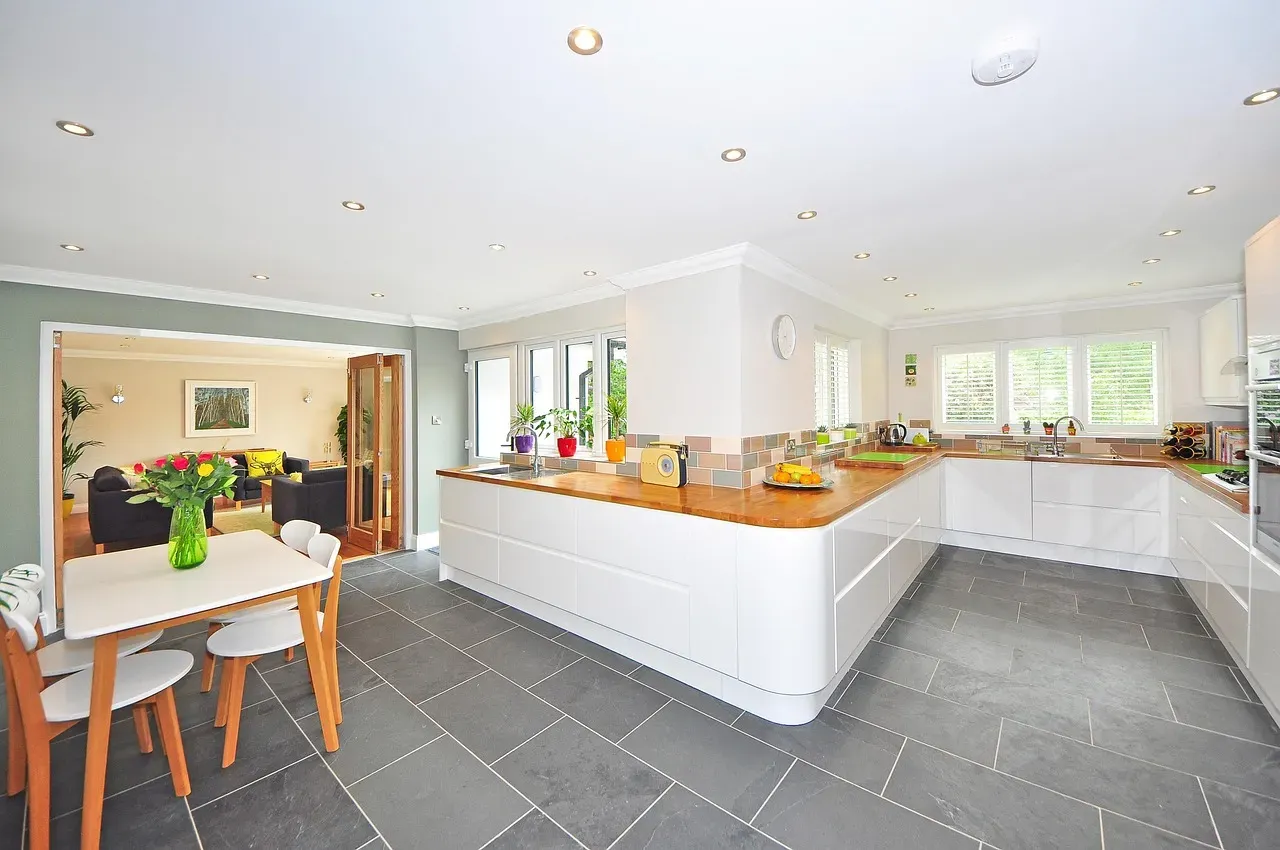
Minimalism and open-plan layouts were natural partners for decades. Knock out the walls, flood the space with light, and remove every barrier between cooking and living. It photographed beautifully. Actual life was more complicated. Some architects and homeowners are starting to rethink the open-plan craze. Post-pandemic life, where homes doubled as offices, classrooms, and sanctuaries, highlighted the need for separate spaces.
We are leaving the era of open-plan living behind, focusing instead on “smart shrinking” to maximize functionality in smaller spaces. Expansive rooms are replaced by integrated pocket spaces, cozy nooks, and mini-libraries, offering deep personality and thoughtful, human-scaled intimacy. People miss having a room that actually belongs to something.
Vintage and Handcrafted Pieces Are Filling the Gap
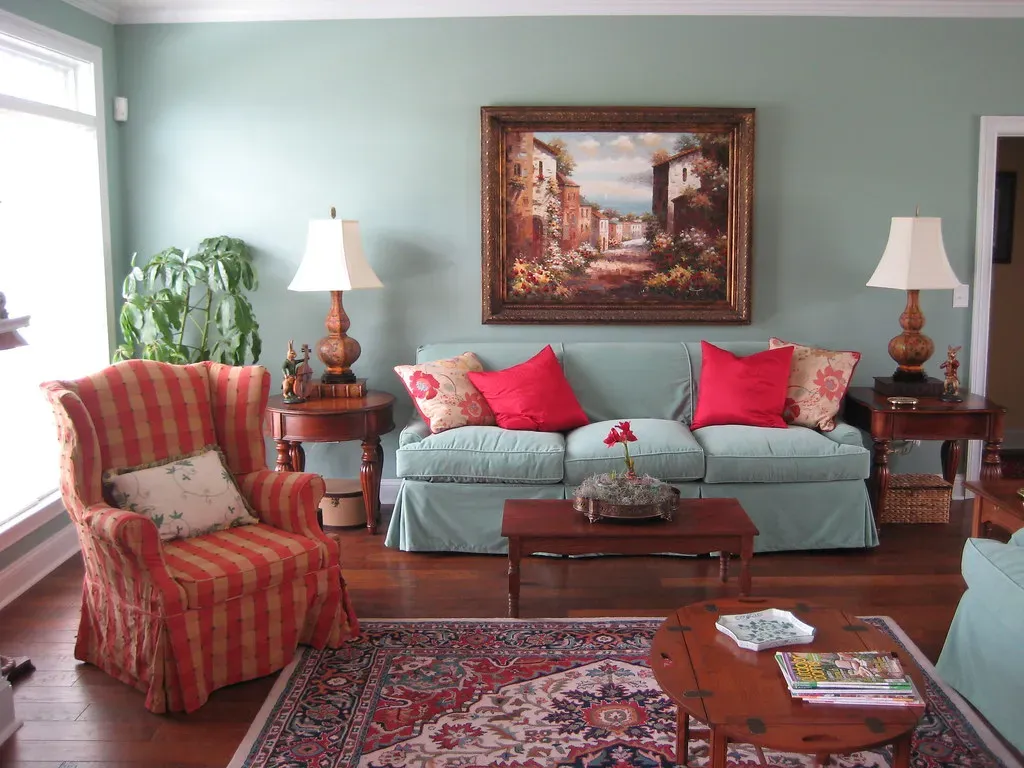
One of the clearest signs of the backlash against sterile minimalism is where people are spending their decorating budgets. Designers report that, on average, more than a third of items specified in 2025 projects were vintage or antique, with a large majority regularly sourcing twentieth-century vintage and a growing share incorporating pre-1920 antiques. This tilt away from customization and toward historically crafted pieces is framed as both sustainable and strategically differentiated.
People want “story-rich” furniture: a carved coffee table that looks like it could have been inherited, even if it shipped last week. That desire for patina and provenance is the direct opposite of a minimalist aesthetic built on clean lines and anonymous surfaces. Designers anticipate more people embracing soulful materials, handcrafted details and layered silhouettes that invite you to exhale rather than perform.
Texture Has Become the New Foundation
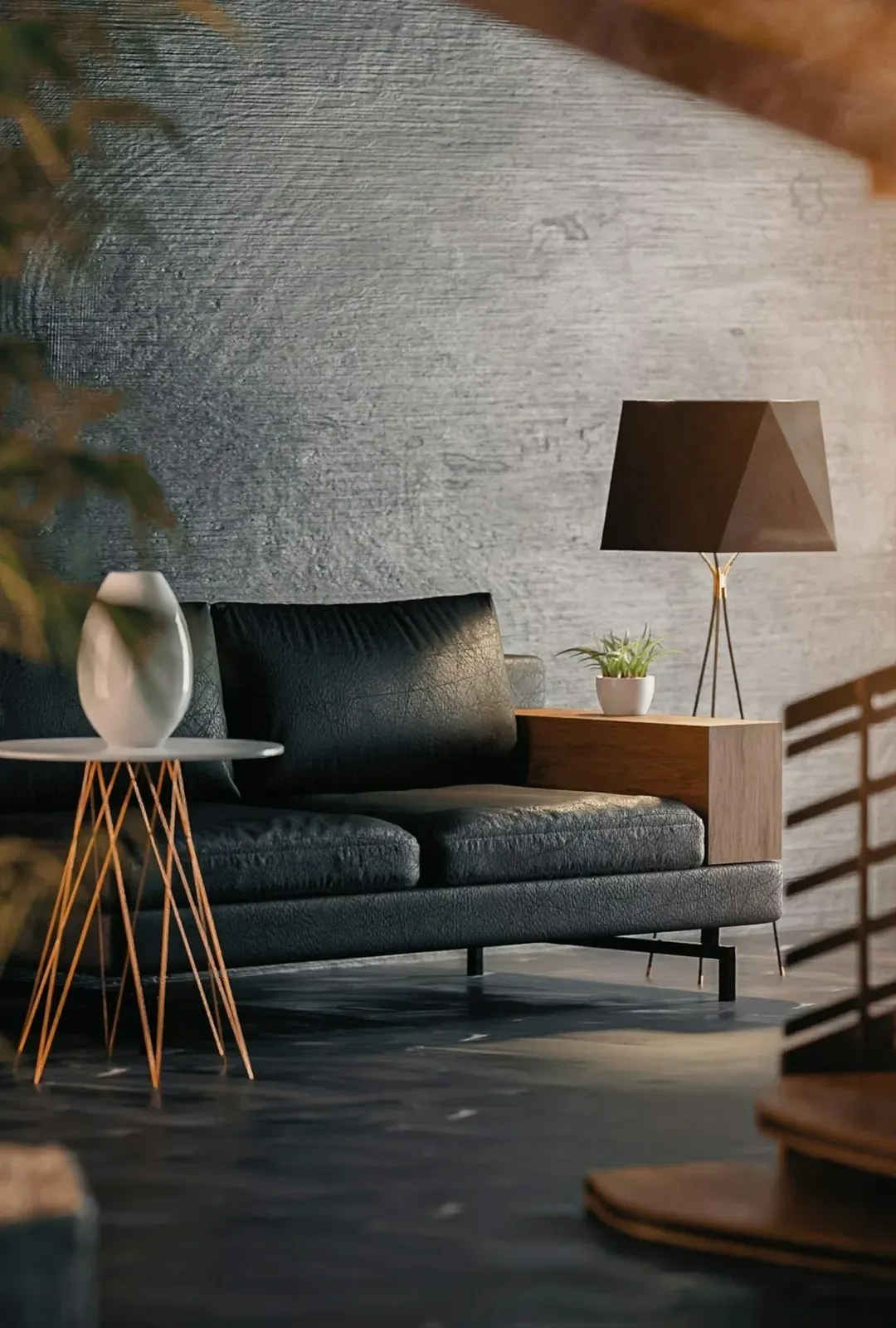
In 2026, texture is no longer an accessory. It’s becoming the foundation of interior design. Materials are being used architecturally to anchor spaces and create a sense of quiet luxury. This is a direct rebuke to the flat, smooth surfaces that defined peak minimalism.
Furniture combines utility and art, featuring bold, sculptural, and organic silhouettes. Low-slung, seventies-inspired profiles create relaxed lounge areas, and tactile fluting and reeding add handcrafted depth to cabinetry and frames. They transform functional objects into pieces that define a room’s character. A room you can touch, lean into, and genuinely occupy is something minimalism rarely offered.
The Rise of Warm Minimalism as a Middle Ground
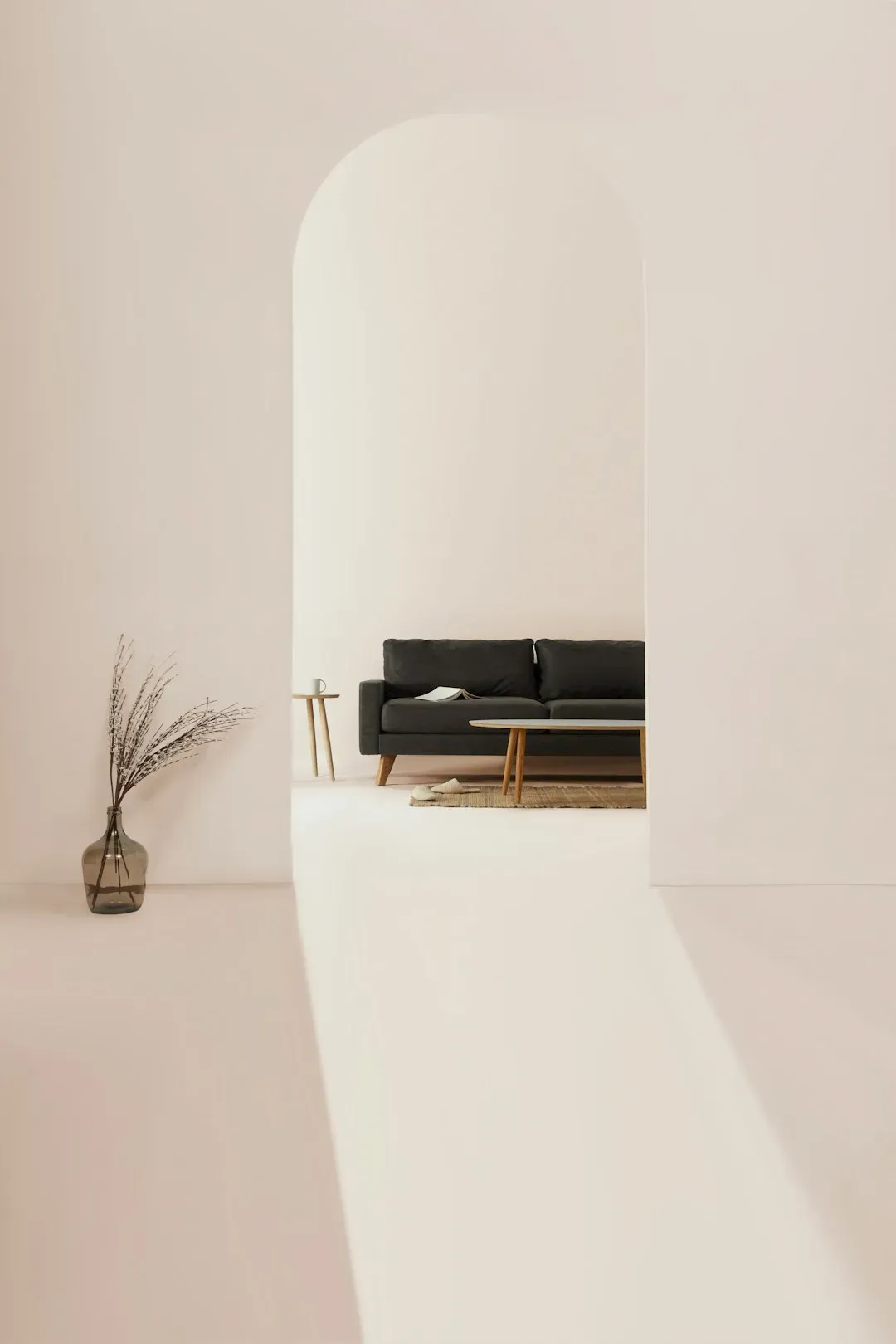
Not everyone is ready to embrace full maximalism, and that’s entirely reasonable. What has emerged as a compelling alternative is something designers are calling warm minimalism. The look blends minimalist decor ideas with warm color schemes, textures, and patterns to create an interior design trend that feels lived-in, inviting, and right for 2026.
After years of extremes, with the cool restraint of minimalism on one end and the exuberant layering of maximalism on the other, warm minimalism works as a comforting bridge between the two. Calm but characterful, simple but never sterile. It keeps the clarity people appreciated about minimalism while adding the warmth that was always missing.
The Home Decor Market Is Reflecting the Shift
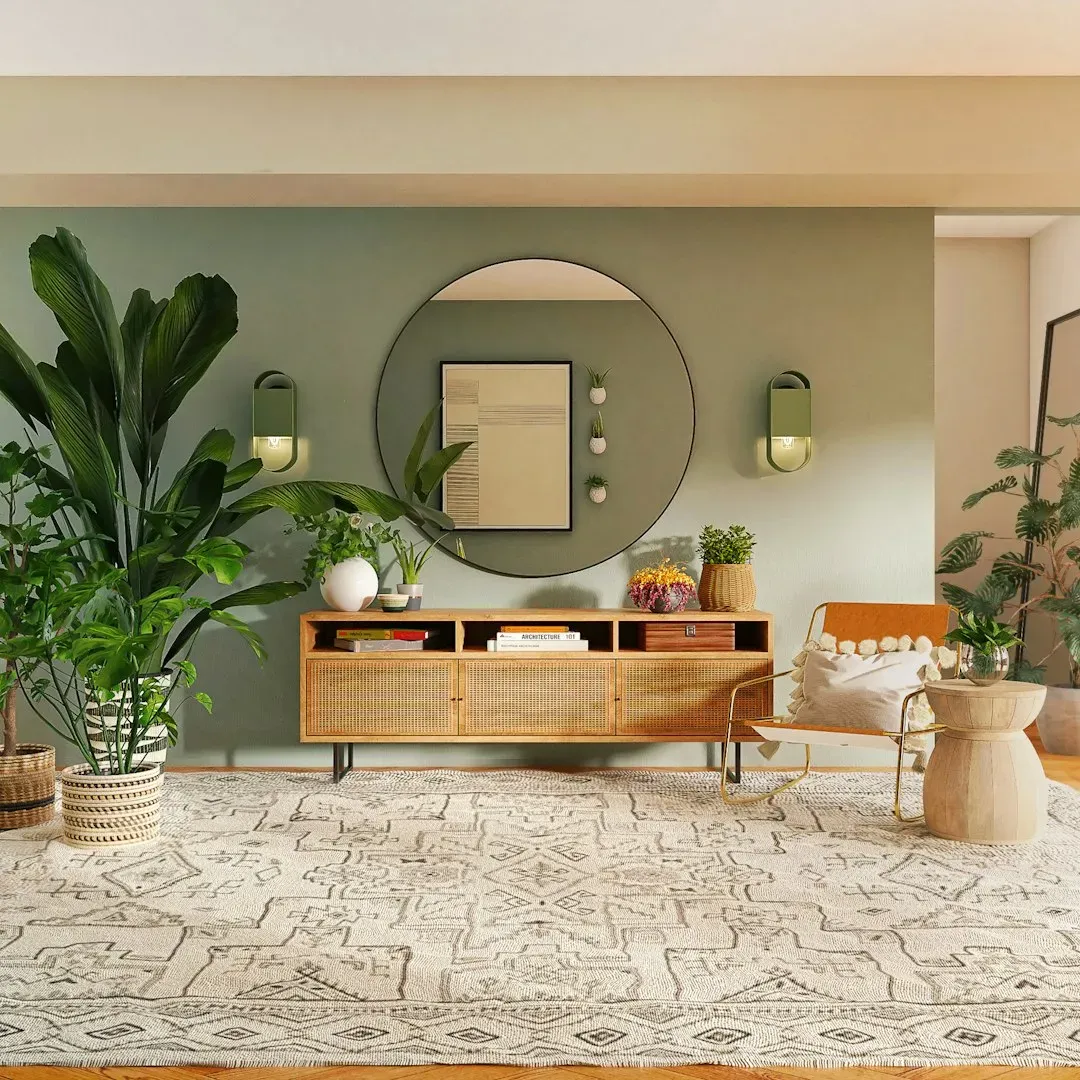
Changing tastes in design aren’t just aesthetic observations. They show up in spending patterns and market data. The home decor market was valued at around $960 billion in 2024 and is projected to reach over $1.6 trillion by 2030, as consumers treat furniture as a long-term investment. Buyers are increasingly choosing pieces that will age well visually rather than those that simply look clean in photos.
Both warm minimalism and elevated traditional interiors are converging around sustainability. Consumers are increasingly choosing bamboo, reclaimed wood, recycled metals, and low-VOC finishes, and over 60% of consumers say they prefer environmentally friendly furniture options. The longevity argument and the warmth argument, it turns out, point in the same direction.
What This Means for How We Think About Home
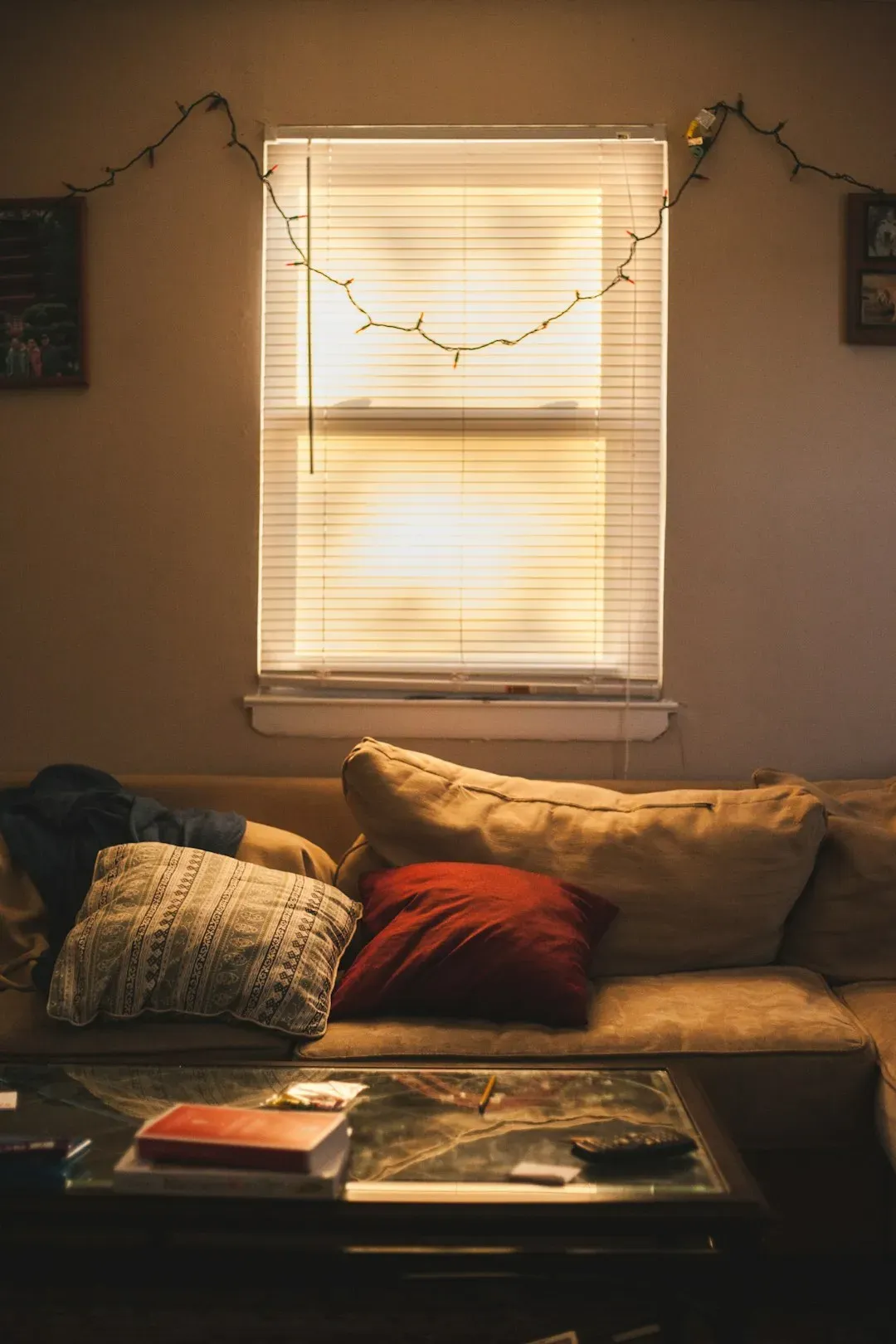
The interior design landscape for 2026 feels quieter and warmer than in recent years. Rather than chasing what’s new, designers are doubling down on what lasts, creating homes rooted in comfort, craftsmanship, and personal meaning. That orientation toward permanence is itself a reaction to a decade of interiors built to look good on a screen rather than feel good in person.
If there’s one defining takeaway from designers this year, it’s that homes are becoming more personal than ever. Cookie-cutter interiors and trend-driven spaces are giving way to rooms that reflect the people who live in them. In the end, minimalism didn’t fail because it was too simple. It faltered because simplicity alone was never quite enough to make a place feel like yours.