
There’s a peculiar truth about bathrooms: they’re often the smallest rooms in a home, yet they carry enormous weight in how a property feels overall. Walk into a bathroom that has been thoughtfully updated and something shifts. The space signals care, comfort, and quality in a way that a freshly painted living room simply doesn’t. It’s personal. It’s tactile. And for most people, it’s the first room they step into each morning and the last they use at night.
The good news is that you don’t need a gut renovation or an unlimited budget to get there. A bathroom remodel doesn’t mean taking the space down to the studs and starting from scratch. You can update an outdated bathroom to a more modern style on any budget, with tweaks as minor as a new faucet or paint color, or as extensive as adding built-in cabinets and vanities. The real skill is knowing which upgrades punch well above their price tag. Here are the key ones, explained honestly.
The Financial Case: Why the Bathroom Is the Smartest Room to Upgrade
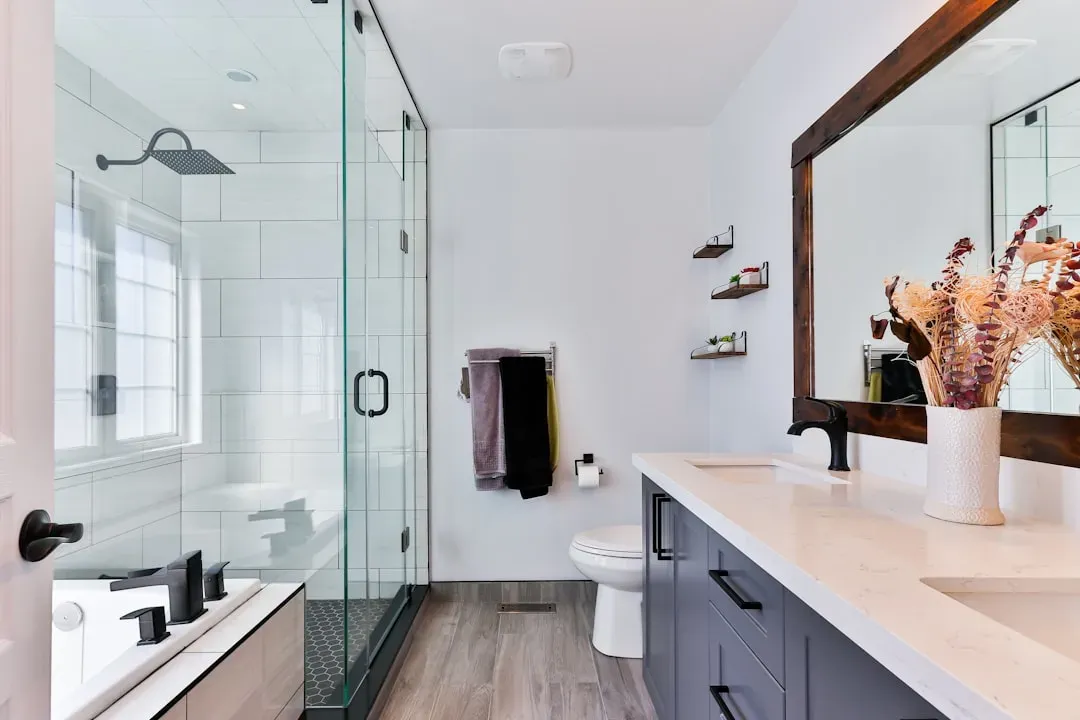
Before picking up a tile sample, it helps to understand what the numbers actually say. According to the 2024 Cost vs. Value Report, a midrange bathroom remodel recoups approximately 73.7% of its cost upon resale, making it one of the best-value home improvements. That kind of return is rare for interior renovations, and it reflects something buyers consistently tell real estate agents: the bathroom matters.
HomeLight’s Top Agent Insights for End of Year 2024 reports that 94% of agents believe modernized bathrooms or kitchens make the home more appealing to buyers. Beyond the resale figures, there is also an emotional component that’s easy to overlook. On average, bathroom renovations recoup around 71% of their costs, according to the National Association of Realtors. They also bring something unexpected: joy. After a bathroom upgrade, homeowners report a joy score of 9.6 out of 10. That combination of financial return and daily satisfaction is hard to find anywhere else in home improvement.
A Frameless Glass Shower Door: The Single Upgrade That Changes Everything
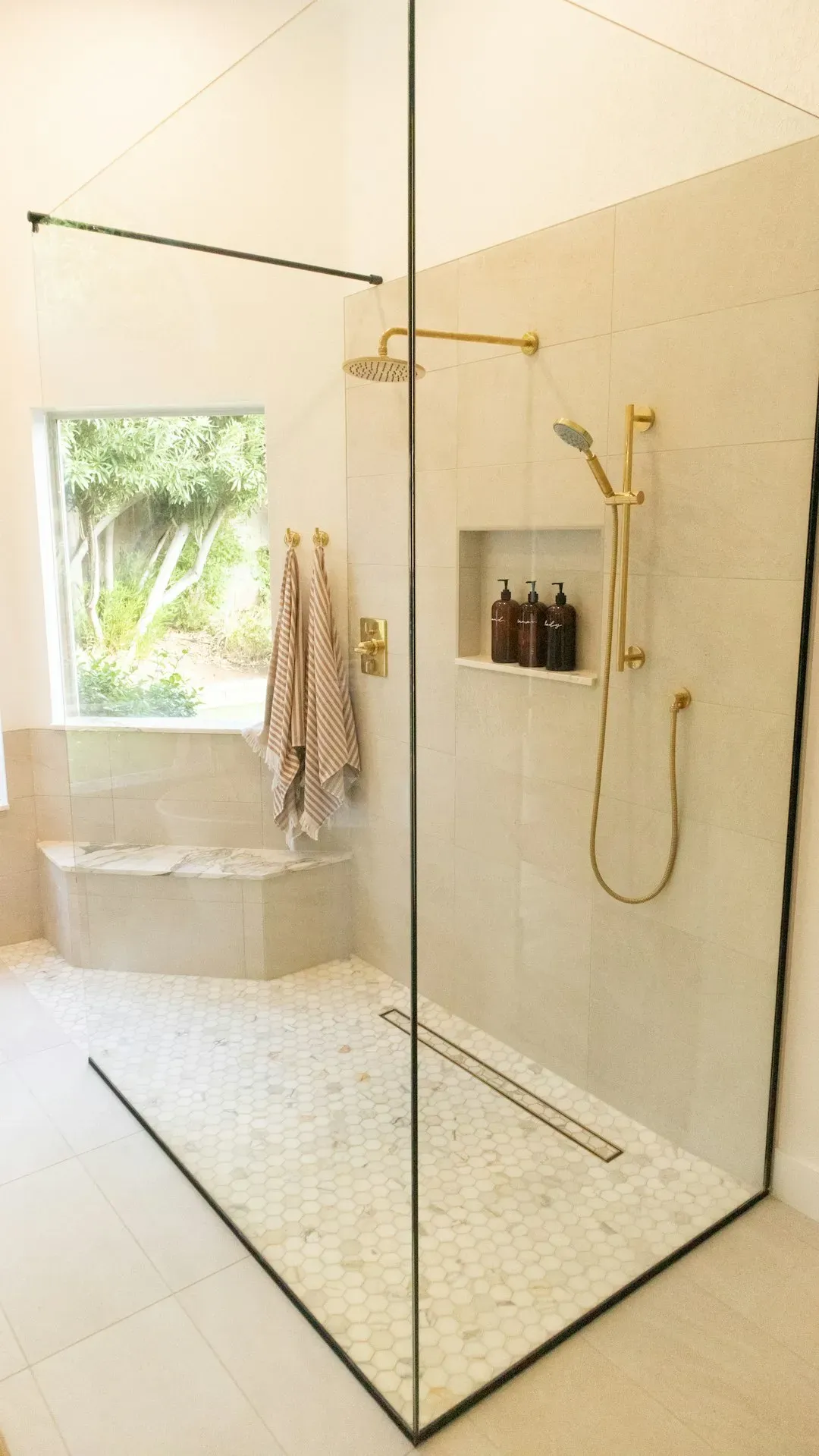
If there is one upgrade that interior designers and real estate professionals consistently point to for maximum visual impact at a reasonable cost, it’s swapping out a traditional framed enclosure or shower curtain for a frameless glass door. As interior designer Mary Patton explained, “A frameless glass shower door gives a modern bathroom a clean, open feel by eliminating bulky metal framing and allowing light to flow freely through the space.” That seemingly minor change can genuinely transform how a room looks and feels.
Perhaps the best advantage of frameless shower doors is that they look amazing with a sleek and elegant design. The frameless shower door has an upscale feel, like something you might see in a luxury hotel. Even better, they allow you to showcase the beautiful tile you installed inside the shower, further enhancing the visual appeal of the space. Expect to pay $500 to $1,500 for frameless glass door installation and materials, or up to $3,300 for custom designs with curves or neo-angles. For a change this visually striking, that’s a modest investment.
The Vanity: Your Bathroom’s Most Consequential Focal Point
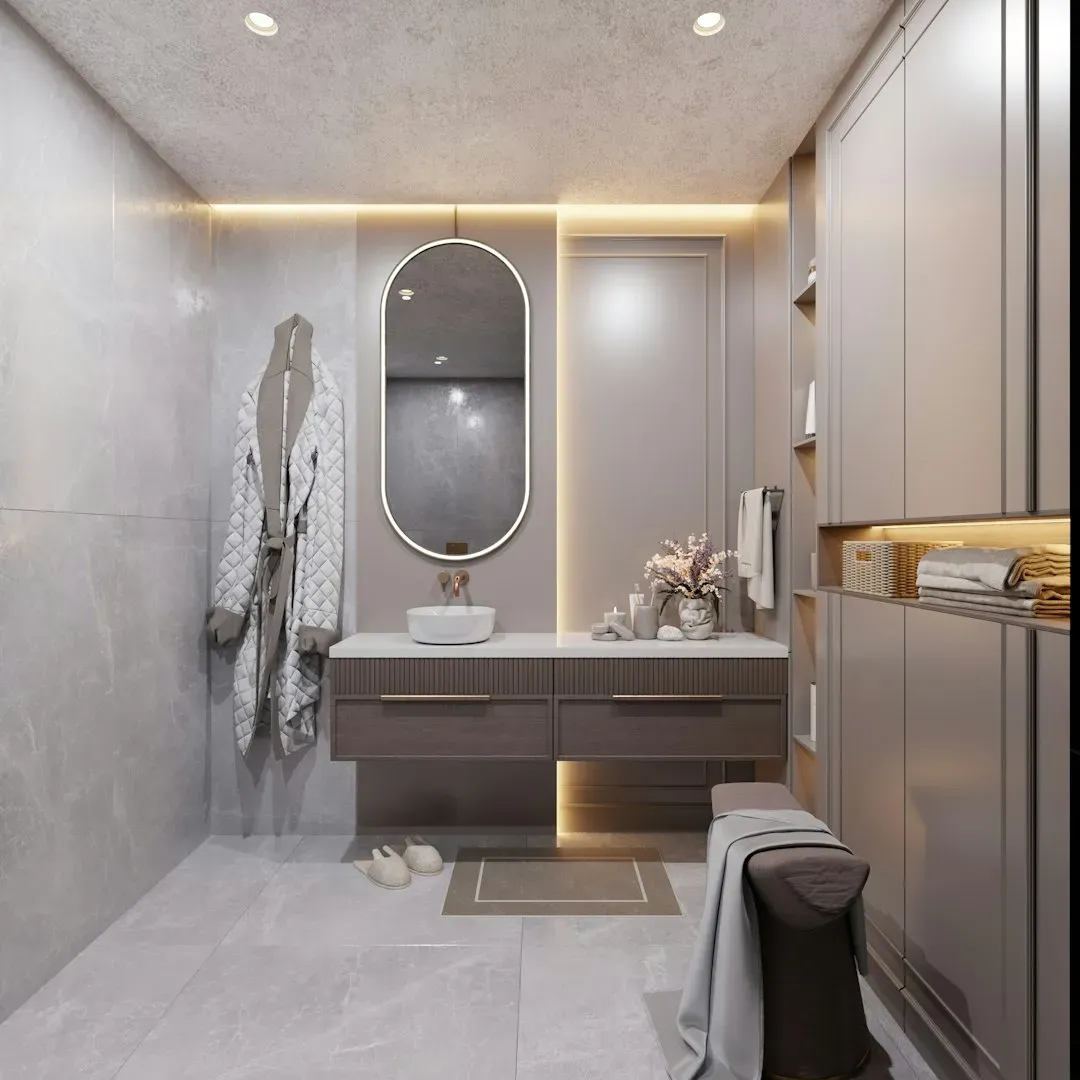
The vanity is the piece of furniture a bathroom is built around, and it shows. A dingy or outdated vanity can age a bathroom. If your current vanity is in good shape but needs a refresh, consider making DIY changes like updating the countertop and hardware or adding a new coat of paint. Even small changes can give your bathroom a fresh look without a major investment. For a more substantial update, the current front-runner in terms of both style and buyer appeal is the floating vanity.
A trendy choice in 2025 is the floating vanity, a wall-mounted cabinet that makes the room feel more spacious and modern. Pairing it with a durable quartz countertop creates a clean, luxury look. Quartz has overtaken granite as the most popular vanity top material, with about 39% of homeowners choosing quartz for bathroom counters, more than any other material. A new double-sink vanity with quartz counters and updated faucets provides both functionality and aesthetics: more storage and counter space for daily use, and a wow factor in listing photos. The ROI for a vanity and counter upgrade is typically in the 65 to 75% range.
Layered Lighting: The Upgrade Most People Underestimate
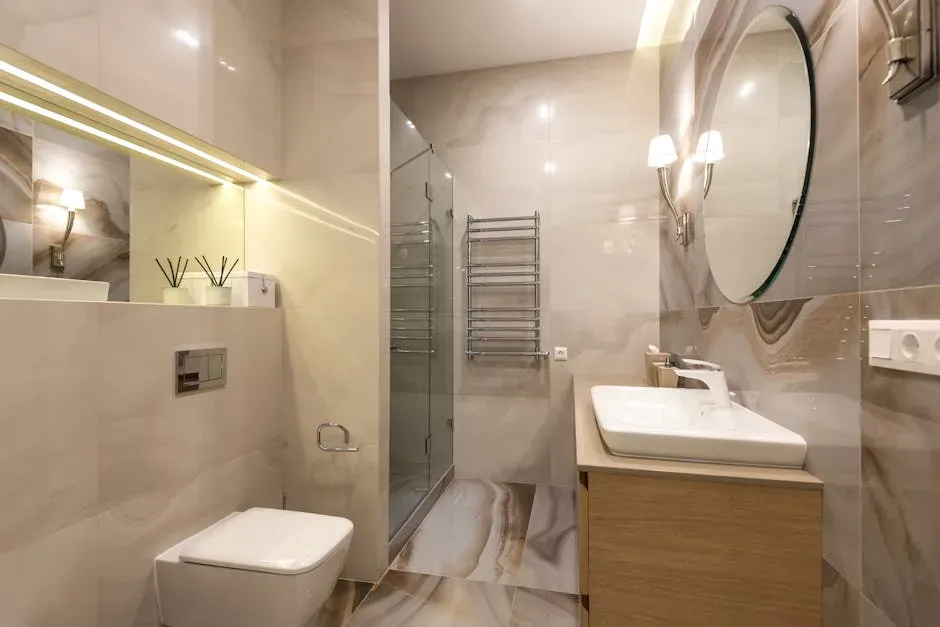
Lighting is the one bathroom upgrade that is almost universally underestimated, and it shows in countless homes that otherwise look good on paper. Proper lighting dramatically impacts how a bathroom looks and functions. Layered lighting, combining ambient, task, and accent lighting, creates a more versatile space. A single overhead fixture positioned poorly will cast unflattering shadows and make even an expensive tile job look flat and cold.
Upgrading your lighting fixtures can change the look and feel of your bathroom. For a layered lighting approach that creates a welcoming and relaxing atmosphere, consider a combination of ambient lighting, task lighting at the vanity, and accent lighting with LED strip lights. Installing dimmer switches is another worthwhile step, allowing you to create different moods and ambiance depending on the time of day. The cost is modest, the installation is relatively straightforward, and the daily payoff is immediate.
Heated Floors: The Tactile Luxury That Surprises Everyone
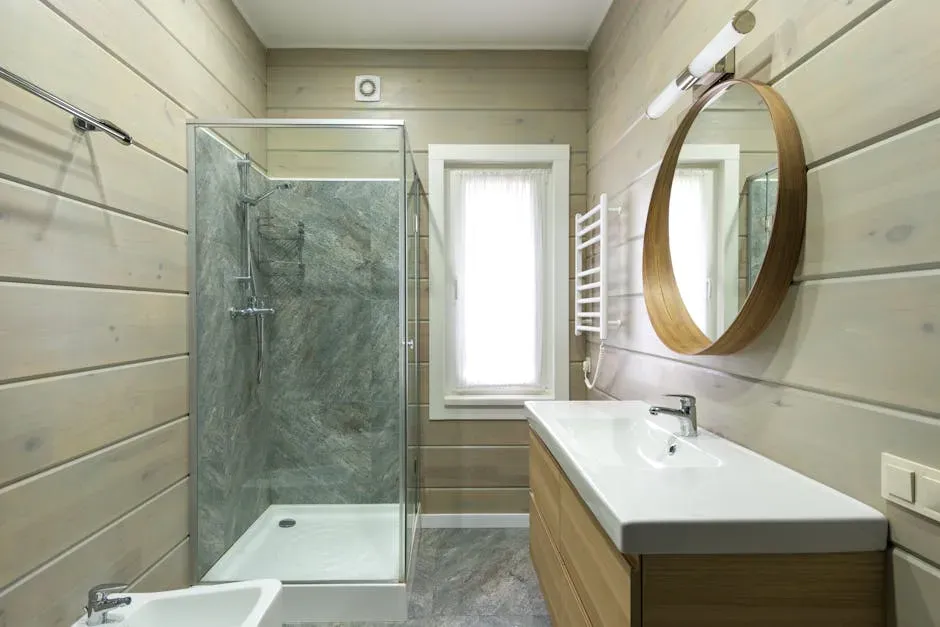
There are upgrades that look impressive in photos, and then there are upgrades that change how your body feels every single morning. Heated floors belong firmly in the second category. Heated bathroom floors have shifted from a luxury feature to a practical upgrade for homeowners who want year-round comfort, better energy efficiency, and a more enjoyable bathroom experience. Radiant floor heating warms the floor from beneath the tile, distributing steady heat that rises naturally through the room. Unlike forced-air systems, which deliver short bursts of warm air, heated floors provide consistent, even warmth without cold spots.
The cost of a heated bathroom floor ranges from $500 to $8,000, with most homeowners spending an average of $1,800. You’ll pay between $8 and $20 per square foot, depending on your bathroom size, the system type, and labor requirements. Heated bathroom floors are often considered a luxury upgrade that adds comfort and appeal for buyers. They can help differentiate your home in listings, especially in colder climates or upscale markets. Pairing radiant heat with a bathroom renovation is the smartest timing, since pairing radiant floors with a bathroom remodel reduces costs because subfloor access is already available.
Fresh Tile and Flooring: The Foundation of a Luxury Feel
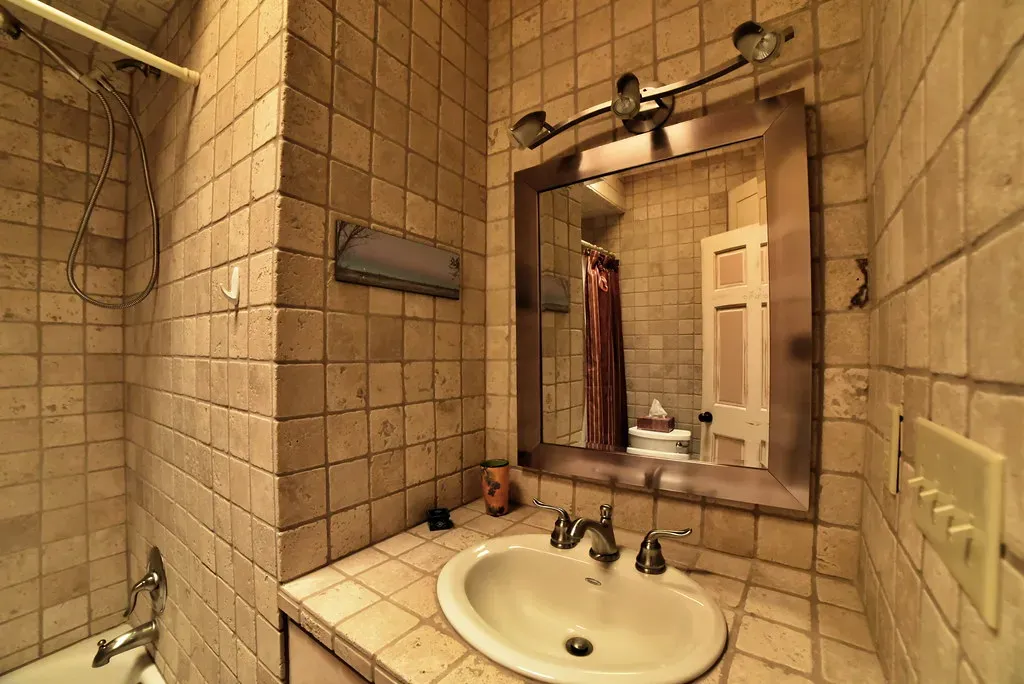
Few things date a bathroom more decisively than worn grout, cracked tiles, or flooring in a color that hasn’t been fashionable since the 1990s. Updating the floor is often the single change that makes a room look most dramatically different. Replacing the flooring will go the farthest in giving your bathroom a new overall appearance. Inexpensive porcelain or ceramic tiles, or even vinyl, can be engineered to look like classic wood or stone but are still completely waterproof and durable to any level of moisture.
Porcelain tile, ceramic tile, and luxury vinyl plank are some of the best-performing materials for ROI. Luxury vinyl plank delivers the wood look many buyers love but with better water resistance and lower installation costs. For wall tile, neutral tones remain the most consistently rewarding choice. Choosing neutral colors can add a touch of elegance while being appealing enough to general taste that they won’t quickly become dated. Taupe, gray, and white work in almost every home and keep the space feeling large and inviting. Floor-to-ceiling tiles in cream or pale white tones with simple grout lines in off-white or light gray hues are a reliable framework.
Smart Storage Solutions: The Upgrade That Pays in Calm
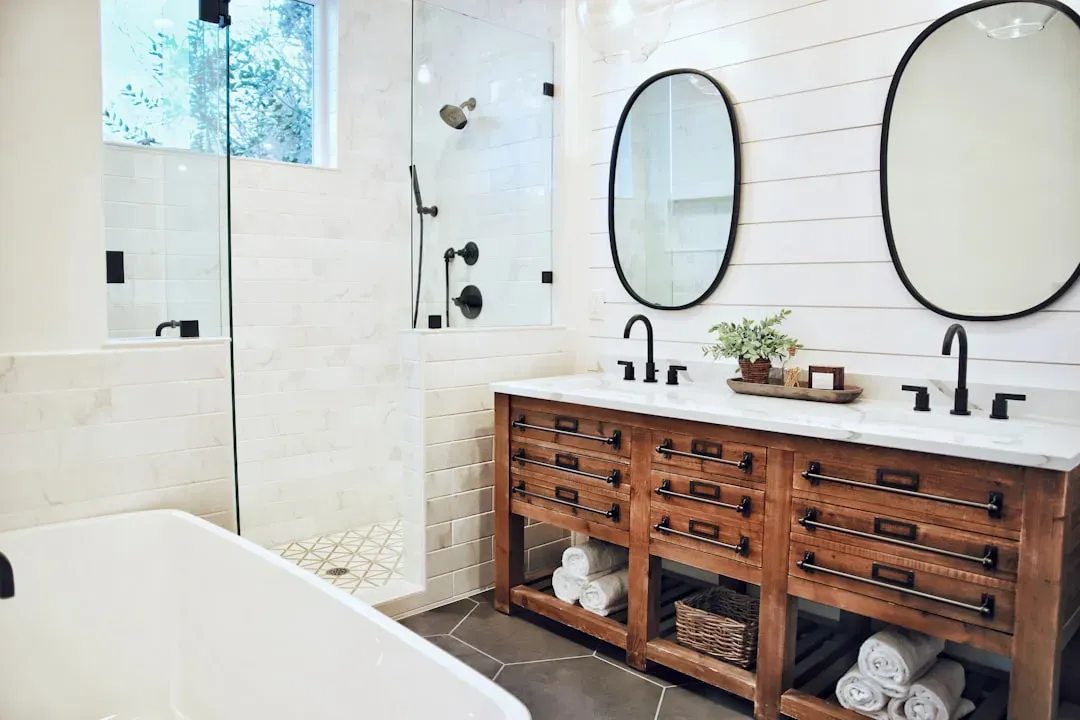
Luxury bathrooms feel calm. Cluttered bathrooms, regardless of how expensive their finishes are, feel chaotic. Adding built-in storage, such as recessed shelves or cabinetry, increases the bathroom’s usability. Ample storage is a must-have for many buyers, especially in compact spaces. The simplest version of this is a recessed medicine cabinet, which frees up countertop space without consuming any floor area at all.
A mid-range investment of $3,000 to $12,000 in a bathroom could include adding new shelving, upgrading to a vanity with more drawers, installing a medicine cabinet, or adding a freestanding storage unit. For larger budgets, an upscale remodel at $12,000 and above may include custom-built cabinetry, pull-out drawers with built-in organizers, a linen closet, or a built-in storage bench. The goal in either case is the same: every item has a home, and the countertops stay clear.
Hardware and Fixtures: Small Swaps With an Outsized Impact
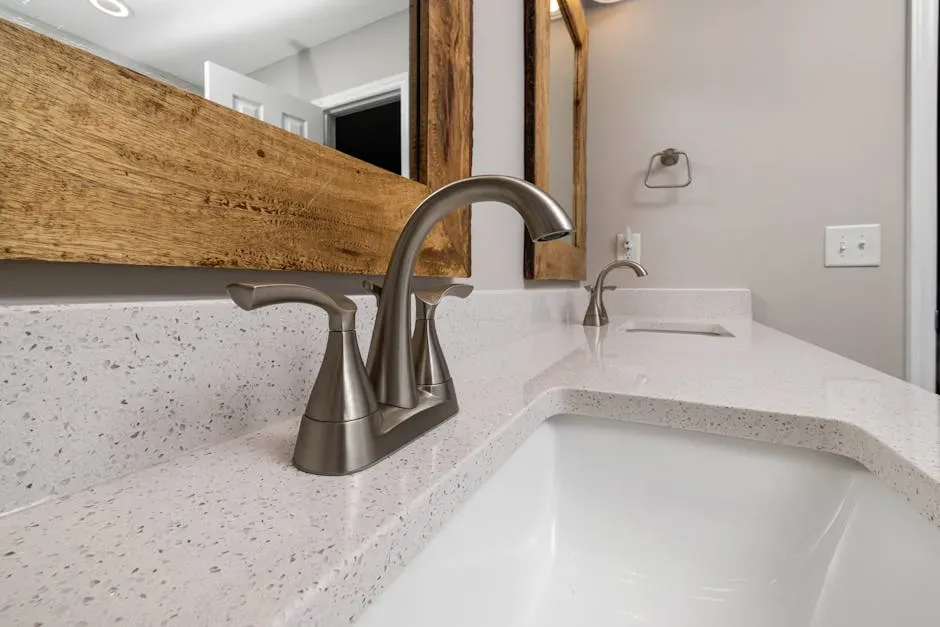
Hardware is the jewelry of a bathroom. Swapping out builder-grade chrome towel bars and faucets for coordinated brushed nickel, matte black, or warm brass fixtures is one of the lowest-effort, highest-visibility upgrades available. Don’t underestimate the power of small, DIY-friendly upgrades. A new showerhead is an inexpensive way to add new life to an existing shower; the same goes for a new sink faucet. Lighting is essential in a bathroom, so replacing the fixture can improve the space’s look and functionality.
Updating accessories like mirrors, towel bars, hooks, and cabinet hardware can add $100 to $600 to your remodel cost, depending on the quality and quantity of items. The key is consistency. A bathroom where every metal finish matches, from the faucet to the towel ring to the shower valve, reads as intentional and polished in a way that mismatched finishes never will. Updating countertops with a beautiful, durable stone instantly elevates the room, and swapping out plumbing fixtures, mirrors, and cabinet hardware is a relatively simple way to give the space a fresh, cohesive feel.
Putting It All Together: Sequencing Your Upgrades Wisely
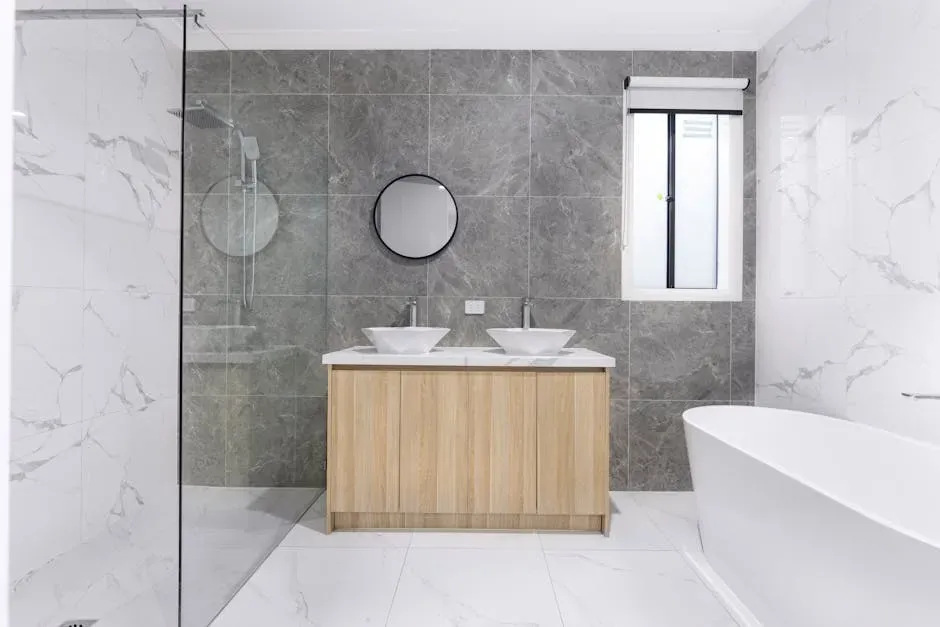
Not every homeowner has the budget or the appetite for all of these upgrades at once, and that’s fine. The smartest approach is to sequence them by impact and budget. Start with what’s visible and tactile: lighting, hardware, and a frameless shower door will deliver noticeable results quickly. Flooring and vanity upgrades are natural next steps when you’re ready for a bigger investment. Heated floors and custom storage are the finishing layer that takes a good bathroom to a genuinely luxurious one.
For homeowners considering a bathroom renovation, a small remodel generally provides the best return. However, for those in high-end markets or planning to stay long-term, a major remodel with premium upgrades can enhance comfort and appeal. Whatever the scale, the underlying principle holds: a well-planned bathroom renovation can boost a home’s value, and buyers often see updated bathrooms as a sign of care and attention, making the property more appealing and marketable. Every improvement you make to this room is one you’ll notice twice a day, every day. That’s a return worth investing in.