
You might think your backyard is your kingdom. Your land, your rules. Honestly, most homeowners believe exactly that, right up until the moment they receive a cease-and-desist letter or a very unwelcome knock from a local code enforcement officer. The reality of suburban living is more legally tangled than most people realize, and the rules governing what you can and cannot do behind your own fence are surprisingly strict, surprisingly specific, and surprisingly easy to accidentally break.
From rain barrels to chicken coops, from fire pits to storage sheds, the list of seemingly harmless backyard additions that can get you into legal hot water is longer than you’d ever imagine. Let’s dive in and see which of your backyard dreams might actually be breaking the law.
1. Backyard Chickens: The Feathery Legal Minefield

Here’s the thing most chicken enthusiasts find out the hard way: wanting a few hens for fresh eggs doesn’t mean the law is on your side. Backyard chickens became an easy target for neighborhood ordinances that prohibited “farm animals” in residential areas, and even when chickens weren’t outright banned, many zoning codes limited the number you could have or required permits with very specific conditions, such as mandating that coops must be built a certain number of feet from property lines and requiring consent from surrounding neighbors.
By the 1970s, most suburban municipalities had banned or heavily restricted the ownership of backyard chickens, and no matter what the specific rule was, each was created to make it harder for people to get government approval. The regulatory web is genuinely bewildering. It’s not even as simple as checking zoning codes alone, since there is often multi-departmental overlap, with backyard chicken rules found within animal control ordinances, zoning codes, health and safety laws, nuisance laws, and permitting laws.
Despite their recent popularity, urban and suburban chickens face increasing restrictions, with noise complaints, odor concerns, and potential disease spread prompting many HOAs and municipalities to crack down. Existing chicken coops may be grandfathered in, but new backyard flocks are increasingly running afoul of local ordinances. If you thought you’d done everything right, you might still be shocked. If you manage to get through this regulatory maze, you might find that city laws contradict the laws of your homeowners’ association, or you might obtain a city permit only to find your neighbor has stepped in to veto the process.
2. Oversized or Improperly Placed Fences
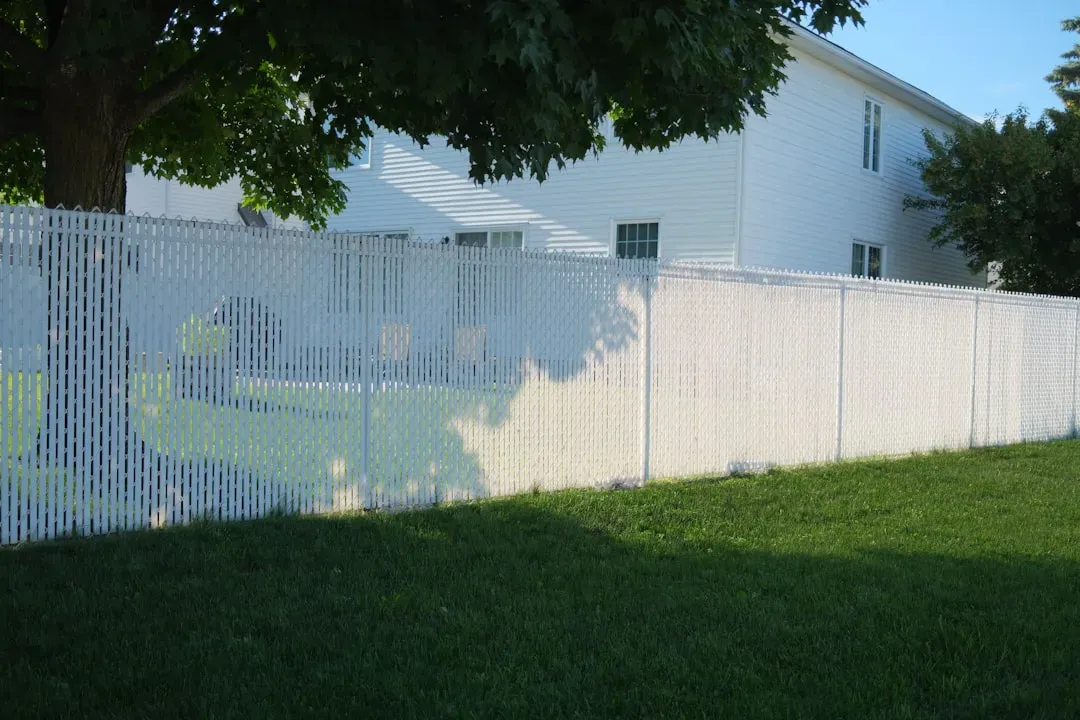
Nothing feels more satisfying than putting up a tall privacy fence and blocking out the world. I get it completely. The problem? Even the construction of something as simple as a white picket fence may involve zoning if it stands taller than a set height or enters the public right-of-way. Most homeowners never check those height limits before ordering the materials.
Good fences might make good neighbors, but only if they meet increasingly strict height requirements. Many communities are capping fence heights at four or six feet to preserve neighborhood sight lines and aesthetic harmony, and wildlife corridors are another consideration, with some regulations requiring gaps for animal passage. That wall-of-privacy you envisioned? It may need serious downsizing.
That six-foot privacy barrier might be breaking local ordinances that typically cap residential fences at four feet in front yards. Improperly placed fences can also encroach on property lines or block visibility at corners, and when disputes arise, surveys and legal fees quickly surpass what you paid for the fence itself. So what started as a weekend DIY project can spiral into a surprisingly expensive legal battle with your neighbor.
3. Unpermitted Backyard Sheds
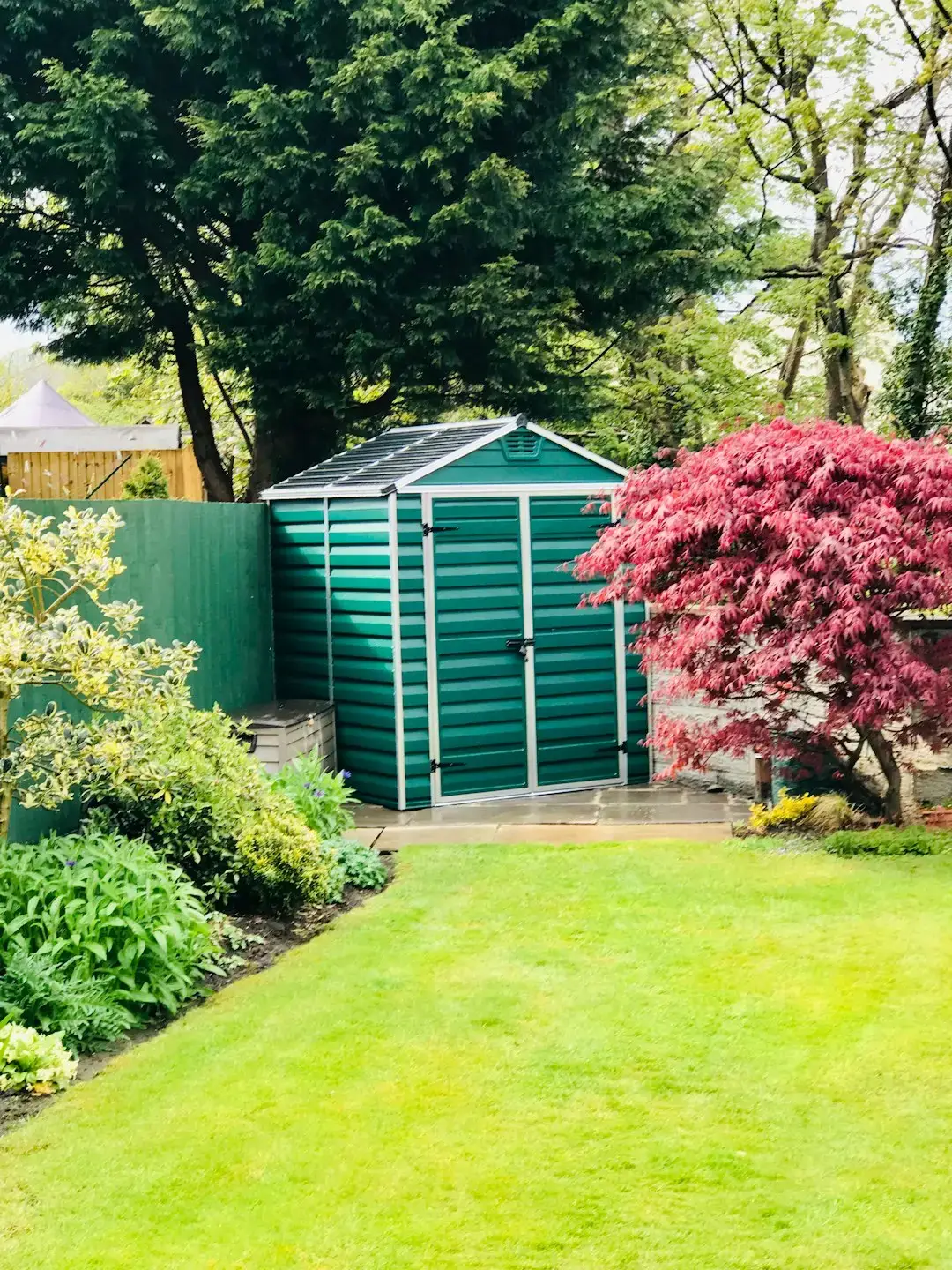
Backyard sheds sound simple, but they’re often subject to strict guidelines. HOAs typically regulate size, material, placement, and color to match community aesthetics, and surprise sheds rarely end well. Many homeowners assume that a small storage shed is too minor to require any kind of official approval. That assumption is usually wrong.
Sometimes a homeowner will want to build a shed in their backyard for added storage, but not all communities let owners build whatever they want. The installation or modification of sheds usually falls under architectural rules, and if an owner wants to build a shed, they will likely need approval from the HOA. The board may ask for completed application forms, blueprints, sample designs, and contractor details before a single board gets nailed down.
Homeowners who build a patio or structure without HOA approval could be asked to remove or alter it at their own cost, with the association fining them until they fix the violation. They might also face trouble at resale if the buyer’s title company or lender spots an open violation or unpermitted work. That is the kind of problem that can derail an entire home sale at the worst possible moment.
4. Above-Ground and In-Ground Pools Without Permits
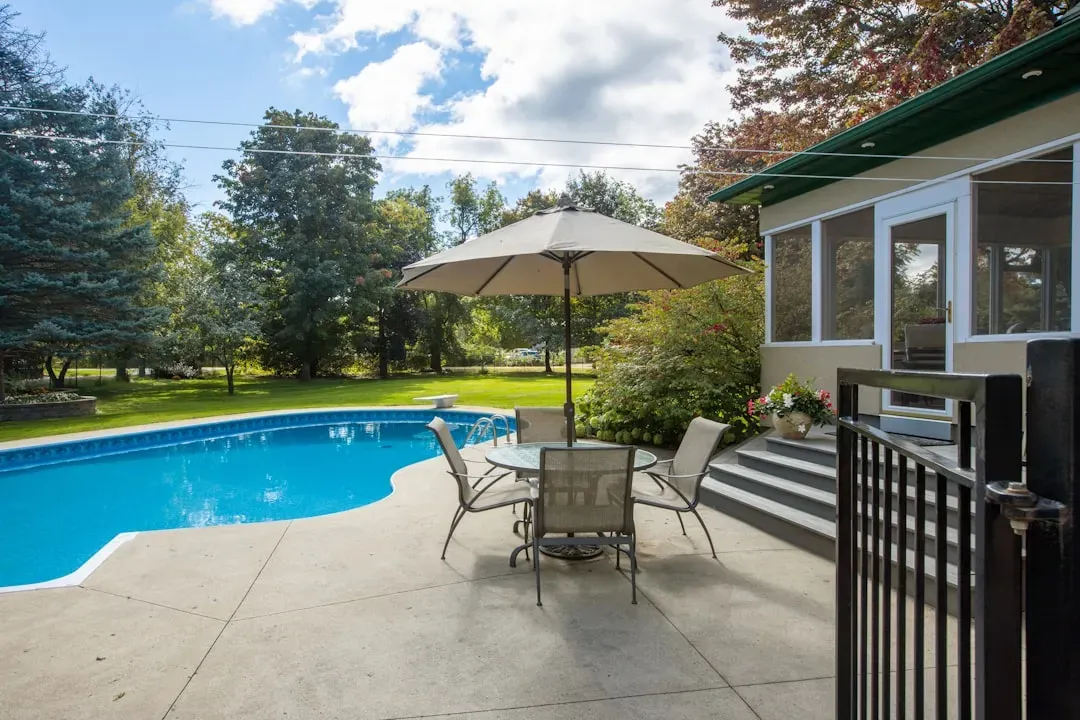
Nothing screams “summer fun” like a backyard pool, but that above-ground oasis could drown you in legal troubles. Most jurisdictions require permits, inspections, and specific safety features like fencing, and insurance companies may deny coverage for accidents in unpermitted pools. That’s a staggering risk that most families don’t even think about when they’re excitedly assembling the liner.
Above-ground pools, in-ground pools, or even large splash pads often need prior approval from HOAs. Beyond aesthetics, HOAs consider safety and potential flooding risks to neighboring yards. Think of it like this: a pool is basically a permanent body of water sitting on shared suburban land, and its impact doesn’t stop at your property line.
Many homeowners don’t realize these structures often increase property taxes, and installing one without proper disclosure can result in back-tax bills and penalties. So that pool you planned to fund with summer savings could quietly generate years of compounding financial headaches. Community guidelines typically address sheds and outbuildings, patios and decks, pools and spas, covering barriers, alarms, equipment screening, and water flow requirements.
5. Open Fire Pits and Backyard Burning
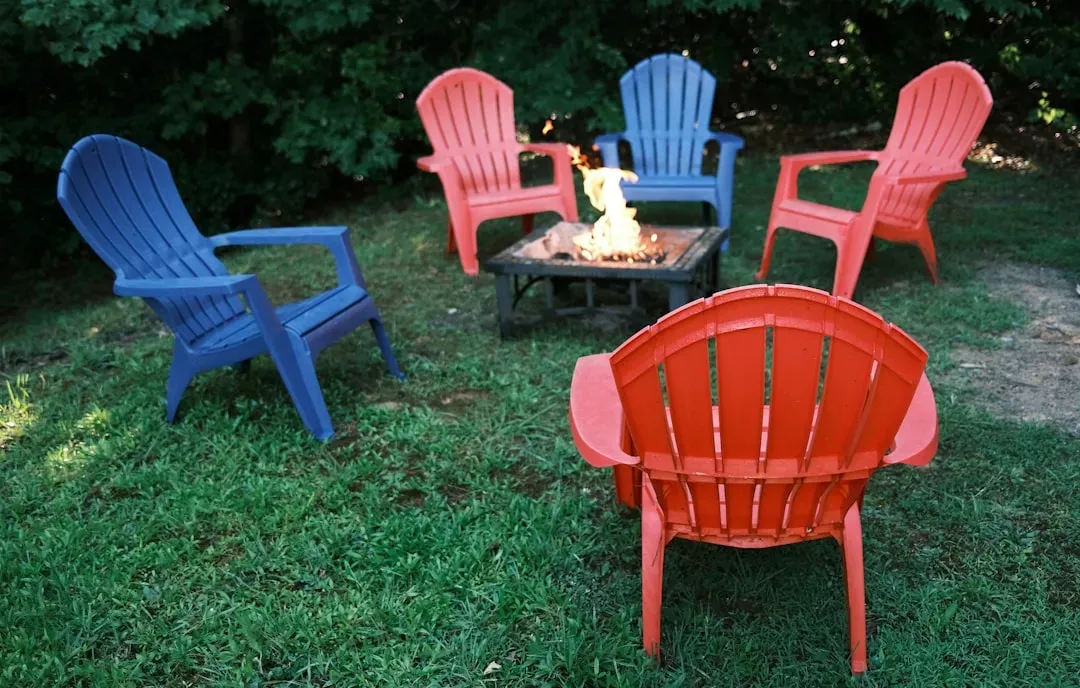
Those cozy nights around the backyard fire pit, hot dogs on sticks, the smell of cedar smoke drifting upward. It all sounds harmless, pastoral even. But those cozy evening gatherings around flickering flames could be igniting more than just marshmallows. Many municipalities restrict open burning or require specific permits for permanent fire features.
Those cozy backyard bonfires might soon go up in smoke. Air quality concerns have prompted restrictions in places like Los Angeles County and parts of Colorado, with health officials citing particulate matter and smoke as neighborhood hazards. Gas-burning alternatives remain an option in most areas, but the days of throwing logs on an open backyard fire could be numbered. It’s not just a local nuisance issue anymore; it’s a public health regulation.
Rules may also restrict outdoor kitchens or fire features based on fuel type and distance from structures. The distance requirements are particularly tricky because they vary so dramatically between municipalities. What is perfectly legal two counties over could earn you a citation right in your own backyard, and often, homeowners only find out after the firepit is already cemented in place.
6. DIY Electrical Wiring for Outdoor Structures
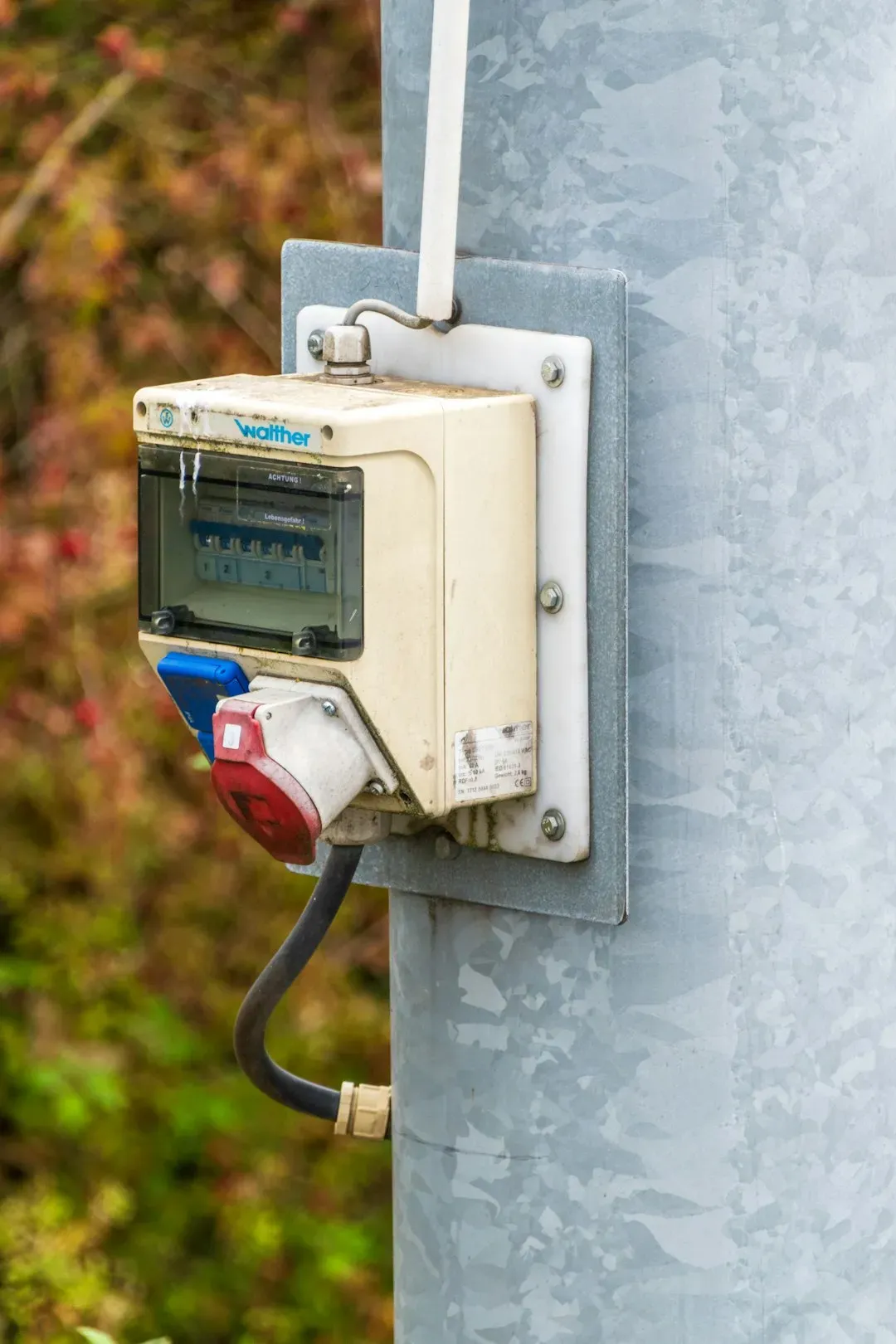
Unlicensed electrical additions, including backyard lighting, pond pumps, and shed wiring, can violate the National Electrical Code. Insurance analysts note that claims involving unpermitted electrical installations are frequently denied after fires or electrocution incidents. Outdoor outlets must be GFCI-protected, weather-rated, and inspected by local building officials, and any buried cable must meet depth and conduit requirements, making DIY wiring an illegal upgrade in many homes.
DIY wiring for patios, sheds, pond pumps, or outdoor lighting is illegal in many places when not installed to National Electrical Code standards. Electrical-related insurance claims are frequently denied if investigators find unpermitted work or non-GFCI outlets exposed to weather, and outdoor wiring must be buried at regulated depths, encased in conduit, and fully inspected. Homeowners are often surprised to learn that even a simple outlet box mounted outside can violate local rules without paperwork.
Let’s be real: running a simple extension cord to your garden shed feels completely harmless. The problem is that what feels harmless and what is legally compliant are two entirely different things in suburban America. Zoning is a system of laws that divides a jurisdiction’s land into districts and limits how land in each district can be used, with various land use laws enforced through the police power rights of state governments. Electrical work is one area where those powers are taken very seriously.
7. Rainwater Collection Barrels and Systems

This one surprises almost everyone. Collecting rain that literally falls from the sky onto your own property sounds like the most innocent, eco-friendly thing a homeowner could possibly do. The reality, though, is more complicated. While no federal laws regulate rainwater harvesting, individual states set their own rules, ranging from full support with incentives to strict restrictions. States like Texas and Arizona encourage rainwater collection with tax incentives, while others, like Colorado, have strict limits on how much you can store.
The State of Colorado restricts the volume of rainwater that can be harvested and stored at one time. Current Colorado legislation limits a rainwater harvesting system to 110 gallons maximum through the use of no more than two containers, such as 55-gallon rain barrels, and the water must be both collected and used on the property where it falls for outdoor activities such as irrigation. That restriction stems from century-old water rights laws.
States that have some level of rainwater collection restrictions include Arkansas, California, Colorado, Georgia, Illinois, Nevada, North Carolina, Ohio, Oregon, Rhode Island, Texas, Utah, Virginia, Washington, and Wisconsin. That is a surprisingly long list. Some states actively encourage rainwater harvesting while others impose restrictions, and in some areas even HOAs or neighborhoods might limit the installation of rainwater collection systems. The bottom line: always check your state and local rules before setting up even a basic rain barrel.
8. Accessory Dwelling Units and Backyard Cottages Without Zoning Approval
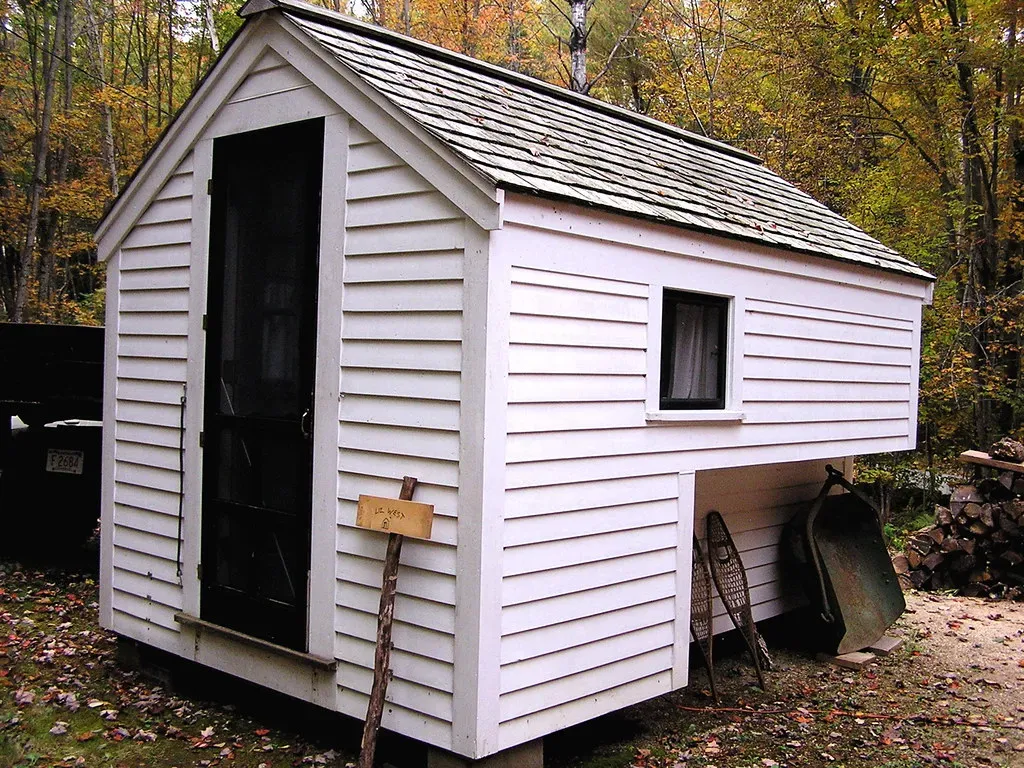
Maybe you built a cozy little studio in your backyard for a visiting family member, or converted a garage into a rental unit to help with the mortgage. These are genuinely good ideas. They are also the kind of projects that can land you in serious legal trouble without proper zoning approval. In some suburbs, zoning laws make it illegal to build apartments in nearly all residential areas, and municipalities have also made minimum lot sizes bigger and added height requirements.
Accessory dwelling units, which are attached or detached secondary residences such as granny flats, backyard cottages, and above-garage apartments, are still not automatically legalized on all properties zoned for residential use across the country. The rules differ enormously from state to state. More states and cities are now promoting backyard cottages, converted garages, and other add-on units, but that trend is still evolving and uneven.
Violators face substantial fines, tax complications, and even lawsuits from neighbors. The legal landscape changes constantly, with some areas requiring special licenses, occupancy taxes, or outright banning these rentals in residential zones. Honestly, this is the backyard addition that carries the highest financial stakes of all. A beautiful backyard cottage built without proper permits could become completely impossible to sell with your home, or worse, force you into costly retroactive compliance work that doubles your original budget.
Conclusion
The suburban backyard has long been treated as a private sanctuary, a space where Americans feel free to dream, build, and create. The legal reality in 2026 tells a very different story. Backyards across the United States used to be full of DIY additions, quirky structures, and homegrown conveniences, but changing safety codes, zoning restrictions, wildfire regulations, and environmental protections have made many once-common features illegal.
Zoning laws decide what types of buildings can be built on a property, how those buildings may or may not be expanded in the future, and how the buildings can generally be used. That applies to a $200 rain barrel just as much as it applies to a $20,000 pool. The gap between what feels legal and what actually is legal can be enormous, and the consequences of getting it wrong range from fines to forced removal to denied insurance claims.
Before you grab a shovel, a bag of concrete, or a flatpack shed, the smartest move you can make is a simple one: call your local zoning office. It takes twenty minutes and could save you years of headaches. What would you have guessed was legal in your own backyard?