
Vinegar sits in almost every kitchen cupboard, and honestly, it has earned a serious reputation as a cleaning powerhouse. It is cheap, natural, and feels satisfyingly eco-friendly. No wonder half the internet recommends it for absolutely everything. The problem? That reputation is partly built on myths – and using vinegar in the wrong places can cost you far more than a bottle of proper cleaner ever would.
Diluted with water to about 5 percent acidity, distilled white vinegar is hailed as a natural, nontoxic cleaning marvel, capable of killing some household bacteria, dissolving hard-water deposits, and cutting through grime at a fraction of the cost of brand-name products. Yet that same acidity is exactly what makes it so dangerous on certain surfaces. So before you reach for that bottle again, keep reading. You might be surprised by what ends up on this list.
1. Marble Countertops and Floors

Let’s start with one of the most expensive mistakes you can make. The acid in vinegar reacts with calcium carbonate in marble, travertine, limestone, and concrete, causing etching and dullness. Etching can appear as rings, spots, or faded patches, especially after regular mopping with vinegar. It is one of those situations where the damage creeps up silently and then suddenly, your beautiful countertop looks permanently cloudy.
The calcium carbonate composition of marble reacts with the acid in vinegar, leading to chemical damage associated with the marble dissolving at the point of contact. Repeated vinegar use on marble floors chemically dissolves the surface layer. Over time, the natural luster disappears. If damage occurs, professional restoration is often the only solution.
Since vinegar is very acidic, it will furiously react with your beautiful marble and will create dull white marks, often referred to as etch marks, on your marble surface. Use a pH-neutral stone-specific cleaner instead. The repair costs alone make this a lesson worth learning early.
2. Granite Countertops

A common cleaning myth is that vinegar is a go-to solution for everything due to its natural disinfectant properties. However, when it comes to granite countertops, the answer is a firm no. Vinegar is acidic and it can etch the surface of granite, dulling its shine and damaging its protective sealant. Although granite is a hard and durable stone, it is not impervious to acidic substances.
Some DIY resources claim vinegar will work as a household cleaner for natural stone, but this information is incorrect. An expertly sealed granite countertop should last your home for years with proper care. Introducing an acidic substance like vinegar can ruin this protective sealant and decrease the stone’s durability. This can also make your counters appear dull and cloudy or cause etching.
Vinegar, lemon juice, and other acidic cleaners can cause microscopic damage to granite’s surface. Over time, this leads to a lackluster appearance and can make the granite more susceptible to staining. A simple mixture of dish soap, rubbing alcohol, and water in a spray bottle is all you really need.
3. Hardwood Floors

Here is the thing: hardwood floors look tough, but they are surprisingly sensitive. Pure vinegar can strip away the protective sealant or finish on hardwood floors. While you should never clean hardwood with pure vinegar, you can clean it with highly diluted vinegar if you must. Even then, many floor manufacturers explicitly advise against it entirely.
The same acid that helps vinegar clean some surfaces can also damage your hardwood floors. Additionally, vinegar can strip the finish on your hardwood floors, which will leave them dull. Think of the finish like a clear coat on your car. Once it’s gone, every scratch and scuff goes straight into the wood.
Some people swear by diluted vinegar for sanitizing and de-griming hardwood floors, while others are adamant that vinegar can damage a wax finish even when it is diluted. It is safer not to take any chances. Choose a cleaning product that is specially formulated for waxed wood floors.
4. Steam Irons

You have probably seen this tip floating around online: pour vinegar into your steam iron to descale it. Sounds logical. Unfortunately, it is one of the more damaging cleaning myths out there. Adding vinegar to an iron’s tank could permanently damage the inside of the appliance. Most steam irons have a protective coating inside the chamber, and acid can eat away at the lining and then the metal parts.
Vinegar is commonly used to clean these appliances, but experts advise against it. Its acidic properties are known to damage the inner mechanics of irons, possibly shortening their lifespans. Some manufacturers discourage using this cleaning agent, as it can cause warranties on the appliance to become void.
If your home has hard water, simply fill your steam iron with distilled water to avoid internal mineral buildup. That one small habit can extend the life of your iron by years. No vinegar required.
5. Tile Grout
Grout is one of those surfaces people instinctively douse with vinegar, especially when mold appears. It feels right. Sadly, mold and hard water stains tend to build up on tile grout, particularly in wet areas. Although vinegar can effectively kill some mold and remove hard water stains, it is not recommended for use on tile grout. Over time, vinegar will erode grout, which allows mold and mildew to get deeper into grout lines, causing long-term damage.
White vinegar can also cause permanent damage to grout in your home. In continuous contact with acidic substances like vinegar, the grout lines will become damaged, eventually leading to tile separation and cracks. The use of gentle cleaning solutions becomes essential to protect your grout structure while extending the life expectancy of your tile surfaces.
While vinegar is effective at cleaning mold and mildew on some surfaces, it can damage unsealed or damaged grout. Your best bet is to reach for less acidic alternatives, such as hydrogen peroxide or oxygen bleach. These do the job without eating away at what holds your tiles together.
6. Bathroom Mirrors

Mirrors seem like a perfectly innocent candidate for a vinegar wipe-down. The truth, though, is more complicated – especially for bathroom mirrors. Avoid vinegar and other acids when cleaning the bathroom mirror. The liquid can seep behind the glass and corrode the metal beneath that gives the mirror its reflective quality. Over time, this leads to unsightly dark spots and streaks along the edge of the mirror.
Vinegar and other acids should be kept away from bathroom mirrors. The liquid can seep behind the glass and corrode the reflective metal layer. Over time, this leads to unsightly dark spots and streaks along the edge of the mirror. Even with less acidic cleaners, avoid getting too much moisture on the mirror and always spray cleaning products on the cloth rather than directly on the glass.
Honestly, a microfiber cloth with plain water gets glass cleaner than most people expect. Save the vinegar for something it actually benefits.
7. Cast Iron Cookware

Cast iron pans are kitchen treasures, passed down through generations. The secret to their non-stick power is the seasoning layer built up through years of cooking. Vinegar can strip away the protective layer of seasoning on cast iron cookware. With prolonged exposure, distilled white vinegar can pit the cast iron itself.
Yes, vinegar can damage cast iron if used improperly. Vinegar, being an acid, can react with the iron in the cast iron, breaking down the seasoning layer and potentially causing rust. The pan that your grandmother kept beautifully seasoned for decades can be ruined in a single aggressive cleaning session.
These beloved kitchen tools rely on a natural protective layer called seasoning – a polymerized oil coating that prevents food adhesion and rust formation. Vinegar obliterates this seasoning instantly, leaving bare metal exposed to oxidation. The fix is simple: hot water, a stiff brush, and a light coat of oil after every wash.
8. Washing Machine Rubber Seals and Hoses
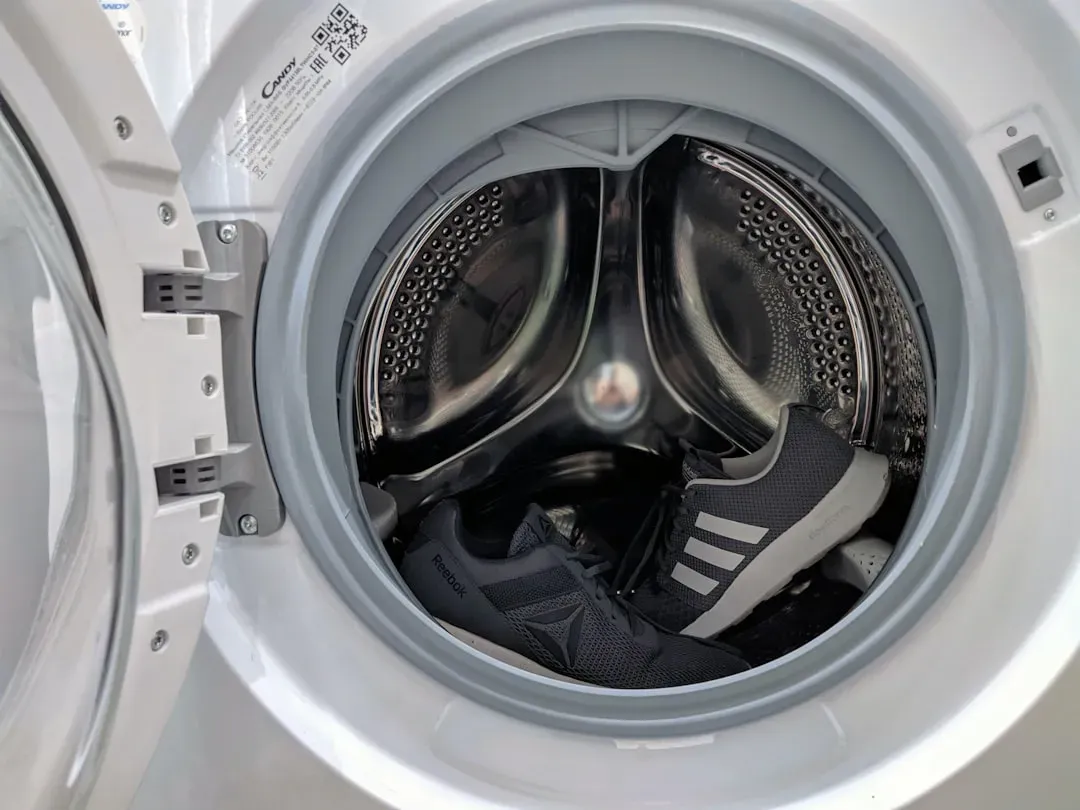
Adding vinegar to the washing machine cycle is a popular laundry hack. People use it to eliminate odors, soften fabrics, and freshen up dingy clothes. But done regularly, it can cause real damage behind the scenes. Using vinegar constantly can damage the rubber seals and hoses in some washing machines to the point of causing leaks, which might lead to all kinds of additional damage to the house. Front-load washers are especially susceptible to vinegar-related damage.
Rubber gaskets and hoses can become brittle and crack due to repeated exposure to vinegar, leading to leaks and equipment failure. That is the kind of damage that starts invisibly and ends with water all over your laundry room floor.
Cleaning the rubber gaskets and hoses in your dishwasher, refrigerator, washing machine, and other appliances will help keep items in good working condition. However, white vinegar will eat away at the rubber, which could eventually cause leaks and other serious problems. Instead, use soap and baking soda to remove mildew and other grime from rubber surfaces.
9. Electronic Screens

Phones, tablets, computer monitors, televisions – all of them seem like logical targets when you want a quick, natural clean. I know it sounds crazy, but reaching for vinegar to wipe down your screen is a costly mistake. Although vinegar may seem like an easy option for sanitizing your screens, it can damage the protective coating on cell phones and computers. Isopropyl alcohol is a better option for removing germs and bacteria on these devices.
The acidity in vinegar can damage the coatings on electronic screens and cause streaking, making the screen harder to see and potentially causing long-term damage. Most modern screens have oleophobic coatings that repel fingerprints. Vinegar eats through those coatings quickly.
Electronics, including TVs, computers, and smartphones, should be kept away from vinegar. The liquid can seep into the device, causing short circuits and irreversible damage. A dry microfiber cloth is still the safest bet for most screens, full stop.
10. Kitchen Knives
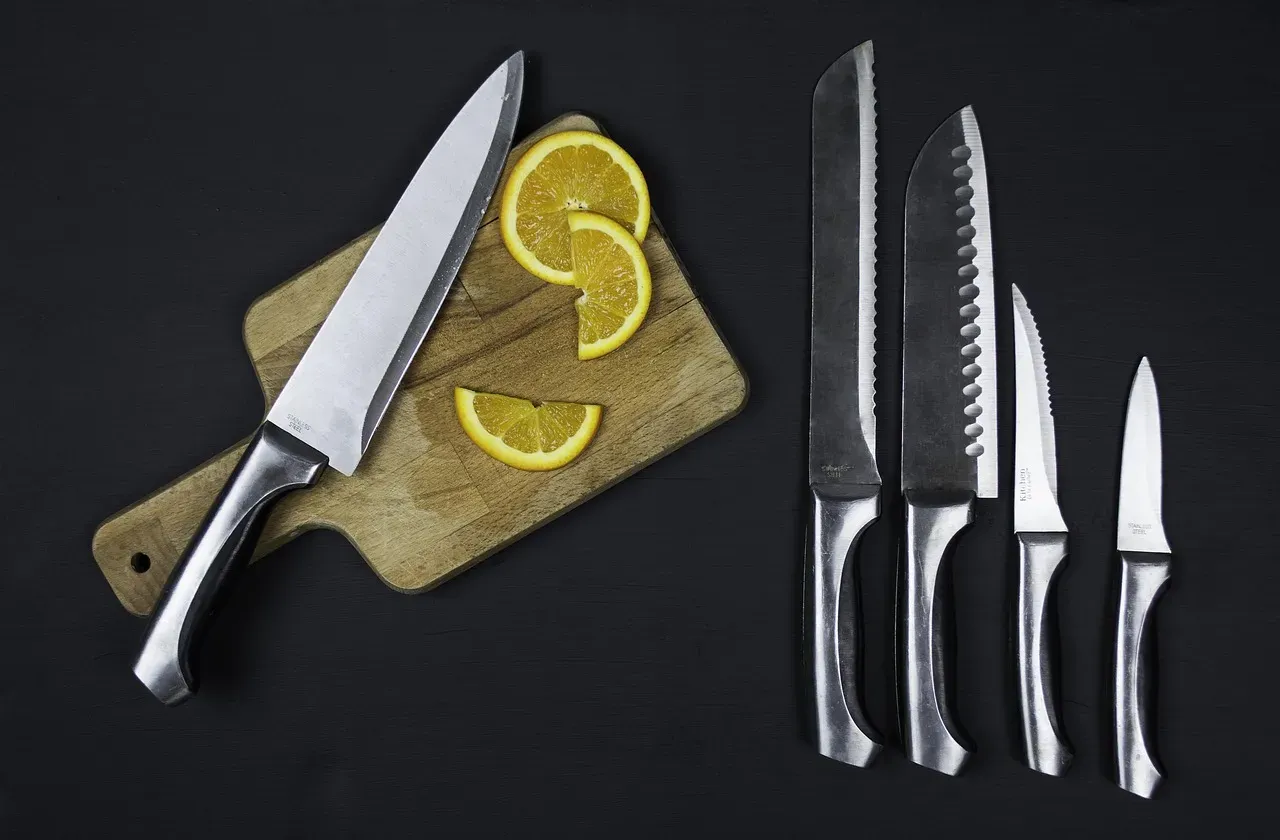
Soaking your knives in vinegar to remove rust spots or stains sounds like a clever pantry hack. It might even work in the short term. But here is what actually happens over time. Tools with exposed edges, like kitchen knives, are especially vulnerable to vinegar. Cleaning knives with vinegar can damage the finish and leave the edge pitted.
Vinegar can remove rust stains and water marks on kitchen knives, but it can also dull the blades and cause corrosion. Do not allow vinegar to remain on the knives for more than a few minutes. Those extra minutes can be the difference between a sharp, reliable blade and a corroded, pitted mess.
The acidity in vinegar can corrode the metal of knives, especially if they are made of high carbon steel. For a safer alternative, use dish soap or dishwashing liquid and warm water to clean kitchen knives and keep them in good condition. Vinegar can also damage the handle if it is made of wood or other sensitive materials.
11. Pearl Jewelry
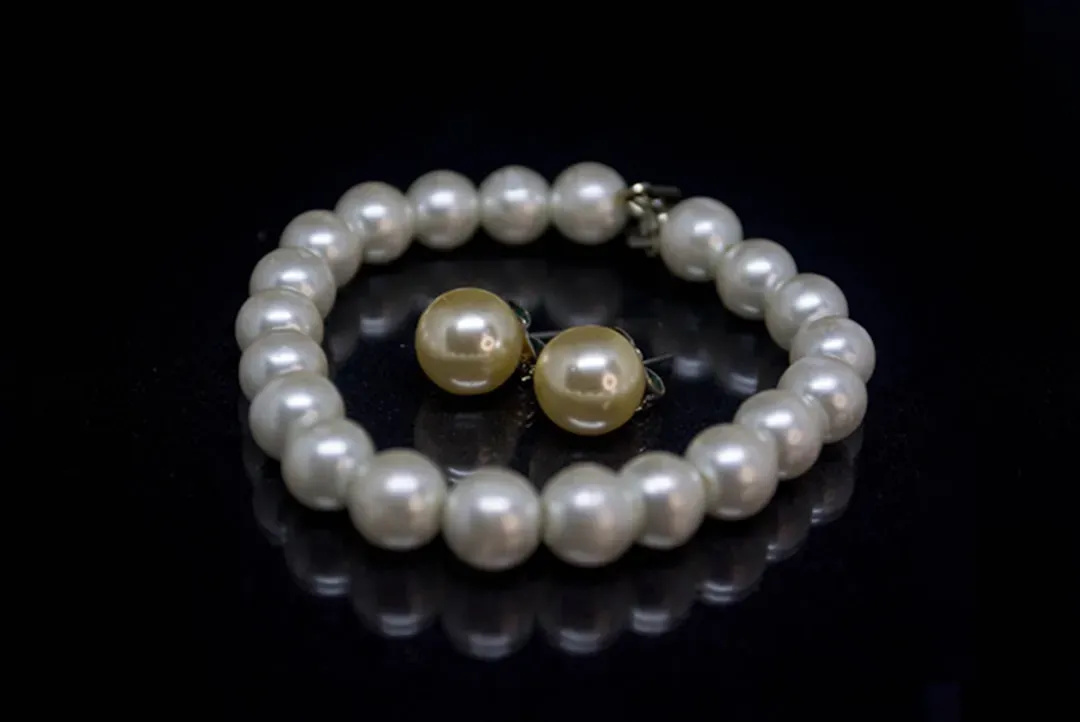
Pearls are organic gems – and incredibly delicate ones at that. Cleaning them with vinegar is genuinely dangerous, not just mildly inadvisable. Pearls are made up of marble, limestone, and calcium carbonate. According to Britannica, when pearls are exposed to vinegar, the calcium carbonate in the pearl will react with the acid in the vinegar, causing it to dissolve. While you would need a heavy concentration to fully dissolve your pearls, a few swipes of vinegar can definitely cause damage.
To keep your pearl jewelry shining, cleaning experts recommend using a soft cloth dipped in a solution of lukewarm water and mild dish soap instead. That is genuinely all you need. Pearls thrive on gentle, minimal care – not acid baths.
Think of it this way: vinegar is essentially a mild acid solution, and pearls are made of the same stuff as marble. You already know what vinegar does to marble. Treat your pearls accordingly.
12. Waxed or Finished Wood Furniture

Wood furniture with a wax or lacquer finish is particularly vulnerable to vinegar’s acidic power. Vinegar can dissolve the wax on waxed furniture and destroy the finish on wood furniture, making the wood more prone to damage and giving it a dull, cloudy look. This removes the protective layer and leaves the surface unprotected against scratches and stains.
Just as vinegar can strip the wax or seal off of hardwood floors, it can remove the protective coating on waxed furniture. While diluted vinegar can be used to clean unwaxed furniture, you should ensure that your wood does not have a sealant on it before using vinegar to clean it.
You want to keep your wood furniture in great condition, but cleaning it with vinegar could cause irreparable damage. Vinegar, especially when undiluted, can eat away at the finish and leave unsightly streaks. It may be harmful to use a solution of vinegar and water, too. A proper wood polish or a simple damp cloth does the job far better.
13. The Dishwasher Interior
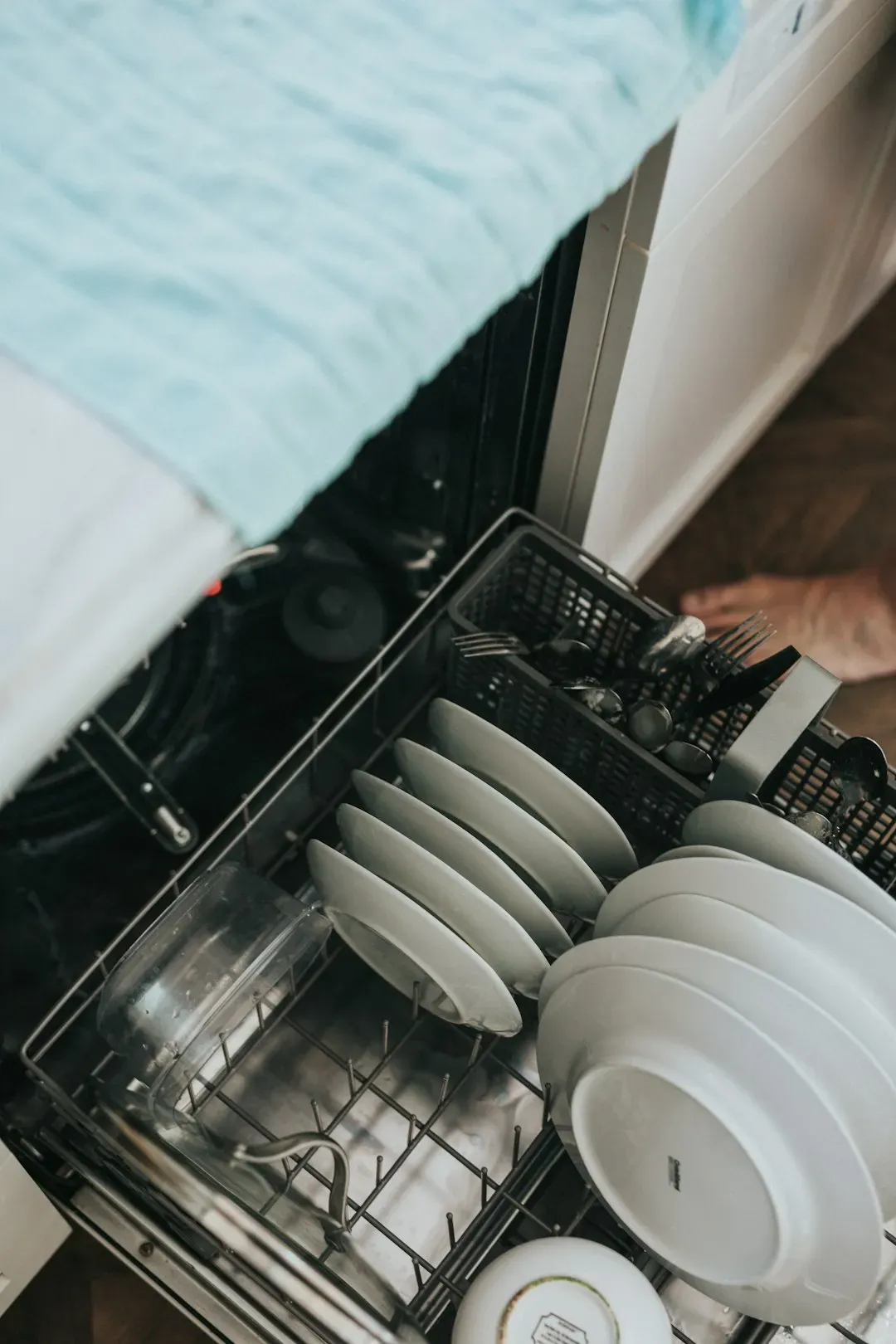
Running a cup of vinegar through a dishwasher cycle is practically gospel advice on cleaning blogs. It is one of those tips that has been copy-pasted so many times that most people assume it must be safe. This has become a popular DIY hack to clean your dishwasher, but it is a big no-no. The reason is that vinegar can damage rubber, which is used for some of the parts of the dishwasher, including the door seal.
Adding vinegar to your dishwasher can make your dishes come out looking sparkling clean, but the acidity can damage the rubber parts of the appliance. Vinegar is safe to use on machines made with natural rubber seals and parts constructed from specific synthetic rubbers, but many modern dishwashers use other seal materials.
Instead of vinegar, opt for a rinse aid to get your dishes clean. It will prolong the life of the hoses and seals in your dishwasher. That one swap alone can add years of useful life to an expensive appliance.
14. Egg Spills
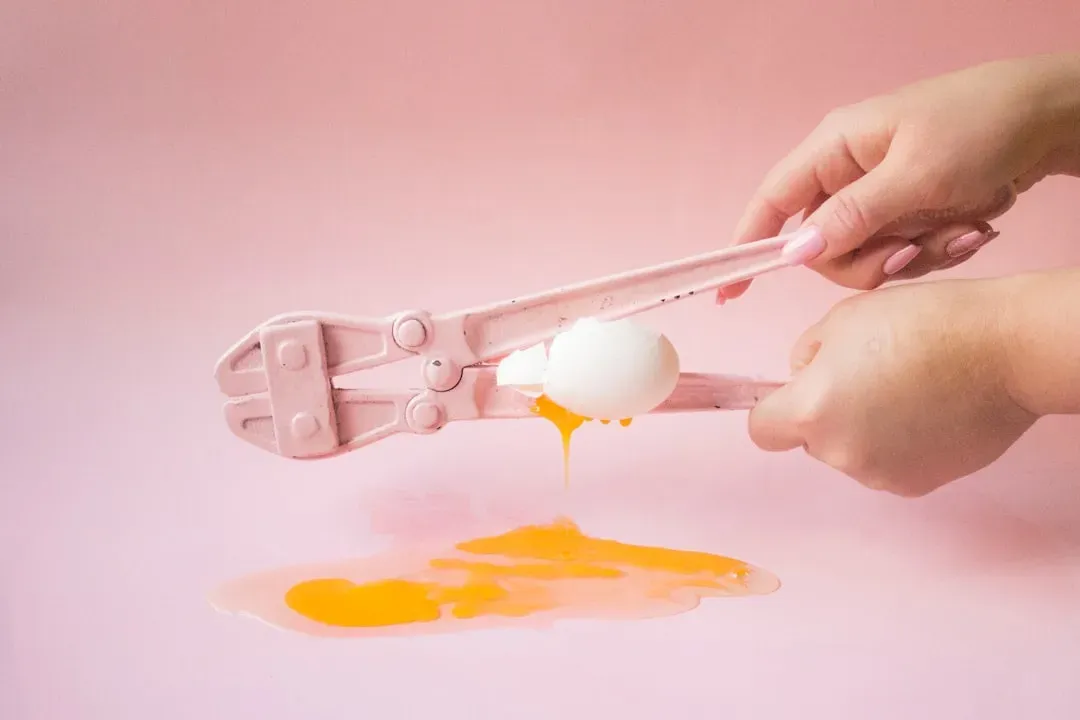
Dropping an egg on the kitchen floor is already annoying. Reaching for the vinegar spray bottle makes it so much worse. This is one of the most counterintuitive entries on this list – and one of the most commonly repeated mistakes. You should also avoid using vinegar to deal with raw egg spills. The proteins in eggs react with acetic acid found in vinegar, which leads to egg coagulation and the formation of rubbery substances that become difficult to clean.
A spilled or broken egg is one of the most frustrating kitchen messes to clean up, but vinegar will make the problem worse. If you spray an egg spill with vinegar, it will harden and become almost impossible to clean. You can use salt to soak up egg spills instead.
Cleaning egg messes with a vinegar solution will cause the protein enzymes in the egg to coagulate and will make the stains even more impossible to clean up. So if you drop an egg on the floor while cooking, it is better to wipe it up with something else. Soap and warm water provide a much quicker and more efficient cleanup.
15. Chrome Bathroom Fixtures
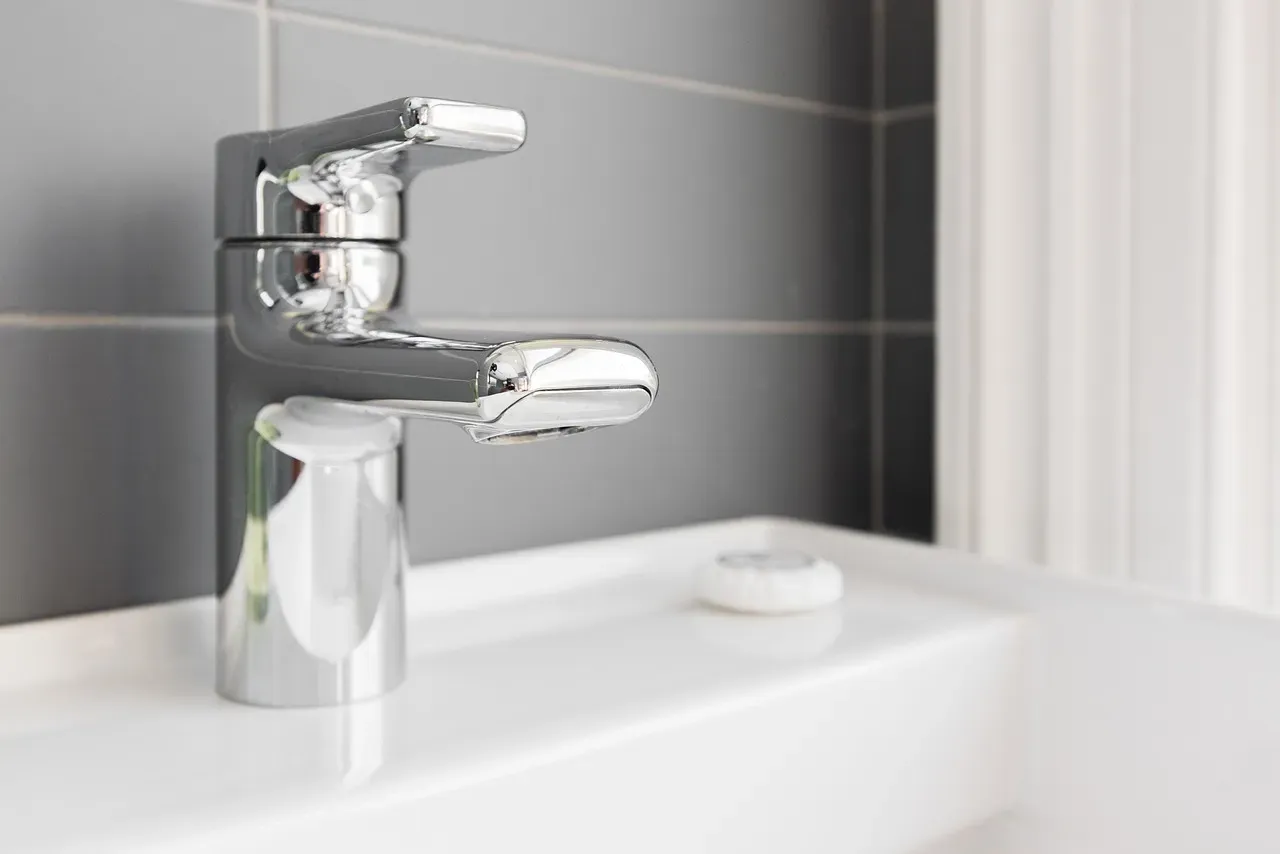
Chrome faucets and fixtures gleam beautifully – and vinegar is often recommended for keeping them that way. The problem is that extended exposure causes real damage. Vinegar is often recommended for cleaning hard water deposits on chrome bathroom fixtures, but this advice can be misleading. While it can dissolve mineral buildup, its acidic nature poses a risk to chrome finishes. Prolonged exposure to this solution can lead to the acid eating away at the finish. This issue can leave your fixtures dull and damaged.
Chrome is a soft, delicate metal that is almost always plated over a base metal such as nickel, steel, brass, or copper. Its shine means that it is easy to clean, but it is important to do so frequently since it shows water spots easily and may accumulate soap scum, dulling the finish.
The smart approach is to use vinegar sparingly on chrome, if at all, and never leave it sitting on the surface for more than a minute or two. Instead, consider safer alternatives for maintaining your bathroom fixtures long-term. Warm soapy water, a soft cloth, and a good buffing dry after cleaning will keep chrome gleaming without any of the risk.