
Most of us have done it. You reach to the back of a shelf and pull out something that’s been quietly aging there for… who knows how long. The date is fuzzy. The packaging looks fine. You shrug and use it anyway. Honestly, I’ve been guilty of this too.
Here’s the thing though. While plenty of expired pantry items are just a quality issue, others can genuinely compromise your health, your baking, or your dinner. Some of them look perfectly innocent. Let’s dive in and sort through which items deserve to be tossed, no debate required.
1. Rancid Cooking Oil
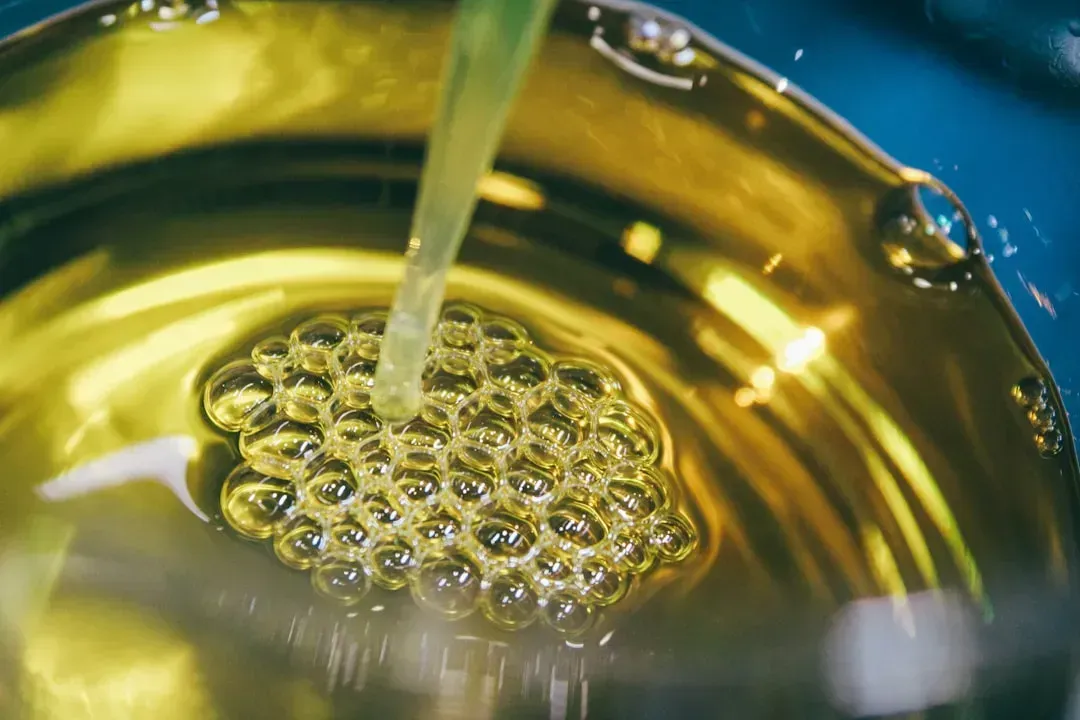
That bottle of vegetable or olive oil sitting past its printed date might look fine, but appearances are deceiving. Cooking oils can go rancid due to oxidation, light, heat, and moisture exposure. The tricky part is that rancidity can sneak up on you gradually, especially if the oil is stored in a dark pantry.
Rancid oil might not make you ill immediately, but it can form free radicals in the body, which have been linked to cancer and Alzheimer’s. That’s a compelling reason to take your nose seriously. If it has a rancid smell, unpleasant bitter taste, or cloudy appearance, it’s best to discard it. Don’t give rancid oil the benefit of the doubt.
2. Whole Wheat and Specialty Flours
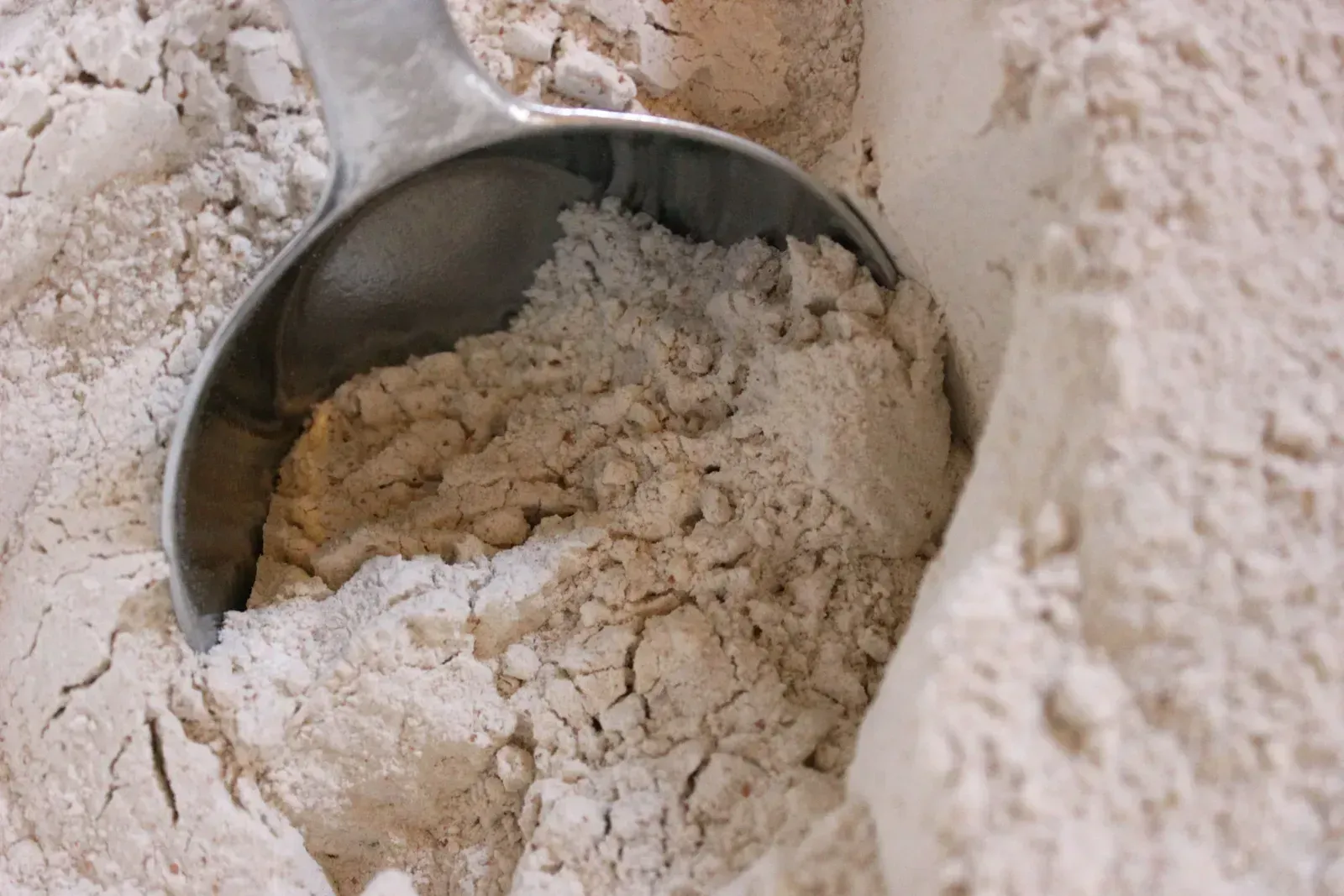
White all-purpose flour gets a pass longer than you might think, but whole wheat and specialty flours are another matter entirely. Whole wheat flour contains natural oils that can spoil faster, developing a sour smell and altering the taste of baked goods. Once that process kicks in, there is no going back.
Moldy flour can be dangerous as well as foul-tasting. While not all molds are harmful, some can produce dangerous chemicals known as mycotoxins. These compounds can trigger symptoms like vomiting and diarrhea and are also linked to serious illnesses including cancer and liver disease, depending on the amount eaten and duration of exposure. That bag of almond flour you forgot about? Give it a sniff and be honest with yourself.
3. Dented or Bulging Canned Goods
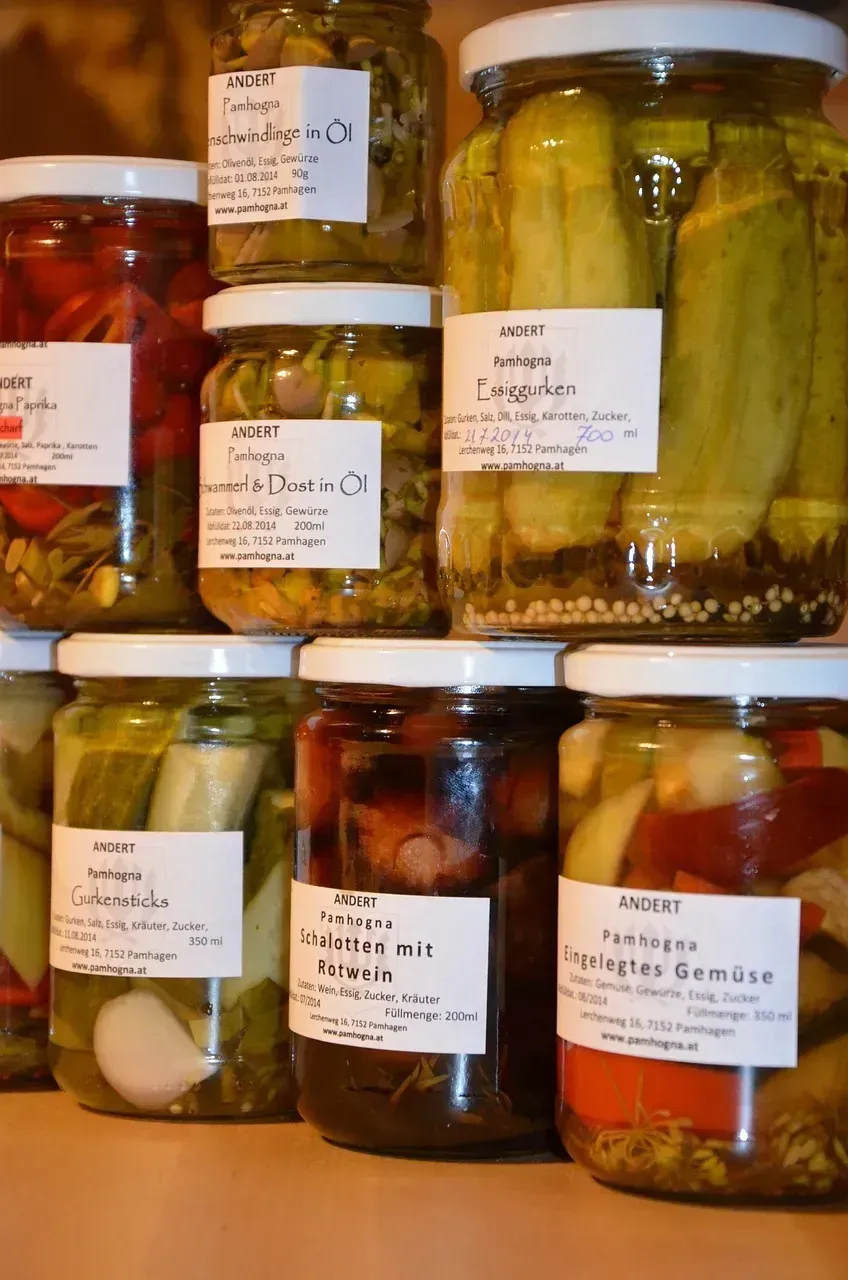
A lot of people think canned goods are basically immortal. They are not, and the real red flag is not the expiration date but the condition of the can itself. If a dent is near the seams or causes the can to bulge, it may compromise the seal, allowing bacteria like Clostridium botulinum to grow, posing a serious health risk.
Botulism is a rare but serious illness caused by a toxin that attacks the body’s nerves and causes difficulty breathing, muscle paralysis, and even death. The USDA is crystal clear on this point. Never use food from containers showing possible botulism warnings including leaking, bulging, or badly dented cans; canned food with a foul odor; milky liquids surrounding vegetables that should be clear; or any container that spurts liquid when you open it. When in doubt, the answer is always the trash.
4. Expired Nuts and Seeds
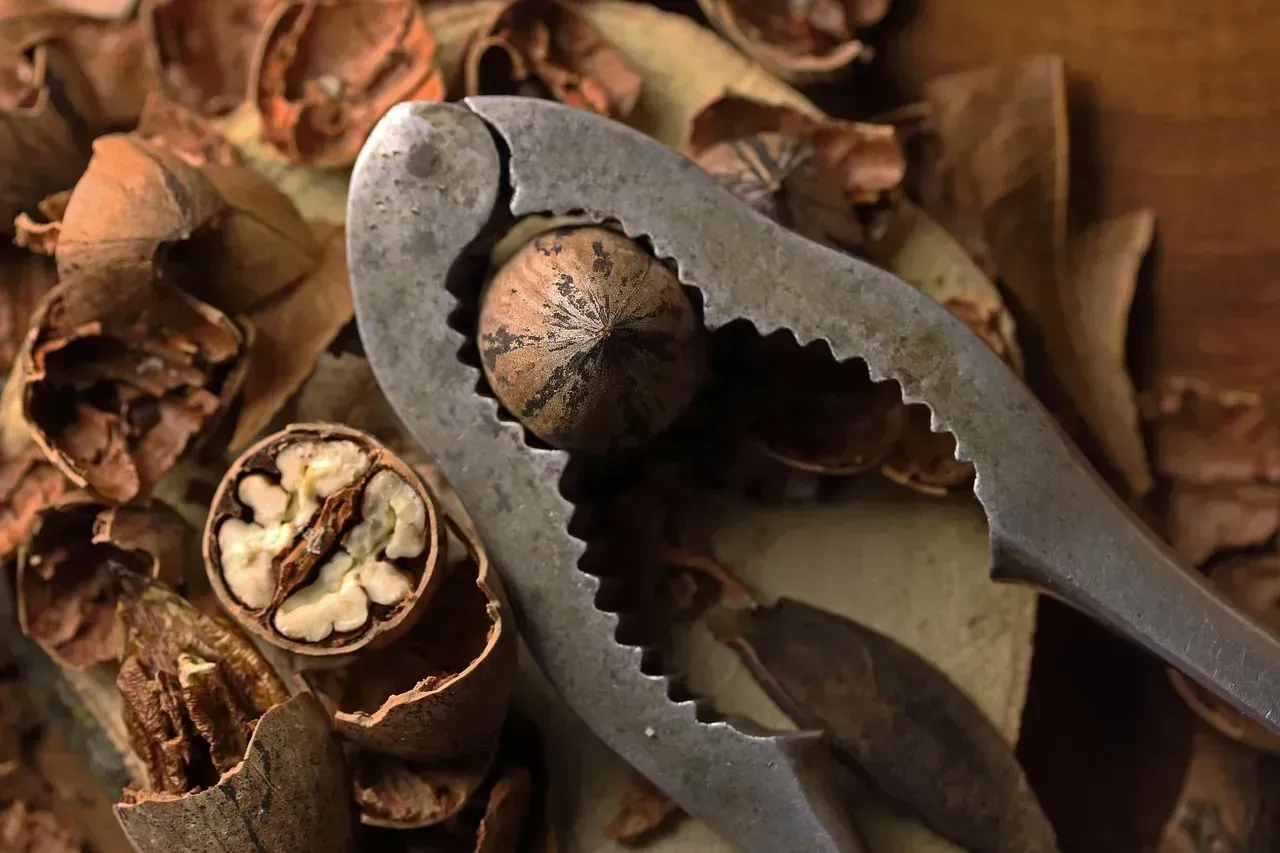
Nuts seem like they should last forever. They look dry, they’re shelf-stable, and they smell fine right up until the moment they don’t. Packed with healthy fats, nuts and seeds are a nutritious pantry staple, but their oils make them prone to rancidity. Most nuts and seeds last about 6 months at room temperature, and rancid nuts and seeds develop a bitter taste and unpleasant odor.
When nuts turn rancid, they don’t just taste bad. They produce harmful compounds called peroxides and aldehydes that can damage your cells and increase inflammation throughout your body. Rancid nuts have been linked to increased oxidative stress, which accelerates aging and has been associated with serious conditions like heart disease and cancer. That’s not a small caveat. Check your walnuts, almonds, and especially your nut-based flours regularly.
5. Ground Spices That Have Lost All Aroma
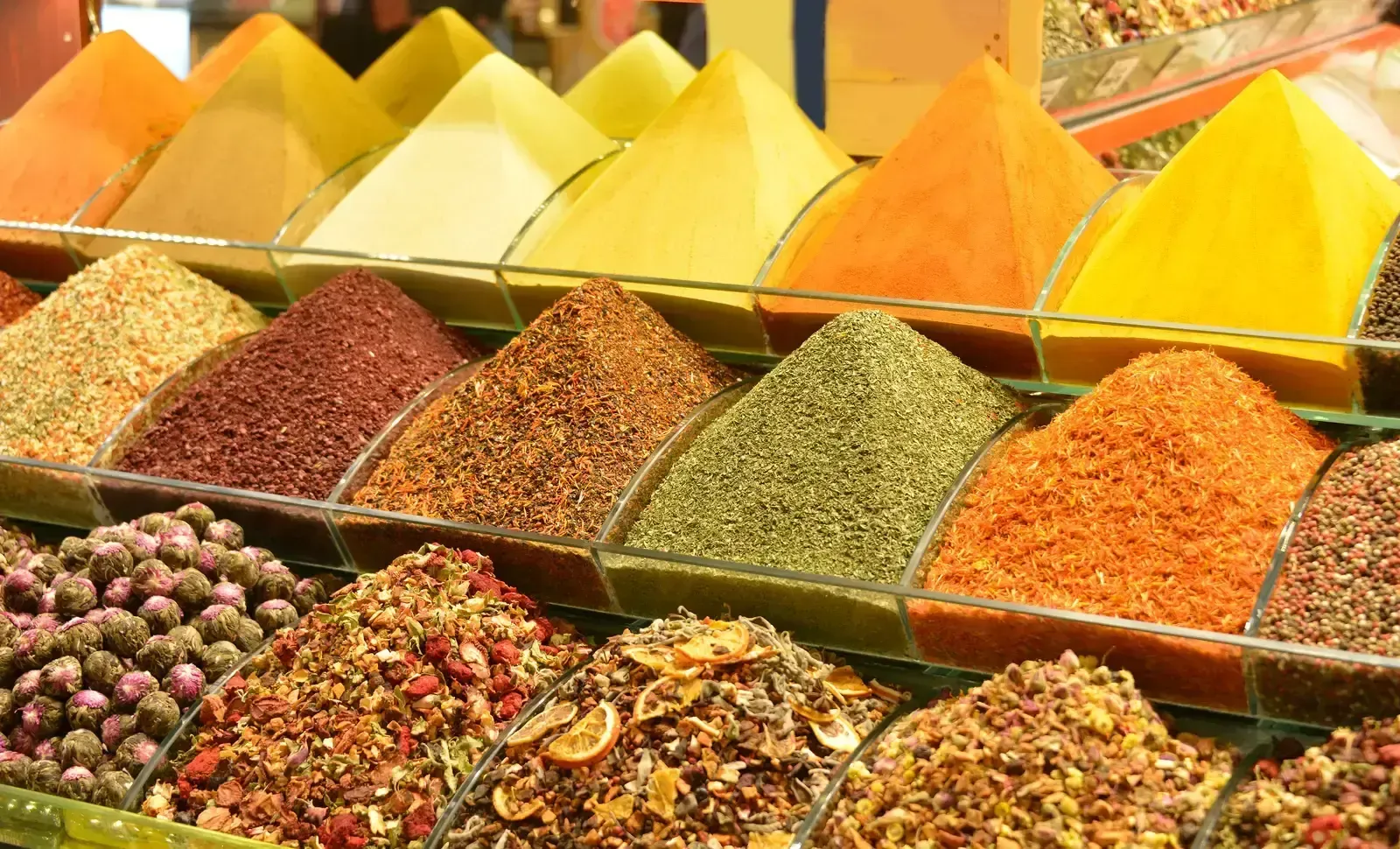
Let’s be real: the spice rack is the most neglected corner of most kitchens. Ground spice versions oxidize faster, cutting potency by roughly half in six months if stored poorly. That jar of paprika from 2020 is essentially contributing colored dust to your dishes, nothing more.
Paprika and chile powders have shorter lifespans due to their finely ground nature. They typically maintain peak flavor for only one to two years. Paprika’s color may fade over time, indicating a serious loss of potency. The quick test is simple: rub a pinch between your fingers. If the aroma is faint or color faded, potency is gone. Toss it and start fresh.
6. Expired Baking Powder

You probably have a tub of baking powder that has been in your cabinet for a suspiciously long time. Baking powder is the silent saboteur of countless failed baked goods. Baking powder and boxed cake or cookie mixes don’t last forever, even if they look fine. Baking powder can go flat months after its expiry, leaving you with sad, dense bakes. Test it with hot water: no fizz means no rise.
Baking powder works by creating bubbles that make cakes, muffins, and quick breads light and fluffy. When it loses its strength, your baked goods won’t rise and will turn out dense and flat. Using old baking powder means wasting both your ingredients and your effort. That is a painful truth if you have just baked a birthday cake. Two bucks for a new tin is always worth it.
7. Dead Yeast
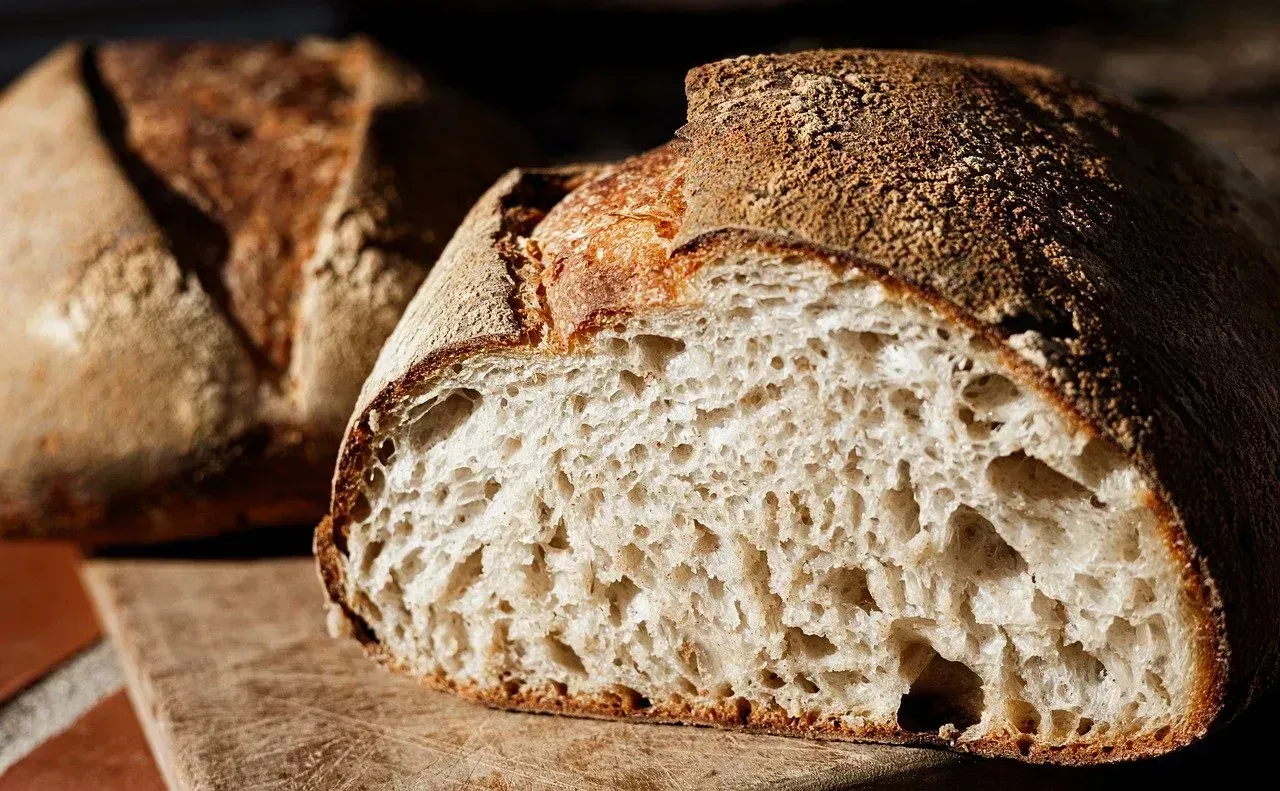
Yeast is alive. That is the key thing many home bakers forget. It is not just a powder. It is a living organism, and when those organisms die, your bread goes nowhere. Yeast might look like a pantry staple that lasts forever, but it’s more fragile than you think. Once it’s past its expiry date, especially if not stored in the fridge or freezer, it can lose its rising power, meaning flat bread and dense bakes.
Expired yeast is completely useless, as the living organisms inside eventually die off. According to Fleischmann’s Yeast, a leading manufacturer, an unopened package of yeast retains its best quality for about 2 years past the production date, but its viability decreases thereafter. The proofing test is your friend here: mix yeast with warm water and a little sugar. If it bubbles in ten minutes, it’s still alive. If not, it is time to bin it.
8. Rancid Peanut Butter
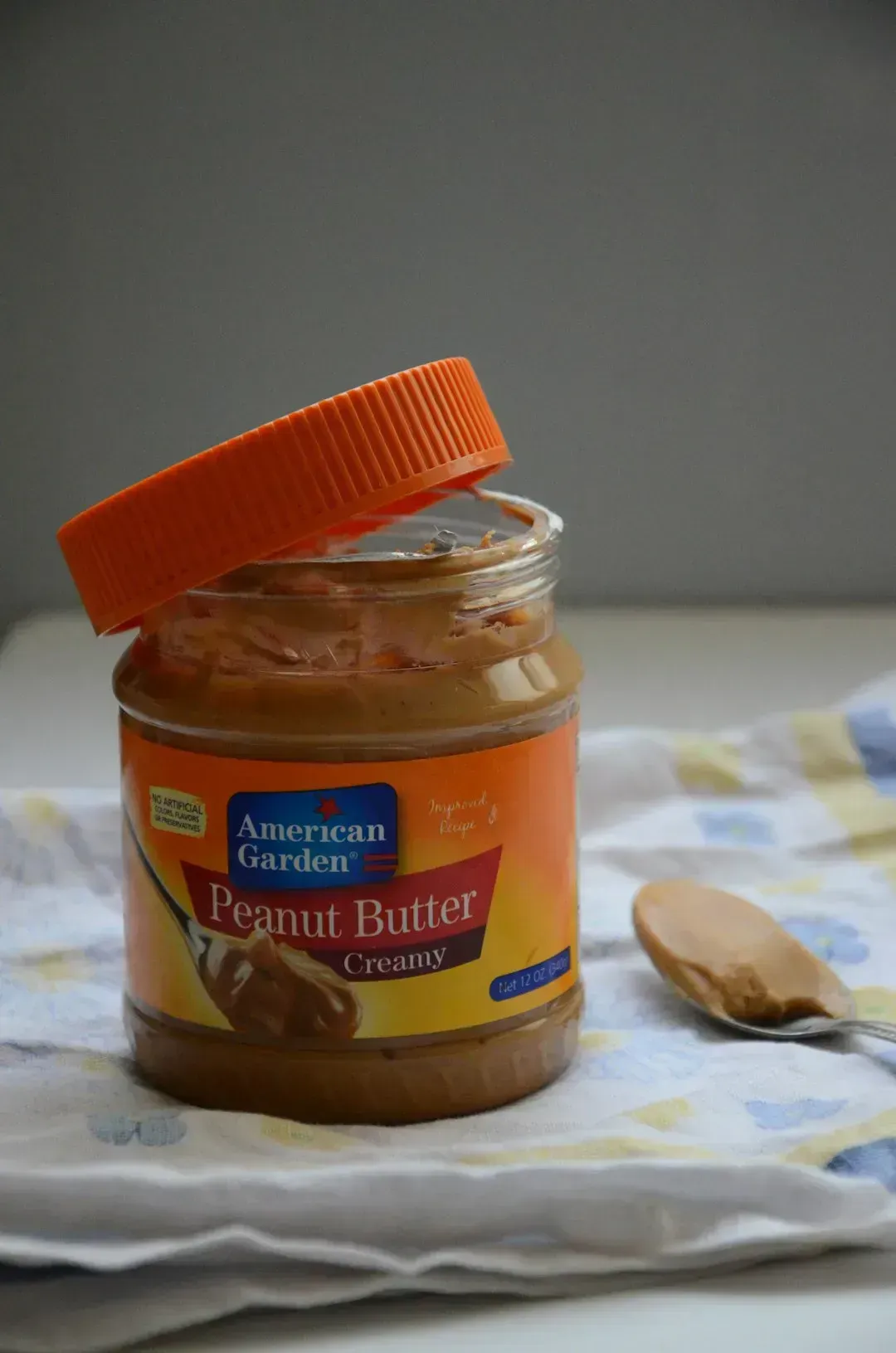
Peanut butter is one of those things people trust implicitly. The jar sits there looking solid and dependable, and yet the fats inside it are quietly changing. If unopened, both smooth and crunchy peanut butter will keep for one year past its best-before date. Once it’s been opened, both are good for three to four months in the pantry or six to eight months in the refrigerator past that date.
Beyond those windows, regularly using rancid product can lead to the buildup of harmful compounds like free radicals, which may negatively impact your health over time. If your peanut butter smells vaguely like paint or tastes unpleasantly sharp, it has crossed a line. Natural peanut butter with no stabilizers actually goes rancid faster than commercial varieties, so pay extra attention to those.
9. Expired Mayonnaise and Creamy Dressings
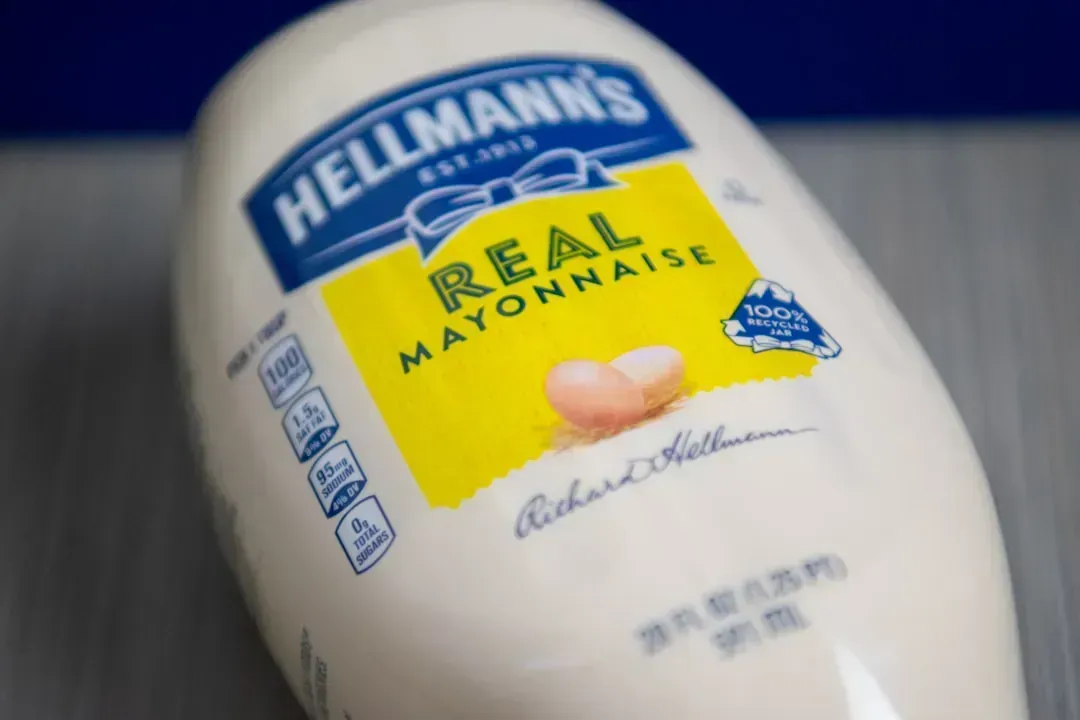
This one genuinely surprised me when I looked into it. Commercially prepared mayonnaise seems bulletproof, but open it past its date and you are in more uncertain territory than most people realize. Commercially prepared mayonnaise and some dressings are shelf-stable before opening, but if they contain eggs, oils, or dairy, they could be more prone to spoilage.
The combination of oil, egg, and acid in mayonnaise creates a product that can harbor bacterial growth once opened and exposed to air and temperature fluctuations. After the printed date, the emulsion can start to break down and the smell will tell you everything you need to know. An open jar of expired mayo in a warm kitchen is not a risk worth taking.
10. Brown Rice
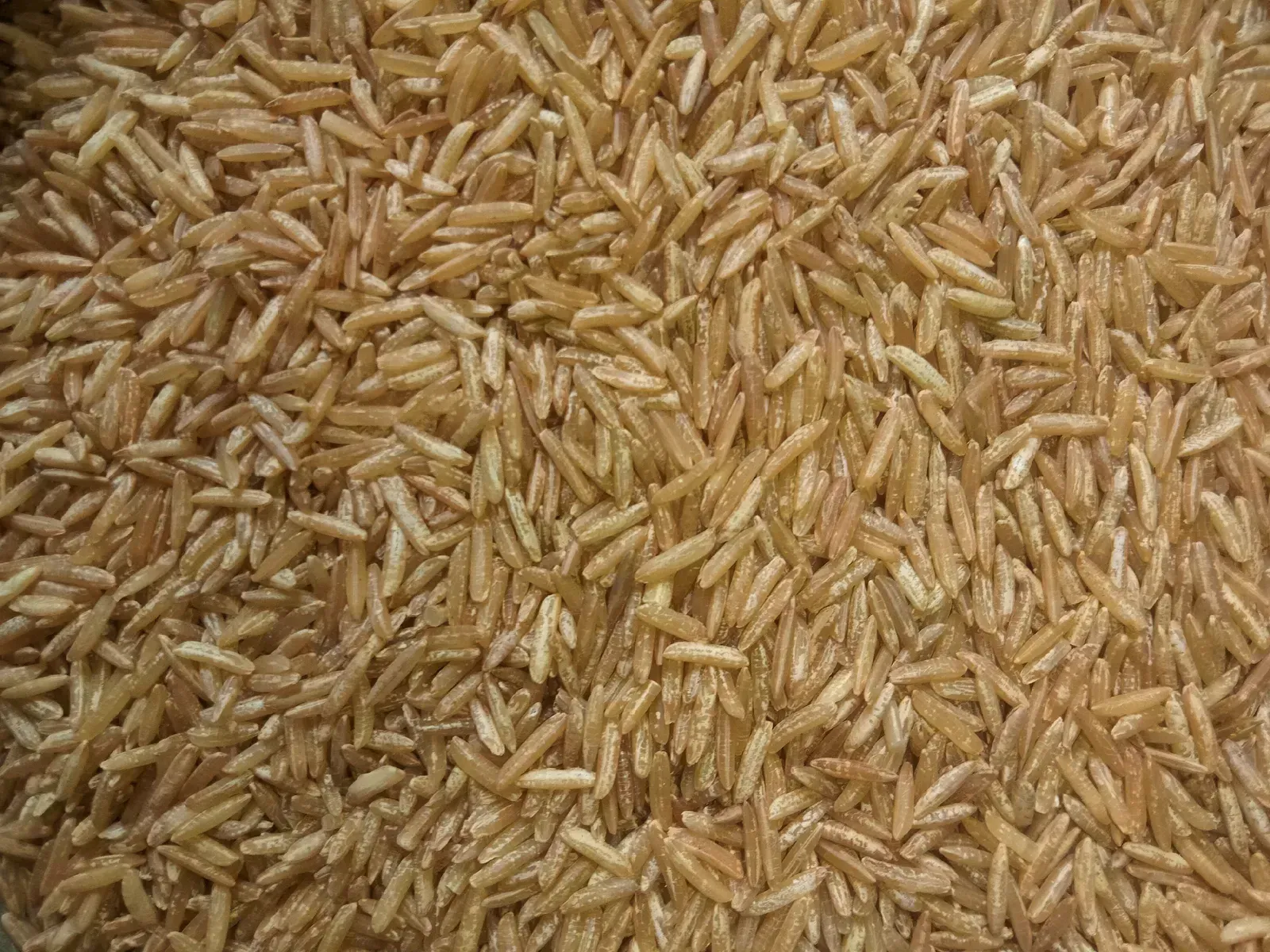
White rice is virtually immortal when sealed and stored properly. Brown rice is an entirely different story. Brown rice has oils in it that can go rancid faster than its white counterpart. It is one of those items that looks identical whether it is fresh or well past its prime, which makes it especially easy to overlook.
Brown rice has a shelf life of only one to two years. Anything beyond that window and you risk cooking with rancid oils that affect both the flavor and your health. The telltale sign is a faintly sour or off smell when you open the package. If it smells anything other than clean and neutral, do not cook with it. White rice stored in ideal conditions, on the other hand, can genuinely last for years.
11. Expired Crackers and Chip Snacks
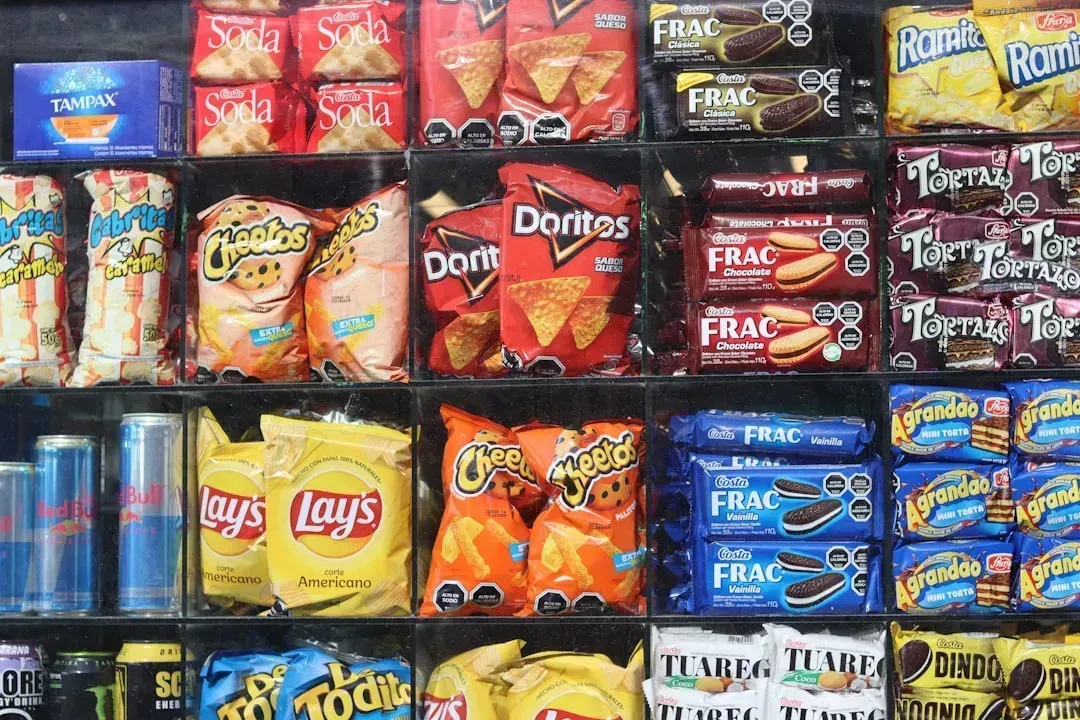
Crackers seem harmless but the fat content hiding inside them is quietly doing damage once they are past their date. Unopened crackers might seem fine after their expiry date, but many, especially buttery varieties, contain fats that can turn rancid over time. While plain water crackers may last longer due to low fat content, anything rich or flavored is more likely to taste stale or smell off once expired. Even without mold, a bitter or musty flavor means it is time to toss them.
The same principle applies to bagged chips and popcorn snacks. Commercially popped and bagged popcorn has a shelf life of roughly two to three months, while microwave popcorn packets last about one year. Past those windows, you are basically eating oxidized fats in a crunchy shape. Not ideal.
12. Expired Boxed Baking Mixes
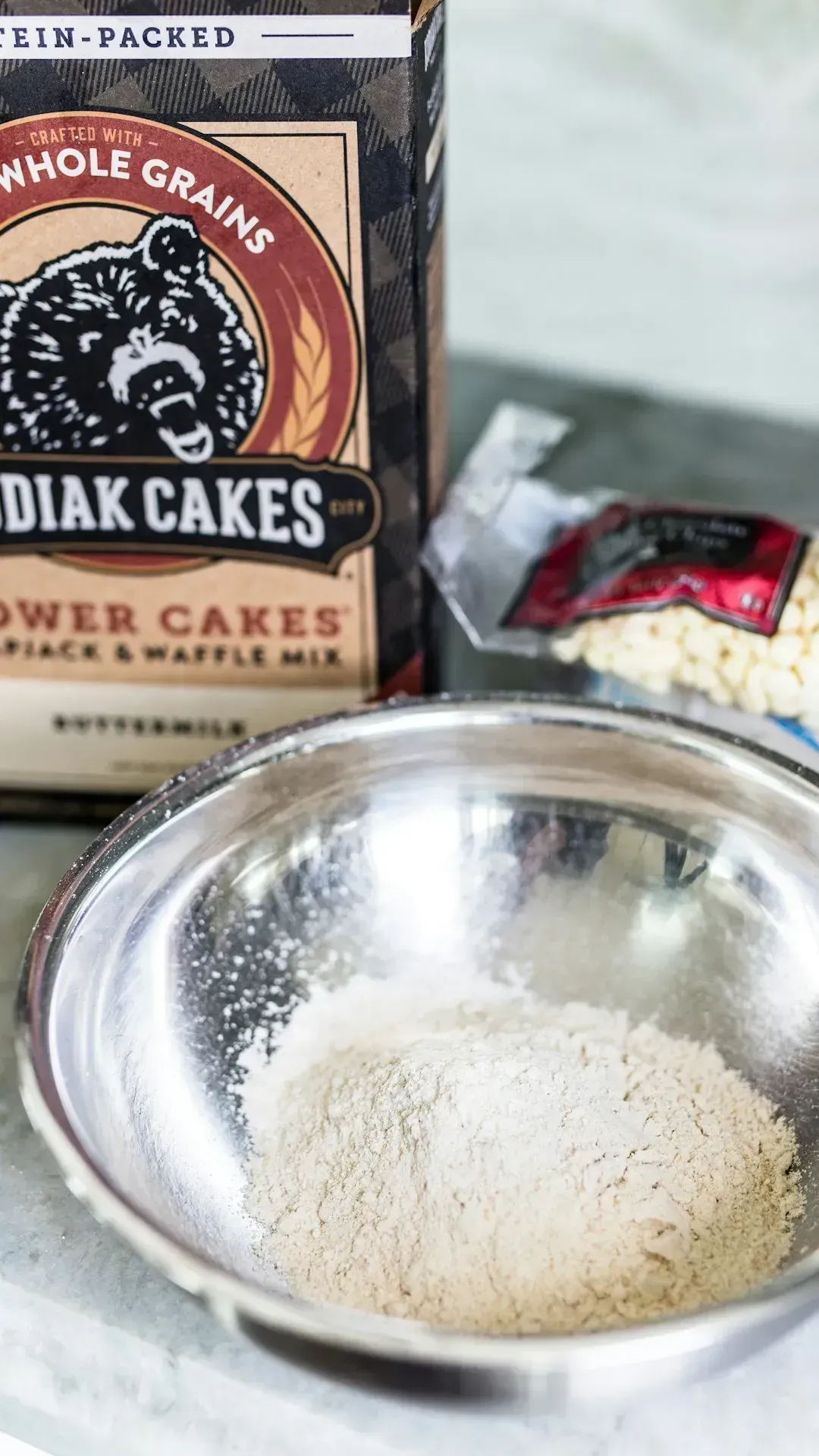
Boxed cake mixes, pancake mixes, and brownie kits have a deceptively approachable shelf life. The packaging looks sturdy. The powder looks fine. However, the active leavening agents inside are degrading whether you can see it or not. Pre-mixed baking kits might still be technically safe, but the raising agents can lose their effectiveness over time, and the fats in brownies or cookies can go rancid.
If it smells off or has clumps or unwanted visitors, it is time to bin it. The presence of weevils or beetles in an old mix is, honestly, more common than most people would like to admit. Flour or mix with signs of insect or rodent infestation, including little brown or black spots or holes and tears in the bag, should be thrown away regardless of the condition of the flour. No exceptions on that one.
13. Old Cooking Wine and Vinegars Past Their Best

Vinegars are remarkably stable, but cooking wines are not. Many home cooks keep a bottle of cooking wine in the pantry indefinitely, not realizing it deteriorates faster than drinking wine because of its added salt content and often thinner protective seal. Once open, it can develop off-flavors and bacterial growth within months.
Flavored vinegars, particularly those with added fruits, herbs, or proteins, also have a much shorter window than plain white or apple cider vinegar. Using expired pantry items might not always be dangerous, but it can affect the quality of meals. Stale or rancid ingredients can compromise the flavor and texture of dishes, leading to disappointing results. Additionally, consuming spoiled items such as rancid oils or contaminated goods can pose real health risks.
14. Expired Condiments (Ketchup, Mustard, Soy Sauce)

These feel like they last forever, mainly because we use them so slowly. A half-empty bottle of soy sauce at the back of the pantry shelf is a familiar sight in most kitchens. Pantry condiments like ketchup, mustard, and soy sauce often outlive their freshness. While these items have preservatives to extend their shelf life, they are not immune to spoilage.
Soy sauce, being high in salt, lasts longer than most. Ketchup, mustard, and sweet chili sauce, though, can see both quality and microbial safety decline past their windows, especially once opened. Use your senses when judging if food has gone bad. You will know when food has started to spoil by the unpleasant odor, flavor, or texture from bacteria. That slightly vinegary or fermented-off smell from an old ketchup bottle is your body’s signal to throw it out.
15. Expired Coconut Oil
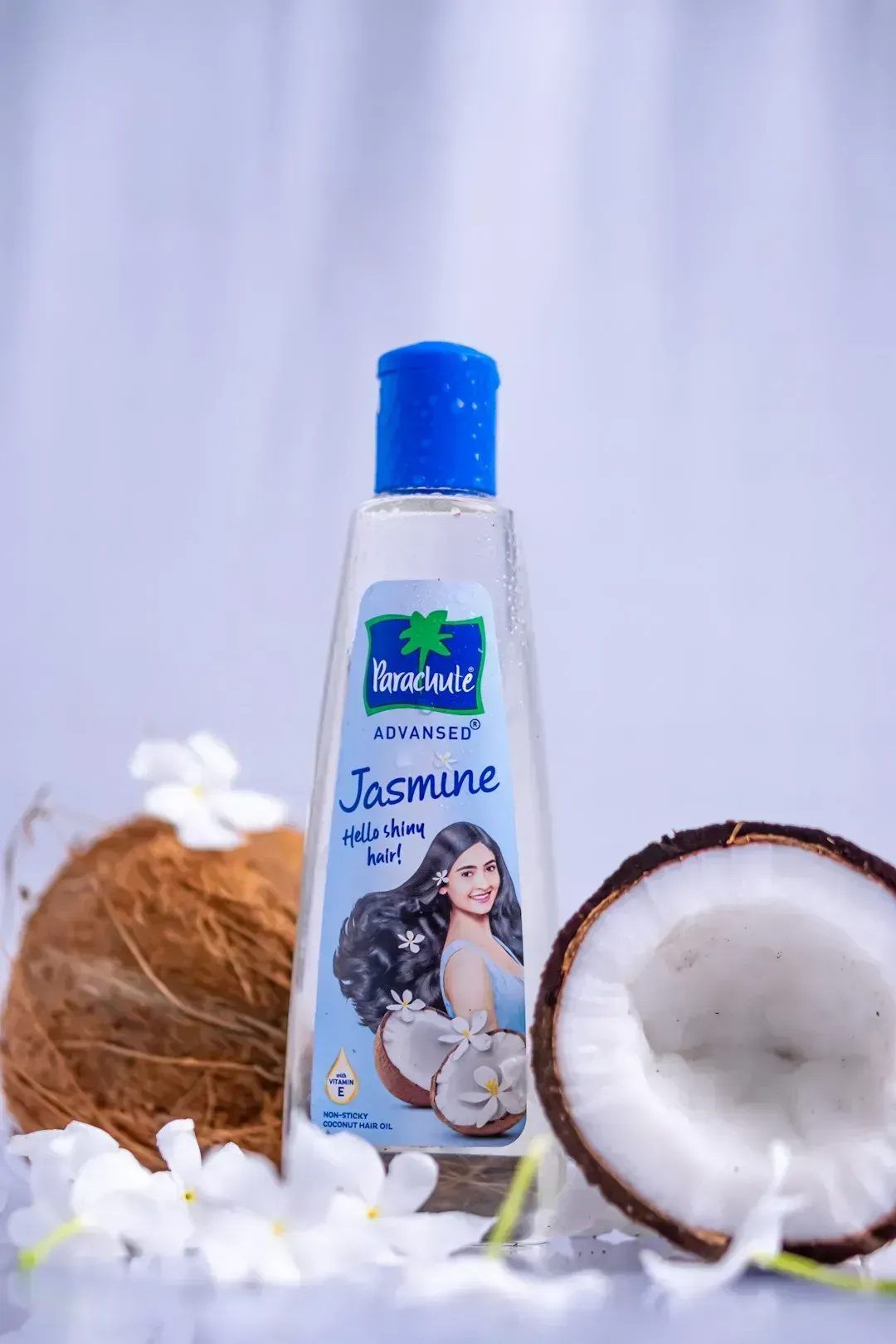
Coconut oil has earned a reputation as almost indestructible. It solidifies, melts, re-solidifies, and seems to resist spoilage indefinitely. That reputation is only partially deserved. When coconut oil goes rancid, it undergoes chemical changes that can produce harmful compounds. When expired coconut oil turns rancid, it produces free radicals and other compounds that can cause oxidative stress in the body. These compounds have been linked to inflammation, cellular damage, and potentially even cancer-causing effects when consumed regularly.
The danger with expired coconut oil is that it might not always smell obviously rancid, especially if you are not familiar with what rancid coconut oil smells like. Think of it this way: fresh coconut oil smells clean, lightly coconutty, and pleasant. Rancid coconut oil smells sharp, soapy, or faintly chemical. Trust your nose every single time you open a jar.