Most homeowners think of plumbing as something that just quietly works in the background. You turn on the tap, water comes out. You flush the toilet, waste disappears. Simple. But what if the things you do every single day are slowly eroding that reliable system from the inside? Bit by bit, pipe by pipe?
The truth is, some of the most common household habits are ticking time bombs for your plumbing. Some cause gradual buildup, some trigger costly emergency repairs, and some do both. You might be surprised just how much damage a few innocent-seeming routines can cause over time. Let’s find out what they are.
1. Flushing “Flushable” Wipes Down the Toilet
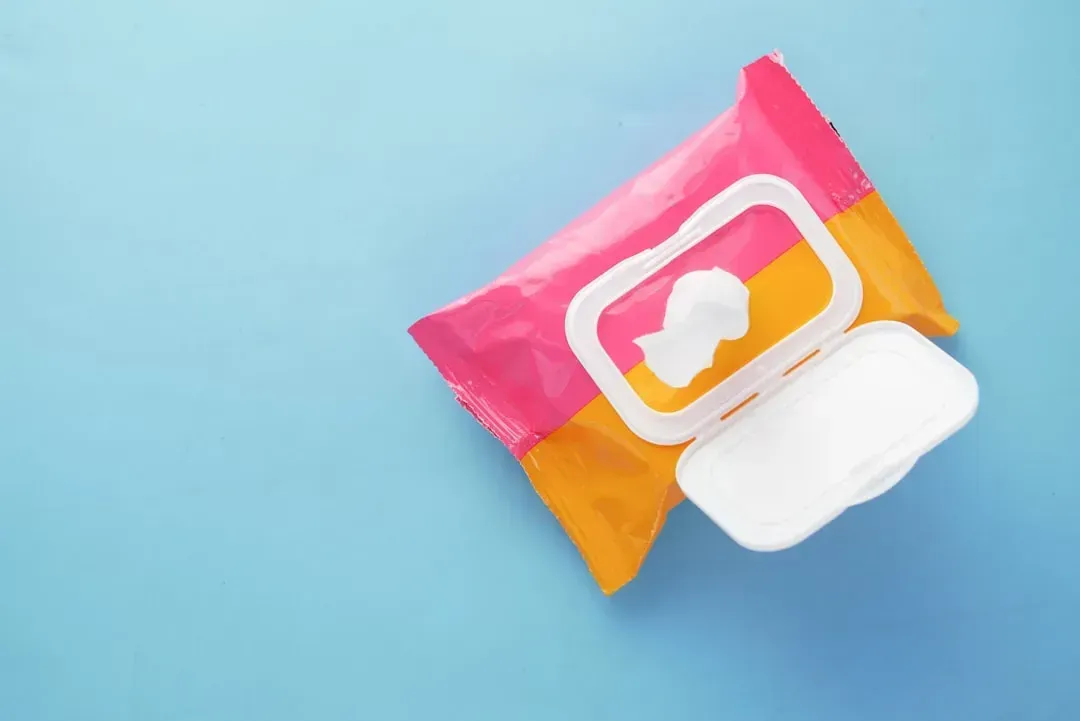
Here’s the thing: the word “flushable” on a wet wipe package is essentially meaningless. There are currently no regulations regarding the use of the word “flushable” when marketing these products. That’s right. Any manufacturer can slap that word on a label and walk away clean, no matter what their product actually does to your pipes.
Wipes are made of a type of paper pulp held together with non-degradable materials like polyester and polymers. Unlike toilet paper that begins to break down almost immediately in water, wipes stay intact, and when they hit your sewer pipes or septic tank, they get stuck. Think of them less like paper and more like tiny wet cloth patches that just sit there, accumulating.
The 2020 National Association of Clean Water Agencies report found wipes created a $440 million per year operational cost for wastewater utilities. That’s an enormous public cost driven by a habit most people don’t even think twice about. Plumbers agree that flushable wipes are one of the biggest contributors to clogged pipes, sewer backups, and emergency plumbing calls.
2. Pouring Cooking Grease Down the Kitchen Drain
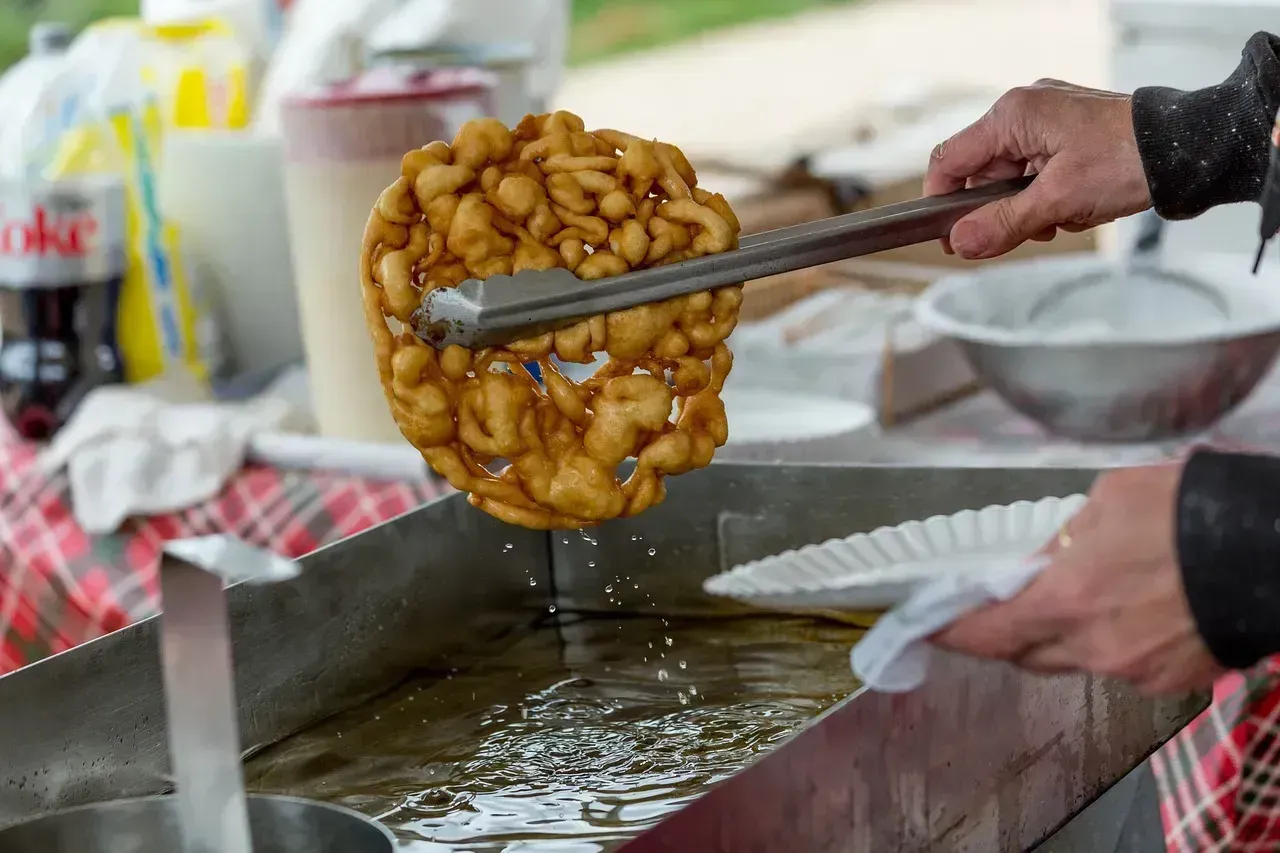
Every cook does it at some point. You’ve just finished frying bacon, and rather than deal with the greasy pan, you rinse it all down the sink. It looks liquid, it feels harmless. It is neither.
According to the EPA, grease from kitchens is the number one cause of sewer blockages, responsible for about 47% of reported sewer system blockages. Plumbers even have a nickname for this problem: FOG, which stands for fats, oils, and grease. FOG comes from everyday foods like cooking oil, lard, butter, meat drippings, and creamy sauces, and it might be liquid when hot but it quickly cools and hardens like wax inside your pipes.
Fatty acids in a “FOG clog” actually eat away at your pipes. Over time, they cause sewer line leaks and pipe damage. Honestly, it’s not unlike what happens inside your arteries when you eat too much saturated fat. The analogy isn’t just clever; it’s accurate. It only takes a few weeks for grease accumulation to cause serious plumbing issues.
3. Using Chemical Drain Cleaners as a Routine Fix
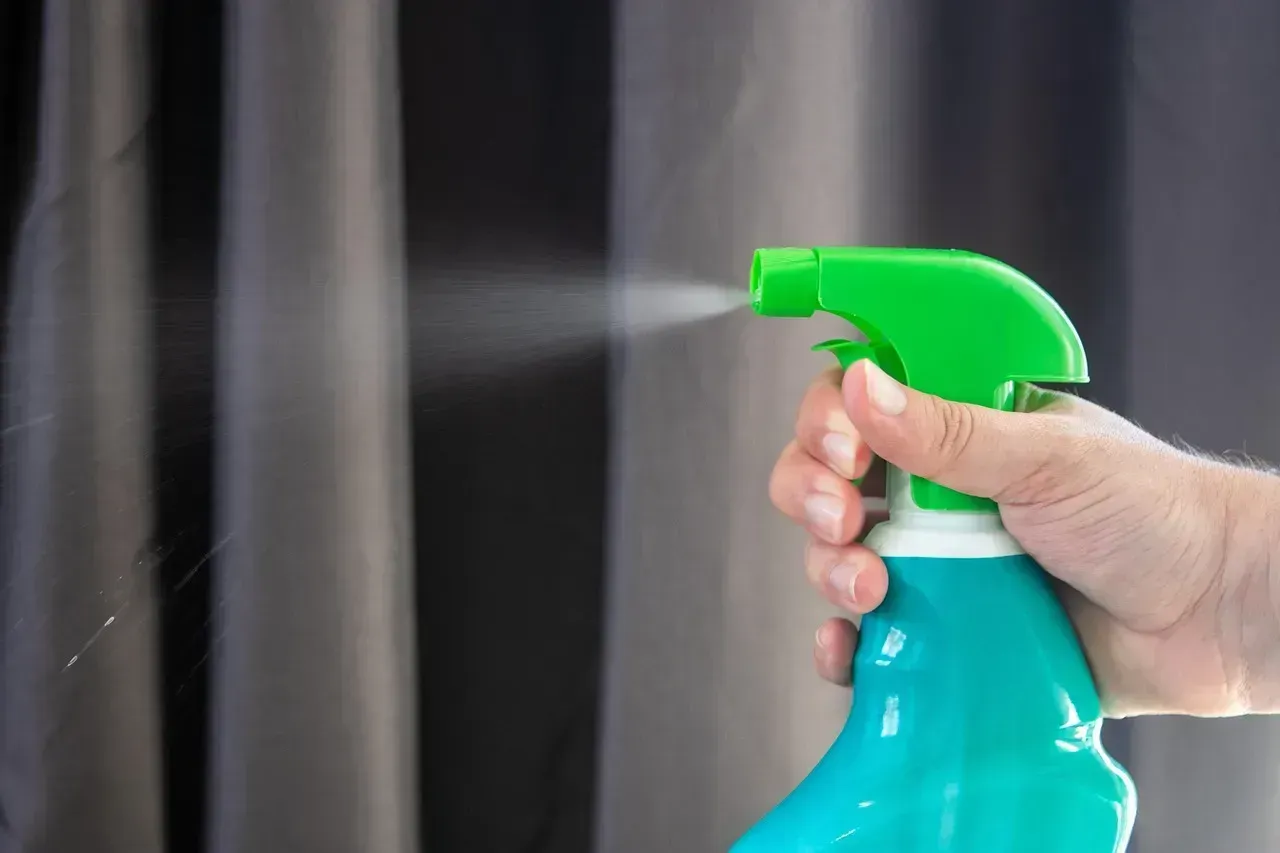
Reaching for a bottle of store-bought drain cleaner when water starts backing up is one of the most instinctive responses homeowners have. It seems like a ten-second solution. In reality, it can be the beginning of a much bigger problem.
Chemical drain cleaners can damage pipes. These products often contain harsh chemicals that can erode and weaken various types of plumbing materials. Substances like sodium hydroxide and sulfuric acid can corrode metal pipes, leading to leaks and potential failures. The heat generated during chemical reactions can also warp or melt plastic pipes, compromising their integrity.
The damage builds slowly. Each use weakens pipe walls just a little more, especially in metal or aging plumbing systems. PVC pipes aren’t immune either. Repeated exposure to extreme heat from chemical reactions can cause joints to loosen or pipes to deform. Worse still, chemical drain cleaners often burn a small hole through the clog instead of removing it completely. That partial opening gives the illusion of success, water drains again, but debris remains, and the clog rebuilds quickly.
4. Ignoring Small Drips and Minor Leaks
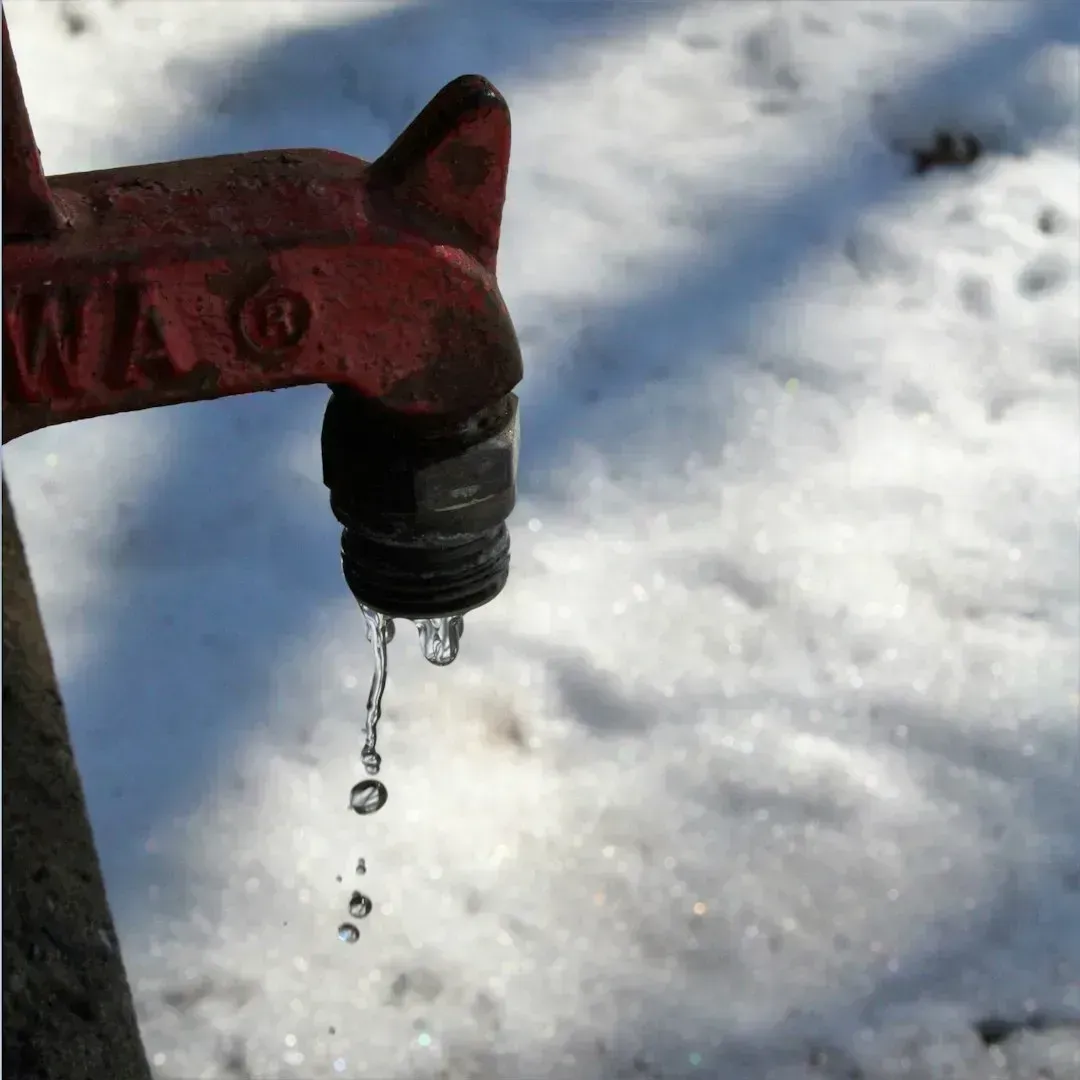
A dripping faucet is easy to tune out. You get used to the sound, you tell yourself you’ll fix it next weekend, and then next weekend becomes next month. But small drips are rarely just cosmetic problems.
Dripping faucets can quickly eat into your utility bill, easily wasting over 100 gallons of water a month. That alone should make anyone pay attention. A small drip can quickly turn into a significant leak that requires a major repair. The sooner you fix the leak, the lower your risk of sustaining a lot of damage to your plumbing and property.
Ten percent of households have plumbing leaks that waste 90 gallons or more per day of water. Per day. That’s not a rounding error, that’s a serious structural problem hiding in plain sight. Even minor drips from faucets or small pipe leaks can lead to significant water wastage and potential damage over time. Don’t let the slow pace of deterioration fool you into complacency.
5. Misusing the Garbage Disposal
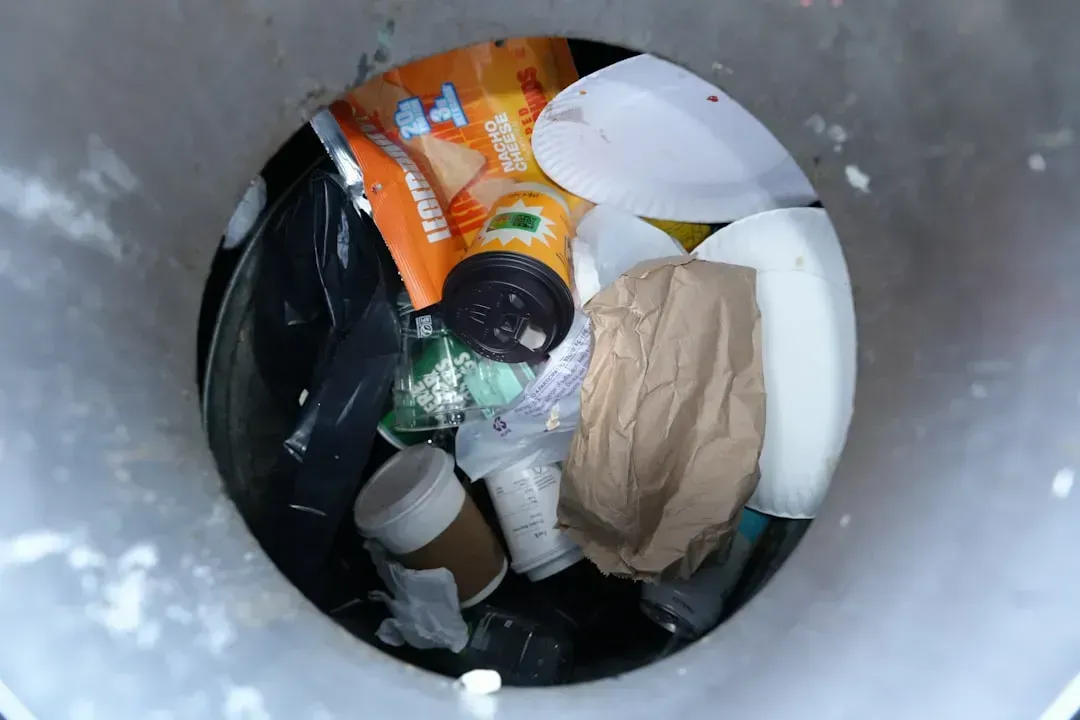
A garbage disposal feels like a magic machine. You push food scraps in, they vanish, life is good. The problem is that most people treat it like a full kitchen trash can with a spin cycle, and that leads to some seriously costly consequences.
Avoid putting inappropriate items down the garbage disposal. Grease, fibrous foods, bones, and coffee grounds should be disposed of separately to prevent clogs and damage to the disposal unit. Fibrous vegetables like celery stalks are a particularly sneaky culprit. Their stringy fibers wrap around the disposal blades and can bring the whole unit to a grinding halt.
Garbage disposals are powerful tools for breaking down food, but they’re not designed to dispose of solidified grease or fats or buildup from liquid cooking oils. Excessive use of your garbage disposal can also contribute to further blockages, and eventually your garbage disposal blades will become less effective from repeated coatings of grease. Treat it like the assistant it is, not the replacement it isn’t.
6. Running Hot Water While Pouring Grease
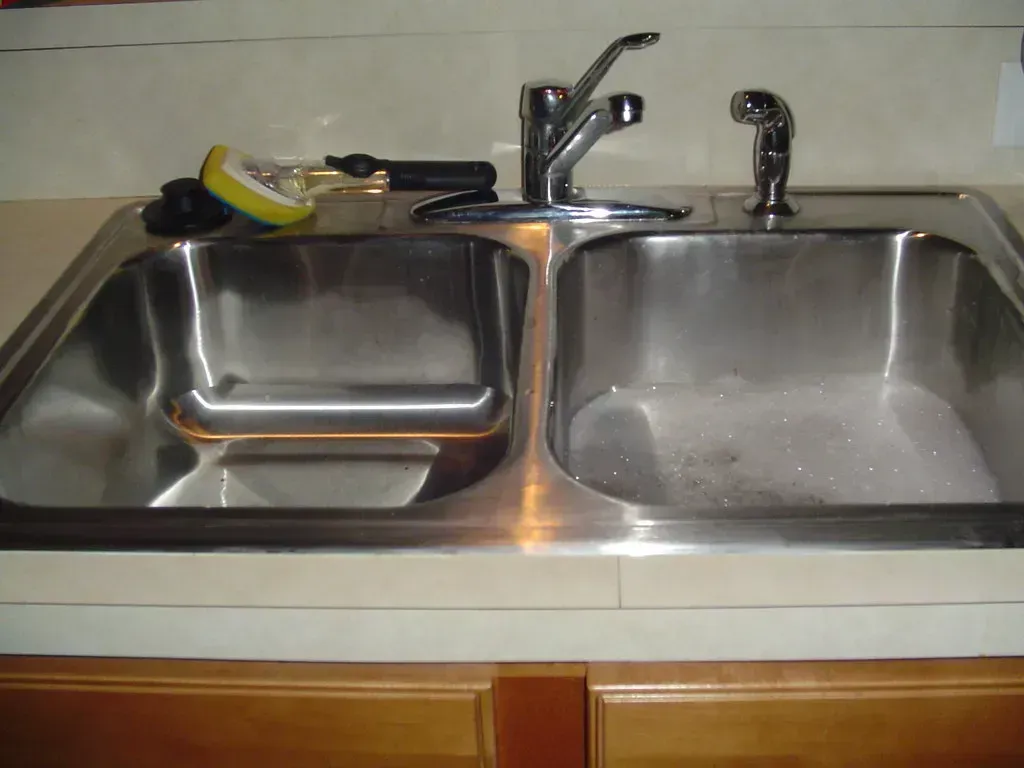
Many people think that running hot water while rinsing greasy pans makes the grease flow through the pipes safely. This is one of those myths that sounds logical but is entirely wrong.
Even when people run hot water in the hopes it’ll take care of any potential issues, grease-caused clogs can still form and have a disastrous impact on your drainage system, pipes and overall sewer system. The hot water simply moves the grease further down the pipe before it cools and solidifies, which often makes it harder to access and clear. You’re essentially just relocating the problem.
Hot water, soap, and disposals – none of these prevent the eventual buildup of FOG in your plumbing. The chemistry is straightforward: once grease cools in the pipe environment, it hardens regardless of what you rinsed it with. Grease and oil are problematic not only because they solidify but also because they are inherently sticky. Even a tiny amount of grease can cause issues. Grease’s sticky nature can trap other items in your drain, causing them to clump together. Over time, this can lead to a large lump of grease, old food, hair, or paper that completely blocks your drain.
7. Flushing Cotton Balls, Q-Tips, and Hair
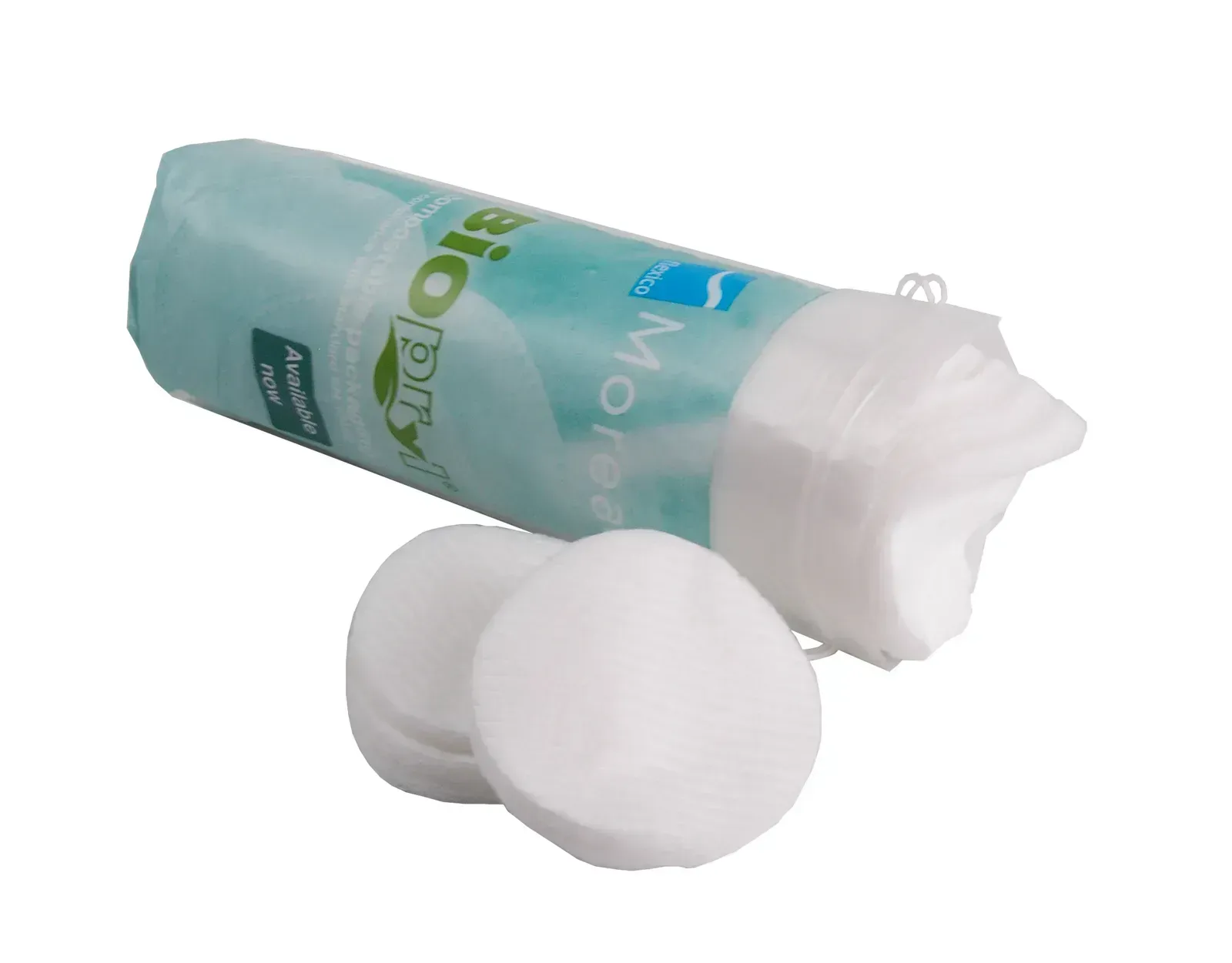
It feels harmless, doesn’t it? A cotton ball here, a used Q-tip there. The toilet is right there, and the trash can is across the room. Let’s be real, convenience wins for most people in the moment.
Non-biodegradable products that may get stuck in the system include makeup wipes, baby wipes, cleaning wipes, cotton balls, Q-tips, feminine hygiene products, and dental floss. None of these break down like toilet paper does. They accumulate at bends in the pipe, catch on rough inner surfaces, and bond with grease into solid blockages that are difficult and expensive to remove.
Dental floss deserves special mention here. It’s thin and seems insignificant, but it’s strong, practically indestructible, and it wraps around everything else in the pipe. These materials can tangle with grease, hair, or other debris, forming blockages in pipes or collecting in septic tanks. A good rule of thumb: if it didn’t come out of your body, it doesn’t belong in the toilet.
8. Neglecting Routine Plumbing Maintenance
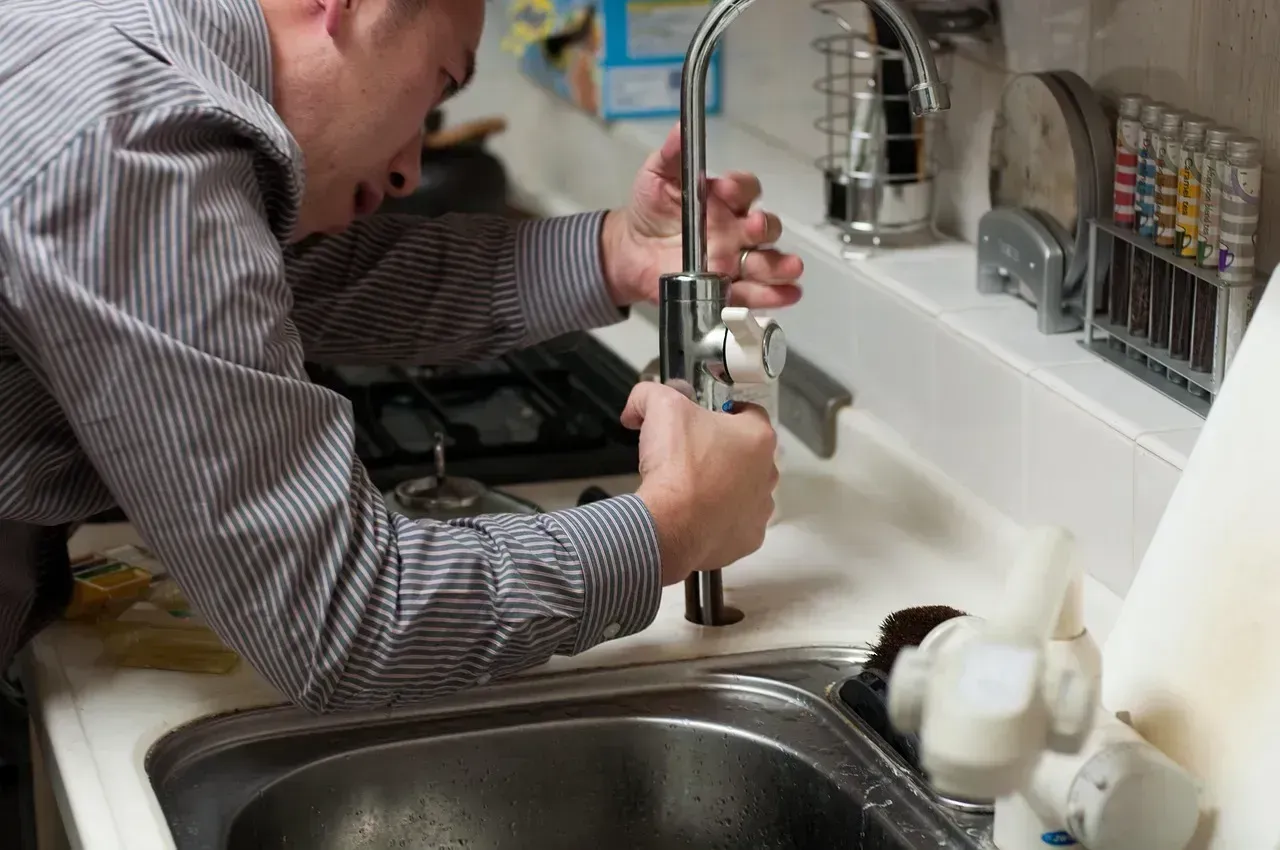
Most homeowners schedule routine checks for their cars, their HVAC systems, and even their smoke detectors. Very few apply that same logic to their plumbing. It’s the ultimate out-of-sight, out-of-mind situation.
There are so many tasks to complete throughout the year as a homeowner. Neglecting plumbing maintenance is a habit worth dropping. Scheduling routine inspections and maintenance for your plumbing system helps catch potential problems early and prevent costly issues. A plumber who spots a corroding pipe joint early can fix it for a fraction of what an emergency repair would cost.
Even before water reaches homes, a significant amount is lost. Cracked pipes and old mains leak mind-boggling amounts of treated water straight into the ground. Approximately 33 trillion gallons are lost annually due to leaking infrastructure. That begins with neglected maintenance at every level. Your home’s pipes are part of that same system, and they need attention too.
9. Treating the Toilet Like a Trash Can
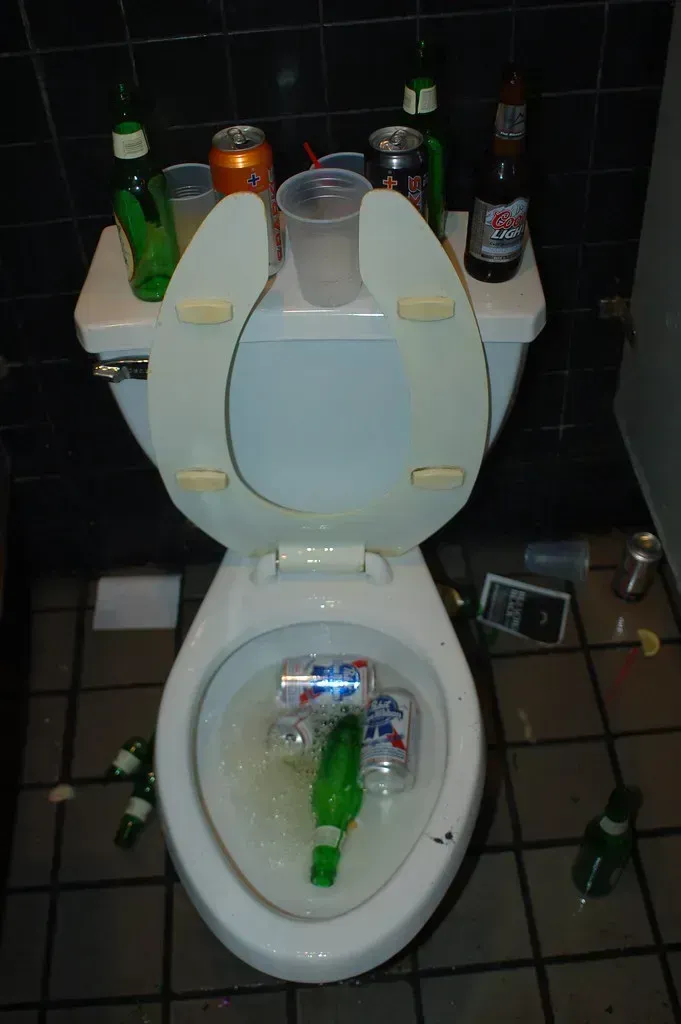
Beyond wipes and cotton products, some homeowners flush things that are truly baffling to plumbers. Cat litter is a common one. So are paper towels, medication, food scraps, and even small toys or packaging.
Flushing trash down your toilet will certainly strain your pipes. Avoid tossing cat litter, wipes or feminine hygiene products in the toilet. Even if the packaging of the products states “flushable,” it’s best to use a trash can instead of a toilet. Cat litter, in particular, is designed to absorb moisture and clump together. What does it do inside your pipes? Exactly that.
Around 90% of flushed materials were not intended for wastewater treatment systems. That statistic is staggering when you sit with it. Wastewater infrastructure is designed to handle a very limited range of materials. Everything else becomes a problem that ripples outward from your bathroom to municipal treatment plants. Wipes are some of the most common debris found in sewers, and they’re far from alone.
10. Excessive Use of In-Tank Toilet Cleaning Tablets
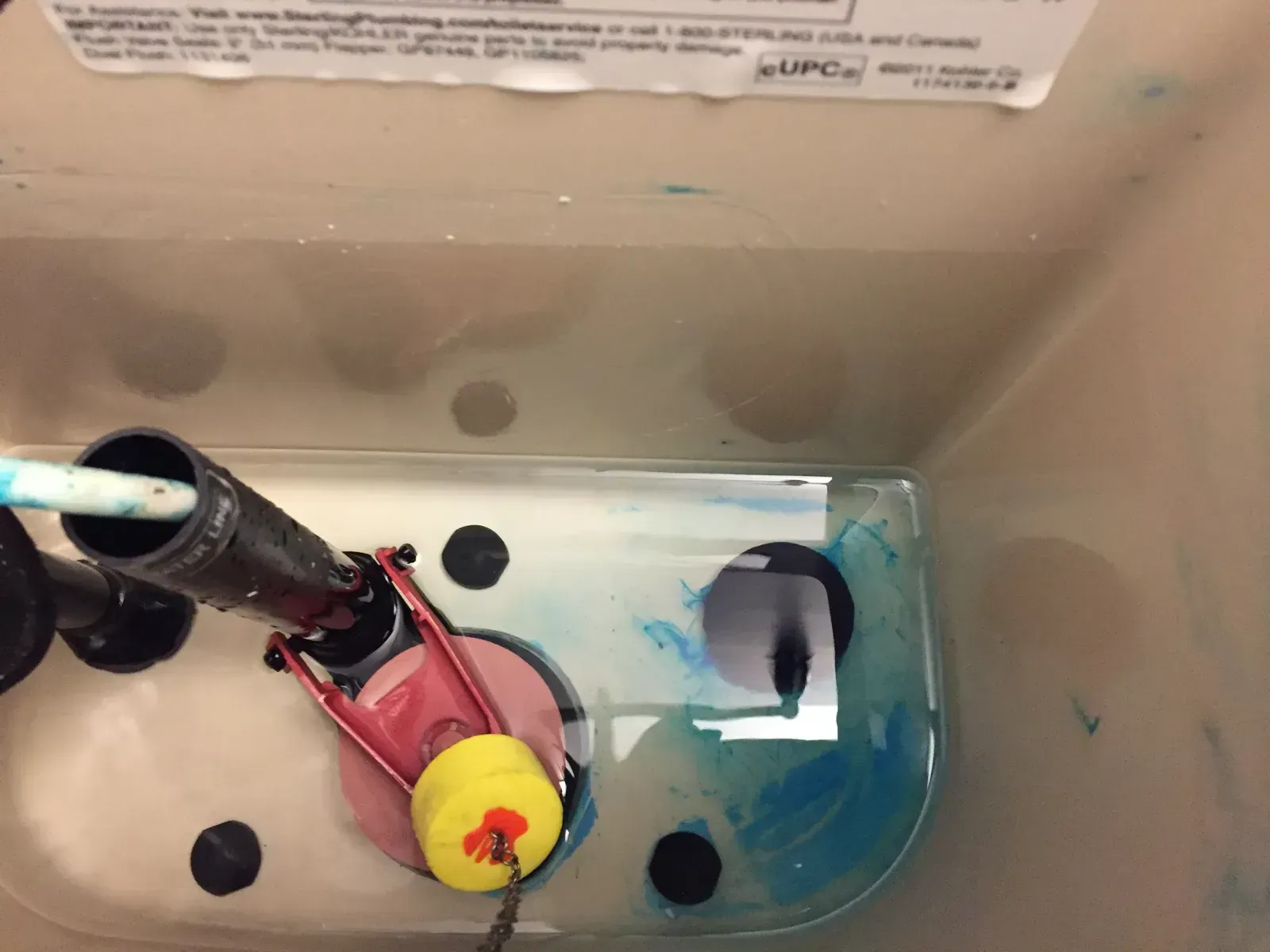
Those colorful drop-in toilet cleaning tablets seem like an efficient, low-effort way to keep your toilet fresh. And they do work – for a while. The trade-off, though, is something most people don’t read on the packaging.
Many of these tablets contain bleach and other harsh chemicals that, when left sitting in the tank continuously, begin to degrade the rubber flappers, seals, and washers inside the tank. Rubber deteriorates under prolonged chemical exposure, and once those seals go, you have a running toilet that wastes water constantly. Running toilets alone contribute to the estimated $6 billion per year in water wasted due to running toilets, dripping faucets, and other leaks in the US.
Plumbers routinely find cracked flappers and corroded internal tank components in toilets that have used drop-in tablets for years. The better option is to clean the toilet bowl manually with a brush and an appropriate cleaner, keeping the harsh chemicals out of the tank entirely. It takes an extra two minutes but saves significantly on repair costs over time.
11. Letting Hair Accumulate in Shower Drains
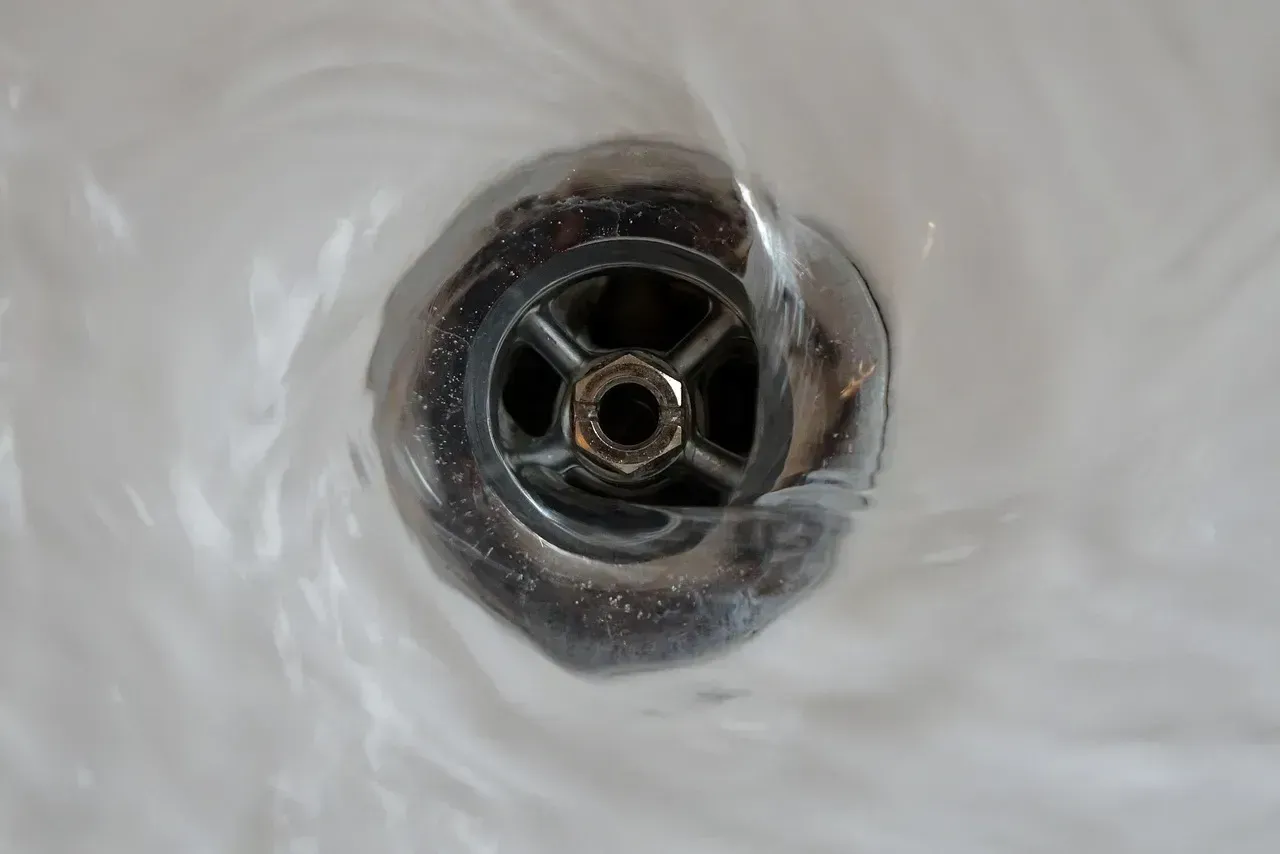
Hair is one of the most relentless enemies of shower and bathtub drains. Every shower sends strands of hair into the drain opening, and without a mesh trap or regular cleaning, they accumulate rapidly into dense, matted clogs.
Unlike food particles or grease, hair doesn’t dissolve or break down in water. It actually combines with soap scum and conditioner residue to form a slippery, slimy clump that adheres to pipe walls and grabs everything else that comes through. Hair, leftover food, soap scum and grime stick to grease and quickly exacerbate blockages. The debris becomes increasingly difficult and time-consuming to remove from the drain as it sticks to oily buildup.
The fix is genuinely simple and inexpensive. A basic drain hair catcher installed over the shower drain opening costs just a few dollars and catches the vast majority of hair before it enters the pipe. Cleaning it out weekly takes about thirty seconds. Ignoring it for a year costs you a plumber visit and a blocked drain that often requires snaking deep into the pipe system.
12. Using Too Much Water Pressure
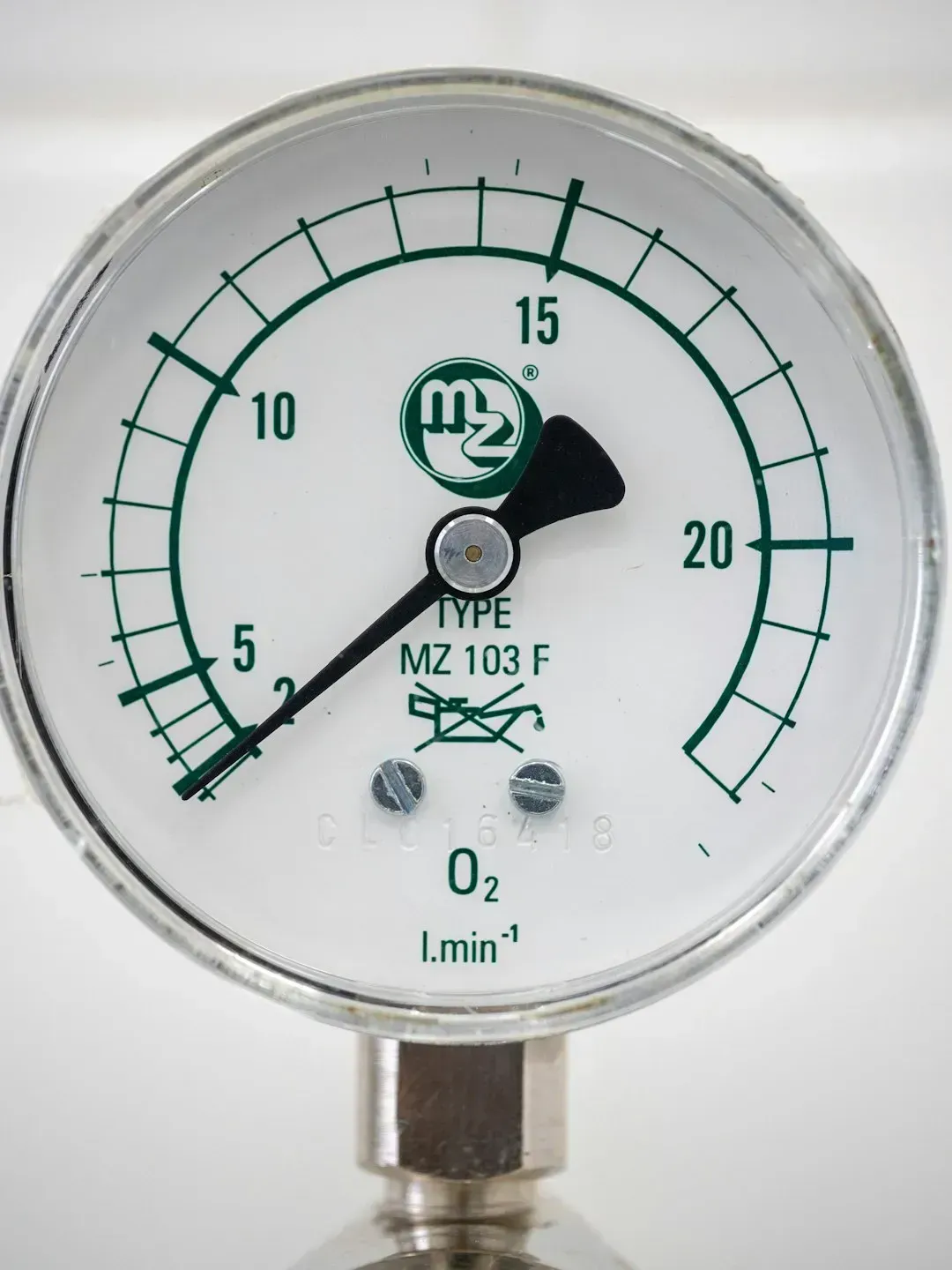
High water pressure feels great in the shower. It’s powerful and satisfying. But your pipes have a tolerance level, and consistently exceeding it creates long-term structural damage that’s invisible until something bursts.
Water pressure in a home should generally sit between 40 and 80 pounds per square inch (PSI). Anything consistently above that threshold puts stress on every joint, fitting, and seal in the system. The internal pressure inside your plumbing system increases when you have blockages that restrict flow. This happens because accumulation makes it harder for water to flow freely through the pipes. Over time, increased pressure on the pipes can cause damage, particularly in older systems. Severe instances of pressure building may cause pipes to rupture or leak. Problems like this translate into water damage and costly repairs.
You can check your home’s water pressure with an inexpensive gauge attached to an outdoor hose bib. If it reads high, a pressure-reducing valve installed at the main line can protect the entire system. It’s a small investment that extends the life of every pipe, joint, and appliance connected to your water supply.
13. Pouring Paint or Harsh Chemicals Down Drains
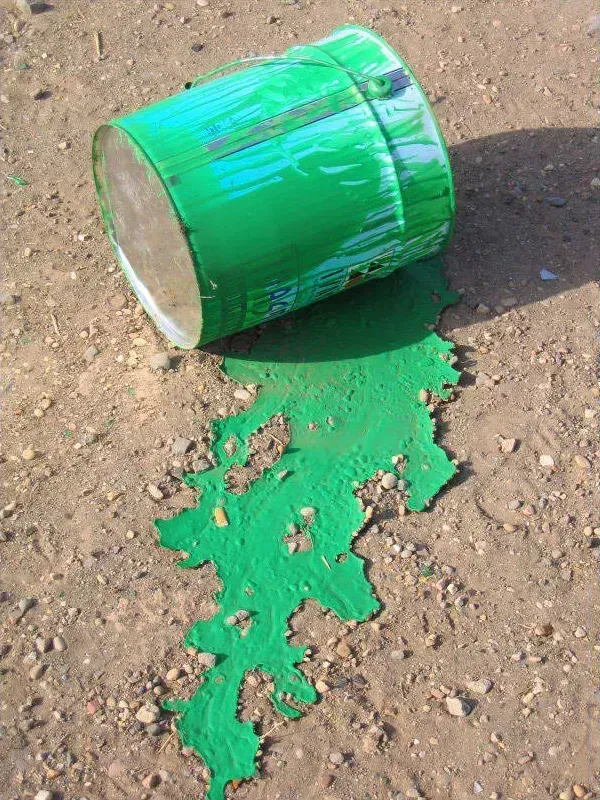
This one happens more during home renovation projects or deep cleaning sessions. Leftover paint, solvents, nail polish remover, and cleaning chemicals get poured down drains because people don’t want to deal with proper disposal. The consequences range from pipe damage to environmental contamination.
Latex paint, for example, seems water-soluble and harmless when wet, but it dries and hardens inside pipes just like it does on walls. Oil-based paints and solvents are even more damaging, capable of dissolving certain pipe materials and wreaking havoc on the microbial systems in septic tanks. If you rely on a septic system, chemical drain cleaners and harsh chemicals can disrupt the delicate balance of bacteria that helps break down waste. This can lead to costly repairs or even system failure.
Beyond the damage they cause to pipes, harsh chemicals are extremely harmful to the environment. When you pour them down your drain, they don’t just disappear. They eventually make their way into local waterways and can exist there for an extended time. Most communities have hazardous waste disposal programs for exactly this reason. Use them.
14. Skipping Pipe Insulation in Cold Weather
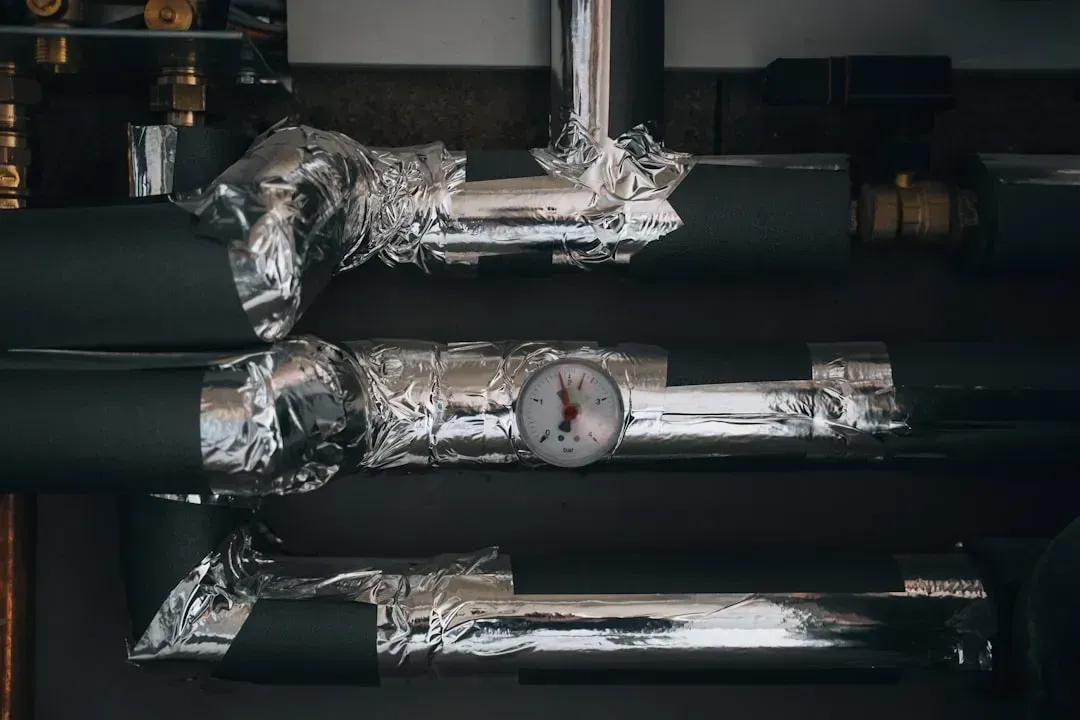
This habit is a seasonal one, but the damage it causes can be dramatic and sudden. When temperatures drop significantly, uninsulated pipes, especially those in exterior walls, basements, or crawl spaces, are vulnerable to freezing. Frozen water expands inside the pipe, and the result is often a burst pipe that releases water into your walls, flooring, or foundation.
Changing climate conditions lead to new challenges for plumbing, steering its development. Frequent weather extremes pose an ongoing demand for preventative maintenance and timely repairs. Unpredictable cold snaps are becoming a more common problem in regions that historically didn’t experience hard freezes, which means more homeowners are caught unprepared.
Insulating exposed pipes with foam pipe insulation is a basic and inexpensive step. Letting cabinet doors stay open under sinks on cold nights allows warm interior air to reach the pipes. Keeping the thermostat set to at least 55 degrees Fahrenheit even in unoccupied spaces is another simple precaution. Even before water reaches homes, a significant amount is lost as cracked pipes and old mains leak mind-boggling amounts of treated water straight into the ground. Burst pipes at home are a direct and very local version of the same problem.
15. Overloading the Washing Machine and Ignoring Hose Connections
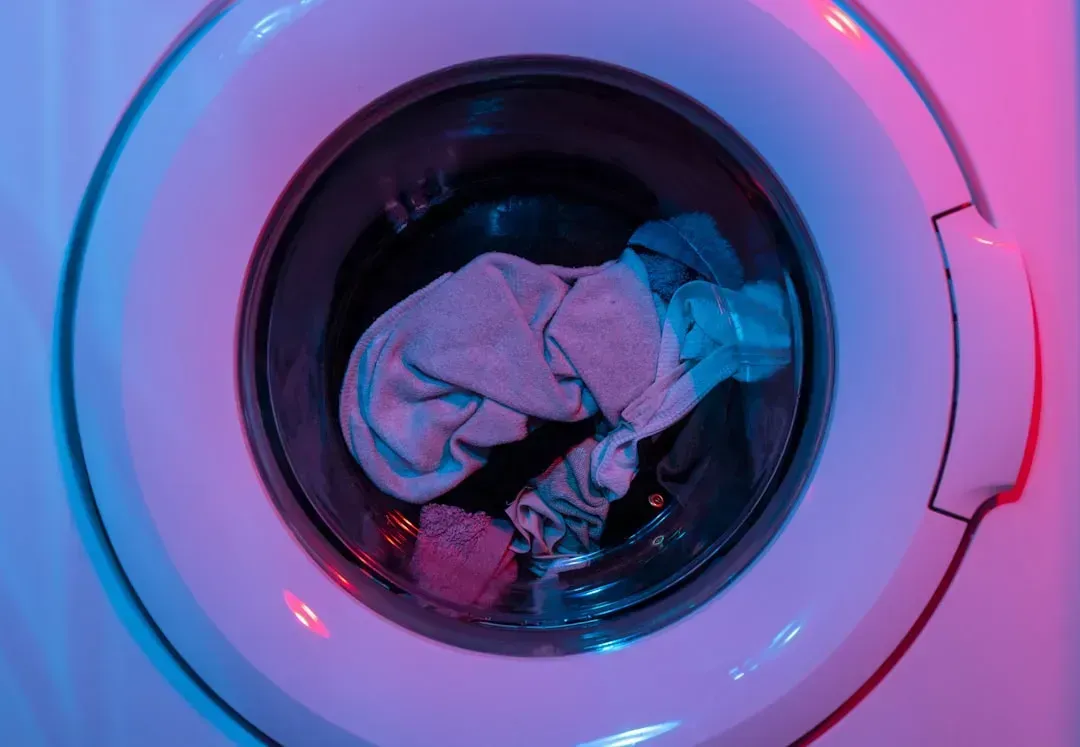
Washing machines are one of the highest-volume water users in any home, and their connections are often overlooked entirely until something goes catastrophically wrong. In most homes, showers and baths are the top contributors to water use, followed by toilets, laundry, and dishwashing. That laundry usage puts real strain on pipes and hoses every single cycle.
The rubber hoses connecting washing machines to the water supply are one of the most common sources of household water damage. They swell, crack, and burst, often without warning, releasing a full flow of water behind or under the machine. Most plumbing professionals recommend replacing standard rubber hoses with braided stainless steel hoses every three to five years, regardless of how they look.
Overloading the machine consistently also forces more water through the cycle than the drainage system is designed to expel quickly, which creates pressure spikes in the drain line. Ensure you select the proper load size on your washer so you don’t utilize more water than needed. That one extra minute of attention before hitting start can protect your pipes, your floors, and your home’s structural integrity over the long run.