
For decades, the McMansion was the ultimate symbol of American ambition. Sprawling two-story foyers, arched doorways, decorative columns, and dramatic rooflines all shouted prosperity from the street. The McMansion was defined by a blend of Tuscan, Mediterranean, and Colonial Revival elements packed into an oversized footprint, with dramatic two-story foyers and complex rooflines designed to project wealth. Today, that era looks unmistakably finished. New data from Zillow reveals a fundamental reversal in the American Dream, with buyers ditching “wasted scale” in favor of high-efficiency homes. The data is clear, and the shift is accelerating faster than many real estate observers expected.
The Numbers Don’t Lie: Home Sizes Are Shrinking
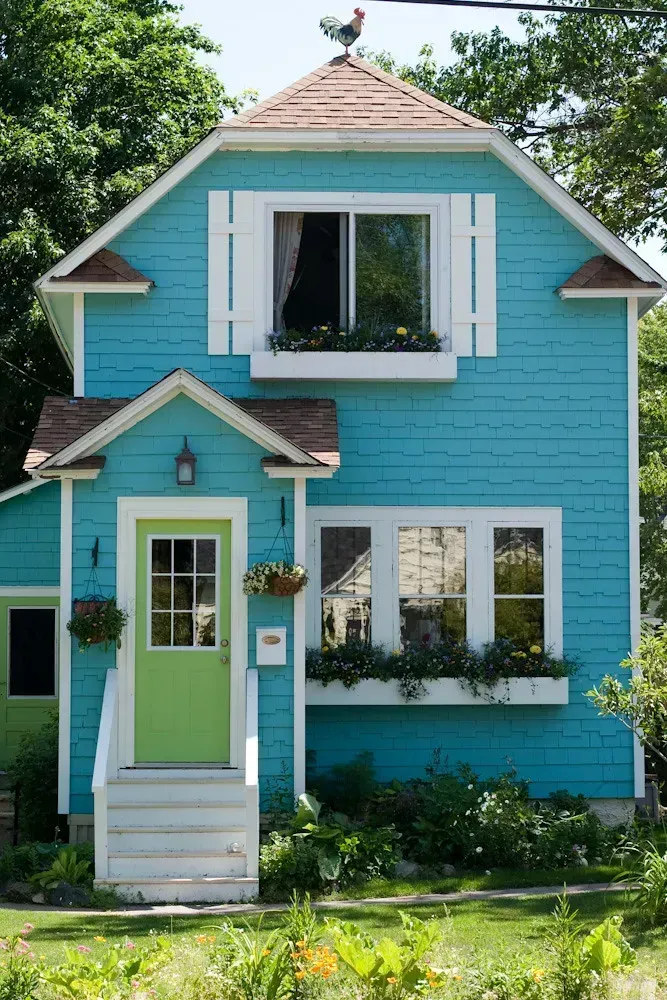
The size of newly built homes has been declining since 2015, reversing decades of growth, according to the National Association of Realtors. In 2015, the average size of an American home was 2,466 square feet; by 2023, it had dropped to 2,177. That is not a minor correction. That is a structural change in how Americans are choosing to live. By 2024, new homes were sized at 2,150 square feet, the smallest in 15 years. At the same time, townhomes gained popularity, making up a record 17% of the single-family market compared to just 10% in 2009, according to National Association of Home Builders data.
Recent data from the National Association of Home Builders reveals that the average size of new homes has been shrinking since 2015, hitting a low in 2024 not seen since 2010. The large-home segment is feeling the impact even more sharply at the top end. The shift away from McMansions is clear, with sales of homes over 4,000 square feet declining by 11% in a single year. These are not marginal fluctuations. They represent a decisive, demographic-driven rejection of excess.
The Financial Burden Is Becoming Impossible to Ignore

Oversized McMansions, those sprawling symbols of prosperity from the early 2000s housing boom, are increasingly viewed as financial burdens rather than assets. As insurance premiums skyrocket, property taxes climb, and buyer preferences pivot toward efficiency and resilience, these once-desirable estates are languishing on the market. It’s a slow reckoning that many owners didn’t see coming when they signed the mortgage. With energy prices rising and environmental concerns growing, families are discovering their dream home has become an expensive burden. Those soaring two-story entryways and cathedral ceilings that once impressed guests now represent hundreds of dollars in wasted energy every month.
A major shift in the real estate market shows a clear preference for efficient, technologically advanced homes over the sheer, often wasteful, scale that defined luxury two decades ago. Driven by soaring insurance premiums, rising property taxes, and a new definition of value, buyers are rejecting the high-maintenance estates of the mid-2000s. Instead, they are investing in properties that offer purposeful design, climate resilience, and modern lifestyle amenities. Real estate professionals are direct about the prognosis. Real estate agents across the country report that McMansions sit on the market for months longer than comparable smaller homes. Even when they do sell, prices often fall short of what homeowners hoped to recover. The math is brutal: high maintenance costs plus declining demand equals negative equity for many owners.
Who Is Driving the Change – and Why
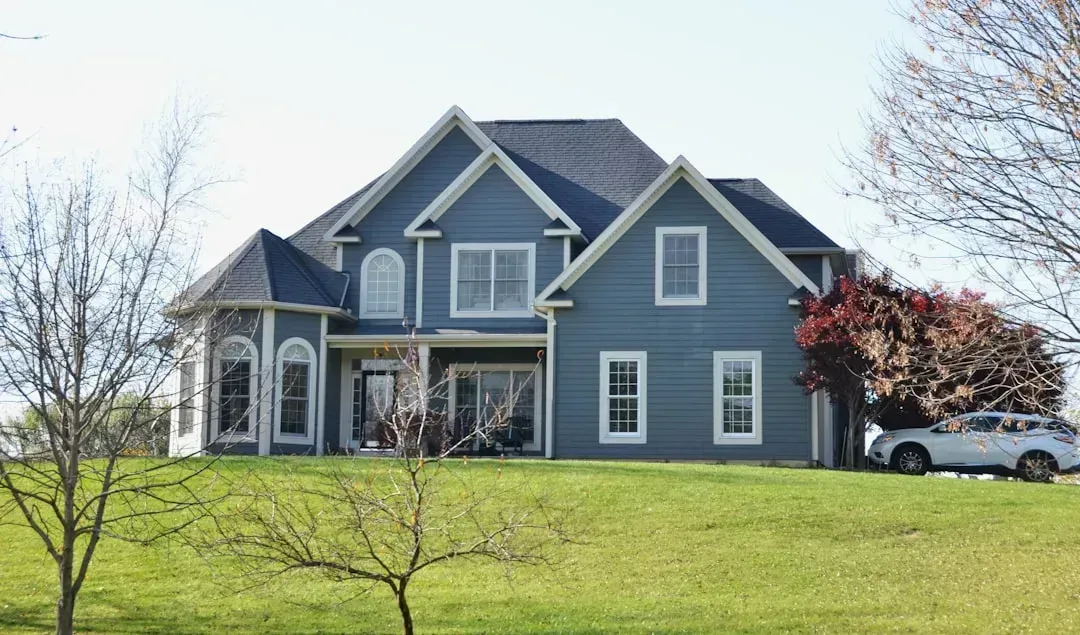
As Millennials and Gen X become the dominant forces in the housing market, they are bringing different values. Unlike the Baby Boomer generation that often equated size with success, these buyers prioritize experiences, sustainability, and long-term financial prudence. This cultural shift is directly impacting home design and resale values. It is not just about price sensitivity, either. There is a genuine values realignment happening in American housing culture. Young buyers aren’t just avoiding these homes – they’re actively rejecting them. The values that drove McMansion construction, including status, excess, and conspicuous consumption, clash directly with modern priorities like environmental responsibility, financial prudence, and community connection.
About 52% of Millennials would rather have a smaller, better-built new home with more amenities than a larger one with fewer amenities, while Baby Boomers are looking to downsize to an average of 1,869 square feet. Across demographics, the desire for a smaller home was one of the top reasons why Americans were buying new homes, according to a 2025 report. Empty nesters and retirees are adding to the momentum. The demand for smaller homes is a broad market of both those seeking to downsize and those entering the market for the first time.
What Buyers Actually Want Now: Smart, Sustainable, Purposeful

Going back to 2006, luxury was granite and mahogany. In 2026, Zillow says it’s pickleball courts and golf simulators, with listing mentions up 25%, alongside whole-home batteries up 40% and zero-energy-ready homes up 70%. The definition of desirability has been completely rewritten. Mentions of whole-home batteries have surged by 62%, the fastest-growing feature in Zillow’s 2024 analysis. Whole-home batteries store excess energy from solar panels, acting as a generator during a power outage. Solar panels are appearing 18% more often in for-sale listings, as are the terms “sustainable” and “green.”
Zillow’s 20-year anniversary data marks a major shift in U.S. home design, from large, formal McMansion layouts to smaller, more personal and flexible homes. Listings show higher demand for privacy nooks, bold color use, wellness features, and energy resilience. Key metrics include reading nook mentions up 48%, color-drenching mentions up 149%, spa-inspired bathrooms up 22%, and sustainability features such as zero-energy-ready homes up 70%. Remote work is also reshaping the equation. Zillow’s 2024 consumer trends report found that 73% of remote workers want a dedicated office, but only 18% desire extra-large living spaces.
The Rise of ADUs: A Smarter Alternative Takes Hold
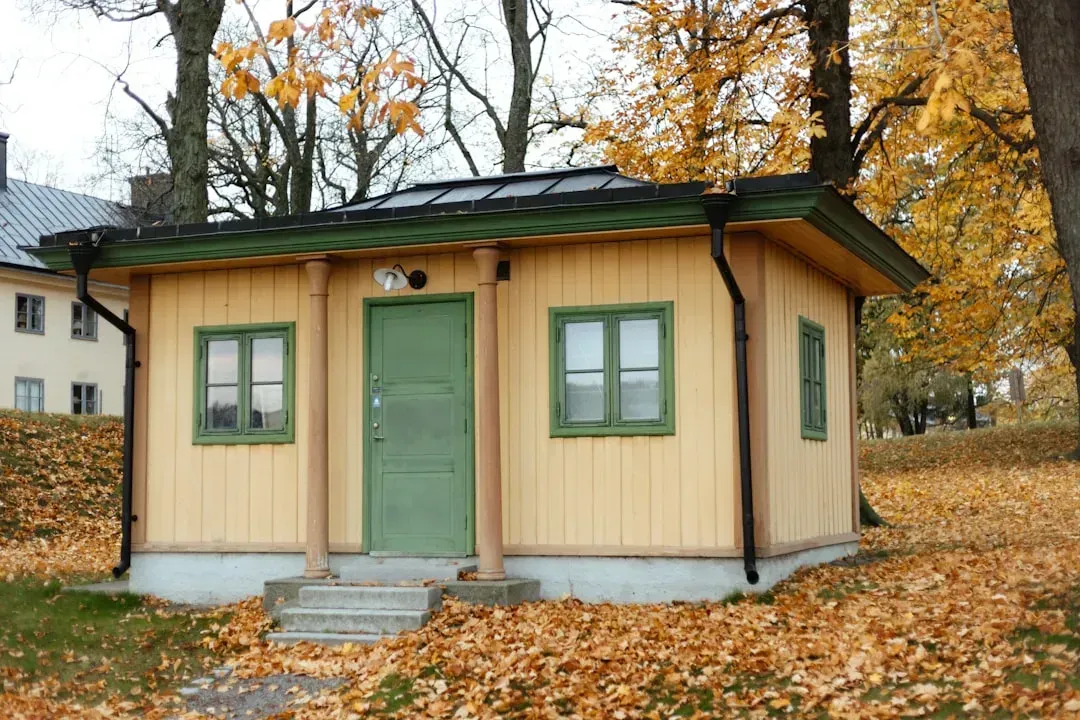
One of the clearest signs that the McMansion model is being replaced, not merely downsized, is the explosive growth of Accessory Dwelling Units. An accessory dwelling unit is a secondary housing unit built on the same lot as an existing main residence. ADUs come in many forms, including converted garages, carriage houses, or detached backyard units, and typically range from 300 to 1,200 square feet while being fully equipped with kitchens, bathrooms, and sleeping areas. These are homes built on purpose rather than for show. The global ADU market was valued at nearly $18 billion in 2024 and is expected to nearly double by 2033, supported by a projected CAGR of 9.19%.
In California alone, permits for ADUs jumped by 48% between 2022 and 2024, according to the California Department of Housing and Community Development. Legislation is actively accelerating this boom. In 2024, California introduced legislative changes to simplify the process of building ADUs. Local authorities are now required to review construction applications more quickly, standardized project requirements have been implemented to reduce bureaucracy, and many zoning restrictions have been lifted, allowing ADU construction in areas where it was previously prohibited. The financial appeal is undeniable too. Nearly half of U.S. homeowners are exploring ADU construction for rental income or to house aging family members, while roughly a third prefer modular ADUs due to their rapid deployment and lower labor reliance.
Affordability Pressures Are Sealing the McMansion’s Fate

Affordability is shaping every decision in the current housing market. The median price for a new home in the U.S. reached $426,000 in early 2025, according to the U.S. Census Bureau. Wages have not kept pace, making large homes a luxury few can justify. Builders are responding to this reality rather than fighting it. Builders are offering smaller floor plans and more efficient construction methods to keep prices in check. Shared amenities like community gardens, pools, and coworking spaces help offset the loss of private square footage.
Sticker shock is what primarily dissuades homebuyers from buying larger homes. Buyers are dealing with higher mortgage rates of 6% and higher, as well as tariffs that affect aspects of homeownership from lumber to furniture. In response, buyers are pivoting to smaller homes with easier to manage monthly bills across their mortgage, property taxes, and ongoing utility costs. The market data reinforces this shift across every price tier. Sales of more affordable homes in the $200,000 to $350,000 range represented the fastest-selling segment of the market nationally, growing 50% between 2023 and 2024, according to Realtor.com. The U.S. Census Bureau reported in March 2025 that 54% of new single-family homes built in 2024 were under 2,200 square feet. The era of bigger for its own sake has been replaced by something more grounded, more efficient, and by most accounts, more honest about what a home is actually for.