You hired professional cleaners and thought everything would be spotless. Then they arrive with their equipment, look around your home, and politely explain they can’t clean certain areas. It happens more often than you’d think.
Professional cleaning services have clear boundaries about what they will and won’t handle. These limits exist for good reasons, from worker safety to insurance restrictions. Understanding these boundaries helps you set realistic expectations and avoid awkward surprises when the cleaning crew shows up at your door. Let’s dive into what professional cleaners typically won’t touch and why they draw these lines.
Bug Infested Areas

Homes with insect infestations are red flags for professional cleaners, whether it’s fleas, cockroaches, or other little animals, as most cleaning services only clean these homes after they are fully exterminated by a professional. The reason is straightforward but critical. Professional house cleaners avoid these areas to prevent carrying pests from home to home, and most don’t use full body suits to protect themselves against fleas and ticks.
Think about it this way: Your cleaning service visits multiple homes each day. One contaminated site could spread an infestation across their entire client base. That’s not just bad for business, it’s a genuine public health concern that no reputable company wants on their conscience.
Bodily Fluids And Biohazards
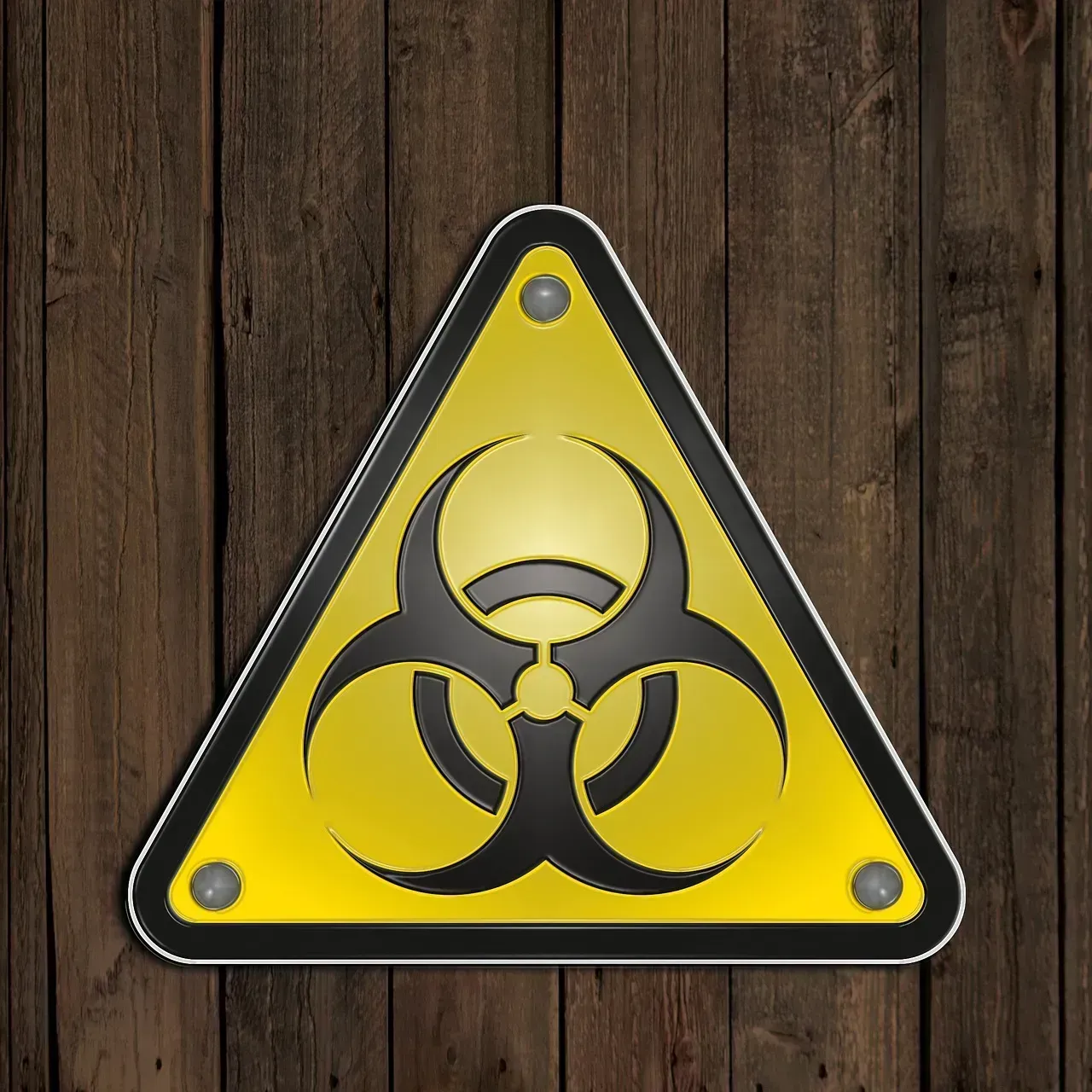
Bodily fluids including blood or any other kind of bodily waste are considered health hazards that professional cleaners cannot clean for obvious reasons. Anything that can be a risk to human health is considered a biohazard, including fecal matter, bodily fluids, threats to viruses, and pathogens, which should be handled by professional cleaners who specialize in biohazard cleanup.
If you have any biological waste in your house, such as dead animals, fresh pet messes, and dirty or used medical equipment like syringes, your maids won’t clean it up. This isn’t about being squeamish. Biohazard remediation workers who respond to declared emergencies for hazardous substance releases must be trained according to the HAZWOPER standard, and workers performing post emergency cleanup after the emergency is declared over require specific HAZWOPER training. Standard house cleaners simply lack the required protective equipment and specialized training to handle these dangerous materials safely.
Mold Beyond Surface Cleaning

Removing mold depends on which country you’re in, and professional house cleaners aren’t allowed to clean many types of mold, as regulations vary by country and in the United Kingdom, regular professional cleaners need to be licensed to remove mold. Not every cleaning company has this certification.
Black mold that is throughout the home, like on ceilings, is a different issue than the pink mold in toilets, and regular cleaners don’t have the equipment to safely remove it. Plaster, drywall, and associated tape and joint compound may contain asbestos in buildings constructed before the late 1970s, and improper removal of asbestos containing materials by non licensed asbestos professionals may lead to an accidental release of asbestos fibers. Mold removal in older homes carries hidden dangers that require specialized contractors with proper certifications.
Anything Above A Two Step Stool

Professional cleaners won’t clean areas like chandeliers, tops of cabinets, and high windows beyond what they can reach with a two step stool, as insurance limits them to that tool. This is purely about liability and worker safety.
Cleaners typically won’t use ladders to reach dirty areas to avoid injury, and like most professional house cleaners, a cleaning service will get as high as possible on a standard two step stool, but the tool they can use is restricted by their insurance policy. Insurance companies know that falls from heights are one of the most common workplace injuries. Your chandelier might sparkle after a professional touches it, but they won’t risk a serious injury to make that happen.
Deep Carpet Cleaning
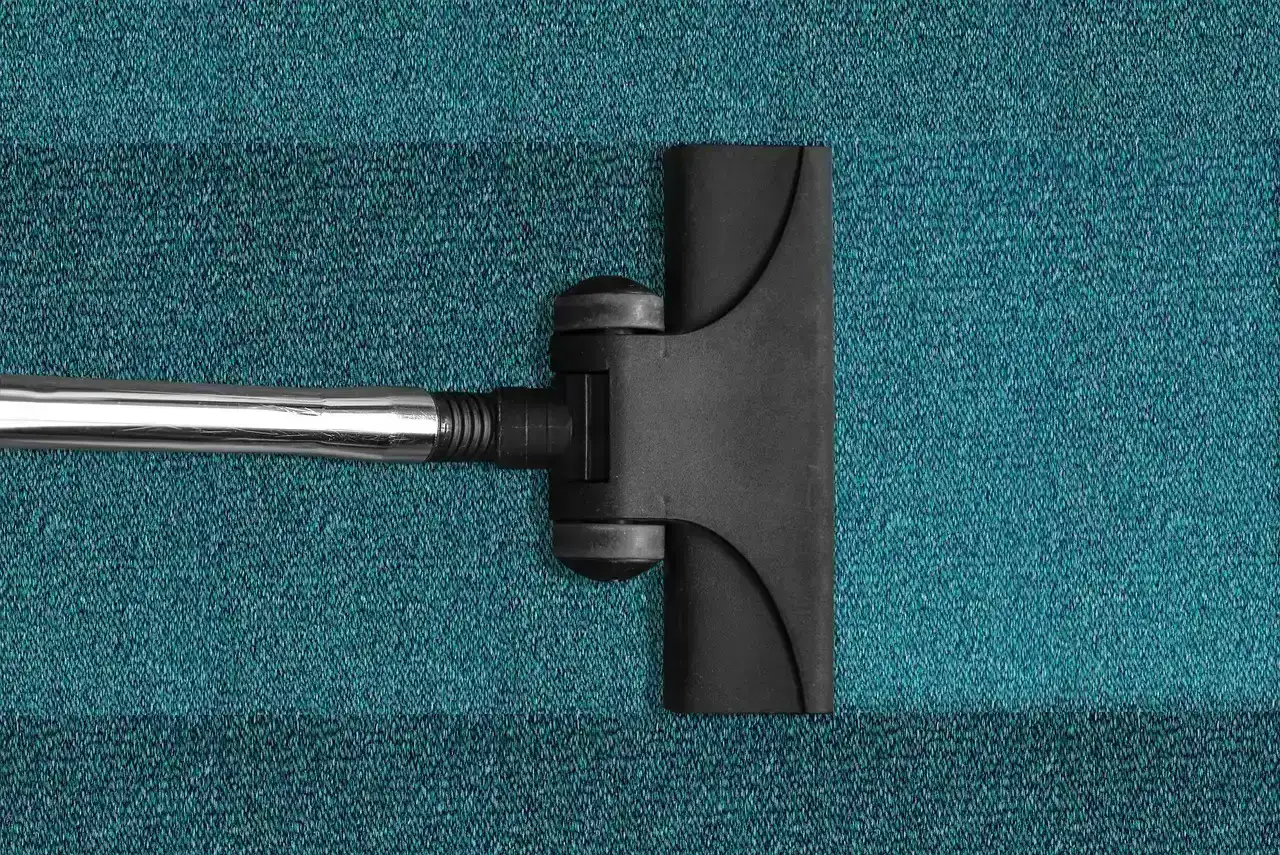
Most professional cleaners won’t do anything beyond vacuuming for rugs and carpets, as carpet cleaning is a specialty service that requires special equipment, tools, and training. The products and tools standard cleaning companies carry simply won’t deliver the results homeowners need.
Cleaners will spot clean a carpet for a spill if the client specifically requests it and provides the cleaner they want to be used. Honestly, carpet cleaning involves heavy machinery, specific chemical knowledge, and understanding of different carpet fiber types. It’s a completely different skill set from general house cleaning, which is why most companies refer these jobs to specialists.
Antiques And Specialty Items

Most cleaning services won’t clean antiques, specialty items, jewelry, and any especially breakable items, as most of those things require training, special equipment or tools, and run a high likelihood of damage. That antique vase from your grandmother? The oil painting worth thousands? Keep those off limits.
Antiques, specialty items, jewelry, and any especially breakable items require training, special equipment or tools, and run a high likelihood of damage, so items like those are best left to cleaning services that specialize in cleaning and restoration of those items. Different materials require vastly different cleaning approaches. What works on modern furniture could permanently damage a century old piece. Professional cleaners know their limits and prefer to err on the side of caution rather than risk destroying your treasured possessions.
Windows Beyond Interior Surfaces
Although you can schedule a special window cleaning visit with your favorite maid service, they won’t clean your windows normally because windows take special time and care to get streak free and spotless, requiring a different appointment with your cleaners to address dirty windows from the inside of the house. Exterior cleaning tasks, like windows, gutters, or outdoor spaces, usually fall outside the scope of maid services.
Professional cleaners cannot clean outside, because their insurance only covers items inside of the house. Window cleaning, especially exterior windows on upper floors, requires specialized equipment like extension poles, squeegees, and specific cleaning solutions. It’s a skill that takes practice to master, and the liability of cleaning exterior windows on multi story homes makes most standard cleaning companies draw a hard line.
Inside Appliances

While the exterior of appliances like ovens, microwaves, and refrigerators are fair game, the insides are usually not cleaned by maid services. This surprises many homeowners who assume a deep clean includes appliance interiors.
The reasoning is practical. Cleaning inside appliances takes considerable time and often requires special degreasers and techniques. A truly filthy oven can take an hour or more to clean properly. Most standard cleaning packages simply don’t allocate time for this level of detail. You can request it as an add on service with many companies, but expect to pay extra and schedule additional time.
Extreme Cleaning Situations
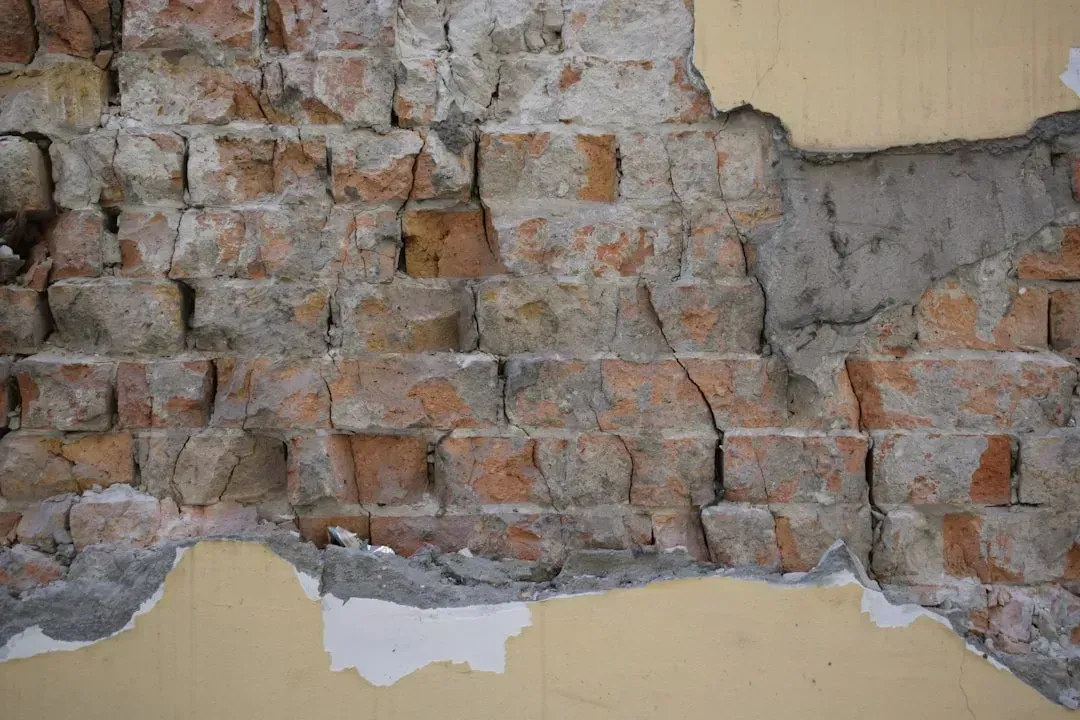
When professional cleaners say extreme cleaning, they mean situations like natural disasters and removing debris and traces from a flood or a fire, as house cleaners are allowed to deal with standard stains and issues. These scenarios require disaster restoration specialists.
Professional hoarding cleaning teams handle every aspect from initial clutter removal to final restoration, including safe removal of debris by eliminating accumulated clutter, trash, and hazardous materials, as well as biohazard disposal by properly disposing of biohazards such as mold, animal waste, or spoiled food that can pose serious health risks. Average cost for hoarder house cleanup ranges from one thousand to four thousand dollars or sixty five to ninety five dollars per hour depending on severity and size. Regular cleaning companies lack both the equipment and expertise to tackle these intensive situations.
Areas Requiring Specialized Licenses
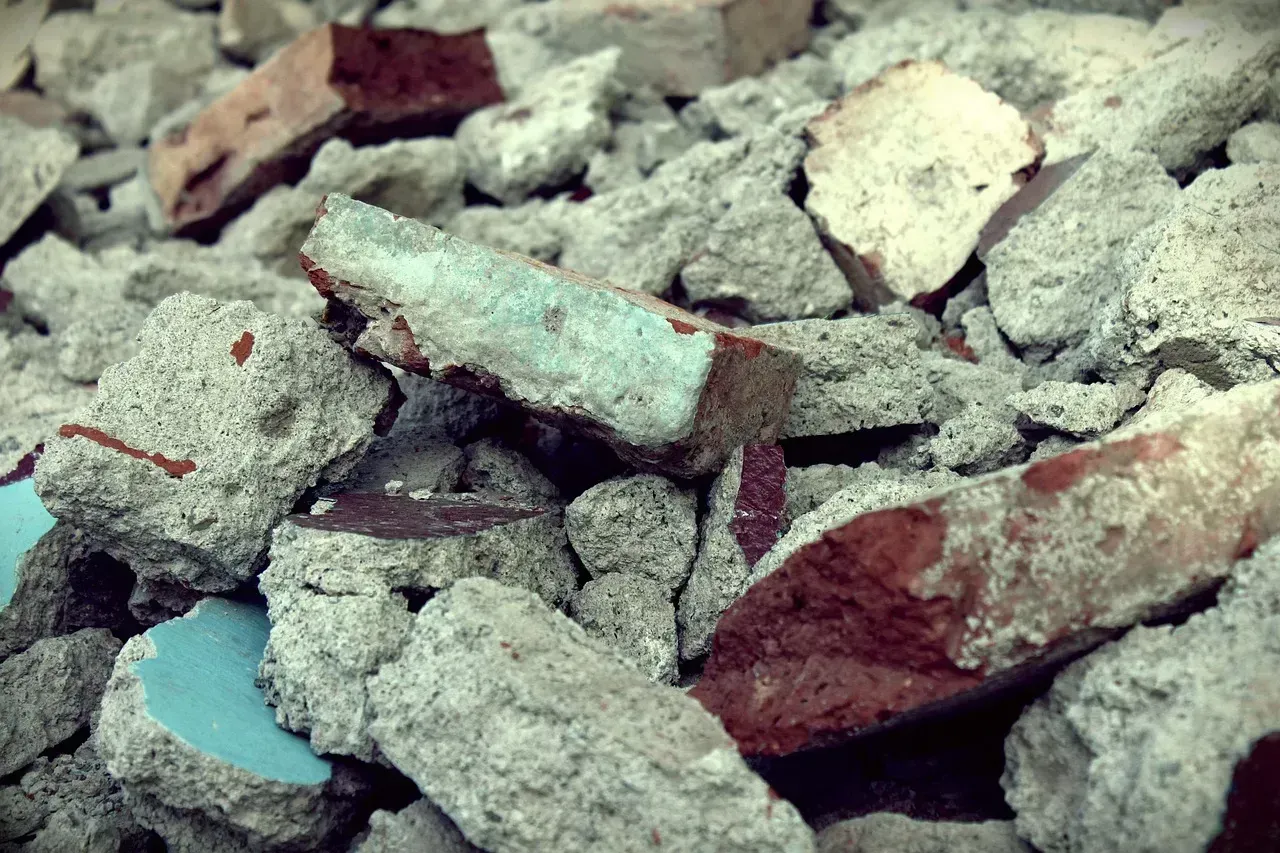
Some specialized cleaning tasks, such as mold removal or pest control, may require specific expertise. Different states and countries have varying requirements about what cleaning activities need licensing.
While federal guidelines set a baseline, certain states like California and Florida have additional requirements, including examples like Trauma Scene Waste Practitioner Permit in California. Most general liability policies carry mold, fungi, and pollutant exclusions, meaning GL typically won’t respond to microbial growth, cross contamination, Category 3 water, or cleanup costs tied to pollutants, and relying on GL alone can leave a significant gap for mold contractors. Insurance companies won’t cover work that requires licensing the company doesn’t possess, making it illegal and financially risky for cleaners to take on these jobs.
Conclusion
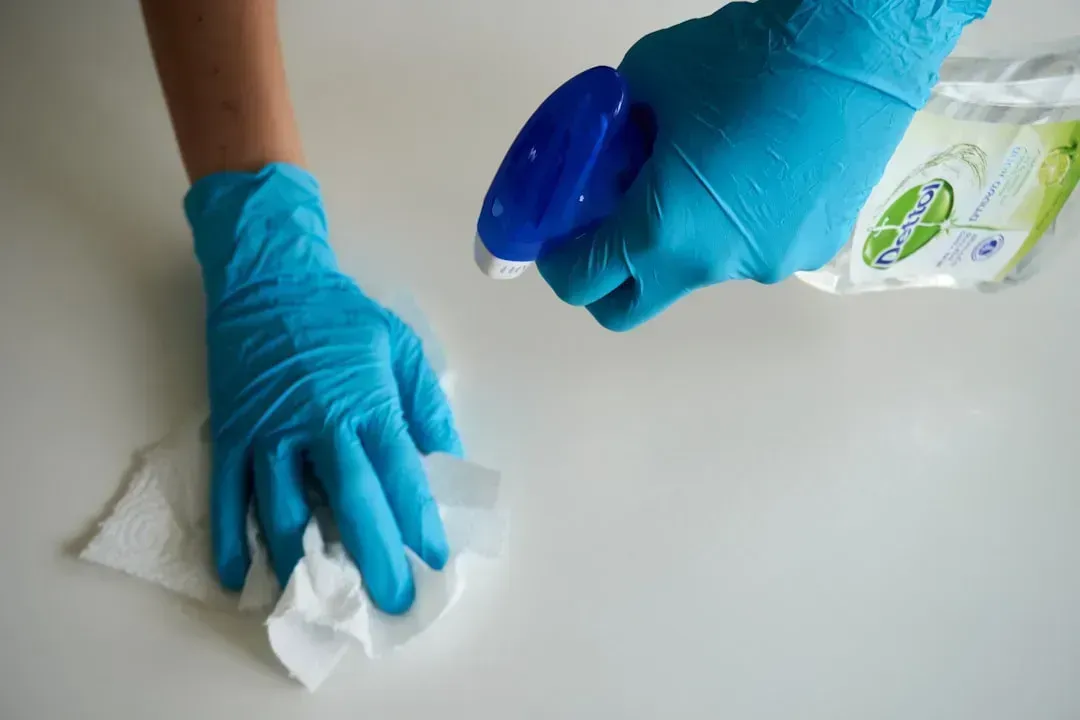
Professional cleaners provide valuable services but operate within clear boundaries designed to protect everyone involved. These limitations aren’t arbitrary rules meant to frustrate you. They exist because of safety concerns, insurance requirements, specialized training needs, and legal regulations that govern the cleaning industry.
Before your next cleaning appointment, walk through your home and identify anything that might fall into these categories. Move furniture you want cleaned behind. Clear away valuable antiques. If you need mold removal, biohazard cleanup, or extreme hoarding situations addressed, research specialists in those fields rather than expecting your regular cleaning service to handle them. Setting realistic expectations creates better relationships with your cleaning team and ensures everyone stays safe and satisfied. What things in your home do you think professional cleaners should tackle? Share your thoughts in the comments below.