There’s something oddly comforting about holding onto things, isn’t there? That bread maker you swore you’d use someday. Those expired vitamins rattling around in your medicine cabinet. The collection of plastic containers without matching lids. We tell ourselves these items might come in handy eventually, but professional organizers see things differently.
A 2025 YouGov survey found 40% of U.S. adults describe their homes as cluttered, including roughly one in ten who called their space very cluttered. Let’s be real, clutter isn’t just about messy countertops. Recent consumer research found that Americans lose about 5 items per month and spend nearly 17 hours per year searching for misplaced belongings, which is time you’ll never get back. Physical clutter creates mental clutter. The stuff piling up in your drawers and cabinets weighs you down more than you realize.
Professional organizers walk into homes every day and immediately spot the culprits stealing your space and sanity. These are the items that serve no purpose, the things past their prime, the duplicates that multiply like rabbits. Ready to reclaim your home? Here are the 15 things a professional organizer would toss without a second thought.
1. Expired Pantry Items and Spices
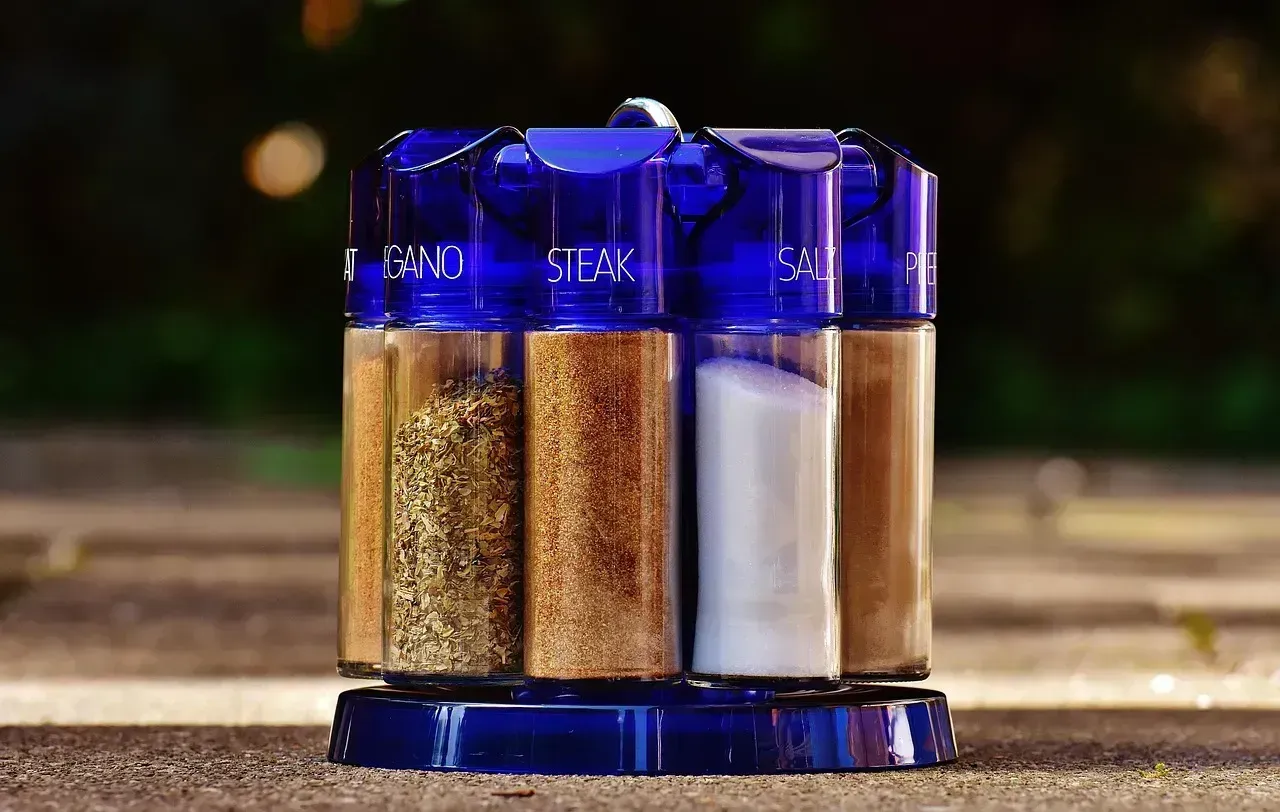
Walk into your pantry right now and check those spice bottles. Go ahead, I’ll wait. Spices typically last 1-3 years after the seal is broken, and anything with oils will go bad, especially if not stored in the right conditions. That paprika from 2018? Time to let it go.
Professional organizers recommend double-checking the expiration dates on items and discarding old or unused products every two to three months to keep your pantry from becoming a graveyard of forgotten foods. Your taste buds will thank you. Old spices don’t just lose their punch, they become virtually flavorless, turning your carefully seasoned dishes into bland disappointments.
It’s not just spices either. A lack of pantry checks will likely keep your kitchen cluttered with expired goods that can reduce the quality of your cooking. Take everything out, check those dates, and be ruthless.
2. Single-Use Kitchen Gadgets You Never Touch
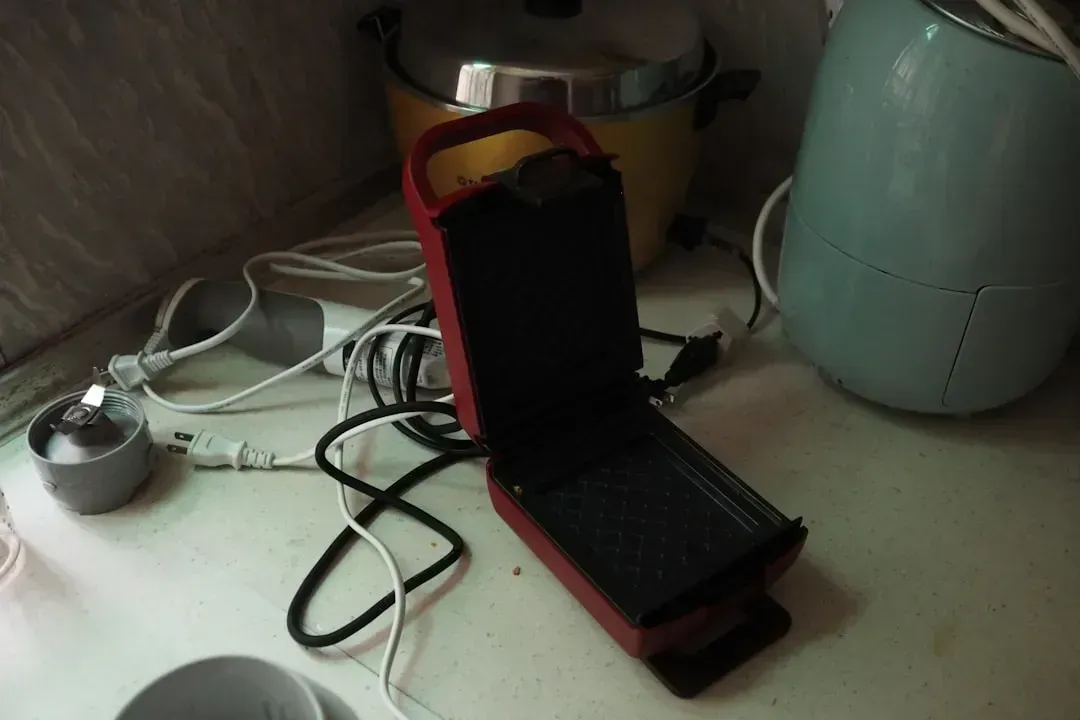
Here’s the thing about kitchen gadgets. They seem brilliant at 2 AM when you’re watching infomercials or scrolling through targeted ads. Yet how often do you actually reach for that avocado slicer, egg separator, or strawberry huller? Avocado slicers, egg slicers, or strawberry slicers are all jobs that can be completed with a knife, though apple and pineapple slicers may be keepers if you eat these fruits often.
Professional organizers would ditch the wine opener that never works and the garlic press that never gets clean, along with slotted spoons and pancake turners that bend under the weight of food. These specialty tools take up valuable drawer space that could house items you actually use daily. A good sharp knife handles most kitchen tasks beautifully.
Think about what you’ve used in the past six months. If that quesadilla maker or panini press hasn’t seen daylight, it’s time to pass it along to someone who’ll actually use it.
3. Mismatched and Lidless Food Containers
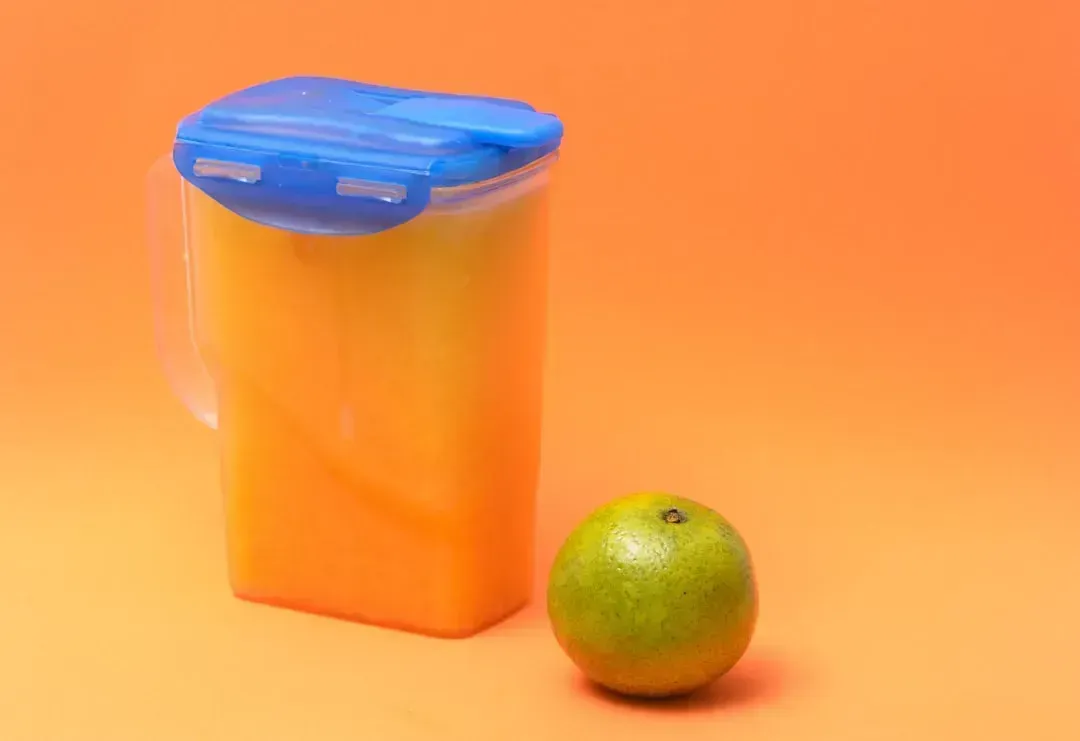
Open your Tupperware cabinet. Is it an avalanche waiting to happen? Those stained plastic food containers have not only heated one too many leftover spaghetti meals, they’ve also likely lost their lid. Professional organizers see this chaos in every home they enter.
The truth is, while reusing takeout containers and old jars is a step in the right direction, there is such a thing as too many containers, and some of the empty containers in your home barely come to be used. You don’t need 47 mismatched lids and 23 containers that fit none of them.
Keep a reasonable number of matching sets and let the rest go. Your future self, frantically searching for a lid at 6 AM while trying to pack lunch, will be grateful.
4. Dead Pens, Dried Markers, and Broken Office Supplies
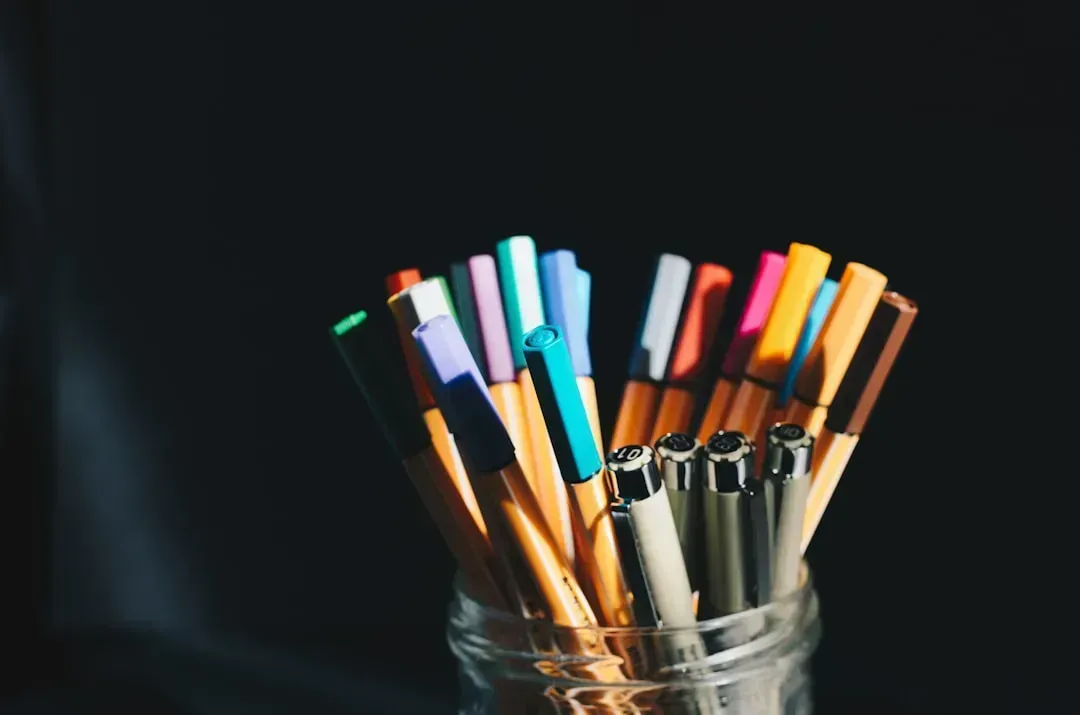
That junk drawer in your kitchen or home office is probably packed with writing instruments that stopped working during the Obama administration. Daily decluttering habits mean addressing that junk drawer by pitching pens that don’t work, eraser-less pencils, dried-out markers and highlighters without caps, as removing worthless writing instruments is one of the top organization tips professionals suggest.
It sounds silly, right? Yet think about how many times you’ve grabbed a pen only to scribble frantically trying to get ink to flow. Then you toss it back in the drawer instead of the trash, promising yourself you’ll deal with it later. Later never comes.
The five seconds it takes to test each pen and toss the dead ones will save you countless minutes of frustration over the next year. Plus, you’ll actually be able to find a working pen when you need one, which feels like a small miracle in itself.
5. Old Electronics, Cords, and Chargers
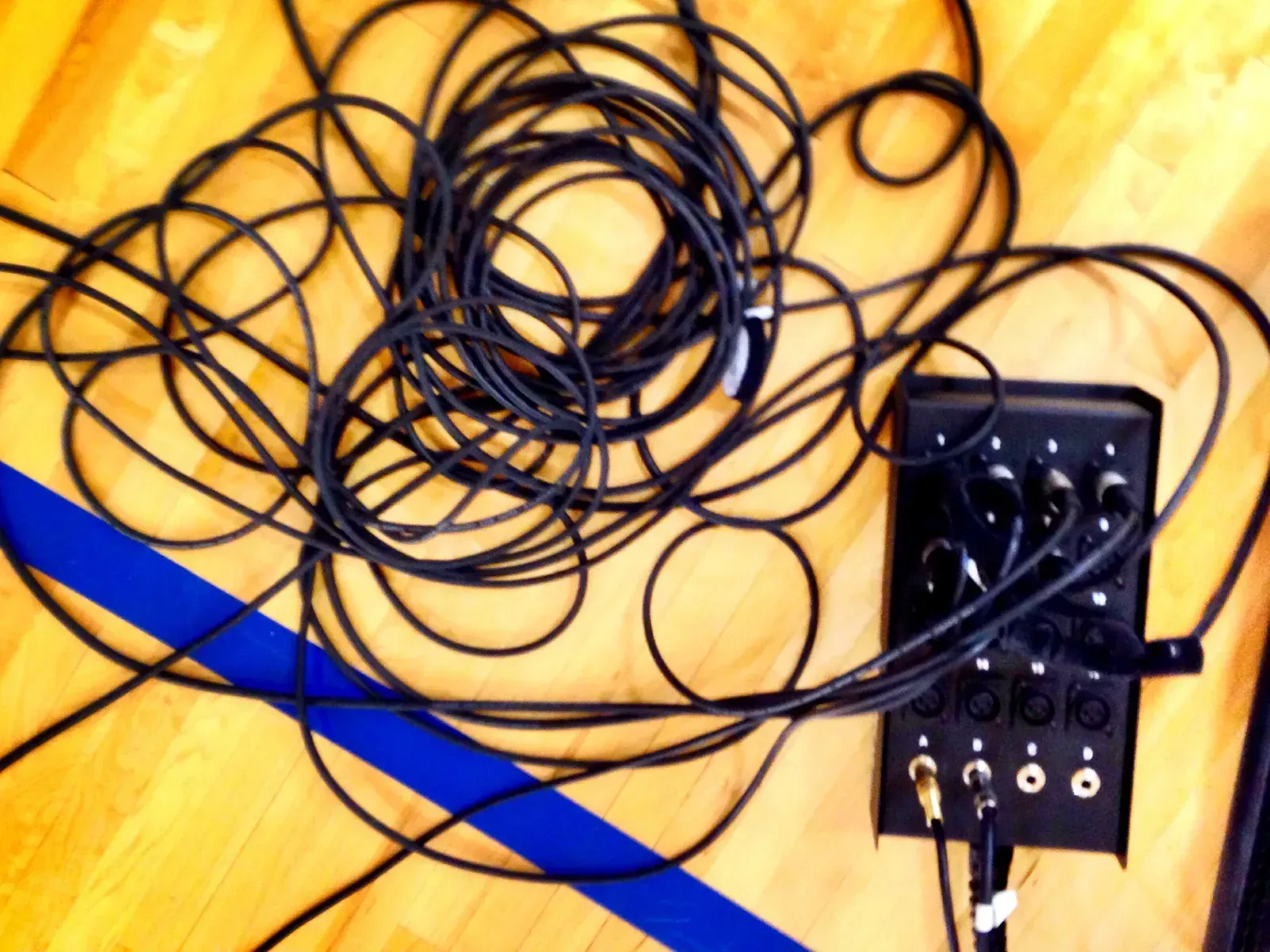
You know that tangled nest of mystery cords in your electronics drawer? The ones you can’t identify but are terrified to throw away because what if you need them? Old phones, tablets, computers can sometimes be traded in for significant money, and places like Best Buy will take old electronics even if they’re worth nothing and recycle them for you, since they shouldn’t just be thrown in the trash.
E-waste is the fastest-growing waste stream globally, with an estimated 62 billion kilogrammes produced in 2022 alone, and global e-waste almost doubled in the past 12 years and is projected to increase to 82 billion kg by 2030. Professional organizers want you to recycle responsibly, not hoard outdated technology in closets.
Honestly, that flip phone from 2007 isn’t making a comeback. Gather up those ancient devices and take them to a proper e-waste recycling center. You’ll be amazed how much space opens up.
6. Expired Medications and Old Beauty Products

Beauty products have expiration dates, and we really should toss older makeup products for safety reasons since you don’t want your products growing bacteria and mold. Professional organizers see bathroom cabinets stuffed with products that should have been tossed years ago.
Lotions and makeup do expire, and they can harbor some pretty gnarly bacteria, so give yourself permission to get rid of the things that you’re not using. That half-used foundation from three weddings ago? The mascara you can’t remember buying? Gone. Expired medications can lose potency or even become harmful, making it crucial to check your medicines and declutter your bathroom cabinet regularly.
Your skin and health aren’t worth the risk of using expired products. Clear out that medicine cabinet and start fresh with only what you actually use and what’s still safe.
7. Excess Coffee Mugs and Water Bottles
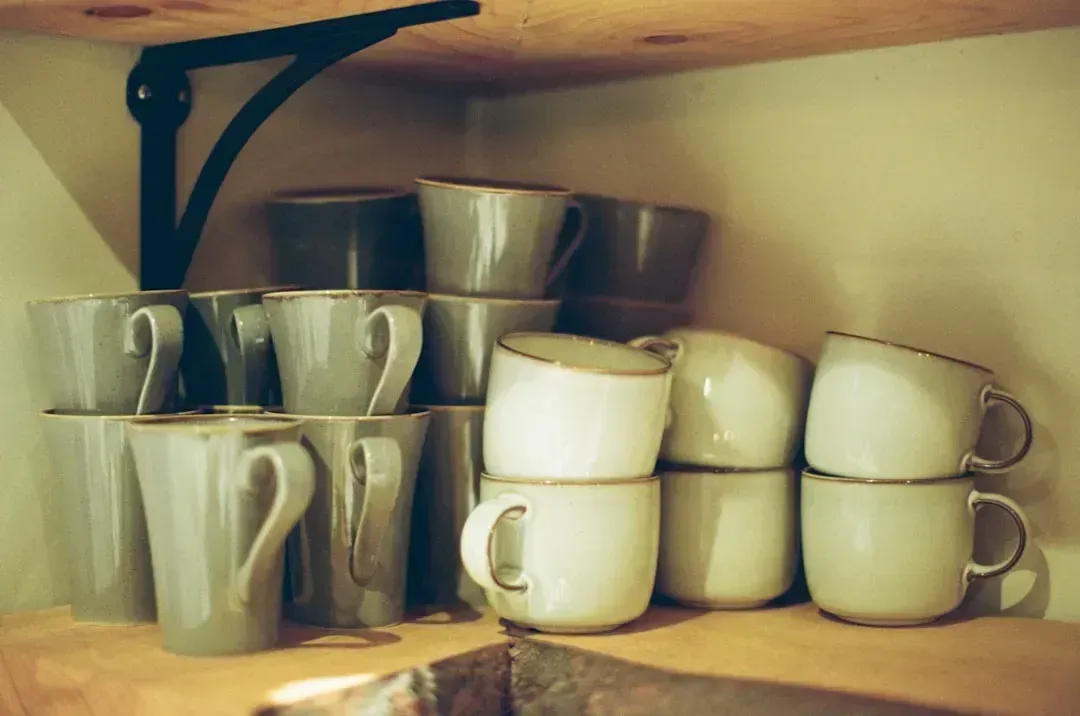
A problem item seen in many kitchens is excess water bottles and coffee mugs, and a useful formula for determining how many to keep is: (Number of people who use mug/water bottle) × (number of mugs they use a day) then X that by (one + the number of days between running your dishwasher). This equals your base number needed on a daily basis.
Most of us have promotional mugs we never asked for, water bottles from every 5K we’ve run, and travel mugs that don’t fit in our car’s cup holder. Pare down to only the water bottles and travel mugs that you actually use on a regular basis, keeping the one that fits in your cup holder, bike, and yoga bag, and let the rest go.
You don’t need 23 mugs for two people. Keep your favorites and donate the rest. I promise you won’t miss them.
8. Worn-Out Towels and Extra Linens
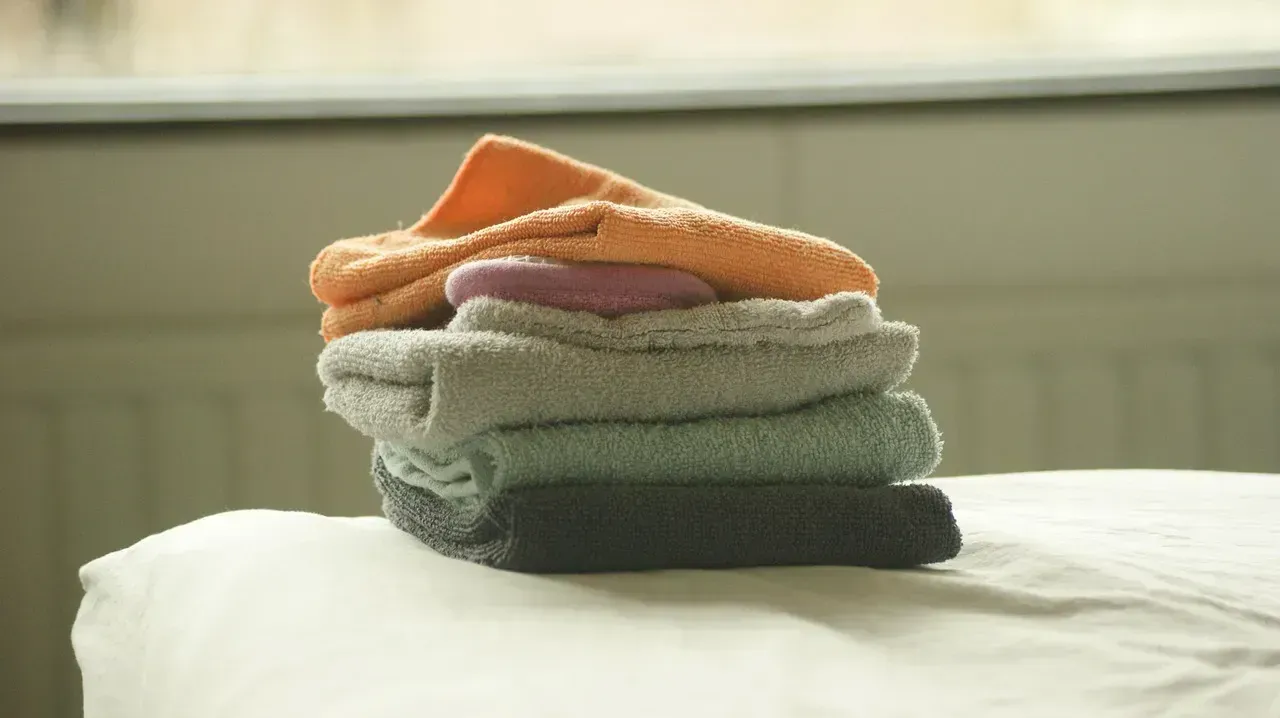
That towel that’s more holes than terry cloth? The fitted sheet that pops off the mattress every night? Assess what size sheets you need and keep two sets for each bed, one for using and one as a spare. Professional organizers recommend being realistic about your linen needs.
Here’s something you might not have considered. According to polls conducted amongst American women, 10% of them said that they felt depressed looking in their closets, and a lot of it was because they could never get their closets organized to their satisfaction and hated having to figure out where their favorite things were located. Overstuffed linen closets contribute to that overwhelmed feeling.
Keep what you need, donate the decent extras, and repurpose the ratty ones as cleaning rags. Your linen closet will actually close properly for once.
9. Outdated Paper Clutter and Old Manuals
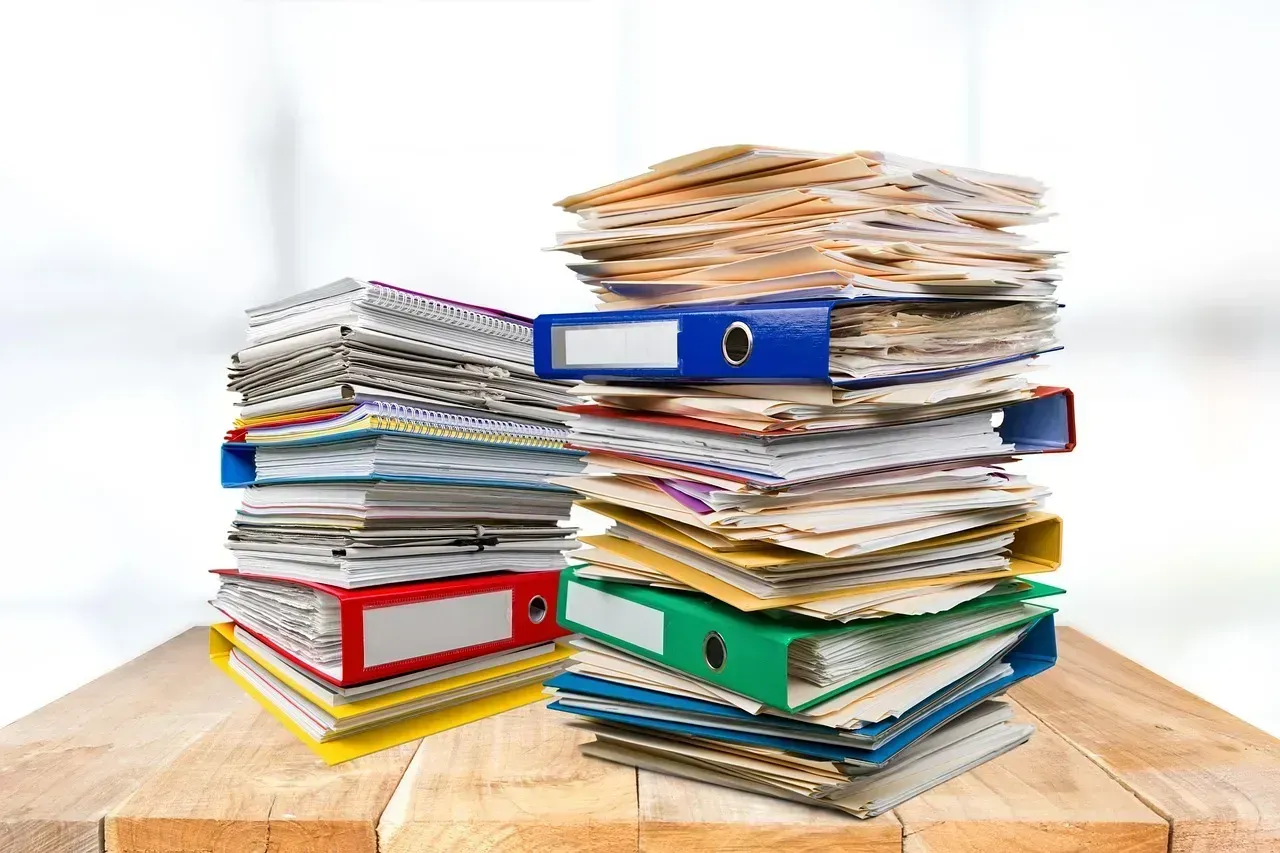
Outdated maps will only get you lost, and out-of-date travel guides and old brochures are filled with obsolete information, so don’t bother keeping those either for a potential future trip. Professional organizers see piles of paper that serve no purpose, taking over entire rooms.
Those instruction manuals for appliances you no longer own? The warranty information for your 2012 laptop? The stack of takeout menus from restaurants that closed during the 2020 pandemic? If you want to save articles or images, cut them out of the newspapers and magazines you have stacked in your office and toss the rest, or better yet, scan them to your computer or snap a photo on your smartphone.
We live in a digital age where nearly every manual can be found online. Free yourself from the paper prison and recycle that stack gathering dust.
10. Orphaned Socks and Clothes You’ll Never Wear Again
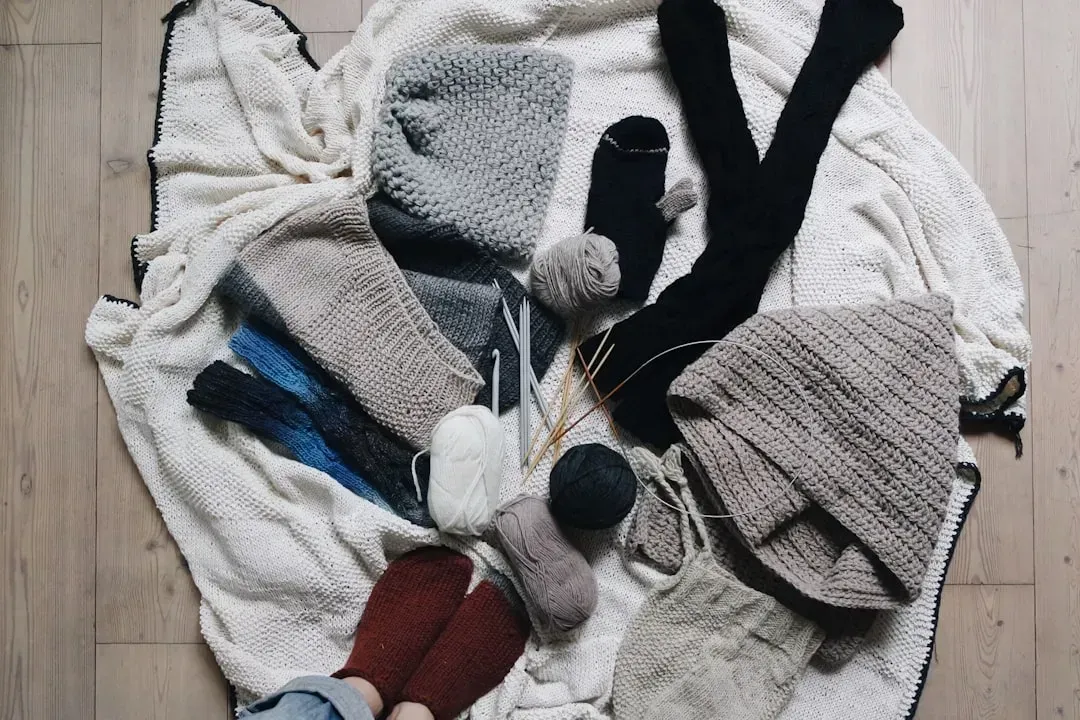
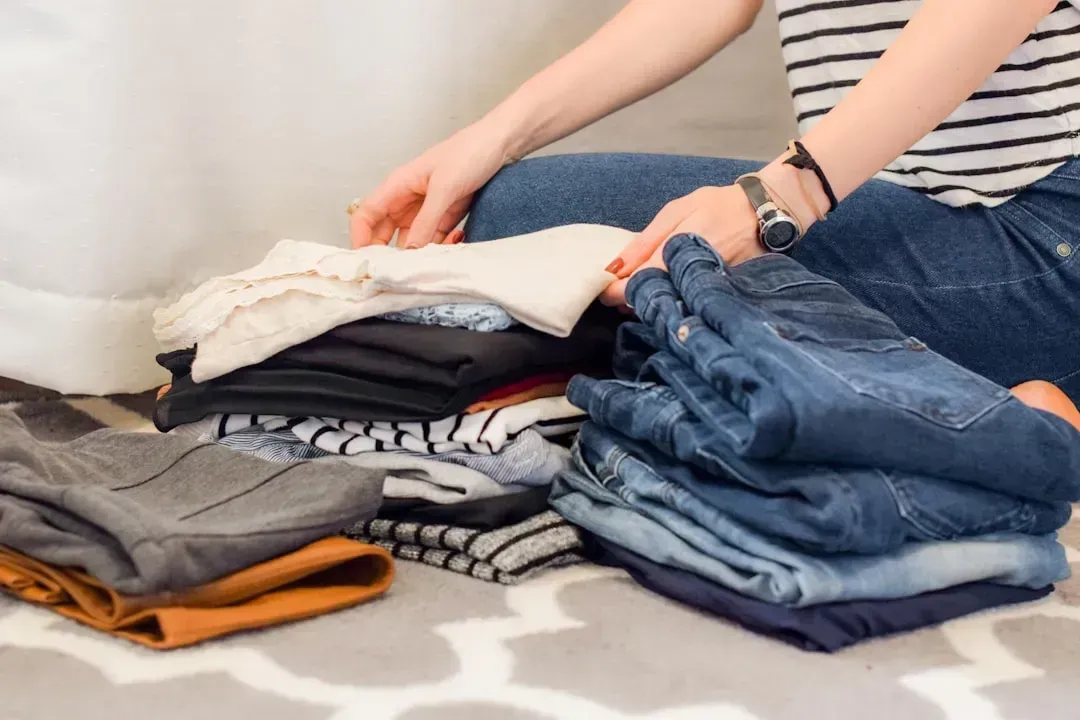
Let’s talk about that special category of clothing denial. The jeans from college that might fit again someday. The bridesmaid dress you’ll definitely alter and wear to another event. The single socks without mates that you’re convinced will reunite eventually. Professional organizers have seen it all.
A June 2024 industry report found that the average American adult keeps 6.2 unworn items in their wardrobe, representing approximately 1.6 billion never-used garments nationwide. You’re not alone in holding onto clothes that don’t serve you anymore, yet that doesn’t mean you should keep doing it.
Be honest with yourself. If you haven’t worn it in a year and it doesn’t fit your current life, let it go. Someone else will love those items, and you’ll love the extra closet space.
11. Promotional Freebies and Gift Items You Don’t Use

Professional organizers note that we’ve all been to events that give away something that looks great and useful at the time you receive it, only to get home and realize you have something similar or that you’re never going to actually use it, like trucker hats with cleaning product names or multiple beer koozies.
These promotional items accumulate faster than you realize. The tote bag from that conference. The stress ball from your dentist. The branded pen from every sales rep who’s ever visited your office. They seem harmless individually, yet collectively they’re stealing prime real estate in your home.
Unless you genuinely love it and use it regularly, that freebie can find a new home elsewhere. You don’t owe it loyalty just because it was free.
12. Broken or Never-Used Hobby Supplies
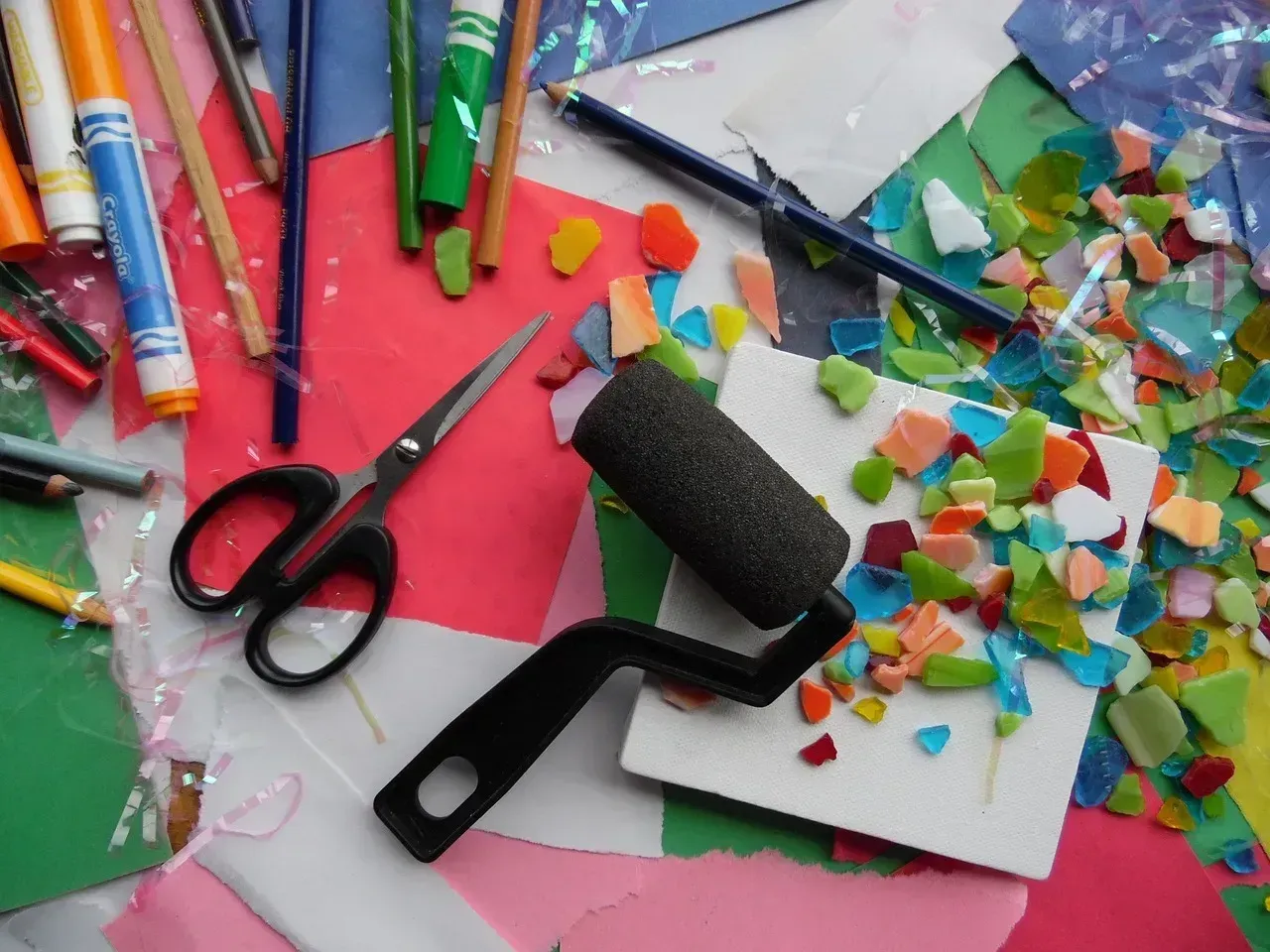
Remember that scrapbooking phase? The brief flirtation with candle making? Be realistic about which hobbies you’ve moved on from and toss the related materials you’re not using, like that knitting stuff you tried once and didn’t like. Professional organizers know that hobby supplies are some of the hardest items for people to release.
You want to let go of kitchen items that don’t reflect your current reality, and if you went through a baking phase or a candy-making phase and those hobbies have run their course, purge the related specialty items to free up space to pursue new interests.
It’s hard to say, but that expensive craft kit you bought with good intentions three years ago isn’t going to guilt you into using it now. Someone on a local buy-nothing group will be thrilled to give it a new life.
13. Duplicate Kitchen Tools and Utensils
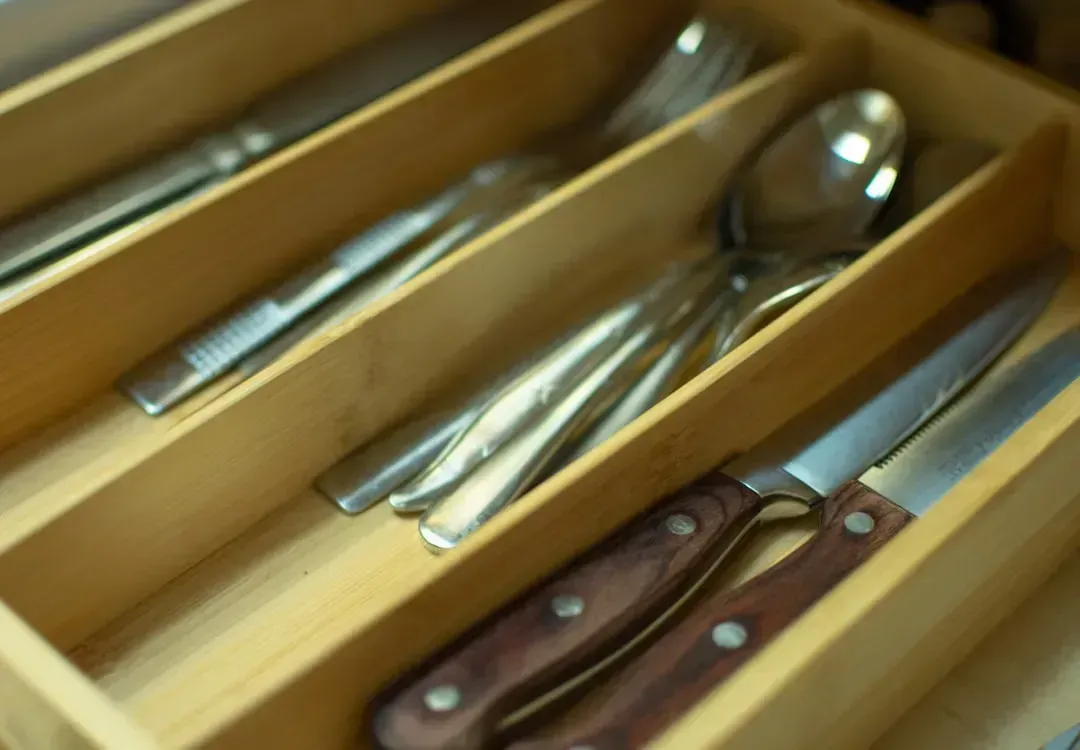
While some items serve a purpose like mugs and storage containers, how many spatulas do you use at one time? Probably one. Veg peelers? Graters? Garlic presses? Apply the ‘no duplicates’ rule, and you’ll see progress fast.
Professional organizers are baffled by the number of can openers, whisks, and wooden spoons hiding in the average kitchen. Yes, having a backup makes sense for certain items, but do you really need five potato mashers? Probably not, unless you’re running a restaurant out of your home.
Keep your favorite of each tool and donate the rest. Your drawers will close properly again, which is surprisingly satisfying.
14. Old Paint and Cleaning Products Past Their Prime
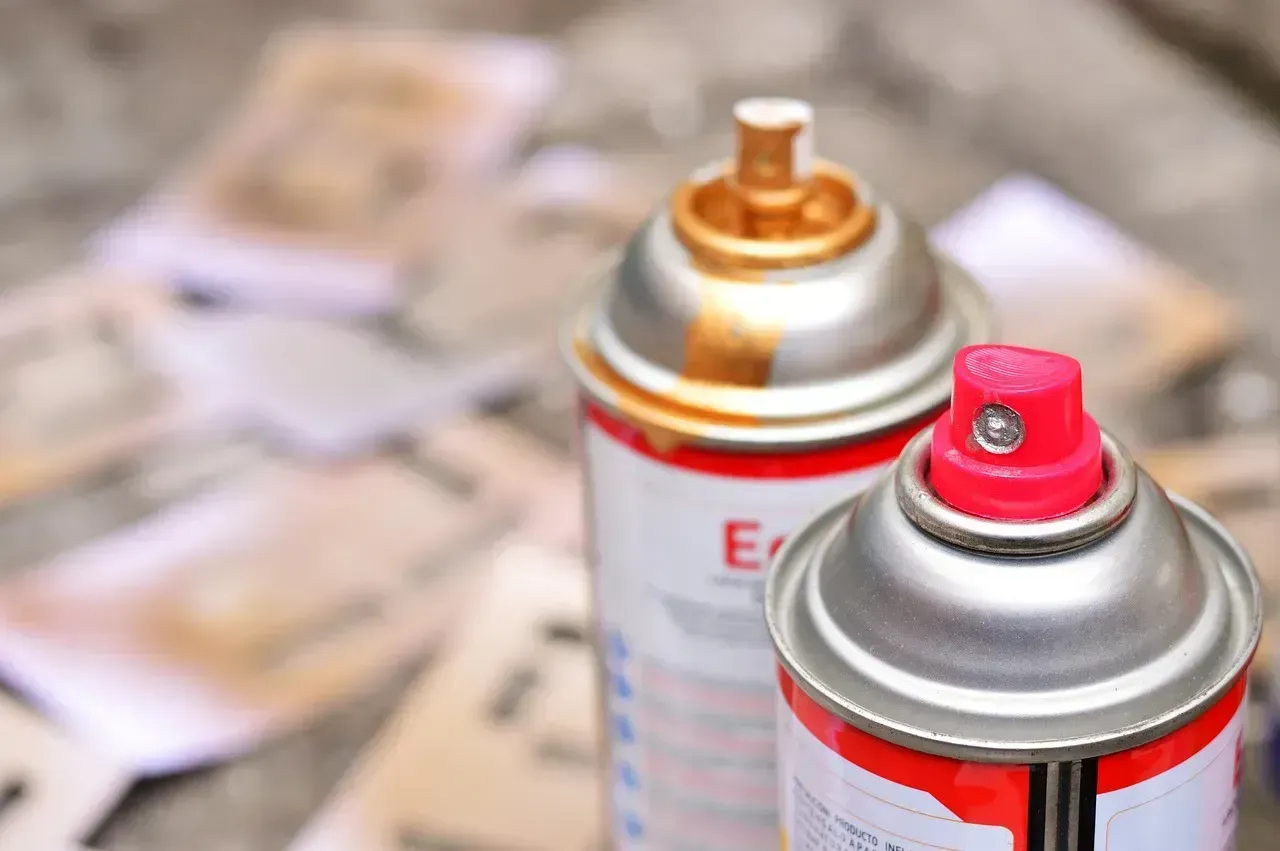
Household cleaners like bleach can degrade over time, becoming less effective, as bleach deteriorates at a rate of 20% per year, eventually breaking down into a simple salt and water solution that produces no chlorine fumes. Those half-empty paint cans in your garage from 2015? They’ve likely separated or solidified beyond usefulness.
Laundry detergent doesn’t necessarily expire in a harmful way, but it can lose effectiveness over time as liquid detergents can separate into their chemical components, fabric softeners thicken and clog washing machine dispensers, and powdered detergents absorb moisture and harden into clumps.
These products take up serious space in under-sink cabinets and garages. Dispose of them properly at hazardous waste collection sites and start fresh with products that actually work.
15. Old Books You’ll Never Read Again
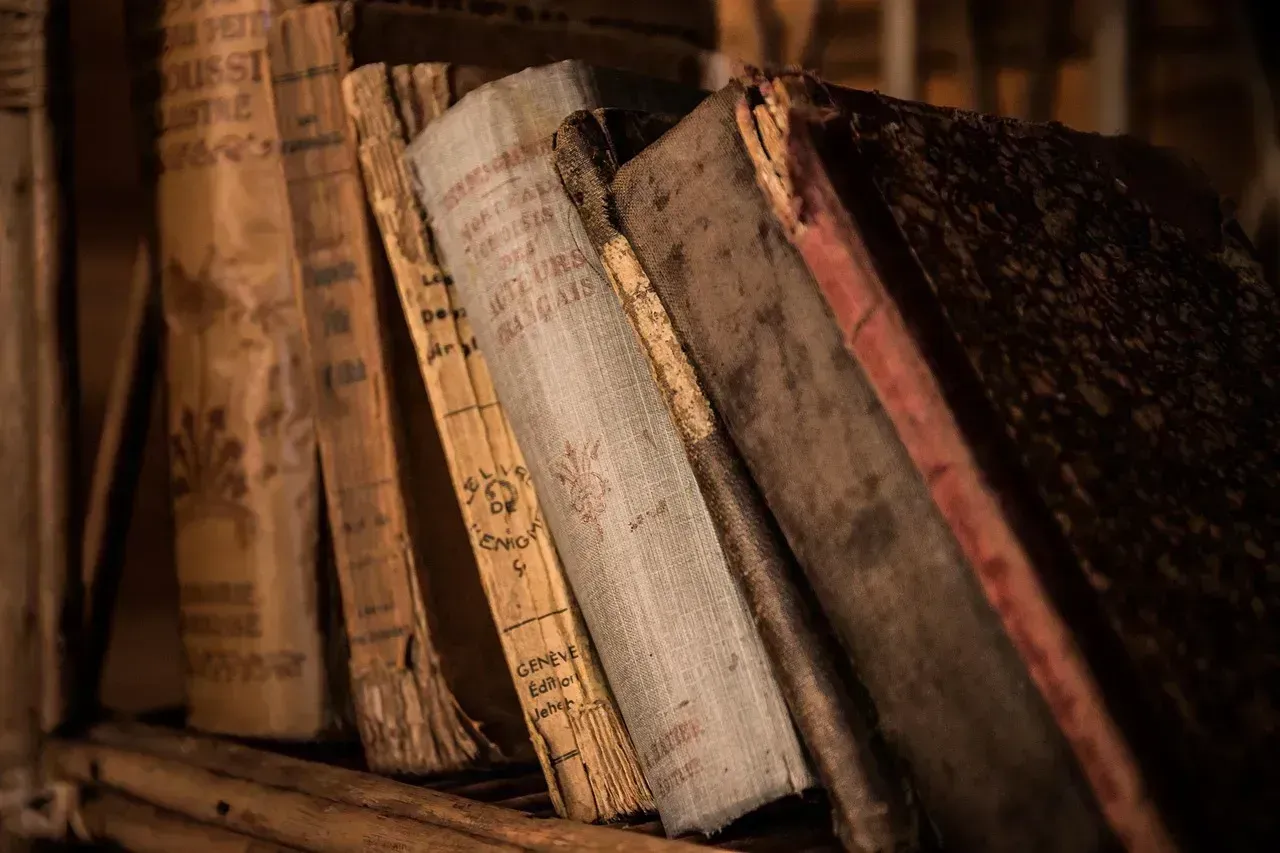
Unless you want to keep a book for sentimental reasons or like to re-read favorites, remember that moving a bunch of books is a pain because they’re heavy and cumbersome, so consider finding a Little Free Library, selling them online, or learning more ways to donate used books.
Professional organizers understand the emotional attachment to books, yet they also recognize when bookshelves become book graveyards. That college textbook about 18th-century French literature? The outdated travel guide to a place you’ve already visited? The bestseller everyone was reading five years ago that you never actually started?
You’ll rarely find loose stacks of old novels and space-hogging phone books in a professional organizer’s home, and they also let go of encyclopedia sets and textbooks. Keep the ones you truly love or will reference again, and let the rest bring joy to someone else.
Conclusion
Decluttering isn’t about achieving some picture-perfect minimalist aesthetic. It’s about creating space for the things that actually matter in your life right now. 54% of Americans are overwhelmed by the amount of clutter they have, but 78% have no idea what to do with it. Starting with these 15 categories gives you a concrete plan.
Getting rid of clutter would eliminate 40 percent of housework in the average home, which means more time for the things you actually want to do. Every item you remove creates breathing room, both physically and mentally. You don’t need to tackle everything in one weekend. Start with one category, spend 15 minutes, and see how you feel.
Did you have any of these items lurking in your home? What surprised you most on this list?