
Most of us think of the garage as extra storage space. It becomes that convenient place to toss everything that doesn’t quite fit inside the main house. Over time, though, that convenience turns into chaos.
Let’s be real: your garage is probably hiding some stuff that needs to go. Recent surveys show that more than a third of American garages are so unorganized they can no longer park a vehicle inside, and in a survey of 1,000 Americans, nearly half of them admitted to encountering problems with garage parking due to clutter. That’s a lot of wasted space for items that serve no real purpose anymore.
So let’s dive into the most common culprits taking up your garage real estate. It’s time to reclaim that space and maybe, just maybe, park your car where it belongs.
Old Paint Cans Taking Up Prime Shelf Space
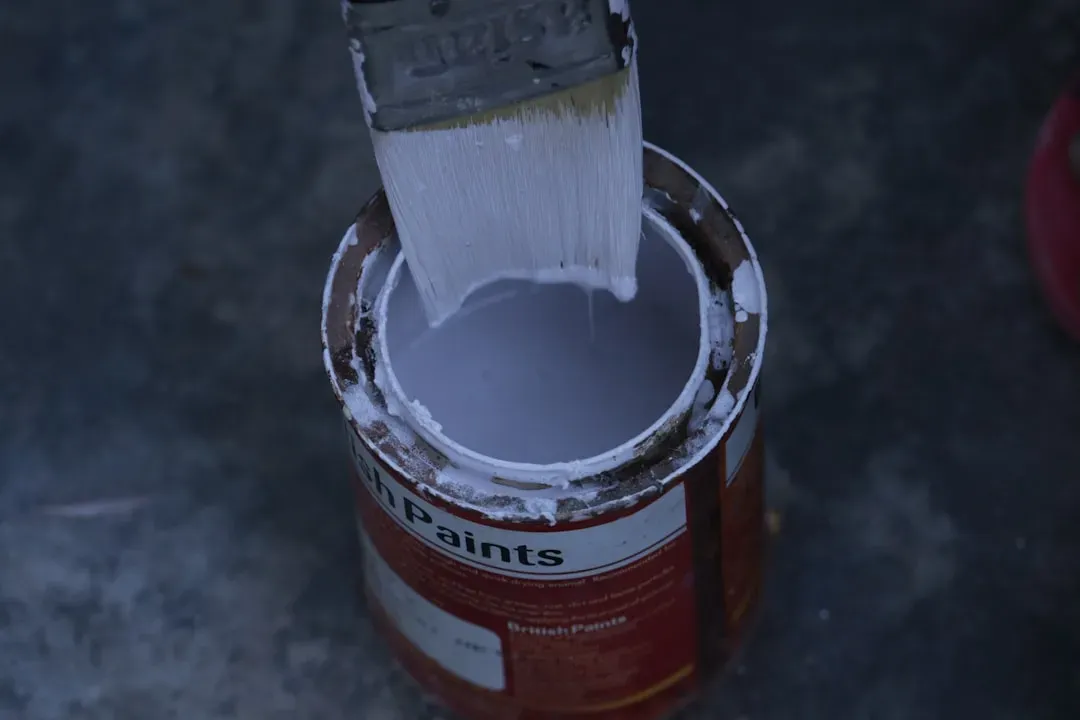
Here’s the thing about paint: it doesn’t last forever. Unopened latex paint can last up to about 10 years if stored properly, though oil-based paints usually don’t hold up quite as long. The catch? Garages are actually one of the worst places to store paint because of the temperature fluctuations. Temperature fluctuations will damage the paint, and if the paint freezes, the solids and liquid will permanently separate and become unusable. Those half-empty cans collecting dust from a project you finished years ago are likely dried out, separated, or just plain useless now. Check them, and if they’re crusty or smell off, they need to go.
Expired Chemicals and Hazardous Materials
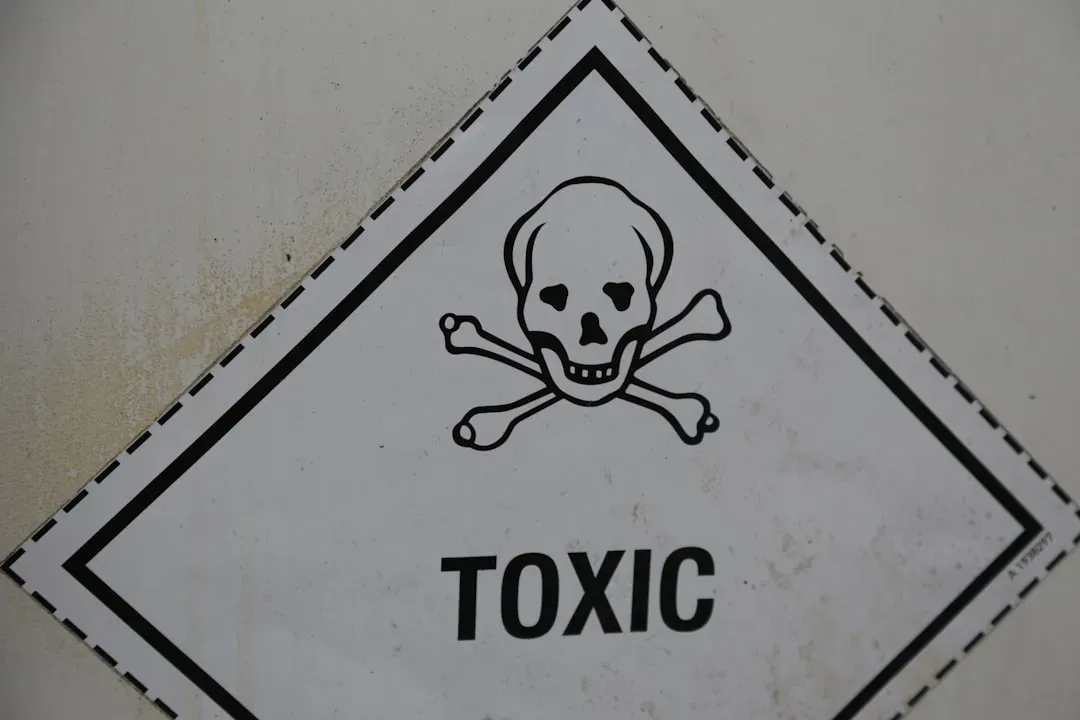
Products such as motor oil, pesticides, and antifreeze can degrade over time, potentially becoming more harmful. Expired products can leak, corrode containers, or attract pests. That bottle of weed killer from three summers ago or the rusty can of fertilizer? They’re not just ineffective anymore. They’re safety hazards waiting to happen, especially if you have kids or pets wandering into the garage. It’s important to dispose of anything that has expired or you do not plan to use. Take them to a hazardous waste disposal site where they can be handled properly.
Broken or Rusty Tools That Will Never Get Fixed

We all have that pile. You know the one. It’s those tools with snapped handles, rusted blades, or stripped screws that you swear you’ll fix someday. Honestly? That day is never coming. Within a metal component required to connect pieces of equipment, such as a bolt in a saw blade, any form of corrosion can cause a significant safety issue, and it would be better to dispose of the tool if it’s no longer able to function safely. If a tool is genuinely broken beyond simple repair, recycle the metal parts or donate anything still functional to organizations like Habitat for Humanity. Holding onto junk tools just creates clutter.
Cardboard Boxes From Ancient Deliveries
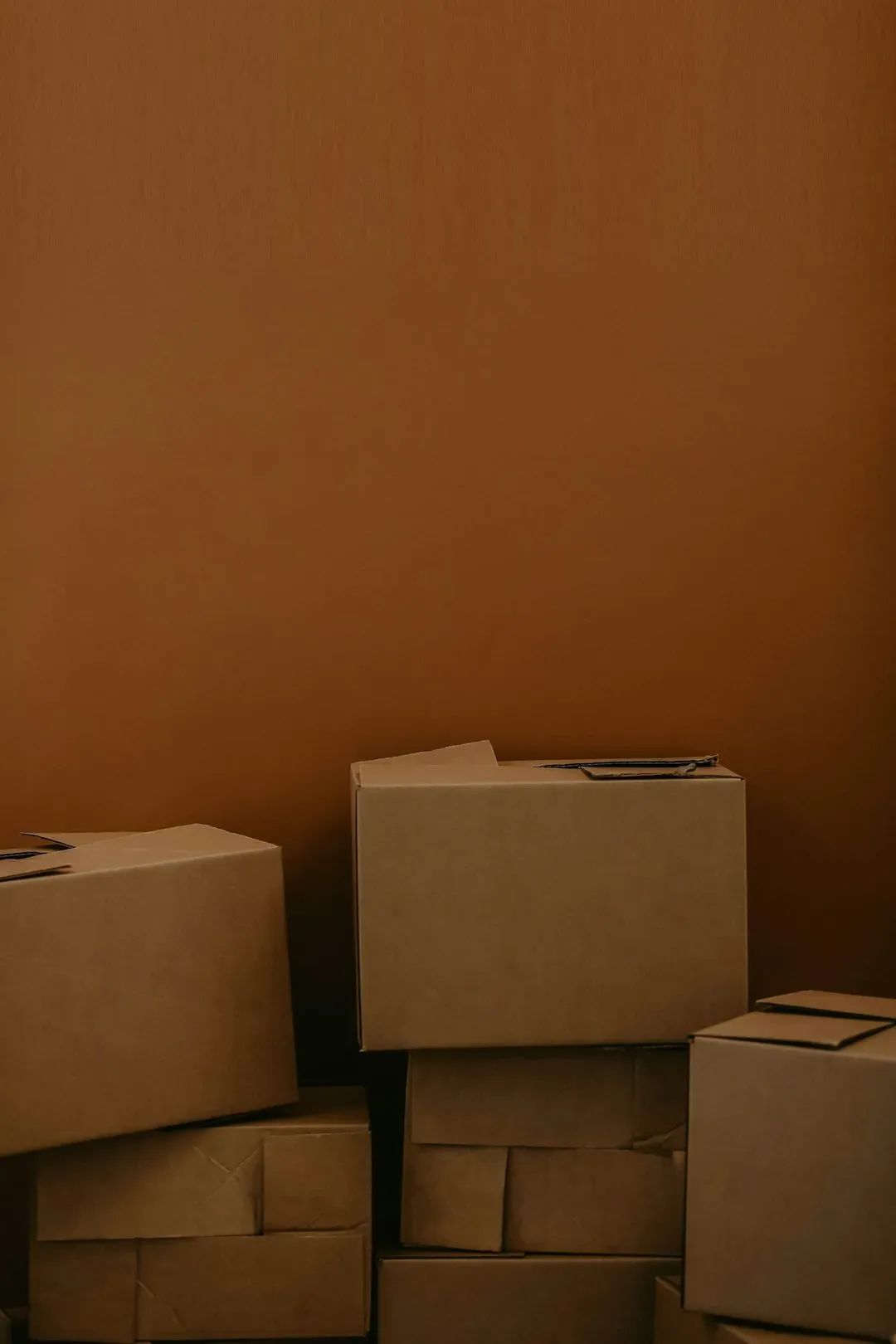
Old cardboard is a staple found in messy garages, maybe old boxes from Amazon orders or electronics purchases. Sure, you might need a box someday for shipping or moving, but do you really need twenty of them? Cardboard attracts pests, absorbs moisture, and takes up valuable floor and shelf space. Keep maybe one or two sturdy boxes in various sizes if you must, but flatten and recycle the rest. Your garage will thank you for the breathing room.
Sports Equipment Nobody Uses Anymore

Why have you kept the kids’ skateboards that they outgrew years ago? That dusty tennis racket, the deflated basketball, or the rollerblades from your brief fitness phase in 2012 are just collecting cobwebs. Old sports equipment just never got dealt with and thrown out or donated. If you haven’t touched it in over a year, someone else could actually use it. Donate gear that’s still in decent shape to community centers, schools, or youth sports programs. They’ll put it to better use than it’s getting wedged behind your lawn mower.
Broken Lawn Furniture and Outdoor Items
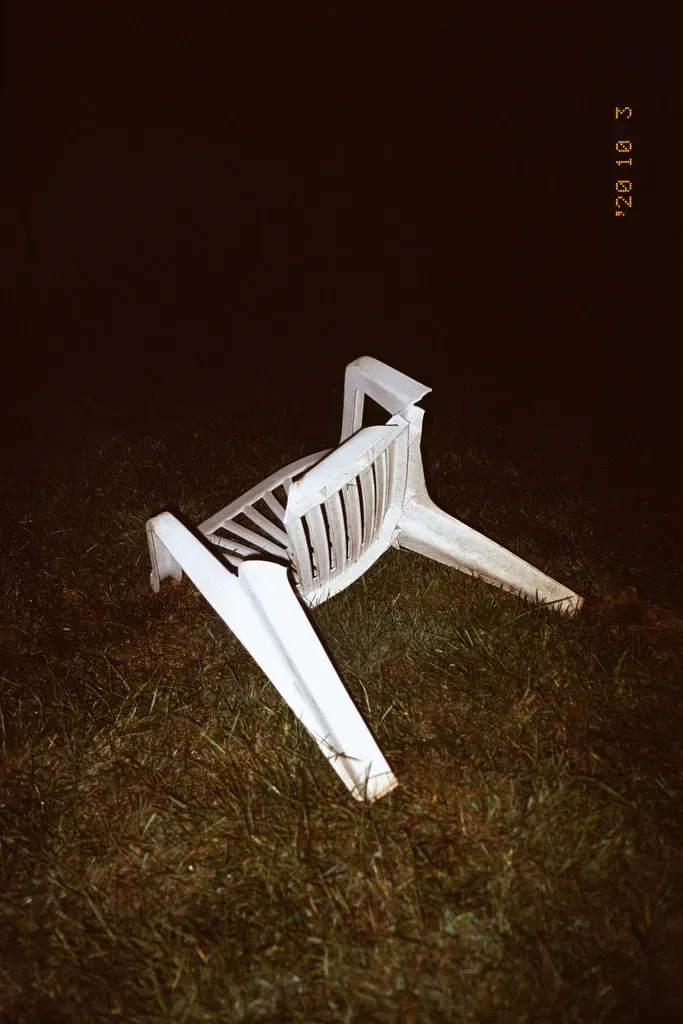
include broken lawn chairs, along with cracked planters, faded patio cushions, and warped garden hoses. Old futons, broken chairs, or outdated shelving often end up in the garage, with homeowners keeping them thinking they’ll find a use later, but they rarely do. These bulky items eat up space and serve absolutely no purpose. If it’s broken and you haven’t fixed it yet, you’re not going to. Either repair it immediately or get rid of it. No more “I might use that someday” excuses.
Old Electronics and Extension Cords
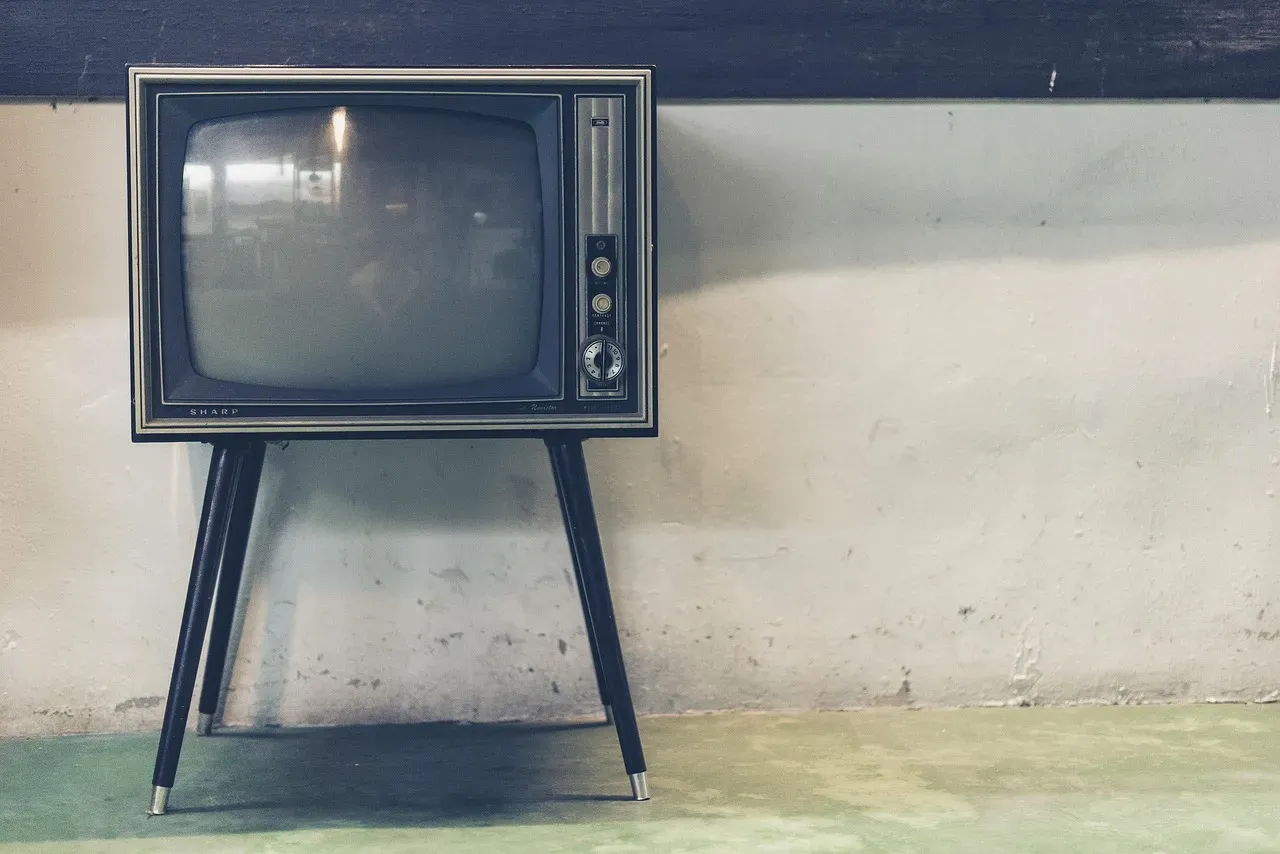
Electronics are vulnerable to temperature extremes and humidity, so the garage is a poor storage choice. That old printer, the DVD player from 2005, or the tangle of mystery cables you can’t even identify anymore need to go. Improper usage of extension cords, frayed or worn extension cords can become fire hazards. Electronic waste shouldn’t go in regular trash anyway. Find a local e-waste recycling center and drop off those relics properly. It’s safer and frees up space for things you actually use.
Holiday Decorations You Never Put Up

If you have holiday decorations that never make it out of the box, it is probably time to donate them to Goodwill. I know it sounds harsh, but if you skipped using those Halloween spider webs for the past three years or those Easter decorations are still sealed in their original packaging, they’re not adding value to your life. Be honest with yourself about what you actually display each year. Keep your favorites, but let go of the rest. Someone else will love them.
Duplicate Items and Unnecessary Multiples
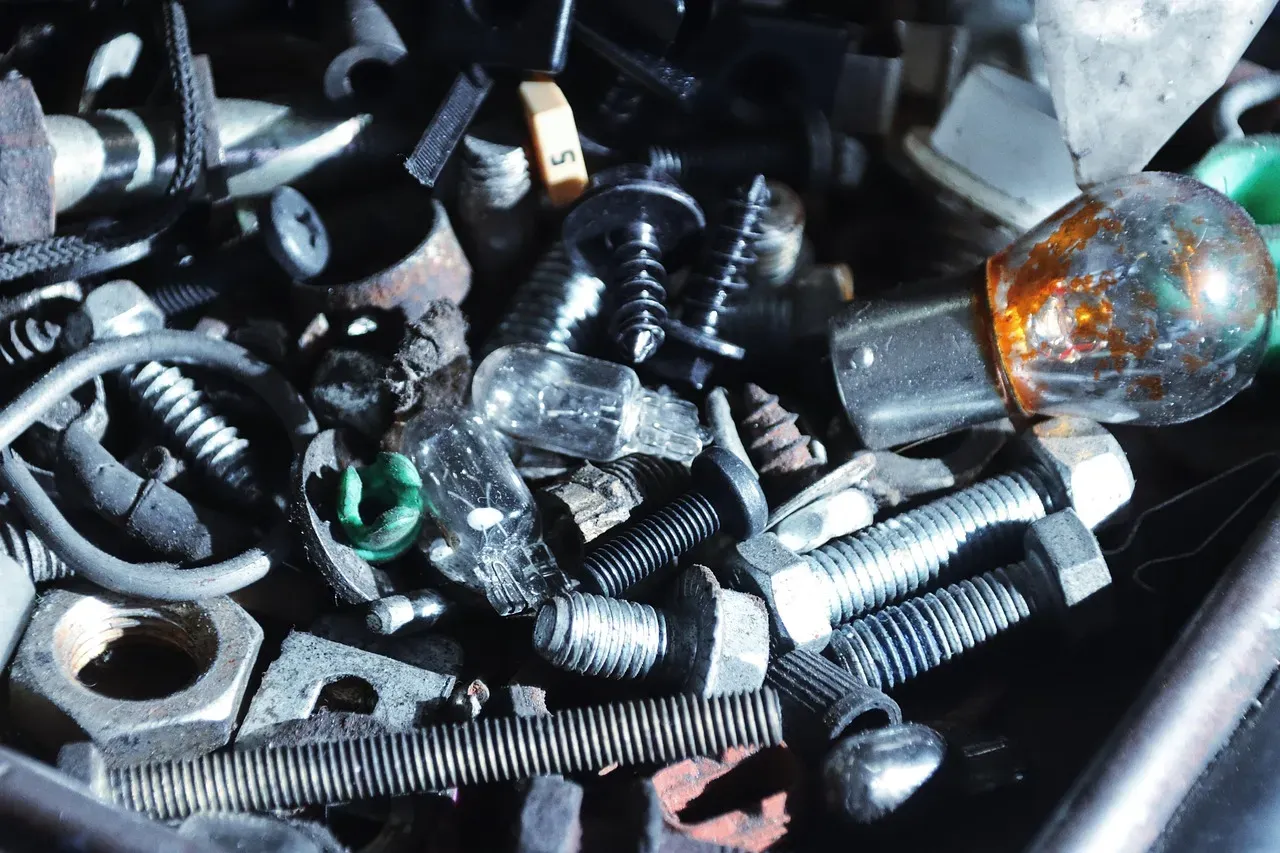
Survey findings show that one third of homeowners don’t even know what is stored in their garage. How many rakes do you really need? Do you honestly use all six hammers, three sets of screwdrivers, and four snow shovels? Garages accumulate duplicates because we forget what we already have and just buy more. Go through your storage and consolidate. Keep the best quality version of each tool or item, then donate or recycle the extras. You’ll be amazed at how much simpler life gets when you’re not drowning in redundant stuff.
Getting rid of these nine categories isn’t just about creating space. It’s about safety, functionality, and honestly, peace of mind. A cleaner garage means you can actually find what you need when you need it. You won’t be tripping over boxes or worrying about expired chemicals leaking onto the floor.
Start small if the task feels overwhelming. Tackle one category at a time, maybe dedicate a weekend afternoon to it. You’ll feel lighter with every bag you haul to the curb or drop off at the donation center. What’s the most surprising thing hiding in your garage right now?