
Most people board a plane the same way they always have: shuffle down the aisle, shove the bag in the bin, collapse into the seat, and wait for takeoff. It works, technically. But flight attendants, who spend the vast majority of their working lives in that aluminum tube with you, have quietly developed a very different approach to flying.
Flight attendants know the ins and outs of air travel better than anyone. They spend most of their working lives cruising at 30,000 feet, so it’s only natural that they have insider tips and tricks that most passengers have never even considered. The good news is that none of these habits require a special ticket or extra money. They’re just smarter ways to move through the experience.
1. They Wipe Down Their Seat Area Before Settling In

Flight attendants emphasize that maintaining hygiene in the cabin begins before takeoff. Many crew members carry disinfecting wipes and thoroughly clean armrests, tray tables, and seat surfaces upon boarding. This habit stems from the fact that planes handle a high volume of passengers in a single day, and not all previous flyers follow good hygiene practices.
Tray tables often host the least sanitary conditions because passengers rest their feet or personal items on them. By wiping these surfaces before settling in, travelers can reduce contact with germs. Cabin air filtration systems help circulate clean air, but surface cleanliness remains a passenger’s personal responsibility. Cleaners are only given minutes to clean the airplane between flights, so tray tables get cleaned only once a day on average.
2. They Actually Watch the Safety Demonstration
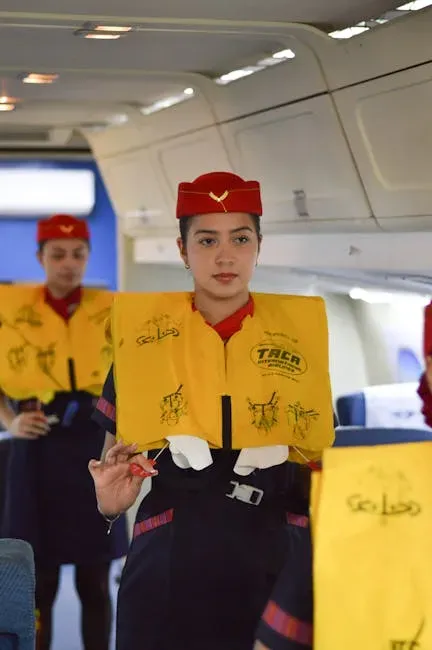
The safety demonstration is an essential piece of information that crew members are legally obliged to perform on every single flight. It’s designed for every passenger’s safety, whether there’s an emergency evacuation on land or in water. Flight attendants, even as passengers, pay attention to it on every aircraft they board because they know the details genuinely differ between plane types.
Passengers often think they’ve seen it all before and don’t need to watch it again. The reality is that not all aircraft are the same, and although most airline procedures are similar, there may be important differences. A passenger should always check how many rows their nearest exit is in front of or behind them. That quiet mental note takes about three seconds and could matter enormously.
3. They Board at the Right Moment and Move Efficiently
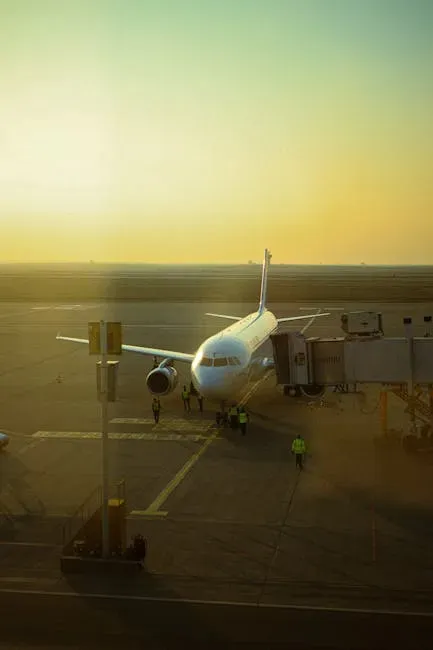
How you board and deplane sets the tone for the journey. Boarding by groups is designed to avoid crowding in the aisles and streamline the process. The smart move is to wait until your group or row is called before approaching the gate. Flight attendants even have a name for passengers who crowd the gate area before the plane arrives. They call them “gate lice.”
Placing only your largest carry-on in the overhead bin and keeping smaller items like handbags or laptops under the seat in front ensures there’s enough space for everyone’s essentials. When putting a bag in the bin, stepping into your row allows others to pass – a courtesy that keeps the boarding process moving smoothly. It sounds trivial, but it’s one of those habits that noticeably shortens everyone’s experience in the aisle.
4. They Stay Hydrated and Skip the Alcohol

Cabin air is notoriously dry. The additives in in-flight meals, such as salt and sugar, can make you feel lethargic, bloated, and dehydrated, adding another layer of discomfort on top of the low humidity levels on the plane. Experienced crew members know this, which is why they prioritize water above all else when flying as passengers themselves.
Stop buying expensive bottled water in the airport terminal. A reusable water bottle is one of the best investments frequent flyers can make, and bringing it on each flight is one of the most consistently recommended flight attendant habits. Alcohol dehydrates further and can intensify the effects of altitude, so many seasoned crew members simply skip it on long-haul trips, saving it for the destination.
5. They Follow Crew Instructions Without Pushback
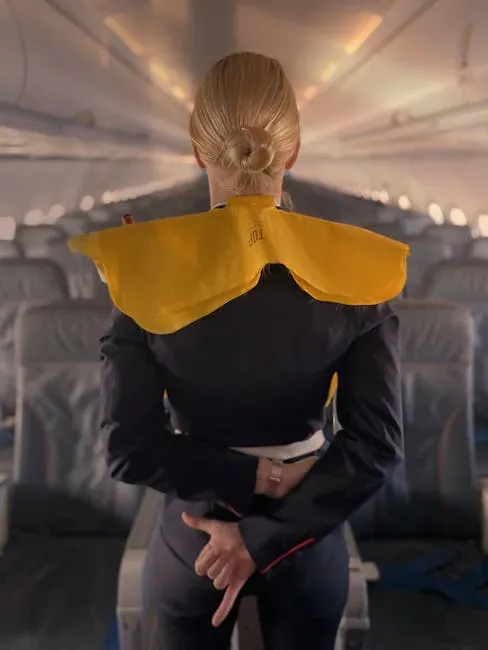
Flight attendants follow very formal safety procedures on every flight to ensure things run as safely as possible. When a crew member asks a passenger to do something, it’s for a good reason and safety is the motive behind it. Some passengers do not follow the instructions because they think the request is seemingly unimportant. But there’s almost always a specific reason behind every ask.
If a flight attendant asks you to open a window blind on takeoff or landing, it’s so they can see outside conditions in case of an emergency evacuation, including fire, water levels, engine condition, or obstructions. If they ask you to put your tray table up and seat back upright, it’s to ensure you and everyone in your row can evacuate without being trapped. Disobeying a crew member can result in flight delays, flight bans, imprisonment, or fines of up to $37,000 in the United States.
6. They Choose the Window Seat for Long Flights
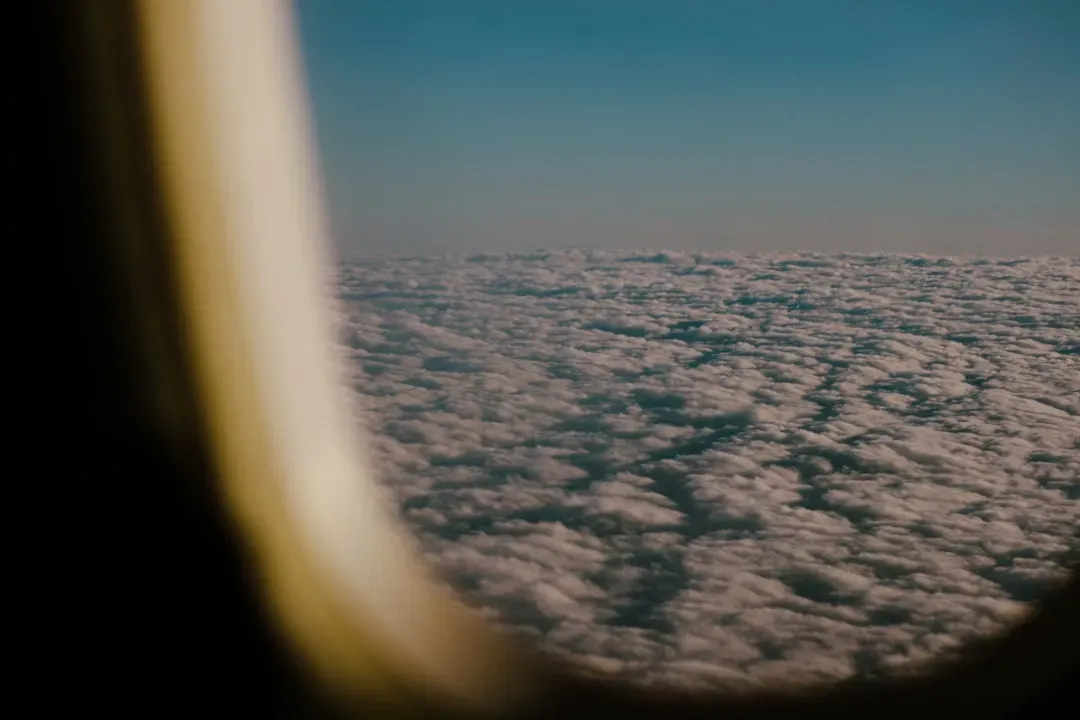
Many people prefer the aisle seat for leg room, but according to former flight attendant Beth Windsor, the most comfortable seat on the plane is actually the window seat. Yes, you may need to squeeze past fellow passengers to reach the bathroom, but asking to exit the row is worth it to have a place to rest a pillow and a guaranteed armrest. The middle seat, as every traveler knows, loses out on both.
As an added bonus, the window seat lets you sit back and watch the view as the plane climbs to 30,000 feet. On overnight flights, the wall of the fuselage doubles as a leaning surface, which makes sleep considerably more manageable than trying to stay upright in an aisle seat. Flight attendants who travel off-duty tend to book the window well in advance.
7. They Stay Calm and Quiet During Turbulence

Normal turbulence is expected and usually not jarring for most seasoned crew members. There are times, though, when it feels severe enough that even veteran fliers get anxious and scared. Crew members are trained to stay calm, even when they don’t feel calm. That professional composure isn’t just for show – it actively keeps the cabin environment stable.
It only takes one person screaming to set off a whole plane in panic. Turbulence is becoming more severe and more frequent, so it is important to always follow the seatbelt sign. Keeping your belt loosely fastened throughout the flight, even when the sign is off, is a habit flight attendants adopt themselves and quietly encourage in every passenger they look after.
8. They’re Respectful of Shared Space and Other Passengers
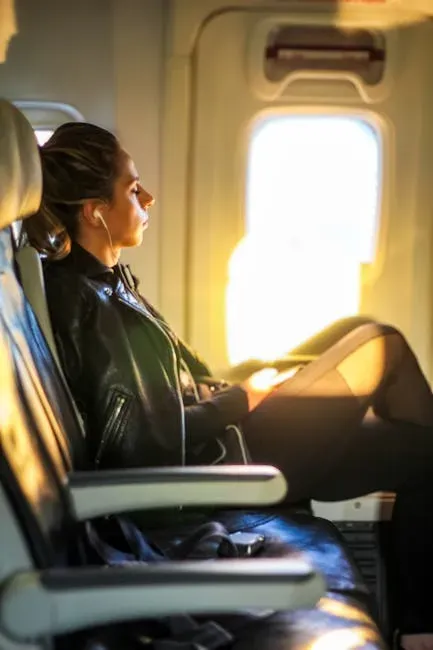
Treating fellow passengers like temporary neighbors means wearing headphones when watching something, not eating strong-smelling foods, and keeping your limbs within your own personal bubble. It’s a simple framework, but it covers nearly every common point of friction on a crowded flight. Flight attendants have seen every version of shared-space failure imaginable, and this mindset is the one they carry when they sit down as passengers.
Between the constant white noise, chatty passengers, and the occasional baby crying, it’s already a challenge to hear each other on board. Making eye contact, taking out earbuds, and speaking clearly is a small gesture that makes a big difference – and this goes double when a flight attendant is speaking to you. Whether it’s about your meal choice, safety instructions, or asking you to fasten your seatbelt, being fully present shows respect and ensures you don’t miss something important.
9. They Greet the Crew and Treat Them With Basic Courtesy
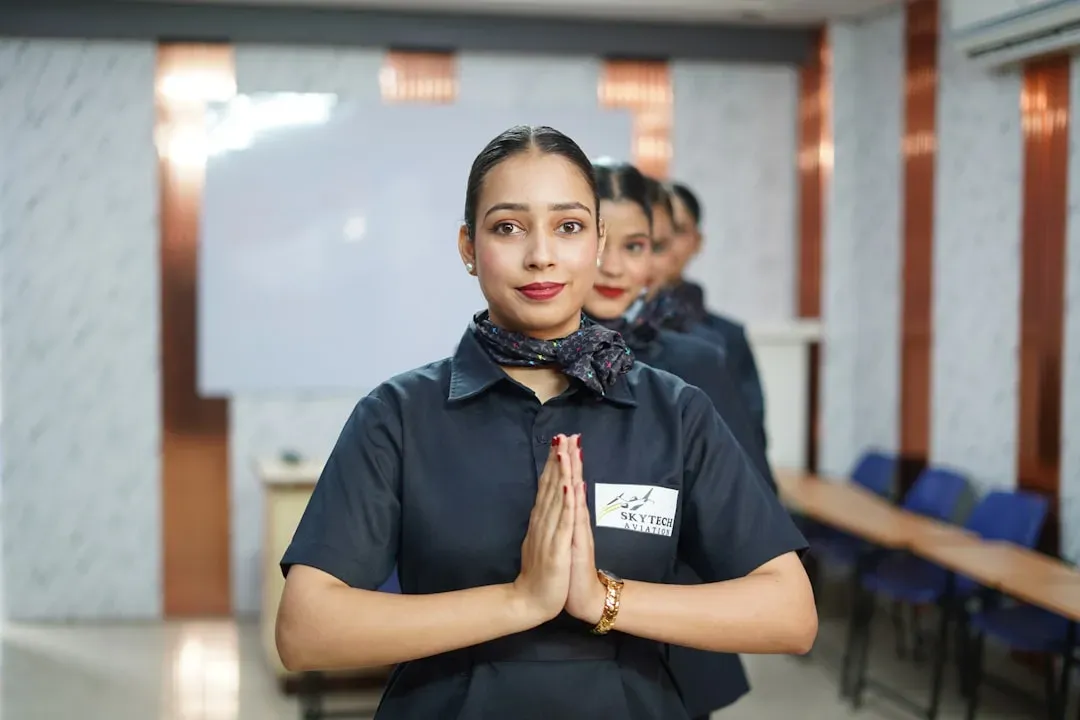
Passengers often assume that flight attendants are purely there for customer service and to provide meals and drinks. This could not be further from the truth – they are highly trained safety professionals equipped to act in any given emergency situation. Their role is to provide safety and comfort for passengers on board, with safety being the clear priority.
Even a simple “thank you” can mean a lot. Flight attendants work long hours and appreciate when passengers recognize their effort to provide a comfortable experience. The importance of courtesy toward fellow passengers and respect for shared spaces cannot be overstated. When travelers adhere to standard etiquette and airline guidelines, the cabin environment becomes more pleasant for everyone onboard. A short greeting at the boarding door costs nothing and, more often than not, sets a noticeably different tone for the flight ahead.
Flying well isn’t complicated. It mostly comes down to awareness – of your surroundings, your fellow passengers, and the people whose job it is to keep everyone safe. Flight attendants have refined these habits through thousands of hours in the air, and every single one of them is transferable to anyone who boards a plane. The difference between a stressful flight and a smooth one is rarely the seat you’re in.