
Most expensive homes announce themselves loudly. The ones built for serious, generational wealth tend to do the opposite. From the street, they may look almost restrained. Inside, though, the details tell an entirely different story – one written in materials, systems, spatial logic, and layers of privacy that no amount of renovation budgeting can replicate.
Luxury houses are not just about having a lot of space or shiny finishes – it’s really the details that make a home feel truly luxurious. The gap between an expensive home and a home built for private wealth is wide, and most of the distance lives in things you won’t see in listing photos. Here are eighteen of those defining details.
1. A Fully Staffed, Purpose-Built Gatehouse
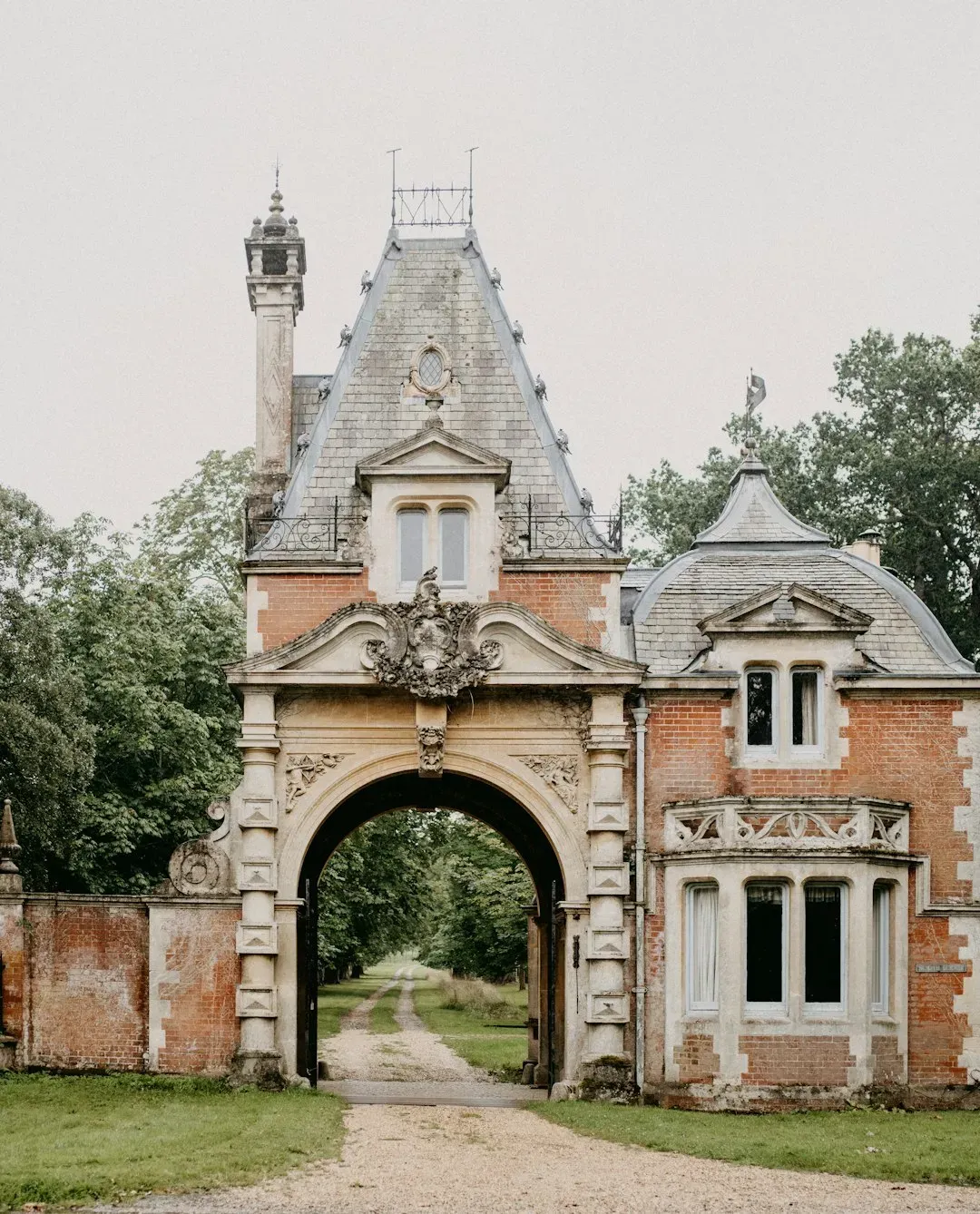
True estate compounds often include a fully separate gatehouse where security personnel monitor arrivals, manage deliveries, and control access. These structures typically have bathrooms, office space, and climate control, allowing staff to remain on-site around the clock. This isn’t a decorative gesture at the entrance. It’s permanent infrastructure with its own operational footprint.
The distinction matters. A gate with an intercom signals a desire for privacy. A staffed gatehouse signals a way of life – one where arrivals are vetted, schedules are managed, and the perimeter never really goes off duty.
2. Dedicated Staff Corridors and Service Routes

Guests never access family corridors. Staff routes stay hidden. Redesign projects often rework circulation paths to eliminate accidental encounters. , the logic of movement is architectural, not accidental. Hallways are choreographed as deliberately as rooms themselves.
In larger estates, hidden doors may lead to service kitchens, allowing staff to prepare meals without interrupting the ambiance of the main dining experience. The result is a home that runs with visible effortlessness – because the effort has been deliberately concealed.
3. Subterranean Living Space That Doesn’t Feel Underground
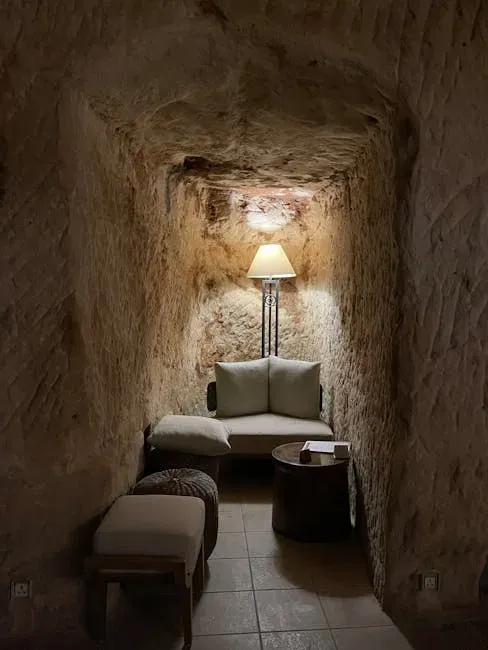
Despite limitations on basement digs in prime areas of London, including Kensington and Chelsea and Westminster, digging down remains popular because, when done well in super-prime locations, subterranean space adds invaluable square footage. Underground floors have become one of the most sought-after ways to expand a footprint without altering a building’s exterior profile.
The big driver for clients is the ability to have every amenity they want without needing to leave the house – and beautifully designed underground space that doesn’t look or feel subterranean is ideal for that. Gyms, pools, cinemas, and wine cellars all live down here, finished to the same standard as the floors above.
4. A Concealed Panic Room Built Into the Architecture

With growing interest among high-end homeowners, panic rooms for estates are becoming an essential part of luxury home planning. Today’s panic rooms for estates often appear as ordinary walk-in closets, home offices, or libraries. The best ones are completely undetectable – not just hidden, but architecturally dissolved into the surrounding space.
Panic rooms have transformed from simple reinforced closets into fully equipped safe havens, offering blast-proof walls and doors designed to withstand explosions or forced entry, and independent air filtration systems that protect occupants from smoke, gas, or airborne toxins. Billionaires often customize panic rooms to blend with the home’s interior design, making them indistinguishable from other rooms.
5. A Climate-Controlled Wine Cellar With a Tasting Room

Billionaires often conceal their wine collections in underground cellars meticulously designed with climate control systems. These cellars include tasting rooms, offering a refined environment to savor fine wines. Some feature glass floors over collections or automated systems for retrieving rare bottles, turning wine appreciation into an art form.
At this level, the cellar isn’t just storage – it’s a destination within the home. A concealed wine cellar behind a sliding wall, a climate-controlled storage area for valuable art collections – these spaces elevate the home’s functionality while maintaining an air of sophistication. The distinction between utility and theater is deliberately blurred.
6. Invisible Smart Home Technology

Billionaire homes incorporate sophisticated technology, but the best implementations are essentially invisible. Furniture includes integrated charging, hidden cable management, and motorized mechanisms that operate silently. The technology serves the resident seamlessly rather than requiring constant attention or creating aesthetic compromises.
Ultra-wealthy families demand systems that operate locally rather than through public networks. Smart homes function offline whenever possible, reducing data leakage risks. The goal isn’t a home that performs technology. It’s a home where technology has been so thoroughly absorbed that it simply disappears.
7. A Private Art Gallery With Museum-Grade Conditions
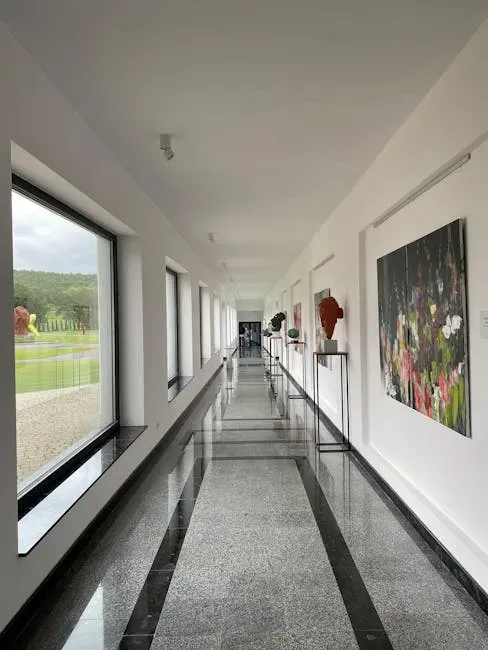
When art collections rival those of small countries, displaying them properly becomes a priority. Ultra-high-net-worth individuals now incorporate museum-quality galleries into their homes. These spaces feature specialized lighting that prevents UV damage, precise climate control systems maintaining optimal temperature and humidity, and vibration-dampening construction techniques.
In the homes of billionaires, art collections are not merely displayed but celebrated in private museums and galleries. These spaces often occupy entire wings, meticulously designed with state-of-the-art climate control systems. Specific lighting is employed to preserve priceless works, ensuring they remain in pristine condition. It’s less about showing off and more about treating the collection with the seriousness it deserves.
8. A Car Gallery or Subterranean Automotive Showroom

At this level, garages stop being garages. Instead, they become luxury car display rooms with polished concrete floors, gallery lighting, glass walls, and enough space for a dozen or more vehicles, often including brands like Ferrari, Rolls-Royce, or Lamborghini. The vehicles aren’t parked – they’re exhibited.
For automobile enthusiasts with deep pockets, subterranean automotive showrooms have become the ultimate status symbol. These climate-controlled spaces feature museum-quality lighting, rotating platforms, and sometimes even glass walls allowing views from other parts of the home. Security systems rival those of high-end jewelry stores, with biometric access controls and specialized fire suppression systems designed to protect priceless collections.
9. Bespoke Furniture Designed for Specific Bodies
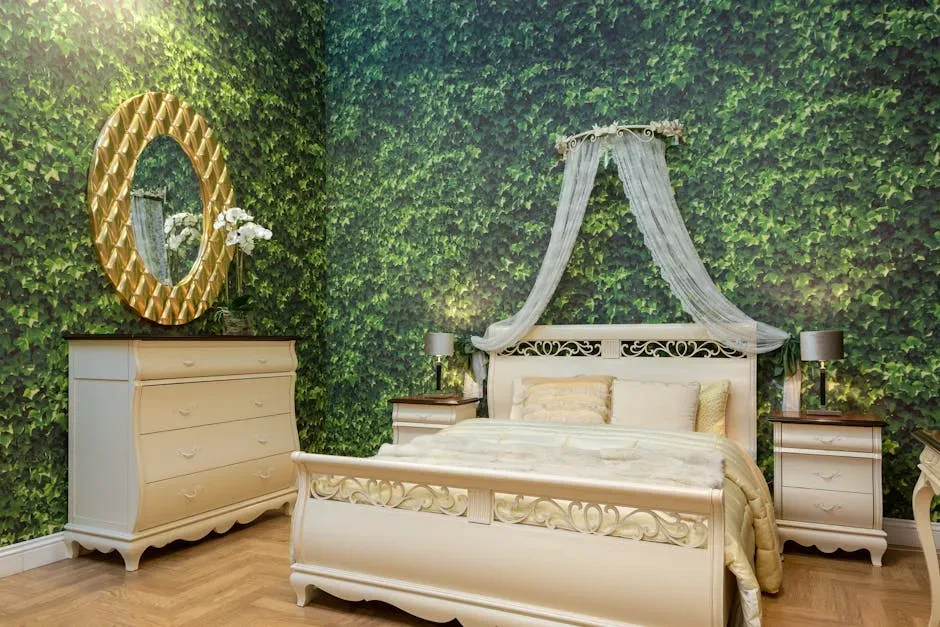
Rather than accepting standard furniture proportions, ultra-wealthy clients increasingly commission furniture designed for their specific physical dimensions and preferences. Detailed measurements of clients’ bodies are taken, understanding how they actually sit, to create furniture optimized for their comfort. This isn’t customization in the sense of choosing a fabric. It’s furniture engineered around a single person.
Clients request designs that appear understated but are actually extraordinarily expensive due to hidden quality factors invisible to casual observers. A dining table might look like refined but simple modern design, yet it’s created from incredibly rare wood using construction techniques requiring 800 hours of master craftsman time. The luxury is in the making, not the appearance.
10. Massive Concealed Storage Systems
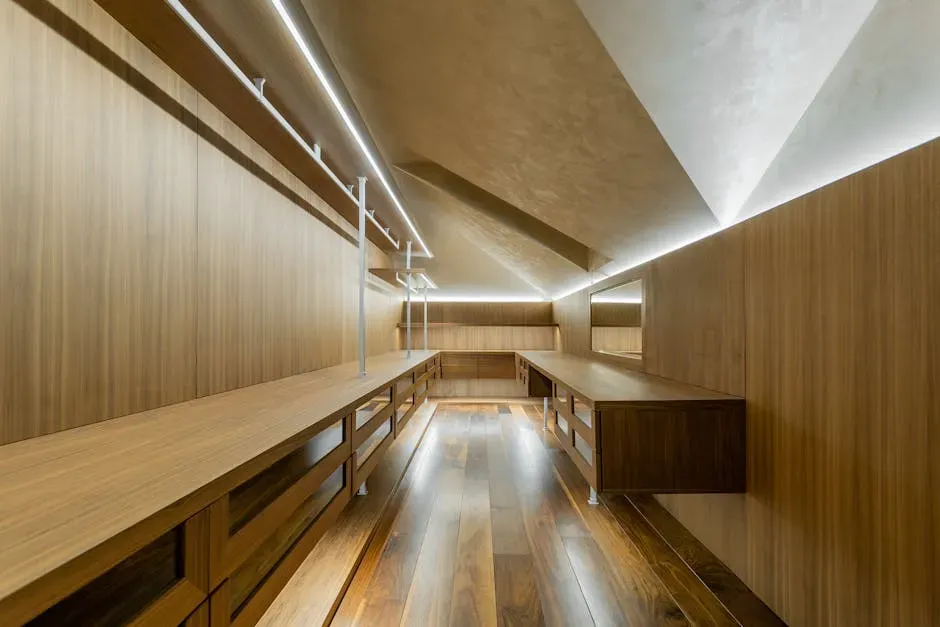
Despite vast square footage, homes at this level still require extensive storage for all the objects wealthy people accumulate. Rather than accepting visible clutter or creating visible storage systems, the best designs incorporate massive hidden storage accessed through seamless cabinetry. Closets larger than most bedrooms, pantries that could serve as small kitchens – storage rooms holding possessions most people don’t even realize need storing.
If you open a cabinet door and it glides silently and smoothly, that’s accomplished by invisible cabinet hinges tucked away with no shiny hardware you can see. These shift left, right, up, and down, and even tilt slightly, so everything lines up. This is just one detail that reveals the care that went into the kitchen and the whole home.
11. Circadian and Wellness-Tuned Lighting Throughout
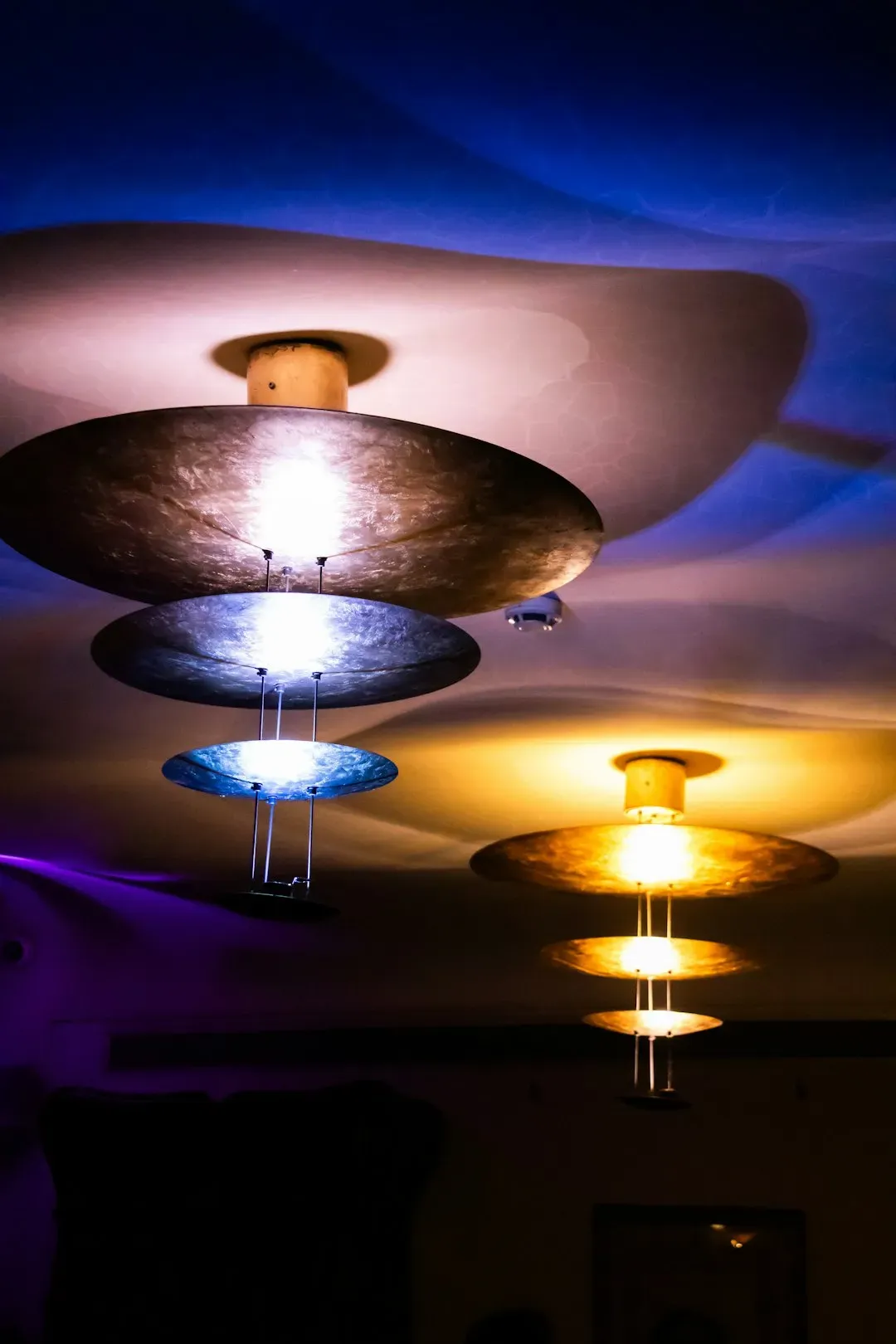
High-end homes incorporate air purification systems, circadian lighting, and soundproofing materials to create calming environments. Circadian lighting systems shift in color temperature and intensity across the day to match the body’s natural rhythm. It’s one of the most invisible, and most consequential, investments in a private wealth home.
Their preferred style is often pared back and calming; their big purchases will be a feature that enhances their health, whether it’s a particular piece of fitness equipment or a whole-house air purification system controlled by an app. Lighting that adjusts to human biology, not to an electrical switch, belongs firmly in that category.
12. Dedicated Wellness Suites Beyond a Standard Spa Bathroom

As extreme wellness becomes normalized, demand is rising for what, until recently, were considered niche features such as cryo chambers, customized experiential saunas, and sensory showers. These are no longer novelties. For a growing segment of ultra-high-net-worth clients, they are baseline requirements.
Spa-like bathrooms offer a serene retreat with soaking tubs surrounded by natural light, steam showers for ultimate relaxation, and heated floors to make chilly mornings more comfortable. The wider wellness suite, though, goes beyond the bathroom – incorporating cold plunge pools, halotherapy rooms, and recovery zones that would feel at home in a world-class medical spa.
13. A Professional-Grade Dual Kitchen Setup
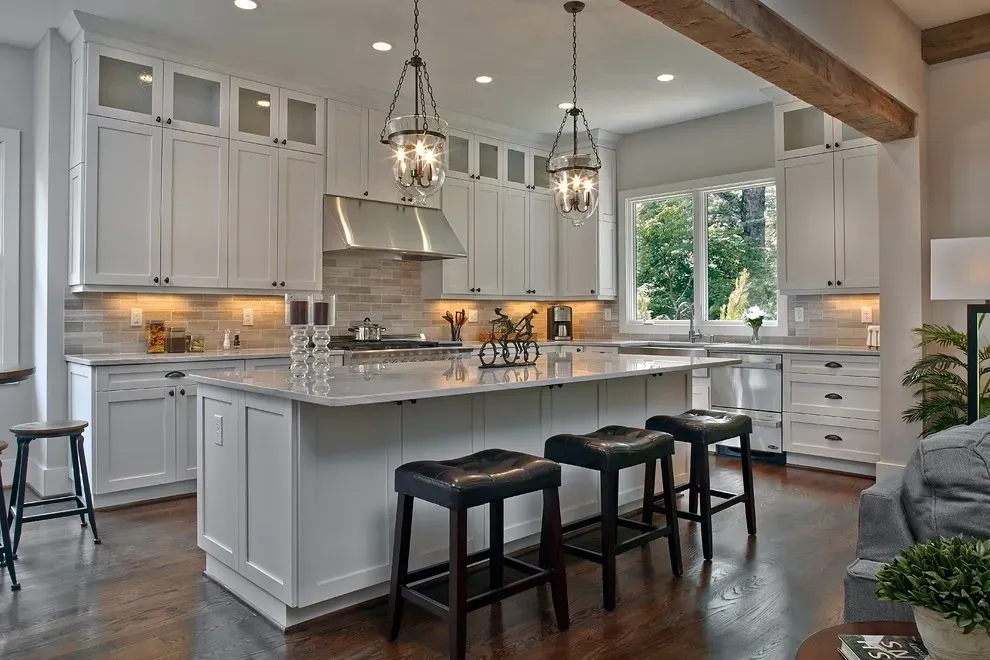
Even with personal chefs on staff, culinary spaces remain status symbols for the ultra-wealthy. These aren’t just kitchens – they’re gastronomic laboratories designed for creating extraordinary dining experiences. Multiple cooking zones accommodate several chefs working simultaneously, with specialized stations for pastry, butchery, and preparation.
Kitchens have long been called the heart of the home – but they are increasingly becoming one of the smallest rooms in some of the largest homes. That’s because the show kitchen is just the front of house. Behind it, concealed through a hidden panel, is the working kitchen where the real preparation happens. Two separate spaces, each flawlessly finished.
14. Adaptable Rooms Designed to Change Function Over Decades
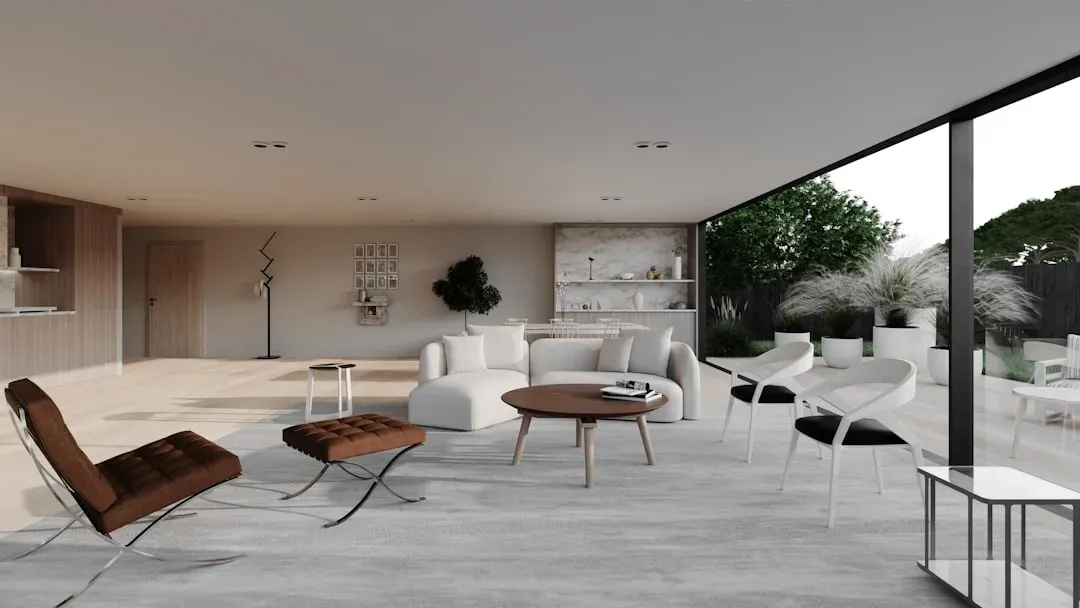
Homes designed to support generational wealth often feature adaptable interior spaces. Families grow, lifestyles evolve, and new technologies reshape daily living. Billionaires request architectural plans that allow rooms to change purpose over time without major structural alterations. A private office today becomes a library or recording studio tomorrow, without touching the structure.
Luxury homes designed for generational wealth require exceptional durability and timeless design. Billionaires often prioritize architectural styles that remain elegant across decades rather than following short-lived trends. Classic proportions, balanced layouts, and refined materials help ensure the home retains its appeal over time.
15. Biometric Access Points Integrated Into the Design
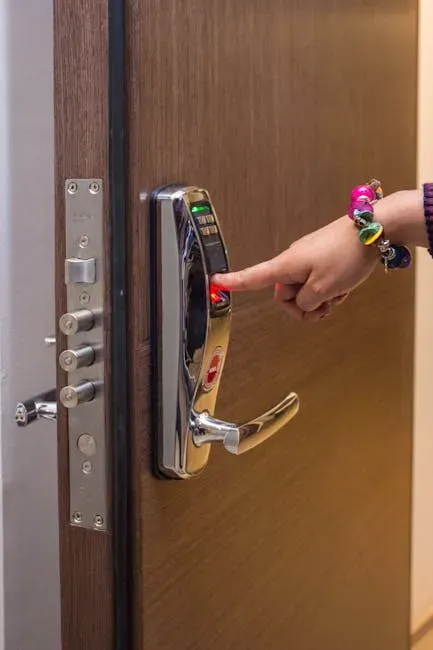
Gone are the days when safes were bulky, obvious, and easy targets. Today’s biometric safes use fingerprint, retina, or even voice recognition to grant access. These safes can be hidden behind artwork, inside walls, or beneath floors, making them virtually invisible to intruders. The same logic extends to doors, elevators, wine cellars, and car galleries.
Surveillance systems remain hidden and inward-facing. Facial recognition operates privately. Perimeter alerts avoid visible cameras that attract curiosity. The entire security apparatus is designed to be imperceptible – present everywhere, visible nowhere.
16. Hidden Home Cinemas and Speakeasy-Style Entertainment Rooms
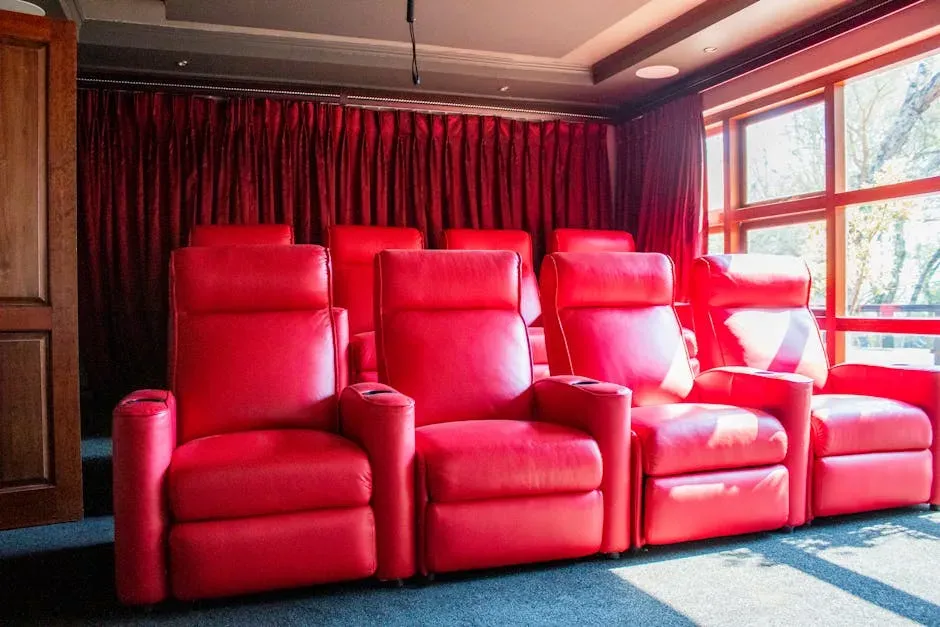
Some hidden rooms are designed as high-security panic rooms, offering a safe space in case of emergencies. Others function as entertainment hubs, such as hidden home theaters or speakeasy-style lounges. Luxury design for hidden rooms incorporates high-end materials, custom finishes, and smart home technology to ensure these spaces remain as visually stunning as they are functional.
Lighting systems, DJ booths, extravagant bars, generous lounging space, and acoustic insulation turn part of the home into a true nightlife space. It’s especially common in newer mega-mansions in Los Angeles and Miami, and often an ultra-luxury amenity meant to attract young tech billionaires and music superstars. These rooms exist entirely off the listing, known only to those invited inside.
17. Off-Grid Energy and Private Infrastructure Systems
Modern luxury homes often incorporate advanced technologies that enhance efficiency and sustainability. Integrated systems manage climate, lighting, and security with precision, which helps reduce operating costs and maintain property value. Smart infrastructure also allows future upgrades as technology evolves.
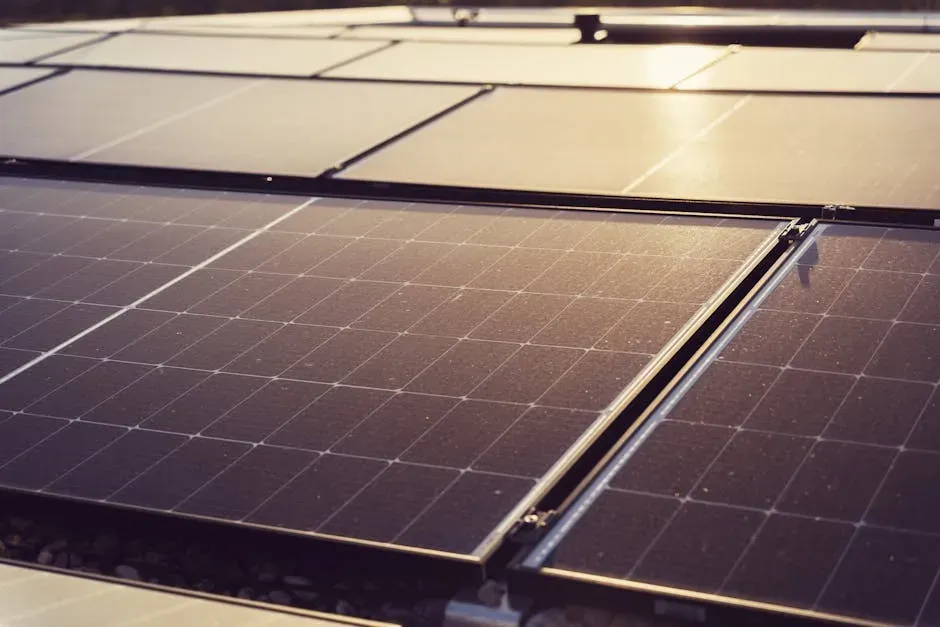
Some estates operate independently from the grid when needed. Given the location of some of these intergenerational estates, that might be more of a requirement or the type of luxury premium that comes with the views. Solar power integration, advanced insulation, and water conservation systems reduce environmental impact and lower maintenance costs. Self-sufficiency, at this level, is as much about security as it is about sustainability.
18. Construction Quality That Lives Entirely Behind the Walls
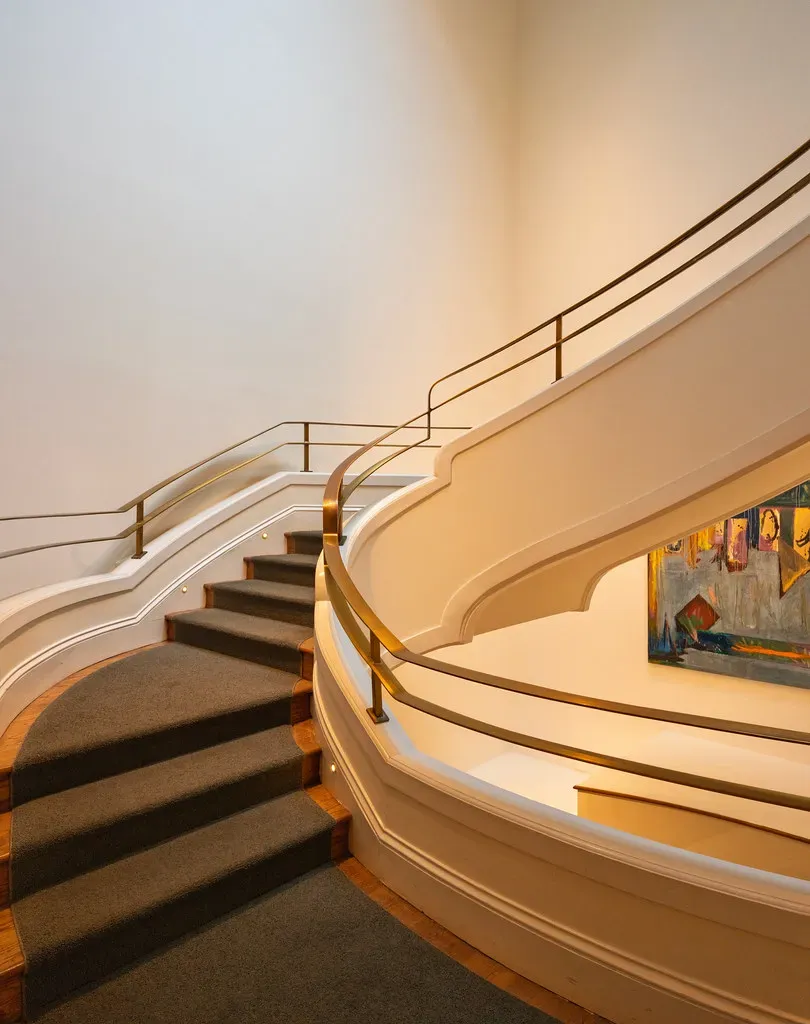
A high-end home earns its value not from one standout trait, but from tiny choices made at every step of its construction. How a drawer shuts matters just as much as what hides behind the drywall. Each piece contains the same intention – care is in place even when no one is looking. This is the detail that separates a well-decorated home from one built for enduring wealth.
Construction quality plays a critical role in long-term preservation. Skilled craftsmanship, structural precision, and durable materials allow the residence to withstand environmental and structural challenges. Through this emphasis on longevity, the property remains functional and visually impressive long after its original construction. The most telling sign of private wealth in a home is often the thing you never see – the care poured into what exists purely out of sight.
Taken together, these details form a portrait of homes that were never really designed to impress visitors. They were designed to function, to endure, and to serve the people who live in them with a kind of quiet, total completeness that no amount of surface-level renovation can replicate. The ceiling heights and the marble are easy to photograph. What distinguishes these homes is everything else.